L'envers de l'ordinaire
Centre d'art contemporain - la synagogue de Delme•Jul 11, 2026 — Dec 06, 2026


More Exhibitions at Centre d'art contemporain - la synagogue de Delme


Guestbook
Press Release
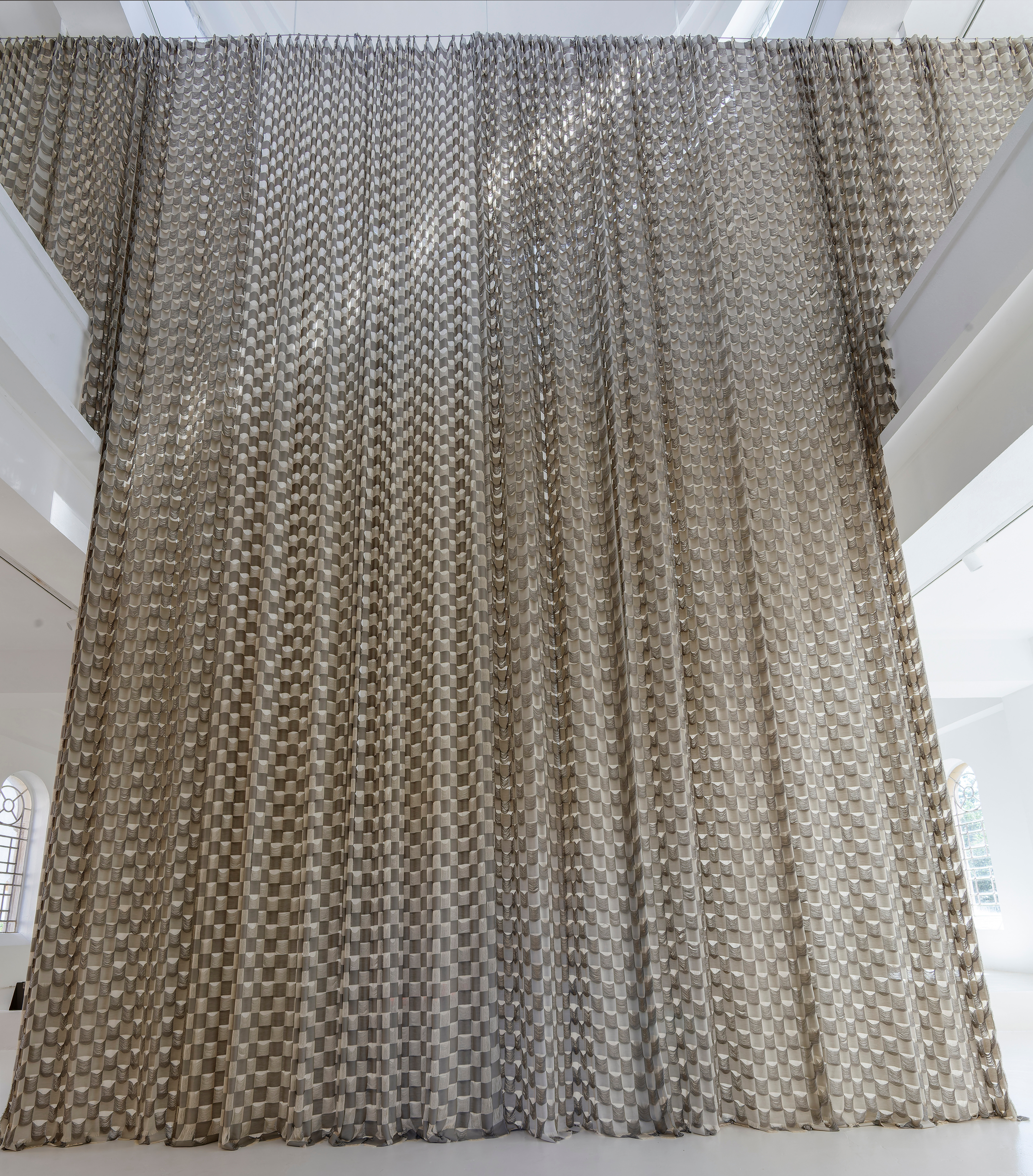
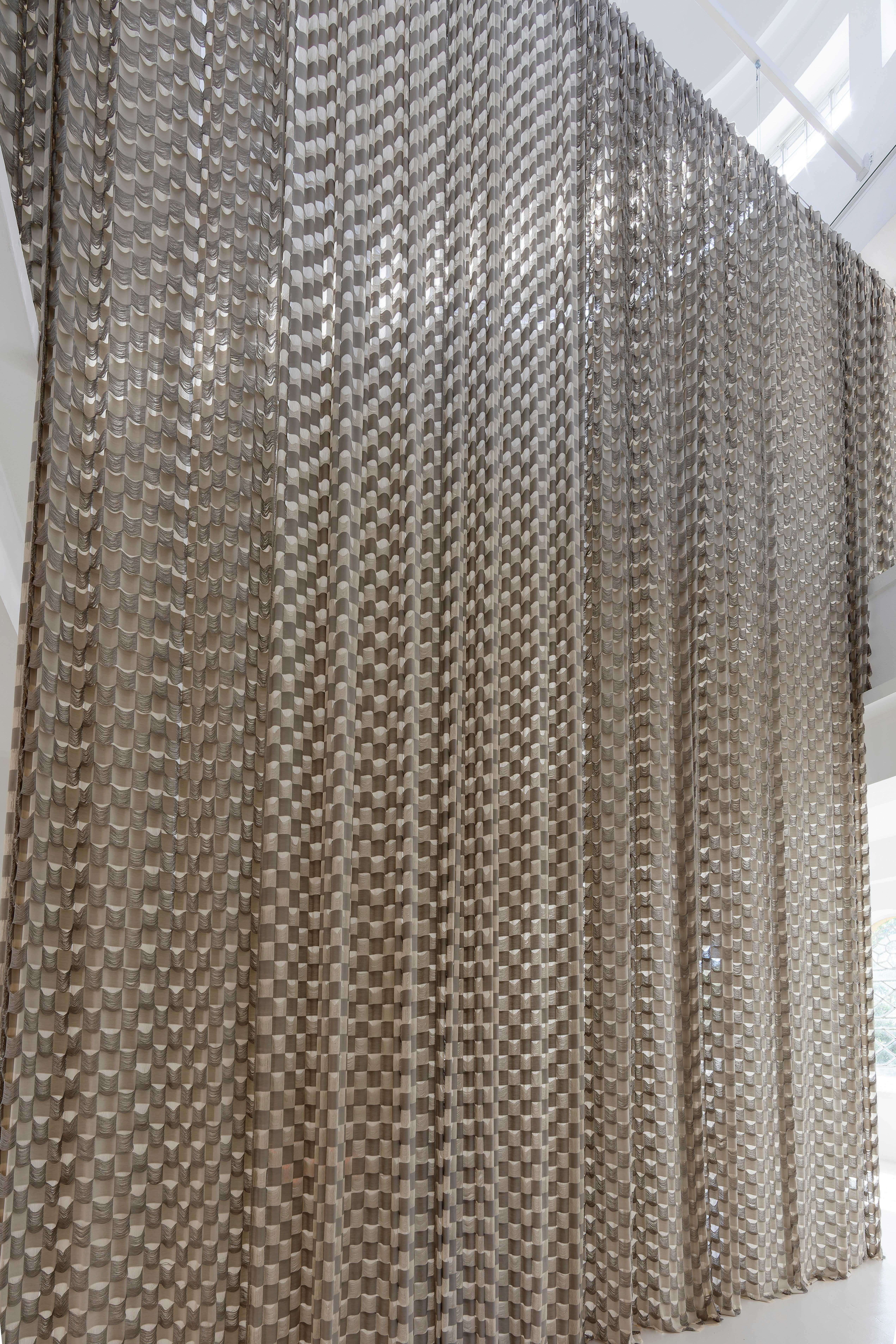
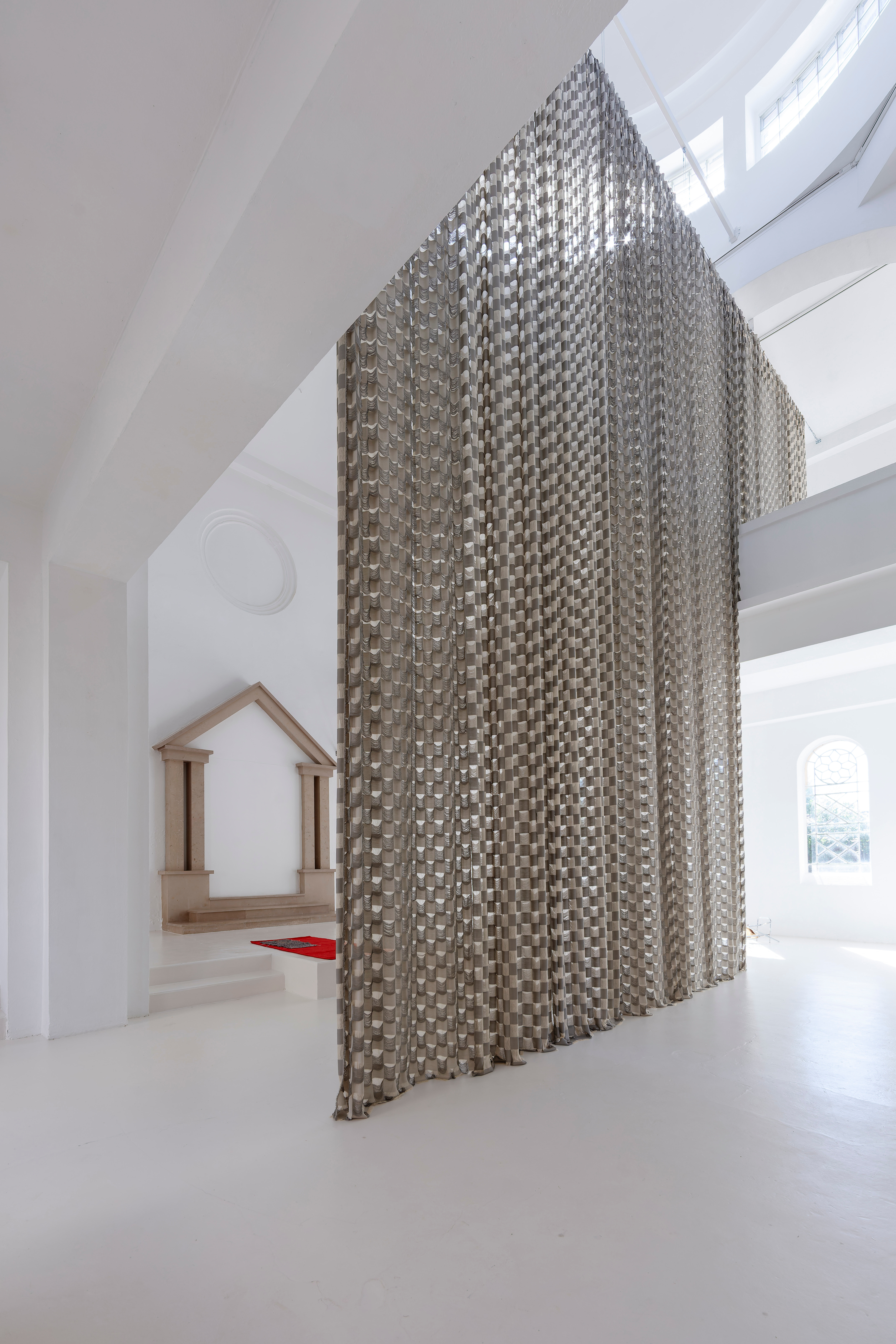
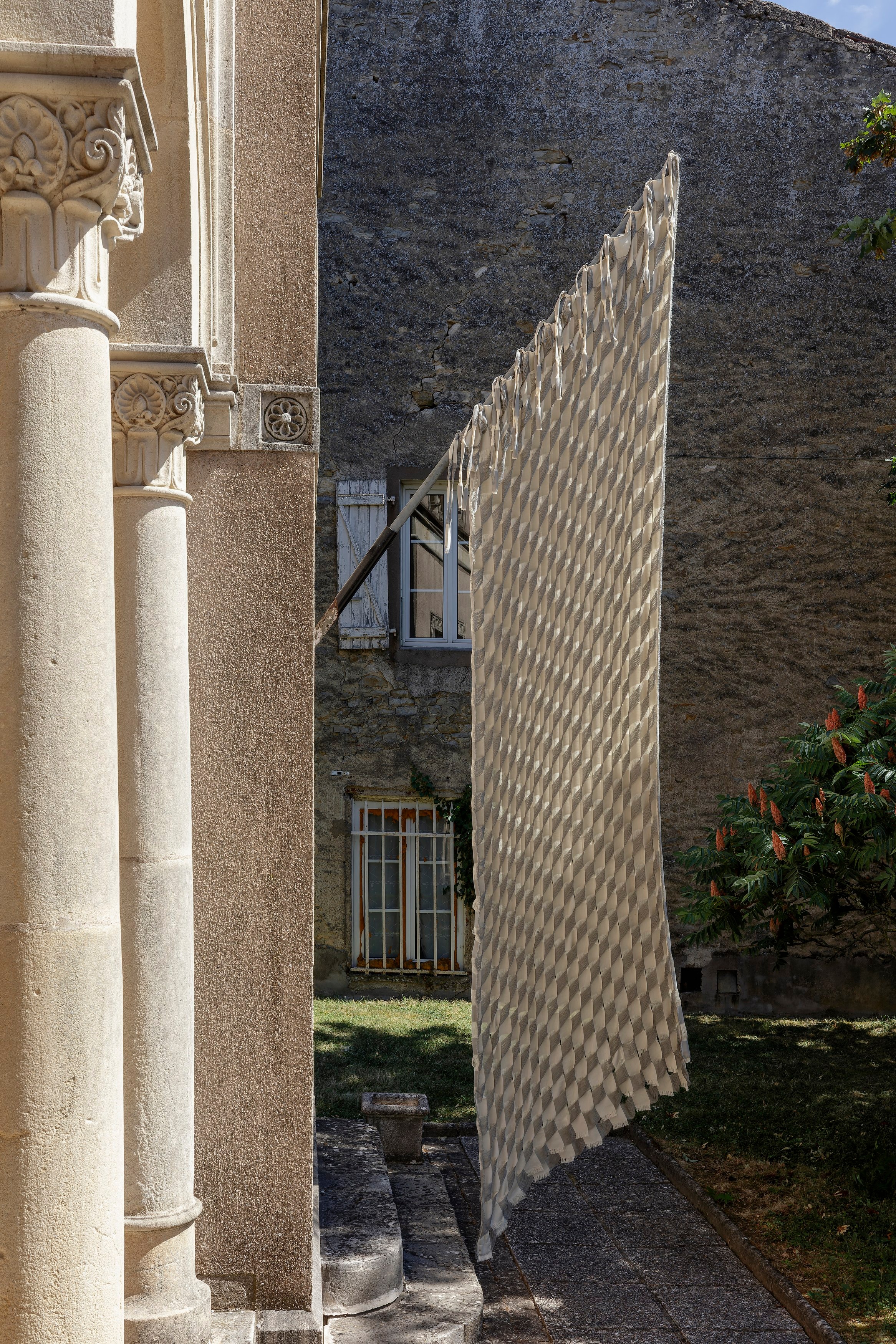
L'envers de l'ordinaire (The Flipside of Ordinary) is an exhibition that brings together two artists: Marianne Berenhaut (1934, Brussels) and Hana Miletić (1983, Zagreb). No doubt owing to the generation gap between them, the two major artists of the Belgian scene have never had the opportunity to exhibit together.
Berenhaut is a sculptor whose approach has flourished since the 1960s through a multitude of gestures (firstly, casting, followed by collage and assemblage). In her sculptures, objects – found on the street or in second-hand stores – are superimposed, covered or rest one on top of the other. In her artworks, the objects of everyday life take the form of bodies or become flowers in electrical wiring or rugby scrums with empty bottles, among other things. In an interview, she said: “When I finish a piece, I observe that it always has something to do with people. I am often well aware that these are not people, and yet they are people..”¹ Poupées poubelles: Ville et campagne…
Exhibition Space

Tags

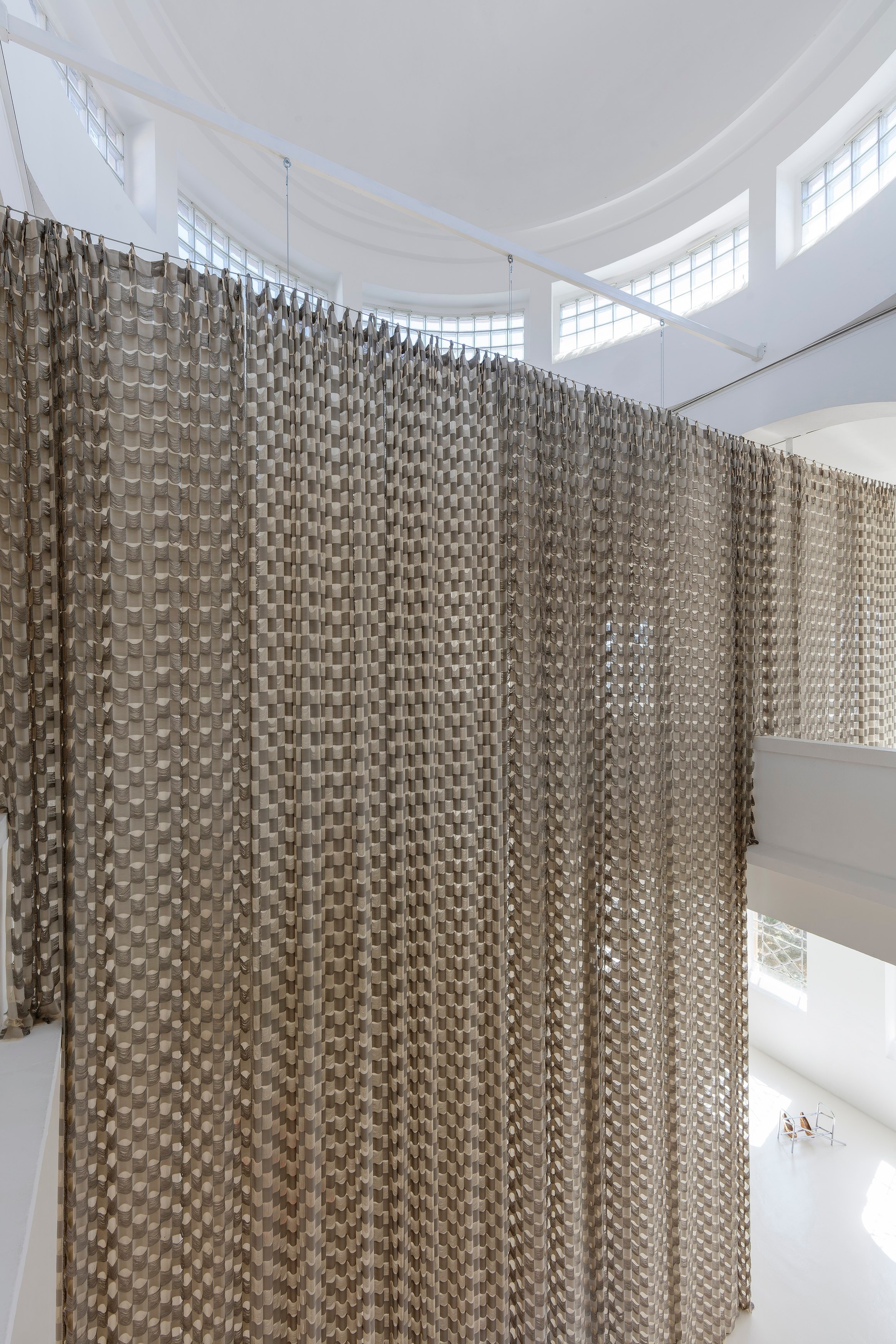
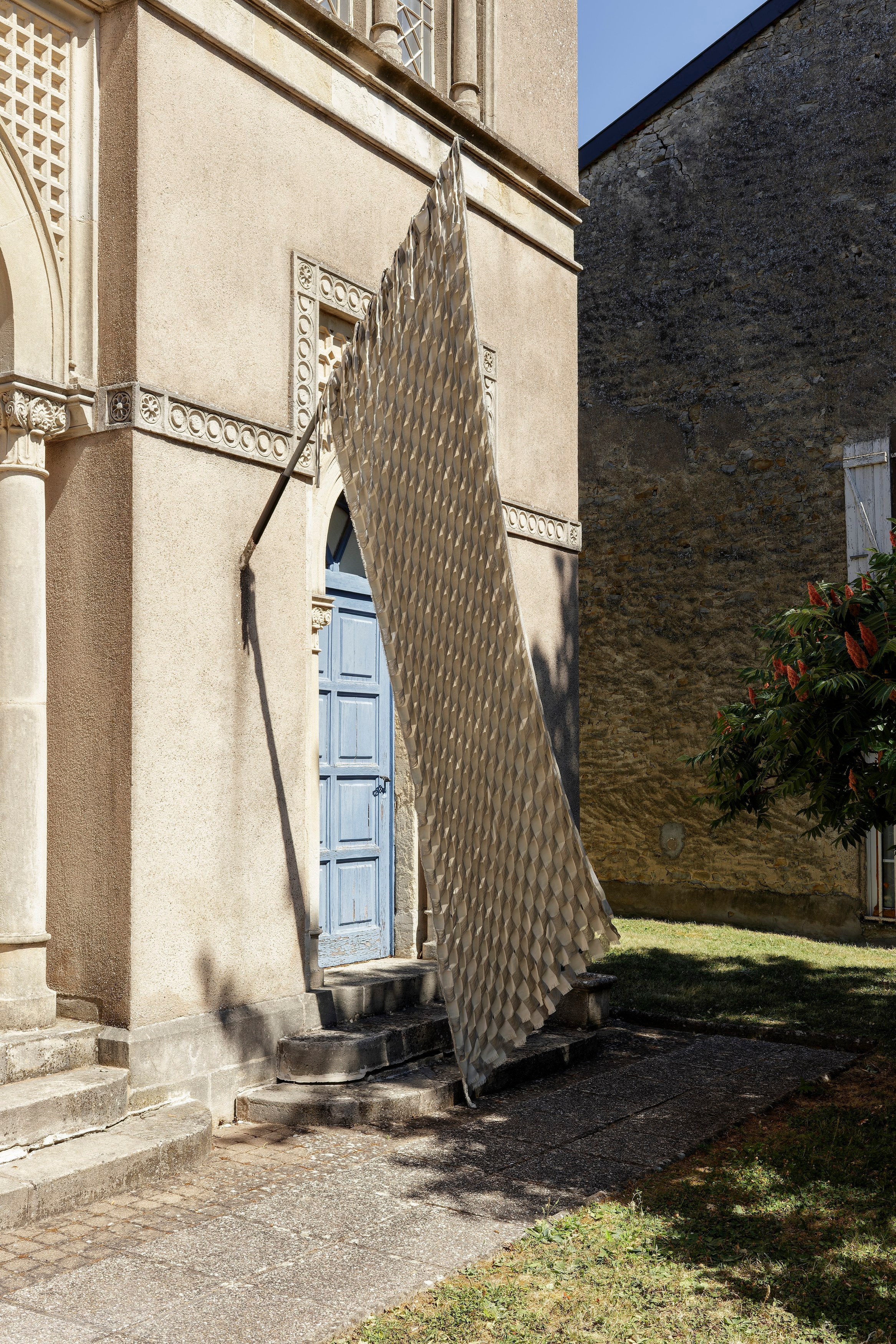
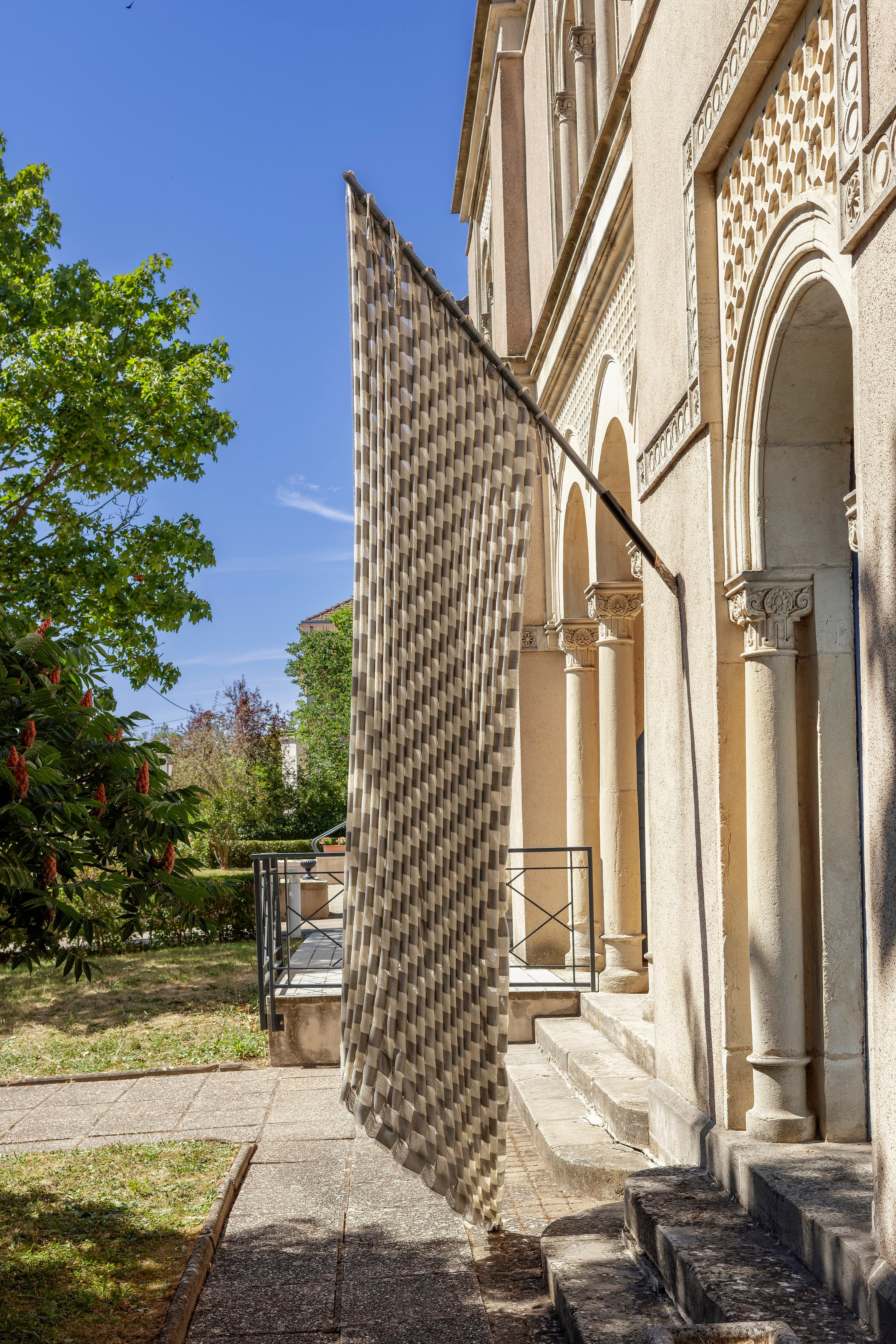
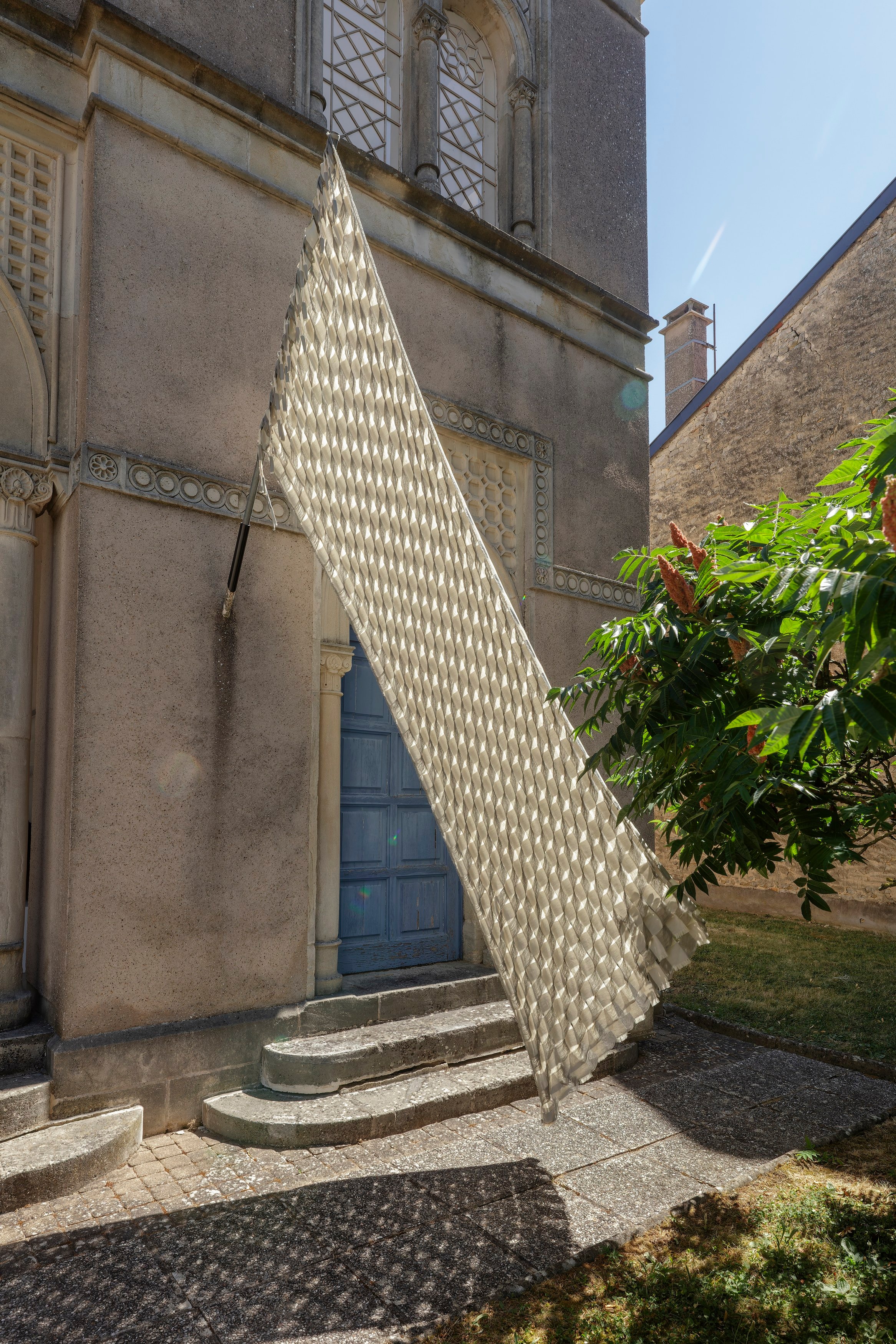


L'envers de l'ordinaire
Centre d'art contemporain - la synagogue de Delme•Jul 11, 2026 — Dec 06, 2026
Press Release
L'envers de l'ordinaire (The Flipside of Ordinary) is an exhibition that brings together two artists: Marianne Berenhaut (1934, Brussels) and Hana Miletić (1983, Zagreb). No doubt owing to the generation gap between them, the two major artists of the Belgian scene have never had the opportunity to exhibit together.
Berenhaut is a sculptor whose approach has flourished since the 1960s through a multitude of gestures (firstly, casting, followed by collage and assemblage). In her sculptures, objects – found on the street or in second-hand stores – are superimposed, covered or rest one on top of the other. In her artworks, the objects of everyday life take the form of bodies or become flowers in electrical wiring or rugby scrums with empty bottles, among other things. In an interview, she said: “When I finish a piece, I observe that it always has something to do with people. I am often well aware that these are not people, and yet they are people..”¹ Poupées poubelles: Ville et campagne…
Exhibition Space
Tags
More Exhibitions at Centre d'art contemporain - la synagogue de Delme
Guestbook

Editing is restricted
You cannot submit an edit because the institution hosting this exhibition has been claimed by .
Editing this section requires claiming the profile of the institution hosting this exhibition.
Claims are one of the many safeguards in place on UntitledDb that preserve the integrity of the information on our platform.
Editing is restricted
Editing this section requires claiming the profile of the institution hosting this exhibition.
Claims are one of the many safeguards in place on UntitledDb that preserve the integrity of the information on our platform.
Editing is restricted
A reputation of 20,000 or higher is needed to edit posts created by other users.
Familiarize yourself with our platform by creating new posts and watching your favorites. You'll reach a reputation of 20,000 in no time.
This is one of the many safeguards in place on UntitledDb that preserve the integrity of the information on our platform.
Account access options
Log in and connect with the art world
By continuing, you agree to our Terms of Use and Privacy Policy.
or
Account access options
Sign up and connect with the art world
By continuing, you agree to our Terms of Use and Privacy Policy.
or
Account access options
Expand your reach with UntitledDb Pro
By continuing, you agree to our Terms of Use and Privacy Policy.
or
Account access options
Grow your institution's reach and impact with UntitledDb Enterprise
By continuing, you agree to our Terms of Use and Privacy Policy.
or
Sign up for UntitledDb Pro to unlock this feature