In the Middle Lane, the Grass Was Tall in the Summer
Museum of Architecture•May 14, 2026 — Sep 06, 2026


Artists
Curator
Guestbook
Press Release
In the Middle Lane, the Grass Was Tall in the Summer
text by Agata Ciastoń
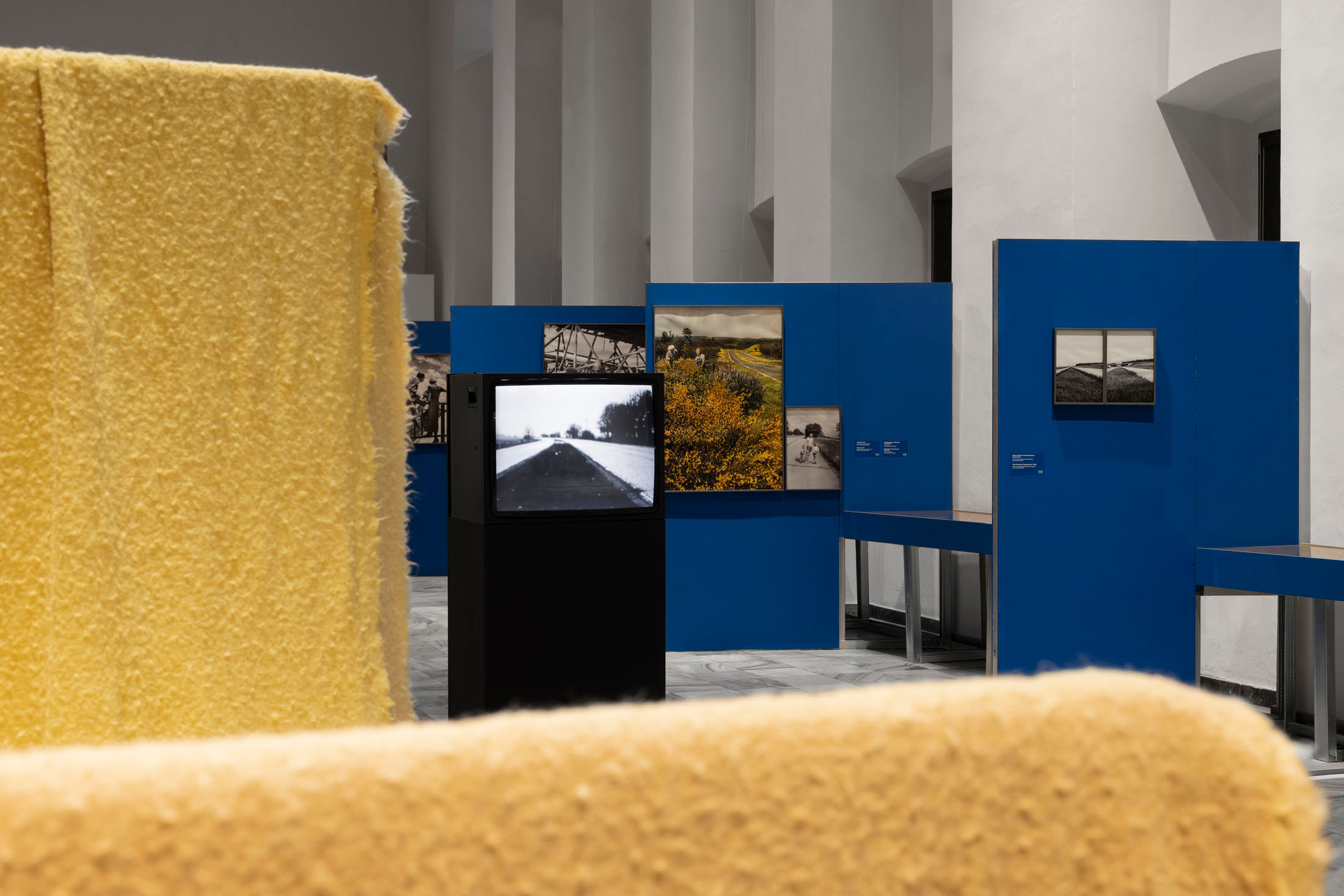
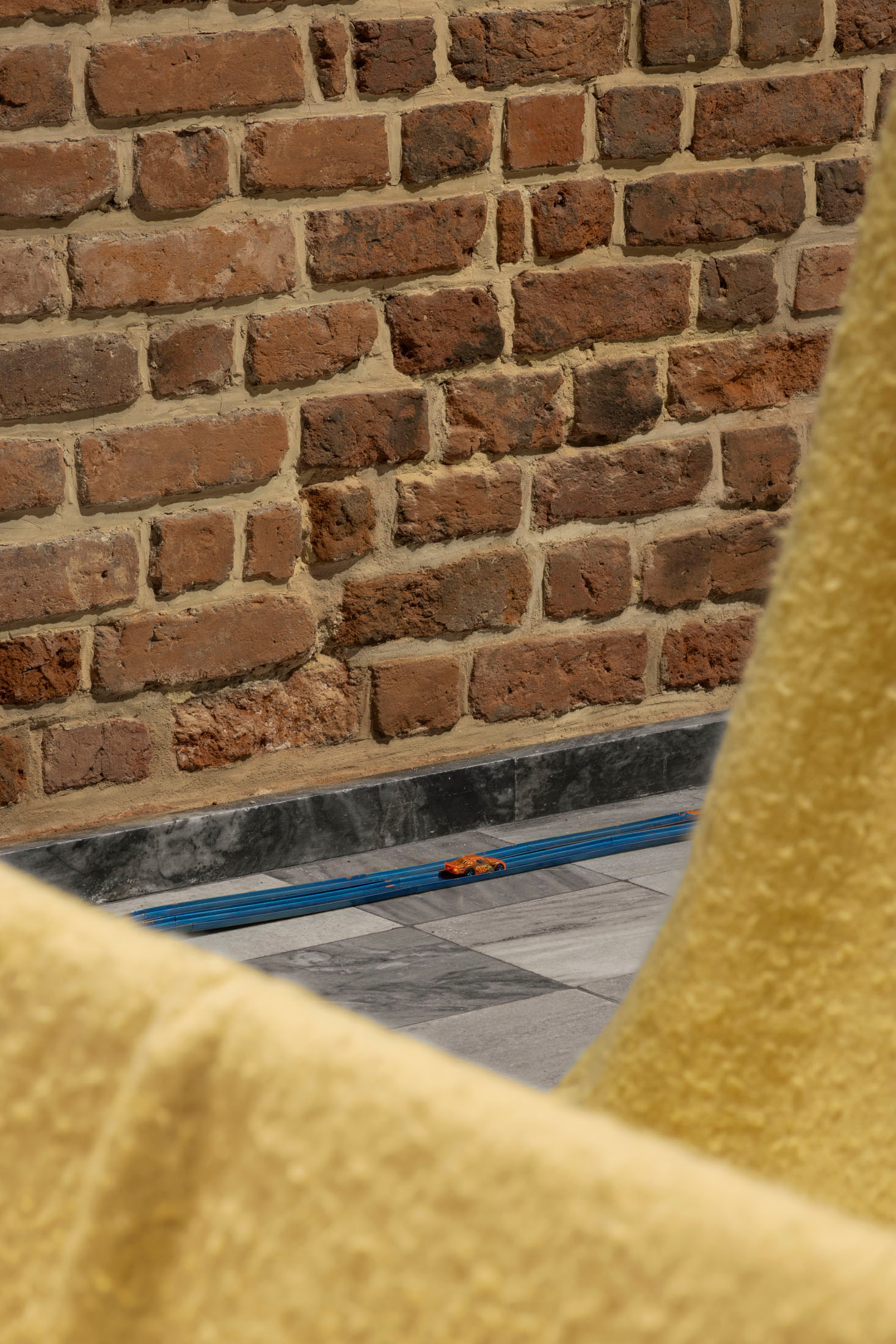
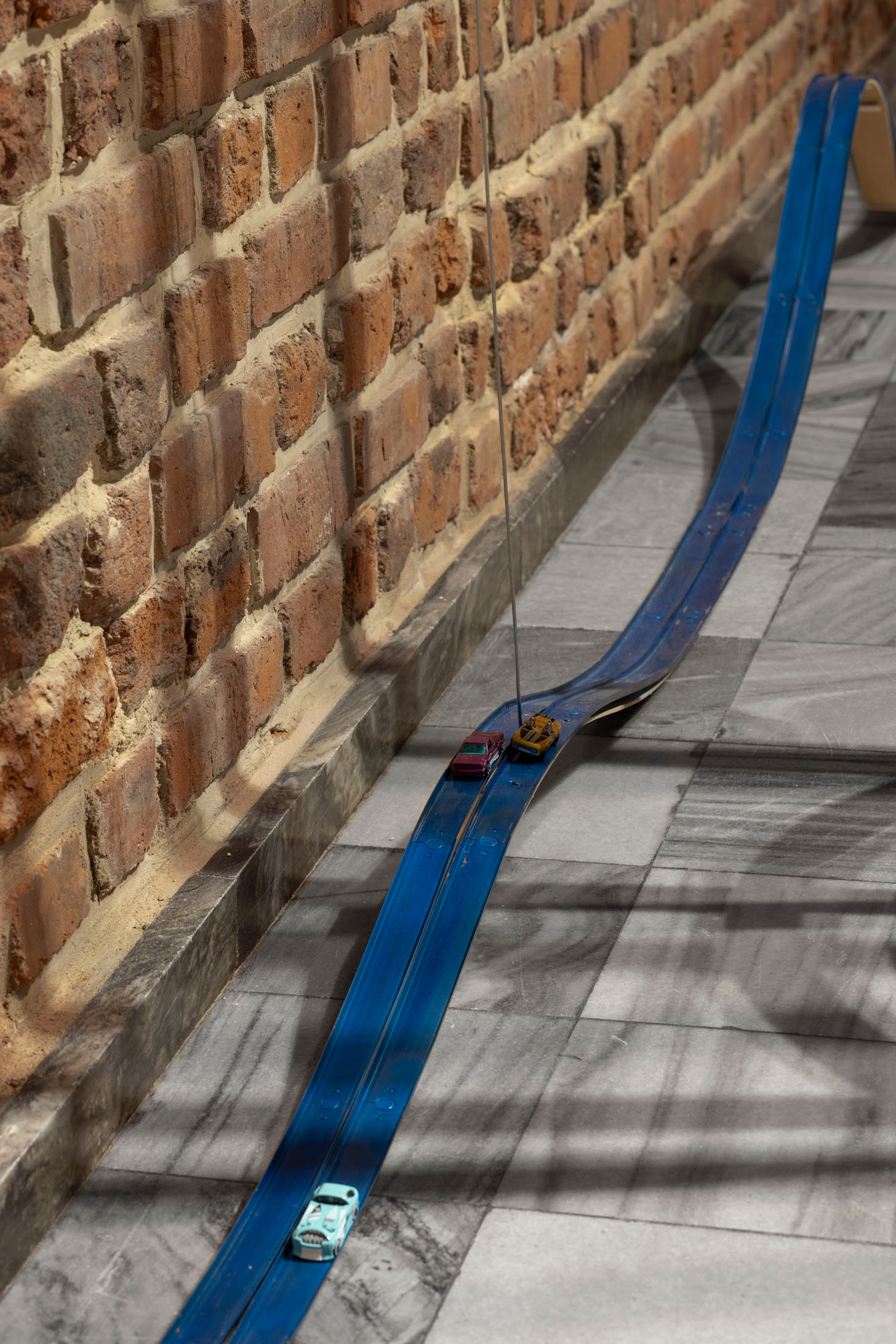
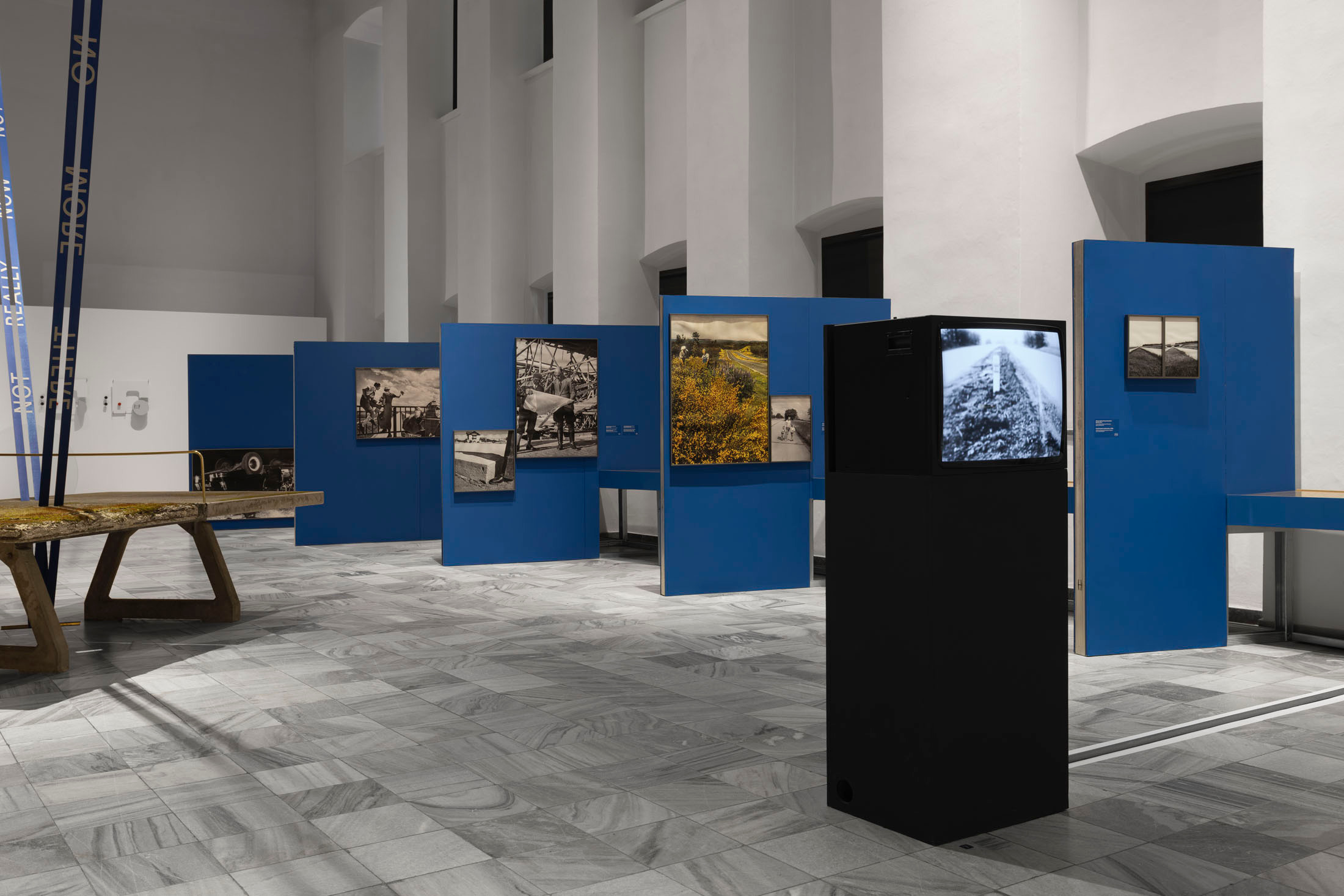
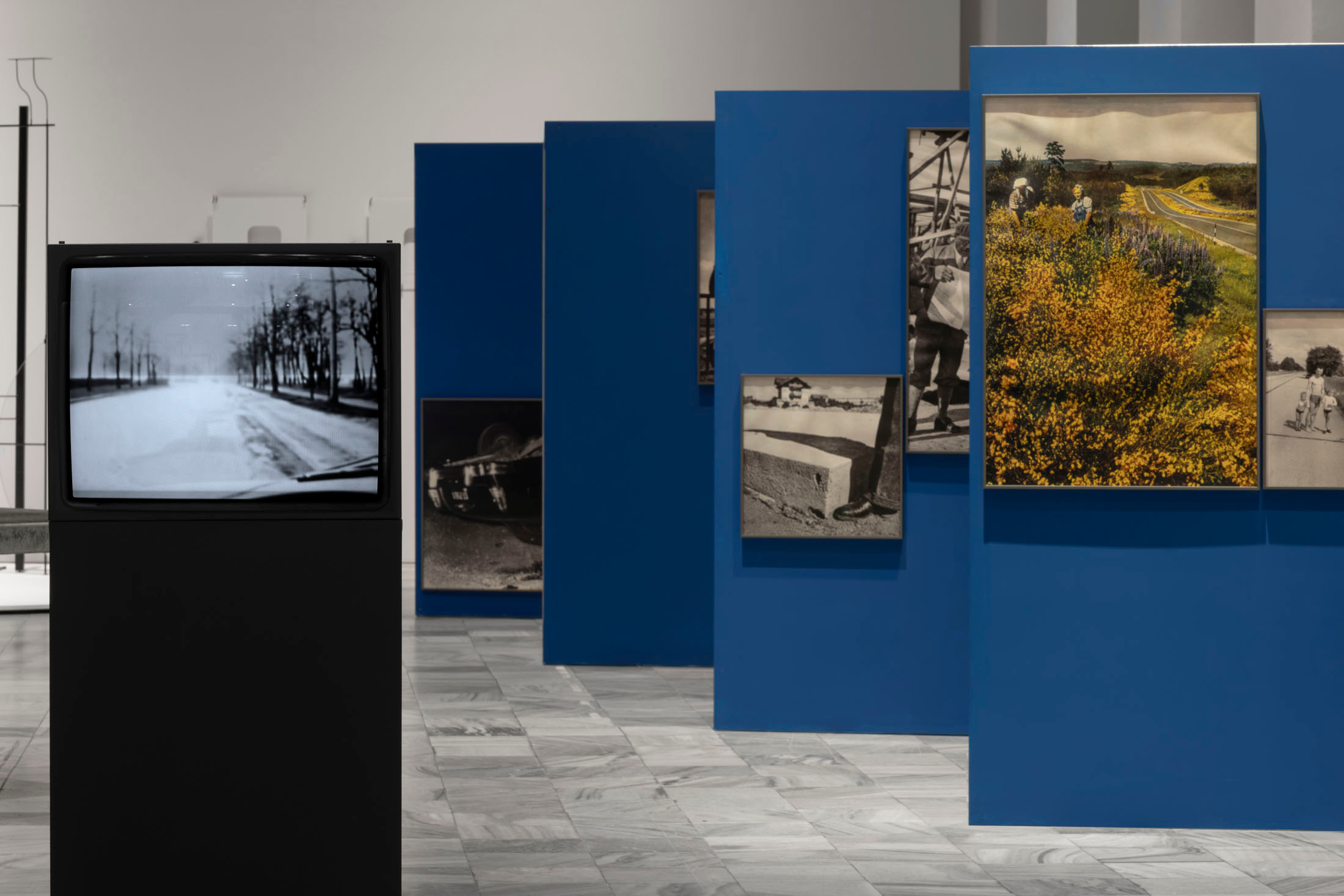
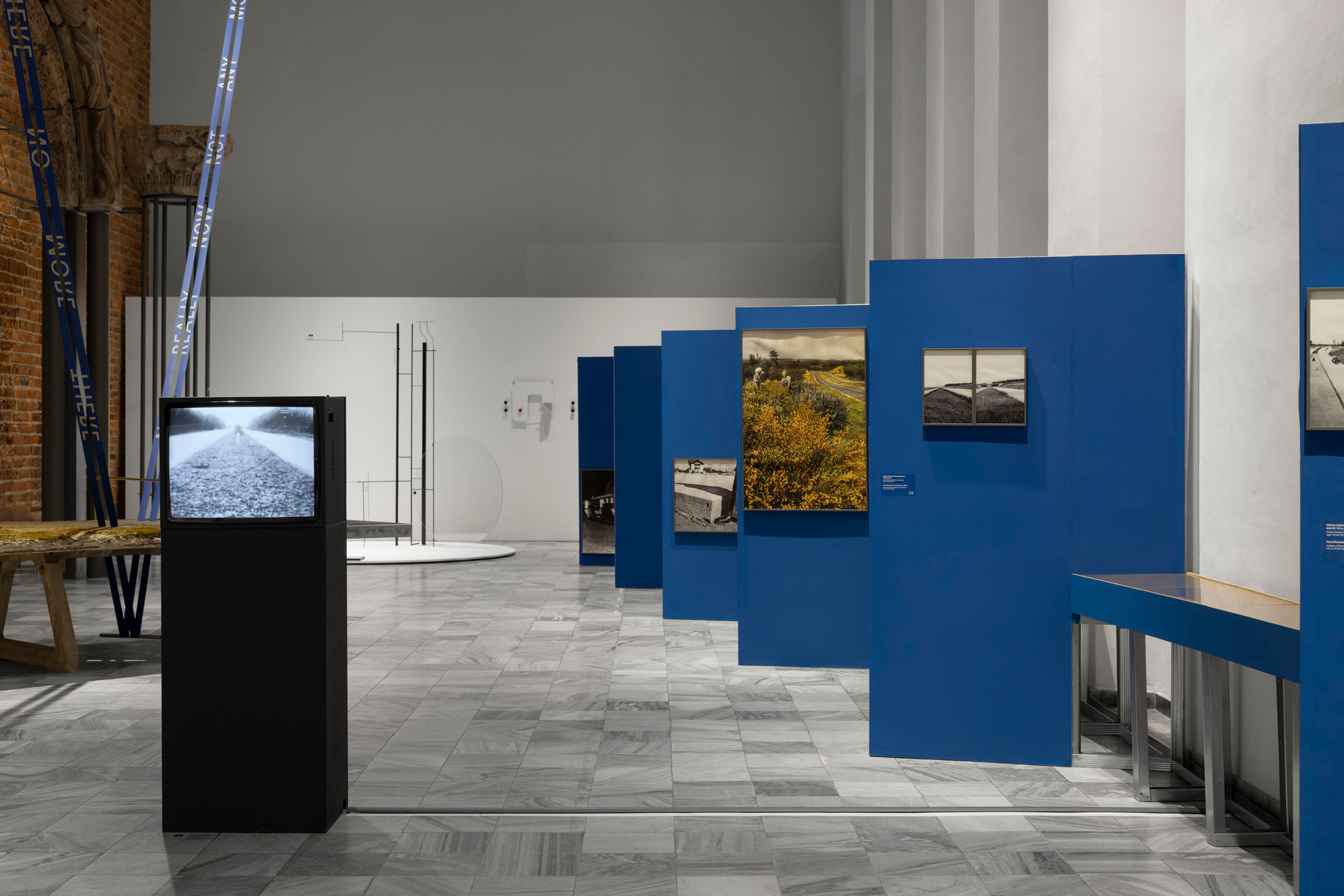
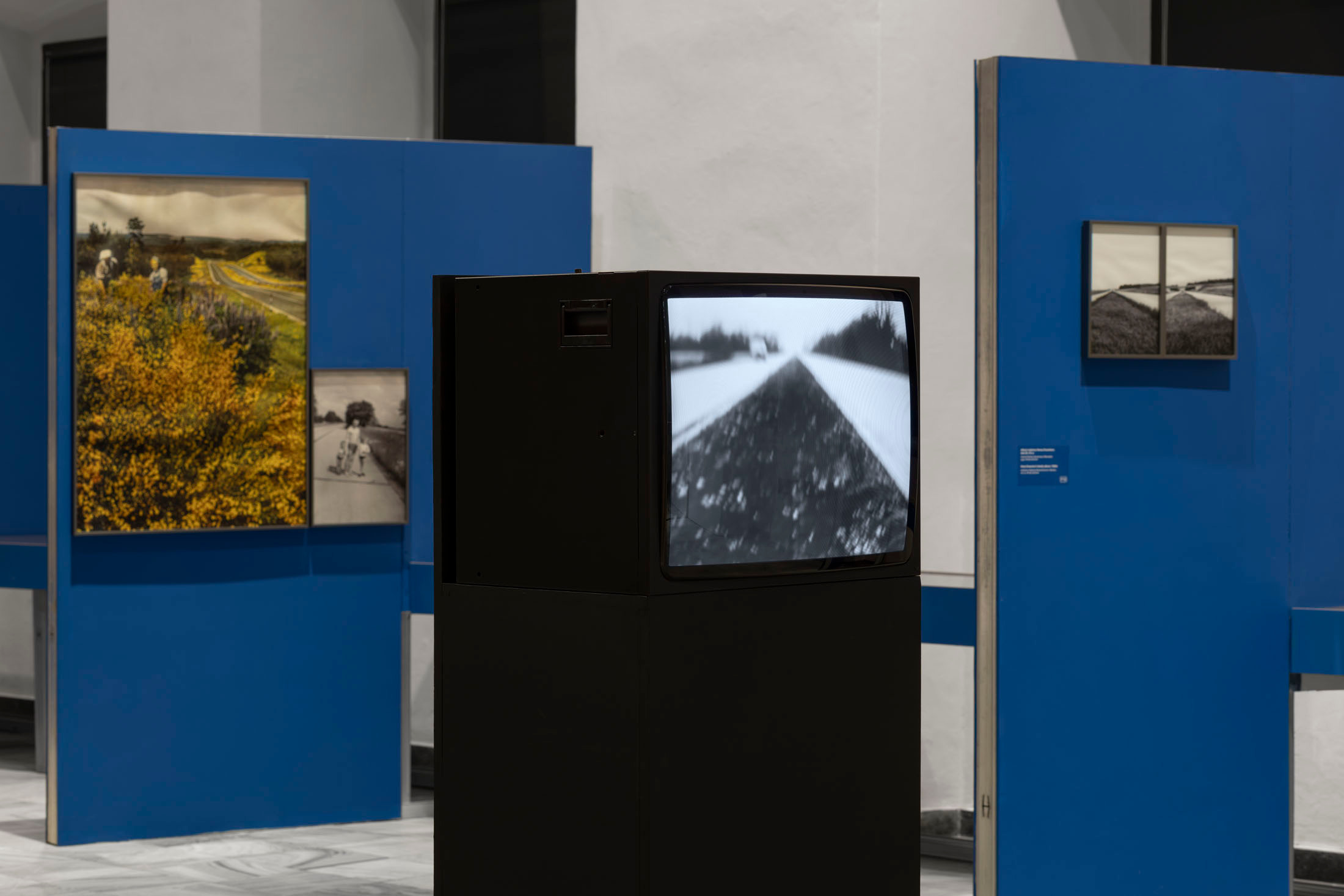
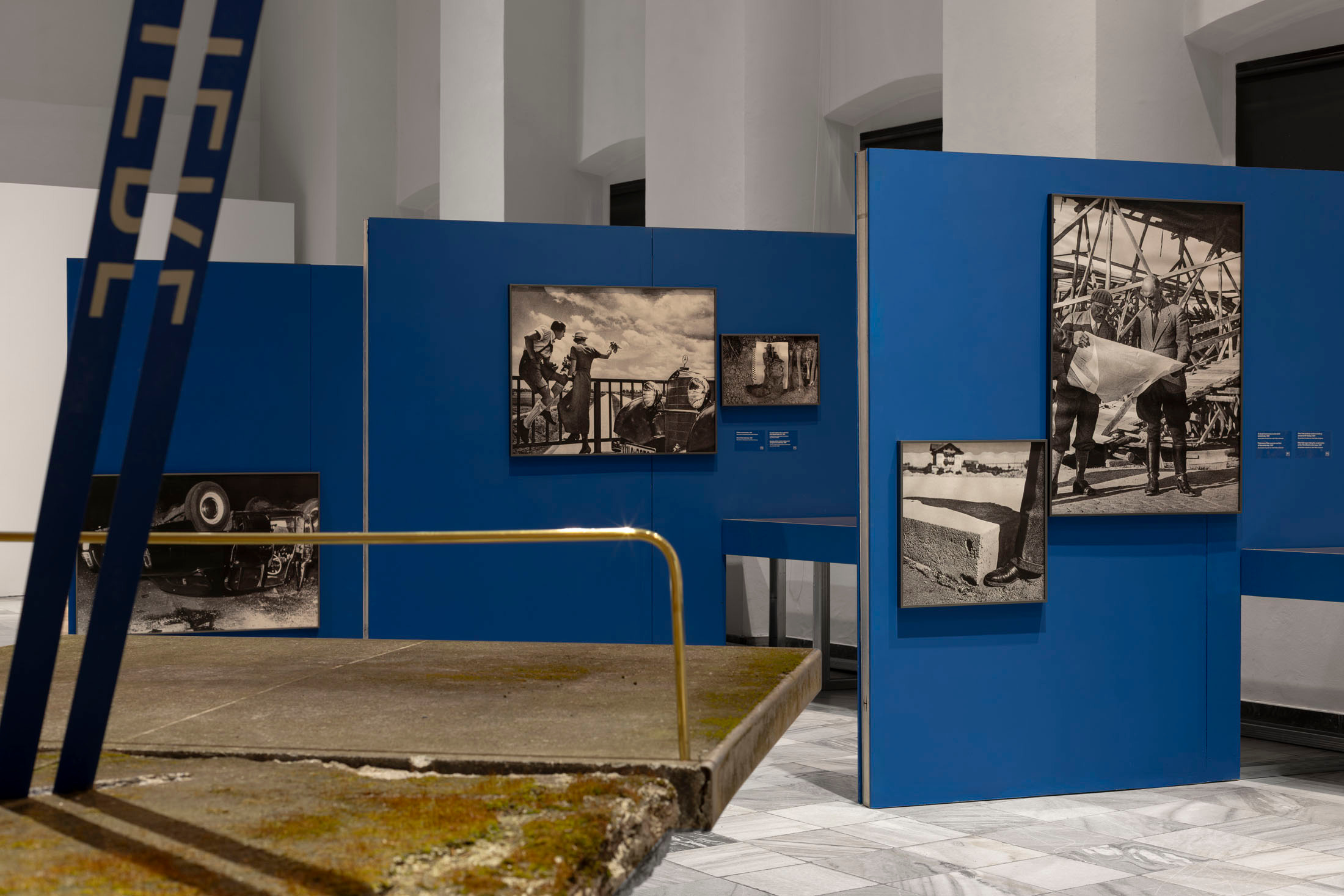
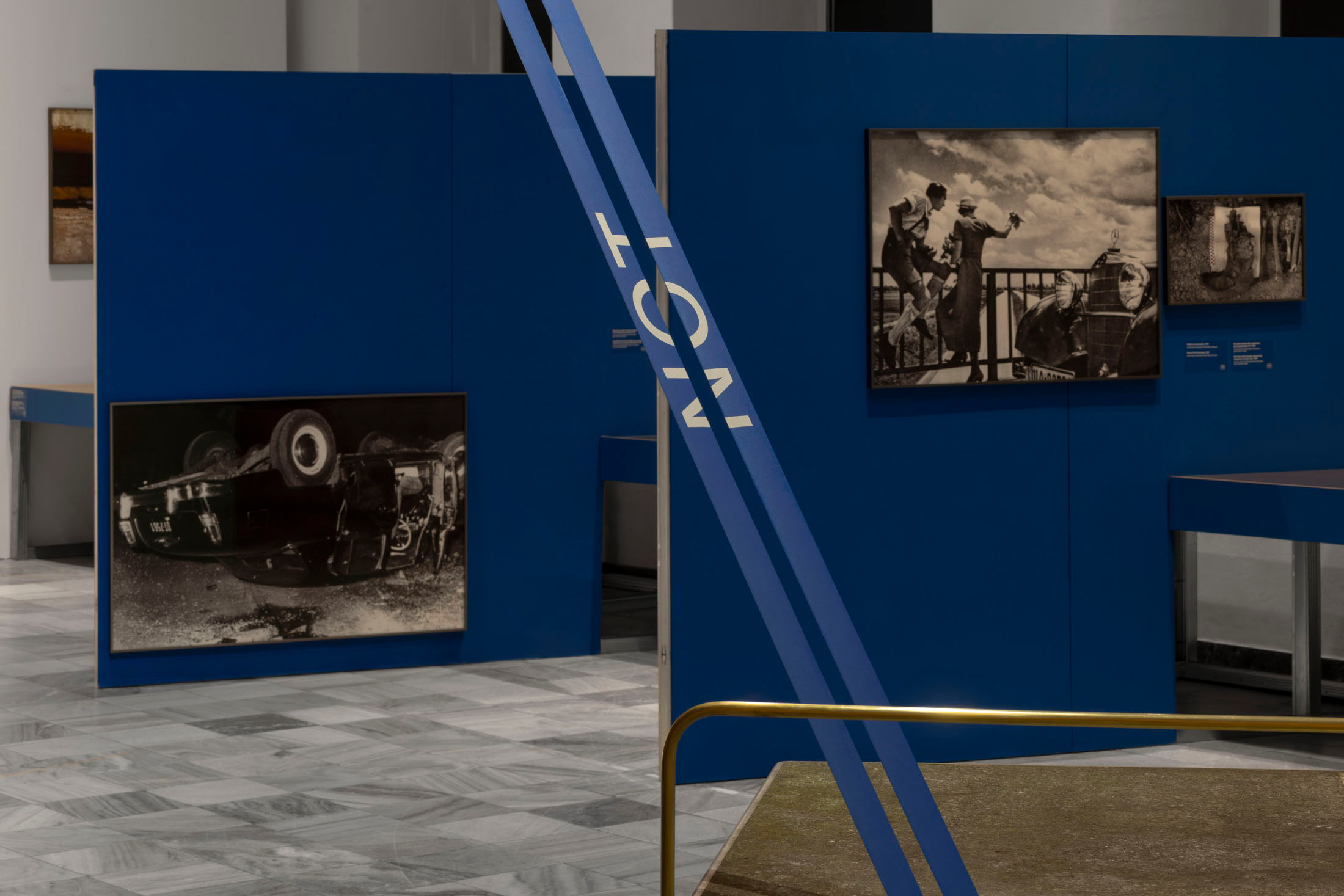
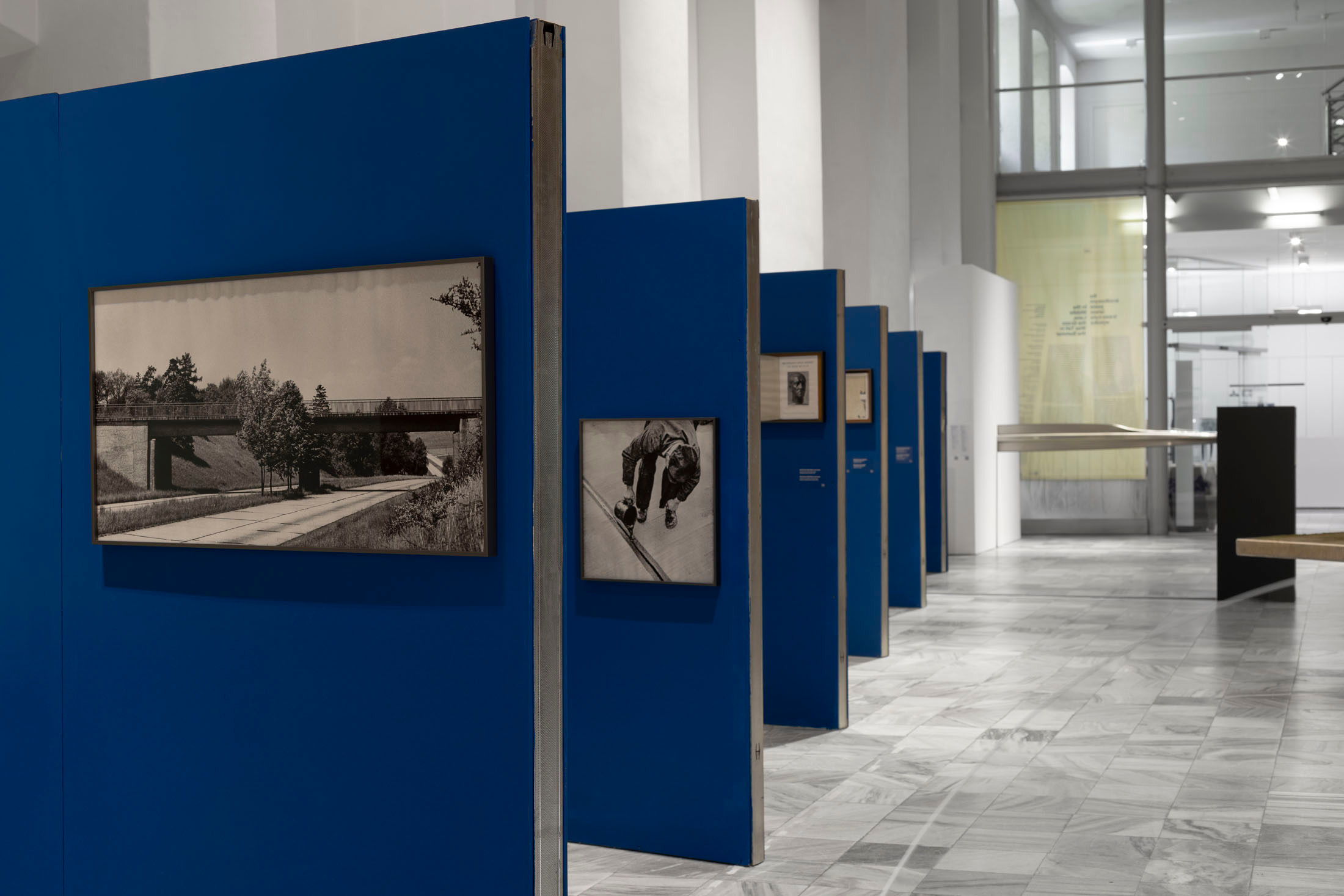
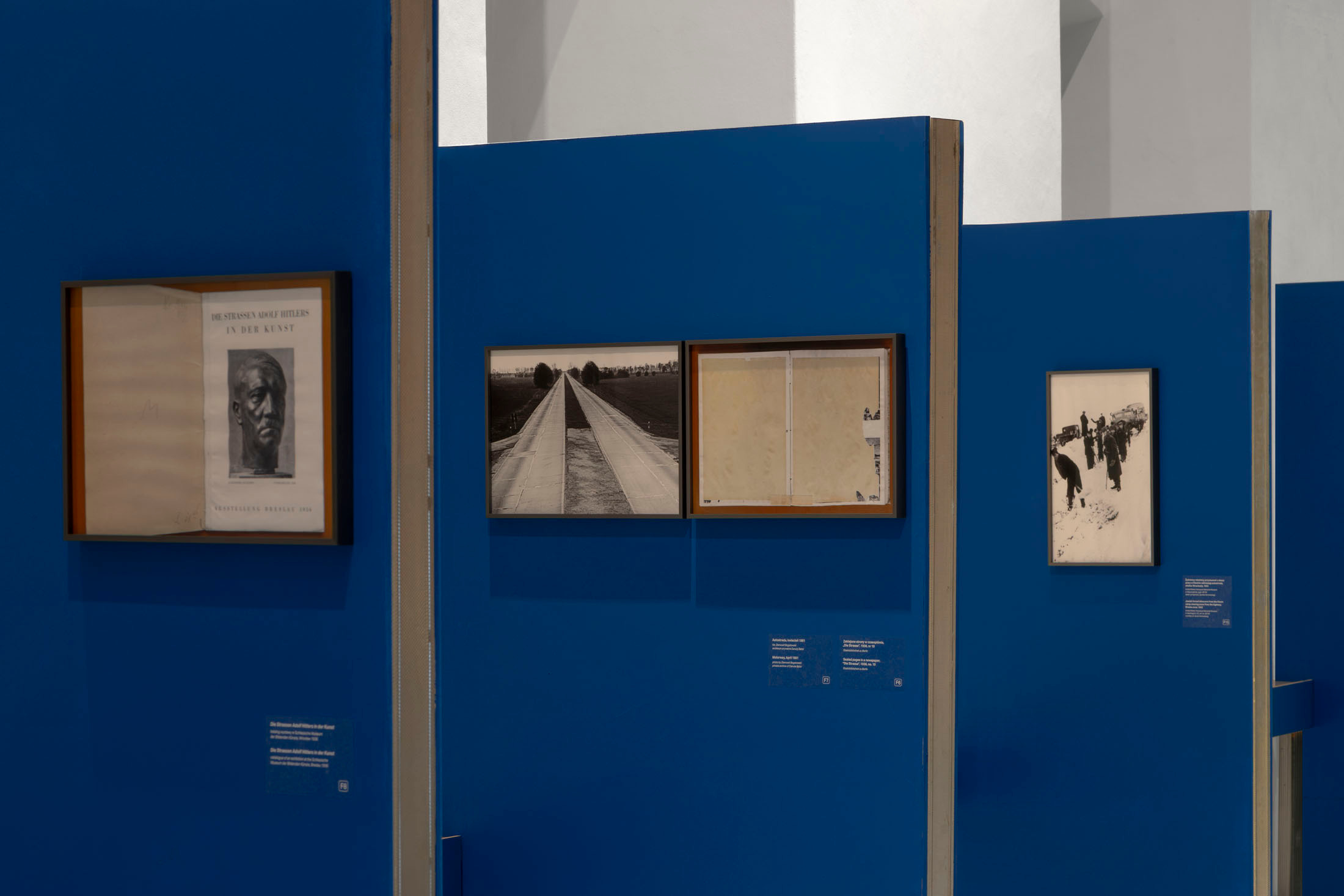
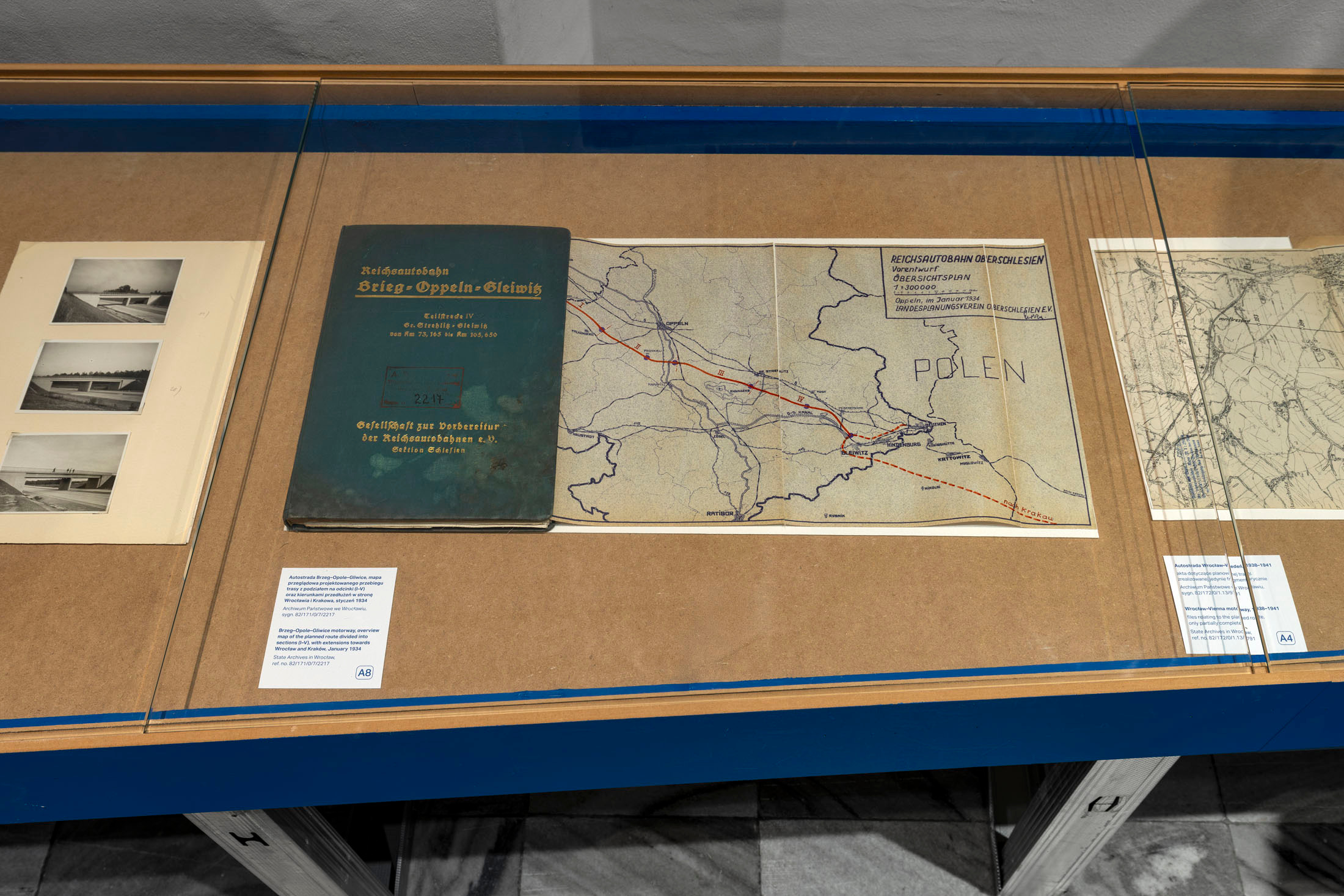
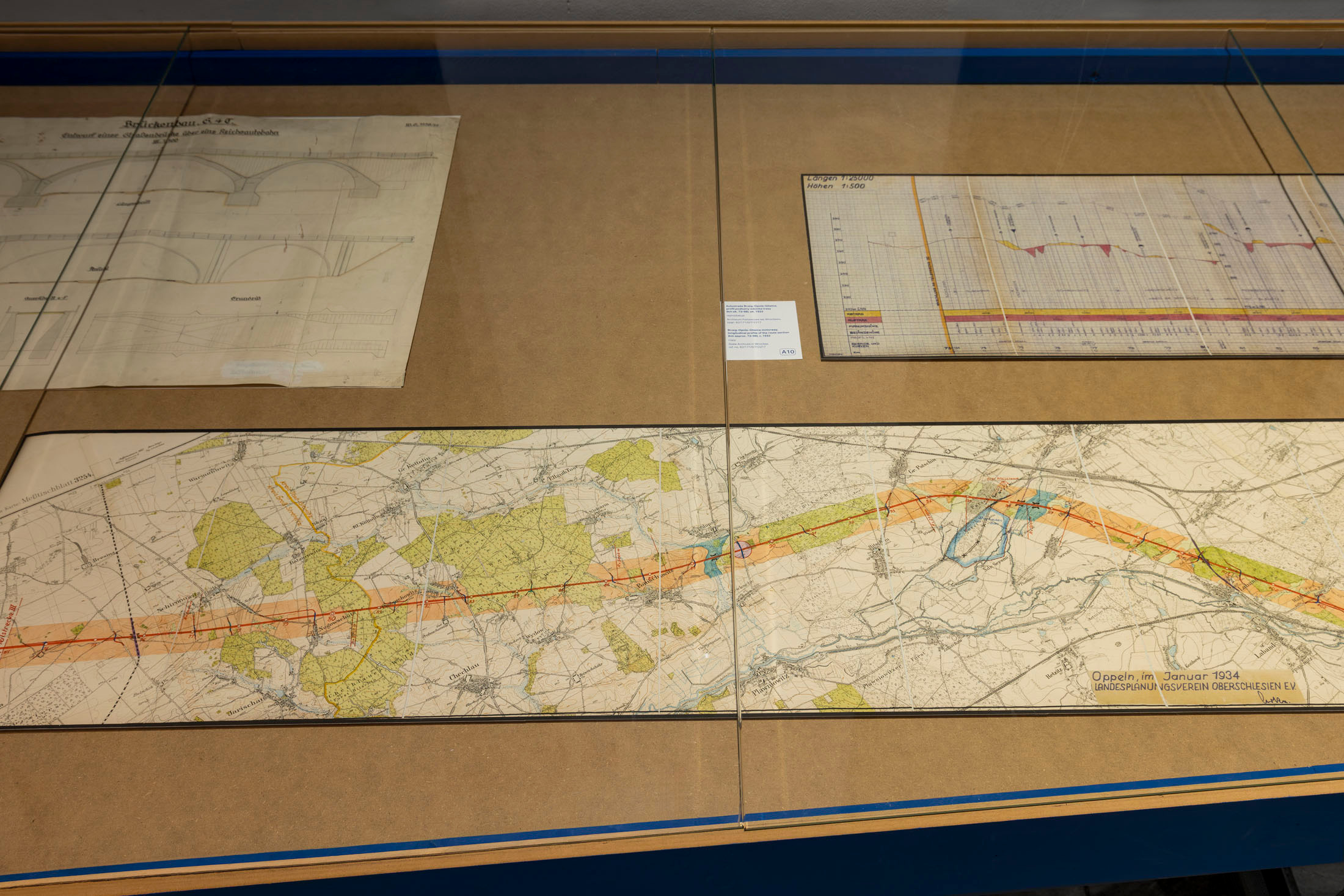
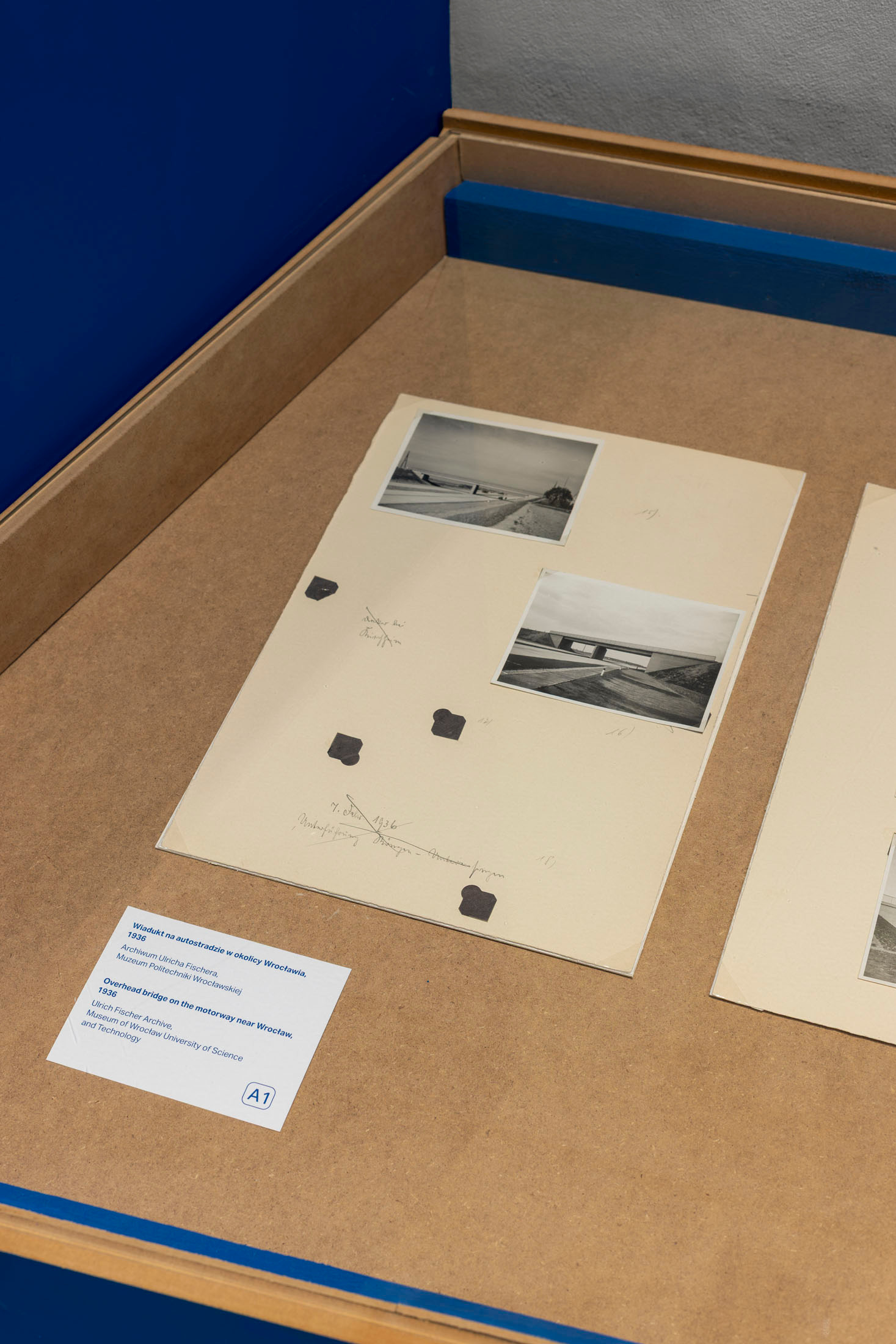
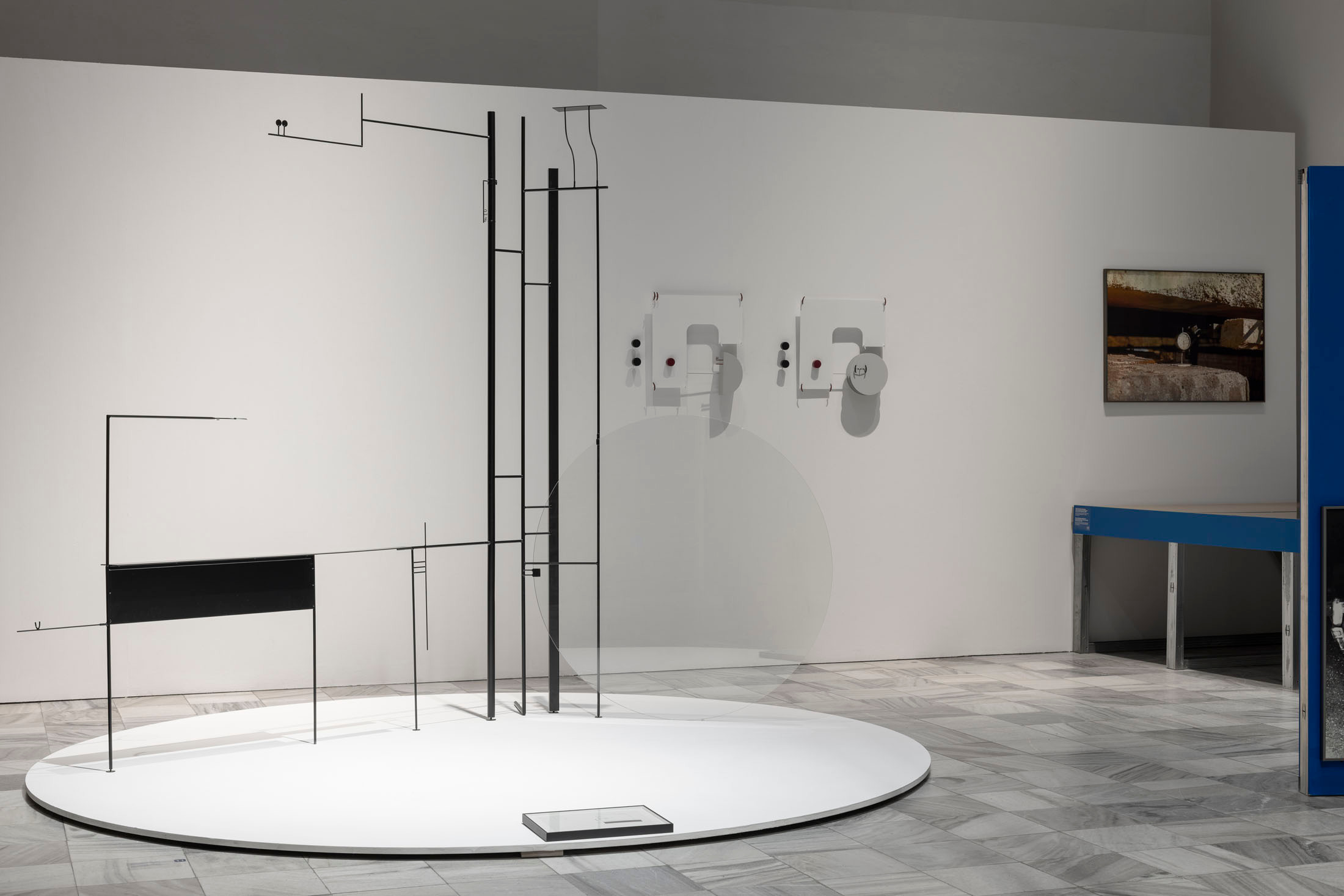
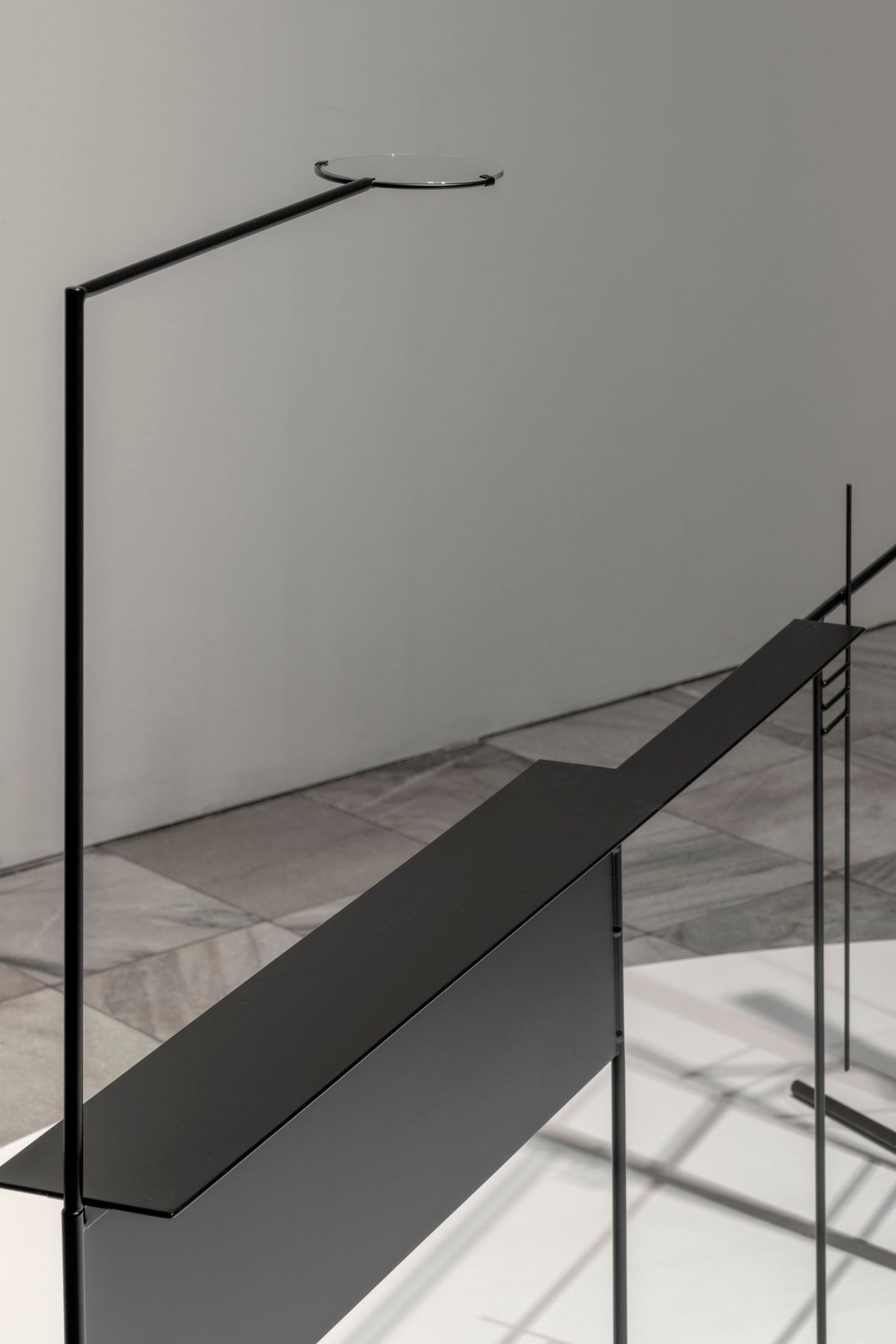
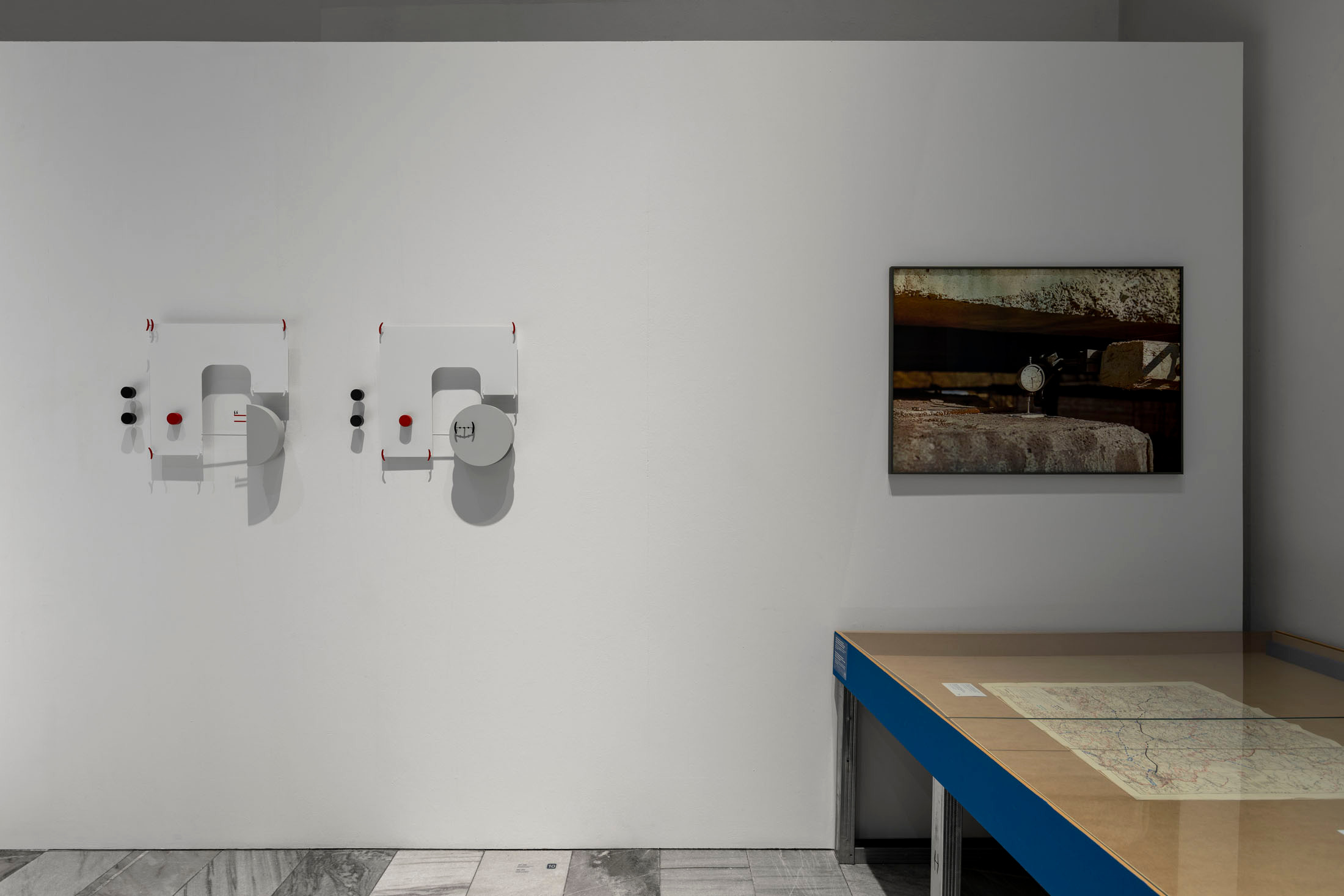
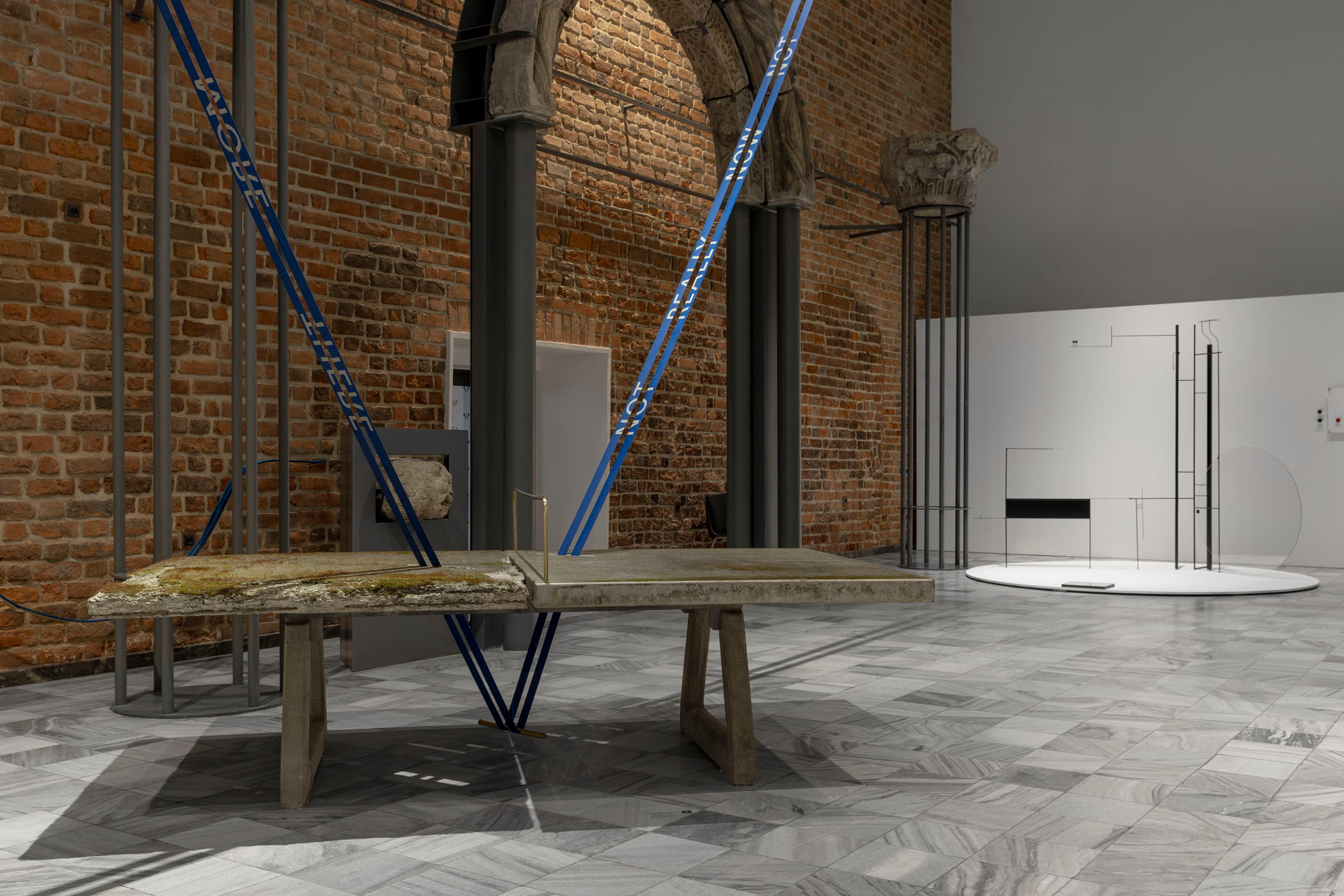
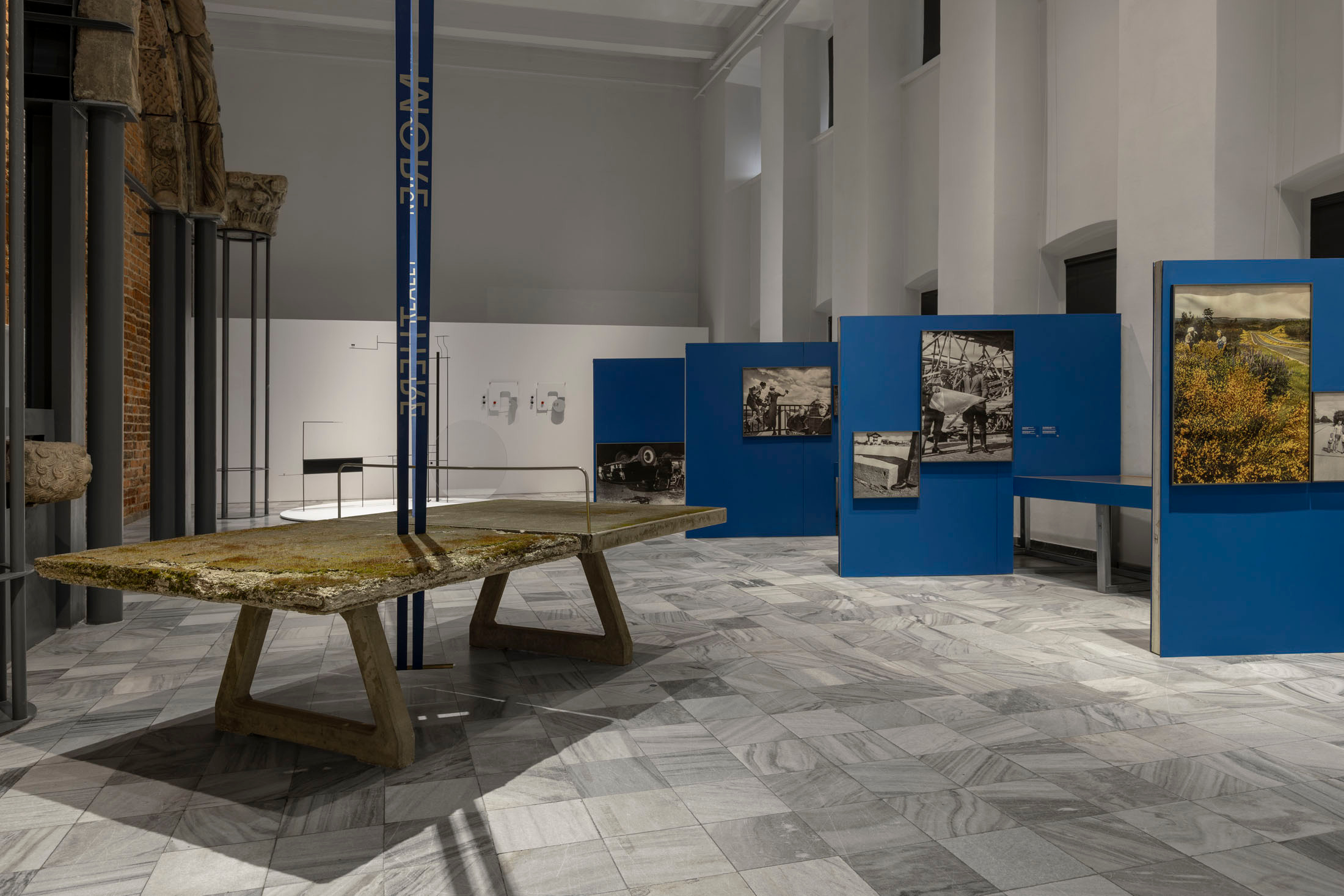
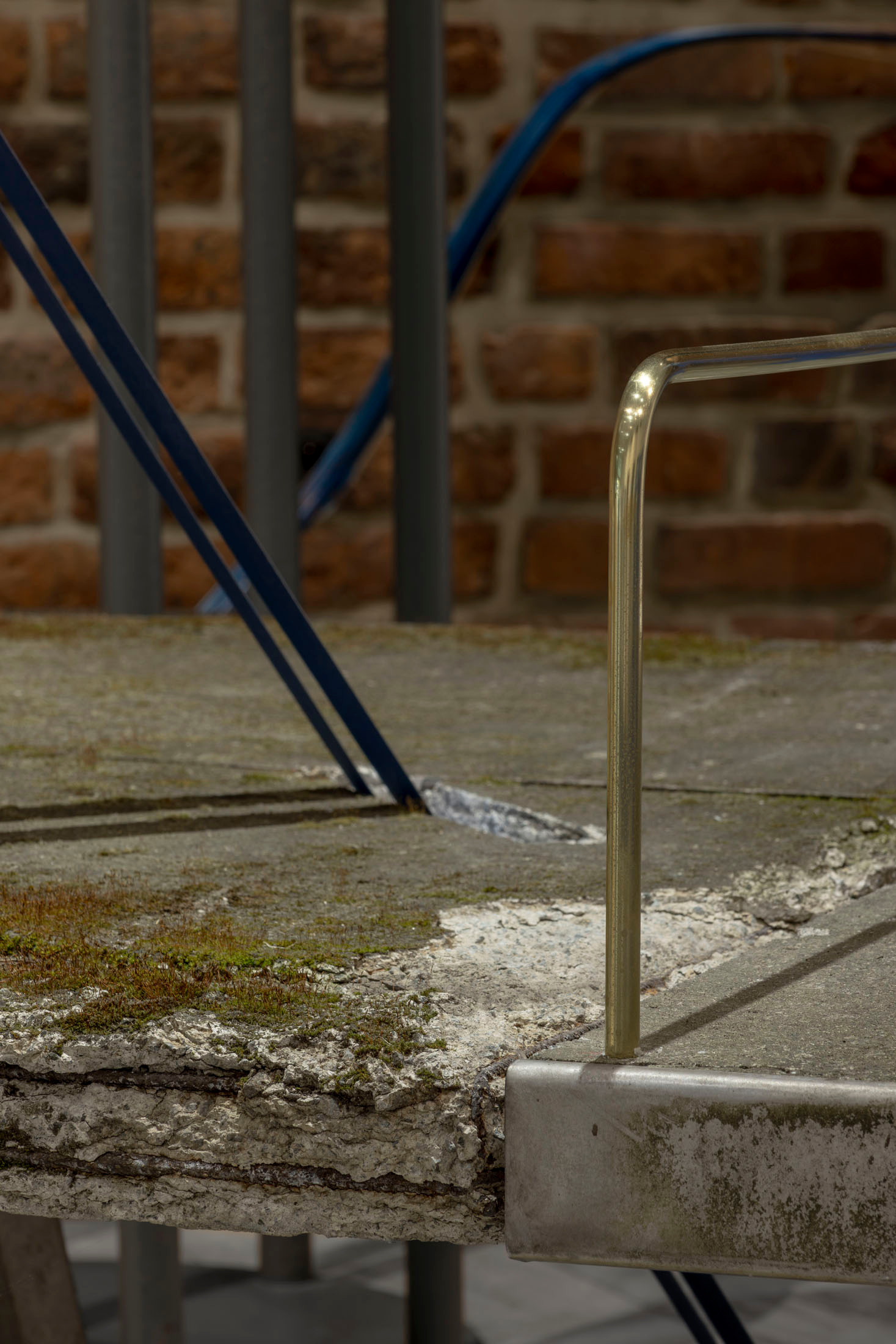
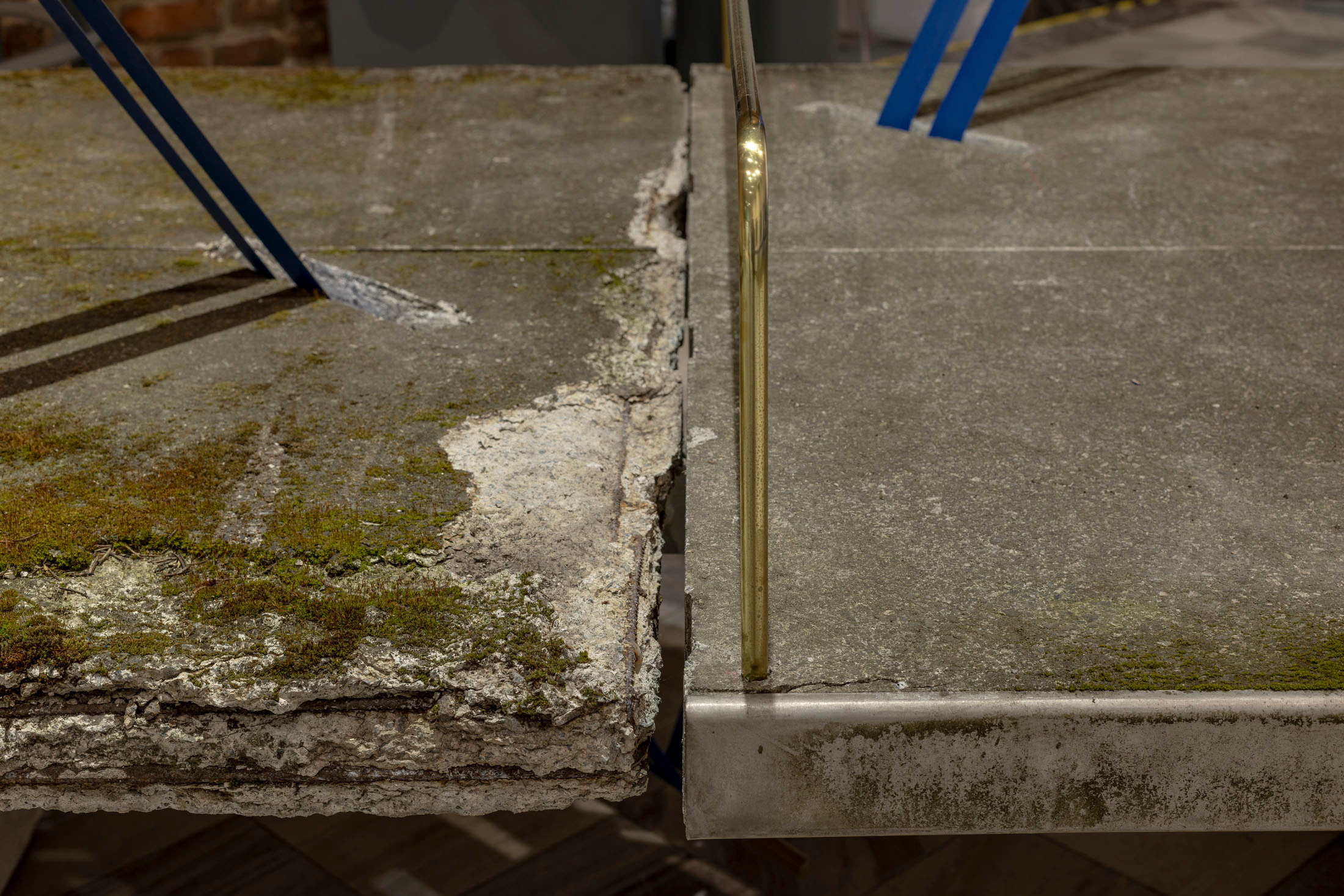
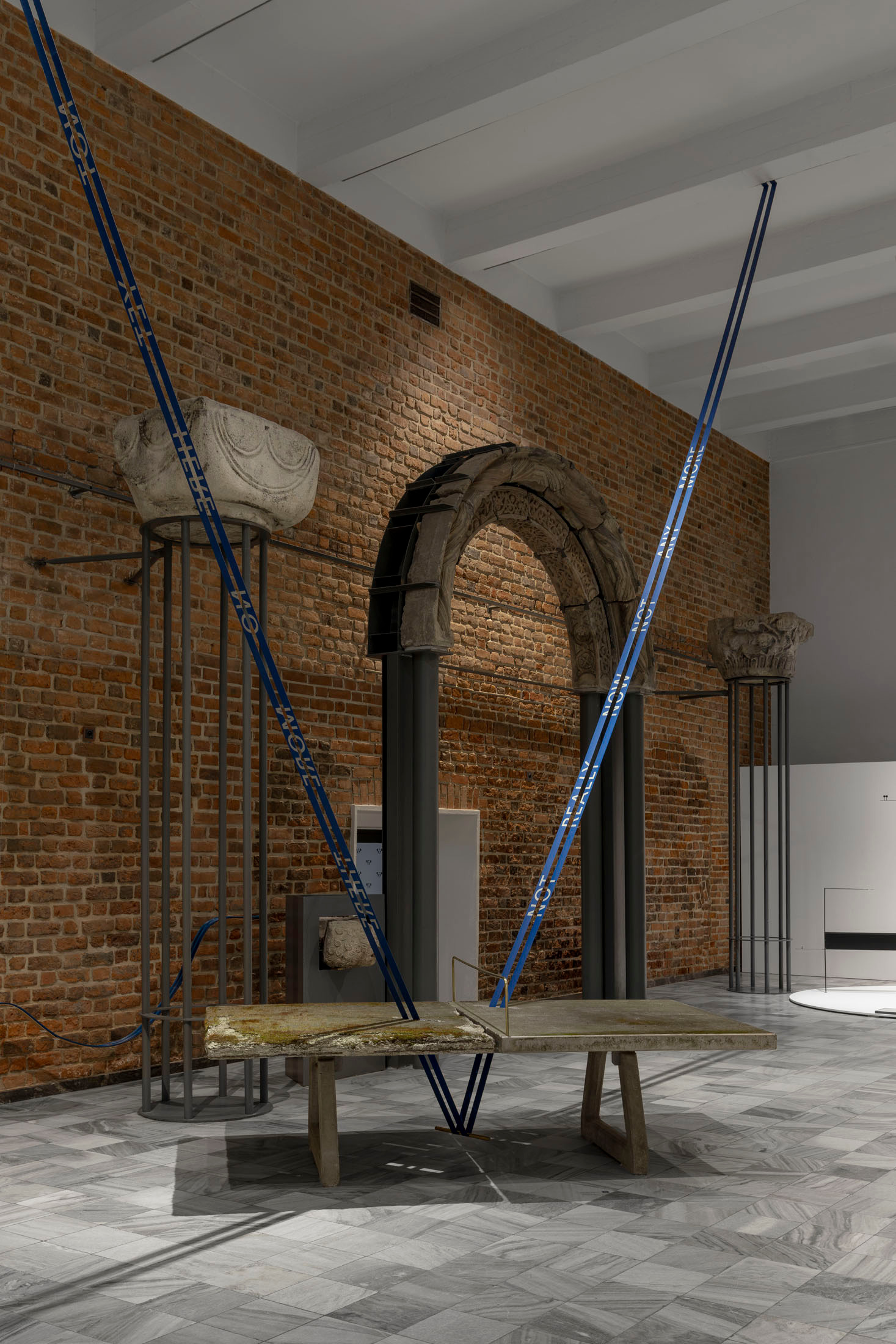
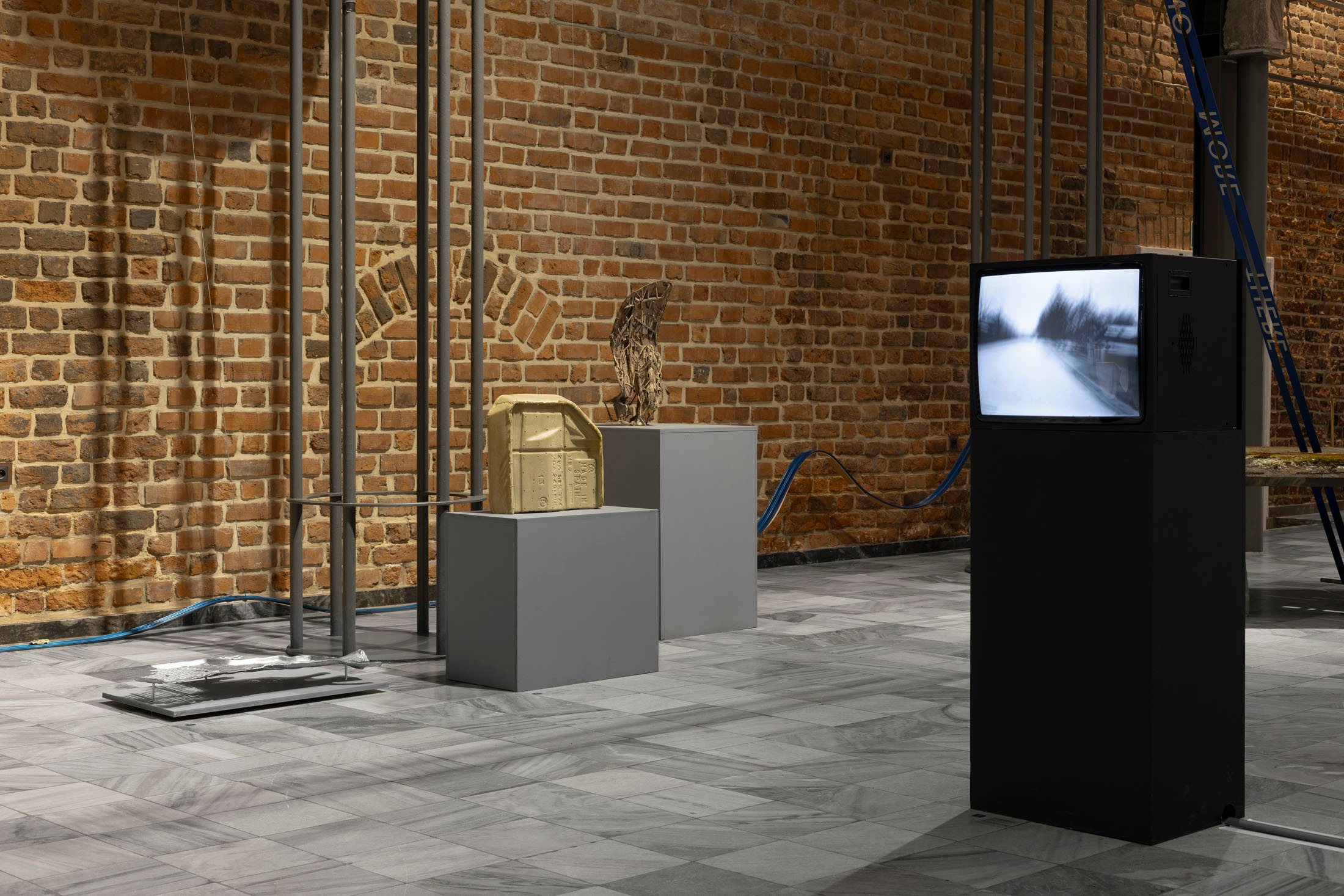
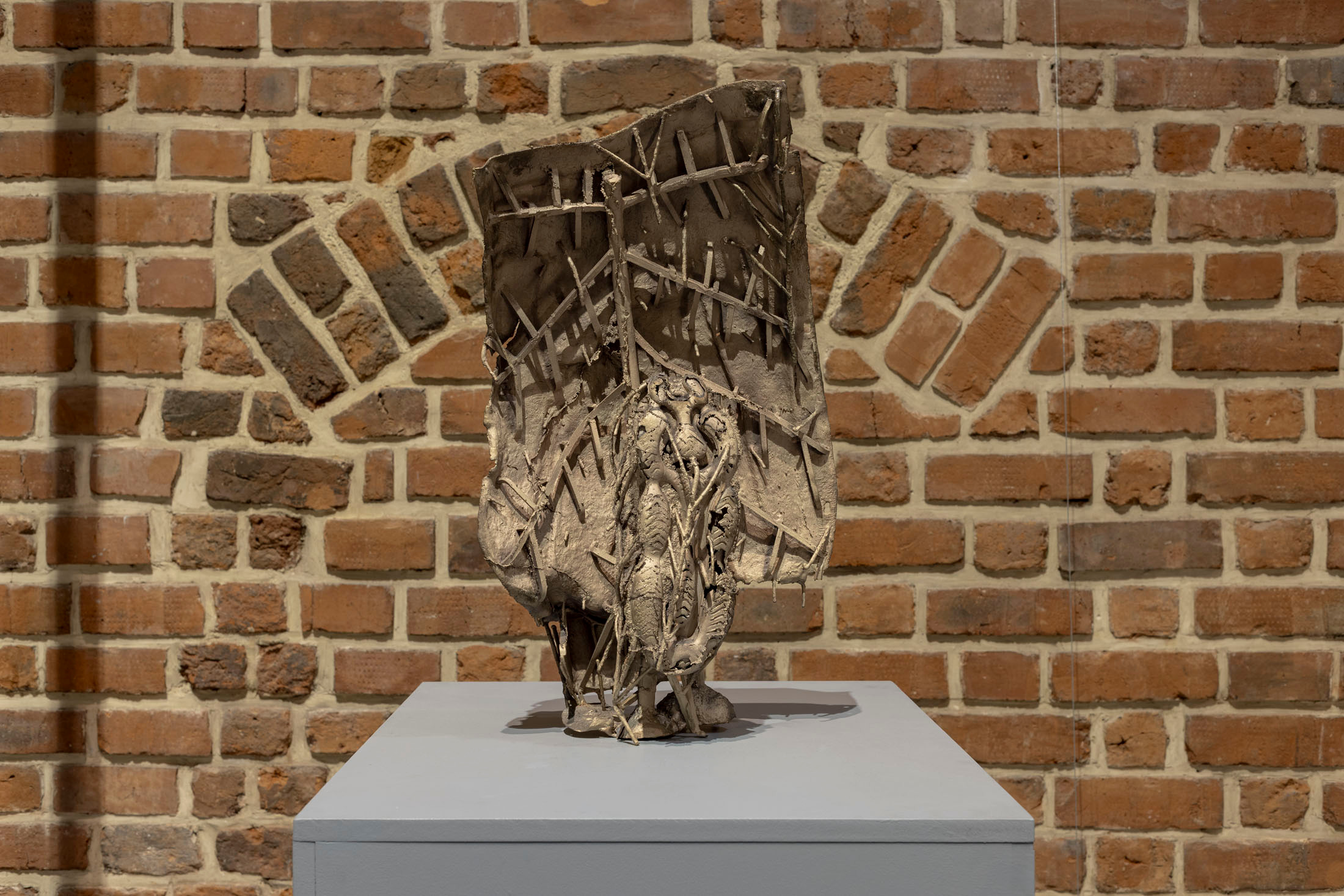
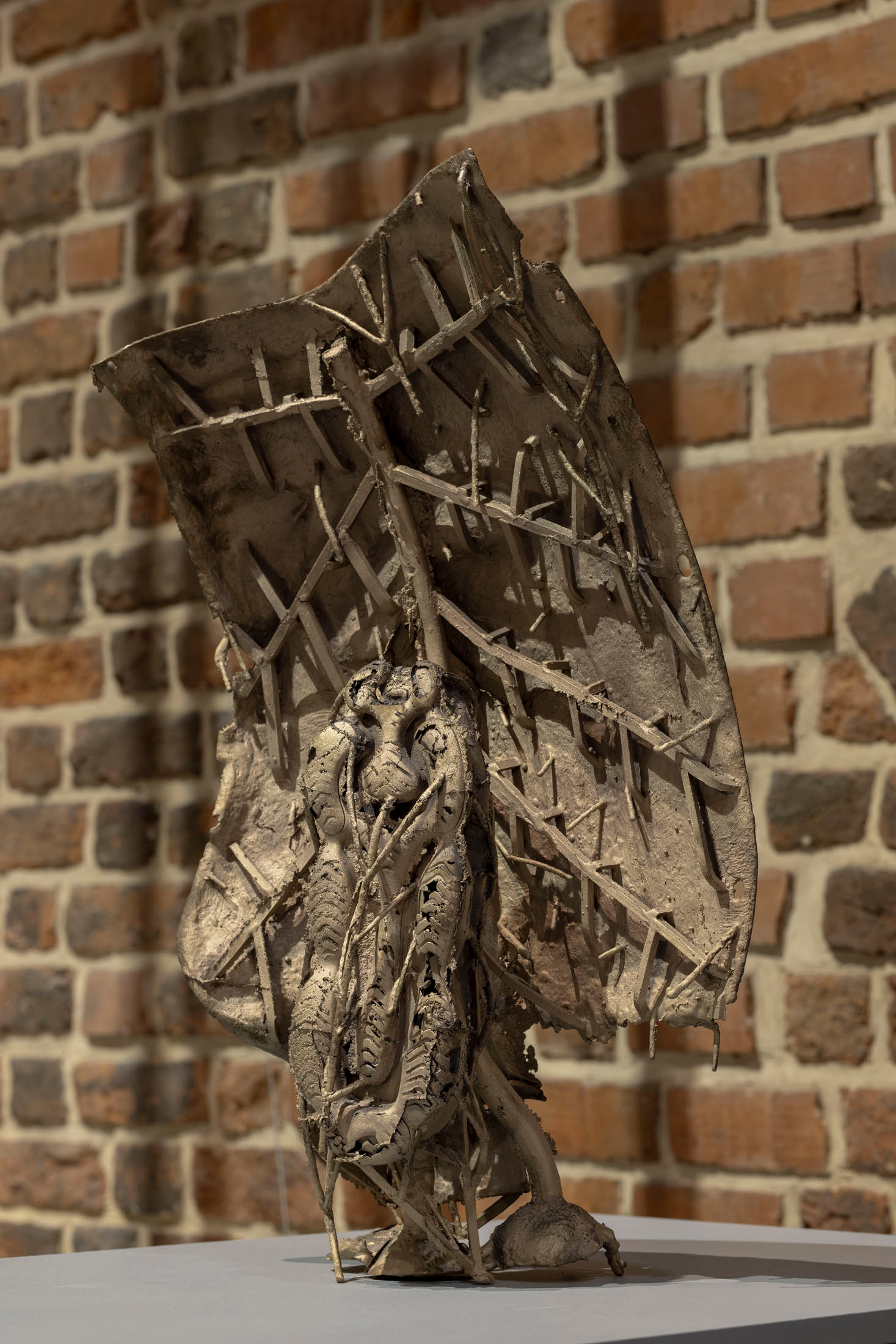
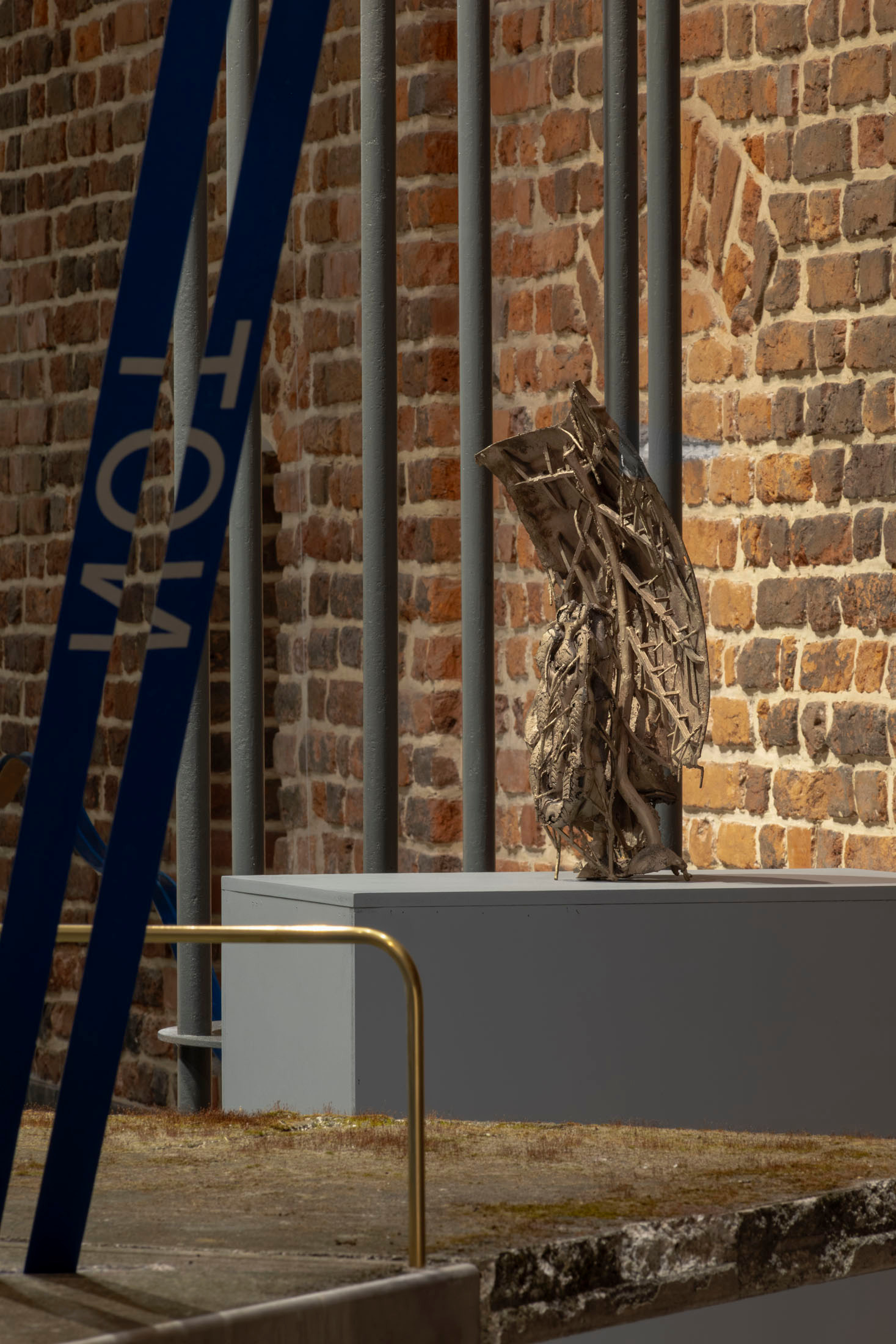
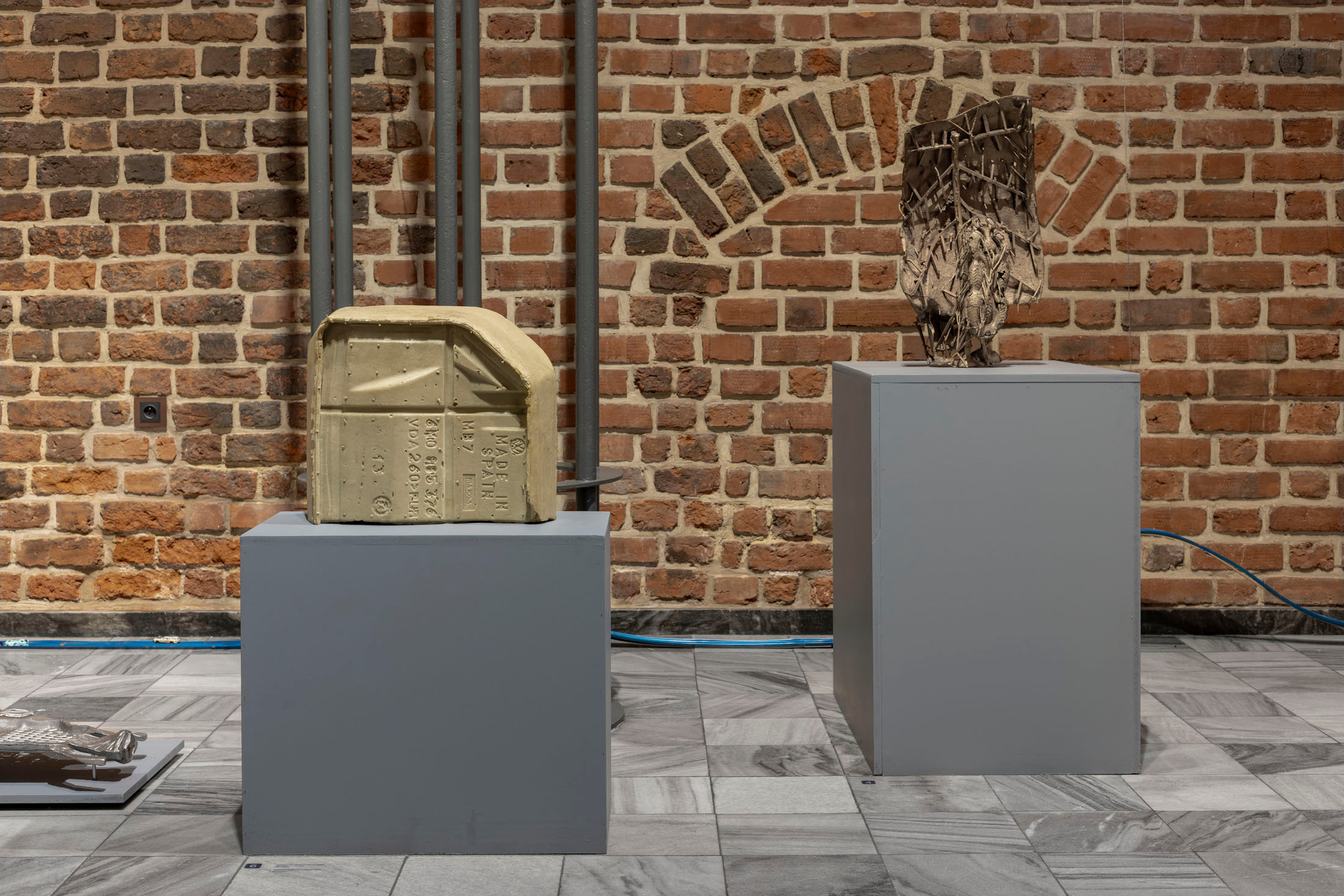
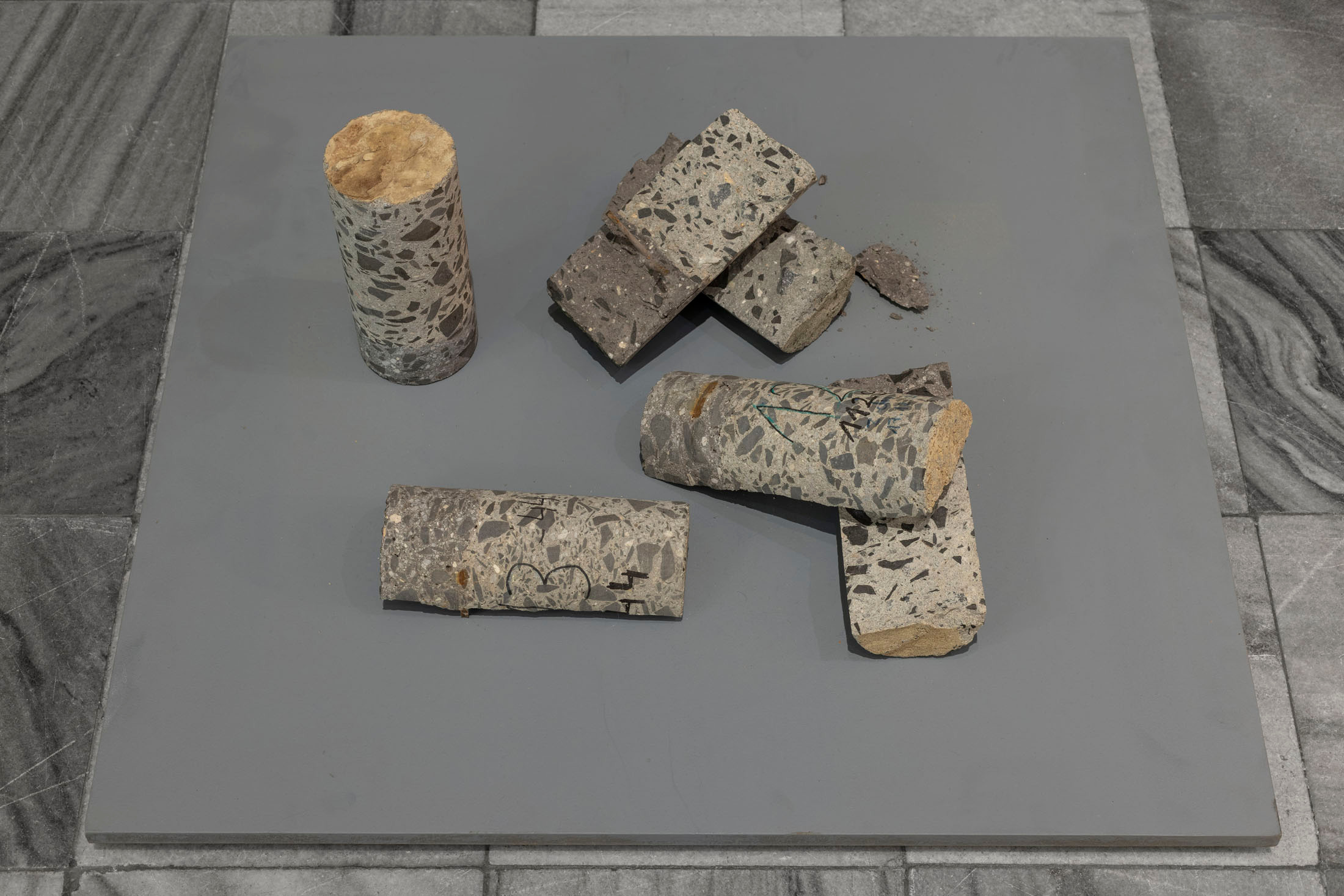
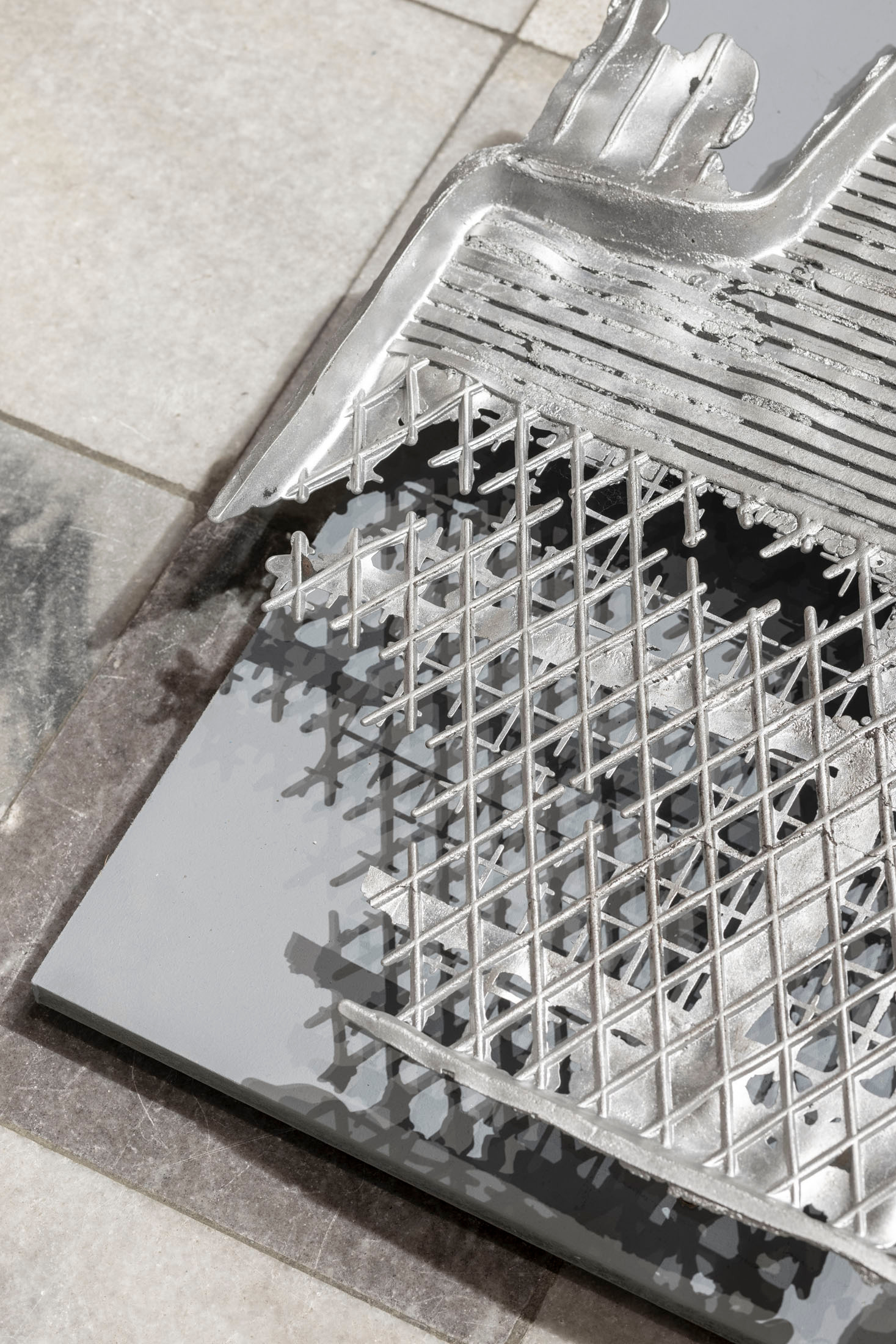
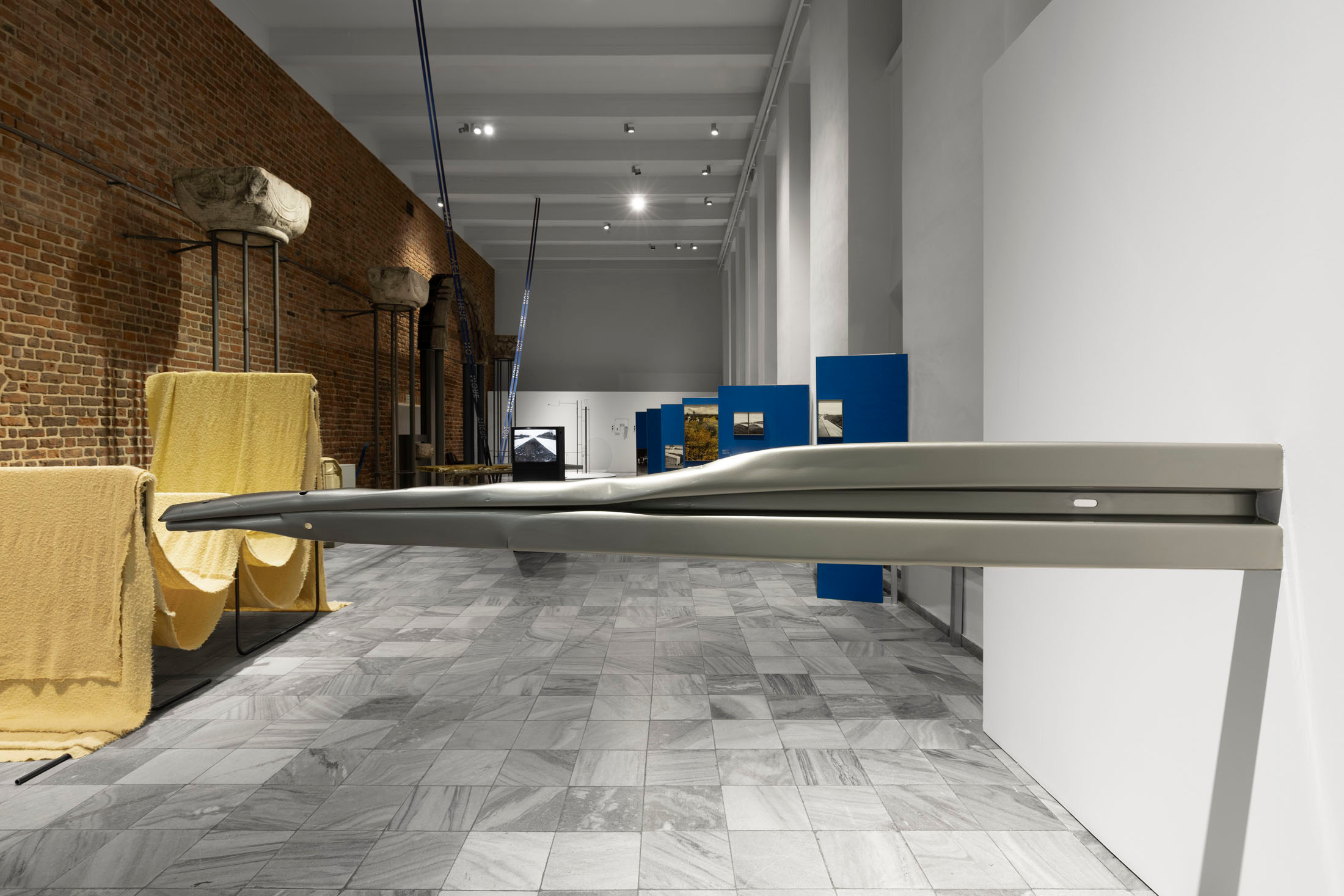
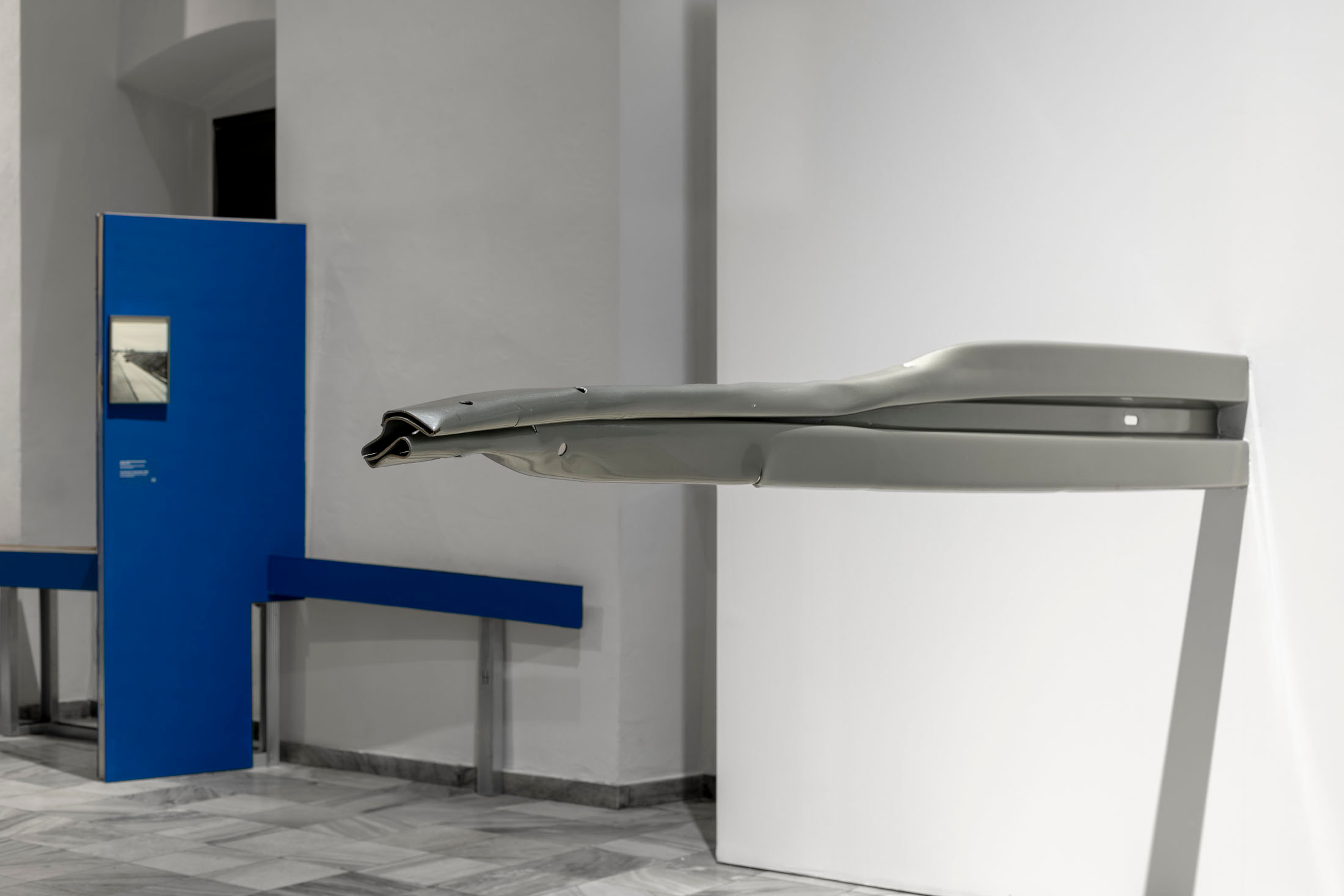
The origins of the A4 motorway date back to the 1930s, when, as Reichsautobahn 9, it formed part of the vast motorway program of the Third Reich, carefully framed by propaganda. In September 1936, the Wroclaw–Legnica–Krzywa (Breslau–Liegnitz–Kreibau) section was opened, marking the completion of the thousandth kilometer of the network. After 1945, the Polish state, within its new borders, inherited the concrete legacy of the Reich – a pride for Adolf Hitler. Reichsautobahn 9 became national road E22, and later the A4 motorway. Over the years, its middle lane became overgrown with tall grass, the surface cracked, and the inhabitants of Lower Silesia gradually discovered and made this space their own. In their accounts, it emerges as a living, emotionally charged place. They still recall trips to the empty motorway in the 1950s and 1960s – drives or picnics amid increasingly lush meadow vegetation. Photographs from…
Exhibition Space

Links
Tags




In the Middle Lane, the Grass Was Tall in the Summer
Museum of Architecture•May 14, 2026 — Sep 06, 2026
Press Release
In the Middle Lane, the Grass Was Tall in the Summer
text by Agata Ciastoń
The origins of the A4 motorway date back to the 1930s, when, as Reichsautobahn 9, it formed part of the vast motorway program of the Third Reich, carefully framed by propaganda. In September 1936, the Wroclaw–Legnica–Krzywa (Breslau–Liegnitz–Kreibau) section was opened, marking the completion of the thousandth kilometer of the network. After 1945, the Polish state, within its new borders, inherited the concrete legacy of the Reich – a pride for Adolf Hitler. Reichsautobahn 9 became national road E22, and later the A4 motorway. Over the years, its middle lane became overgrown with tall grass, the surface cracked, and the inhabitants of Lower Silesia gradually discovered and made this space their own. In their accounts, it emerges as a living, emotionally charged place. They still recall trips to the empty motorway in the 1950s and 1960s – drives or picnics amid increasingly lush meadow vegetation. Photographs from…
Exhibition Space
Links
Tags
Artists
Curator
Guestbook

Editing is restricted
You cannot submit an edit because the institution hosting this exhibition has been claimed by .
Editing this section requires claiming the profile of the institution hosting this exhibition. You will need to upgrade to an Enterprise plan to submit your claim.
Claims are one of the many safeguards in place on UntitledDb that preserve the integrity of the information on our platform.For additional information on claims, click "Learn more."
Editing is restricted
Editing this section requires claiming the profile of the institution hosting this exhibition. You will need to upgrade to an Enterprise plan to submit your claim.
Claims are one of the many safeguards in place on UntitledDb that preserve the integrity of the information on our platform.For additional information on claims, click "Learn more."
Editing is restricted
A reputation of 20,000 or higher is needed to edit posts created by other users.
Familiarize yourself with our platform by creating new posts and watching your favorites. You'll reach a reputation of 20,000 in no time.
This is one of the many safeguards in place on UntitledDb that preserve the integrity of the information on our platform.
Account access options
Log in and connect with the art world
By continuing, you agree to our Terms of Use and Privacy Policy.
or
Account access options
Sign up and connect with the art world
By continuing, you agree to our Terms of Use and Privacy Policy.
or
Account access options
Expand your reach with UntitledDb Pro
By continuing, you agree to our Terms of Use and Privacy Policy.
or
Account access options
Grow your institution's reach and impact with UntitledDb Enterprise
By continuing, you agree to our Terms of Use and Privacy Policy.
or
Sign up for UntitledDb Pro to unlock this feature