I cried to dream again
Franz Kaka•Jul 10, 2026 — Aug 22, 2026


Artist

Artwork Checklist


More Exhibitions at Franz Kaka


Guestbook
Press Release
Franz Kaka is pleased to announce I cried to dream again, Natasha Verbeke’s first solo exhibition with the gallery.
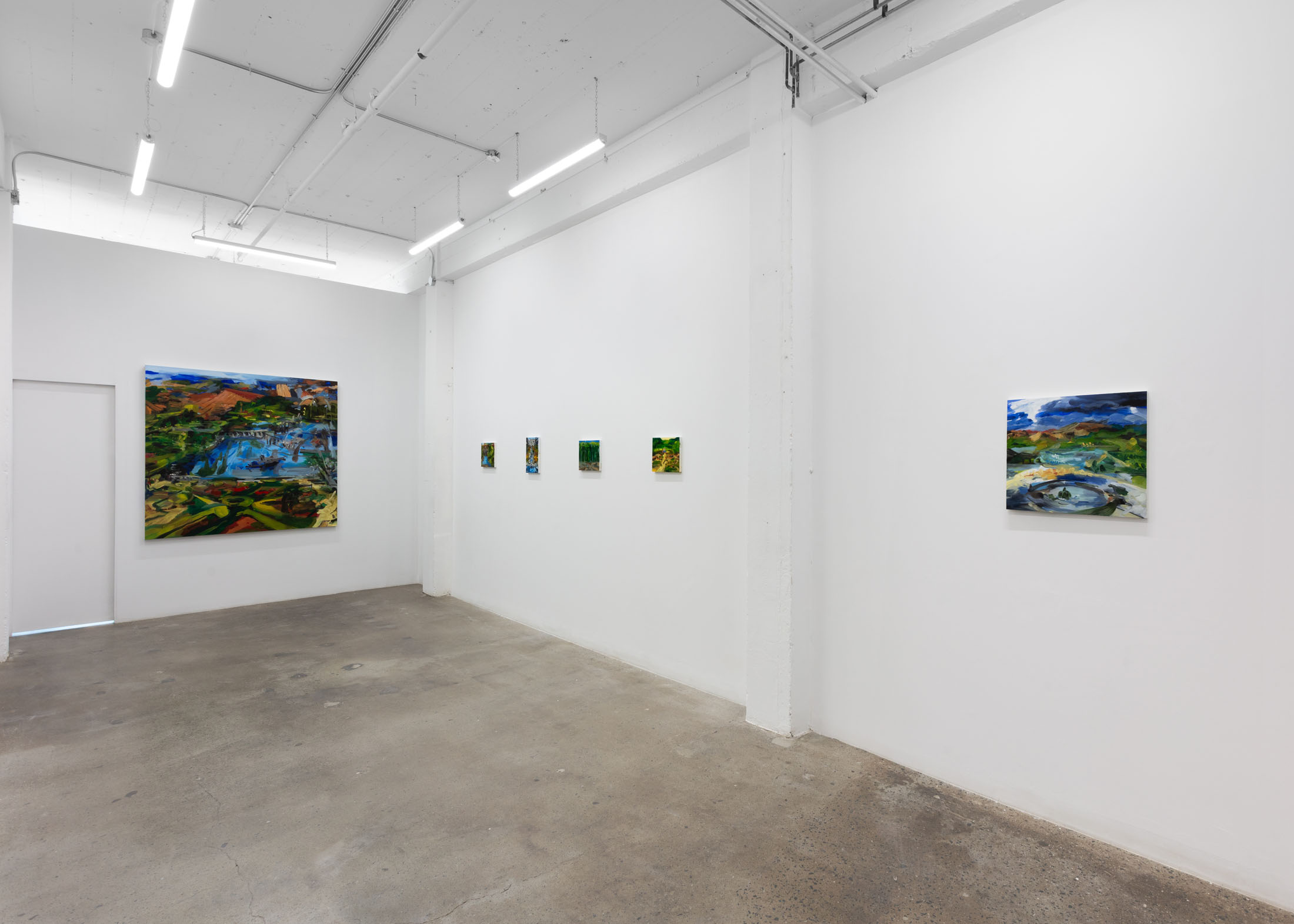
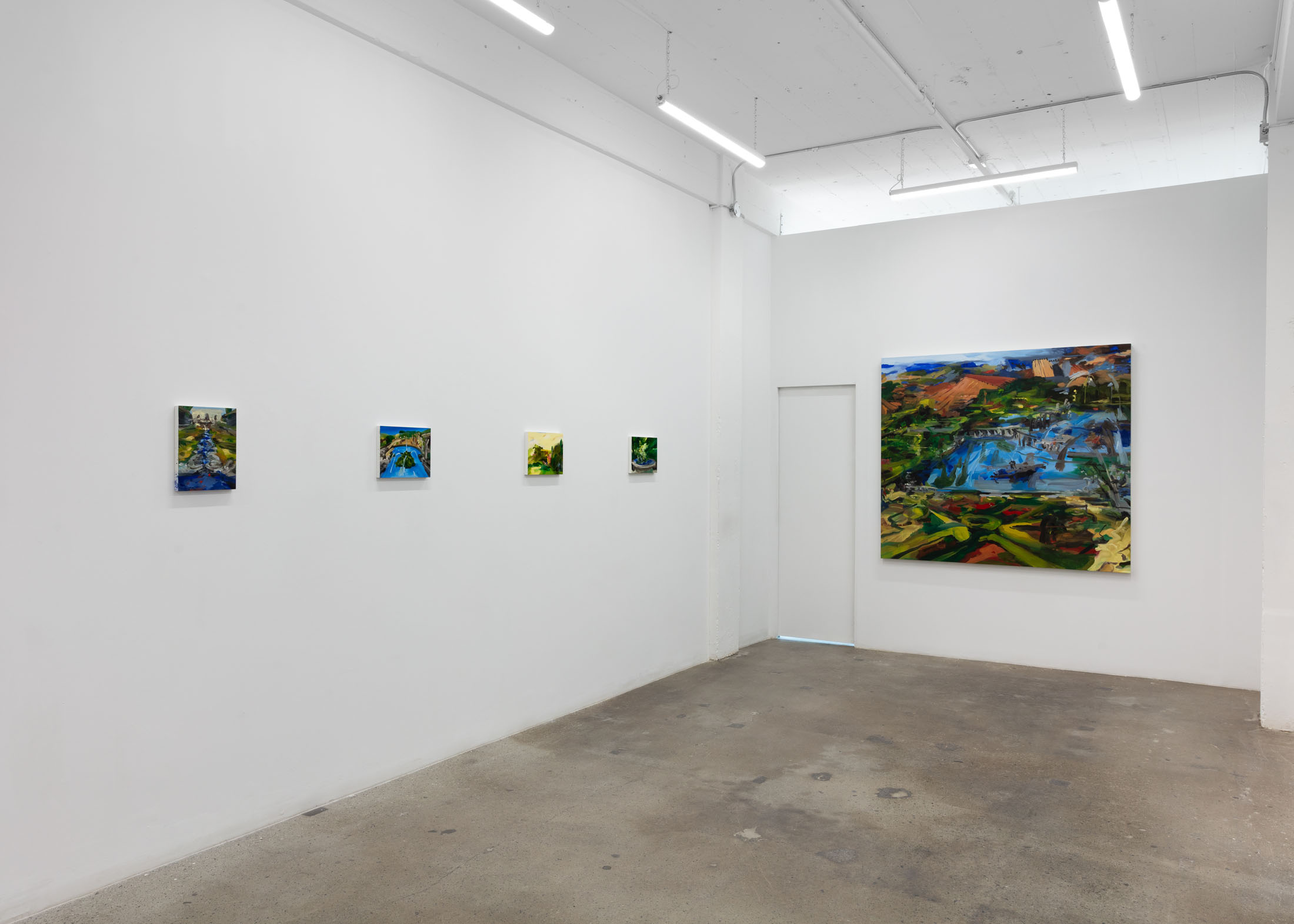
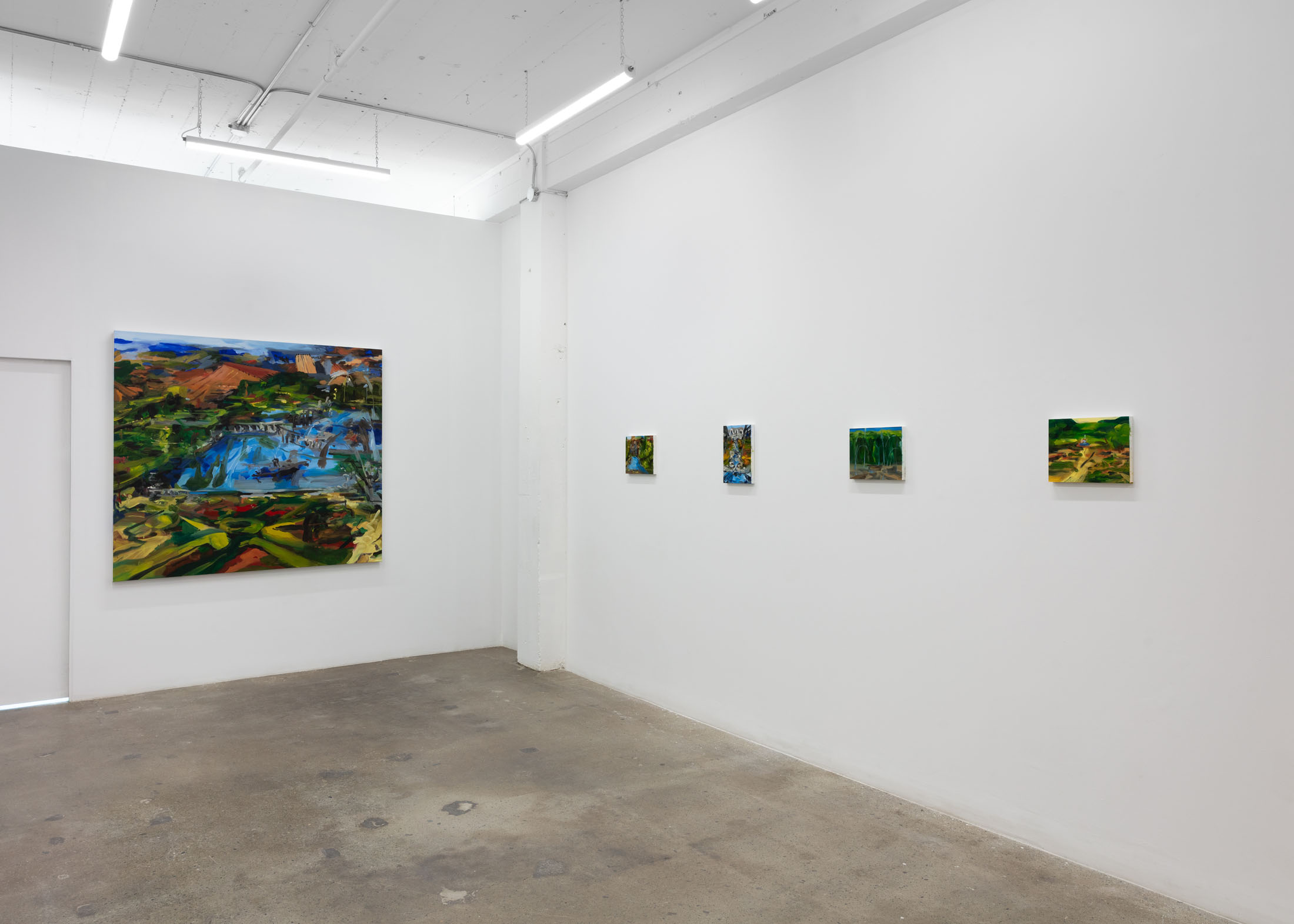
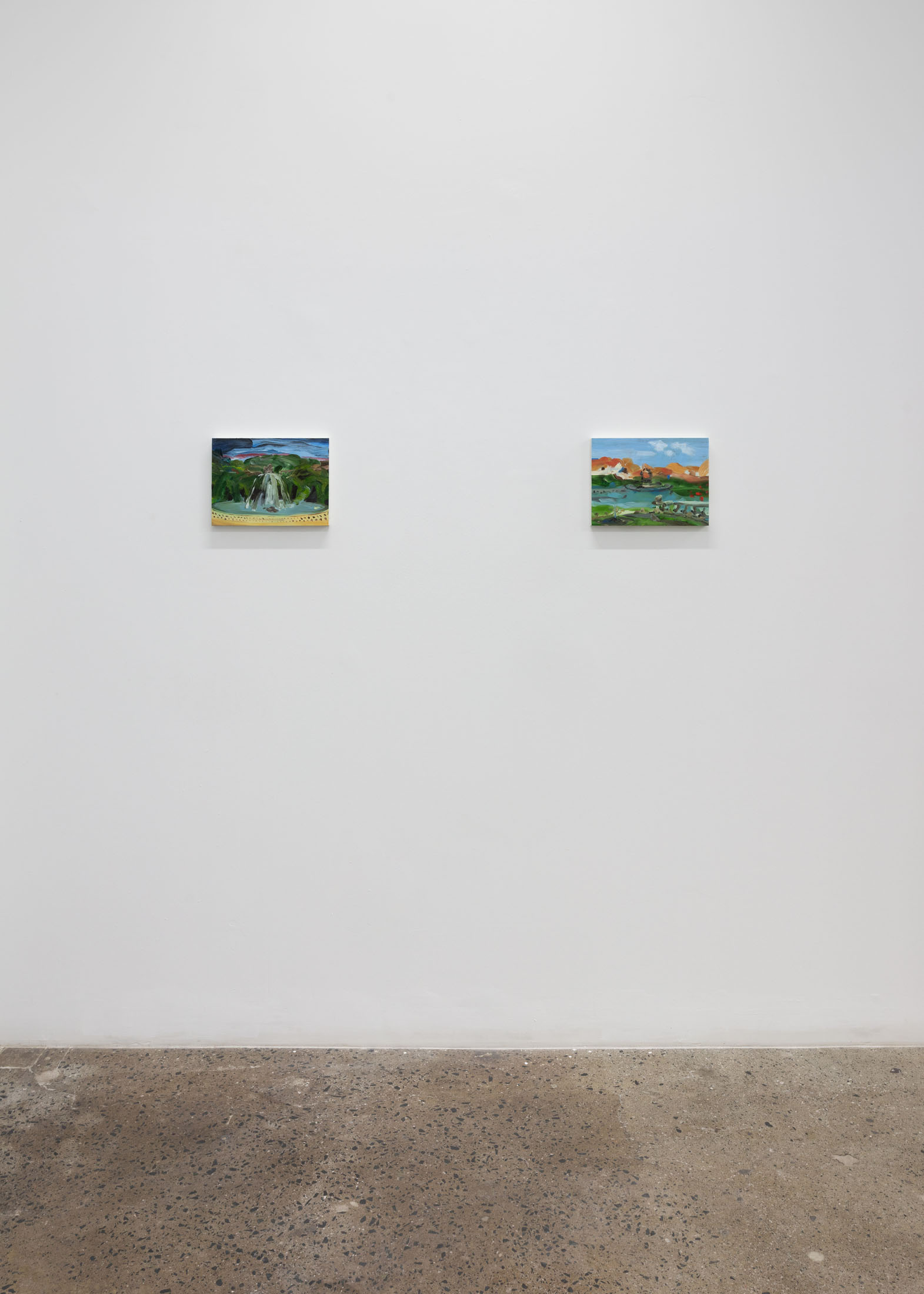
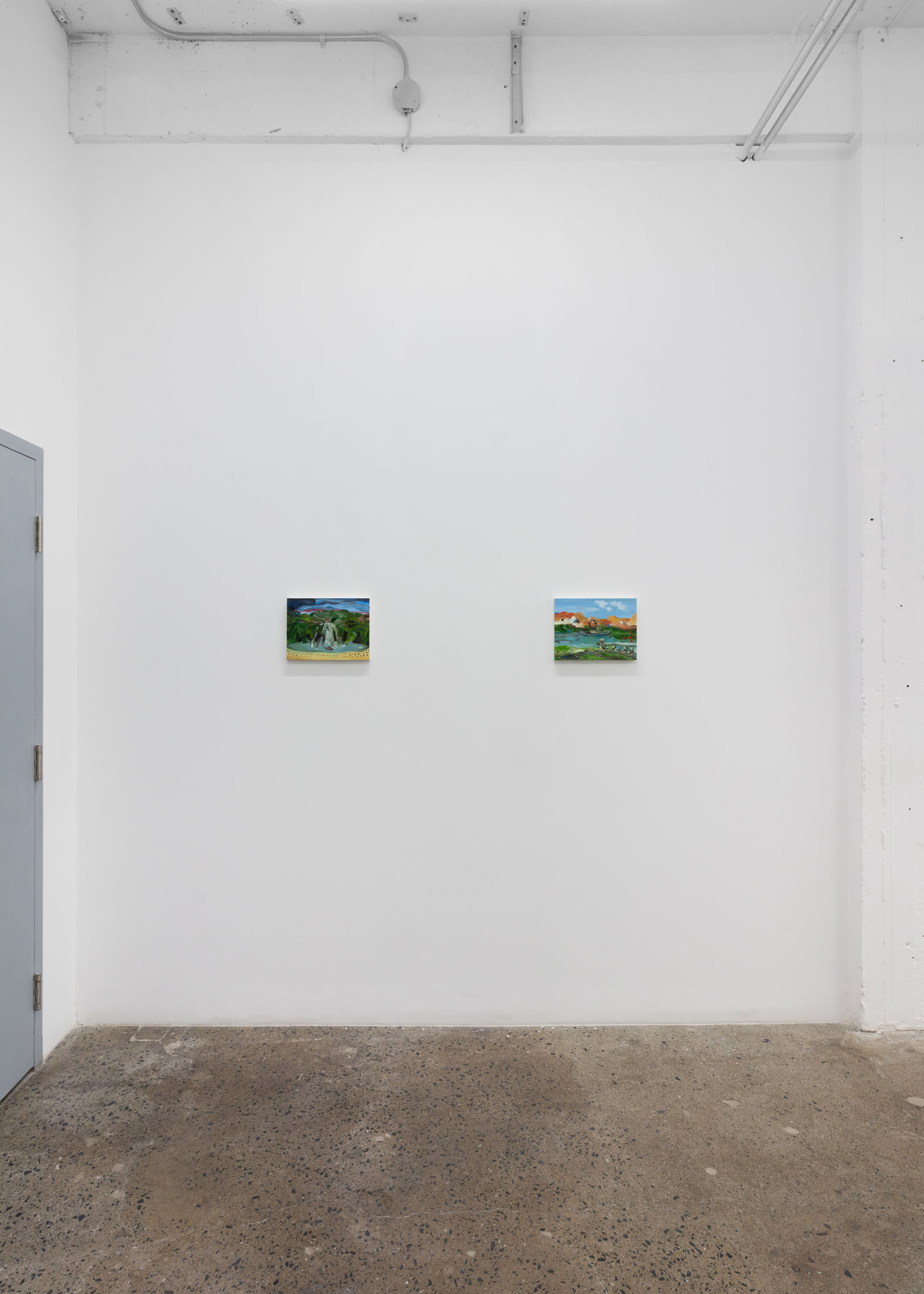
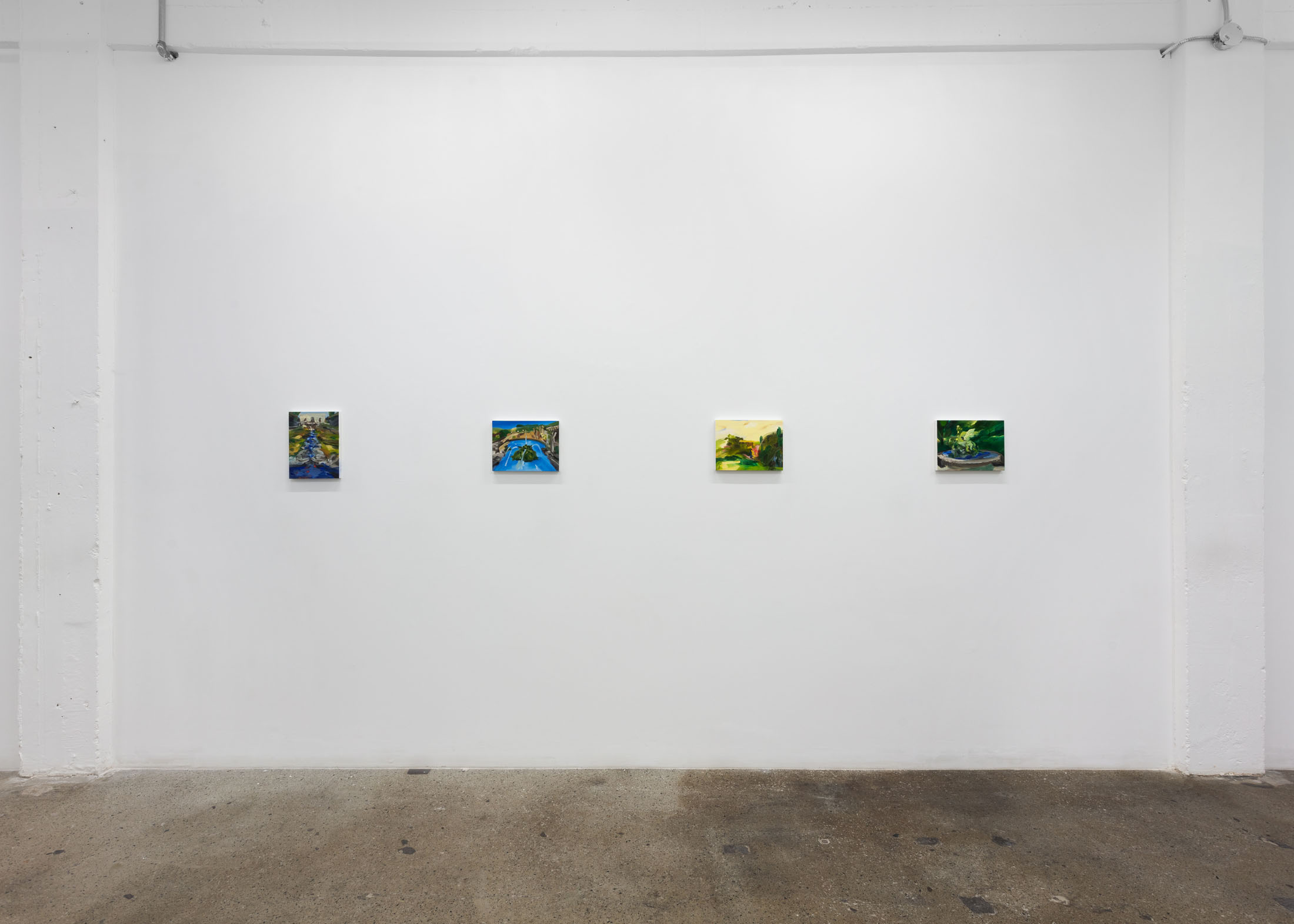
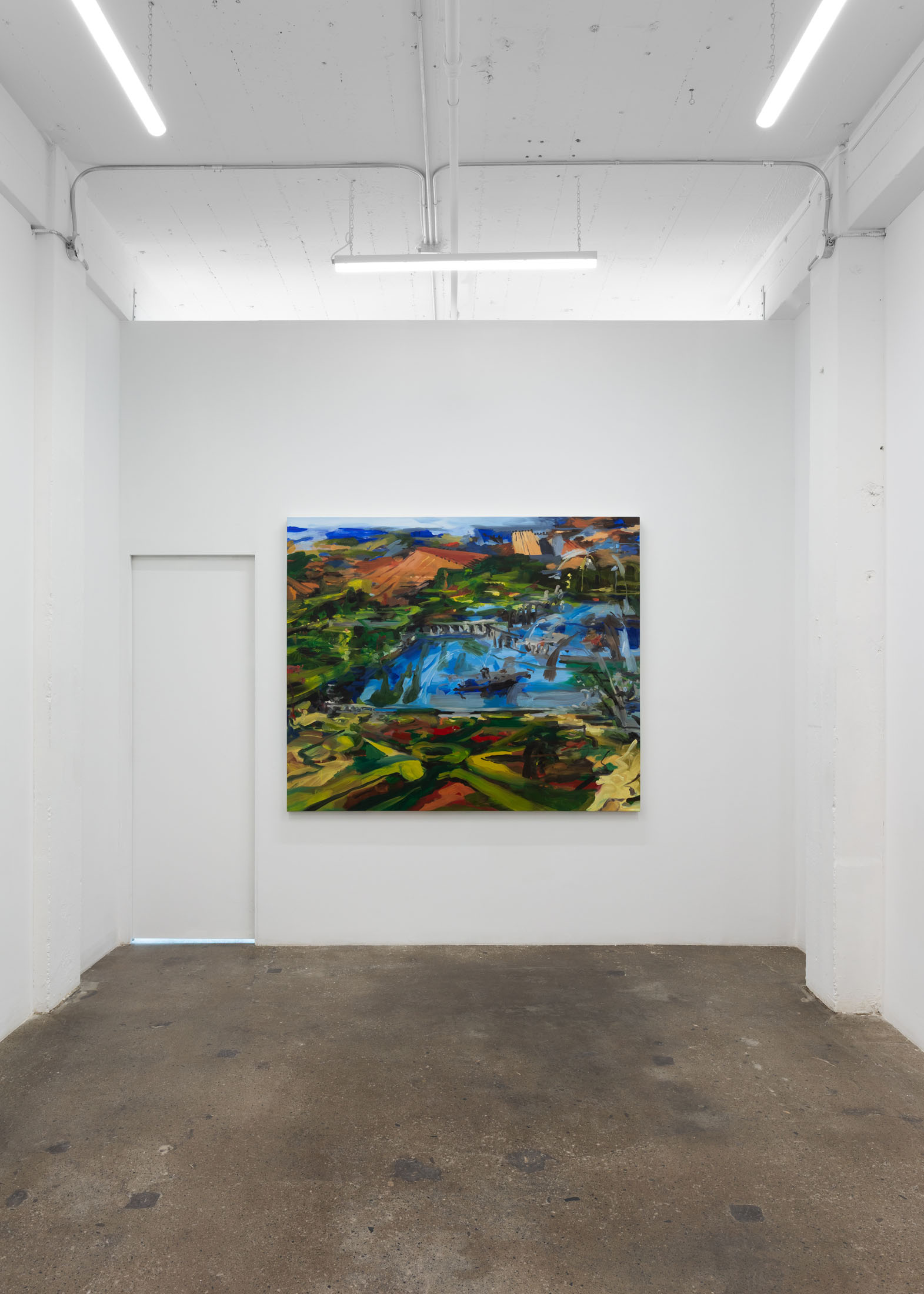
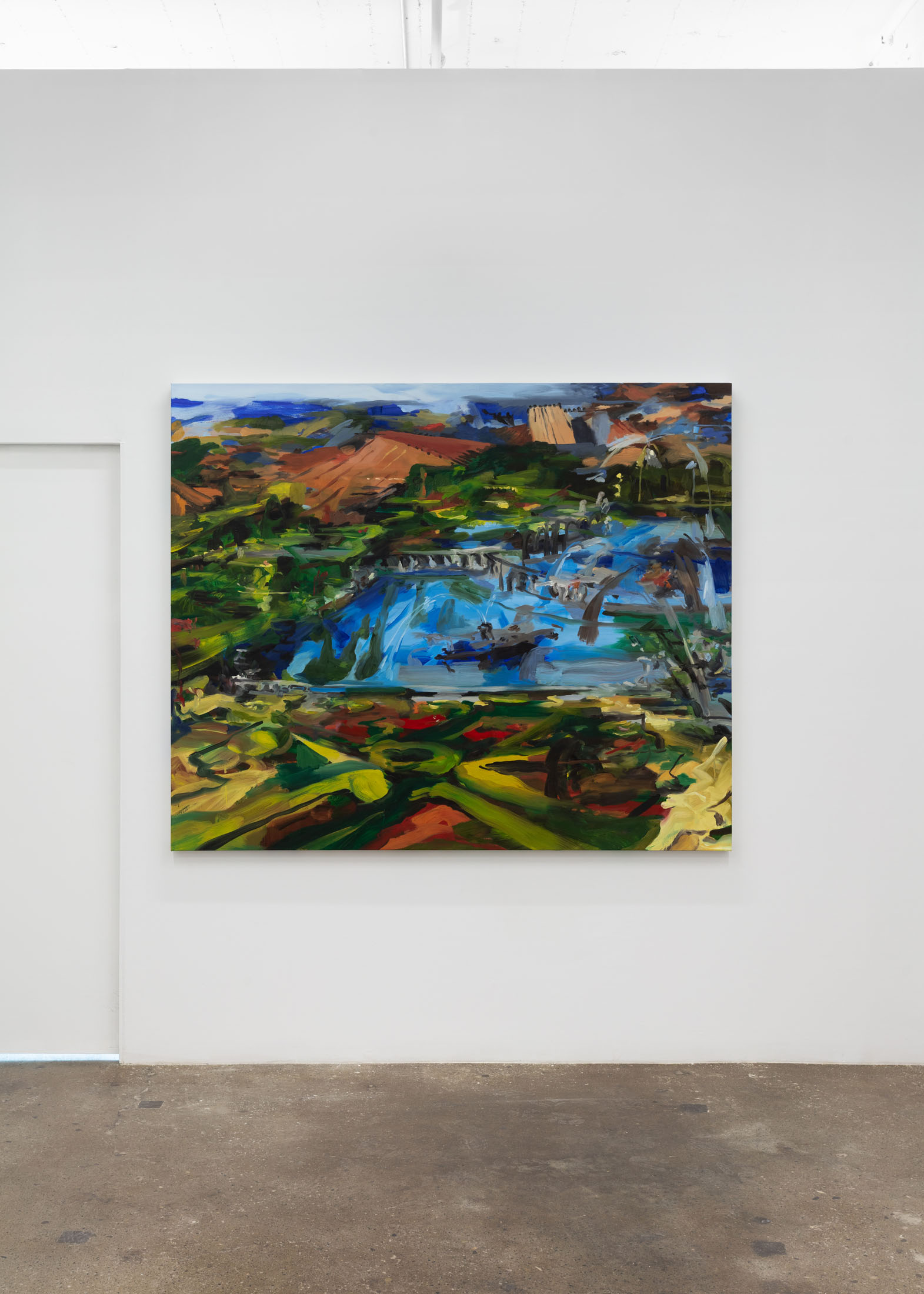
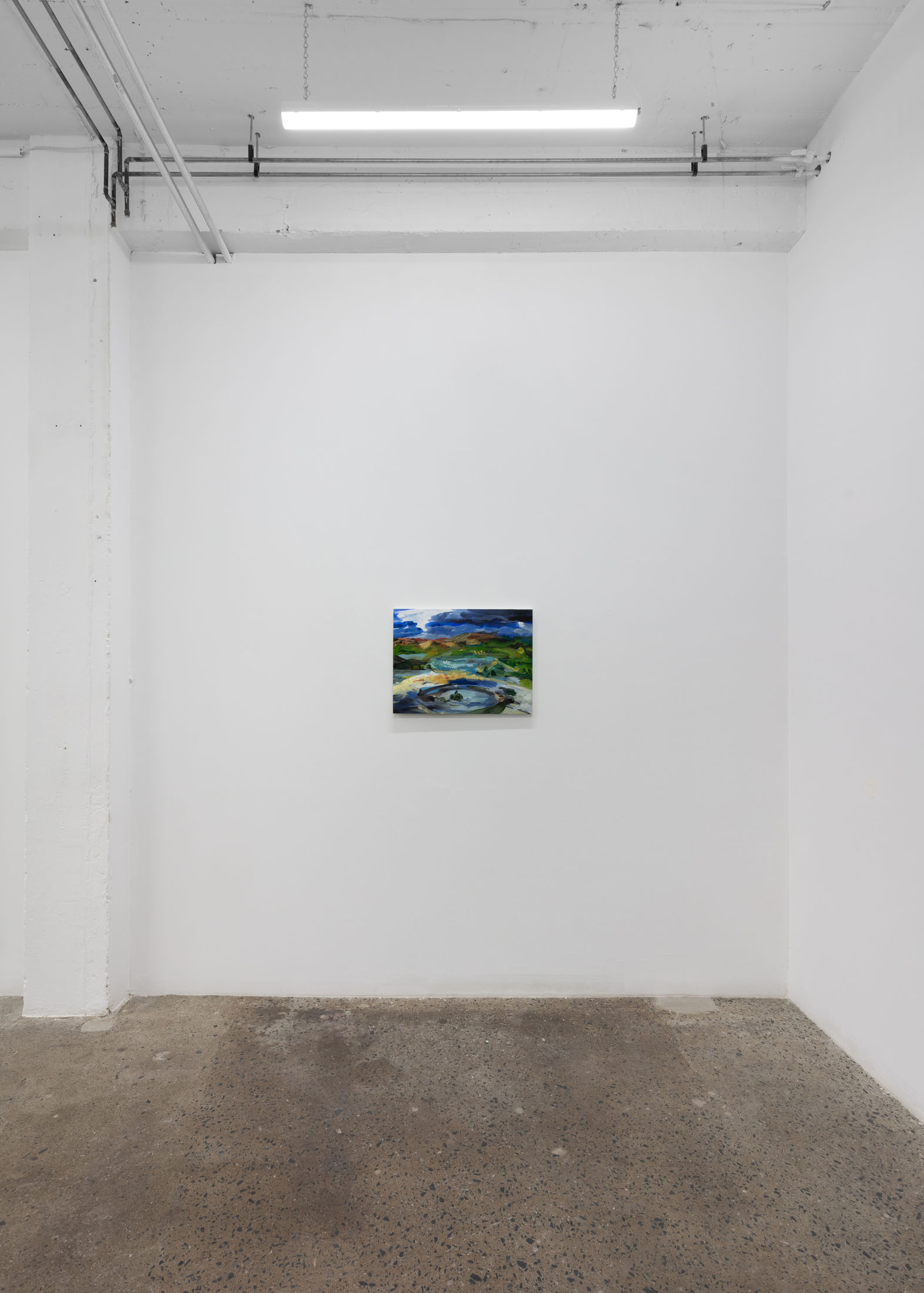
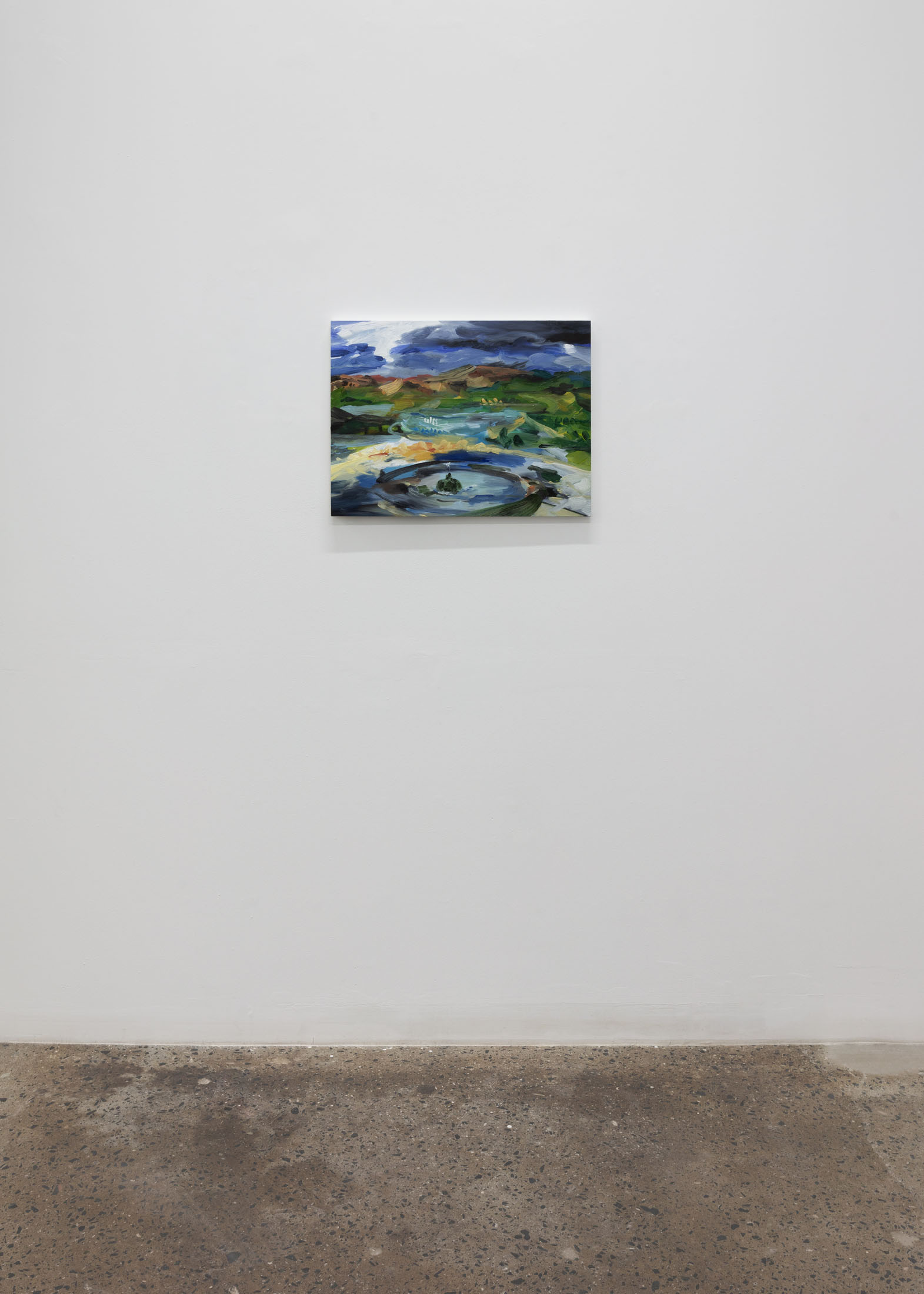
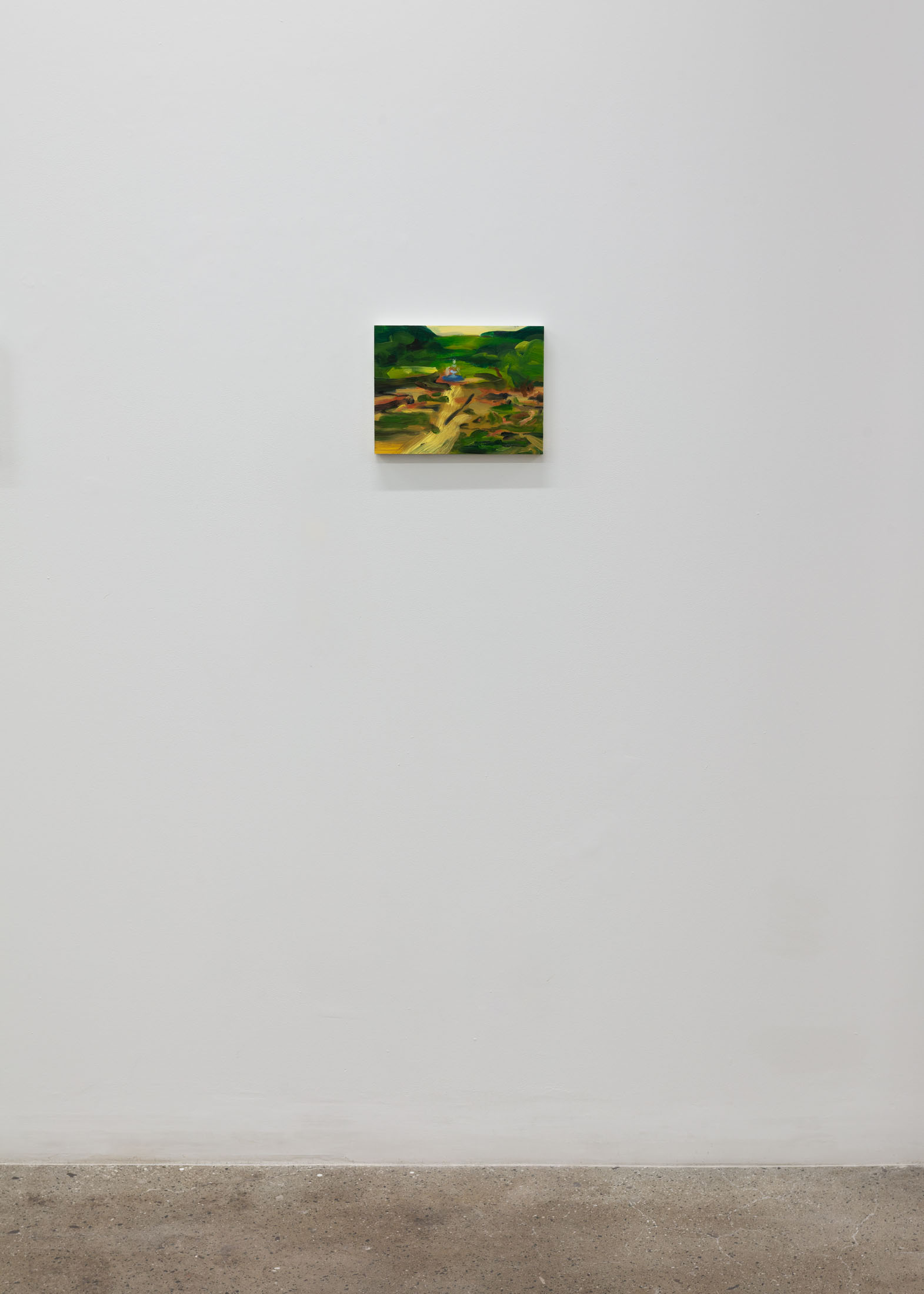
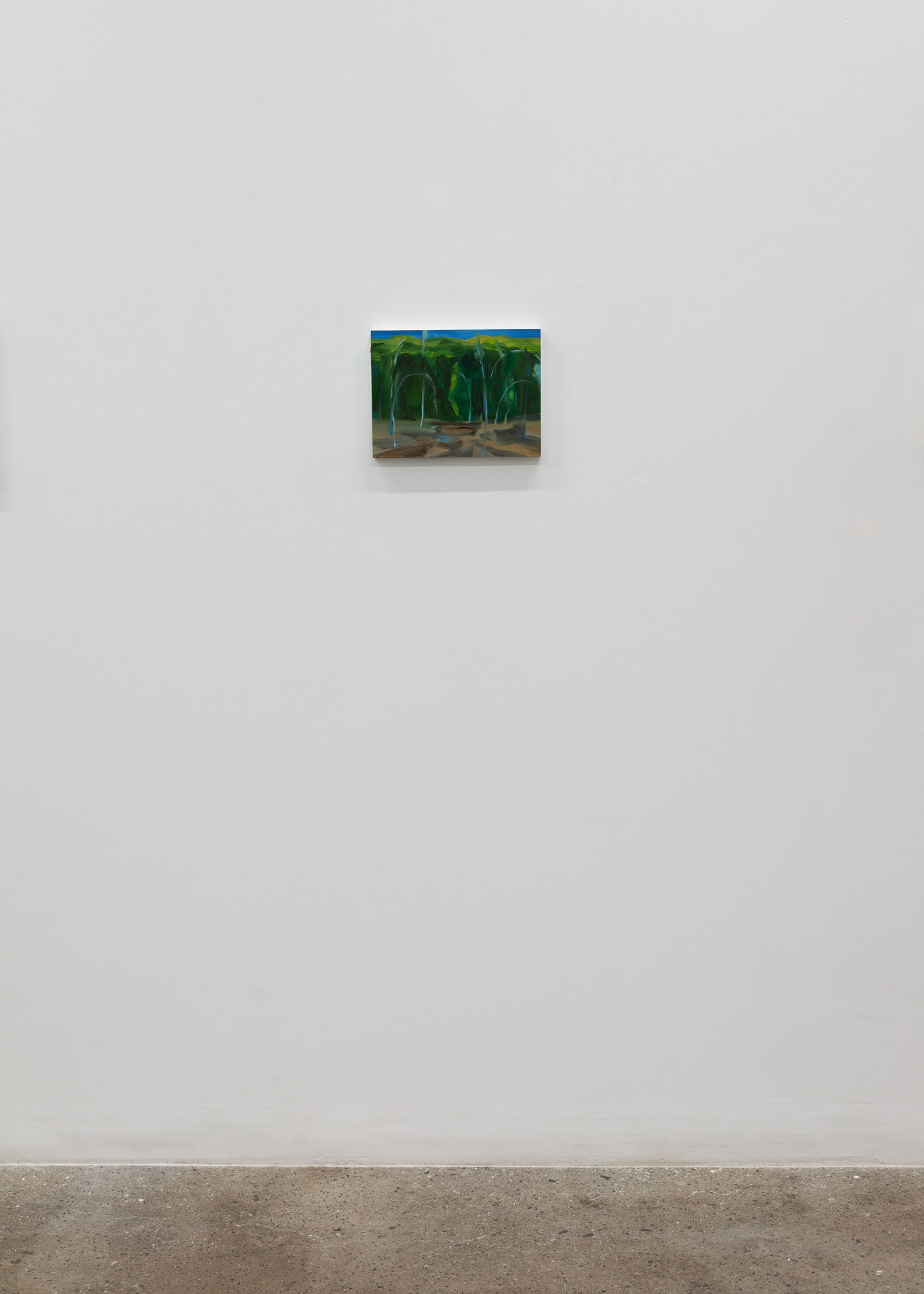
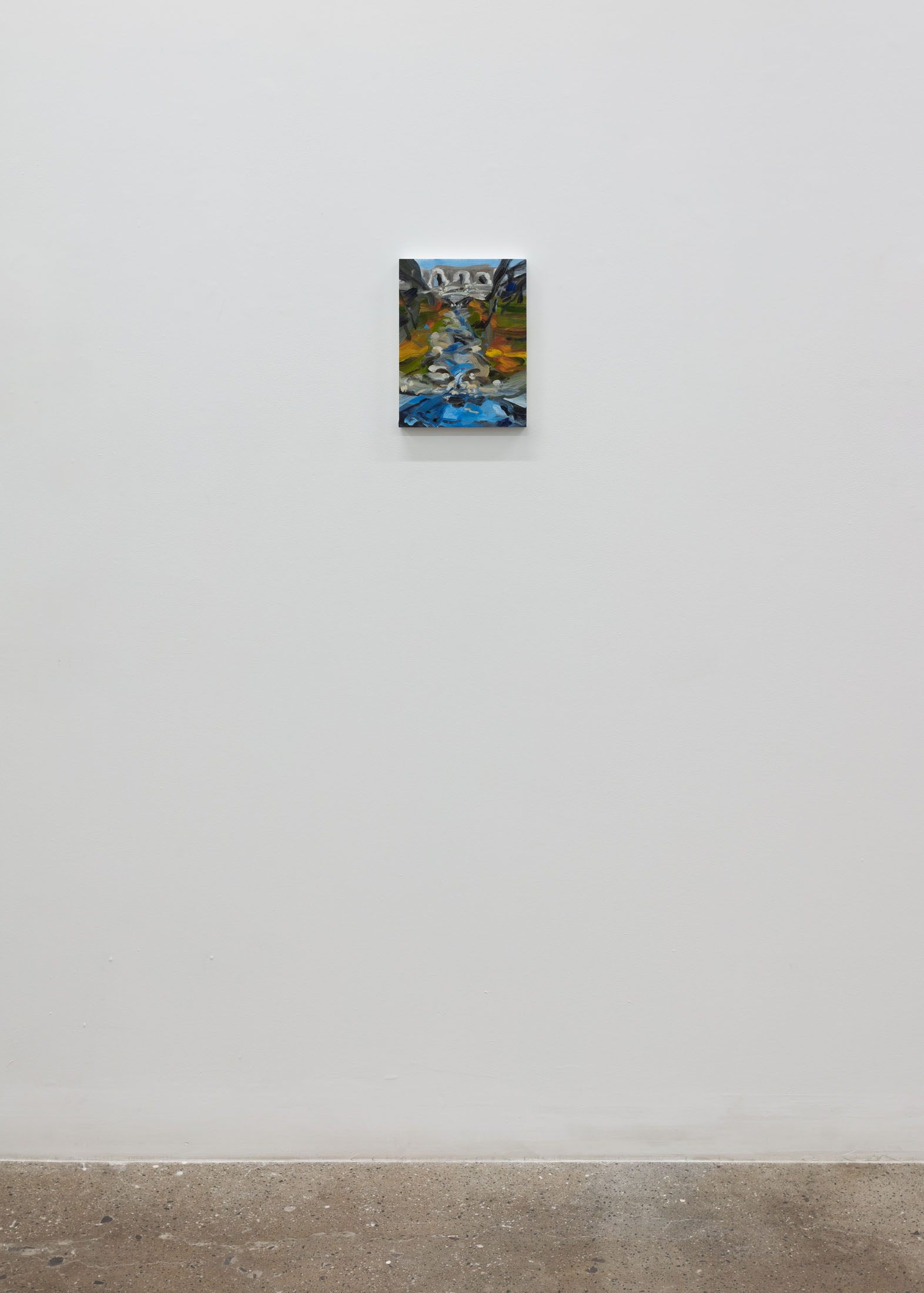
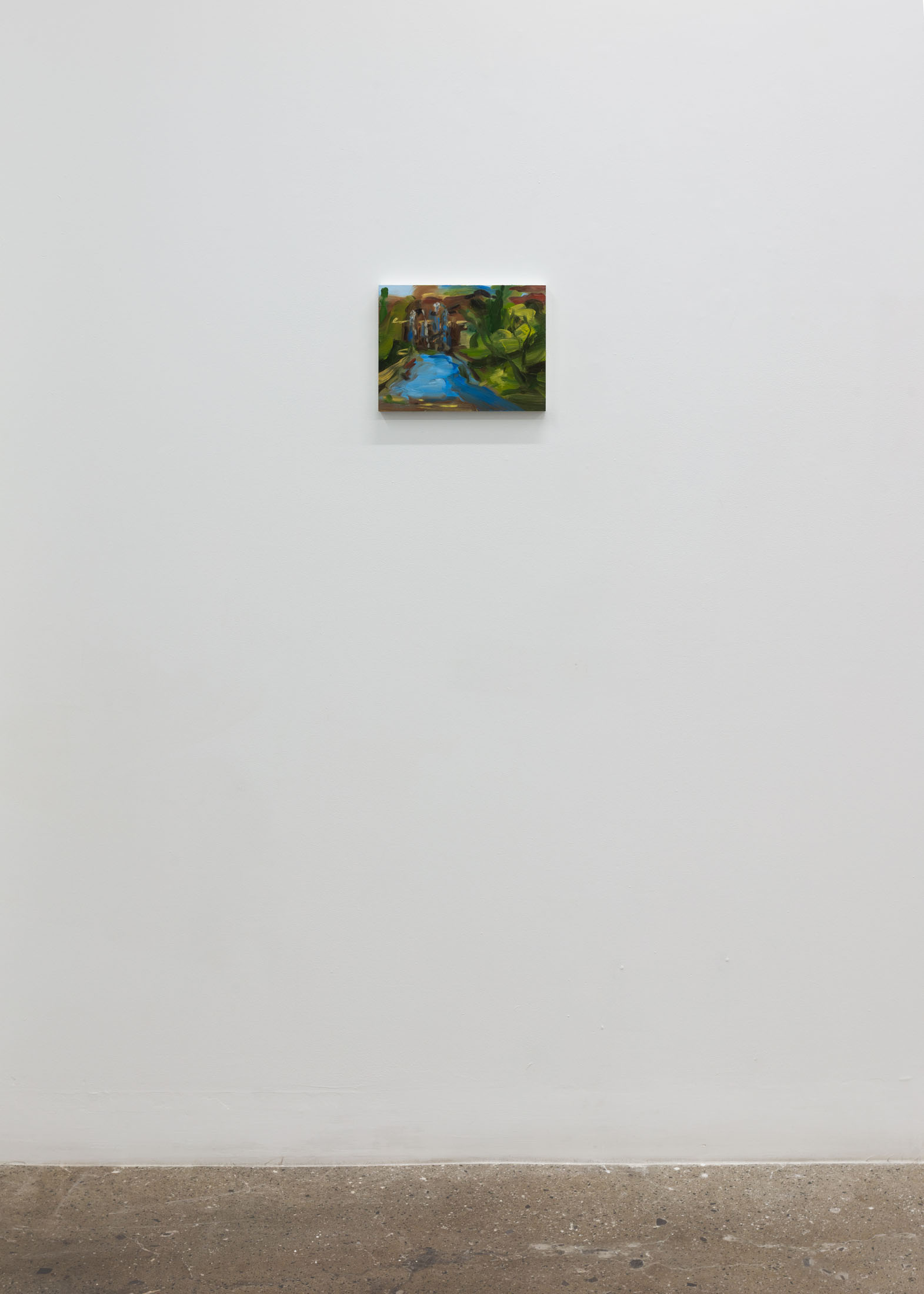
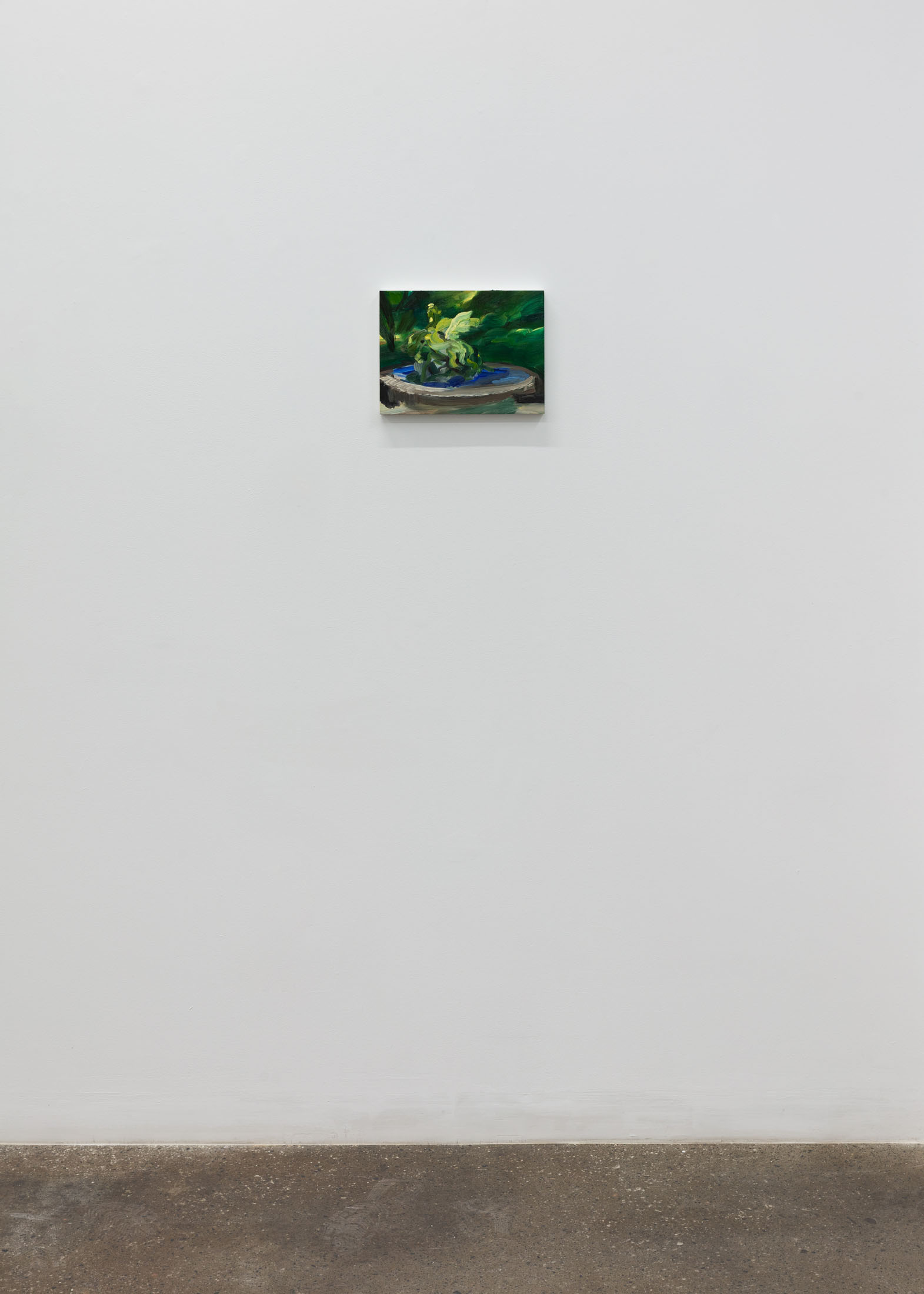
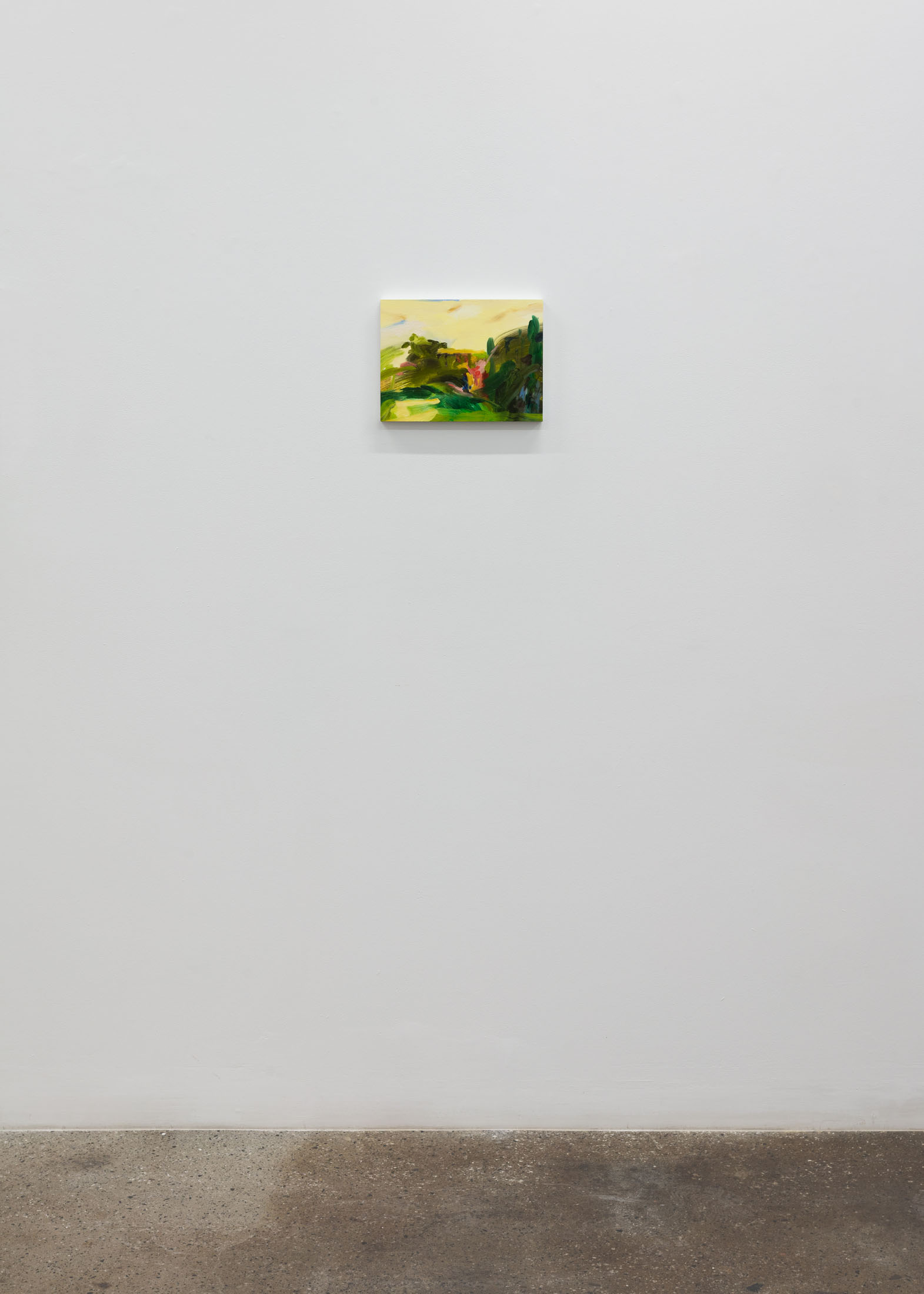
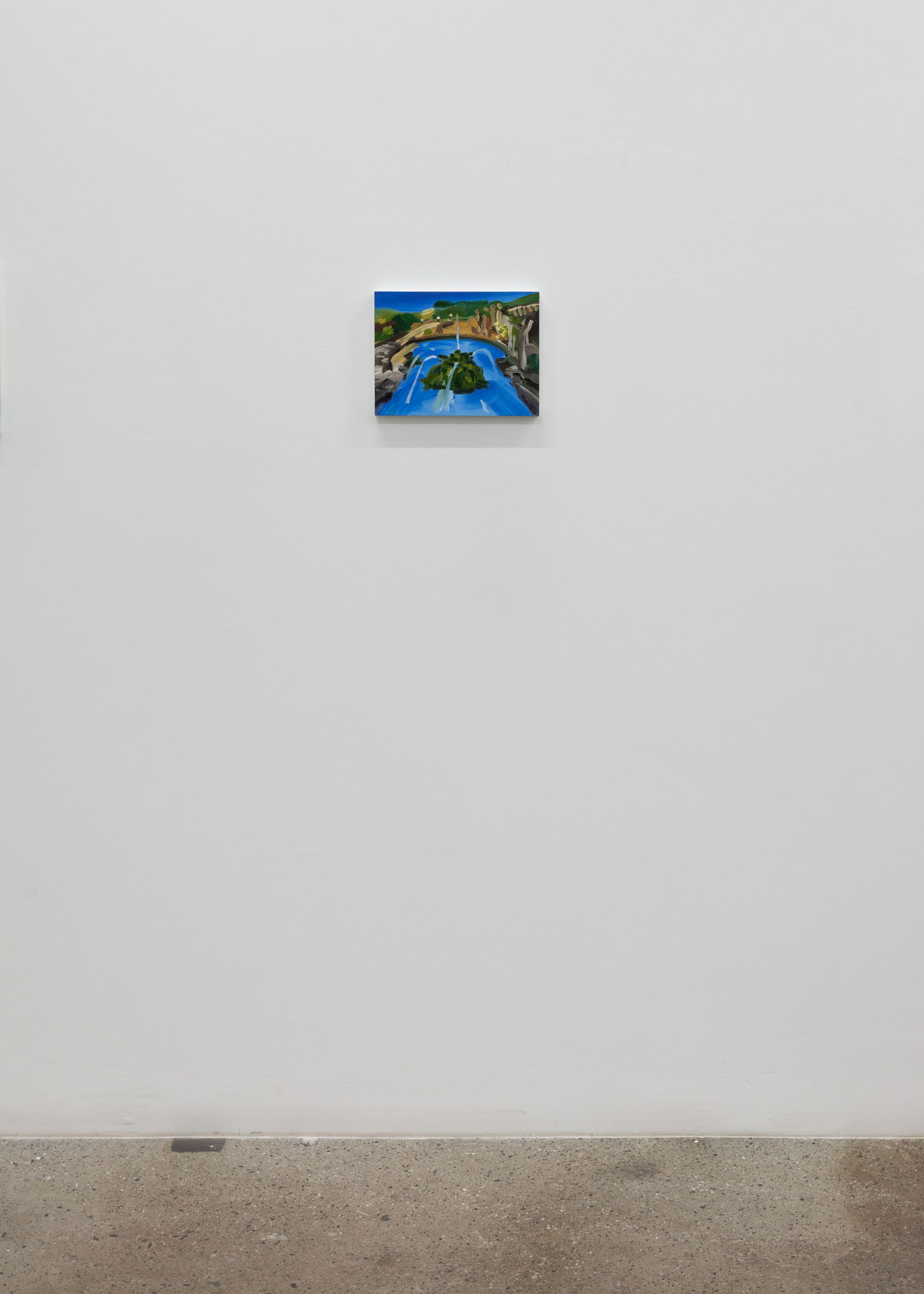
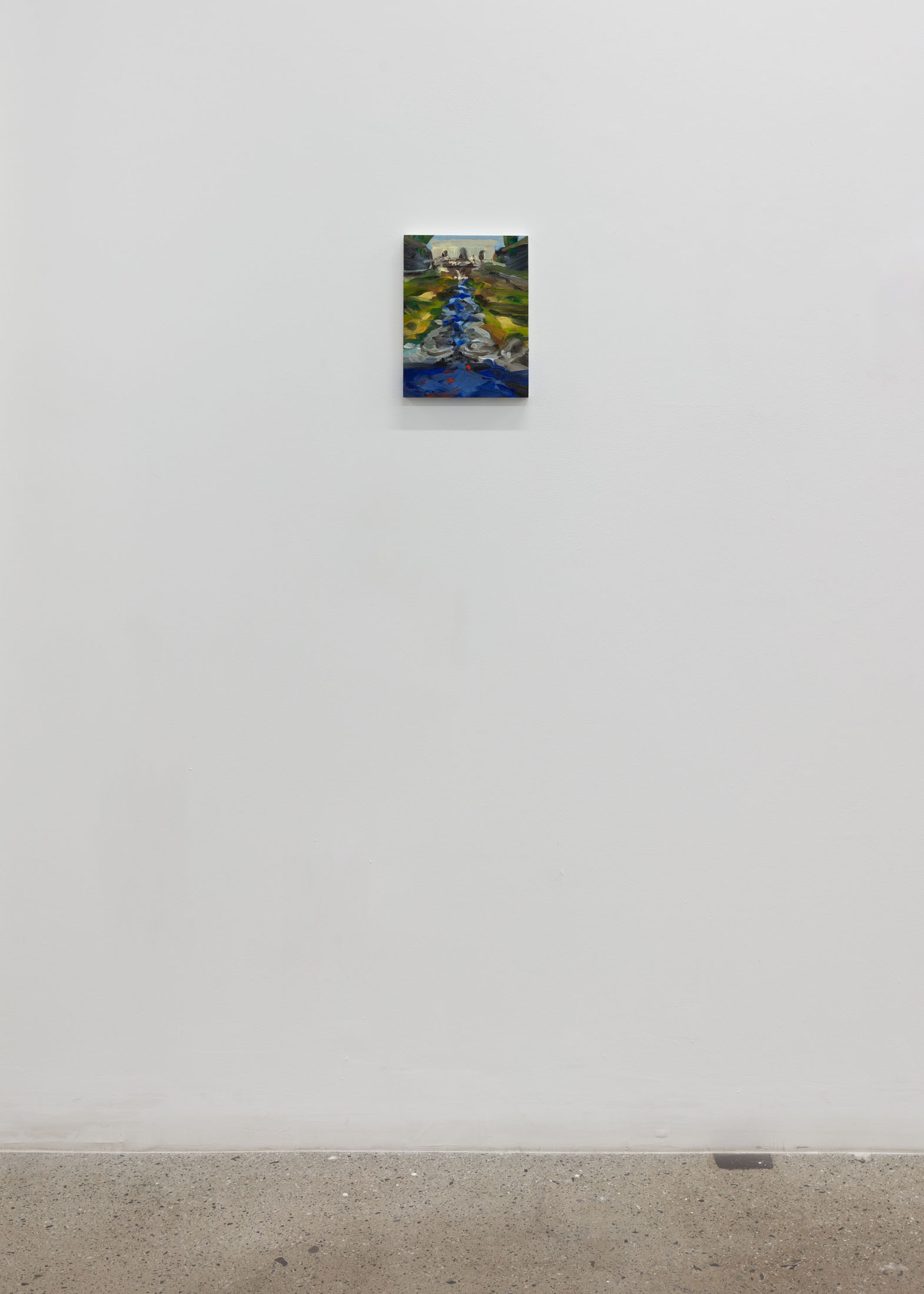
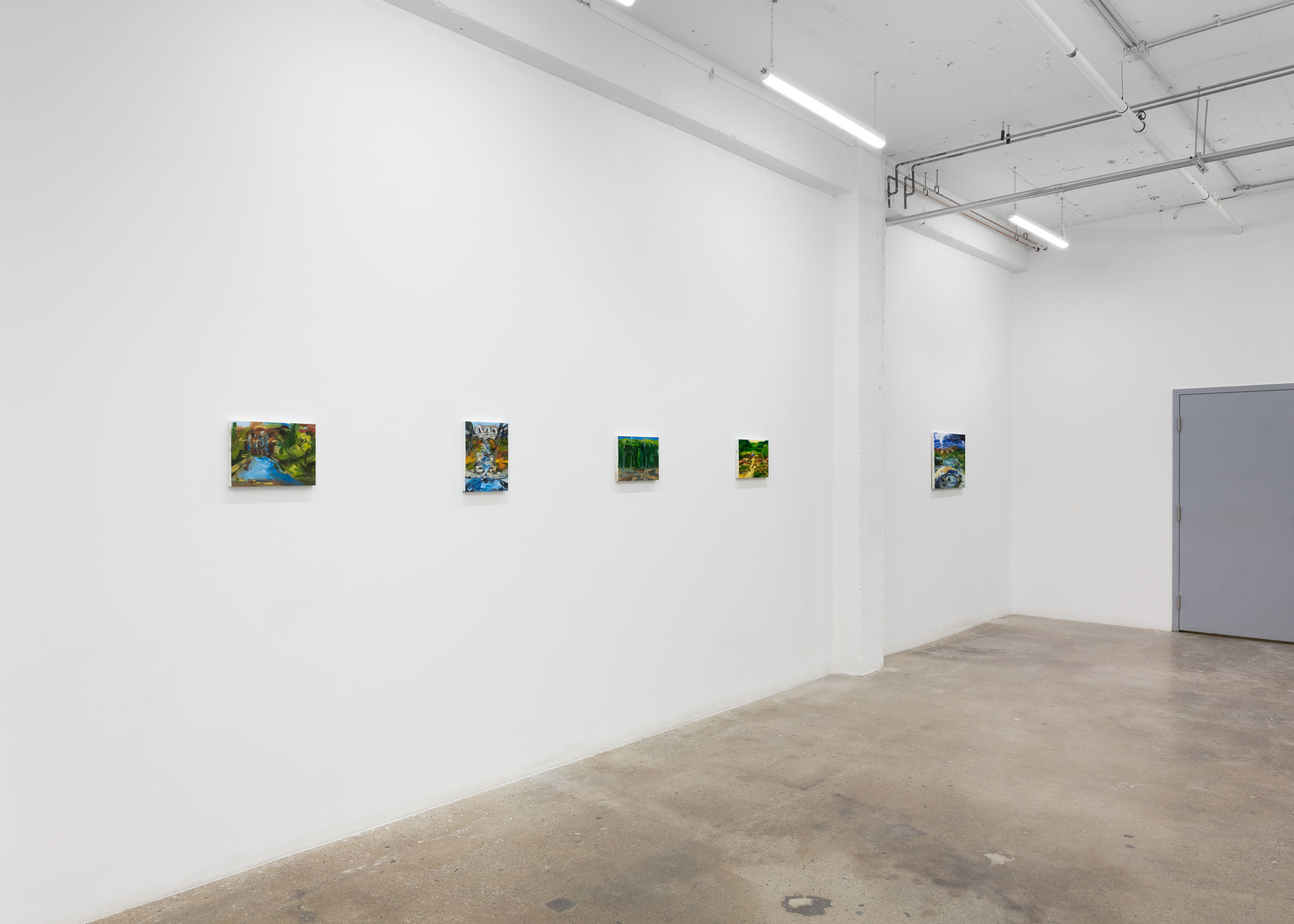
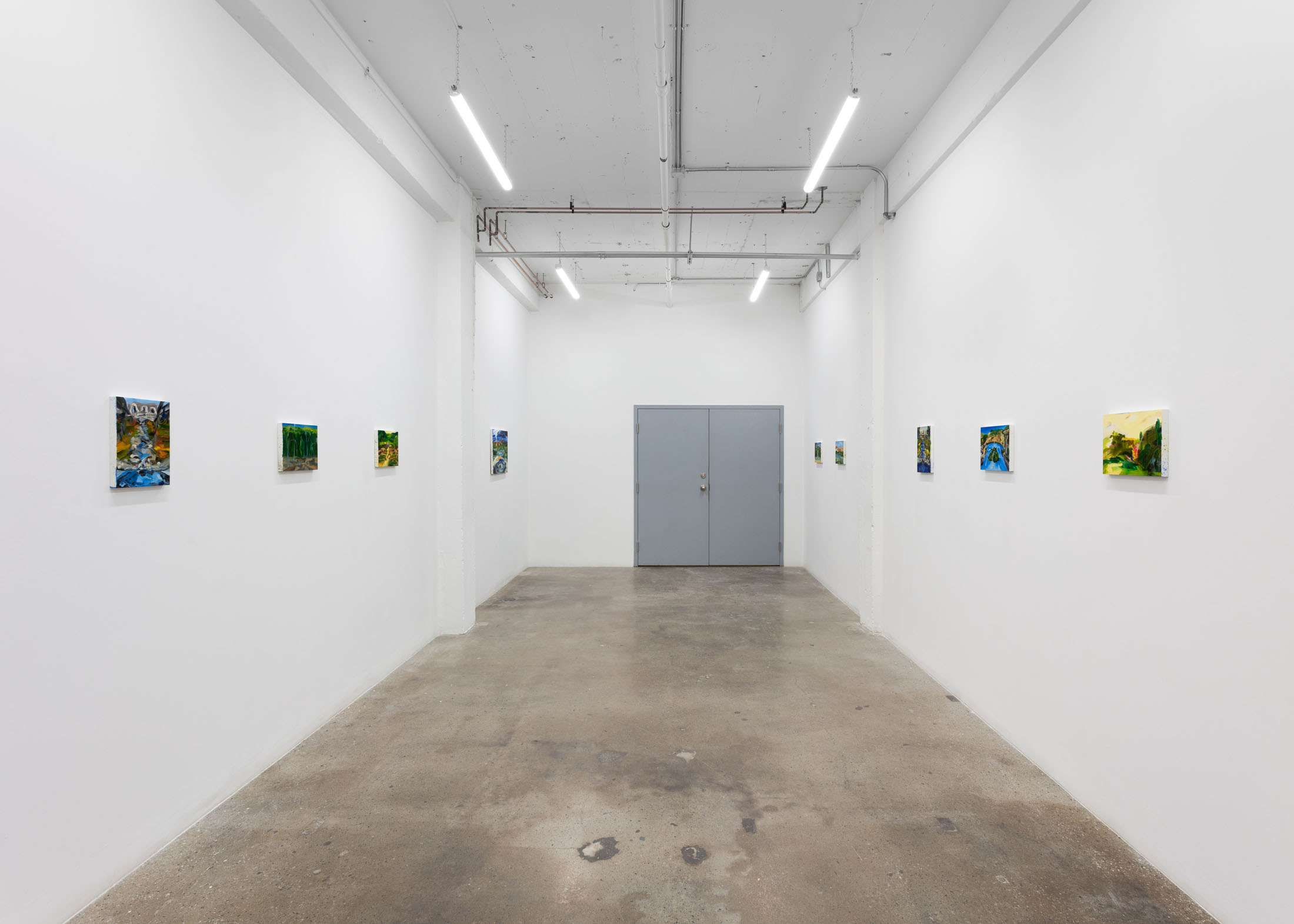
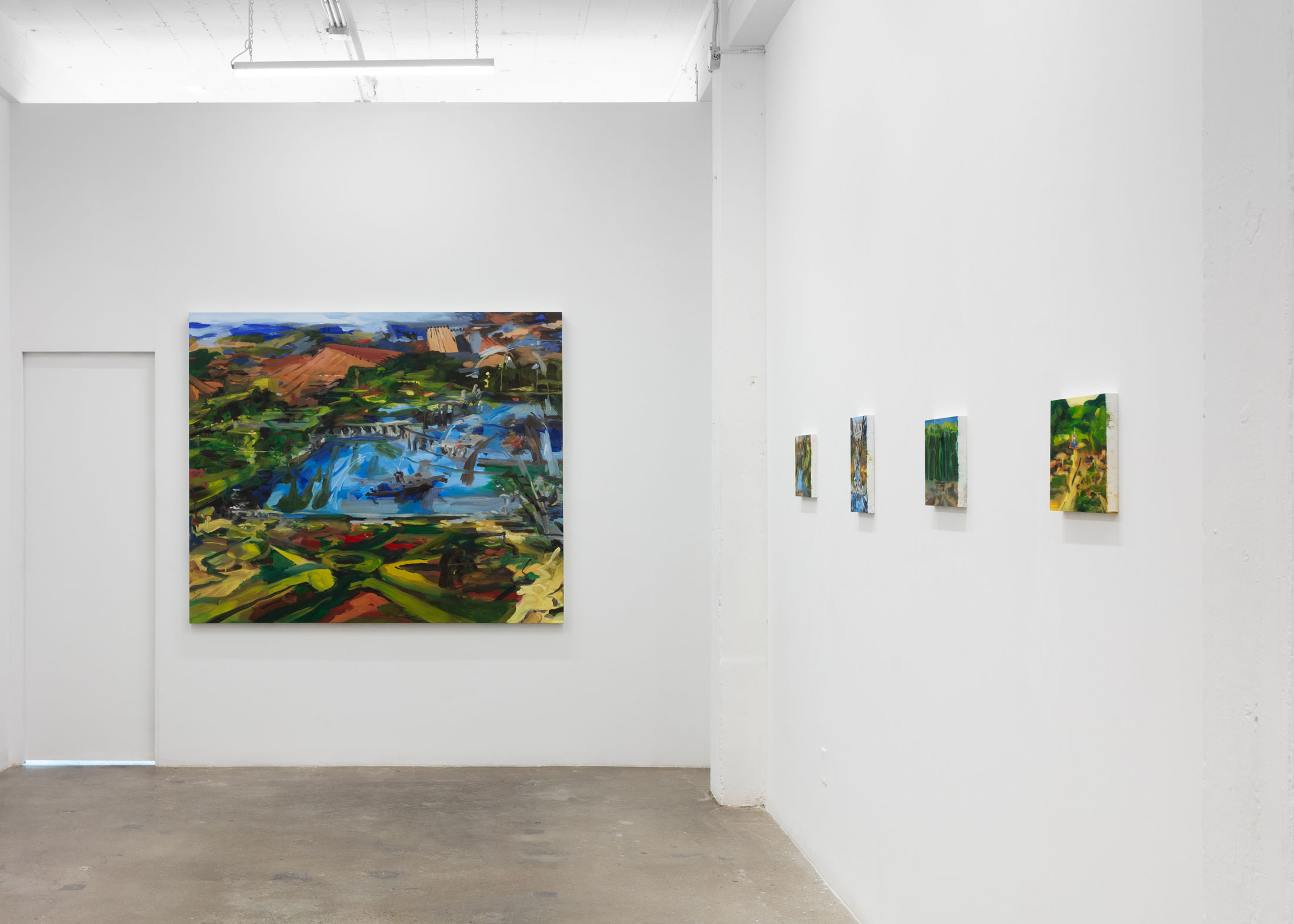
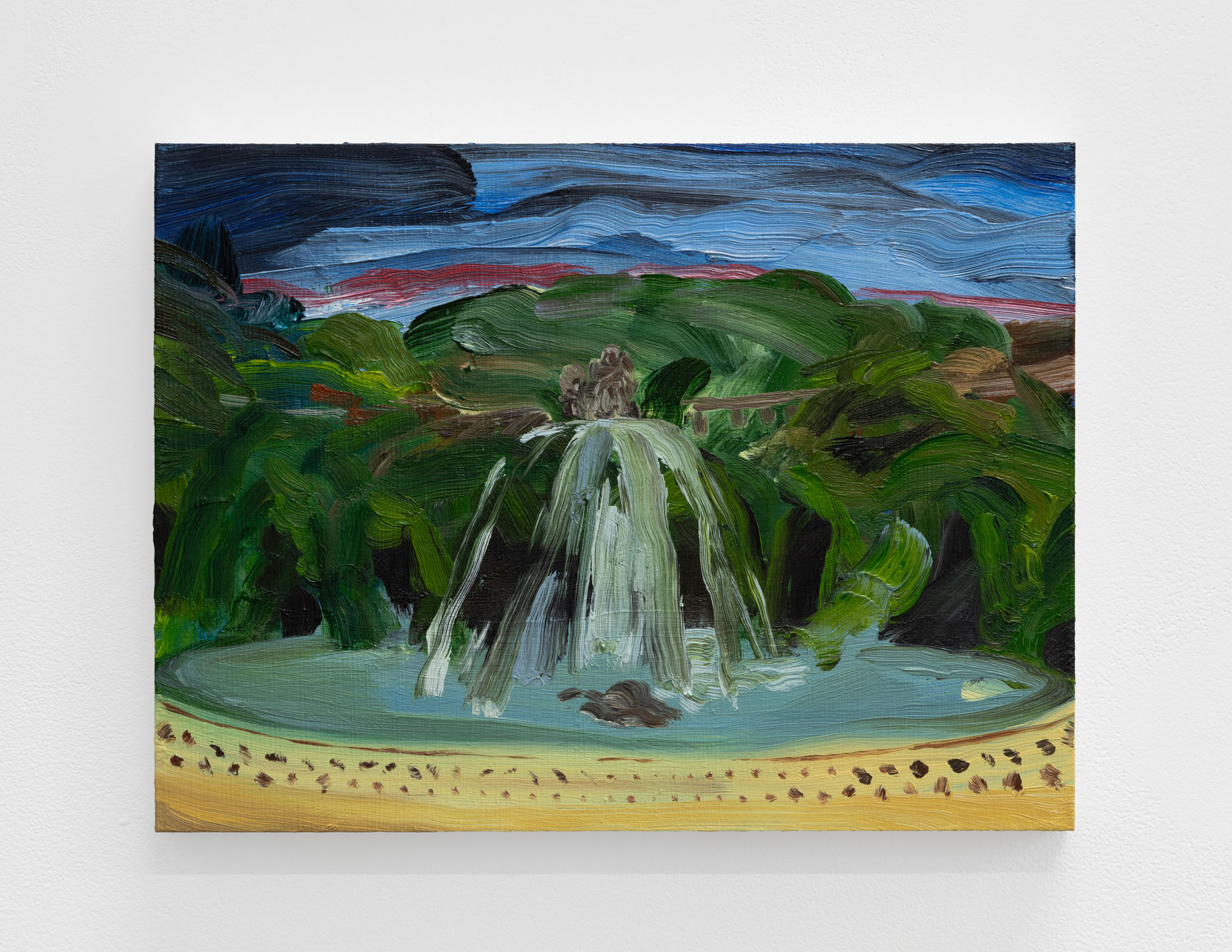
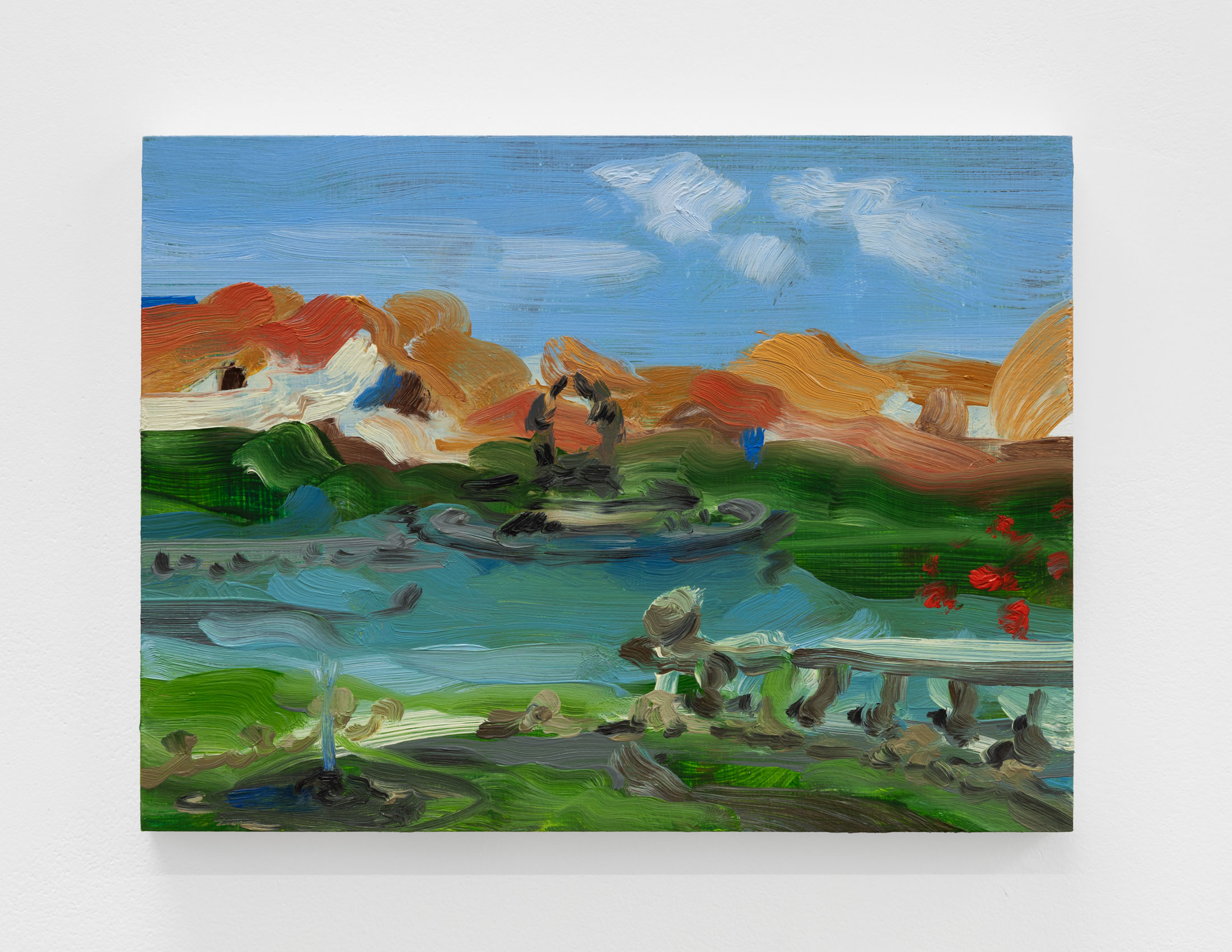
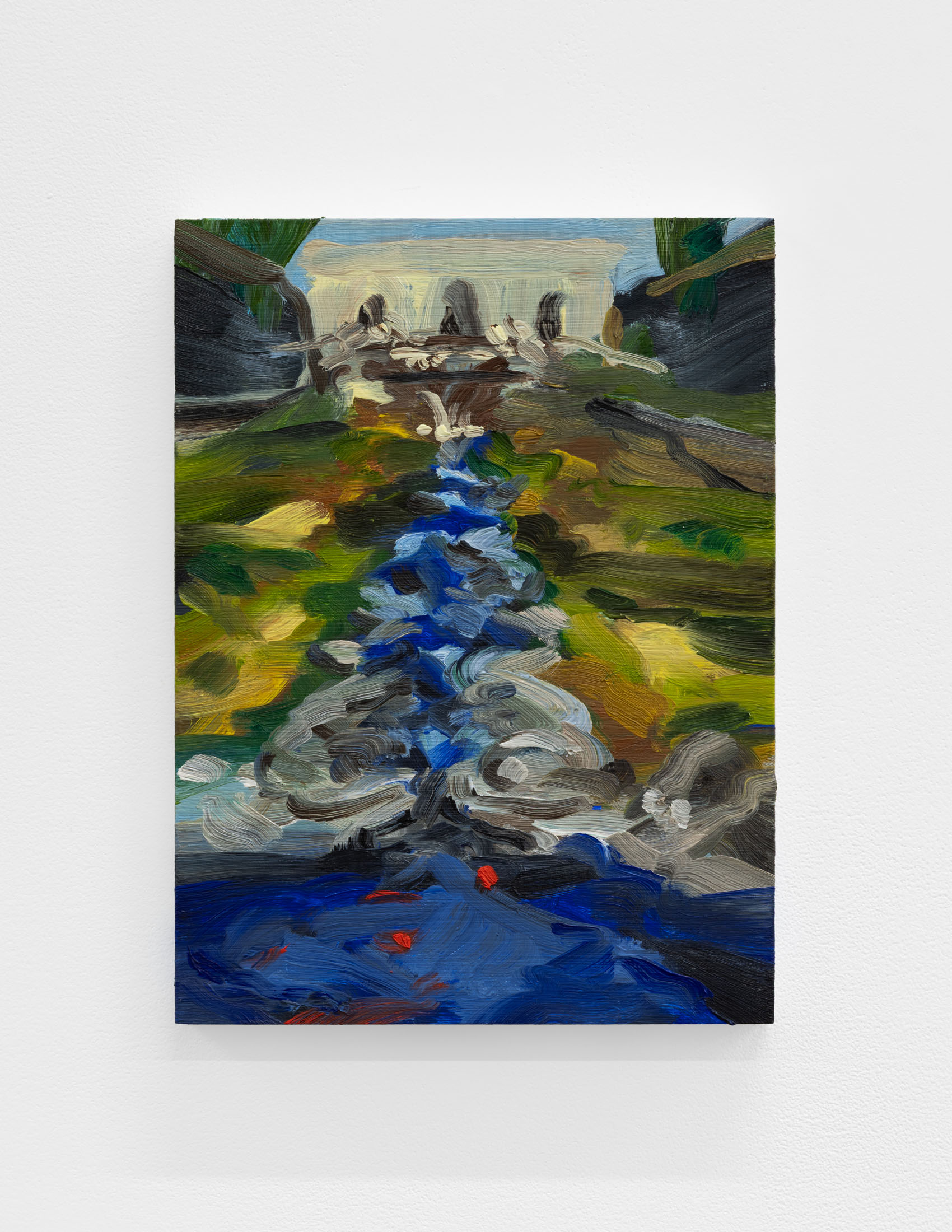
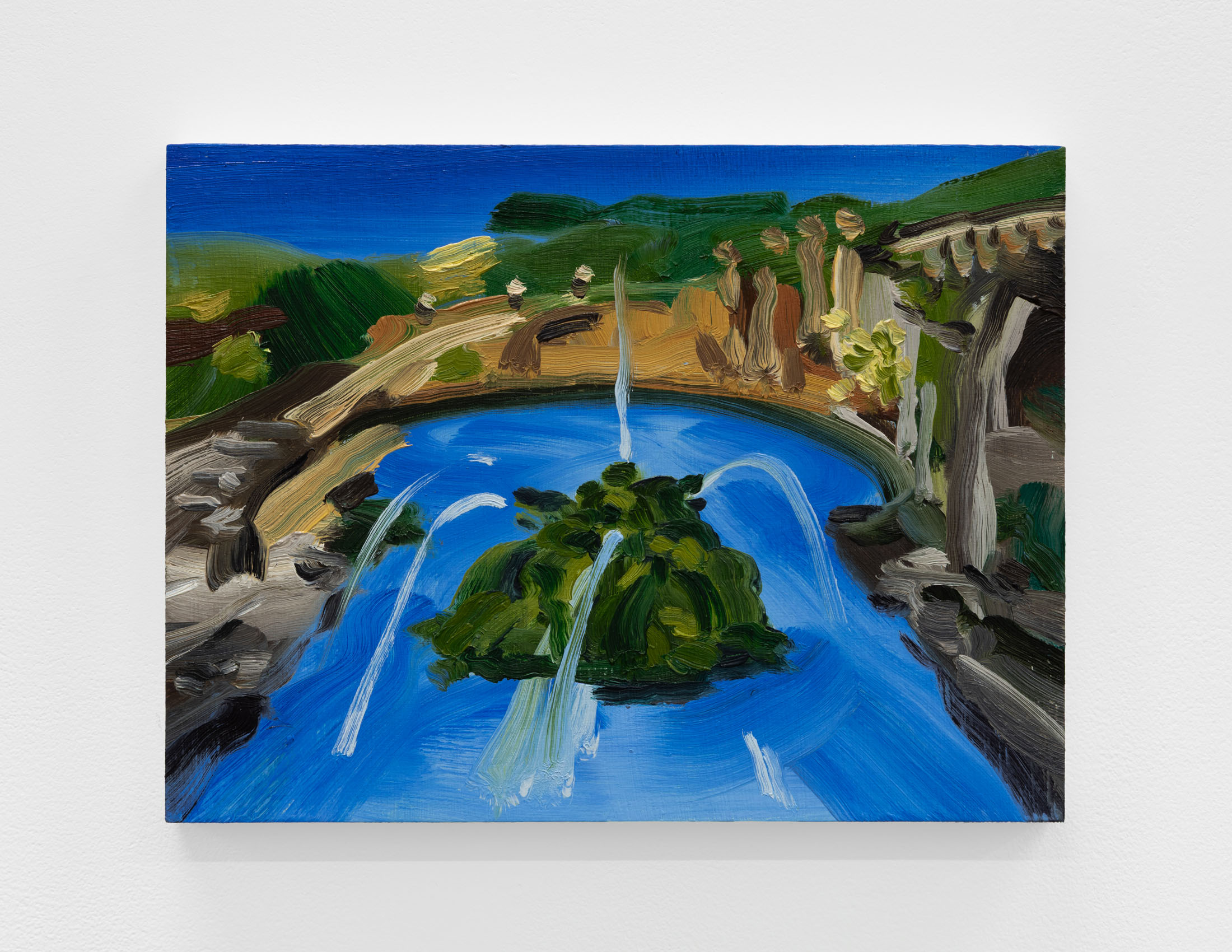
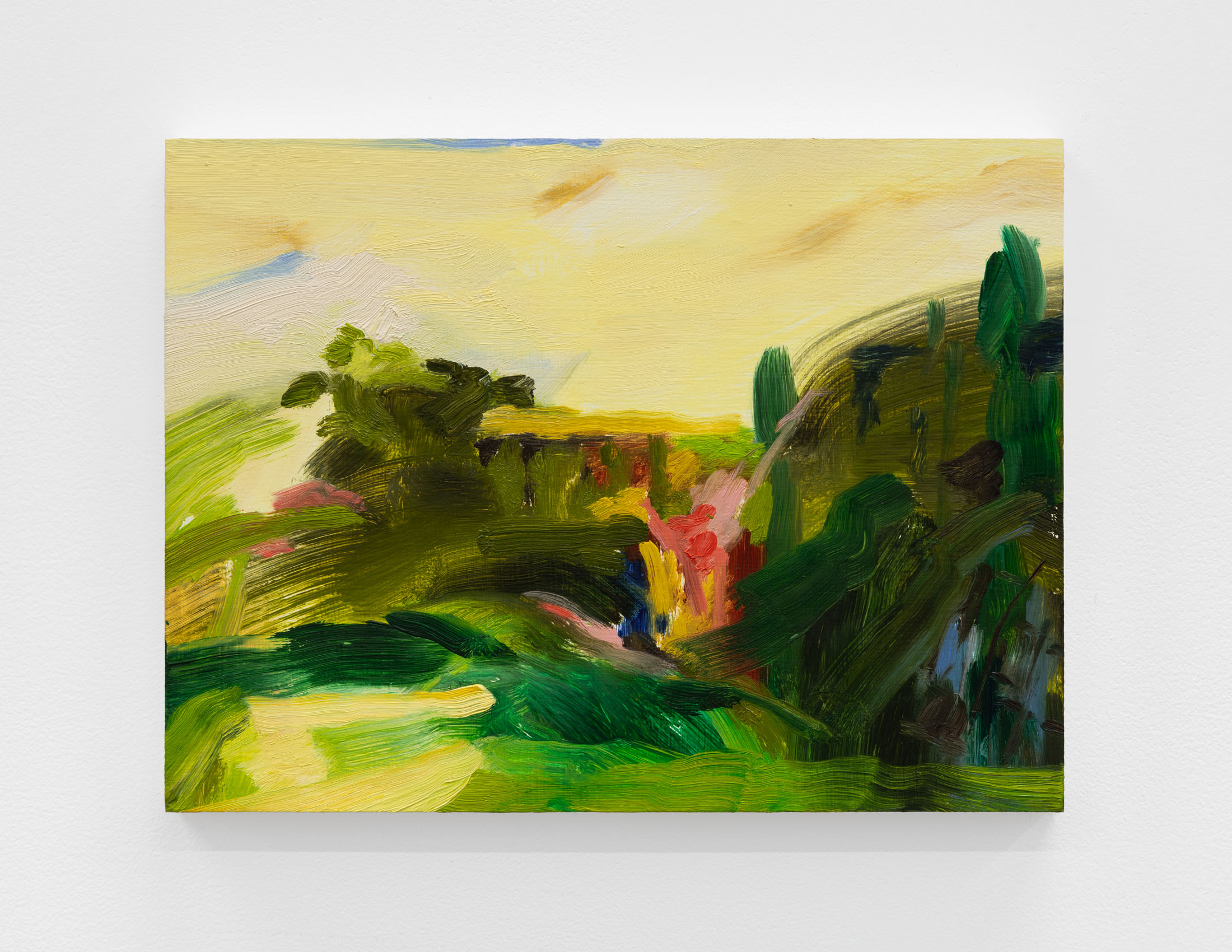
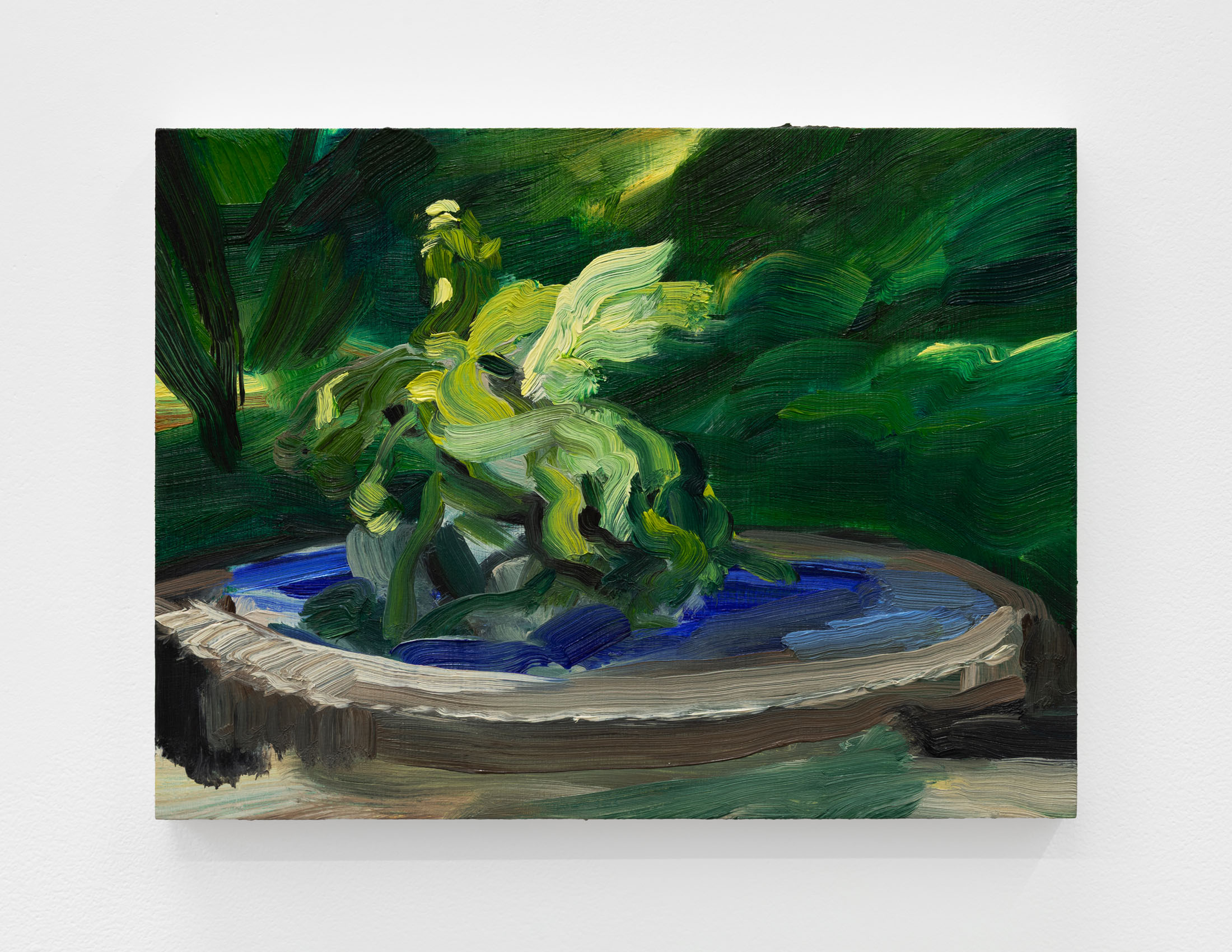
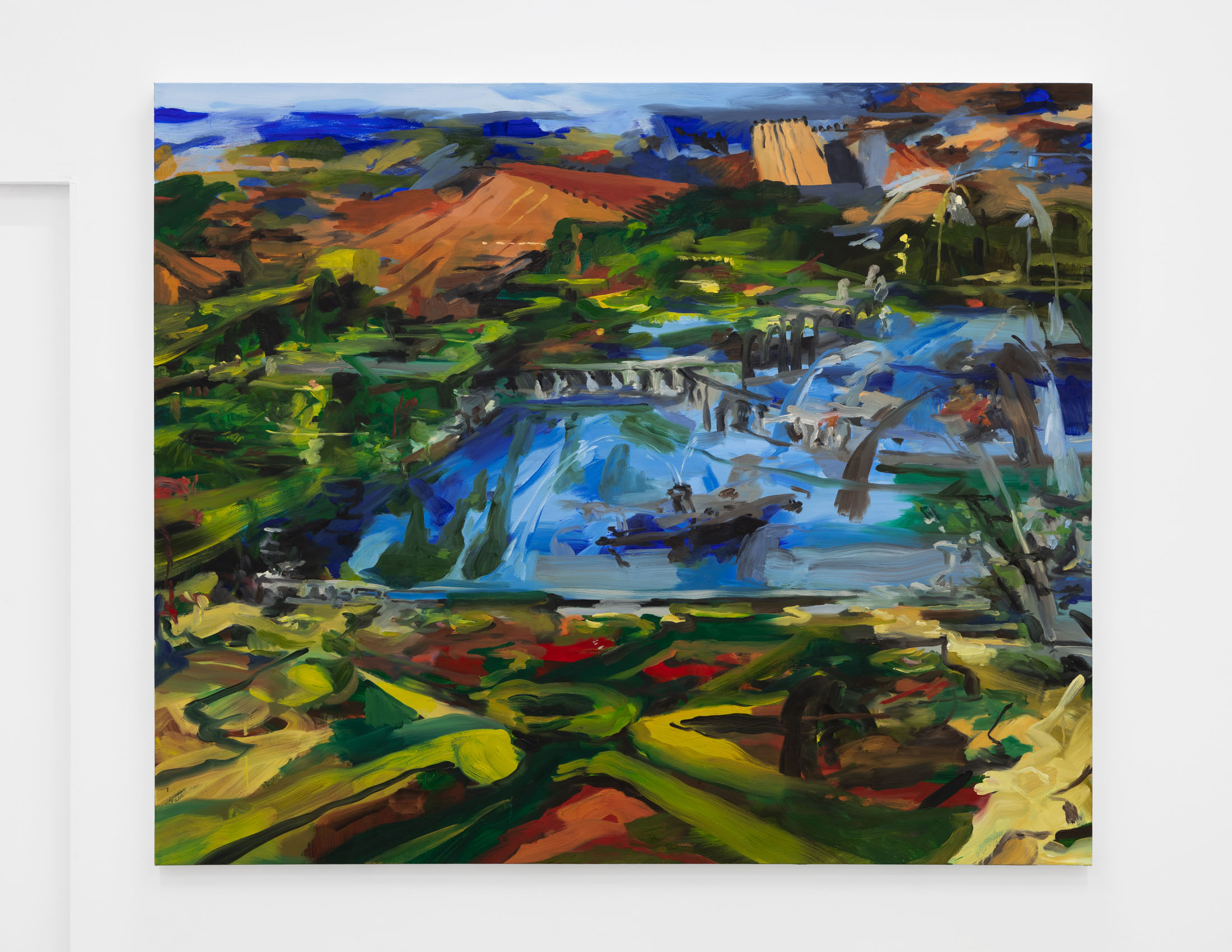
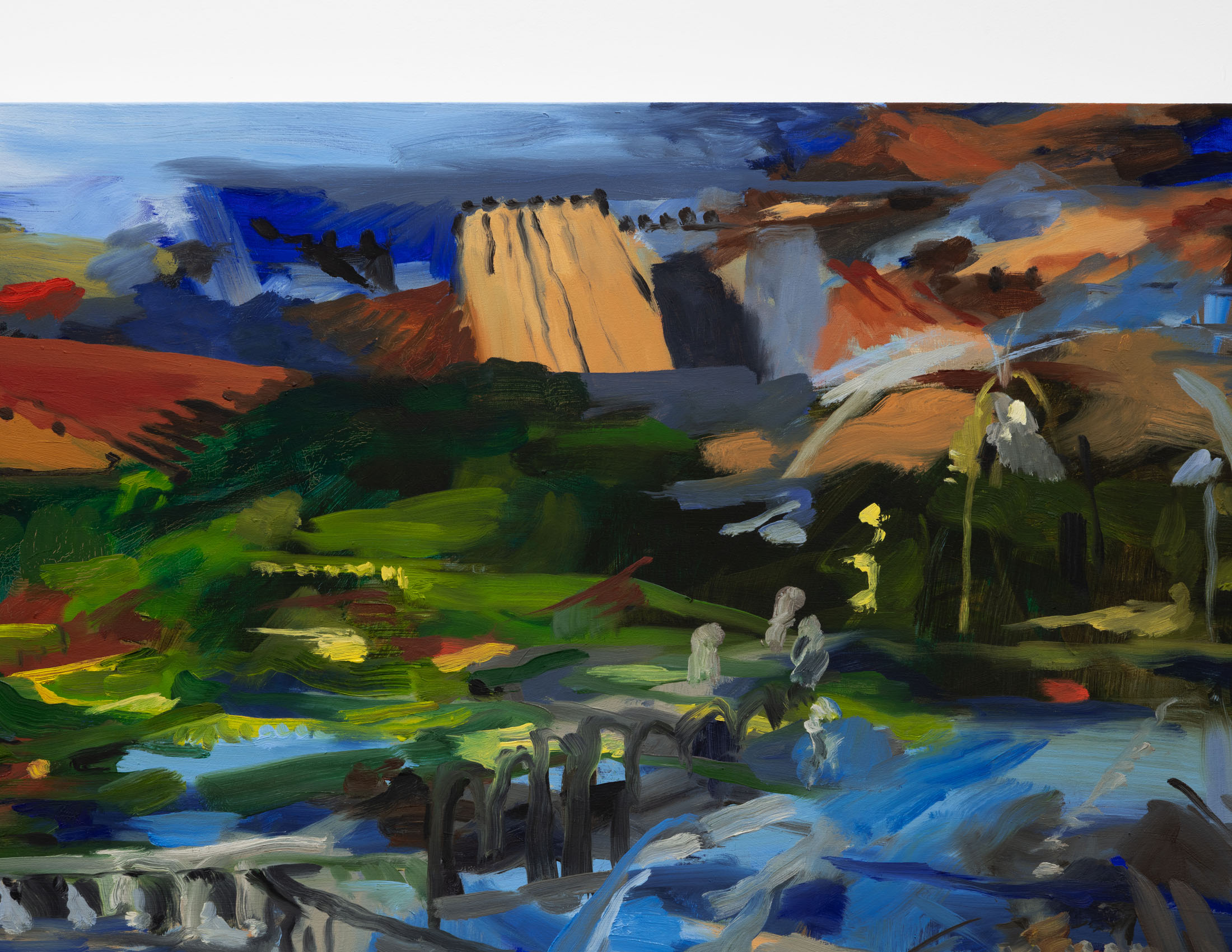
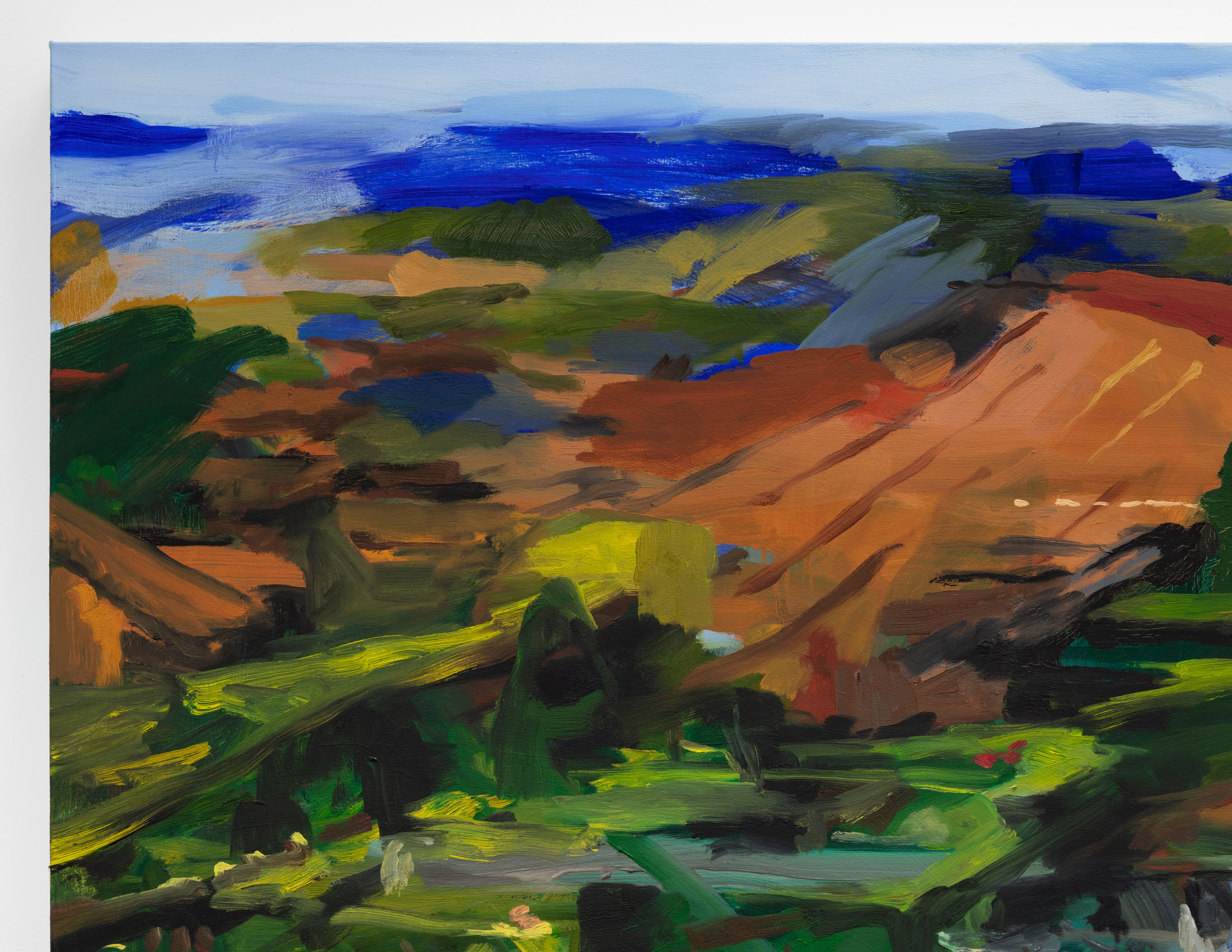
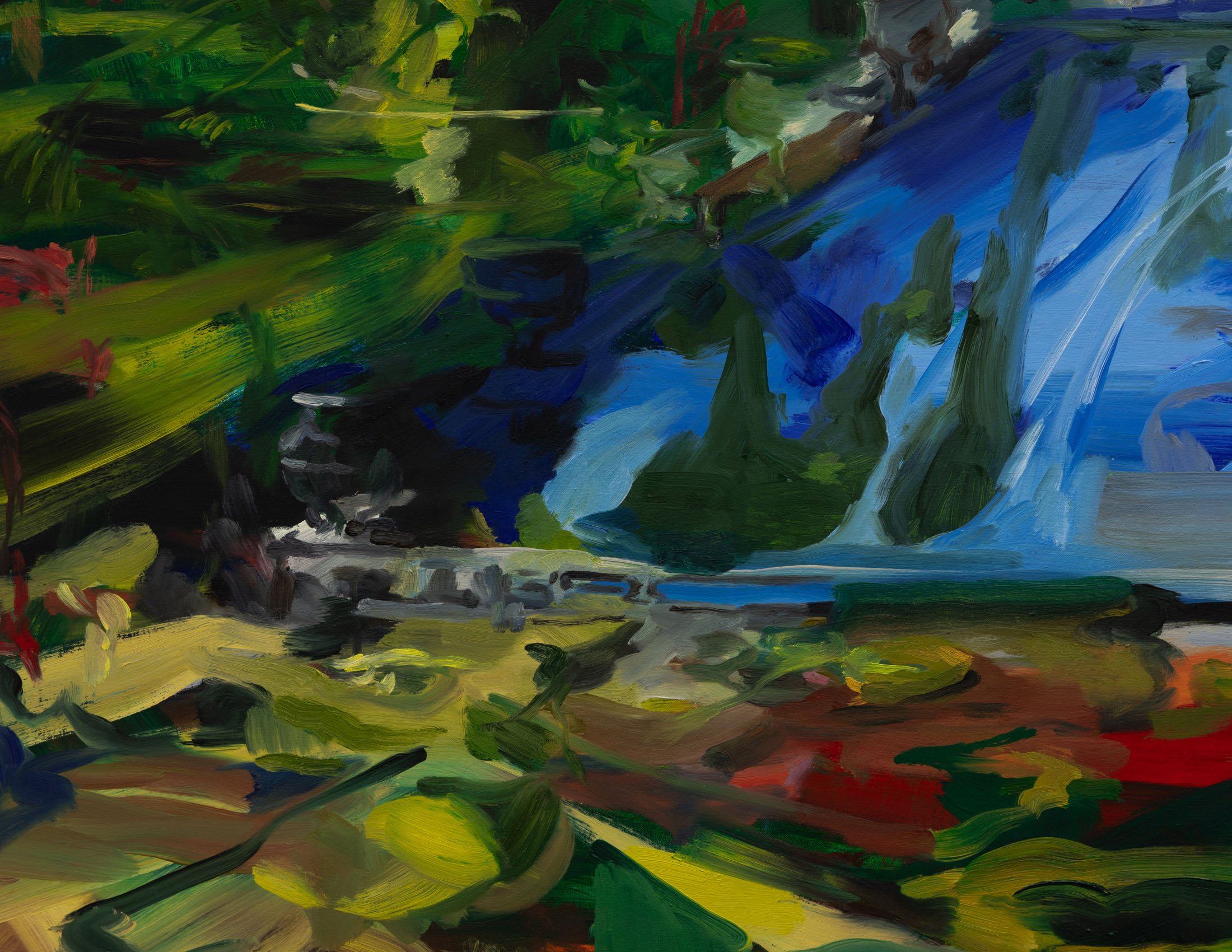
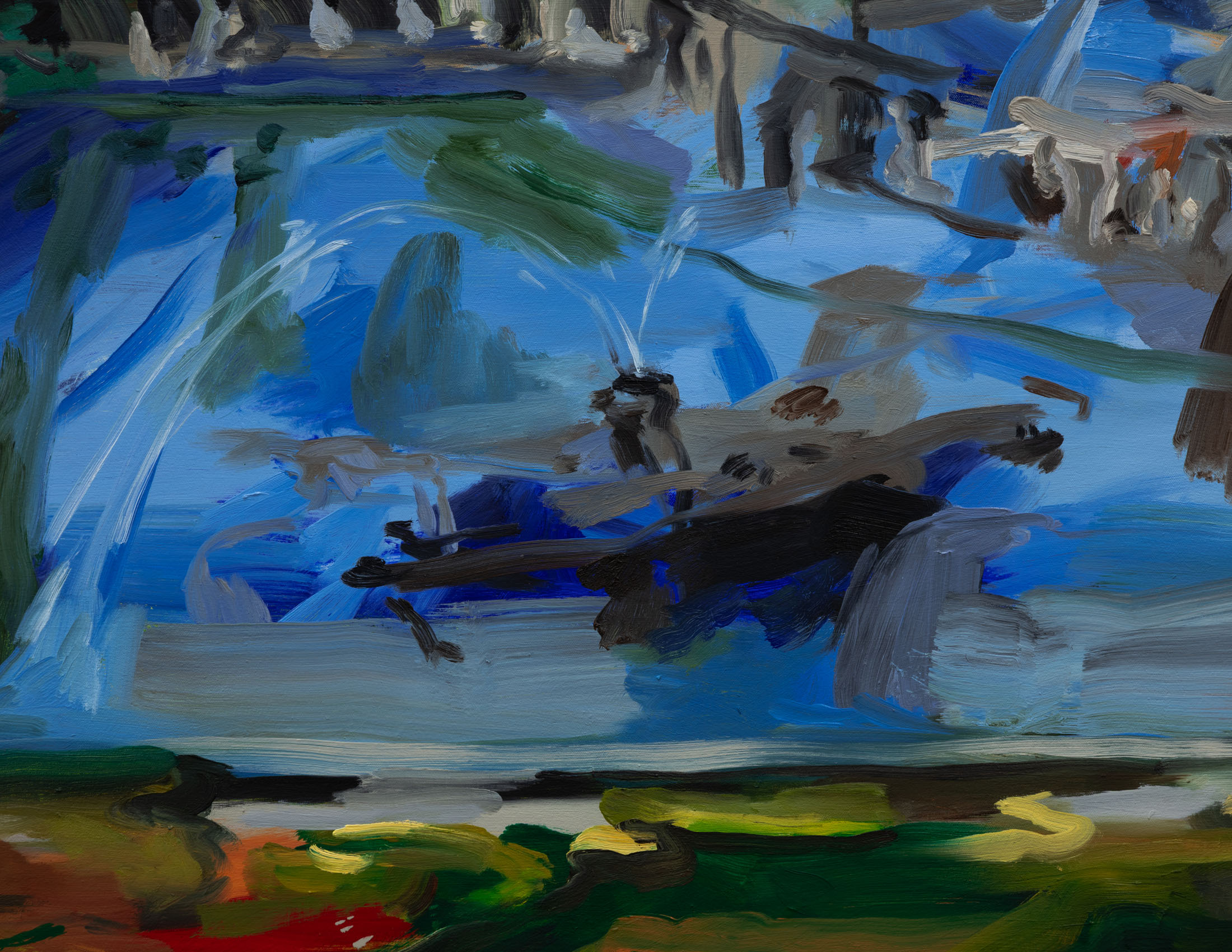
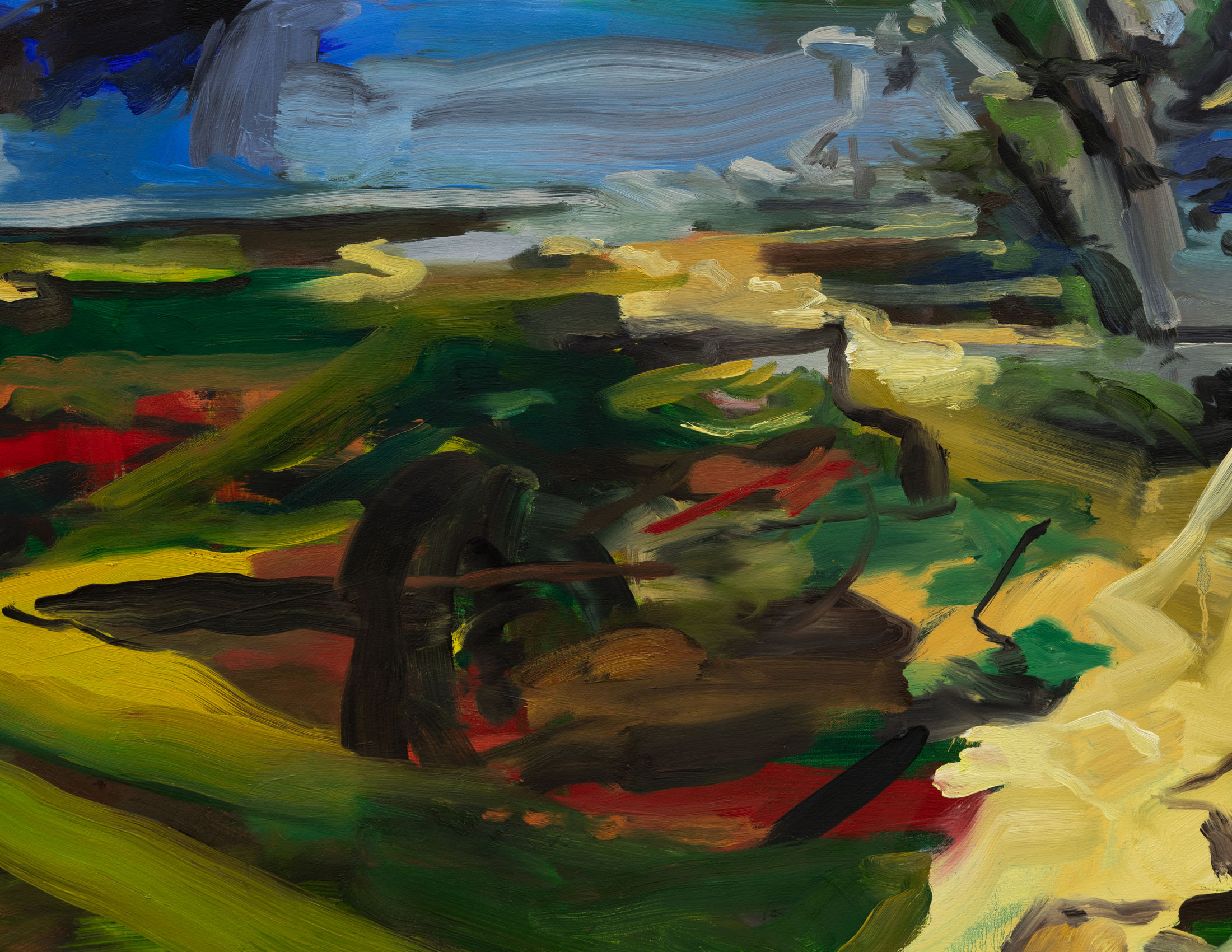
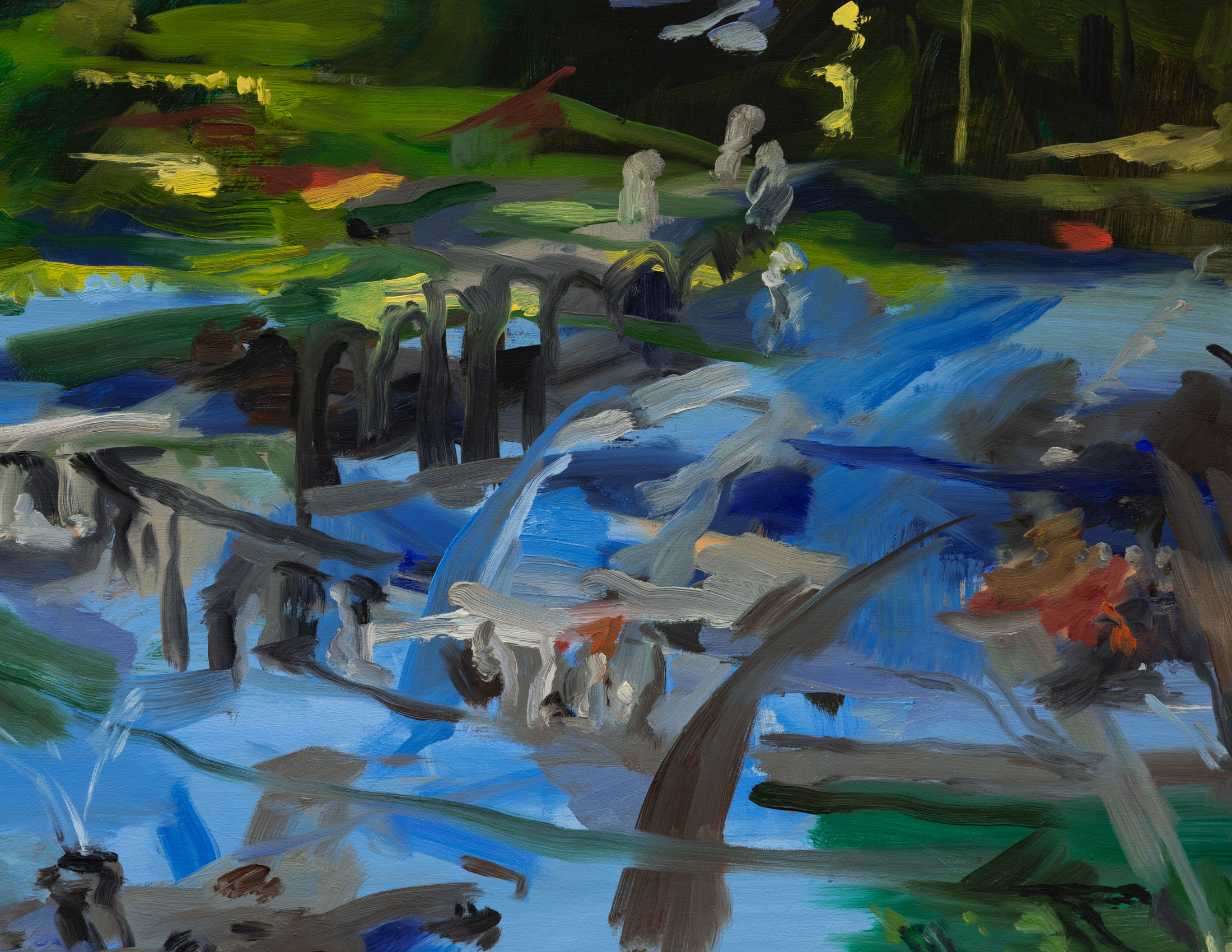
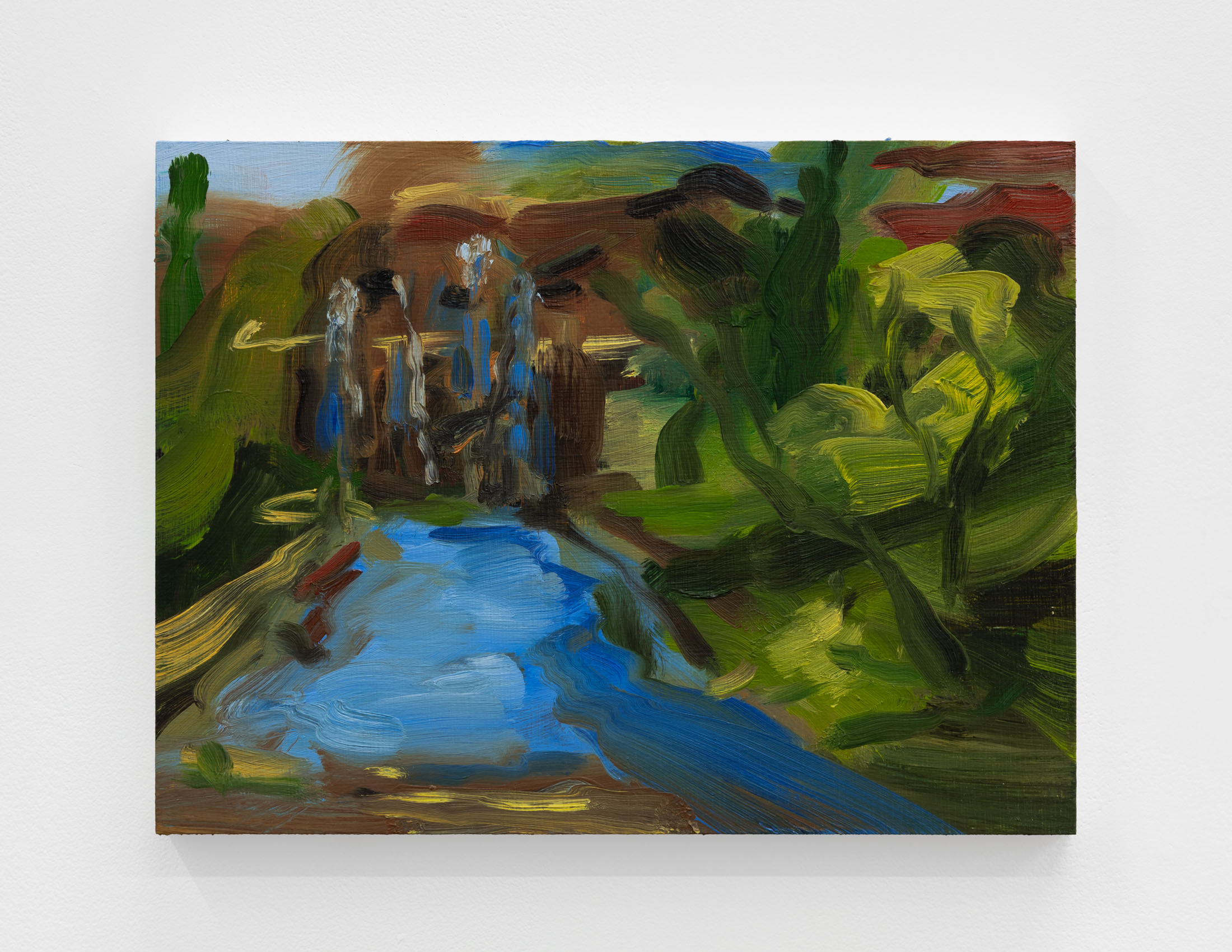
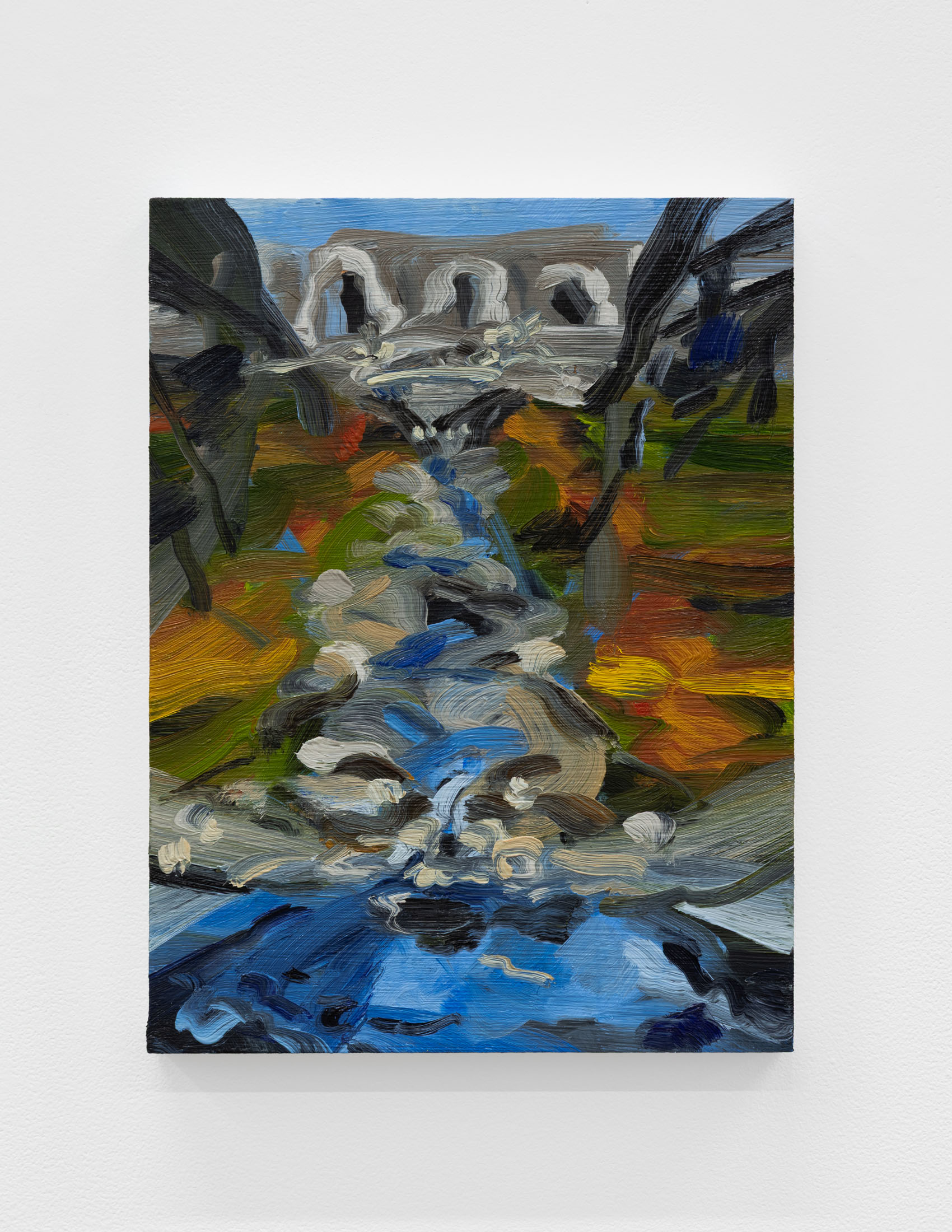
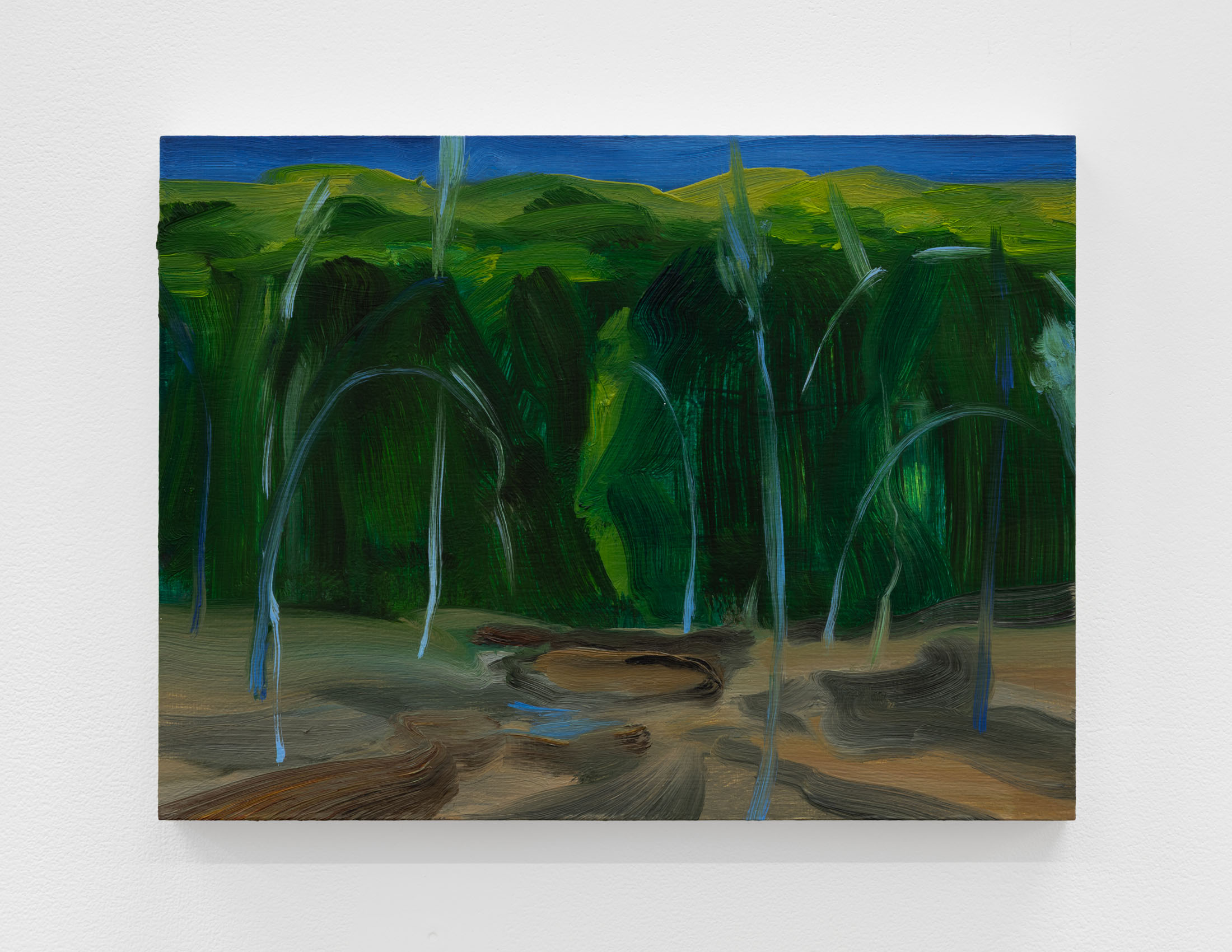
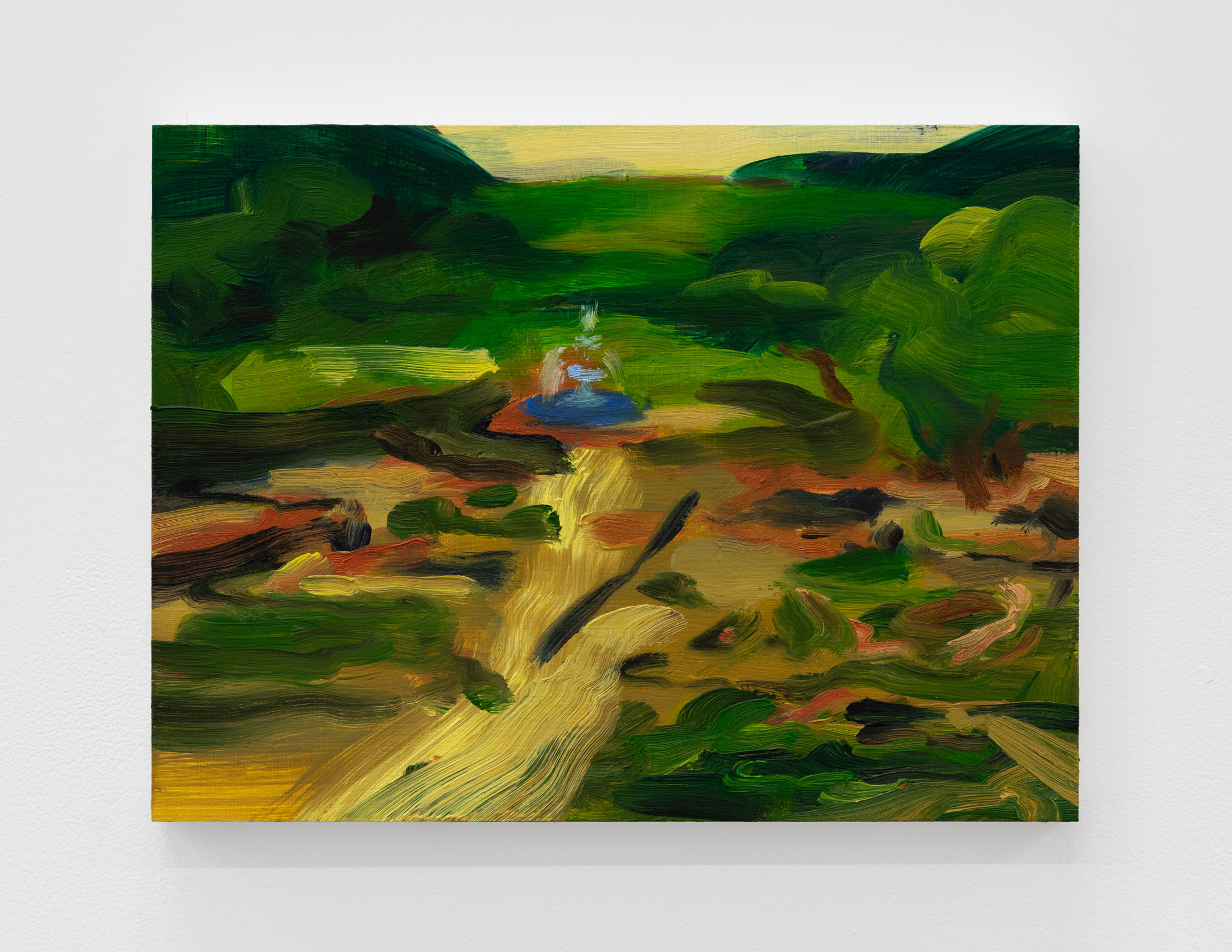
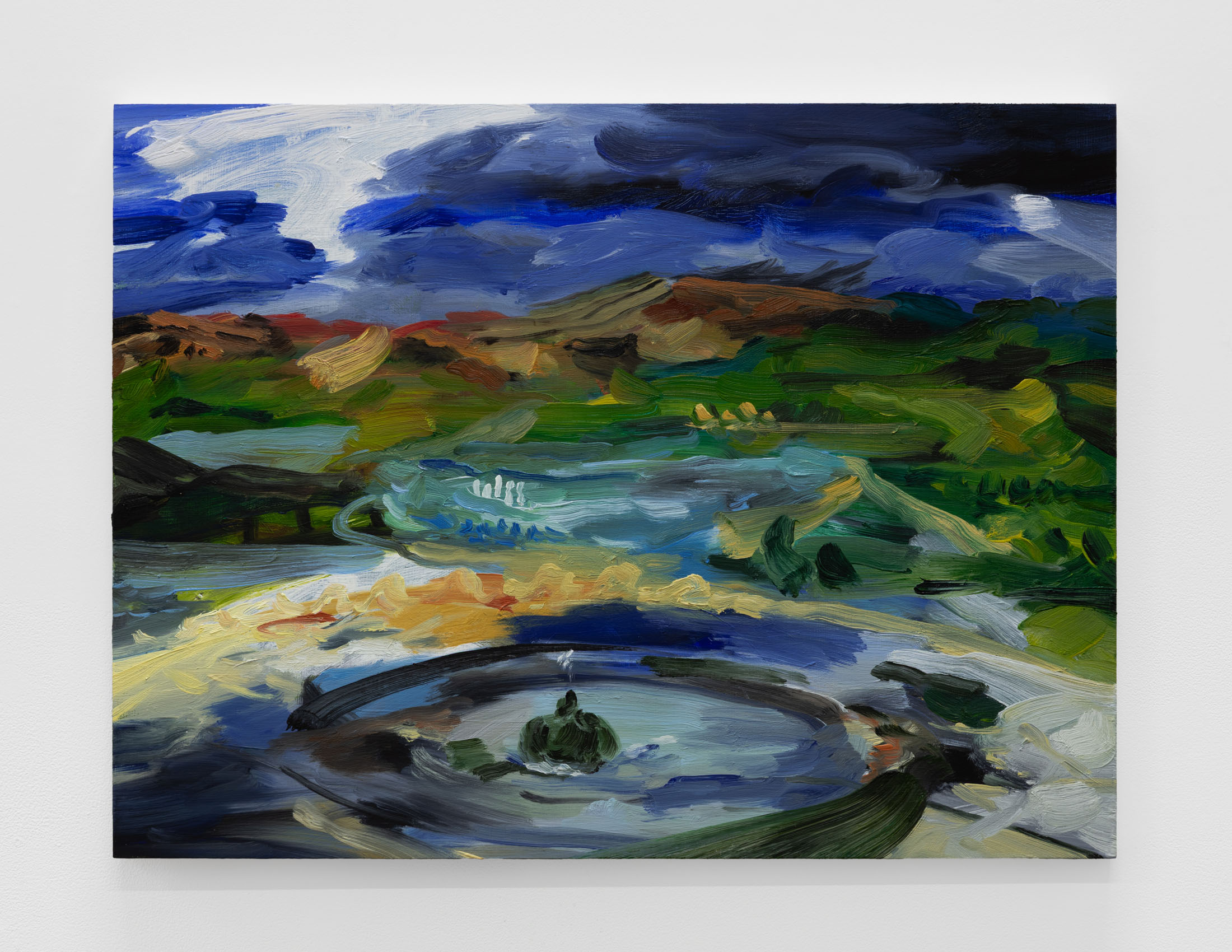
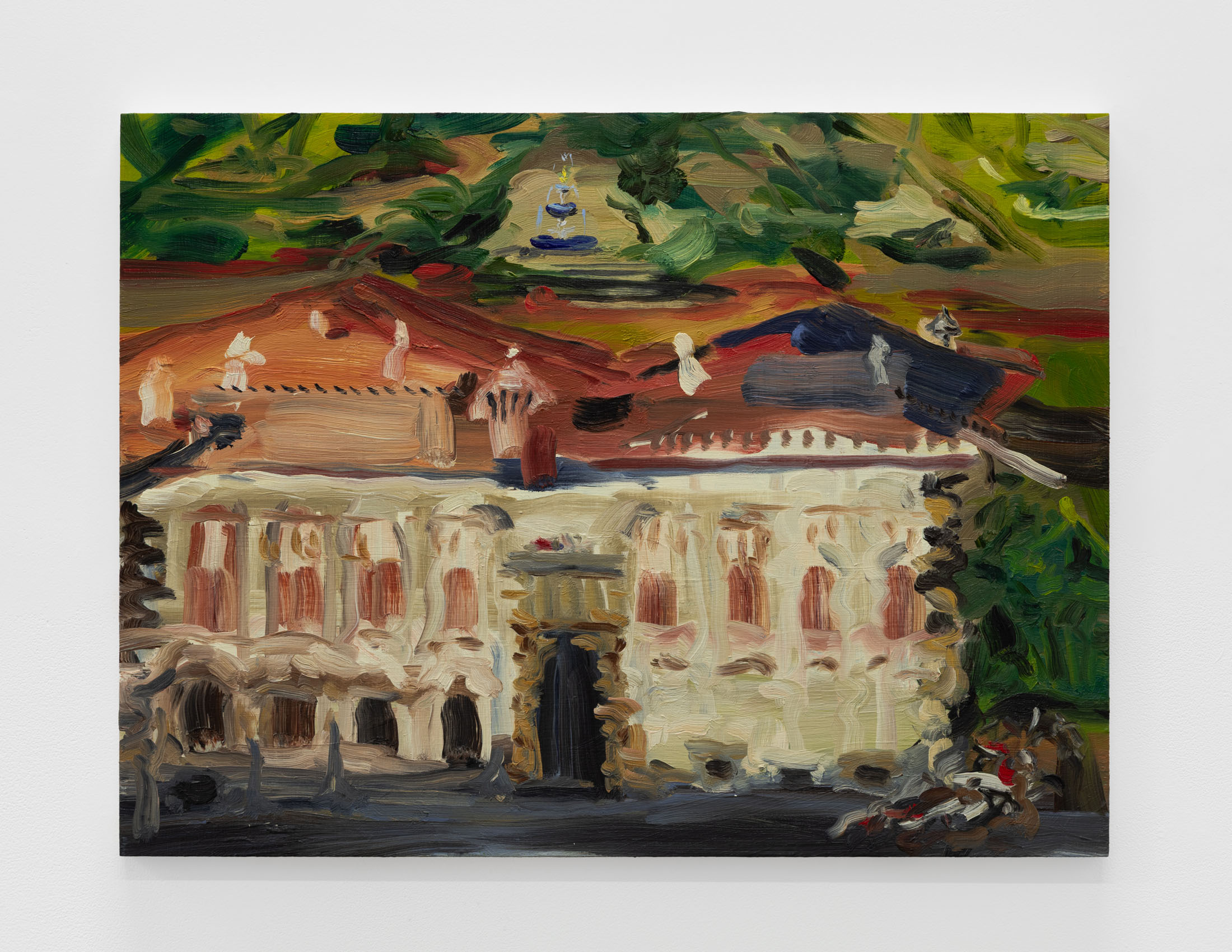
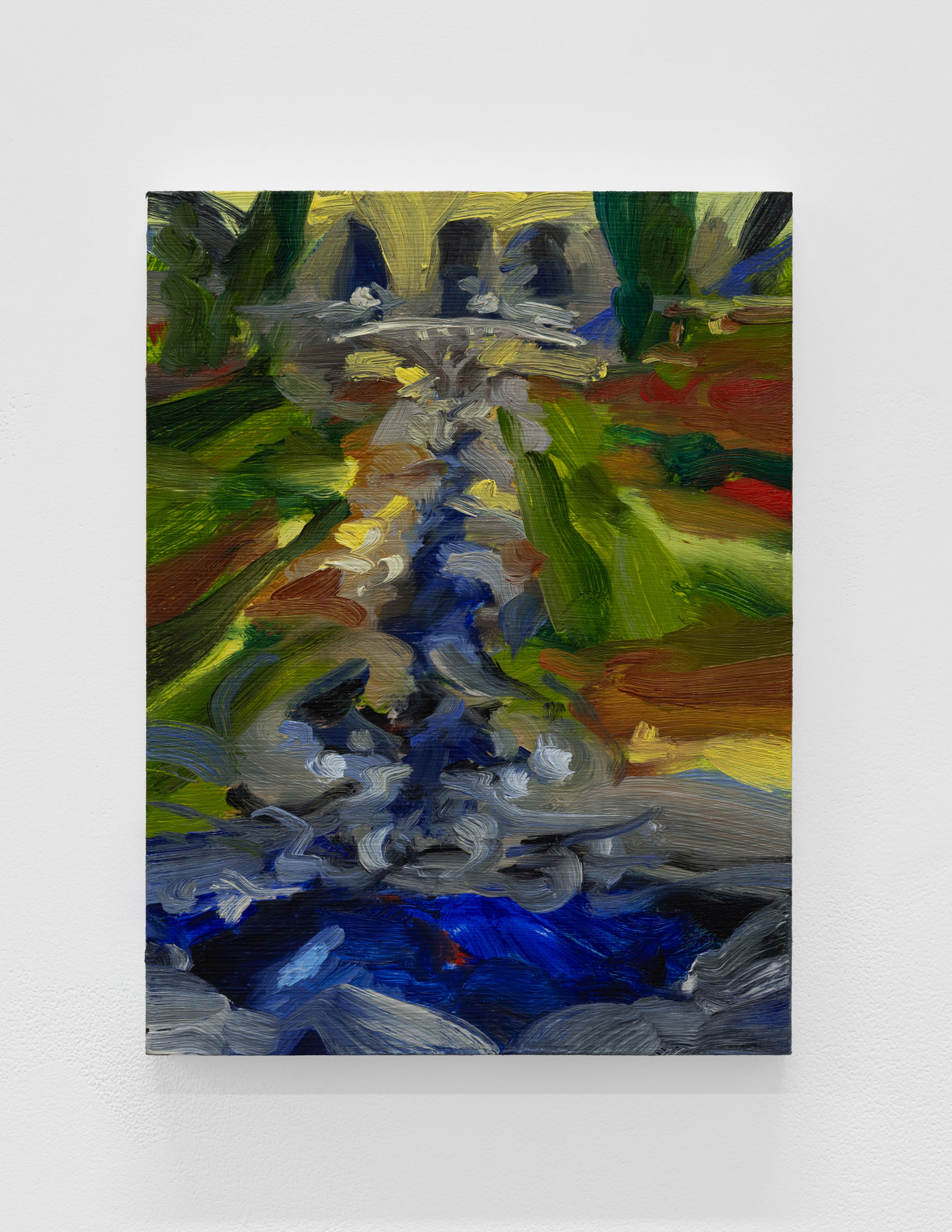
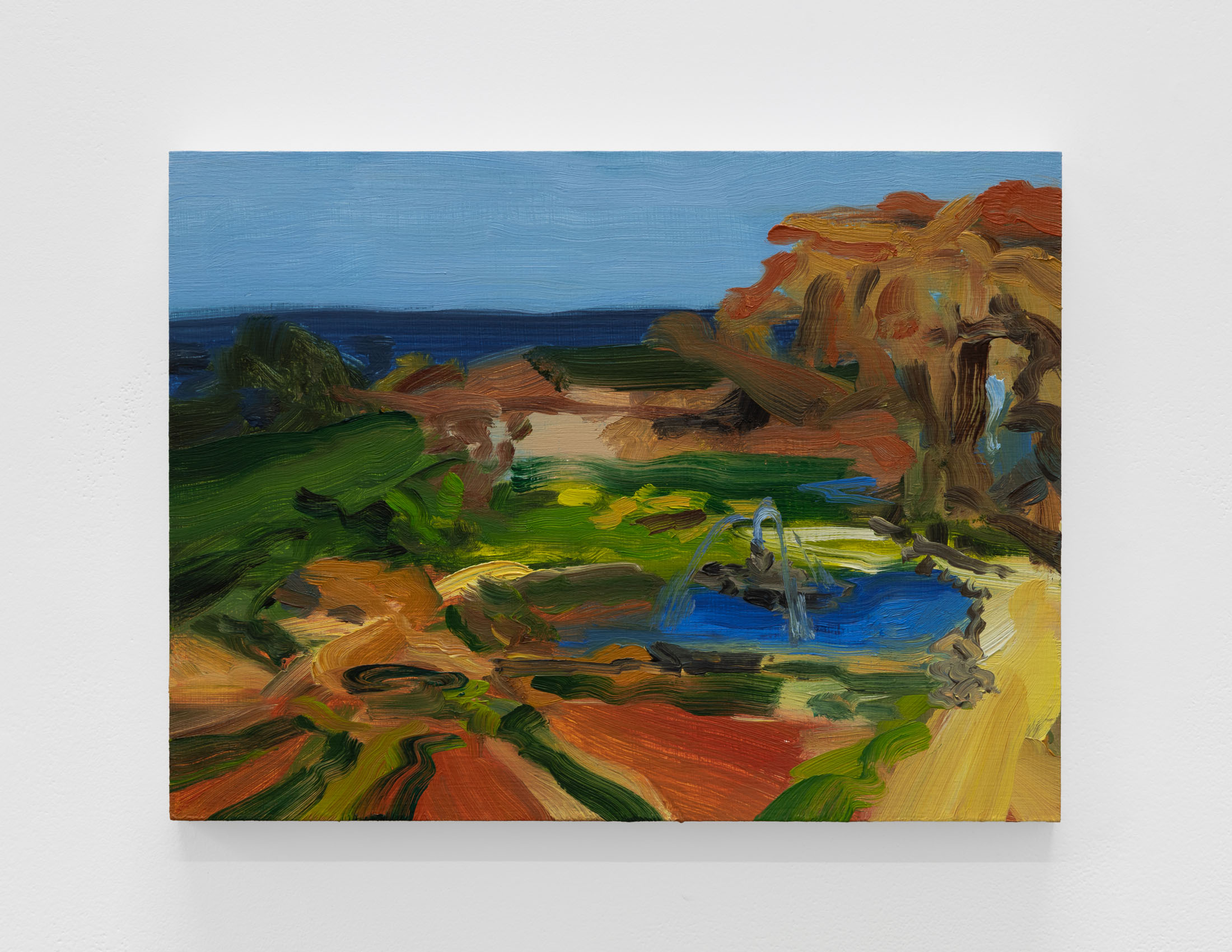
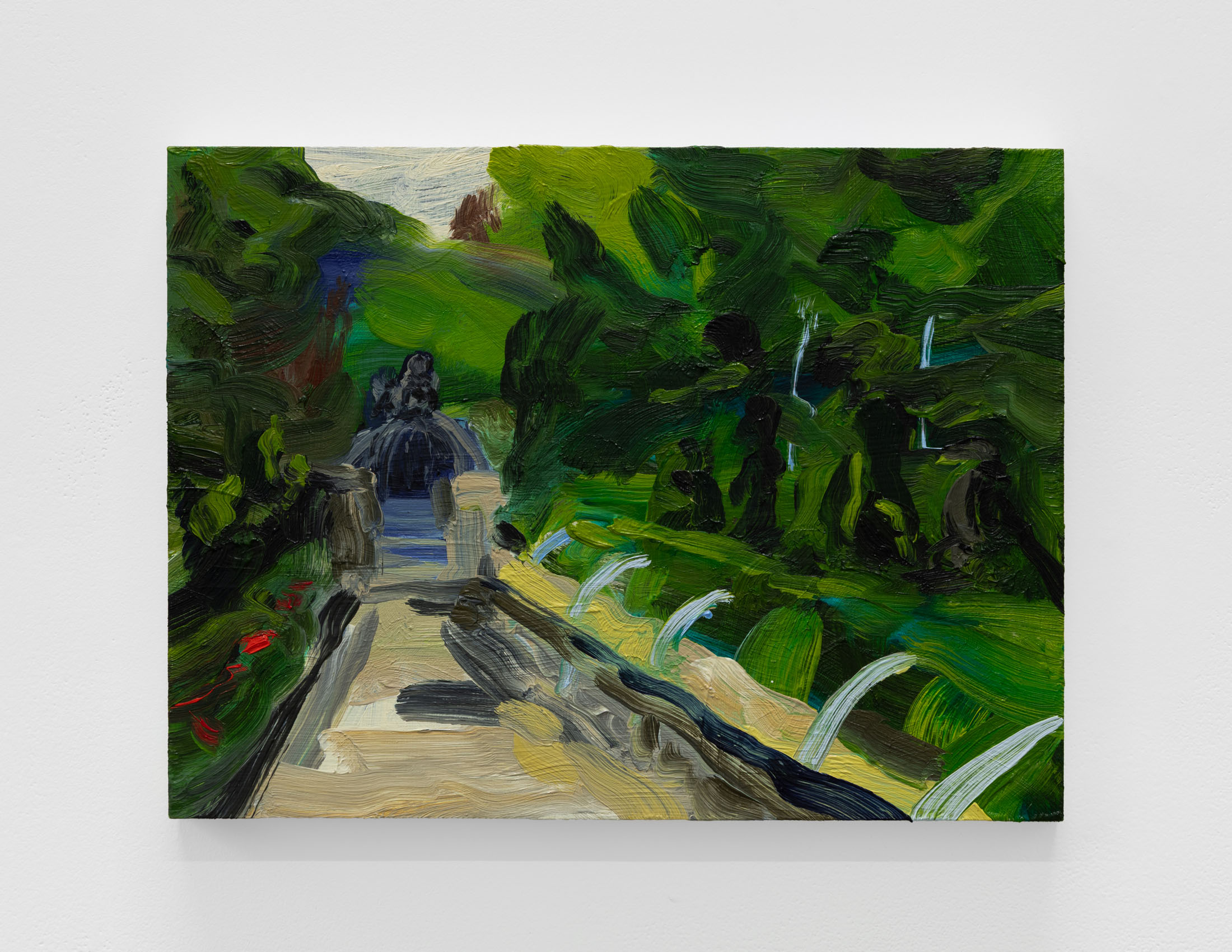
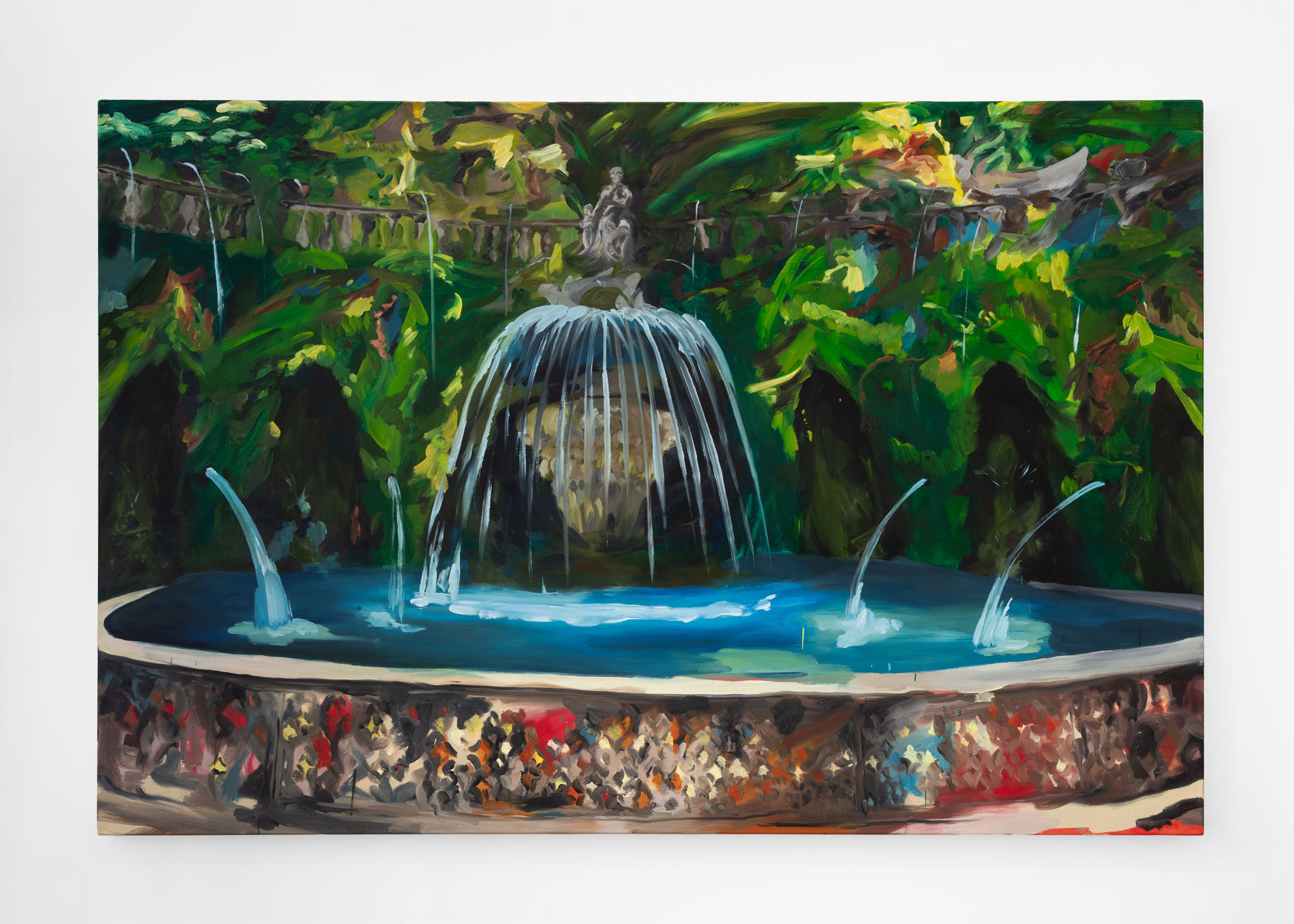
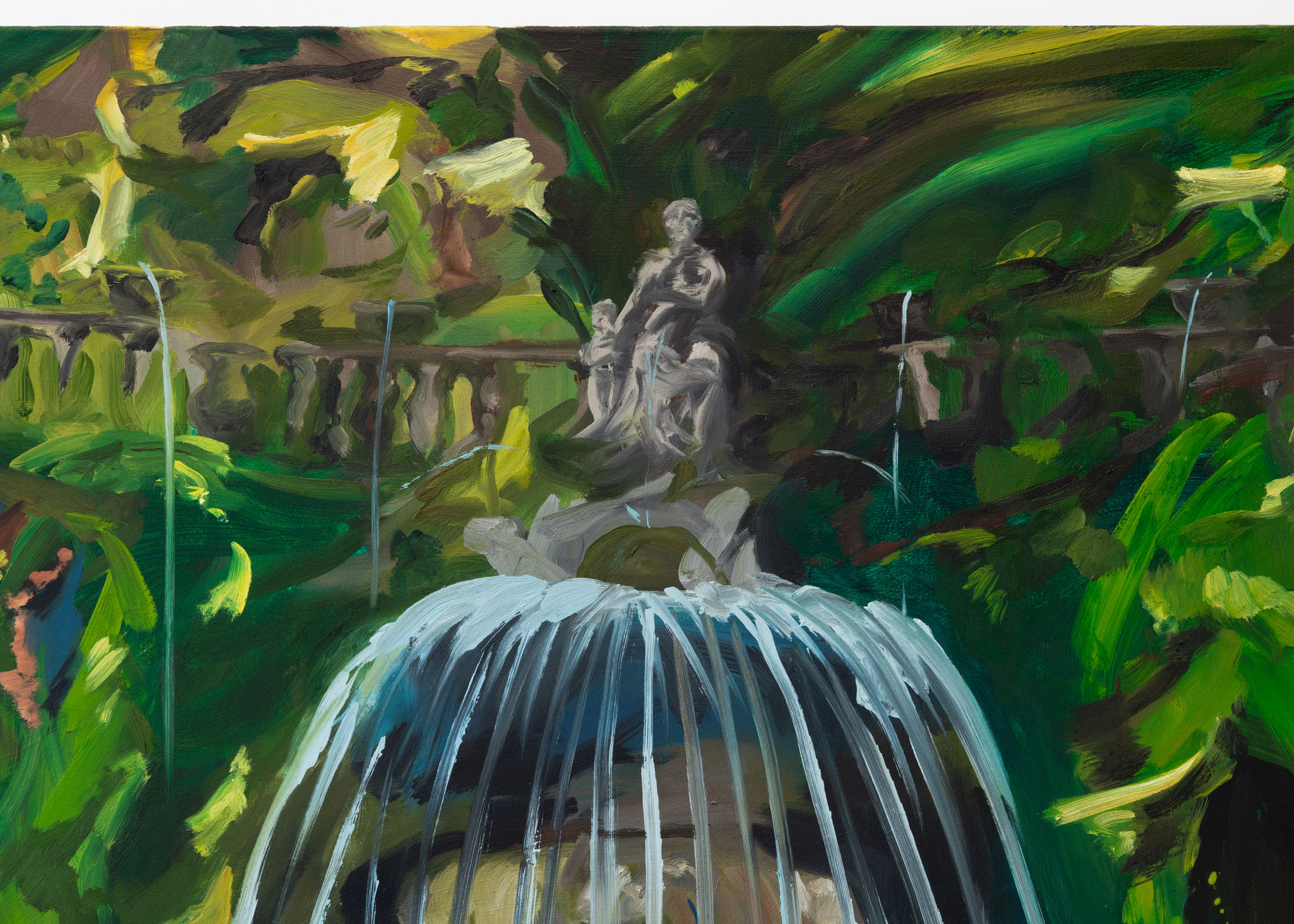
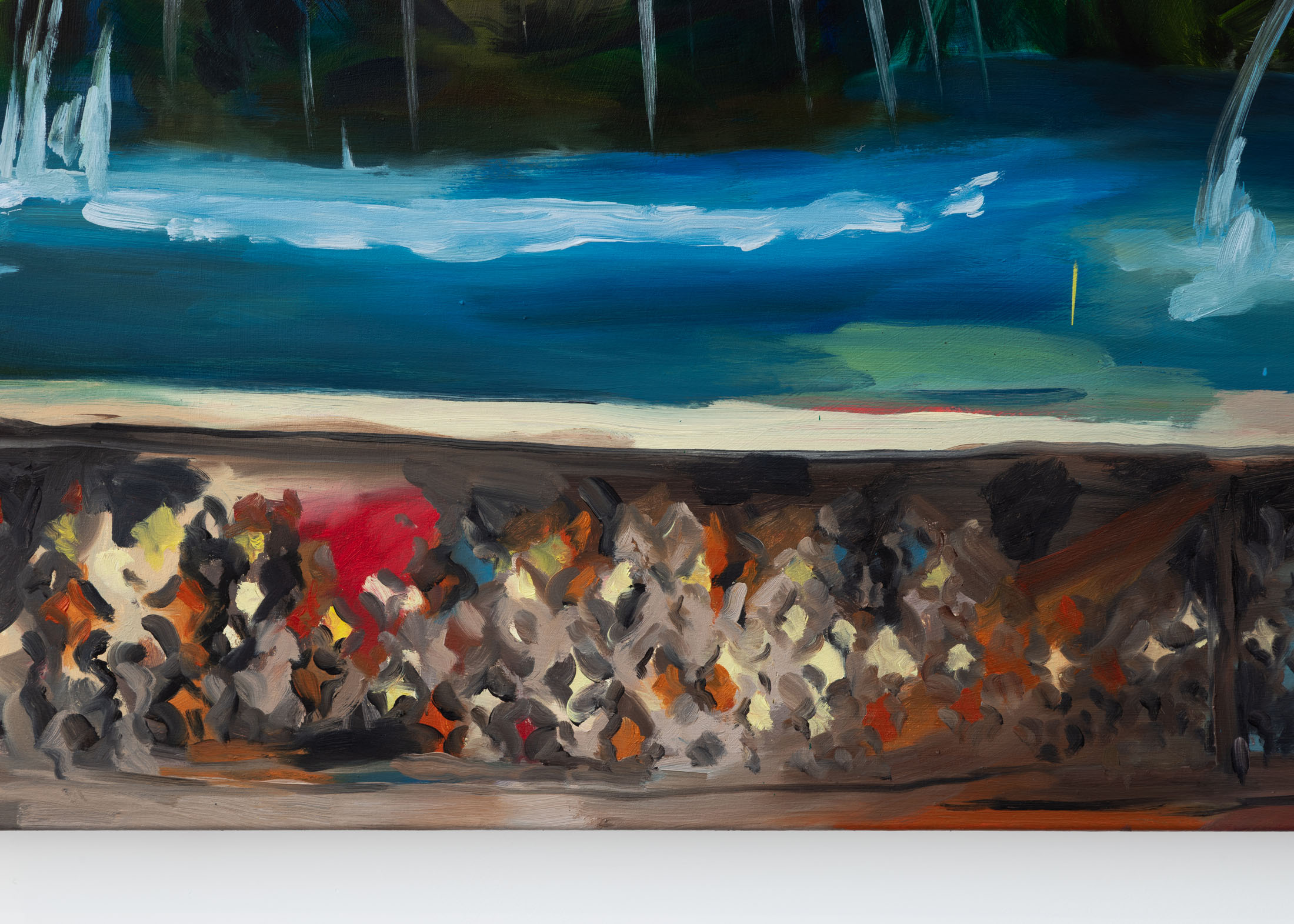
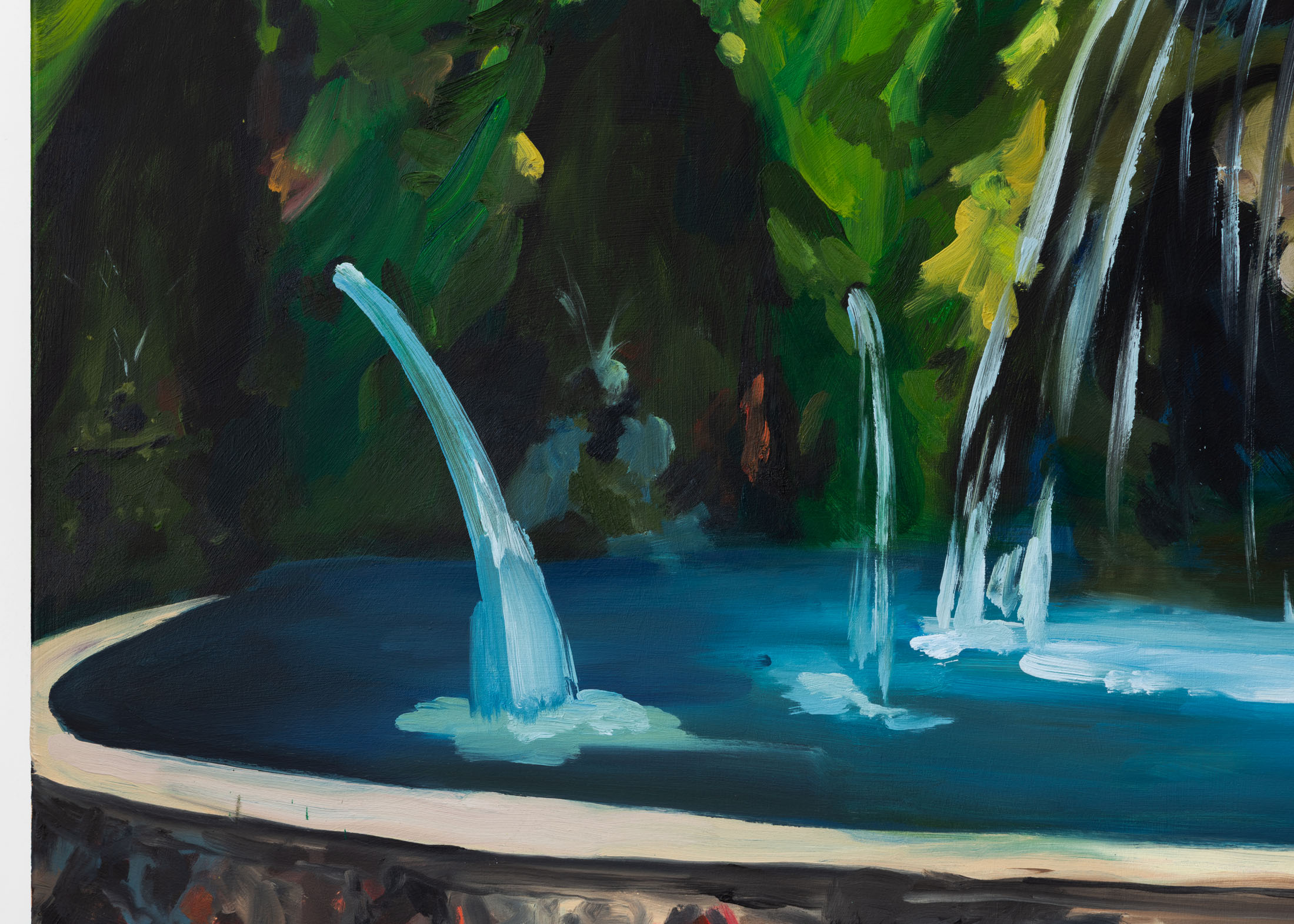
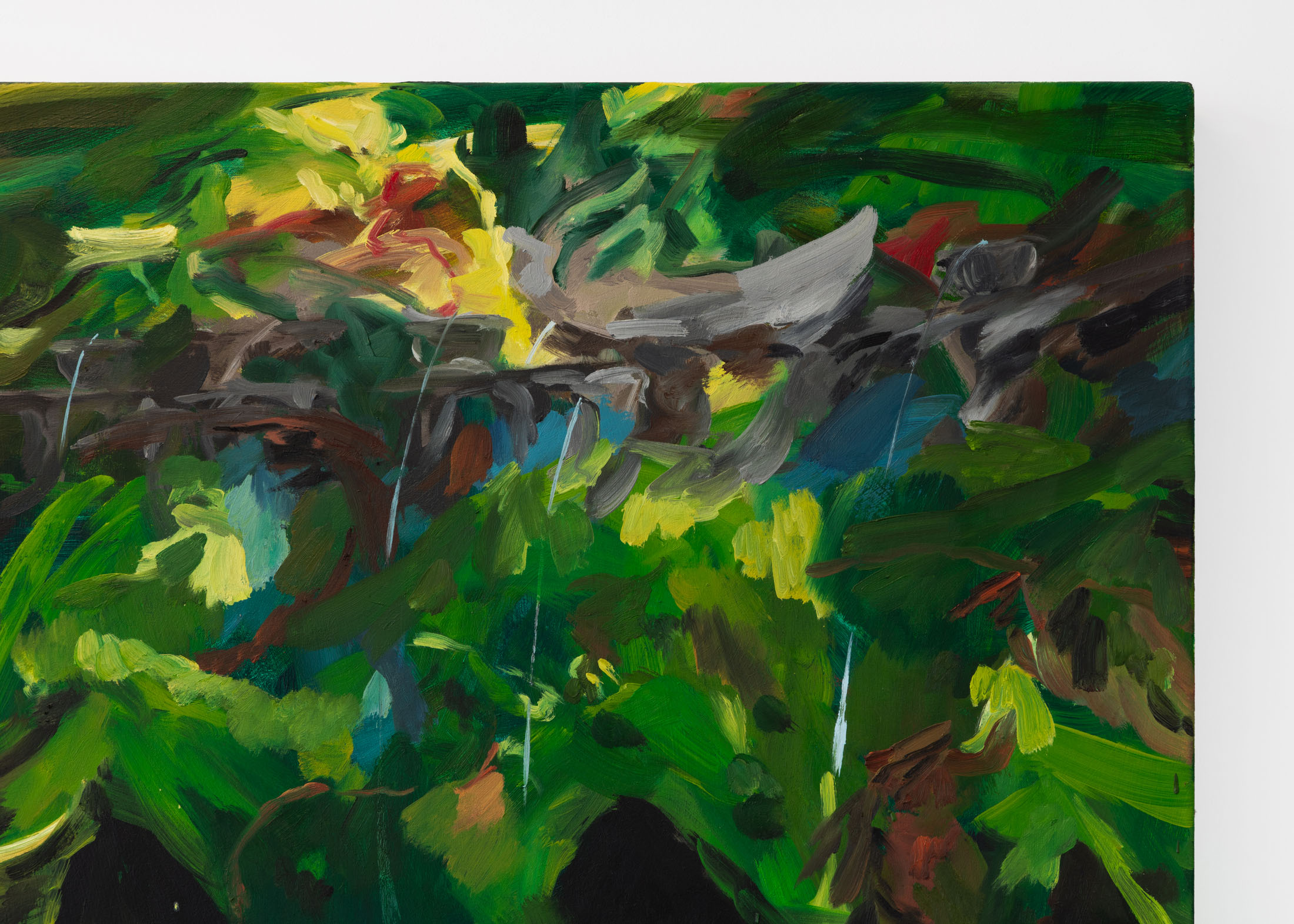
Verbeke’s paintings hold landscape in a state of partial recognition. Gardens, fountains, architectural fragments, and passages of sky and water appear and recede through the movement of paint, shifting between image, memory, and gesture. Working from photographs, illustrations, and art historical reproductions, Verbeke approaches the referent image as an inherited patriarchal structure to be rebuilt, interrupted, and revised. Her paintings evoke landscape while keeping the conditions of their making at the surface.
The works in I cried to dream again emerge from Verbeke’s ongoing interest in gardens as aesthetic, historical, and psychological sites. Many of the paintings draw from images of Italian Renaissance gardens, in particular the Villa d’Este in Tivoli, where elaborate fountains, terraces, grottoes, and mythological programs were commissioned by Cardinal Ippolito…
Exhibition Space

Metadata
Claims

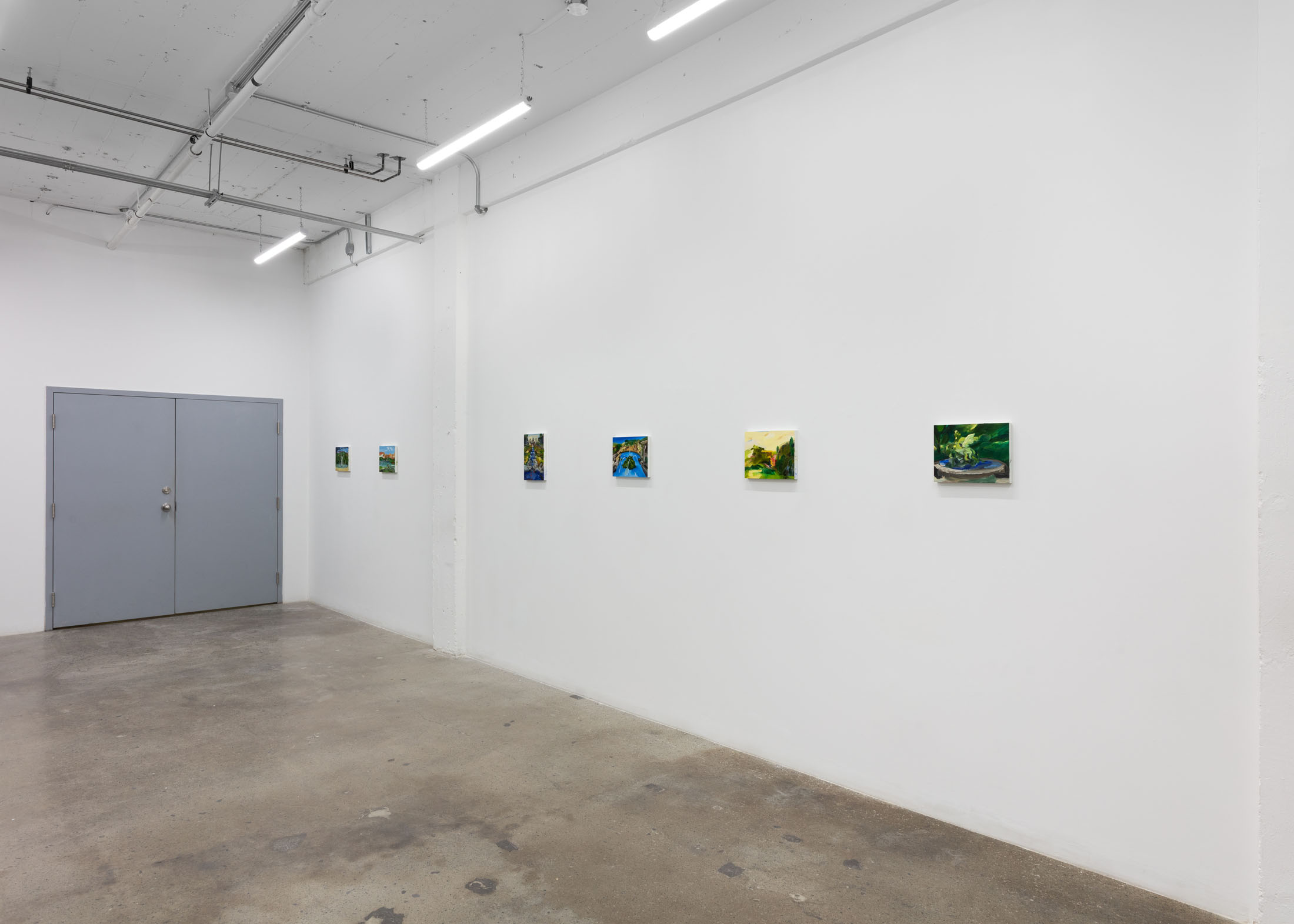
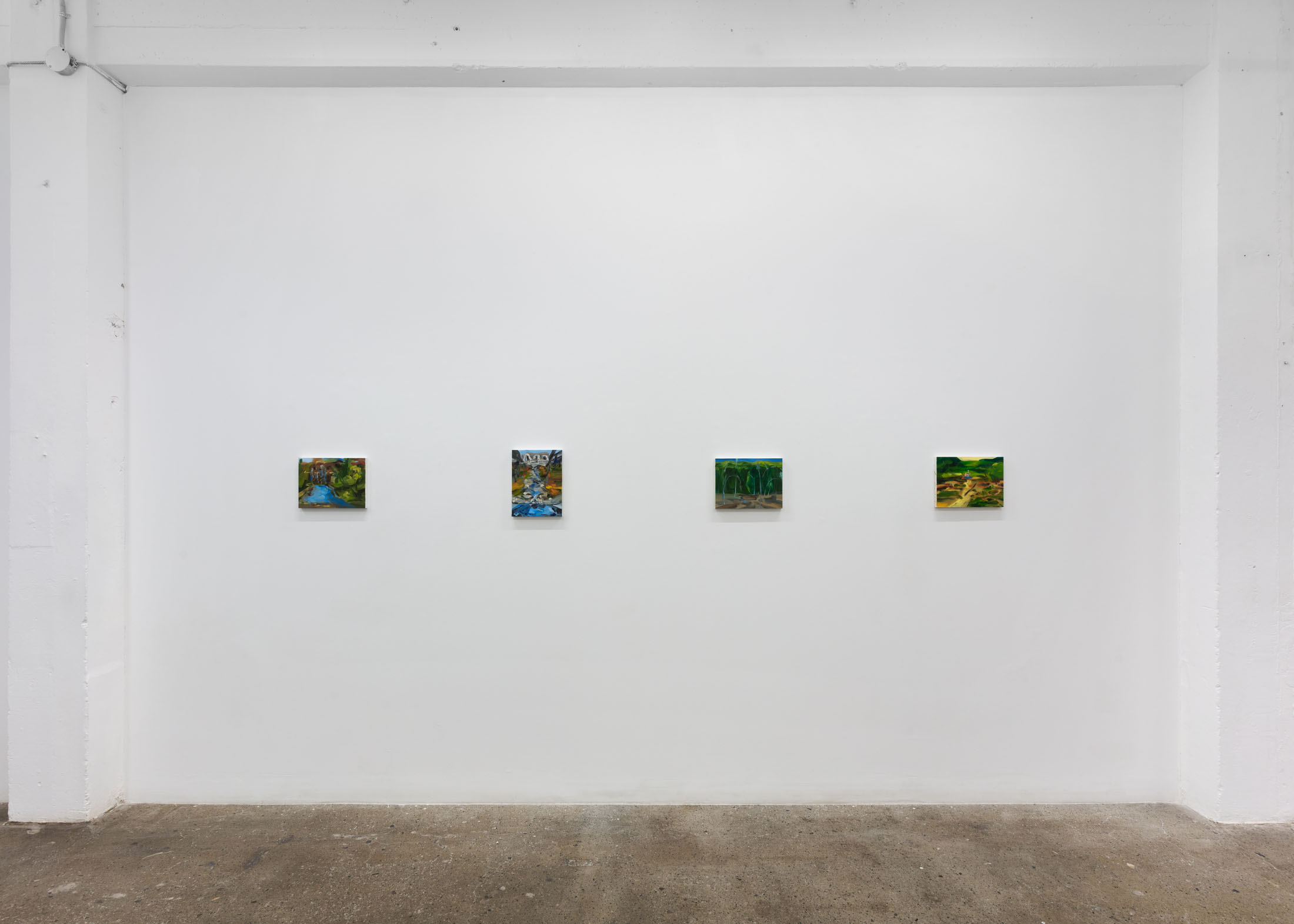
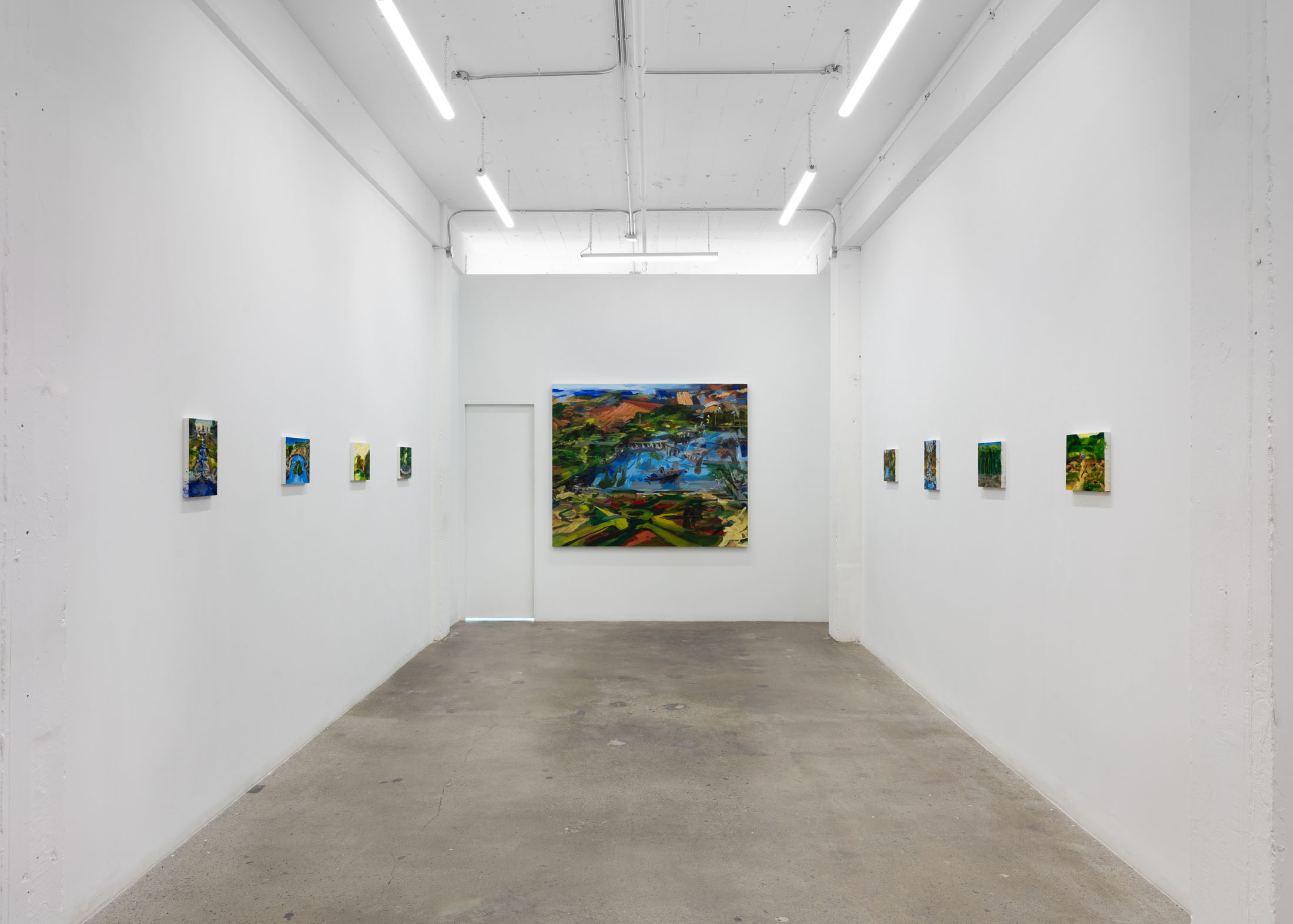
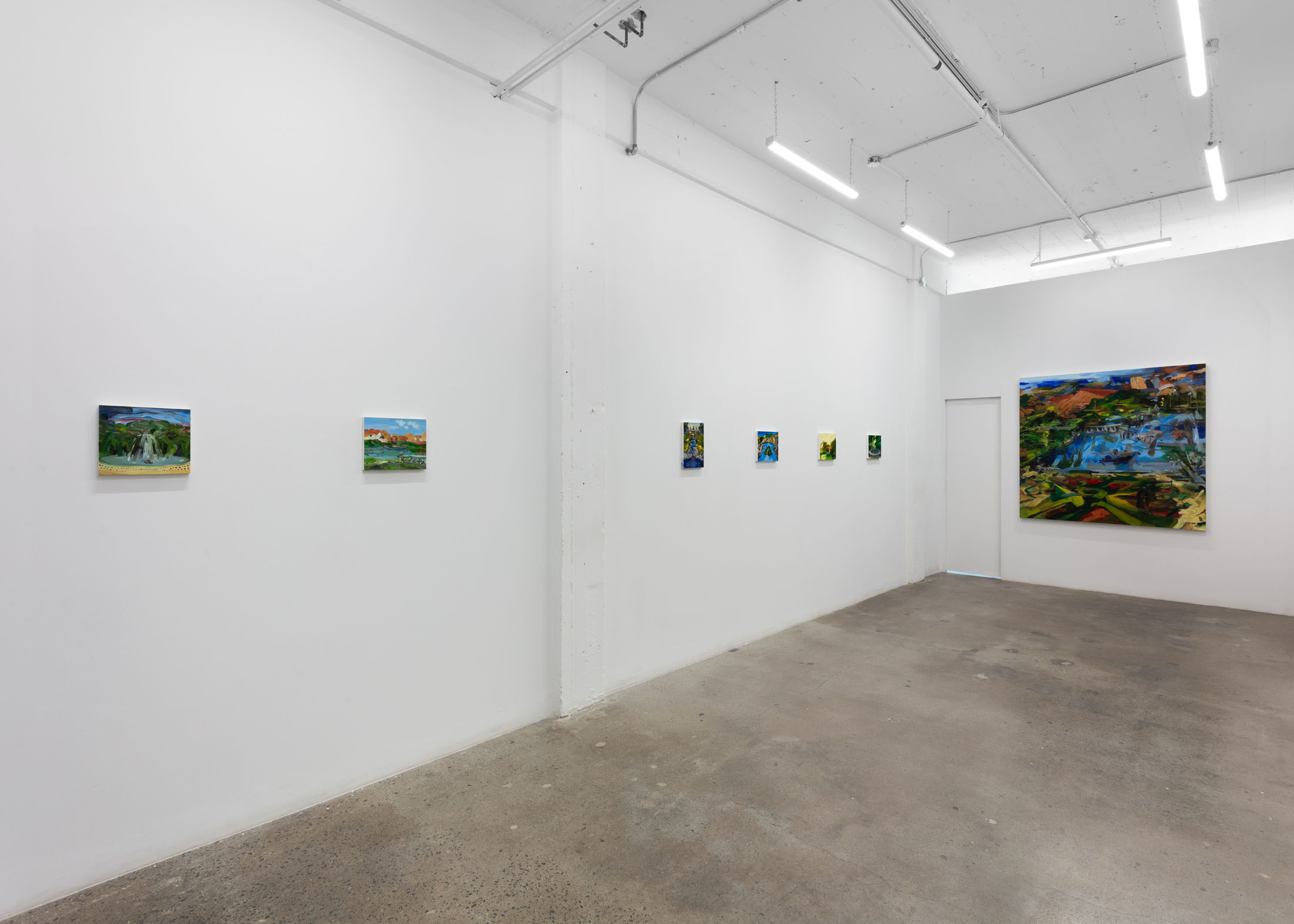


I cried to dream again
Franz Kaka•Jul 10, 2026 — Aug 22, 2026
Press Release
Franz Kaka is pleased to announce I cried to dream again, Natasha Verbeke’s first solo exhibition with the gallery.
Verbeke’s paintings hold landscape in a state of partial recognition. Gardens, fountains, architectural fragments, and passages of sky and water appear and recede through the movement of paint, shifting between image, memory, and gesture. Working from photographs, illustrations, and art historical reproductions, Verbeke approaches the referent image as an inherited patriarchal structure to be rebuilt, interrupted, and revised. Her paintings evoke landscape while keeping the conditions of their making at the surface.
The works in I cried to dream again emerge from Verbeke’s ongoing interest in gardens as aesthetic, historical, and psychological sites. Many of the paintings draw from images of Italian Renaissance gardens, in particular the Villa d’Este in Tivoli, where elaborate fountains, terraces, grottoes, and mythological programs were commissioned by Cardinal Ippolito…
Exhibition Space
Artist
Artwork Checklist
More Exhibitions at Franz Kaka
Guestbook
Metadata
Claims

Editing is restricted
You cannot submit an edit because the institution hosting this exhibition has been claimed by .
Editing this section requires claiming the profile of the institution hosting this exhibition.
Claims are one of the many safeguards in place on UntitledDb that preserve the integrity of the information on our platform.
Editing is restricted
Editing this section requires claiming the profile of the institution hosting this exhibition.
Claims are one of the many safeguards in place on UntitledDb that preserve the integrity of the information on our platform.
Editing is restricted
A reputation of 20,000 or higher is needed to edit posts created by other users.
Familiarize yourself with our platform by creating new posts and watching your favorites. You'll reach a reputation of 20,000 in no time.
This is one of the many safeguards in place on UntitledDb that preserve the integrity of the information on our platform.
Account access options
Log in and connect with the art world
By continuing, you agree to our Terms of Use and Privacy Policy.
or
Account access options
Sign up and connect with the art world
By continuing, you agree to our Terms of Use and Privacy Policy.
or
Account access options
Expand your reach with UntitledDb Pro
By continuing, you agree to our Terms of Use and Privacy Policy.
or
Account access options
Grow your institution's reach and impact with UntitledDb Enterprise
By continuing, you agree to our Terms of Use and Privacy Policy.
or
Sign up for UntitledDb Pro to unlock this feature