I Ciclopi (Eye, Camera, Myth)
INCURVA•Apr 02, 2026 — Jun 28, 2026


Curator
More Exhibitions at INCURVA


Guestbook
Press Release
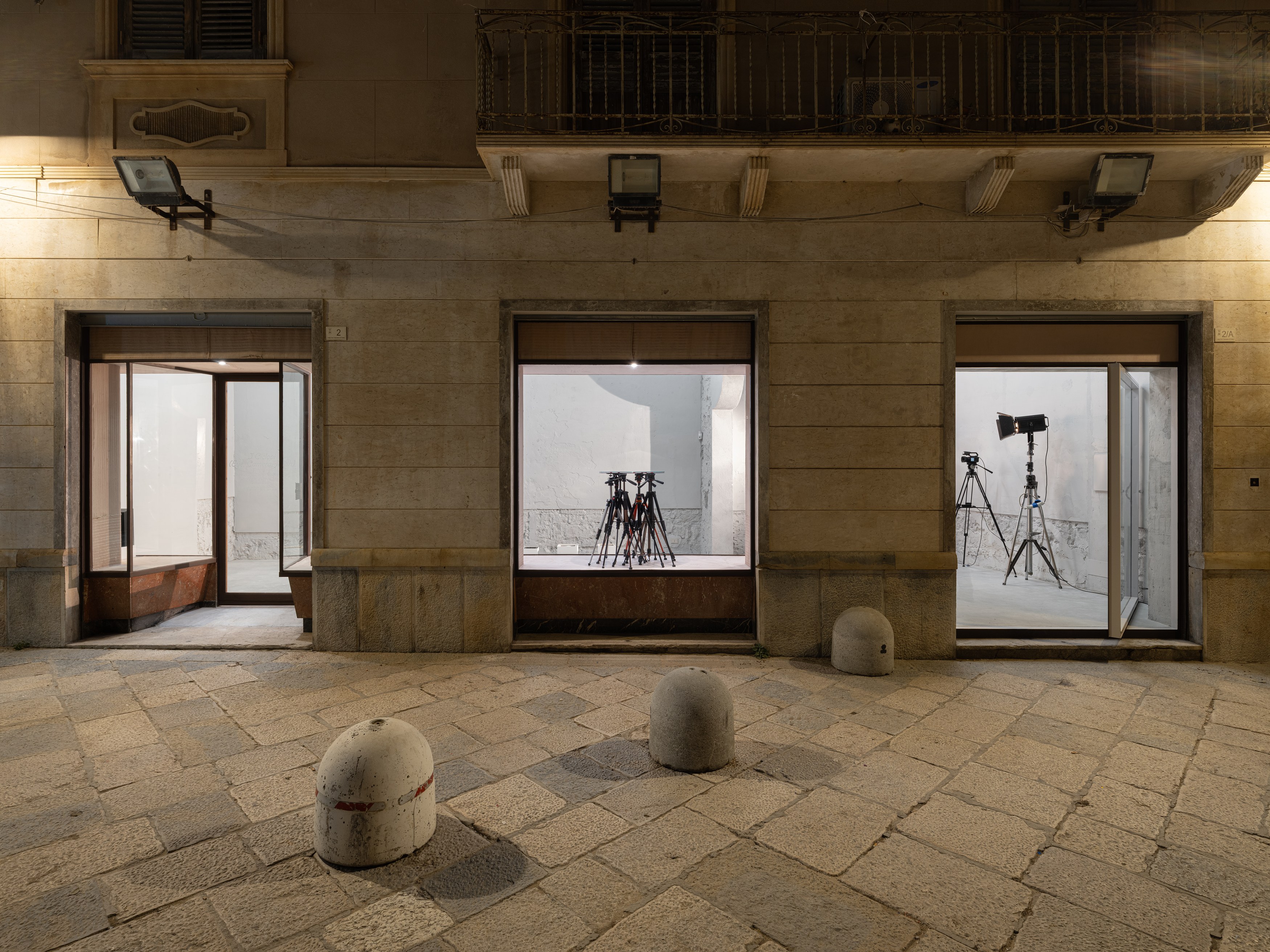
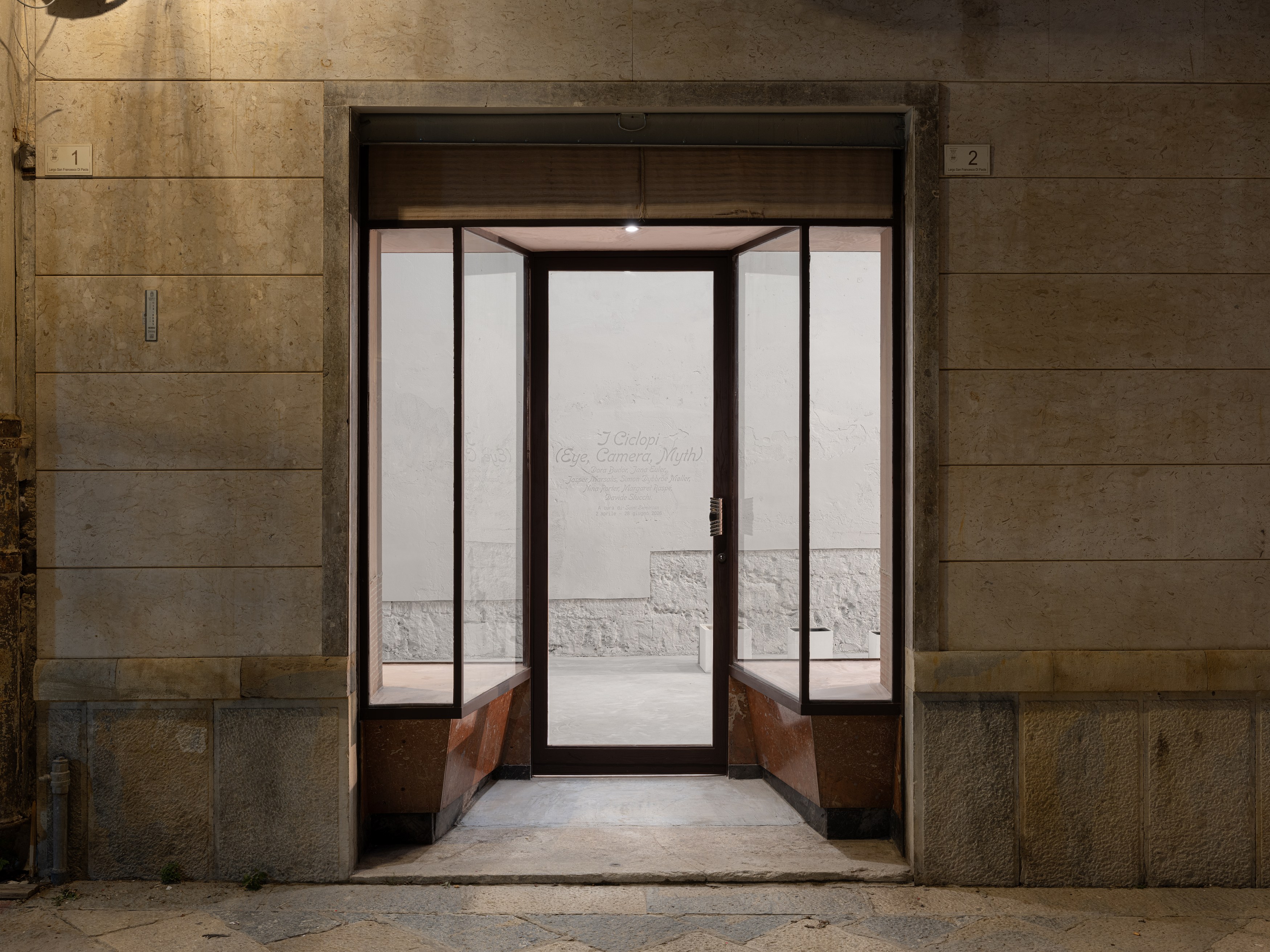
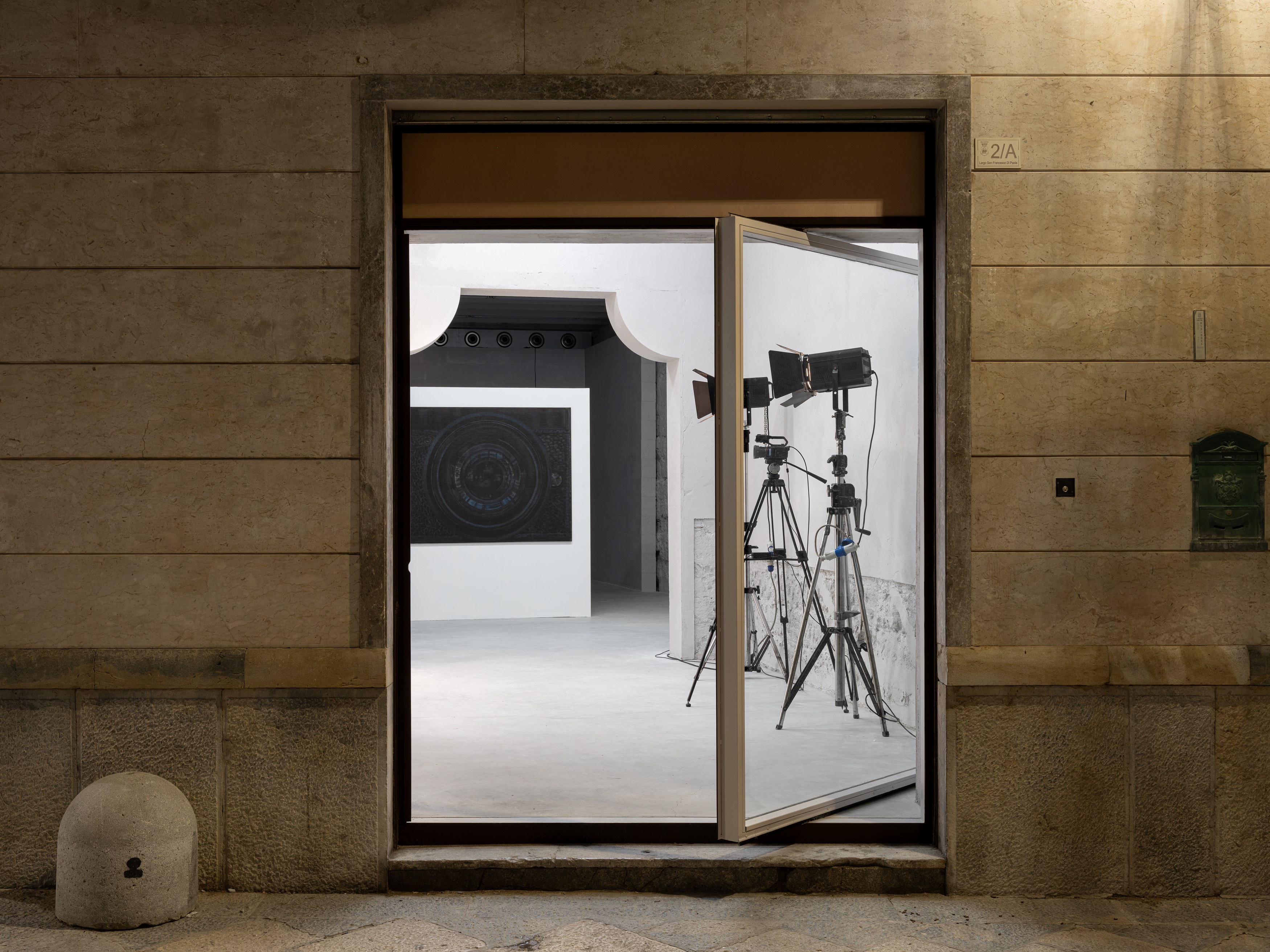
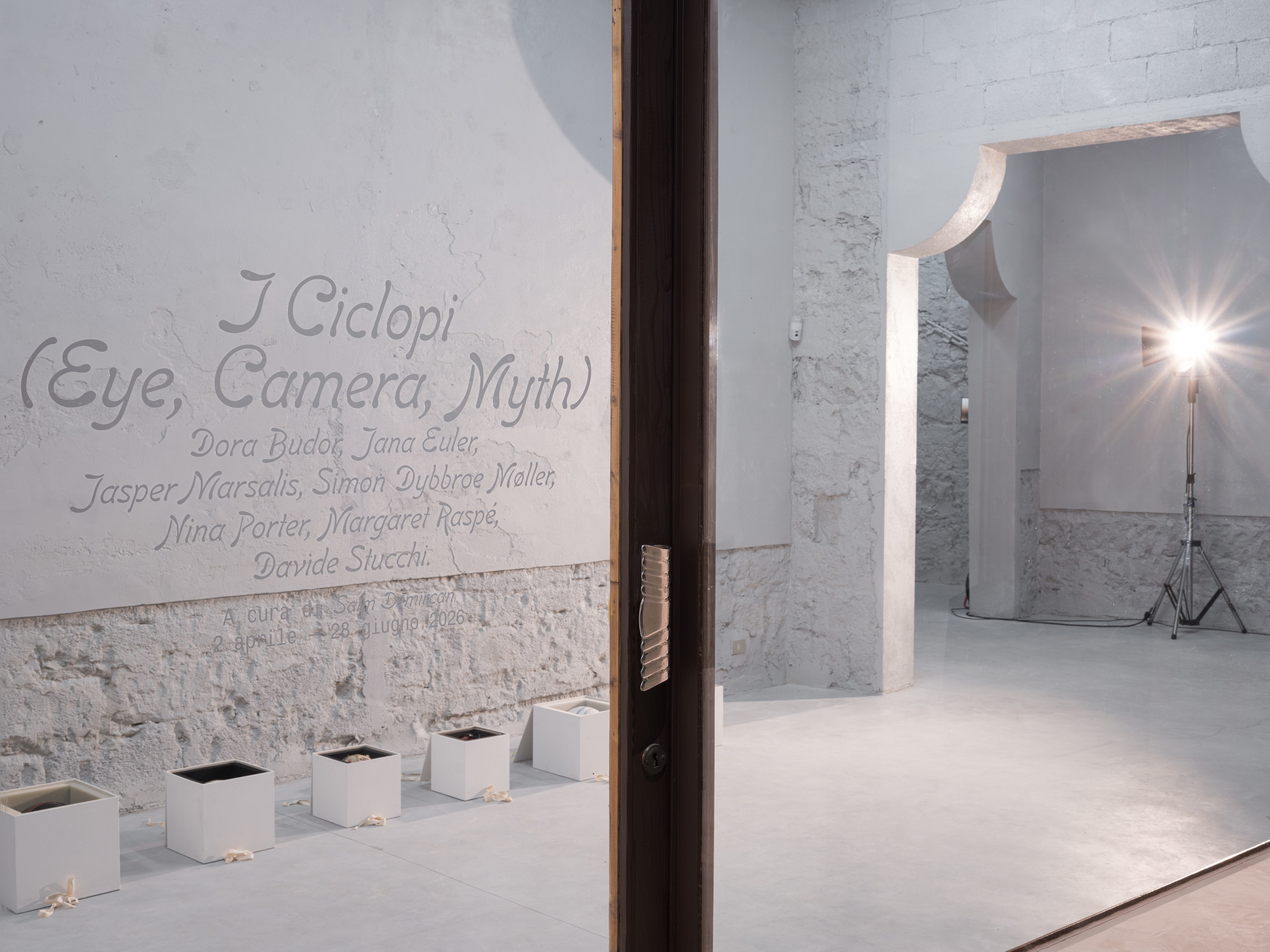
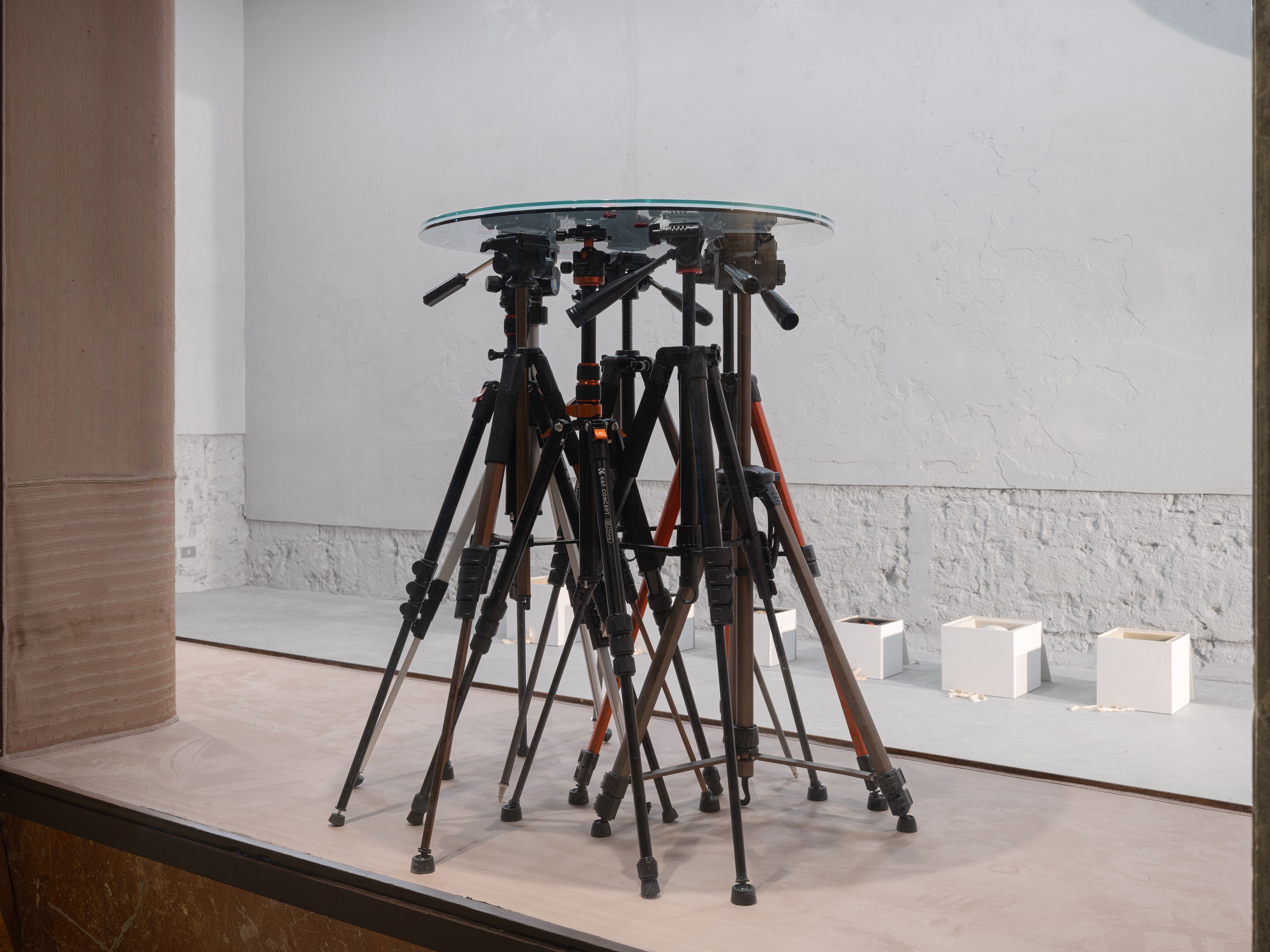
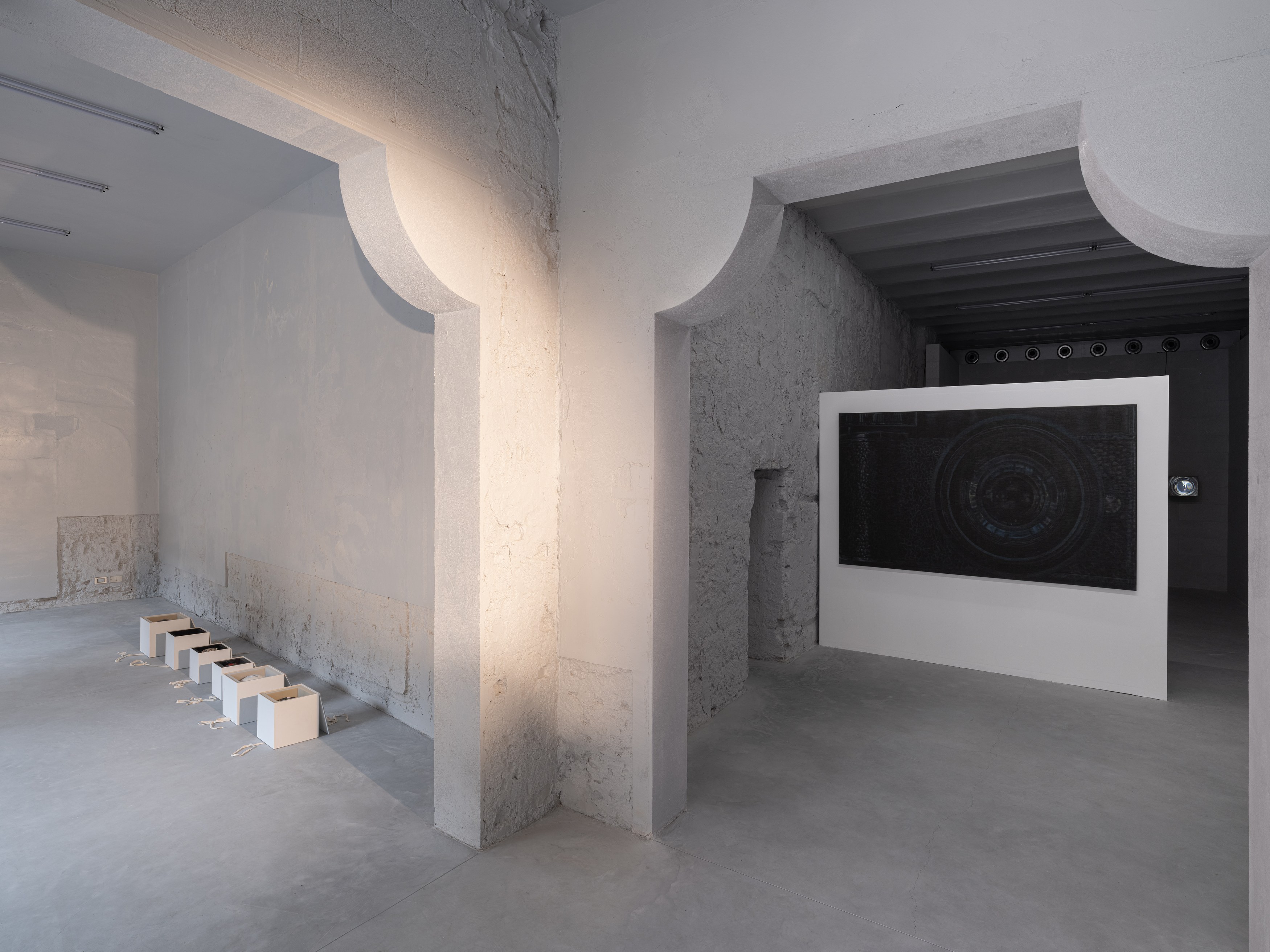
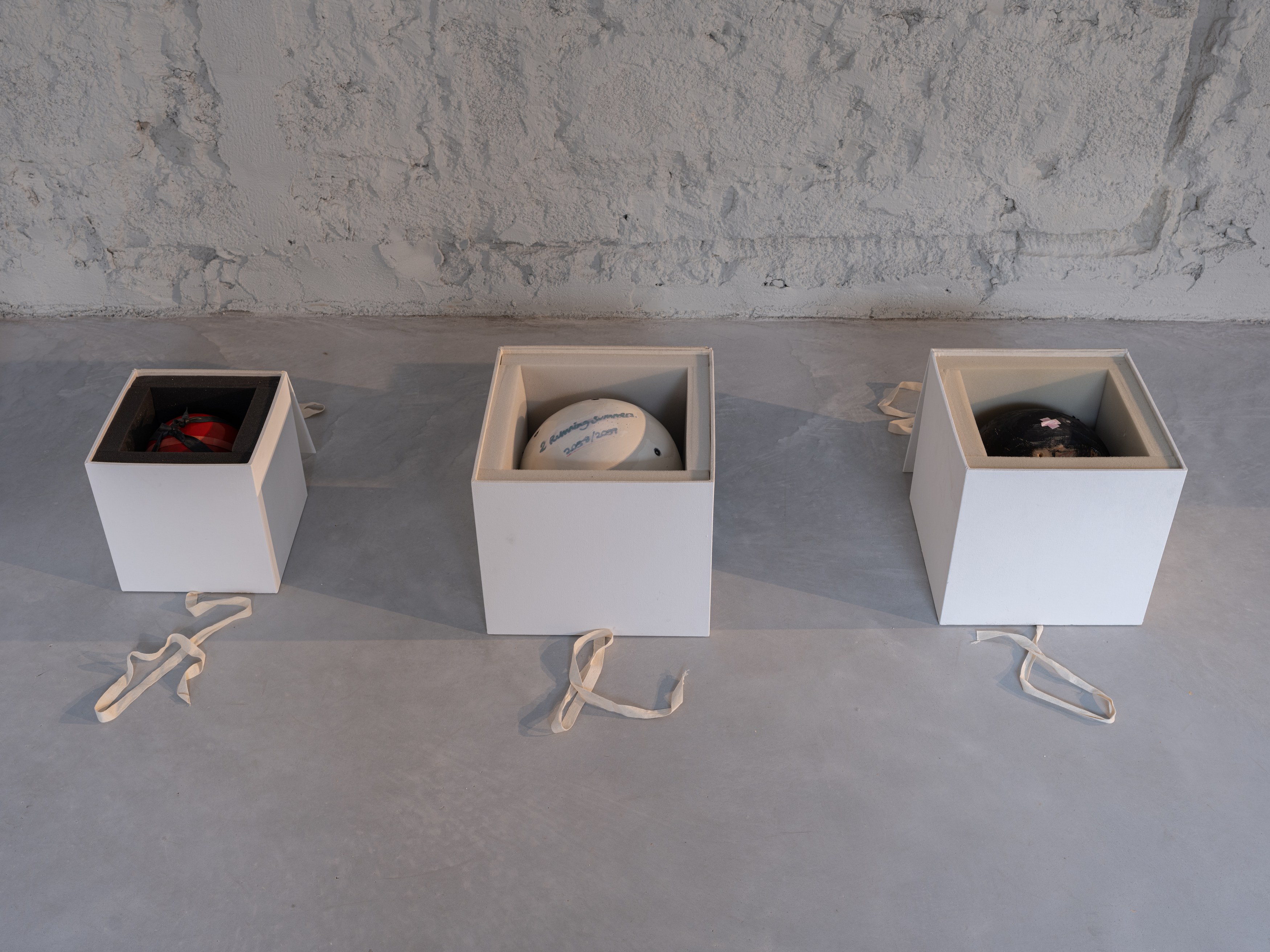
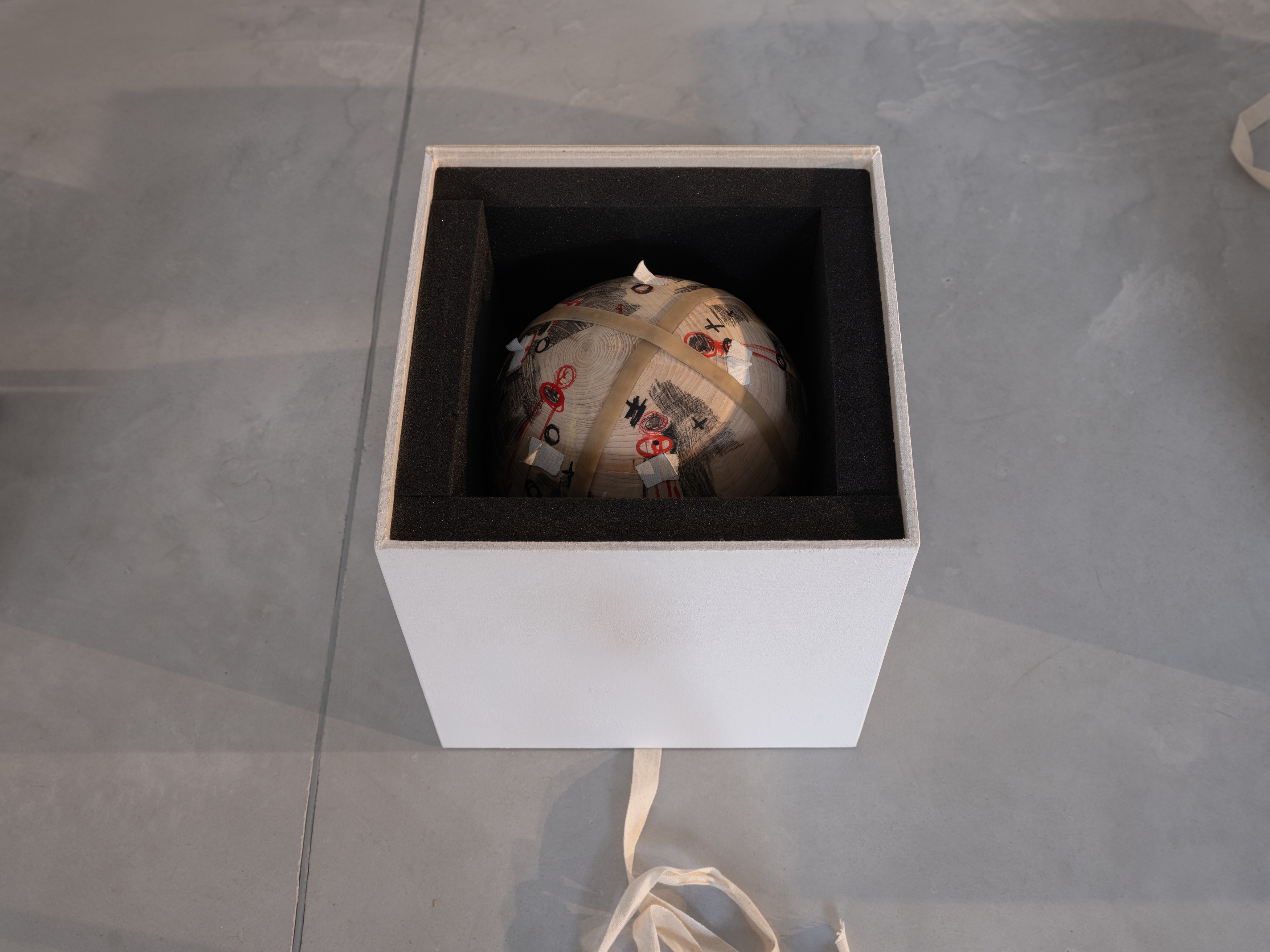
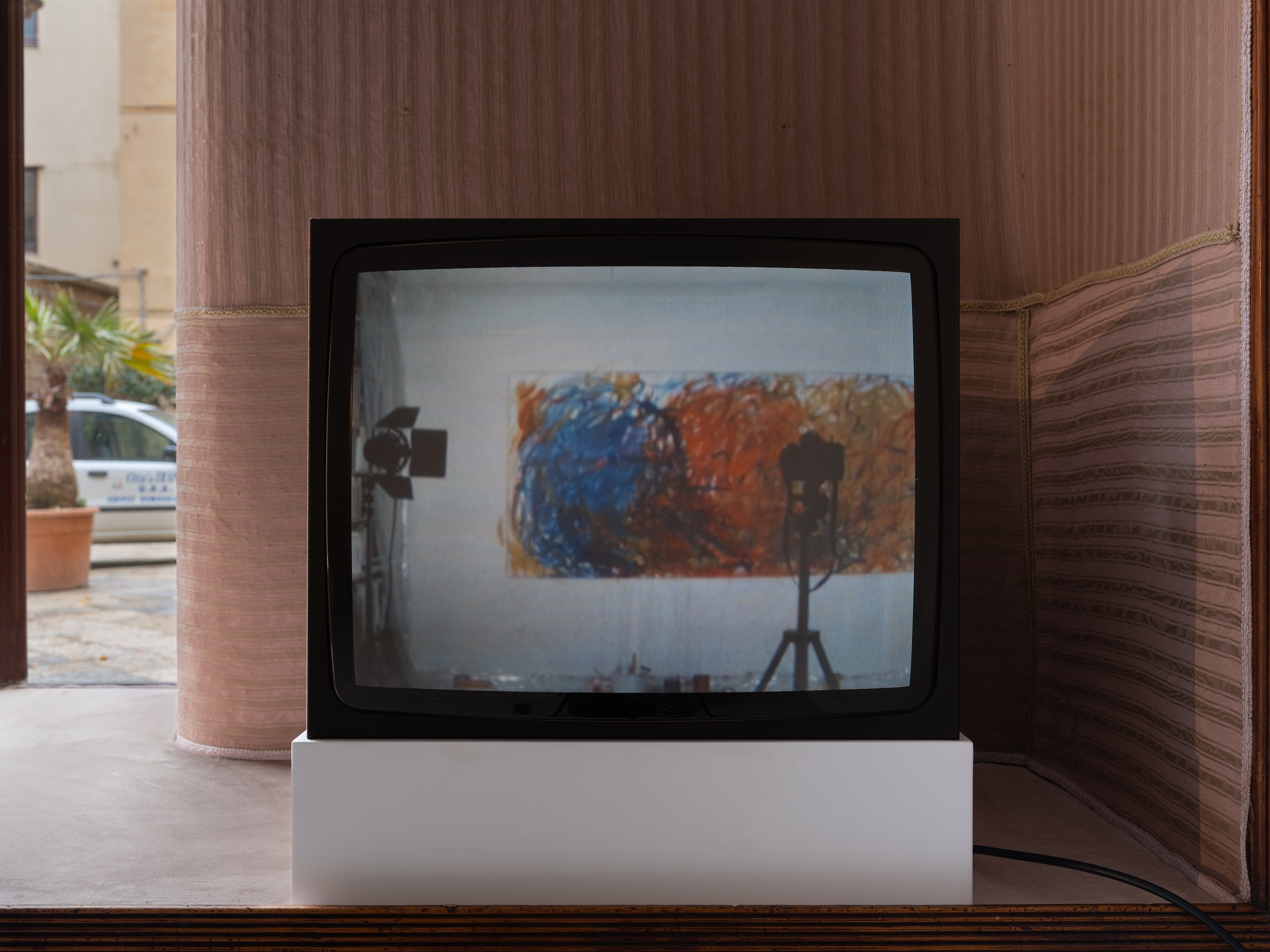
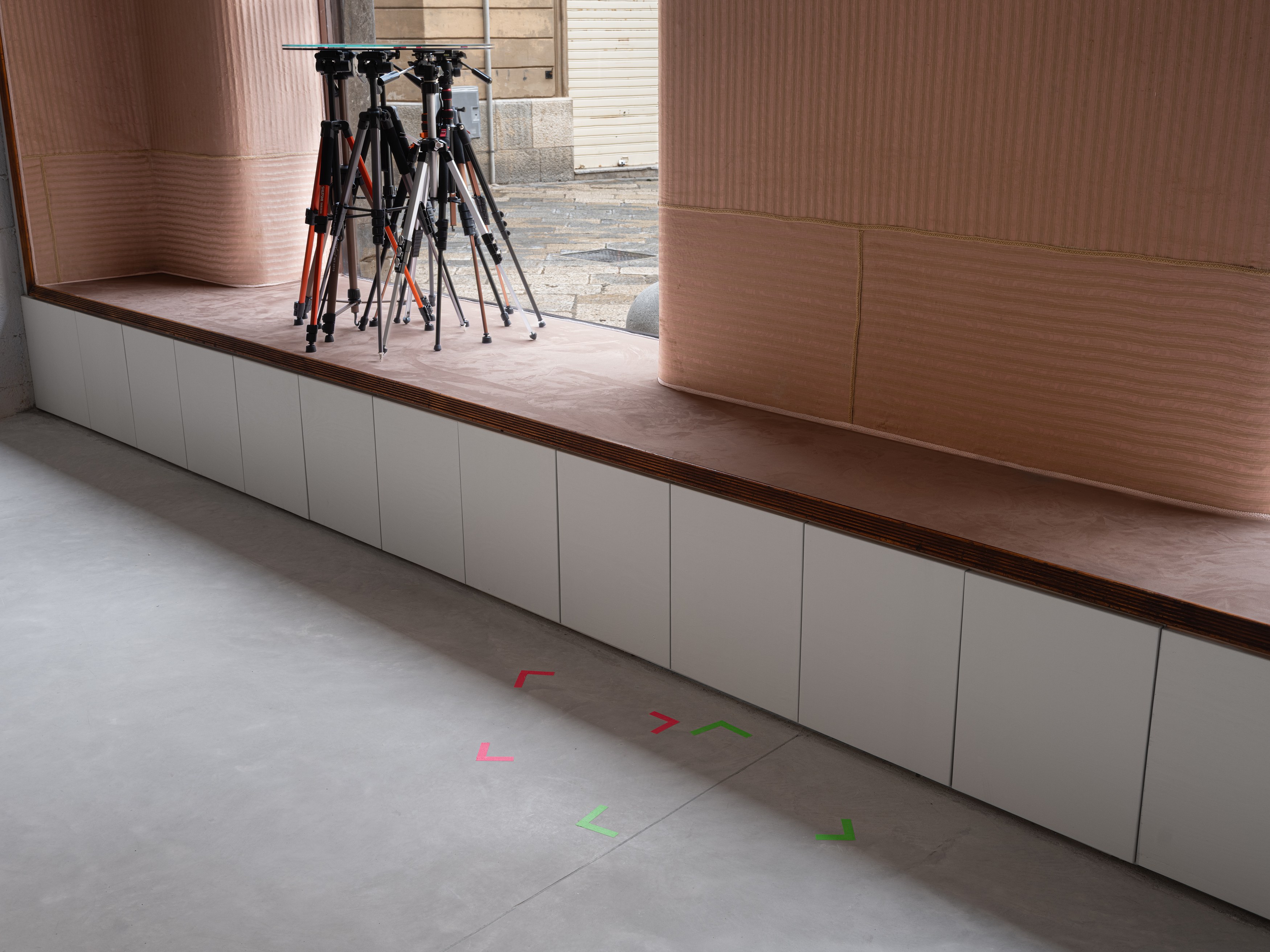
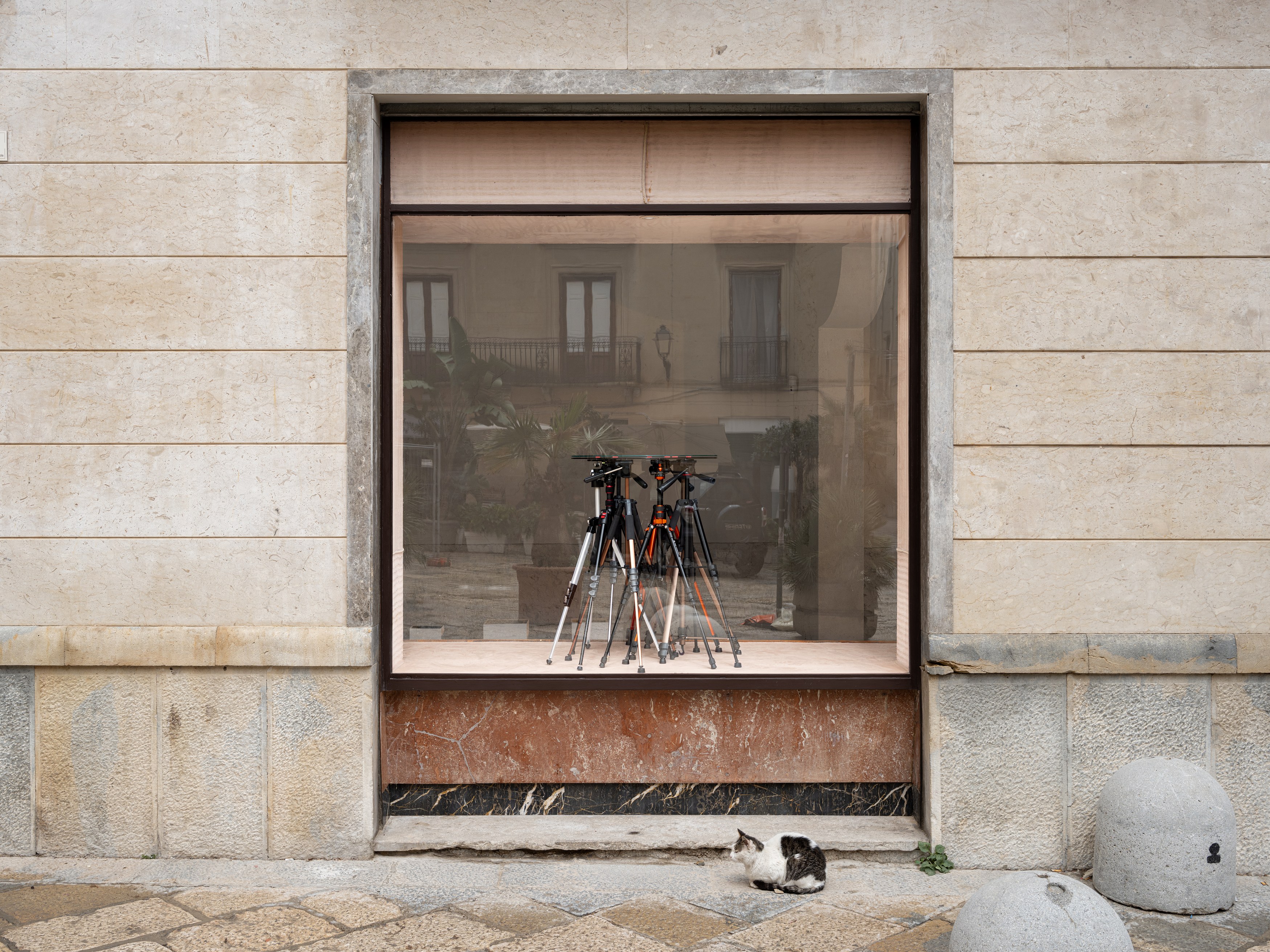
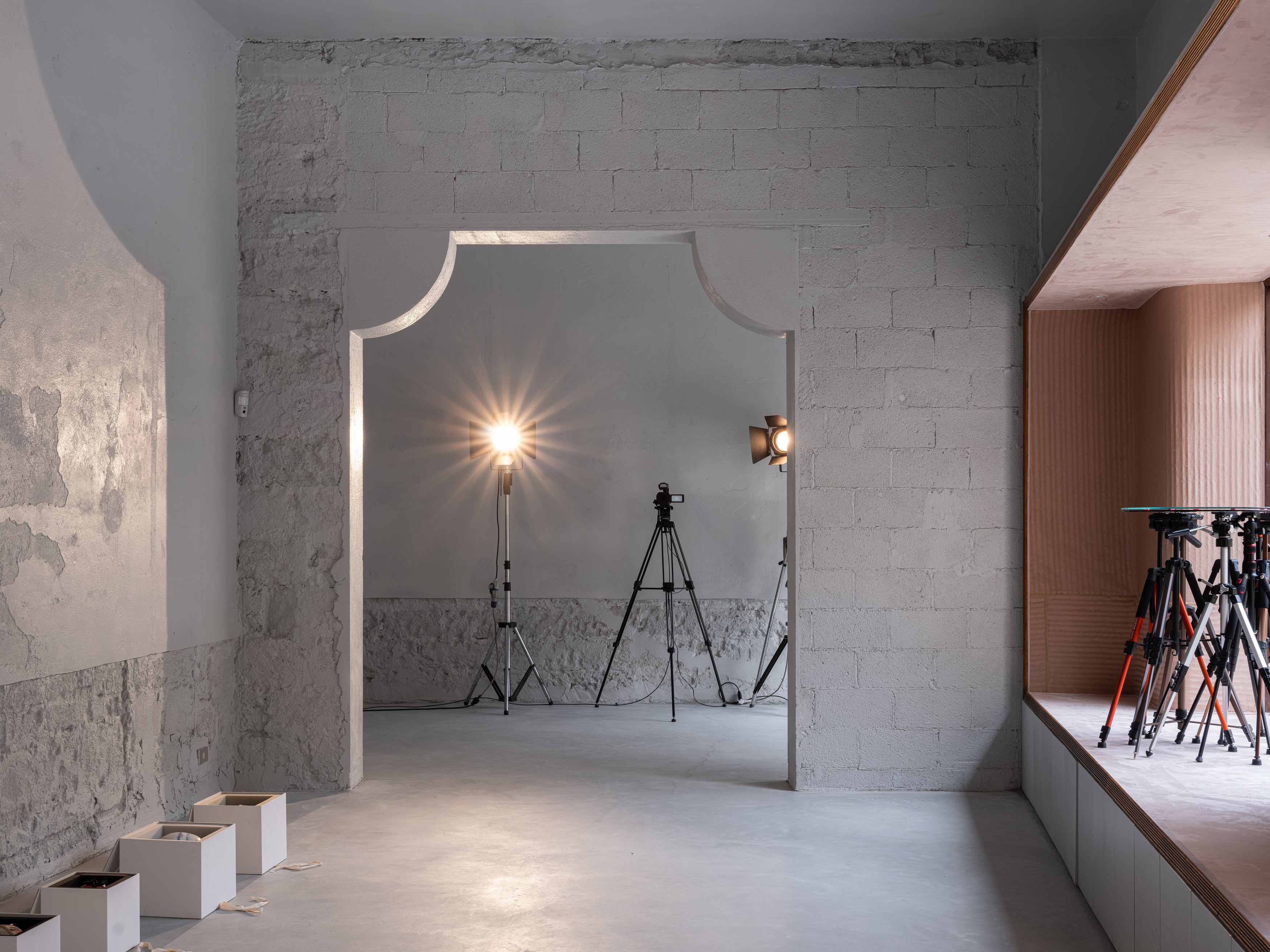
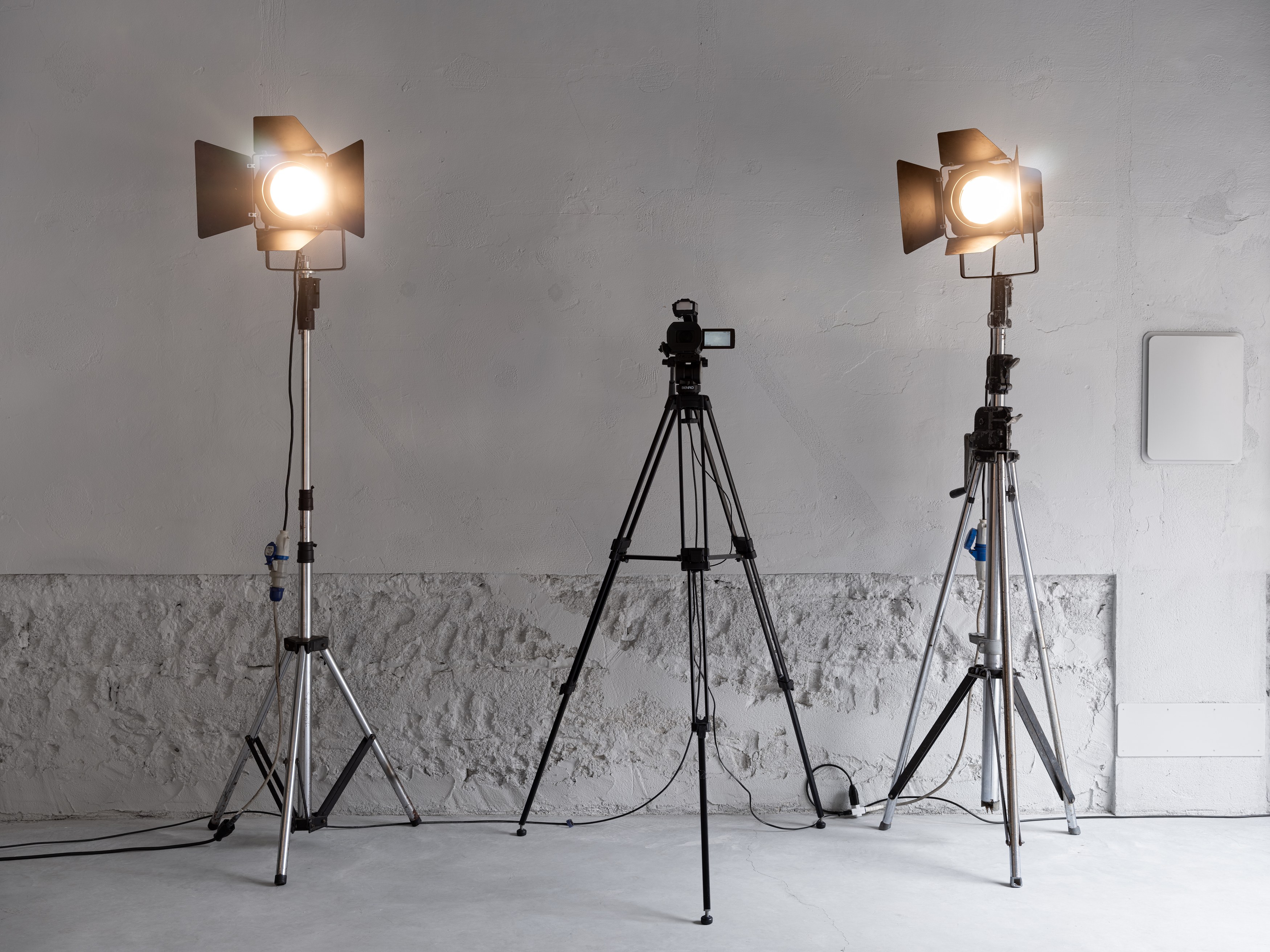
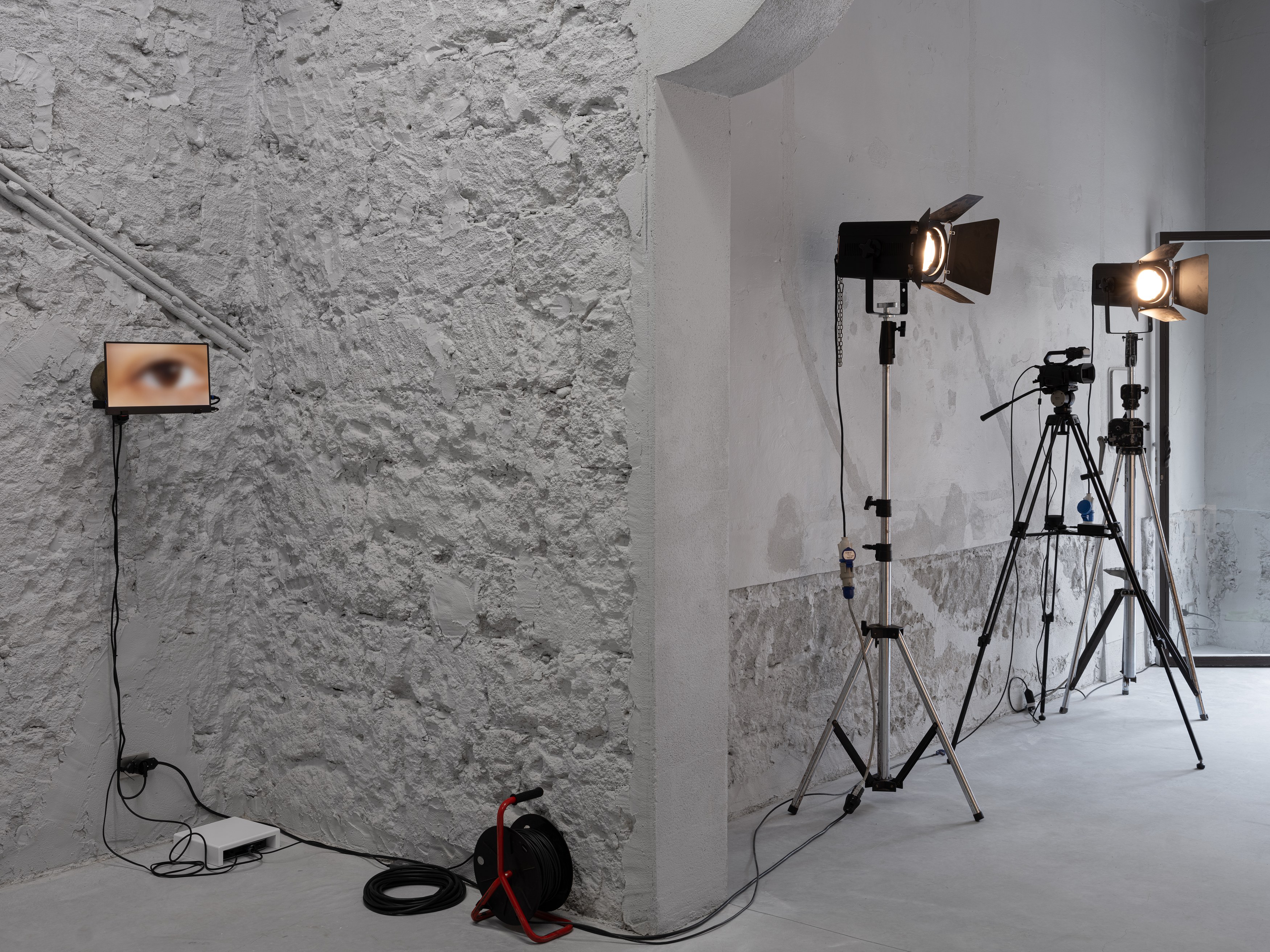
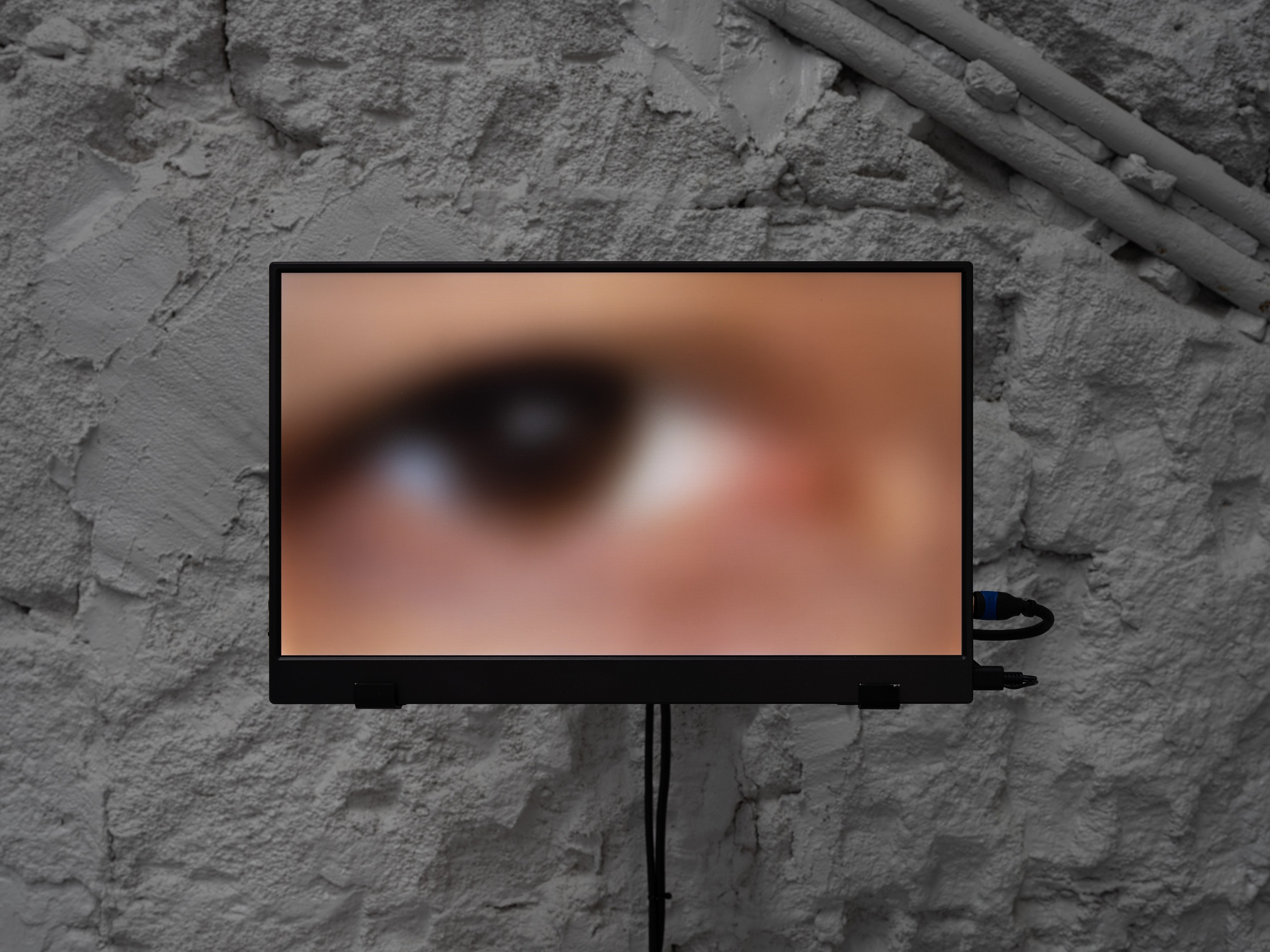
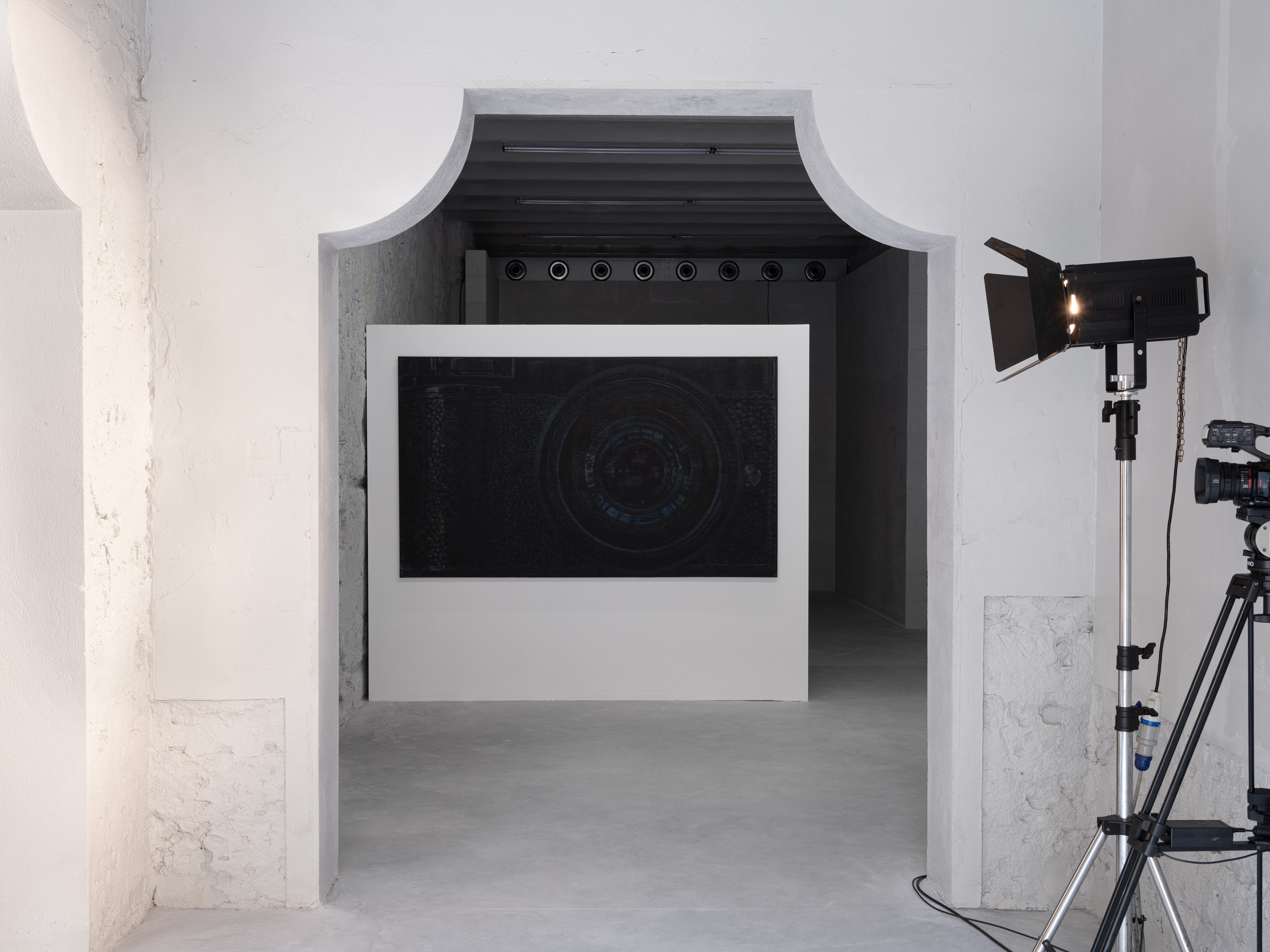
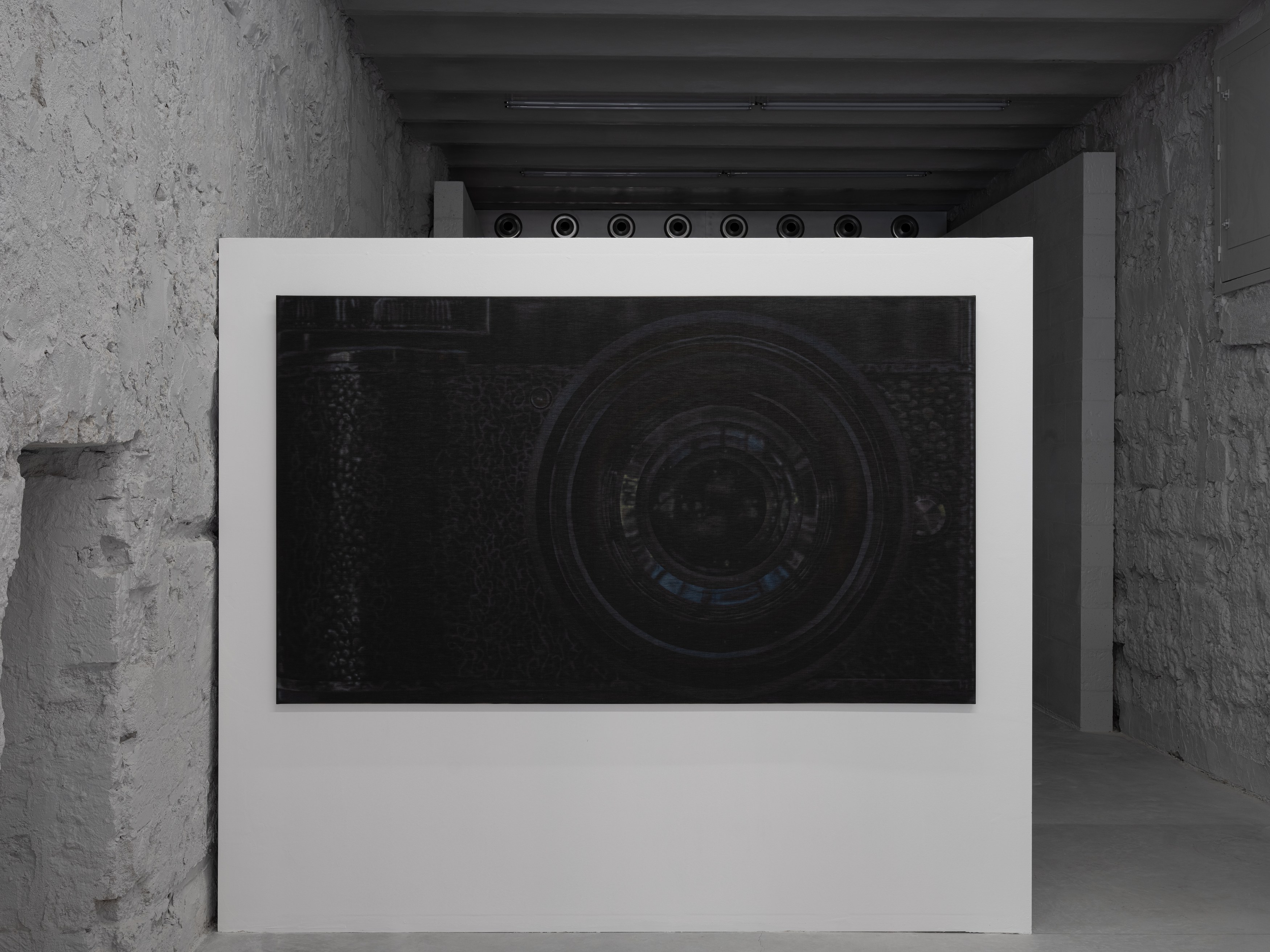
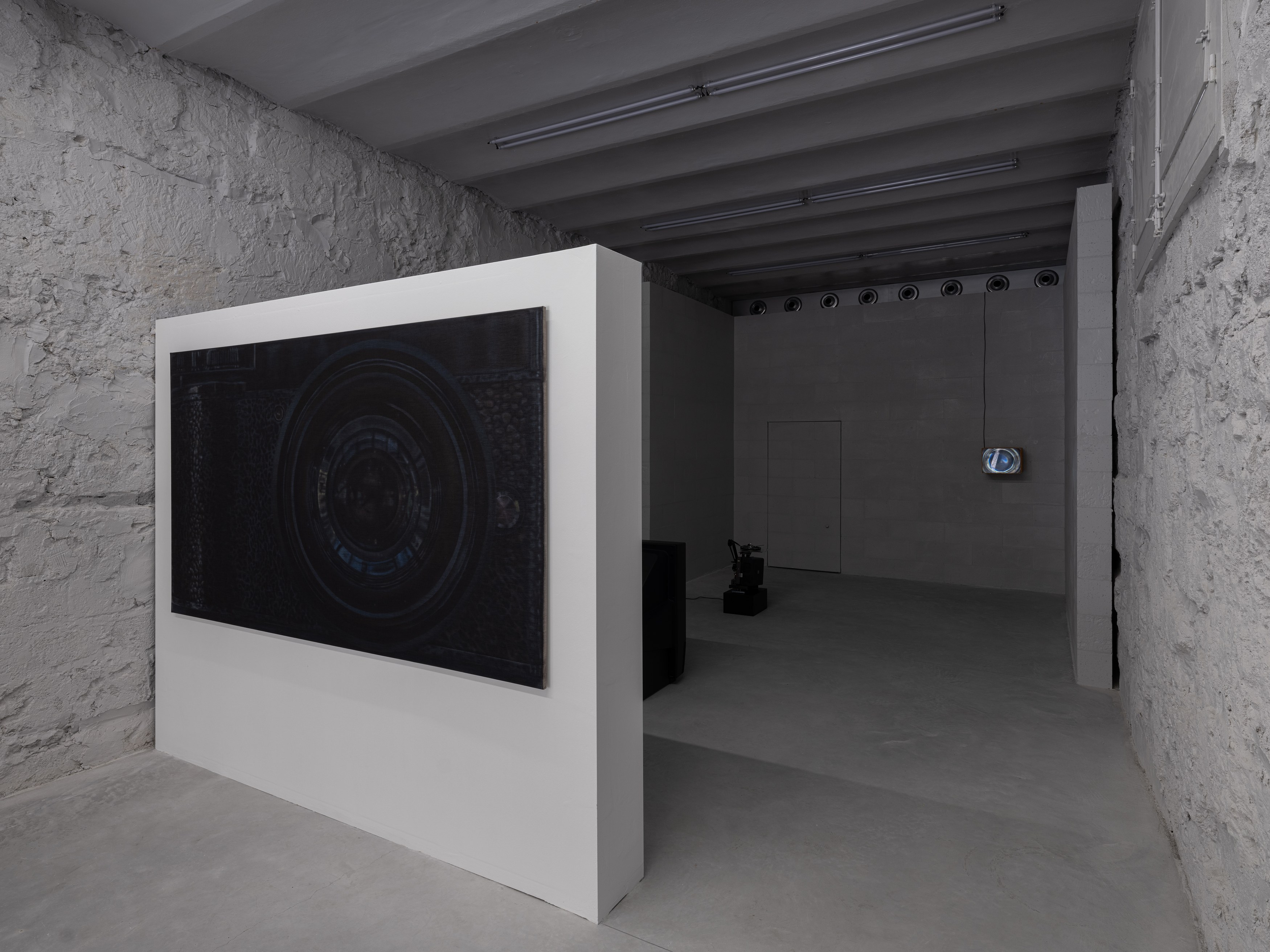
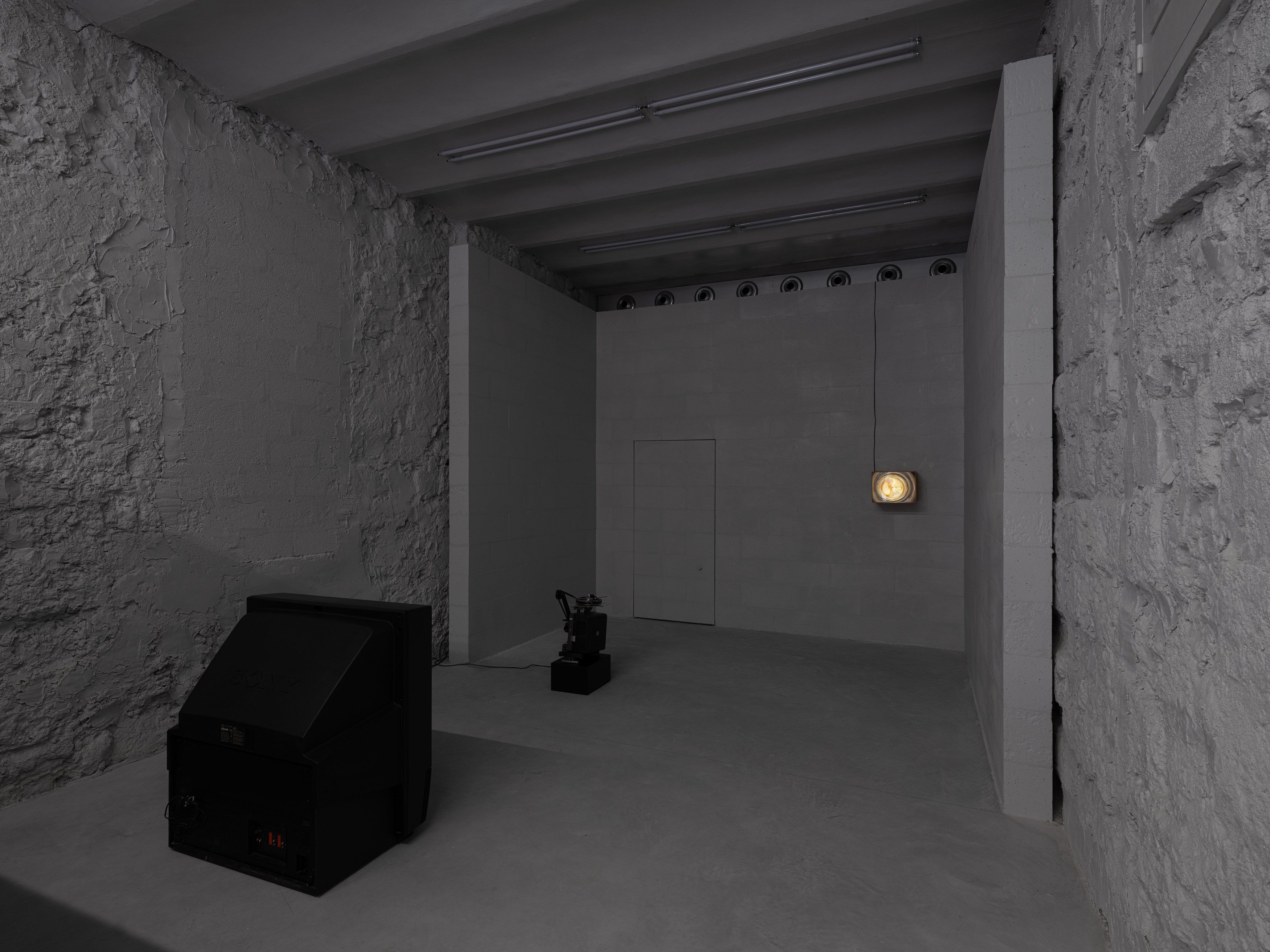
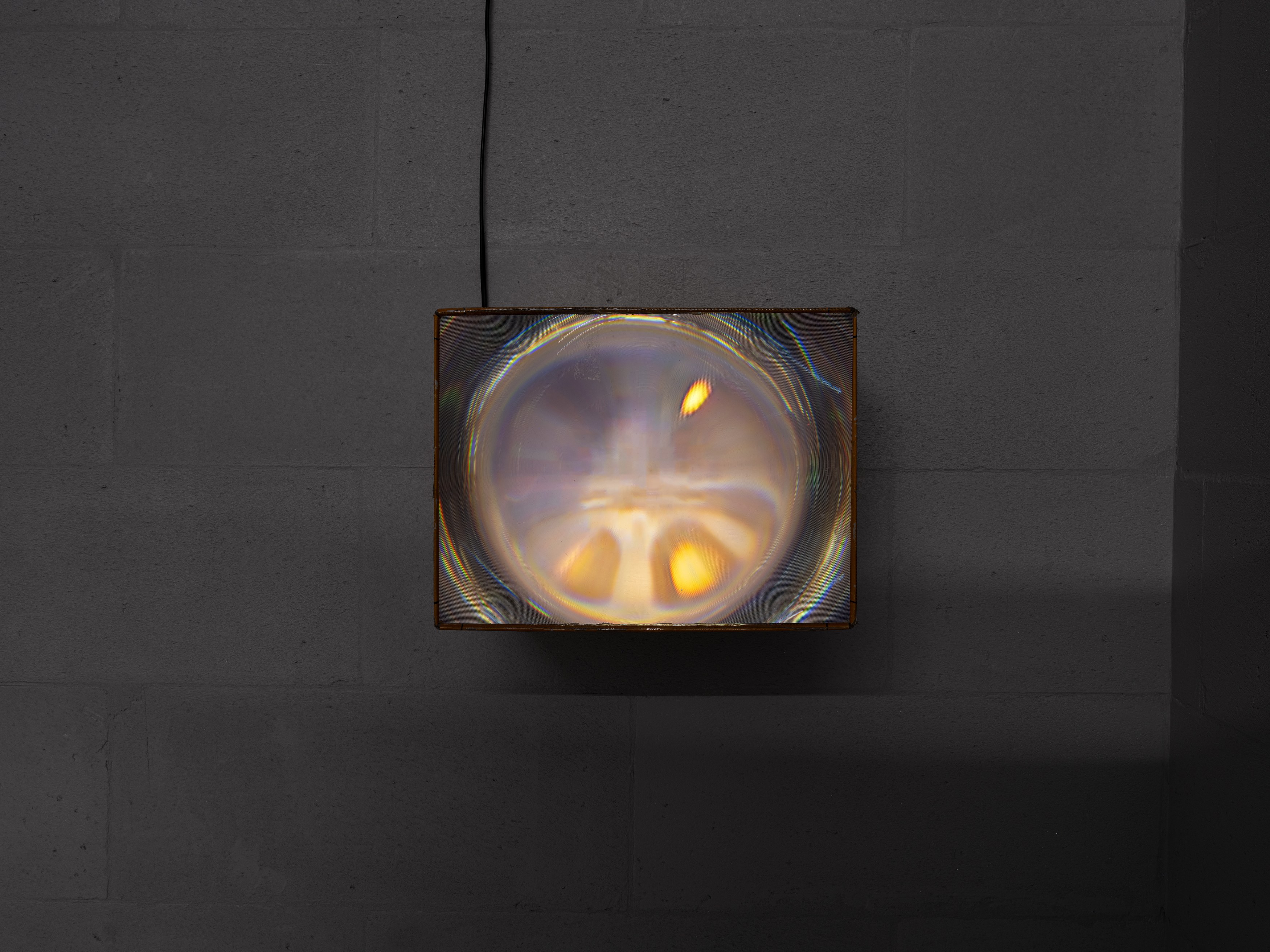
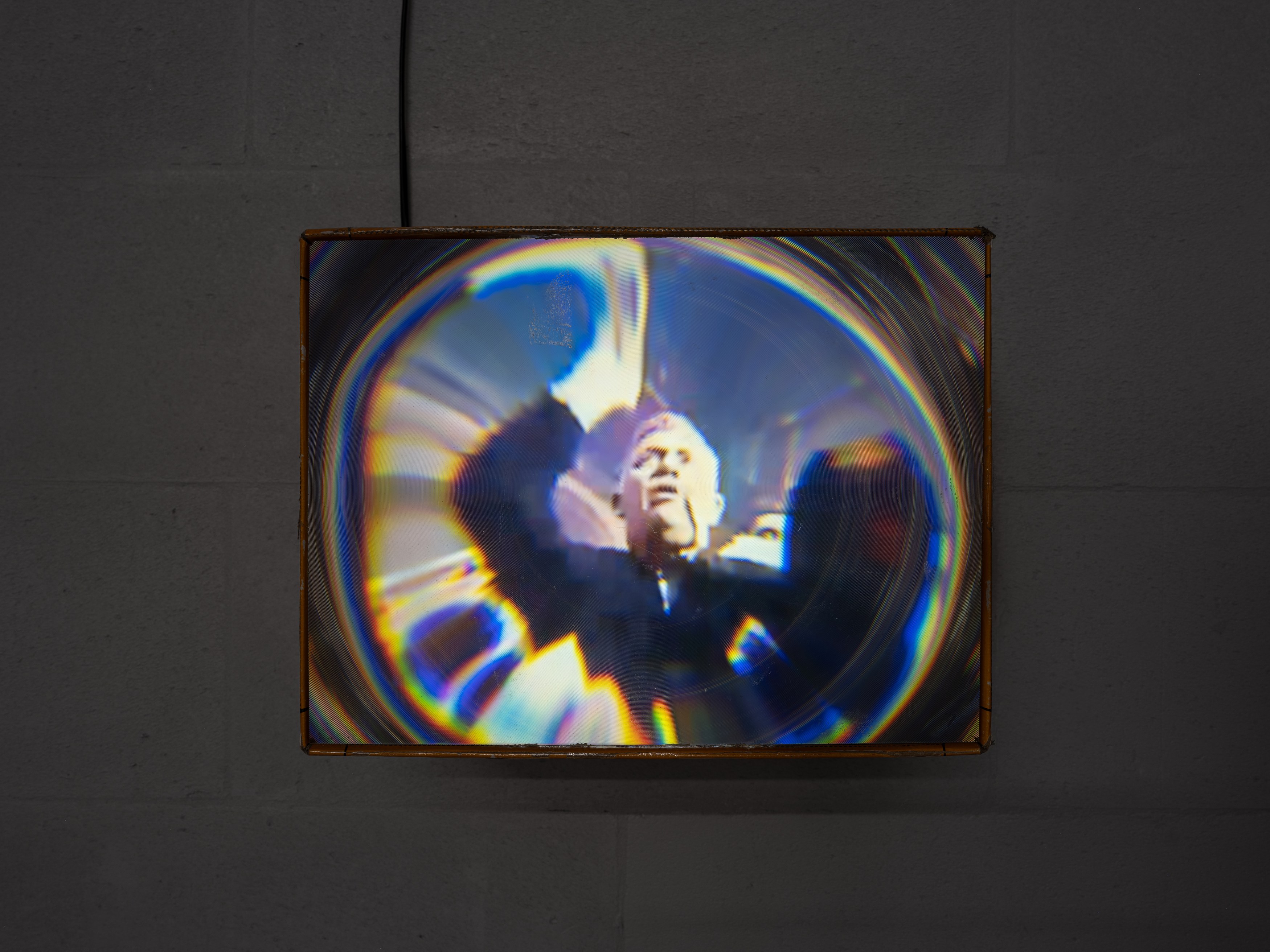
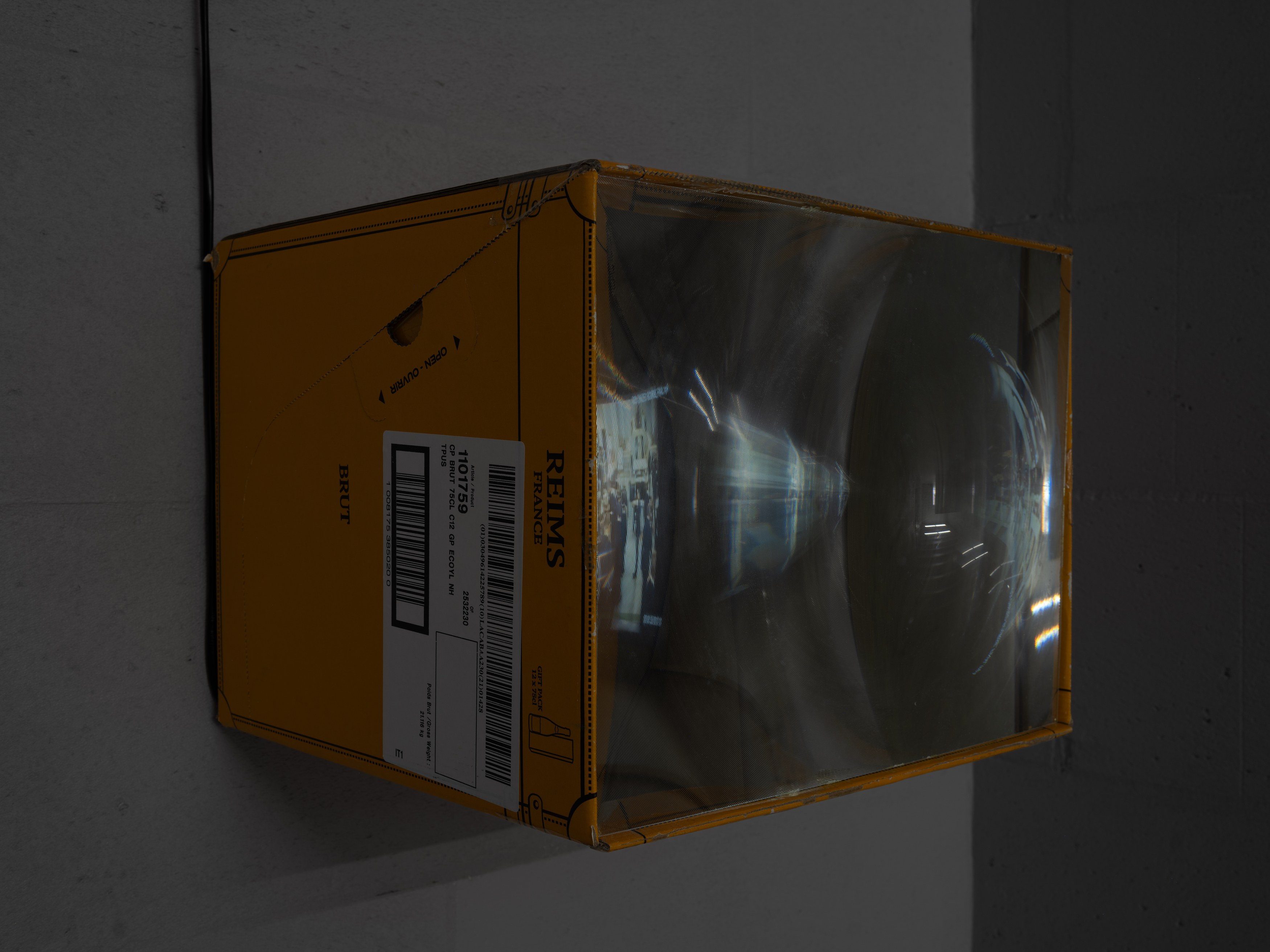
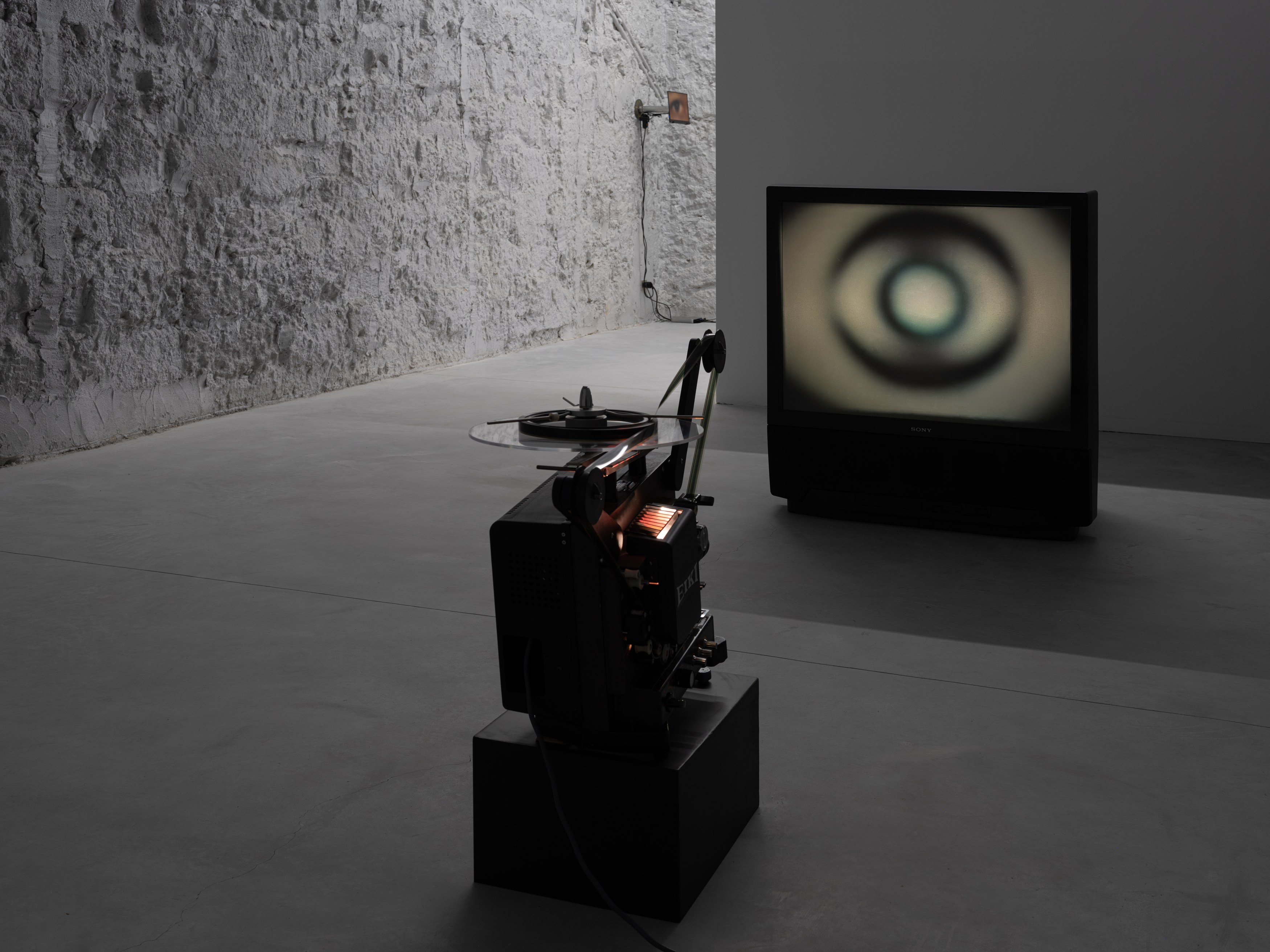
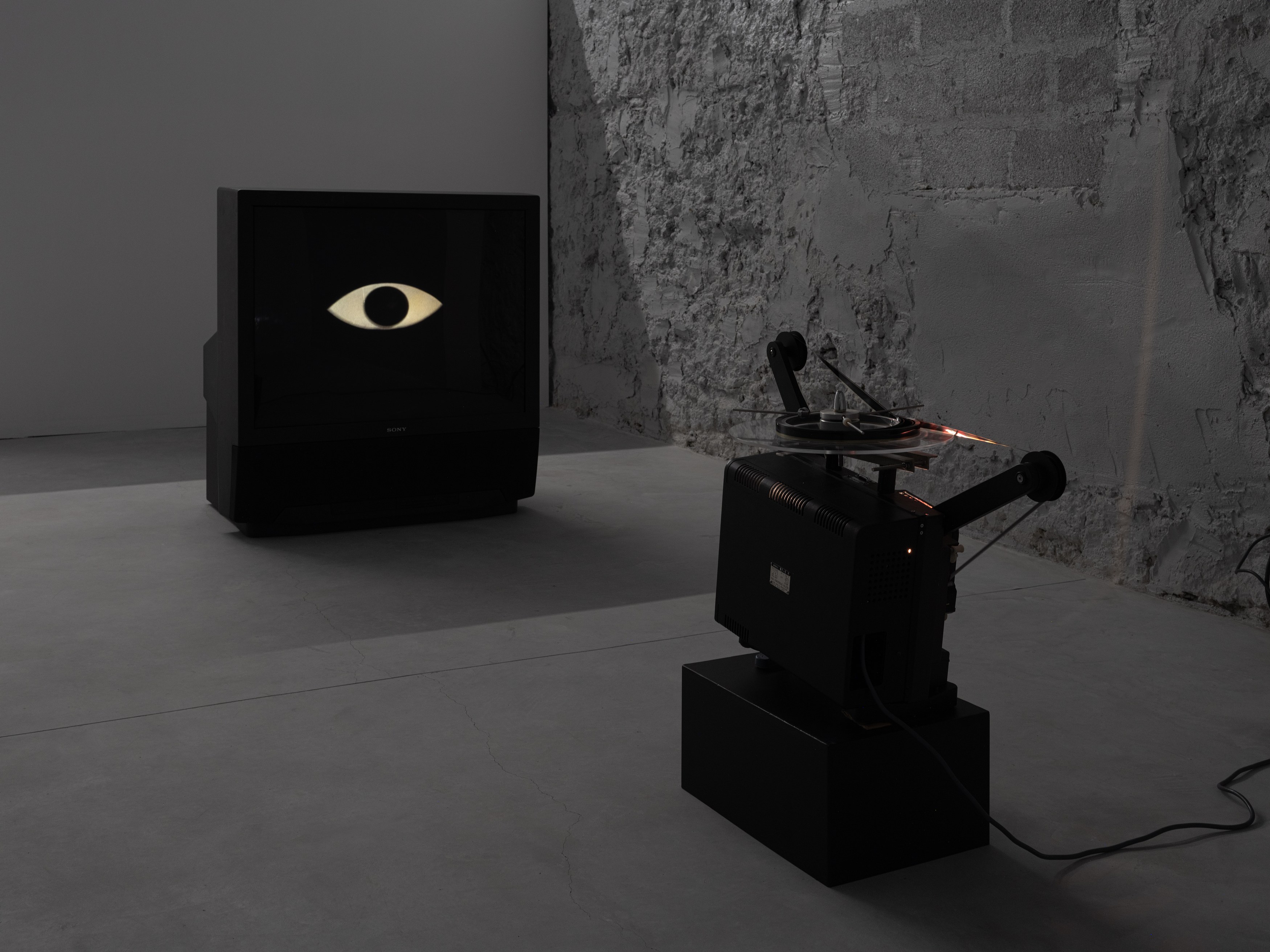
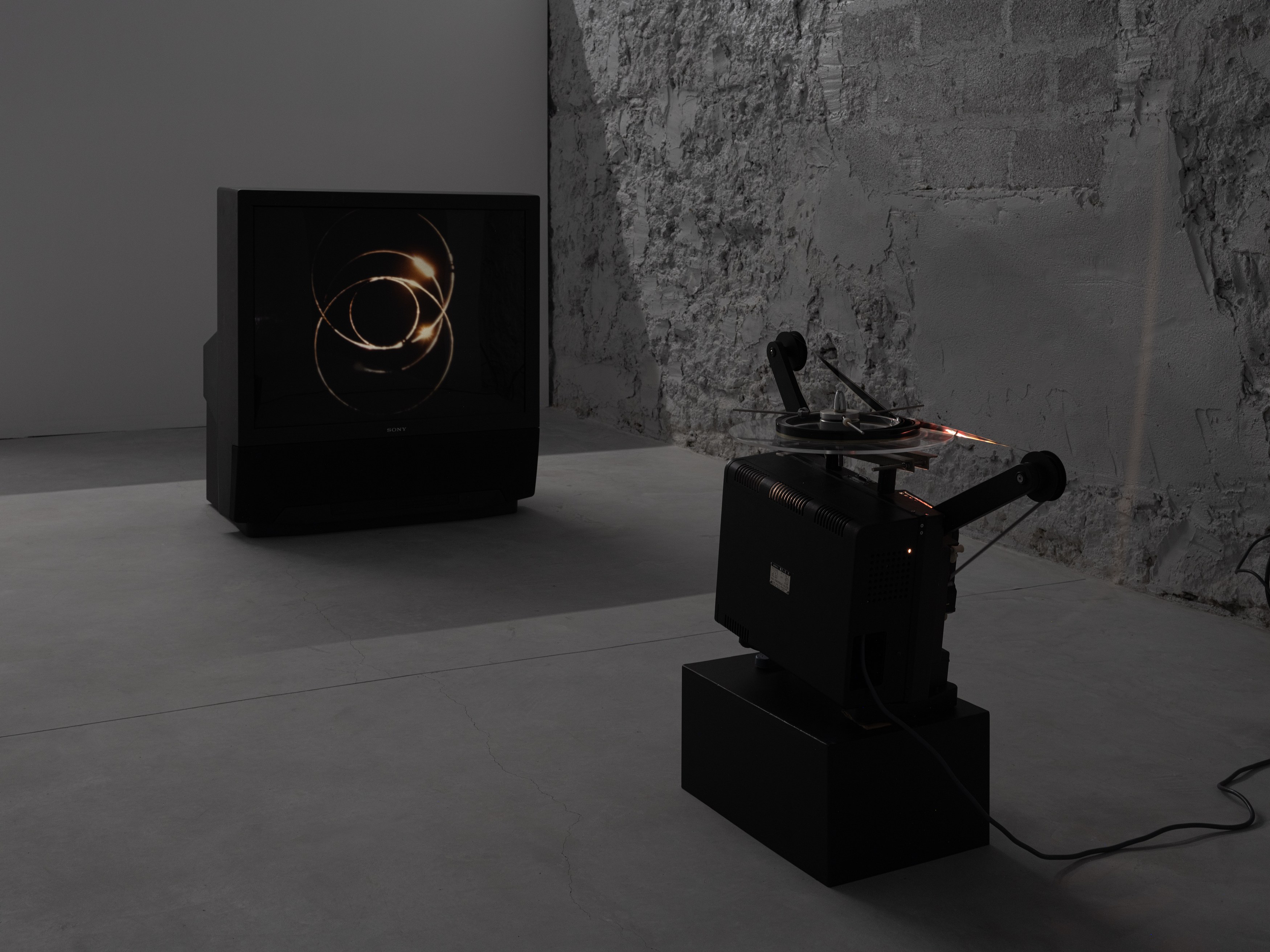
In a short text titled ‘Art Through the Camera’s Eye’ (c.1971), Robert Smithson imagines the camera store as a setting for a horror film based on the myth of the Cyclops, as it appears in Homer’s The Odyssey. In Smithson’s version, the camera store would replace the cave where the Cyclops Polyphemus traps Odysseus and his men, and Odysseus himself would play the role of the camera clerk: “Each click would expose the clerk and his store to partial annihilation,” he writes. Here, the camera lens is the cyclopic eye, watchful and devouring, which “alludes to many abysses.” To be seen through this single eye meant death, suggests Smithson, who himself was overwhelmed by the plethora of camera technologies available at the time, and suffered fatigue at the “sight of rows of equipment.”
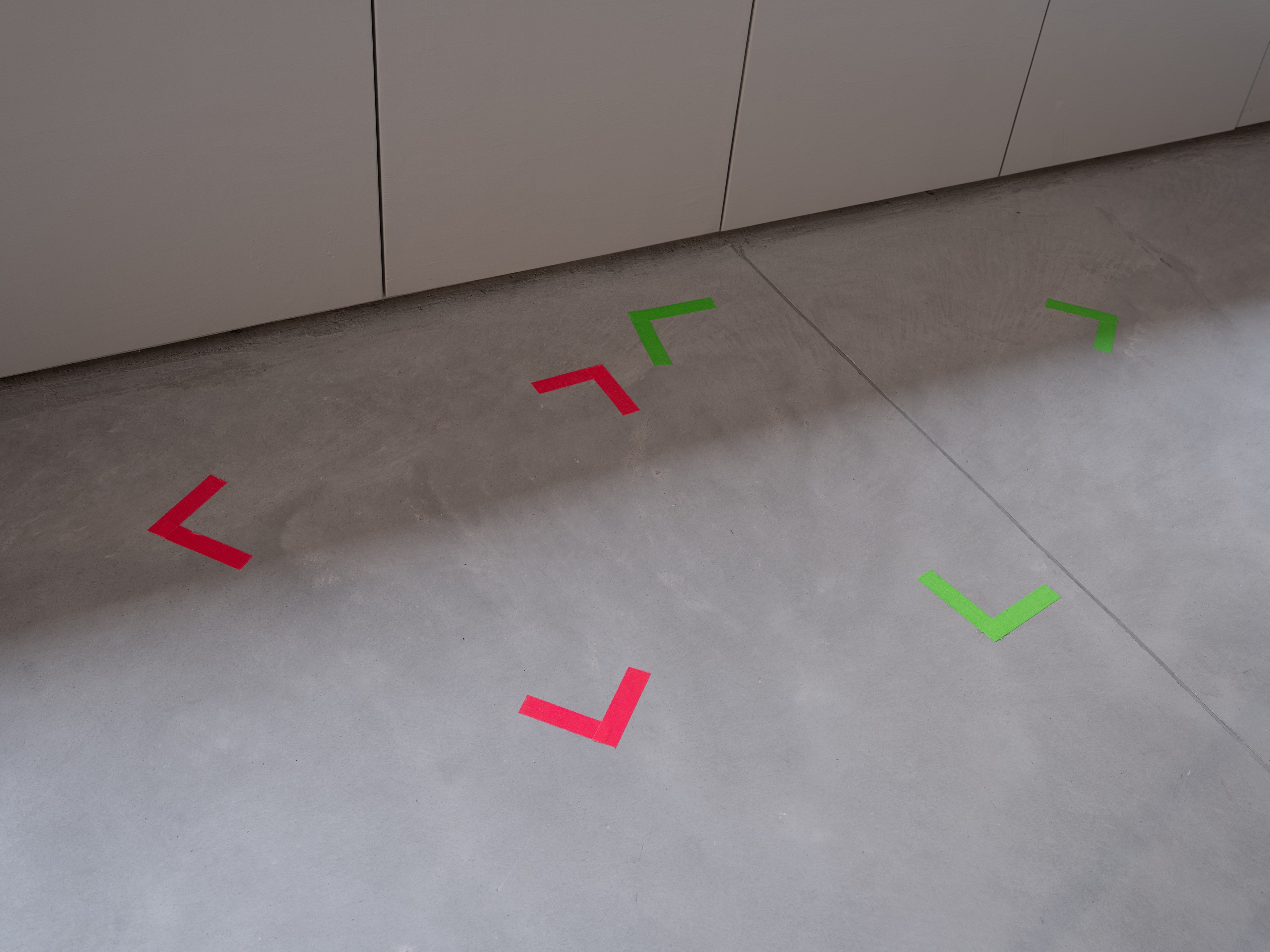
The presence of the camera in everyday life is now ubiquitous – in a sense, we are all living in Smithson’s camera store. Taking up this connection between the singular eye and the camera’s lens, I Ciclopi…
Exhibition Space







I Ciclopi (Eye, Camera, Myth)
INCURVA•Apr 02, 2026 — Jun 28, 2026
Press Release
In a short text titled ‘Art Through the Camera’s Eye’ (c.1971), Robert Smithson imagines the camera store as a setting for a horror film based on the myth of the Cyclops, as it appears in Homer’s The Odyssey. In Smithson’s version, the camera store would replace the cave where the Cyclops Polyphemus traps Odysseus and his men, and Odysseus himself would play the role of the camera clerk: “Each click would expose the clerk and his store to partial annihilation,” he writes. Here, the camera lens is the cyclopic eye, watchful and devouring, which “alludes to many abysses.” To be seen through this single eye meant death, suggests Smithson, who himself was overwhelmed by the plethora of camera technologies available at the time, and suffered fatigue at the “sight of rows of equipment.”
The presence of the camera in everyday life is now ubiquitous – in a sense, we are all living in Smithson’s camera store. Taking up this connection between the singular eye and the camera’s lens, I Ciclopi…
Exhibition Space
Curator
More Exhibitions at INCURVA
Guestbook

Editing is restricted
You cannot submit an edit because the institution hosting this exhibition has been claimed by .
Editing this section requires claiming the profile of the institution hosting this exhibition.
Claims are one of the many safeguards in place on UntitledDb that preserve the integrity of the information on our platform.
Editing is restricted
Editing this section requires claiming the profile of the institution hosting this exhibition.
Claims are one of the many safeguards in place on UntitledDb that preserve the integrity of the information on our platform.
Editing is restricted
A reputation of 20,000 or higher is needed to edit posts created by other users.
Familiarize yourself with our platform by creating new posts and watching your favorites. You'll reach a reputation of 20,000 in no time.
This is one of the many safeguards in place on UntitledDb that preserve the integrity of the information on our platform.
Account access options
Log in and connect with the art world
By continuing, you agree to our Terms of Use and Privacy Policy.
or
Account access options
Sign up and connect with the art world
By continuing, you agree to our Terms of Use and Privacy Policy.
or
Account access options
Expand your reach with UntitledDb Pro
By continuing, you agree to our Terms of Use and Privacy Policy.
or
Account access options
Grow your institution's reach and impact with UntitledDb Enterprise
By continuing, you agree to our Terms of Use and Privacy Policy.
or
Sign up for UntitledDb Pro to unlock this feature