Żywica* Solar Plexus
Zachęta — National Gallery of Art•Jul 17, 2026 — Sep 27, 2026


Artist
Artwork Checklist


Curator

More Exhibitions at Zachęta — National Gallery of Art


Guestbook
Press Release
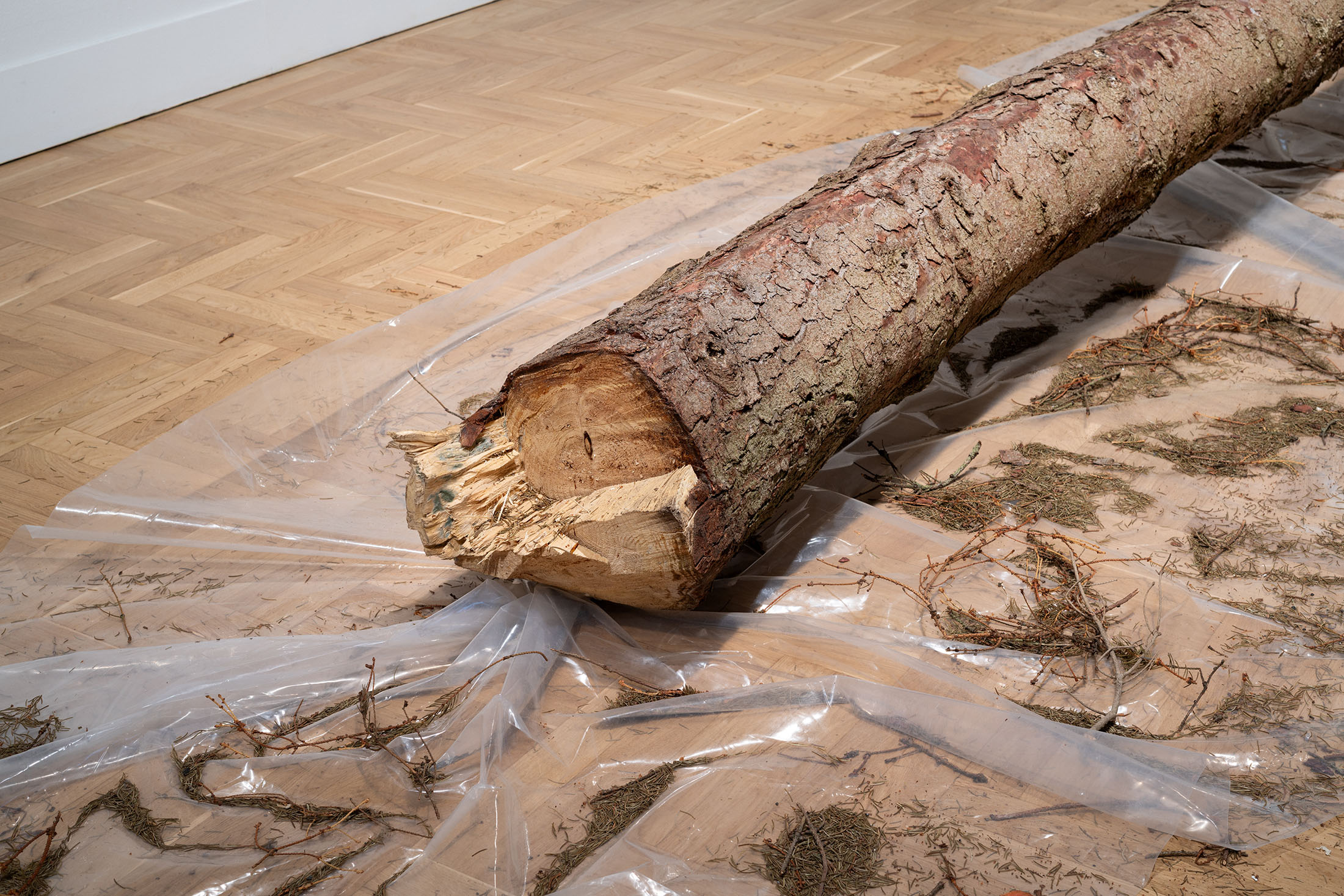
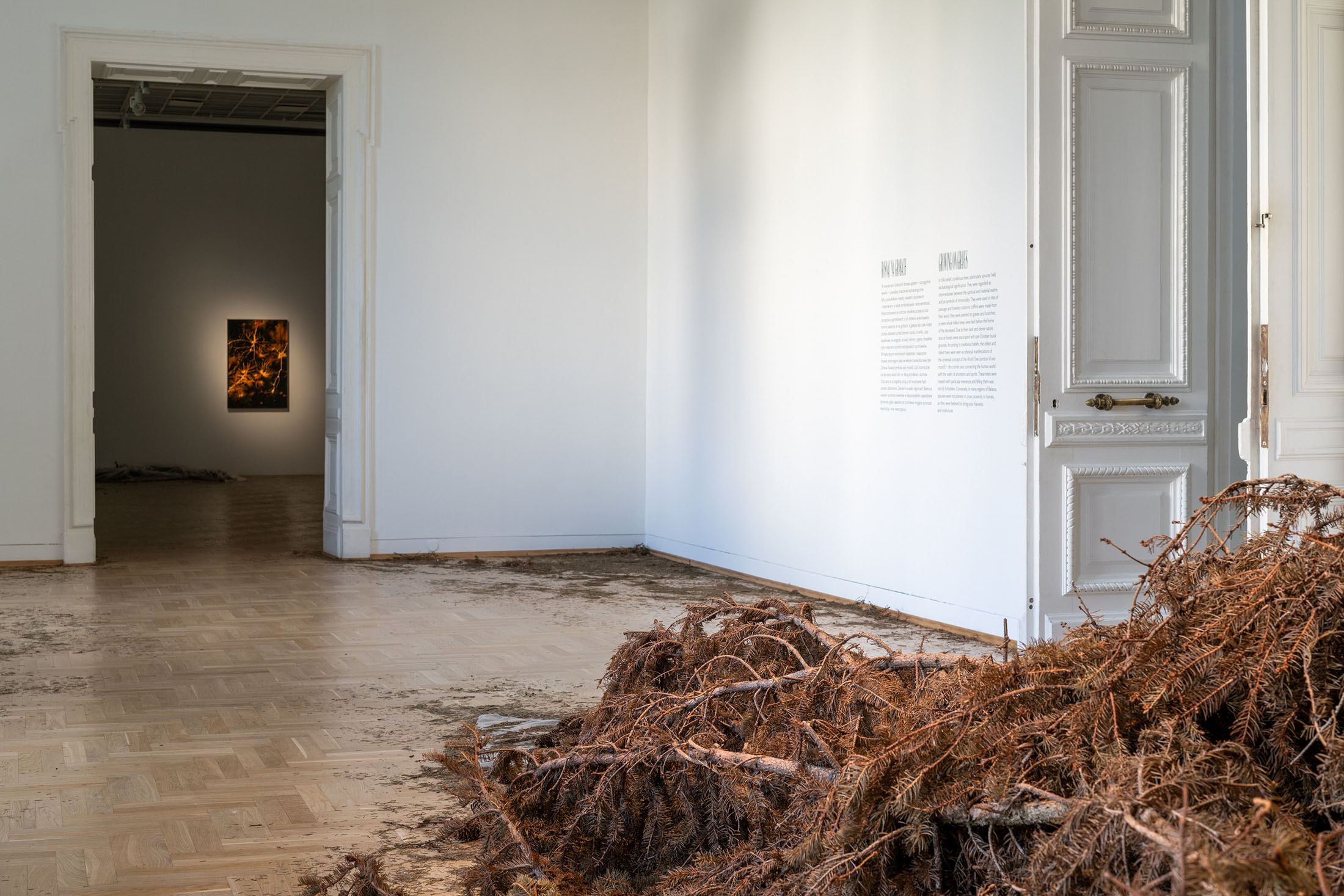
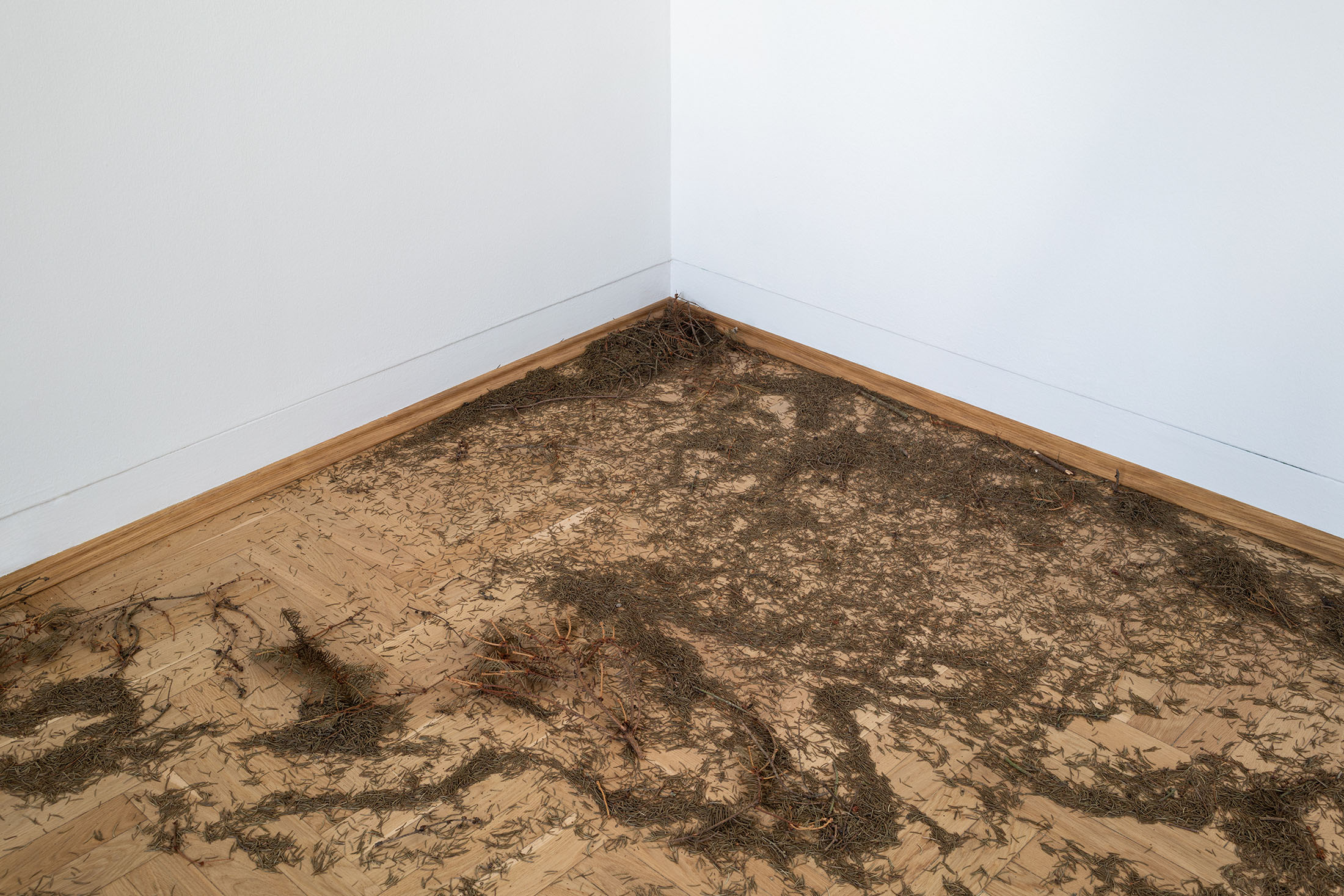
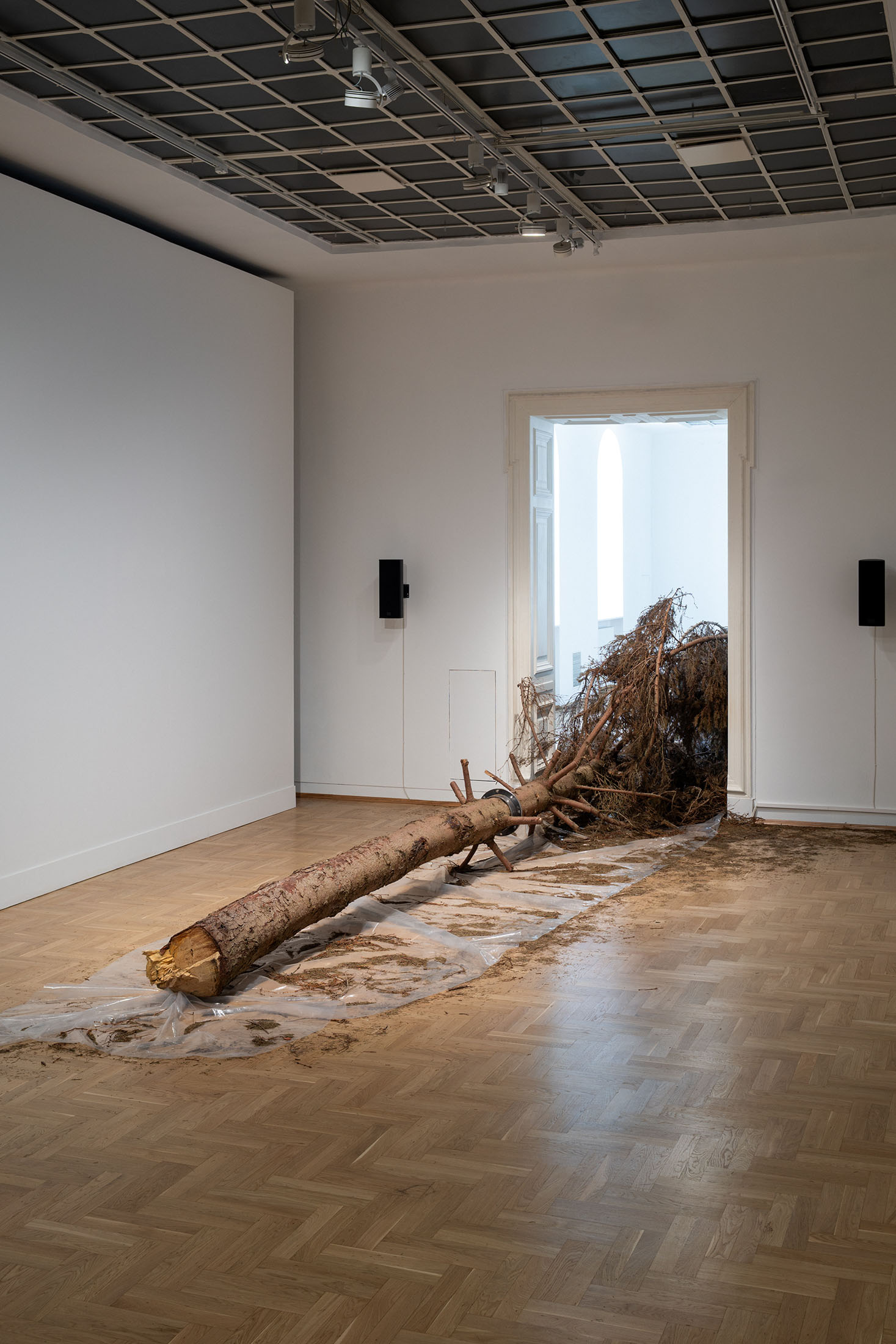
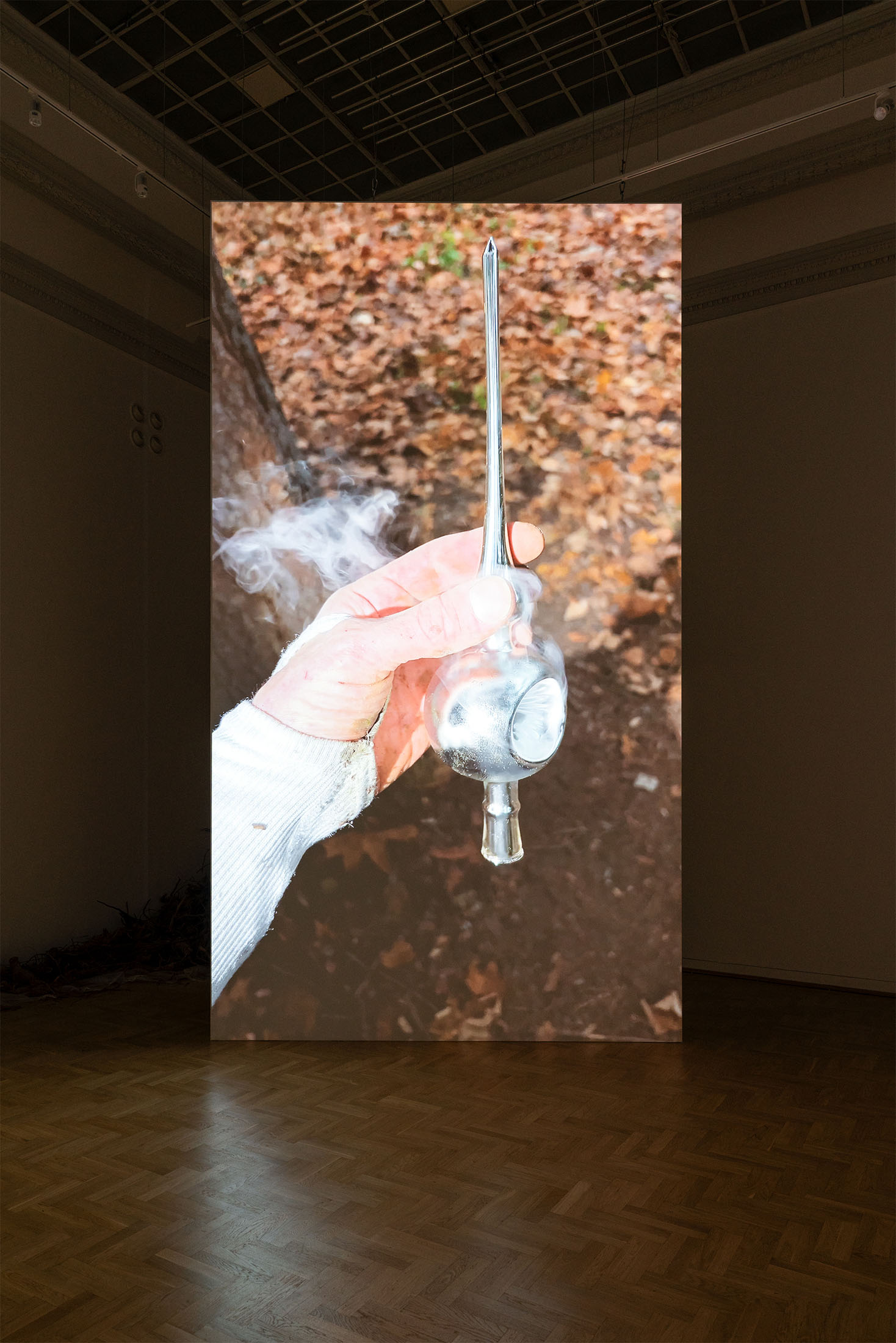
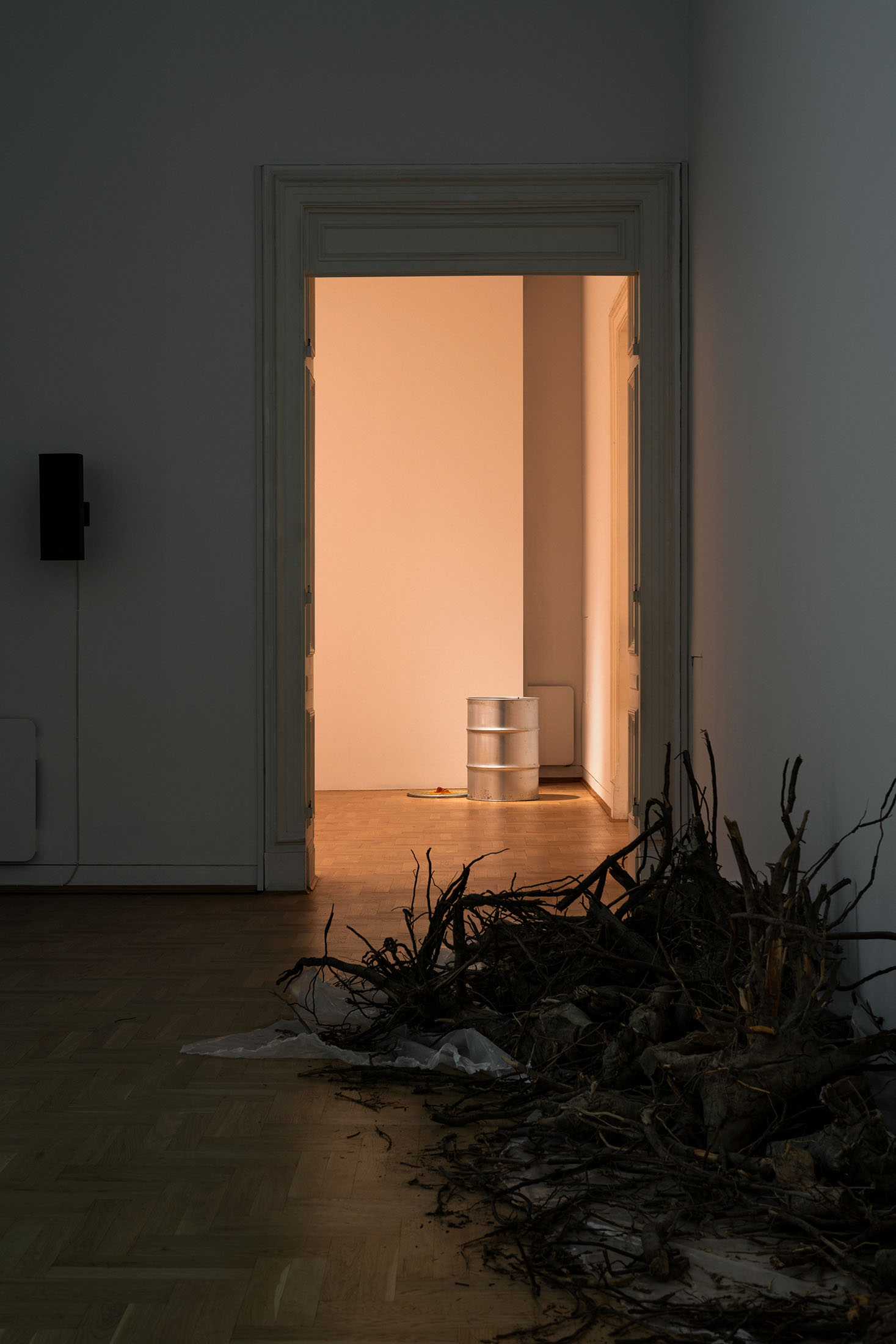
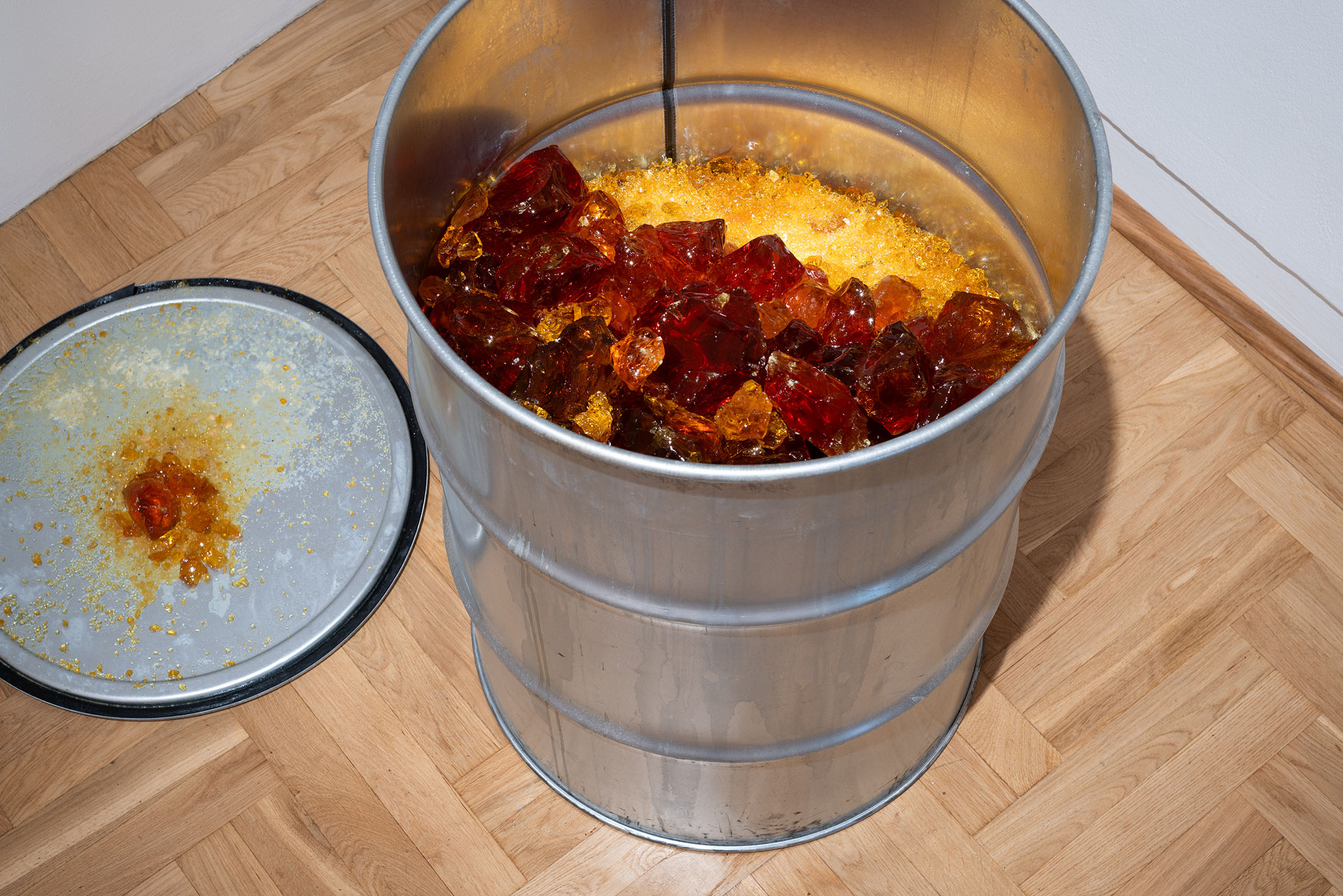
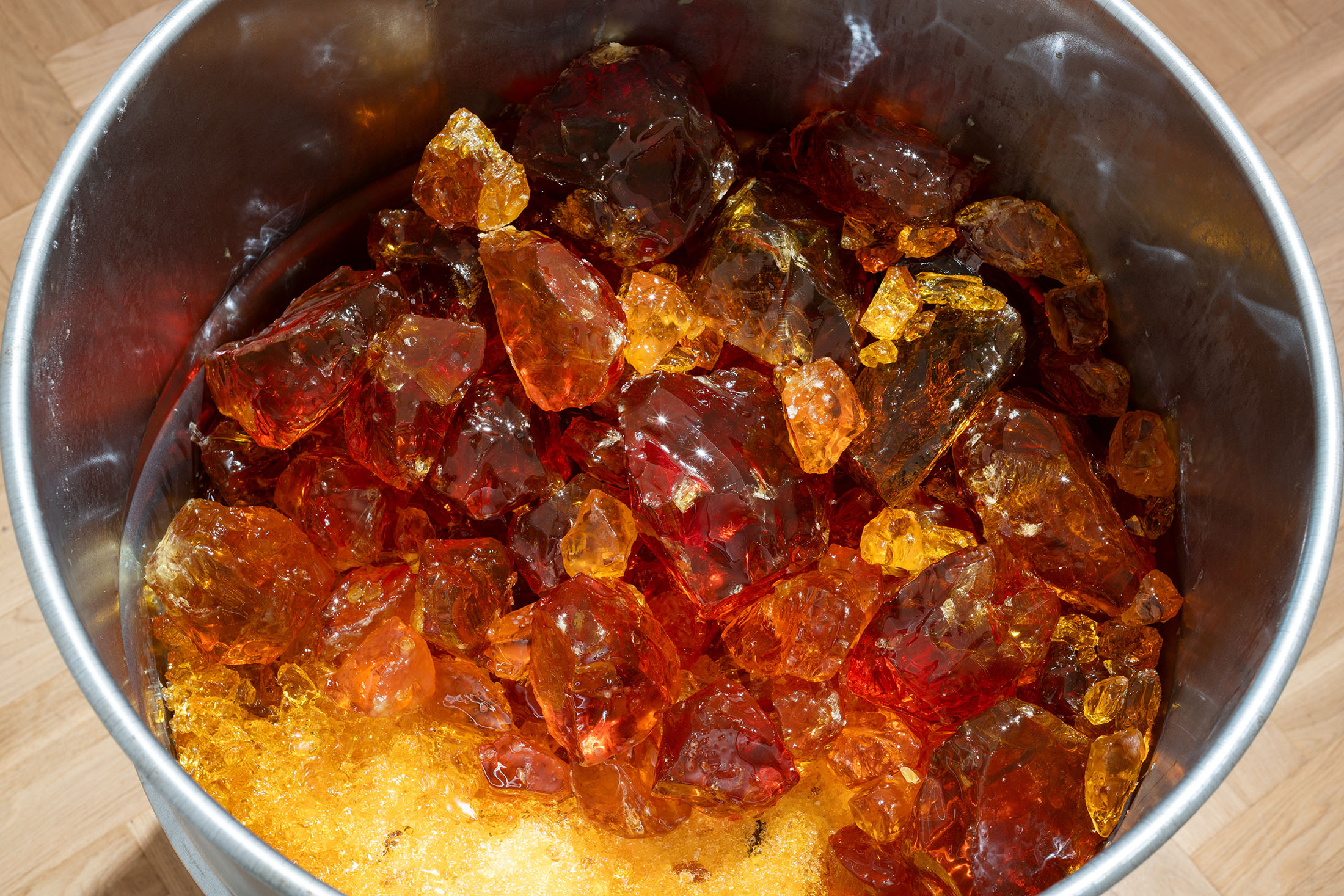
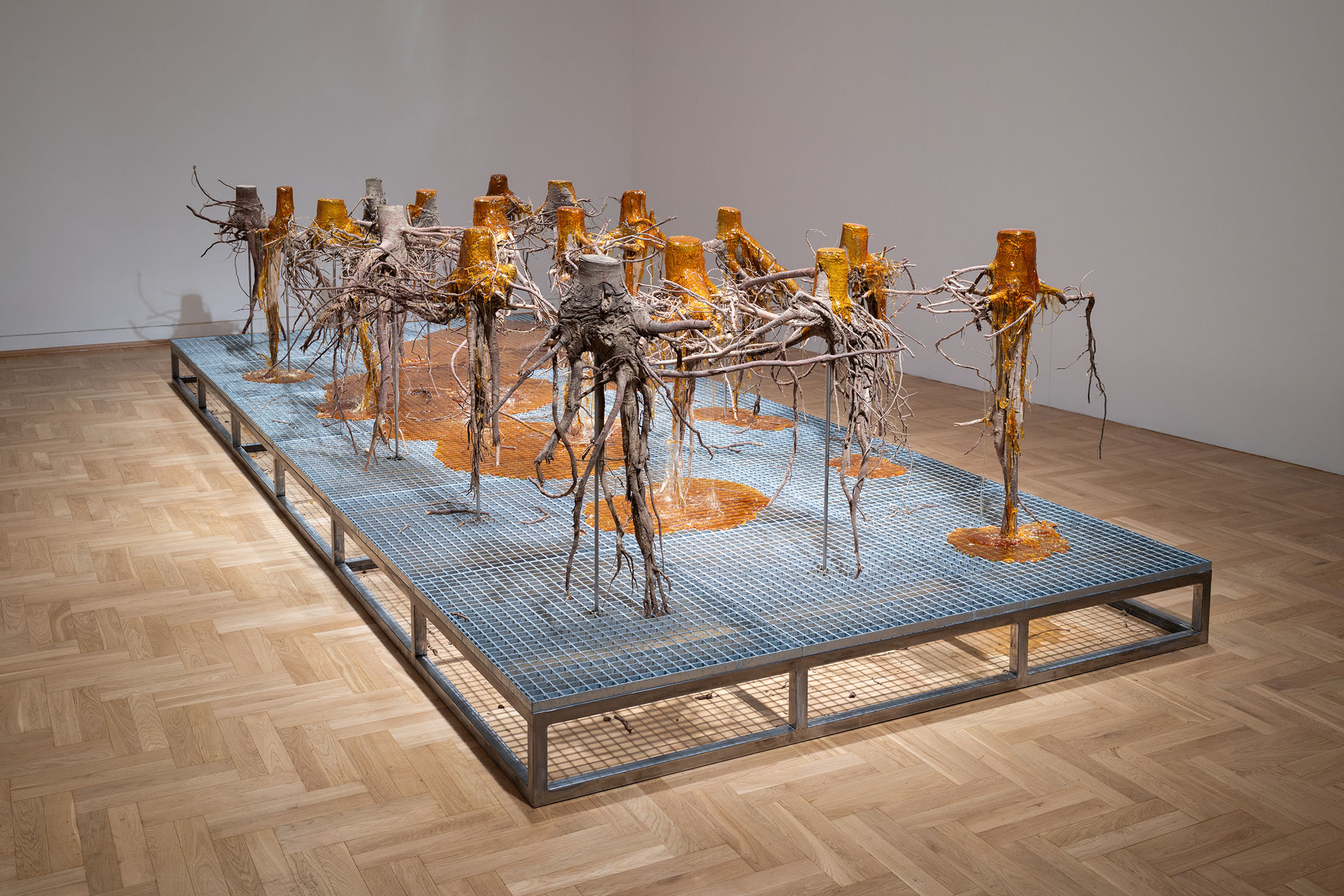
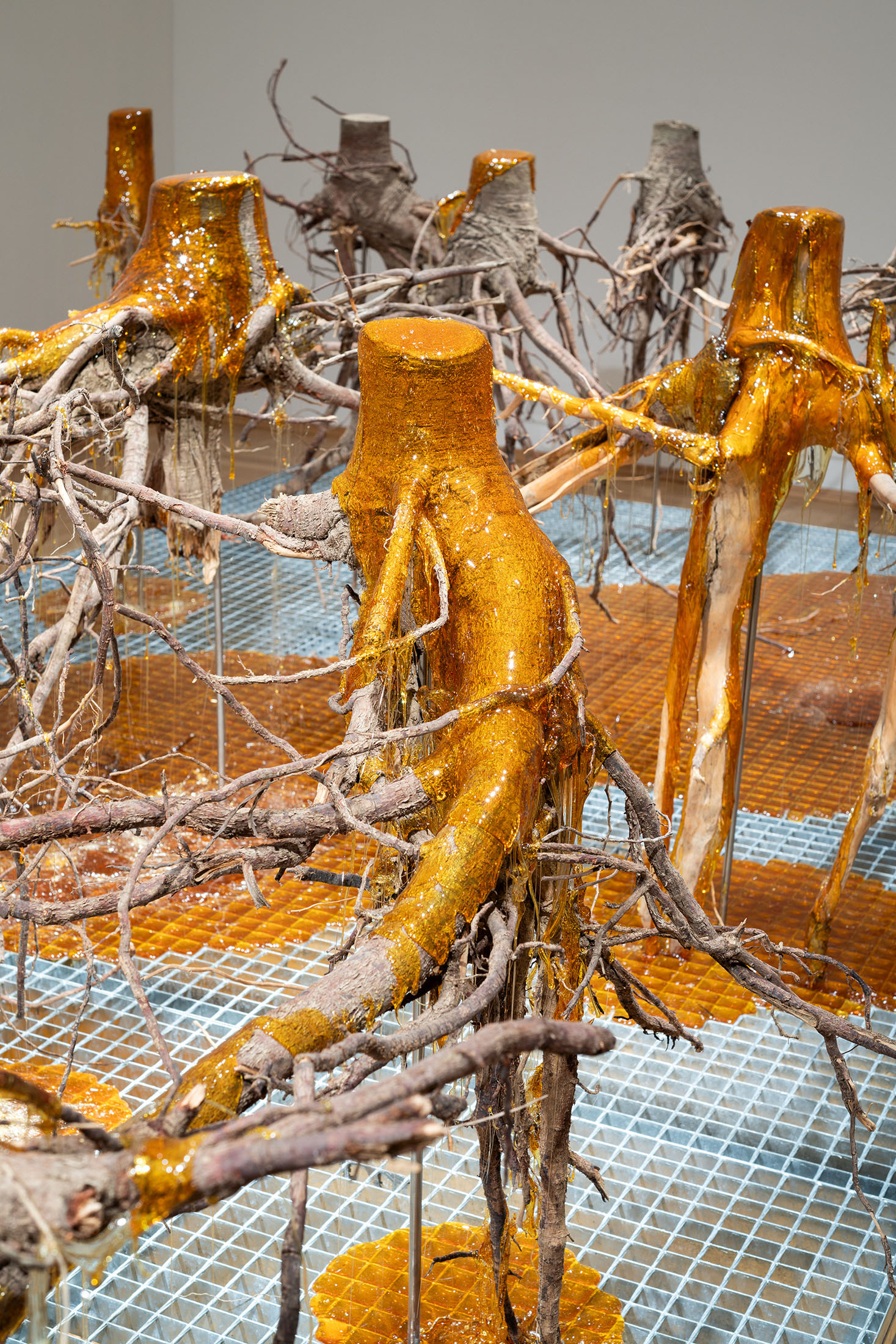
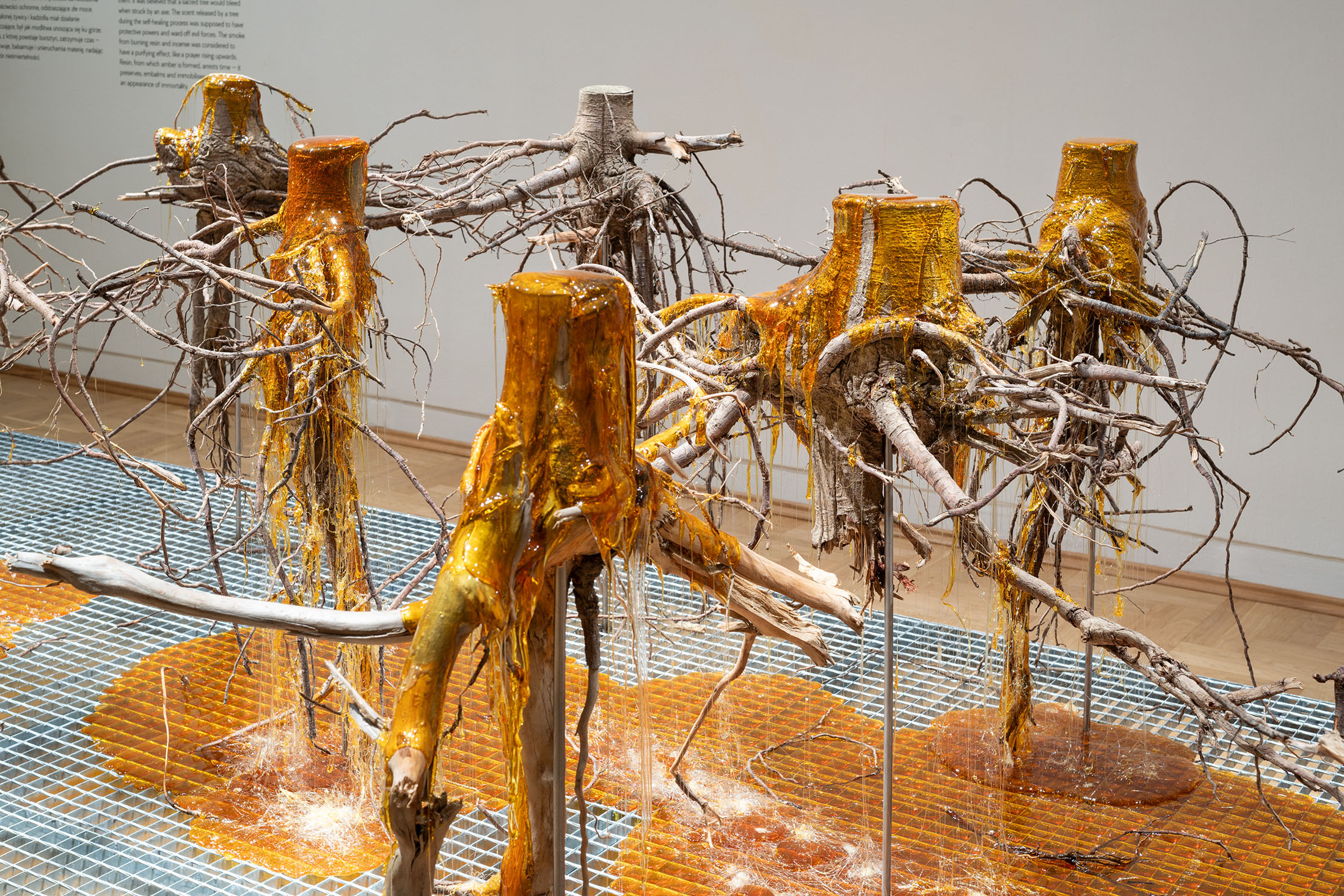
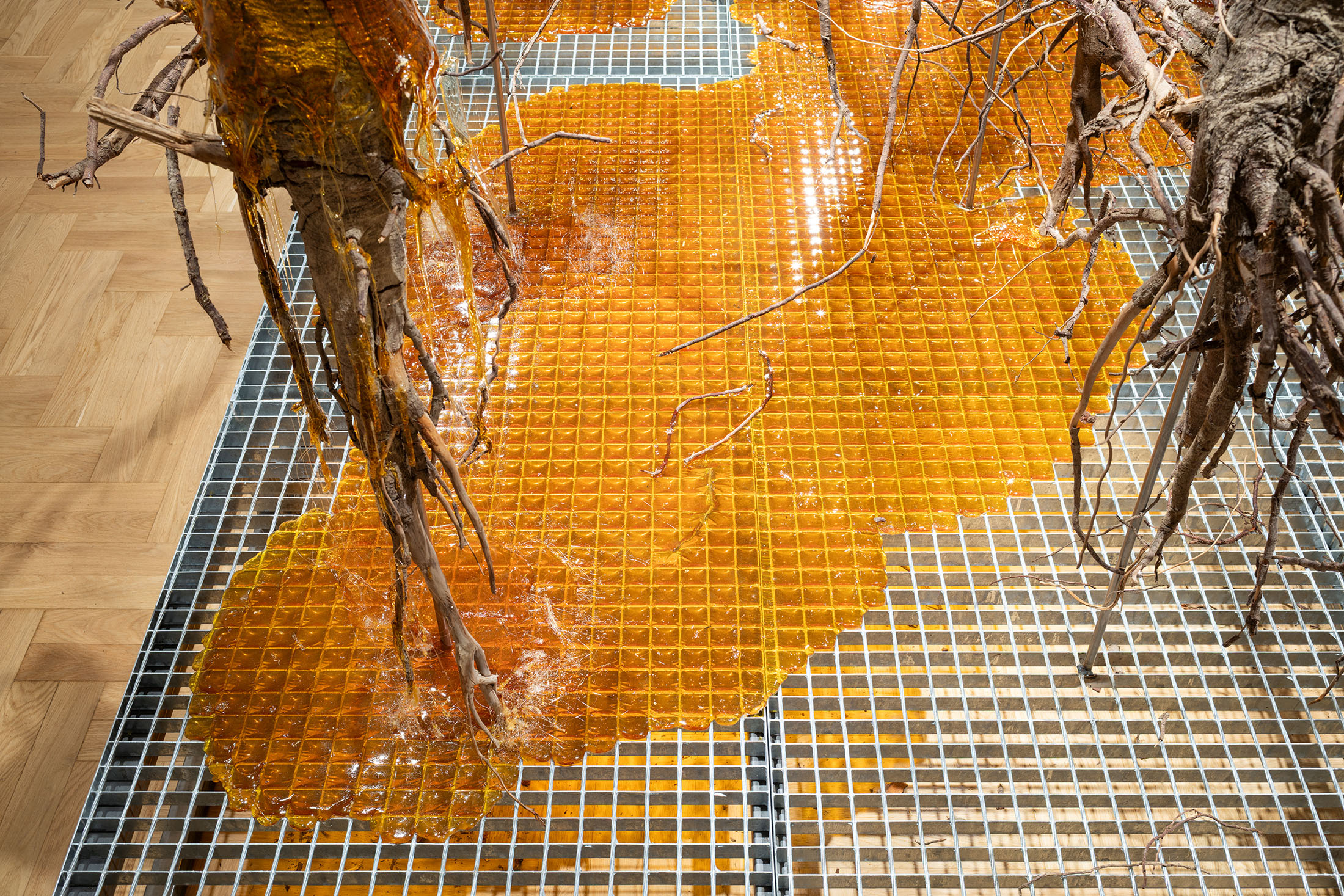
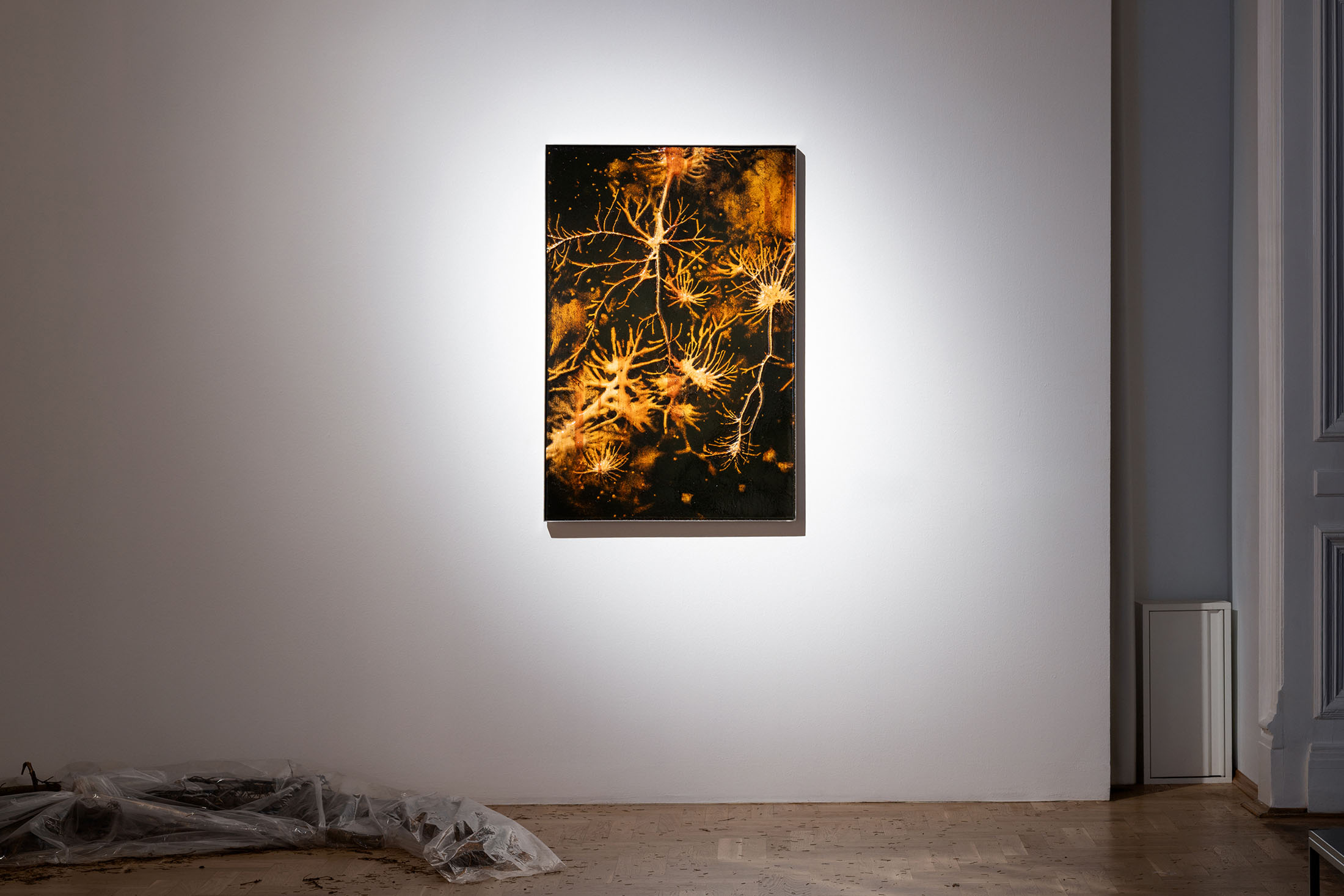
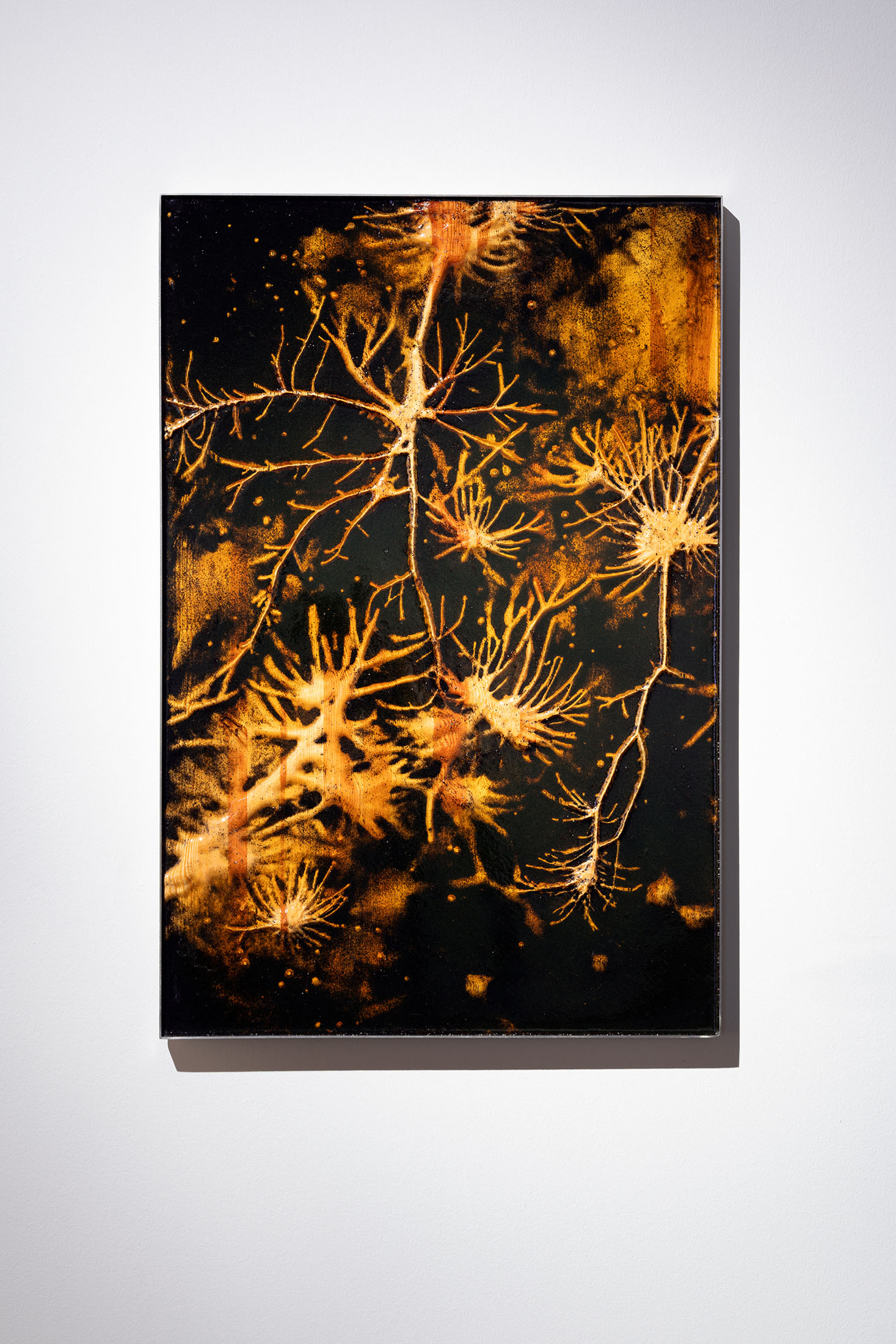
*Żywica [ʐɨˈvit͡sa] is the Slavic word for the resin exuded by coniferous trees—a substance that heals wounds and seals damage. Its name, preserved in Polish (żywica) and Belarusian (жывіца), derives from the Proto-Slavic root živ- (“to live”), which reflects the long-standing association of resin with vitality and regeneration.
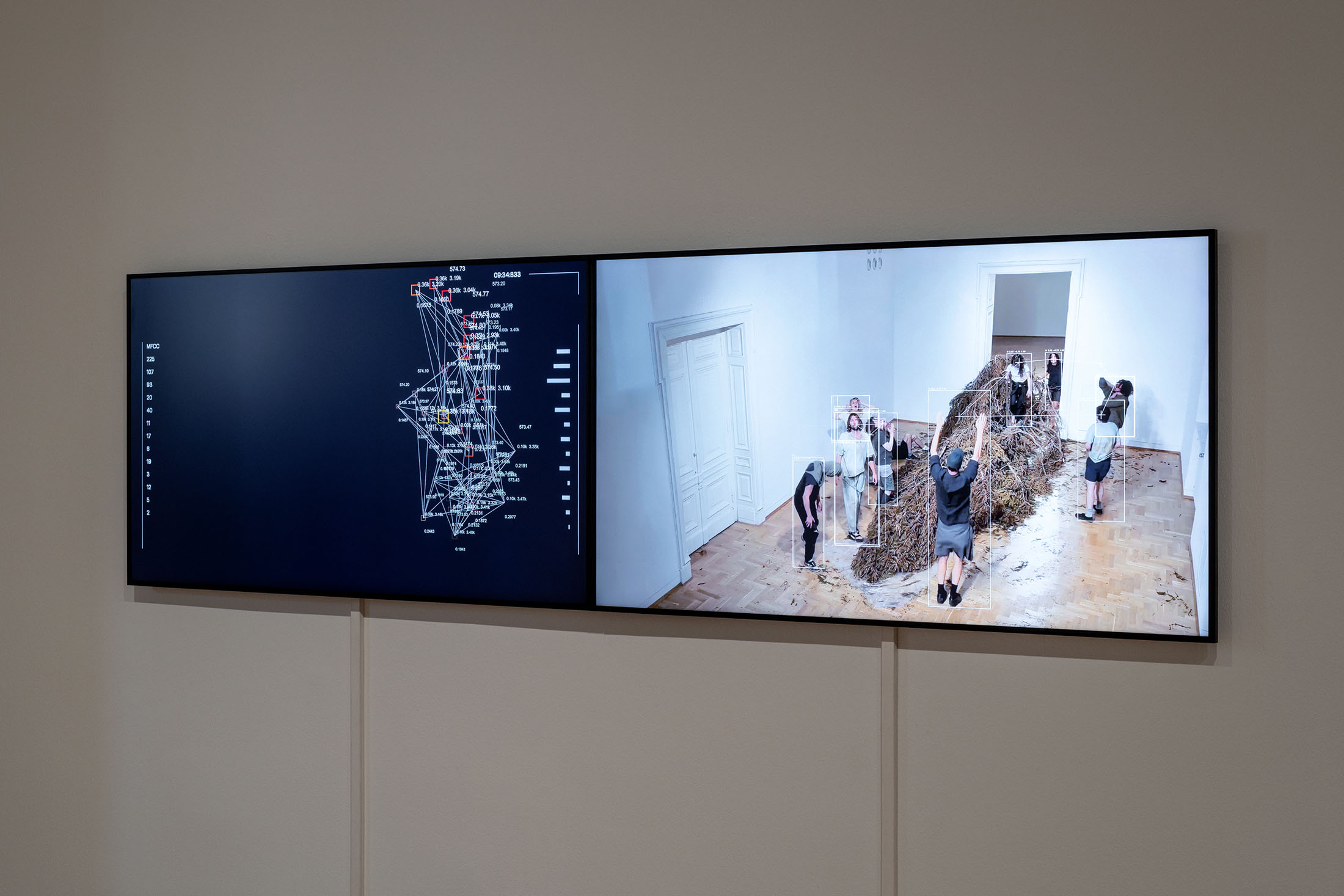
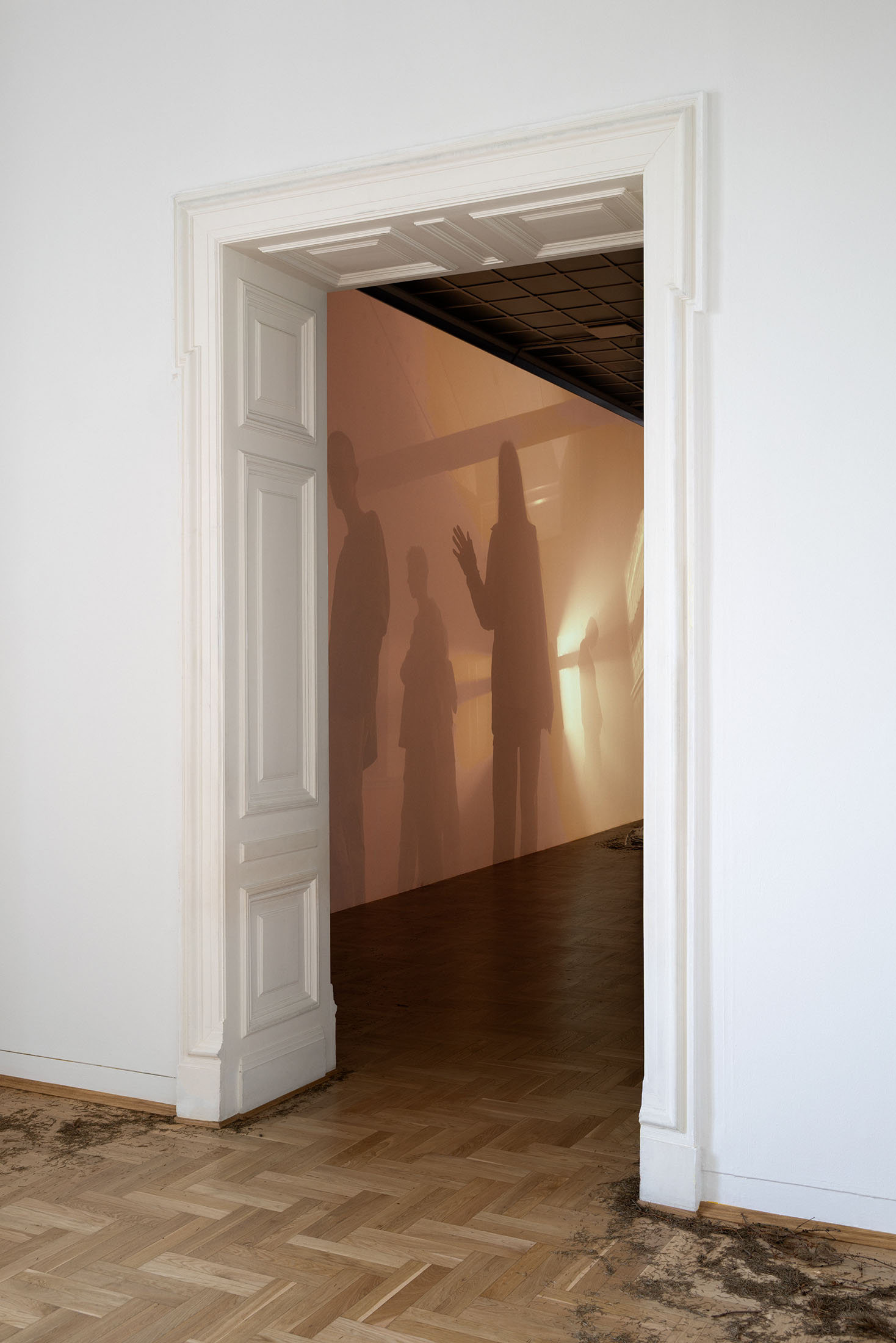
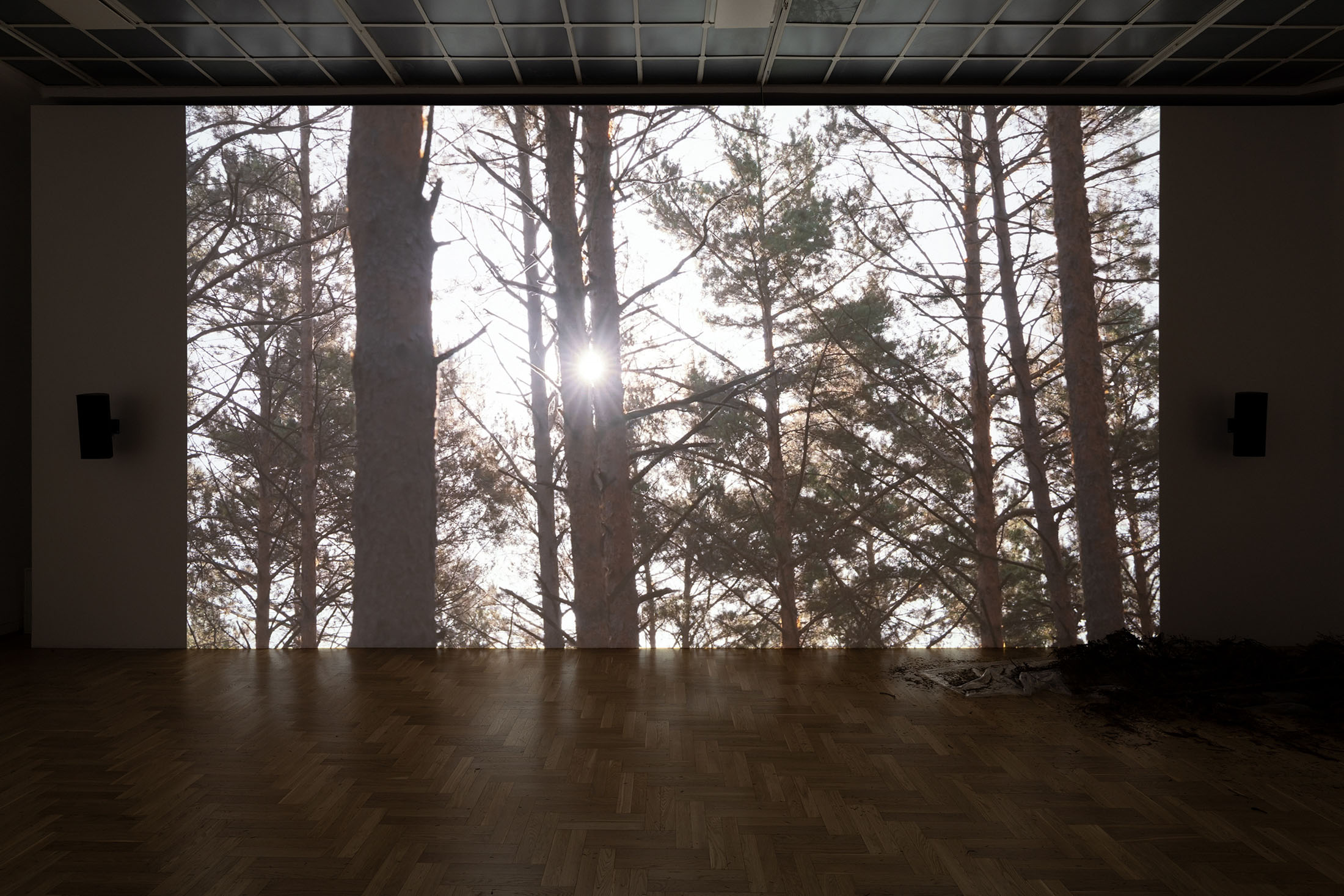
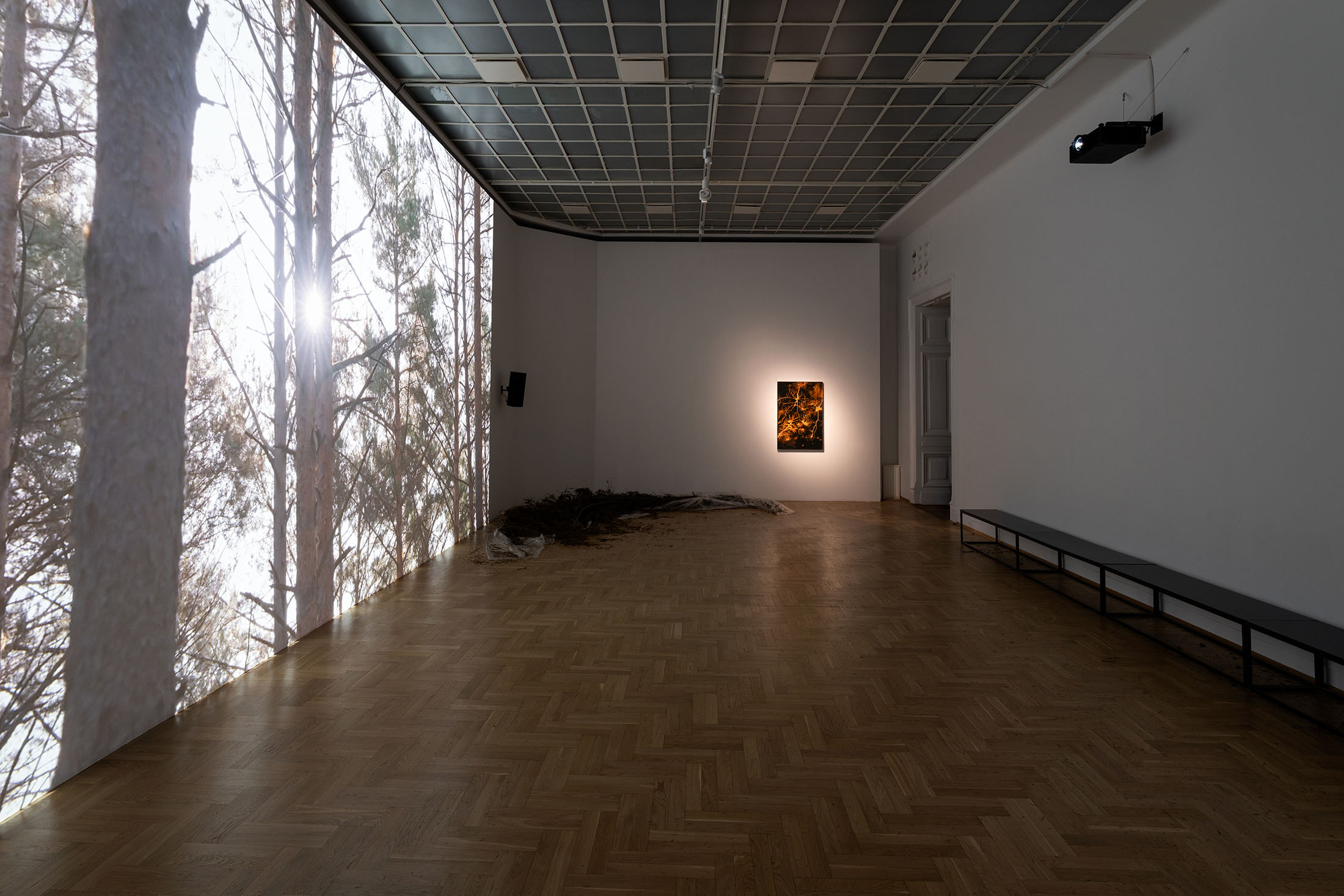
Żywica* Solar Plexus is Jura Shust’s first solo exhibition in Poland.
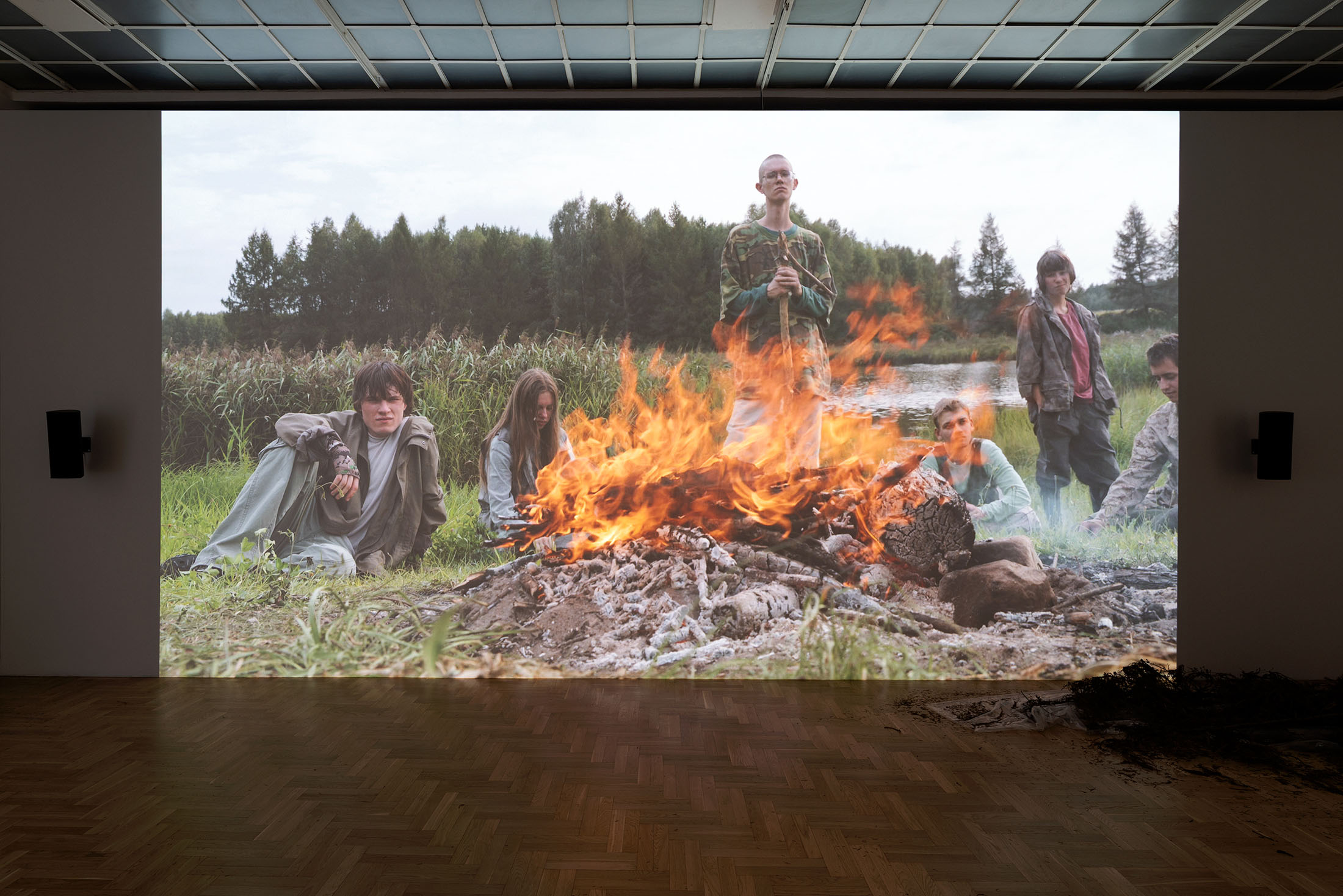
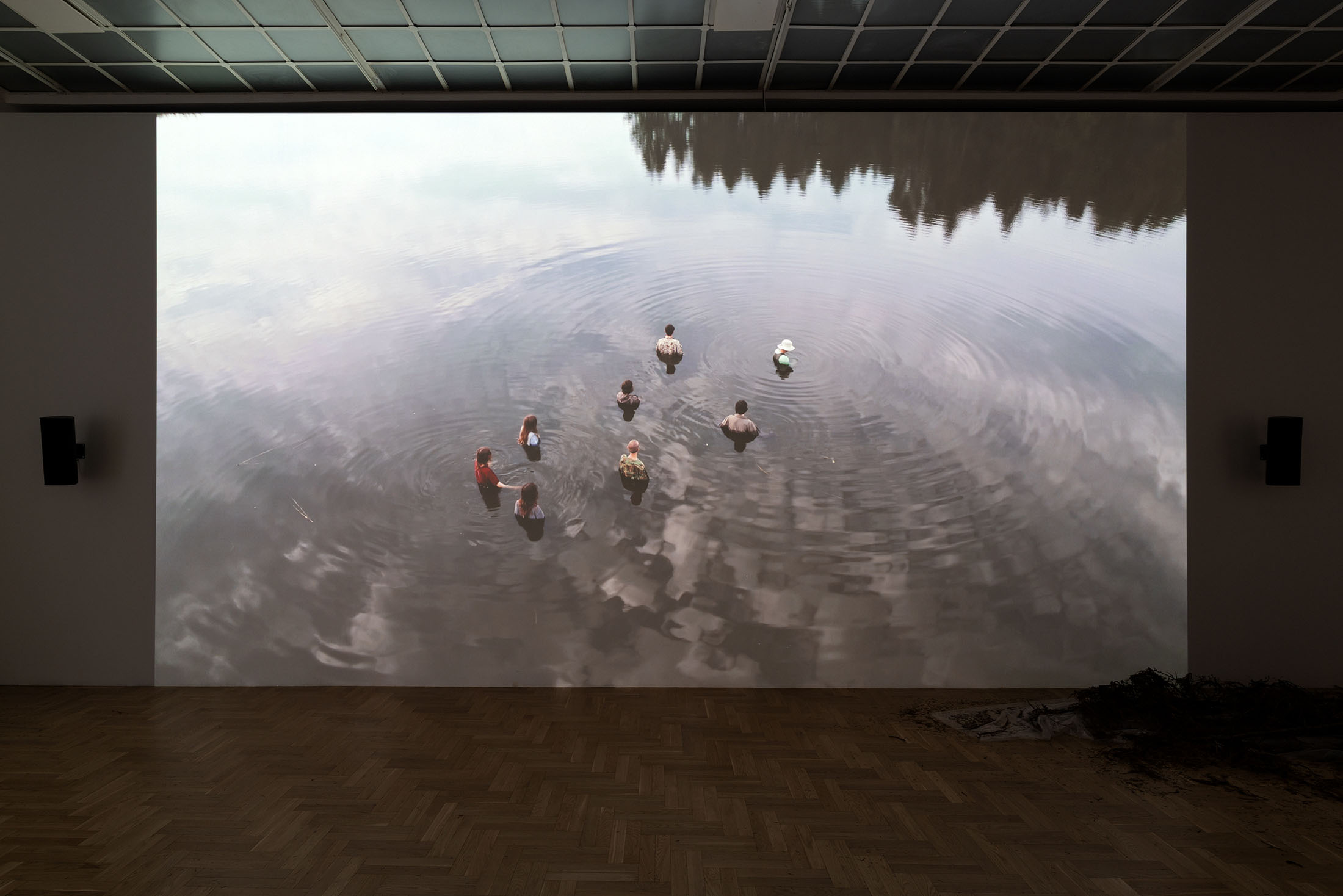
The Belarusian artist, who is based in Berlin, frequently returns to his home region on the Polish-Belarusian-Lithuanian border in his work. This area is home to ancient forms of folk knowledge and contains one of Europe’s most remarkable natural landscapes, including primeval forests, the meandering River Viliya and transitional woodlands bordering the taiga.
Drawing on ethnobotanical research, Shust explores the remnants of animism in Eastern European cultures — ancient beliefs, rituals and practices that describe the relationship between humans and the more-than-human world, as preserved…
Exhibition Space


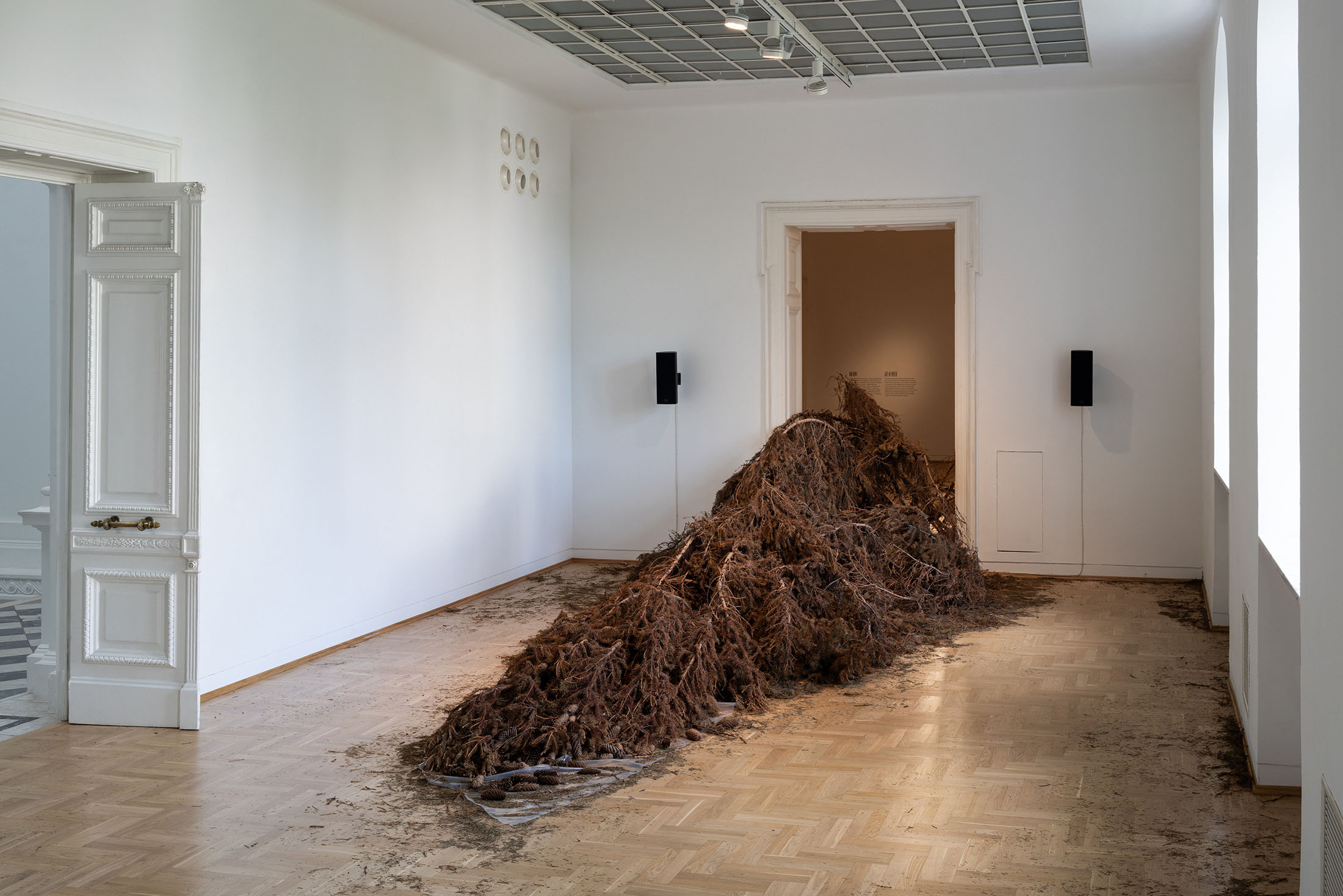
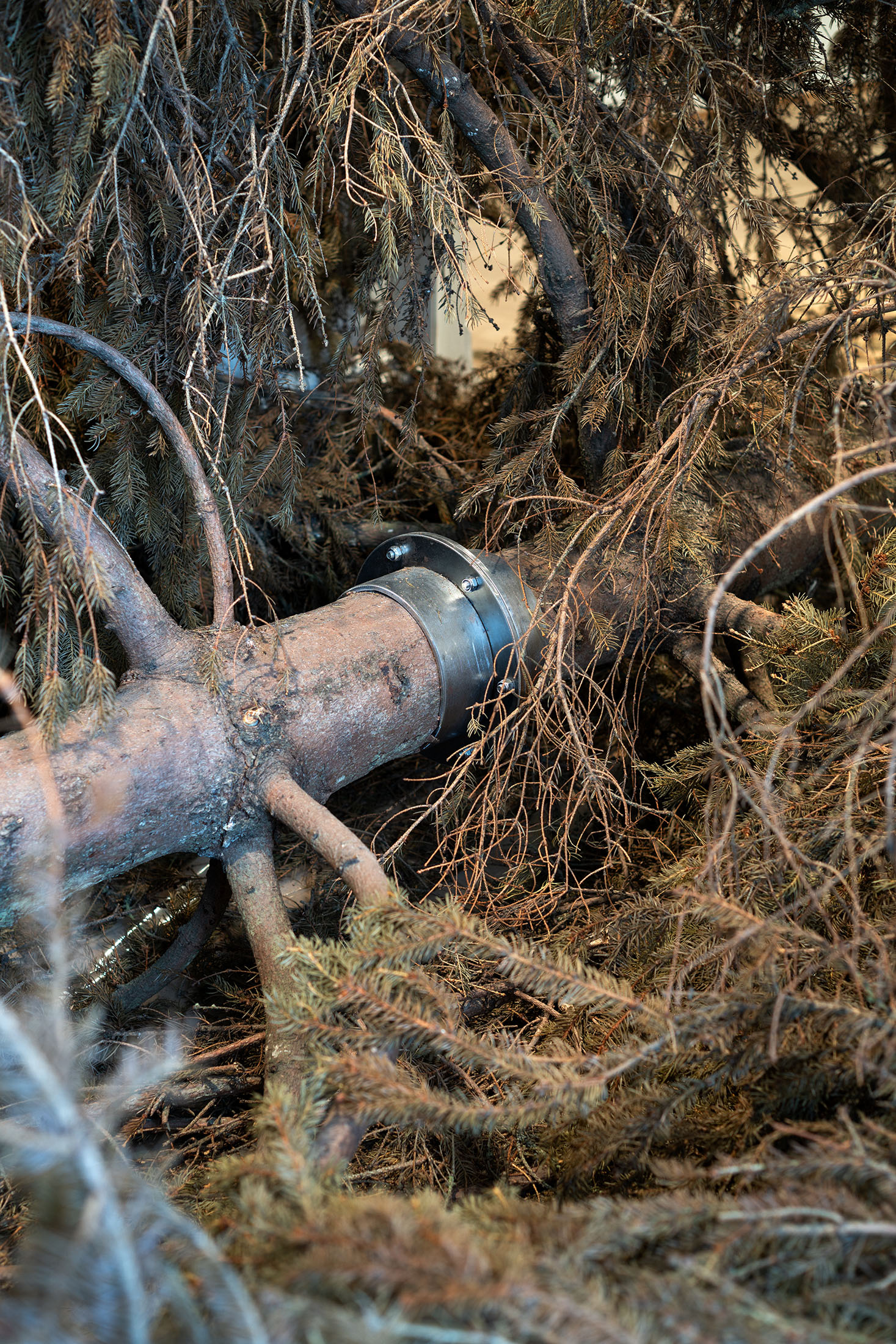
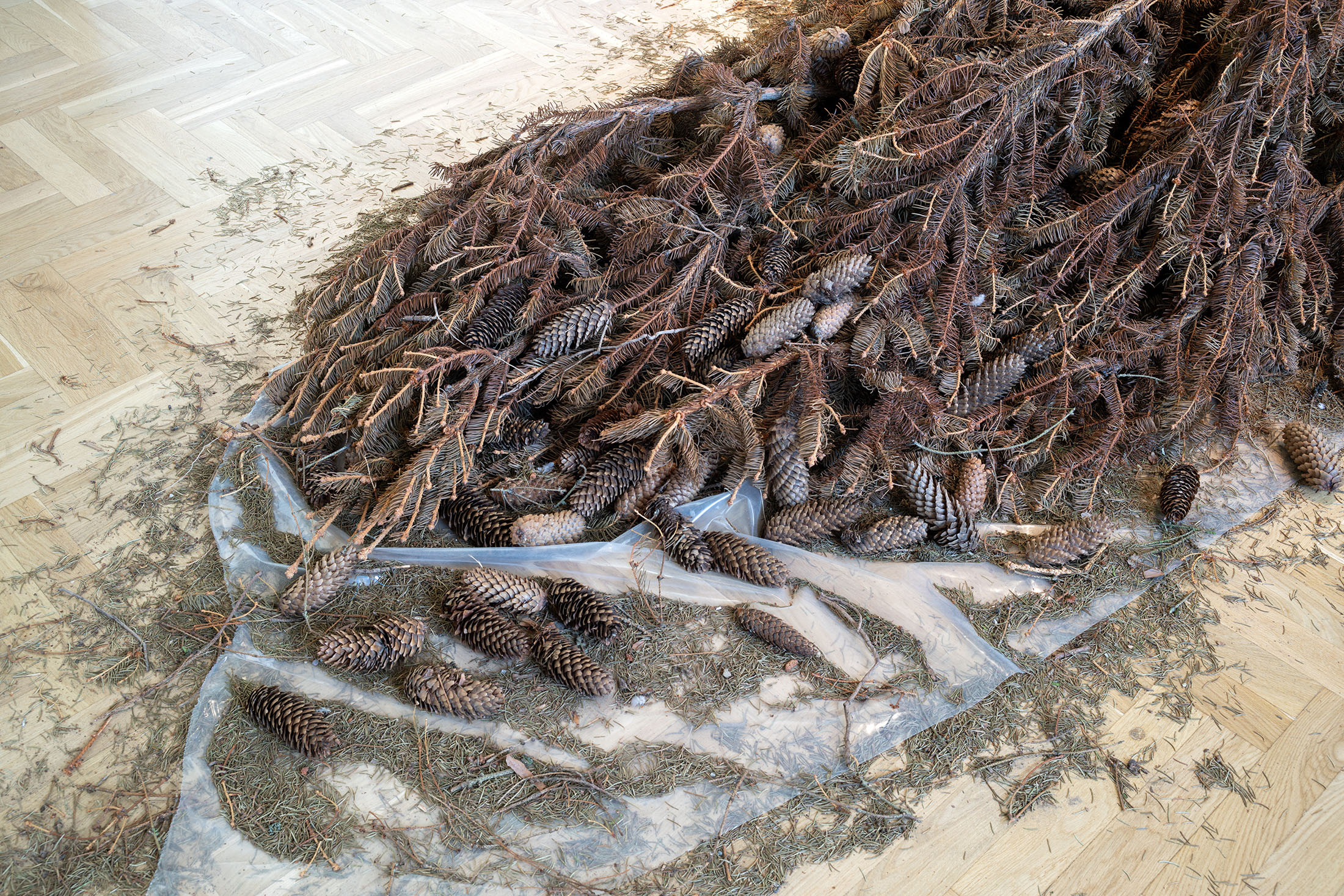
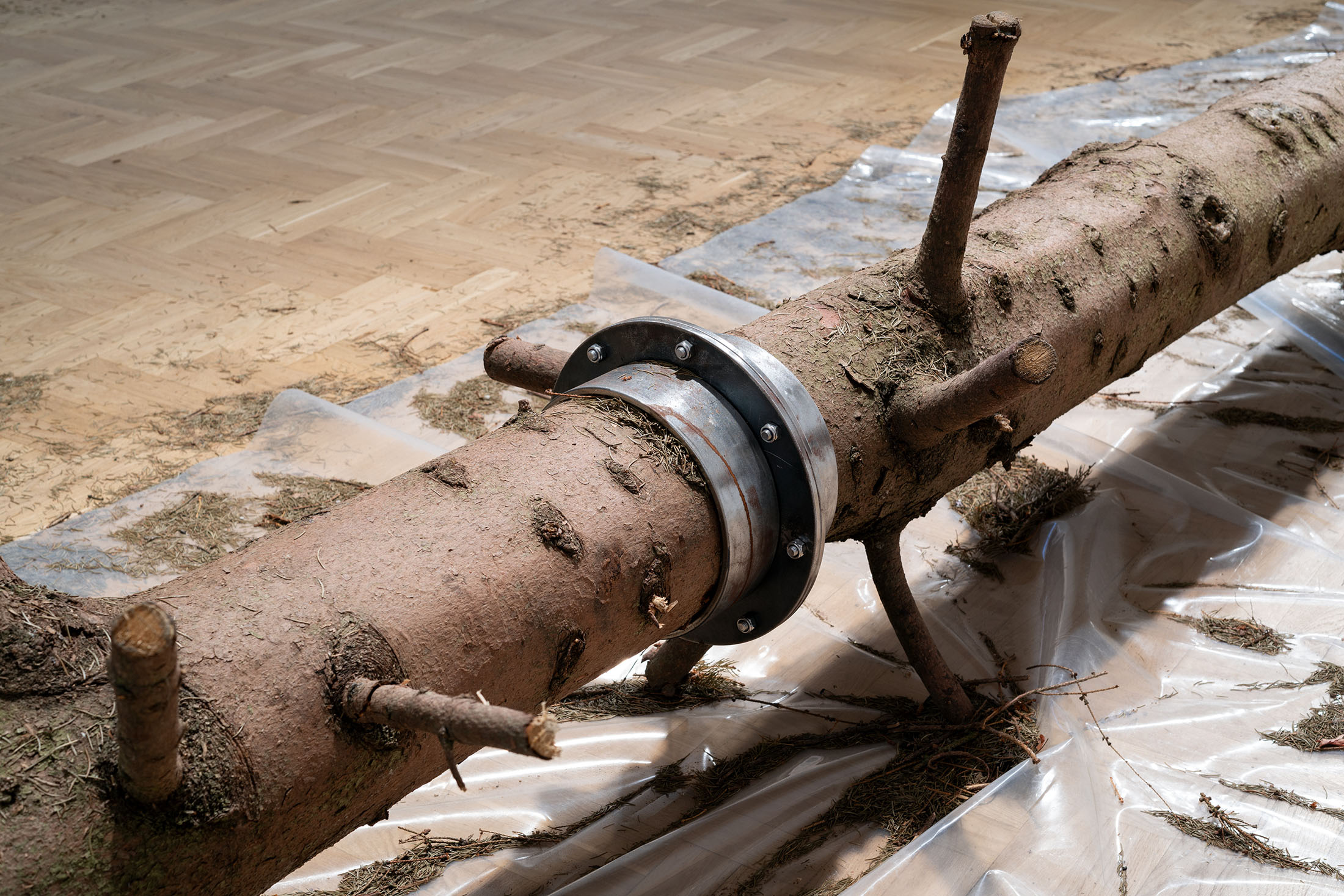
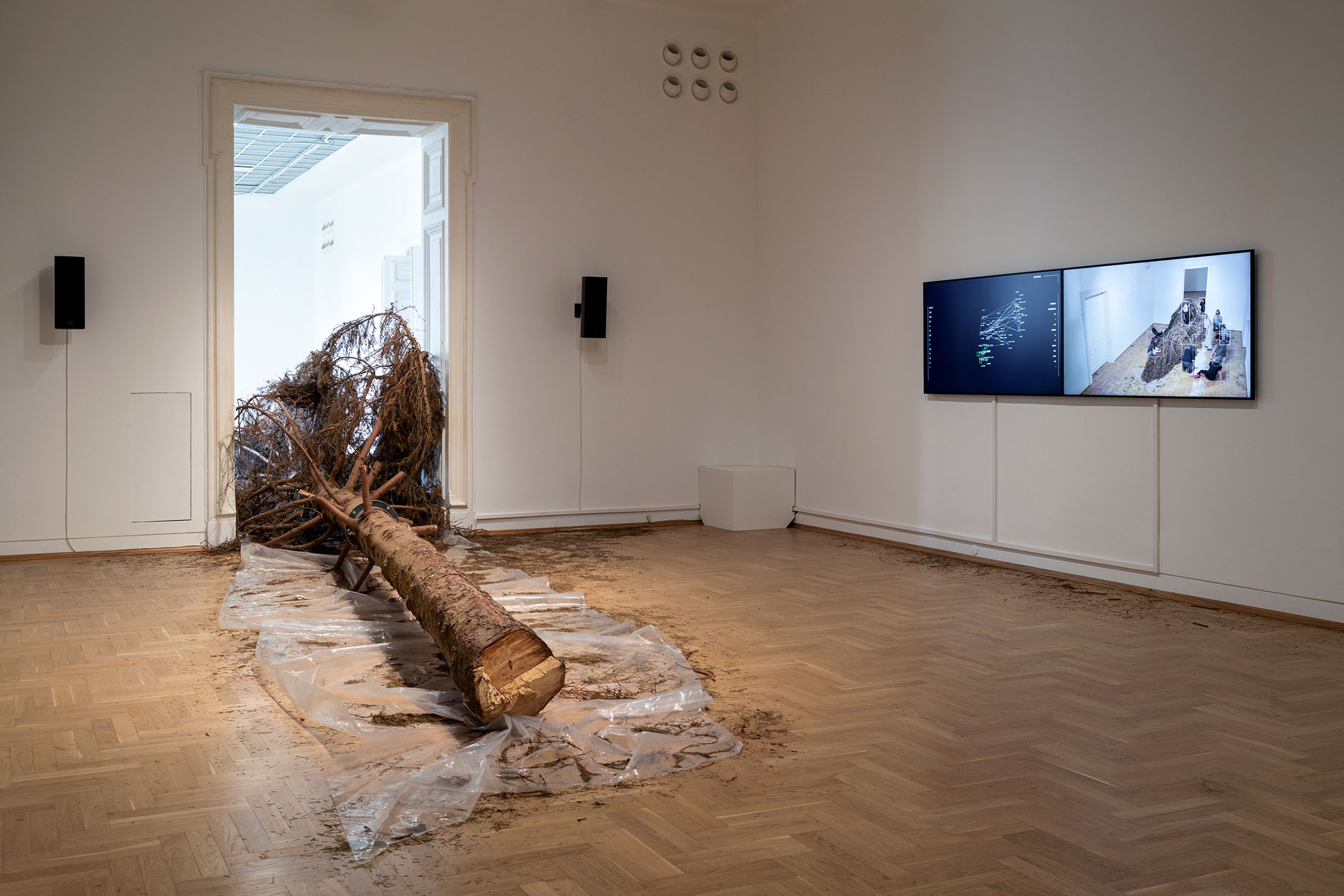
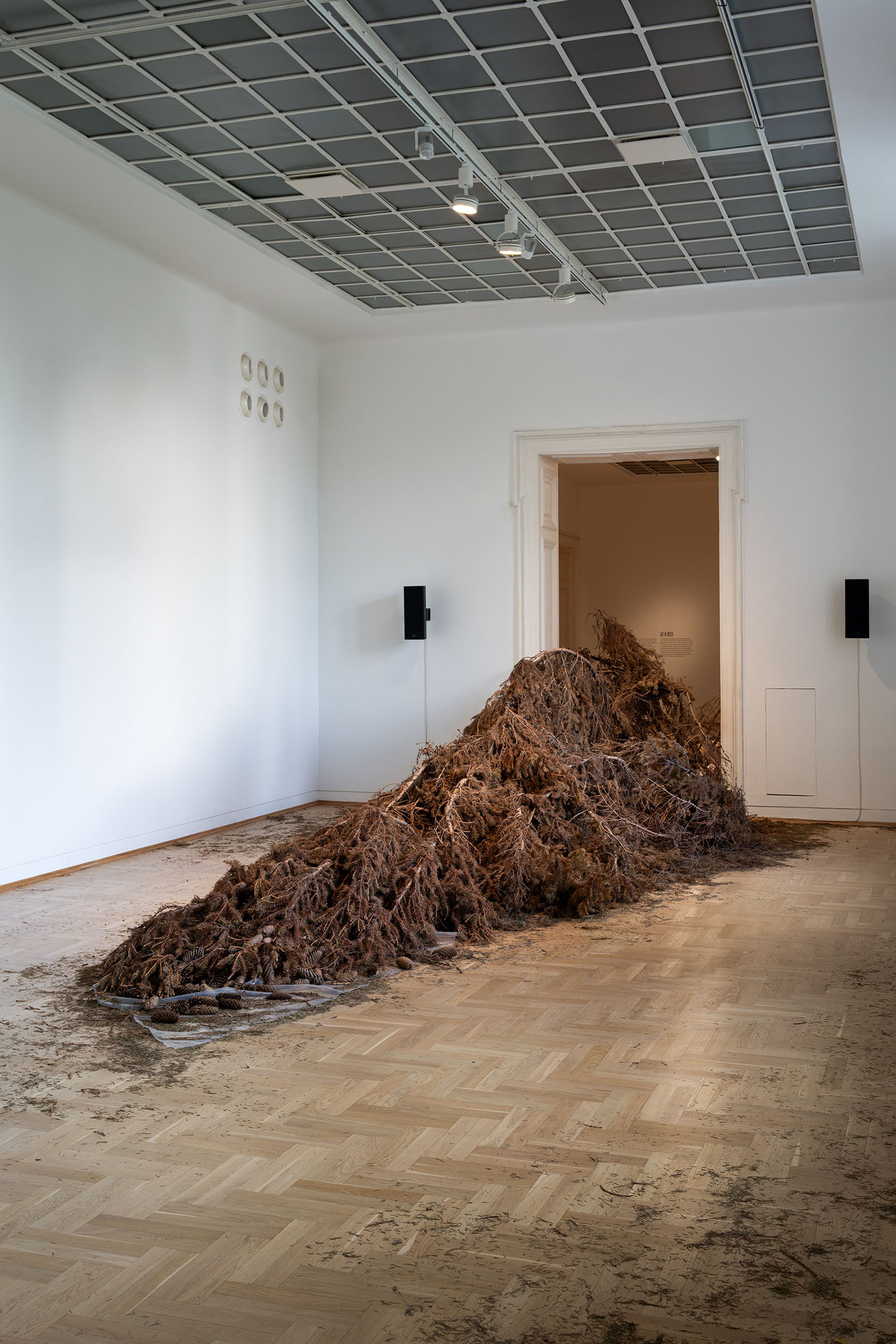
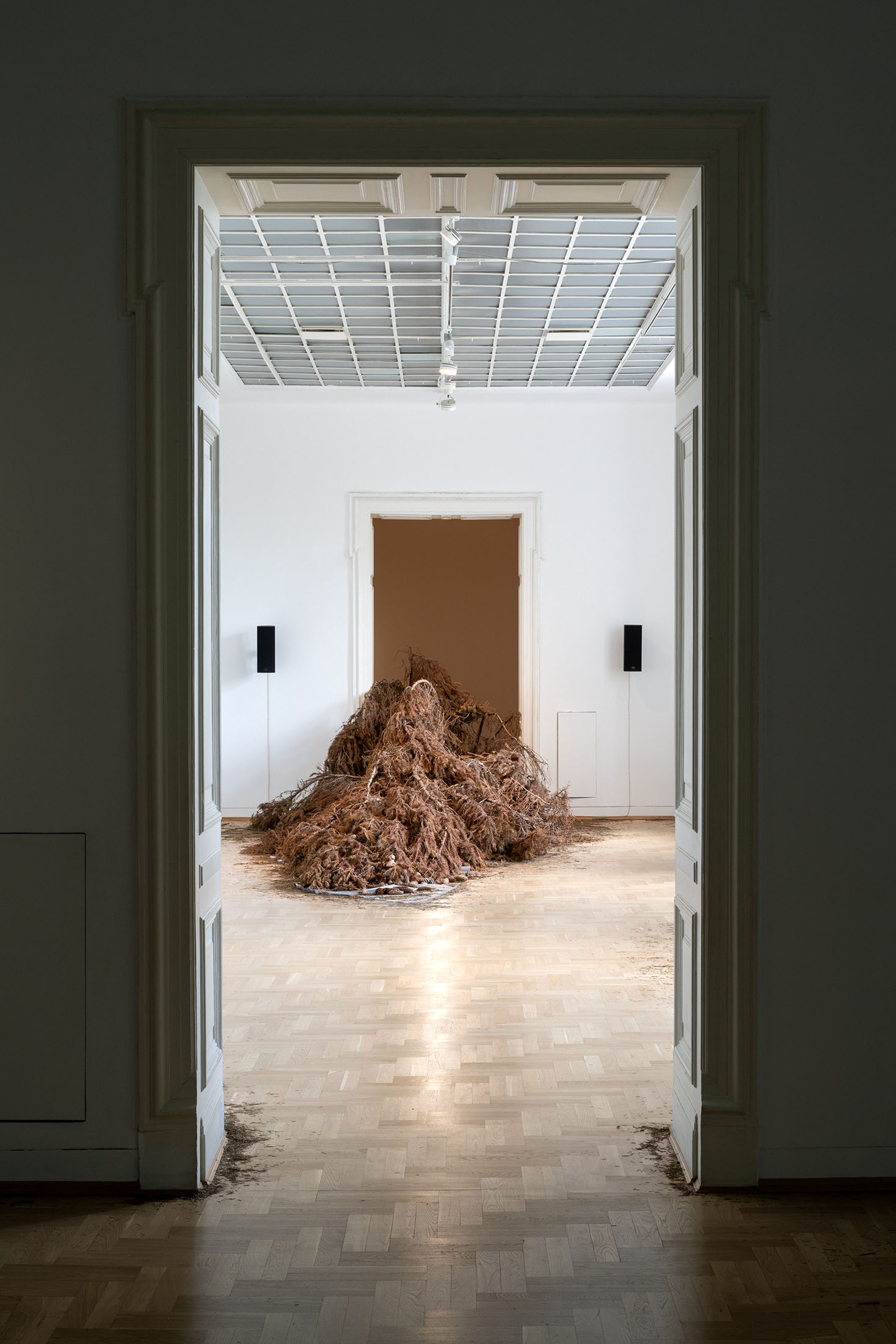
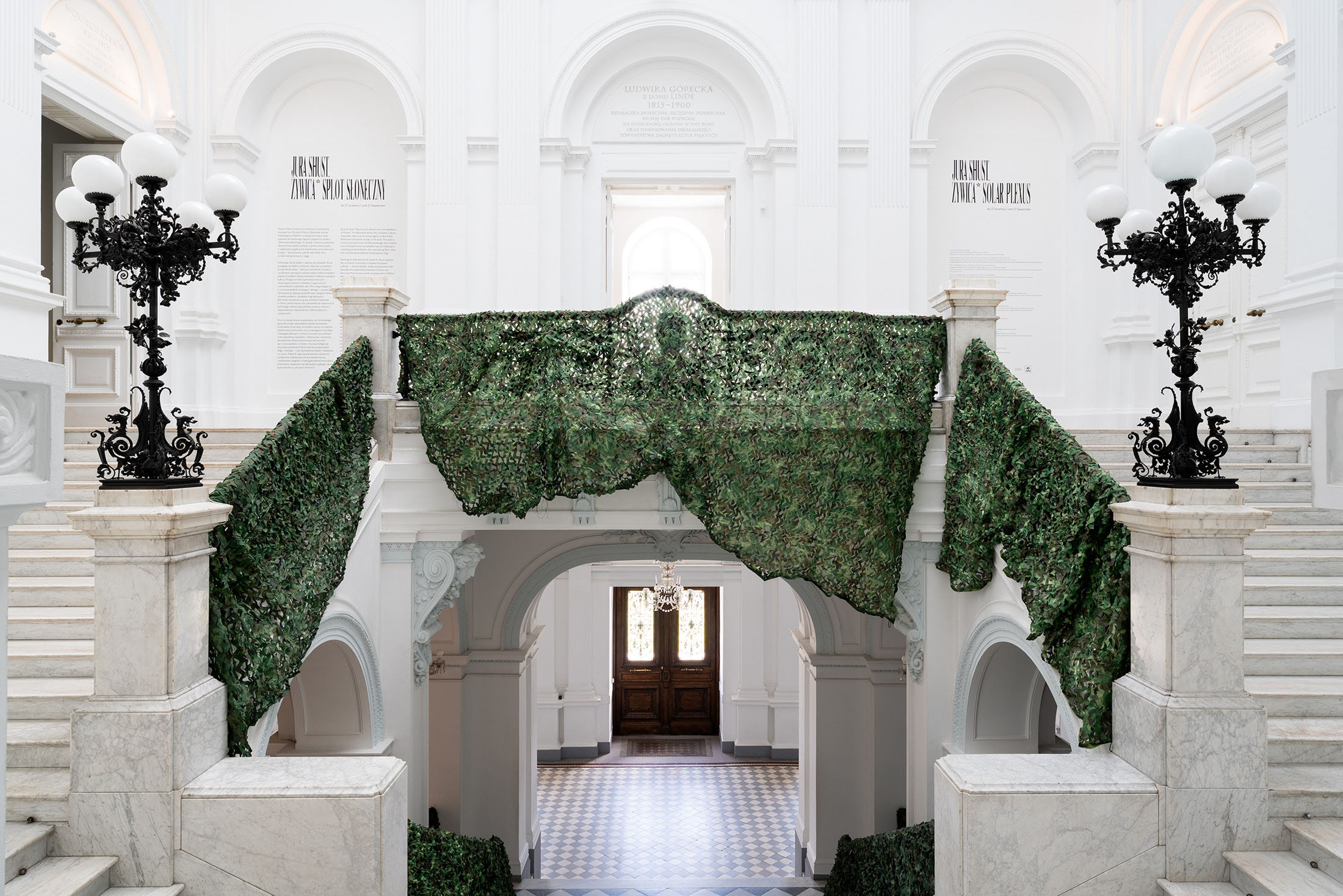
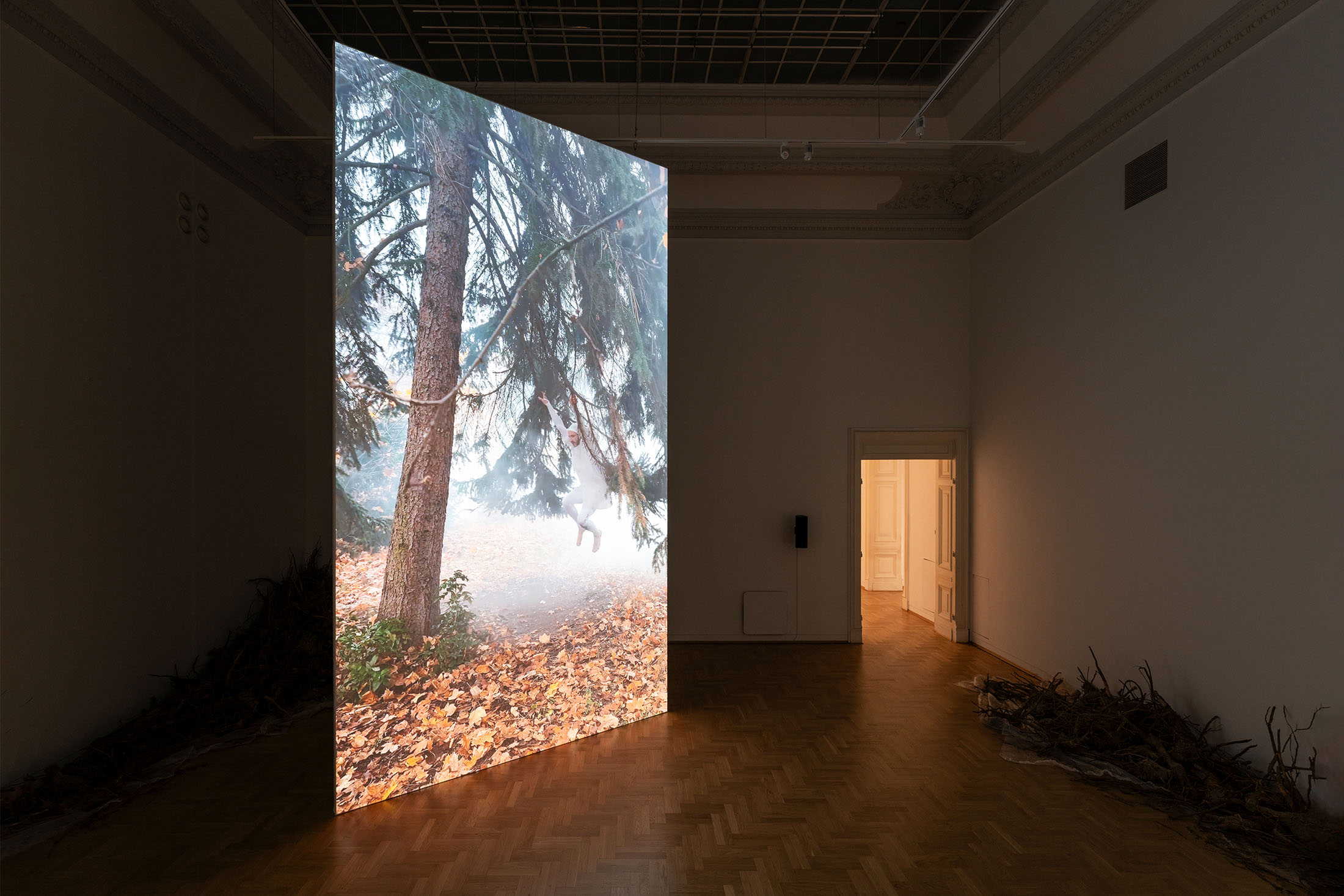
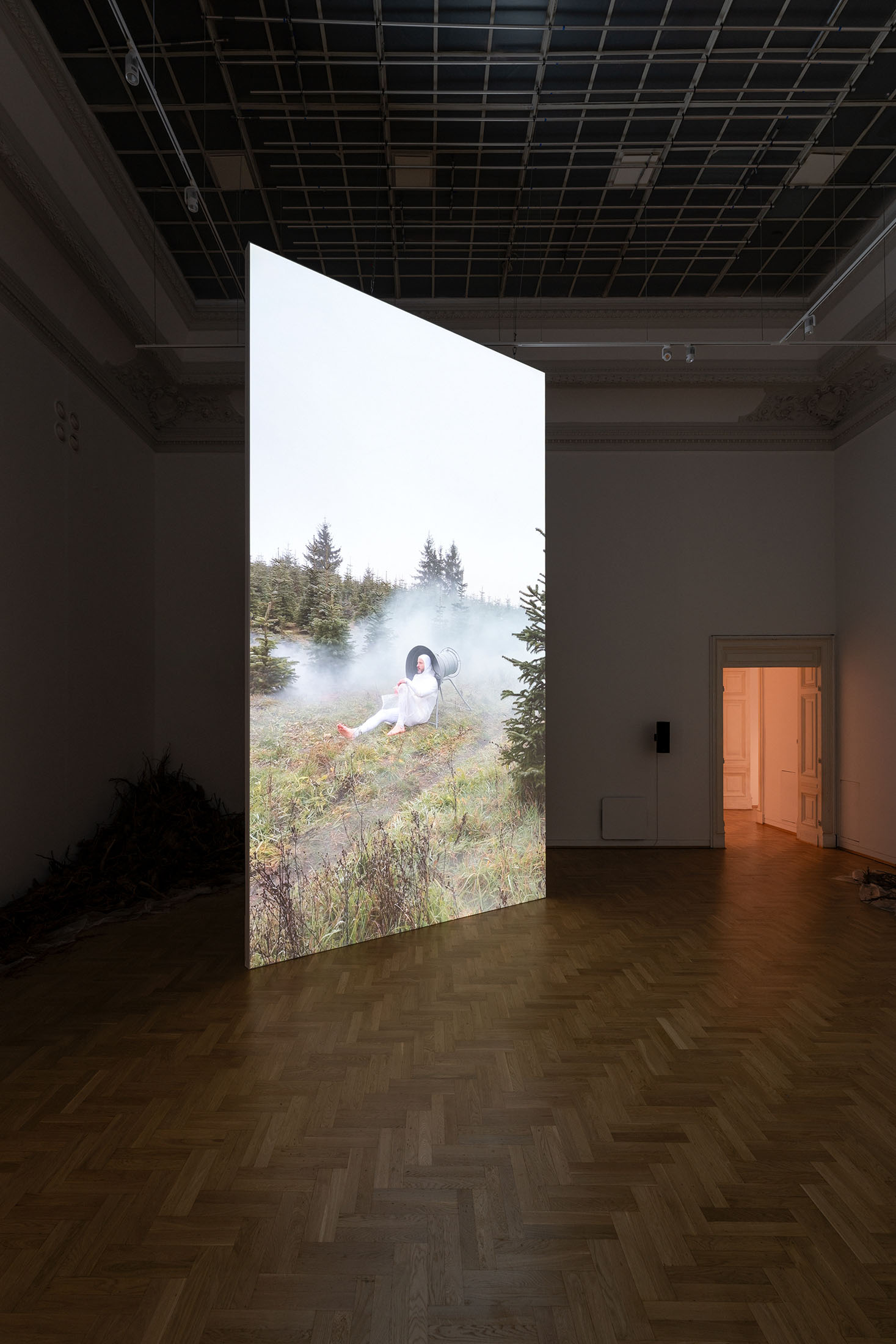
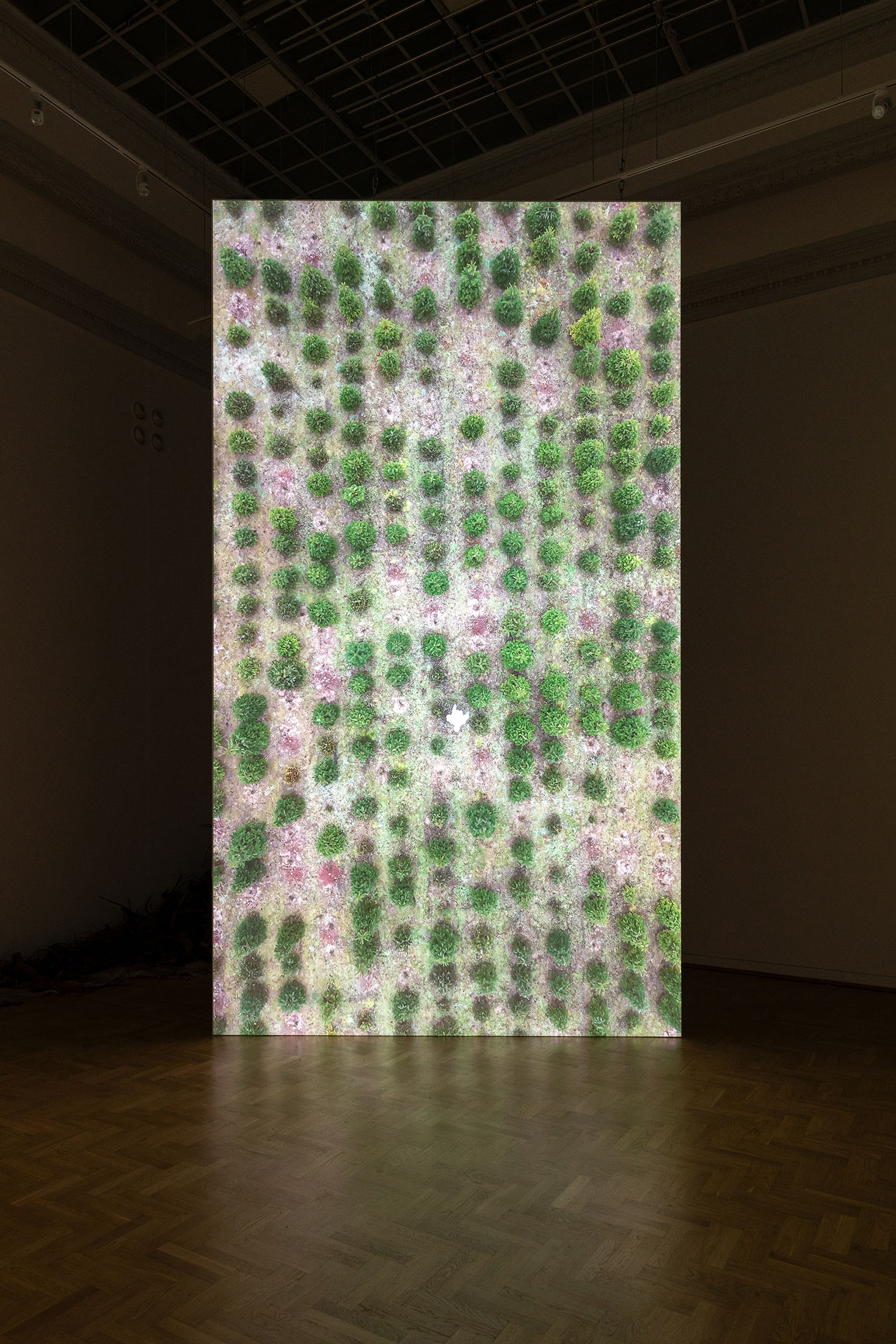
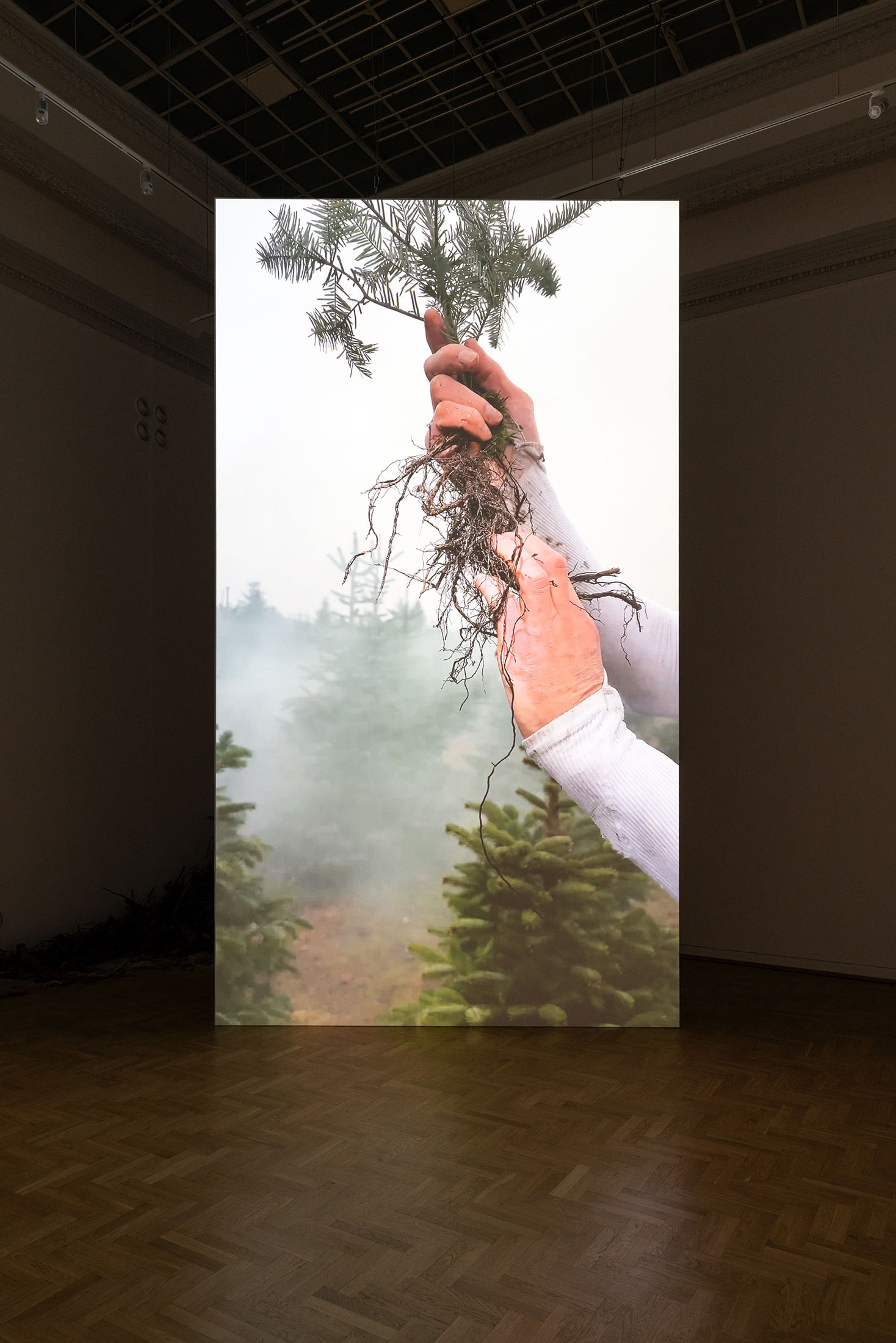
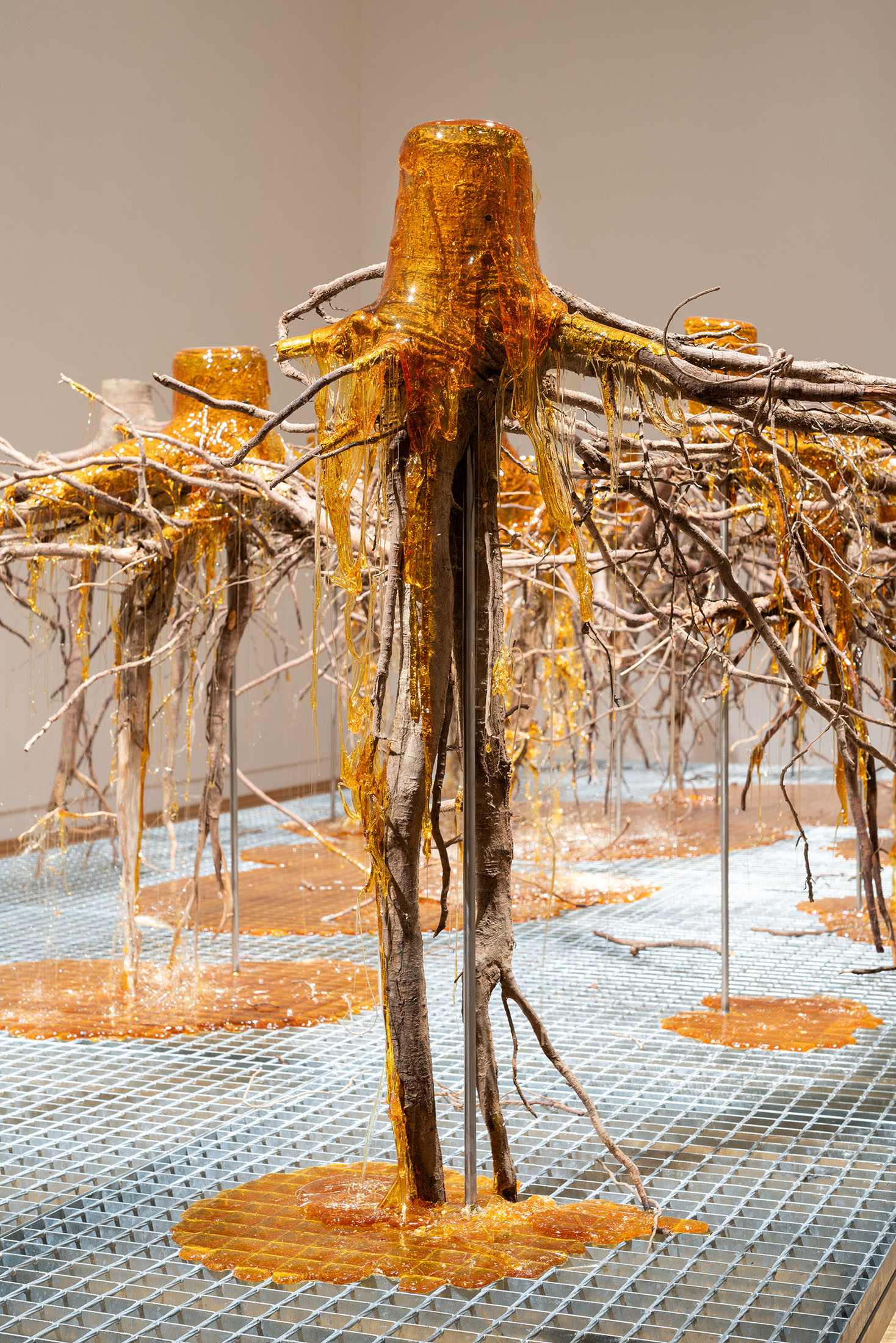
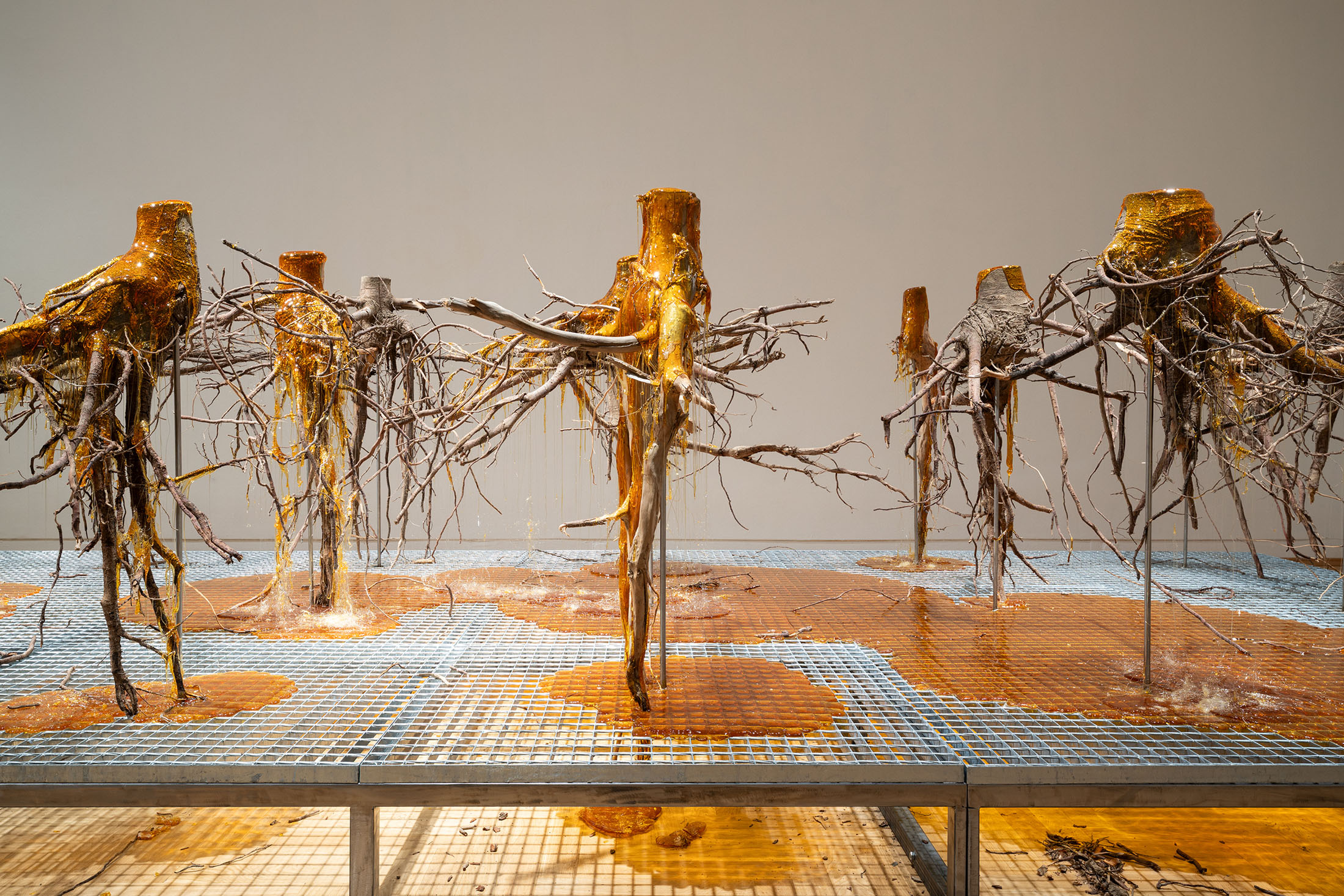
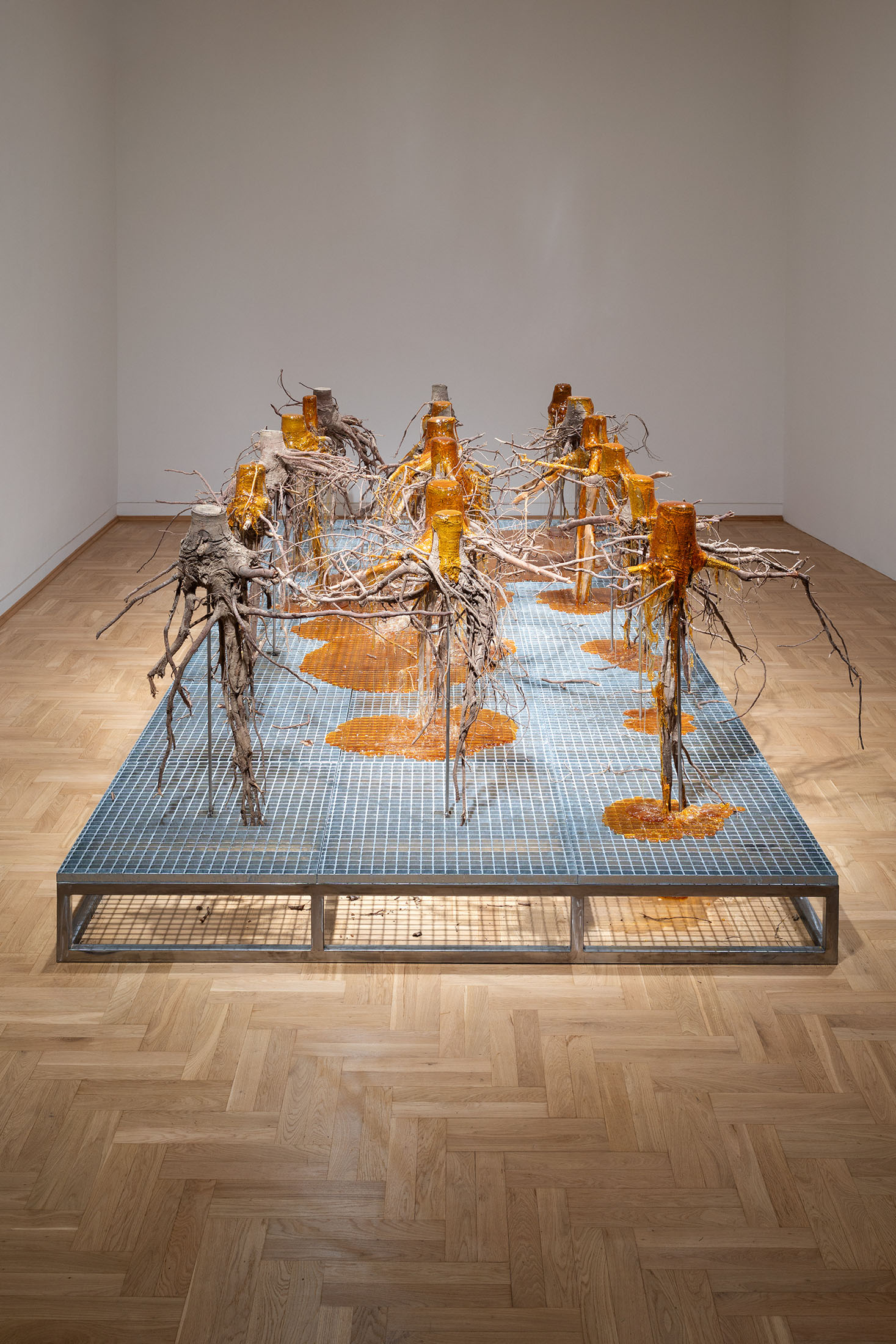
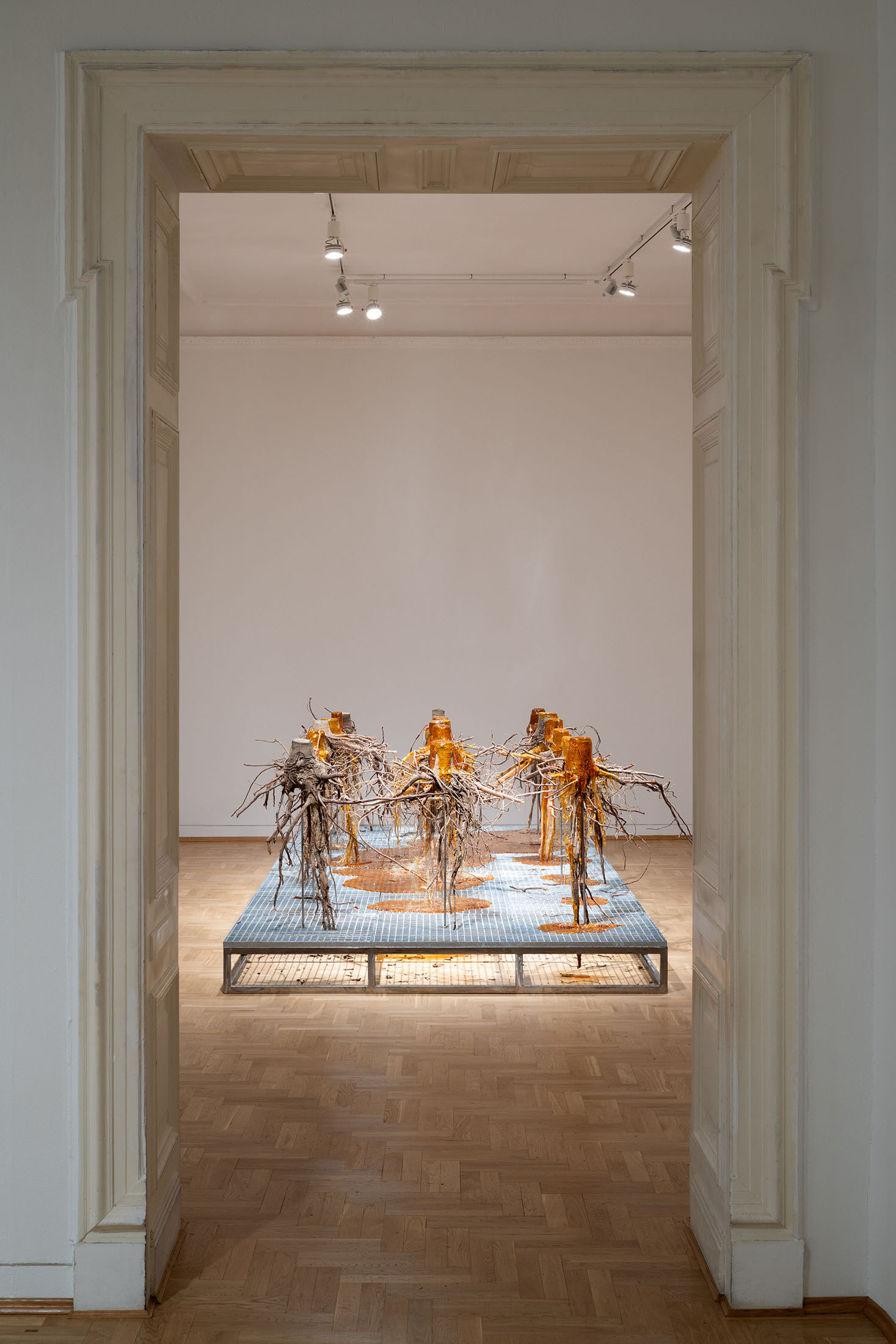
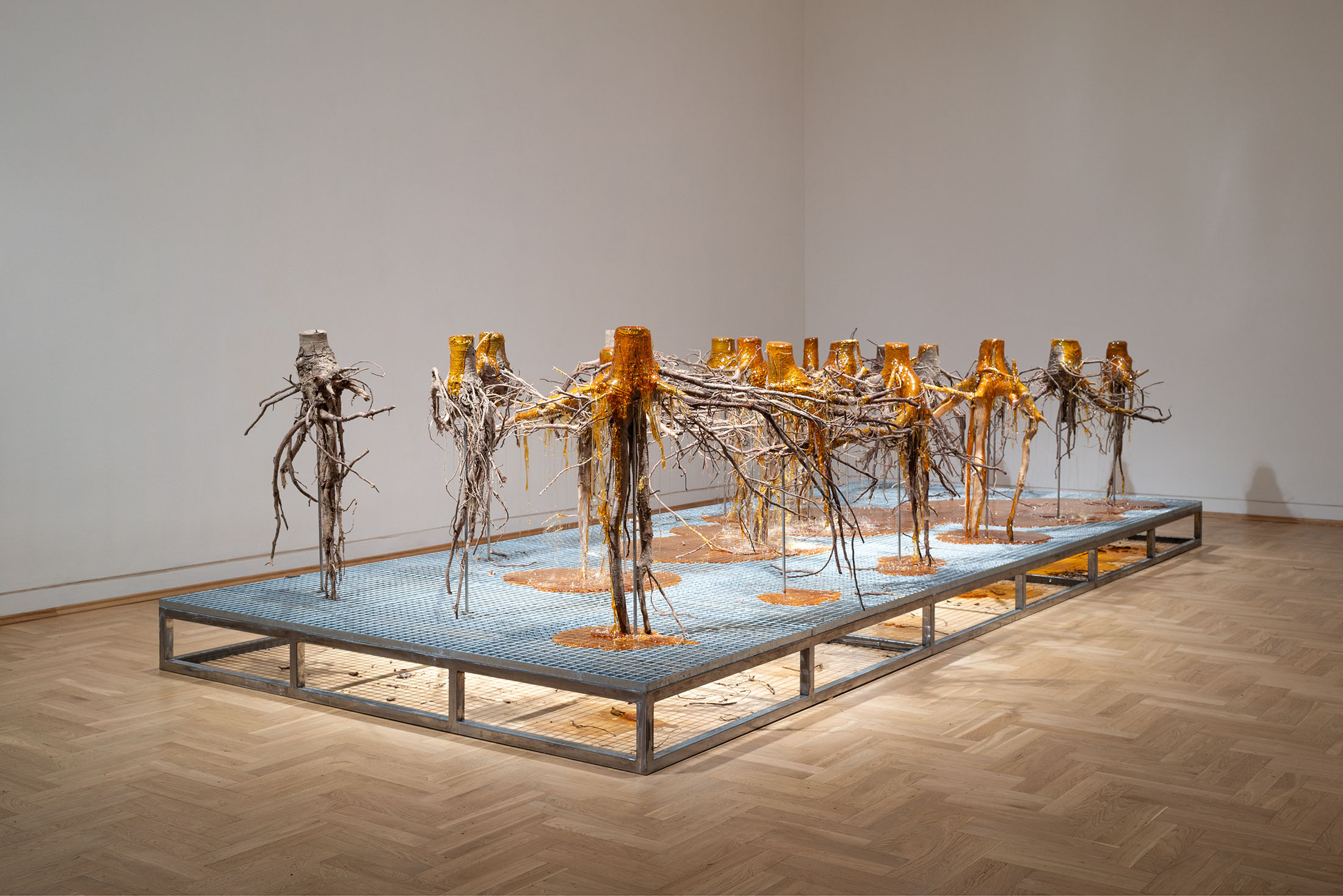
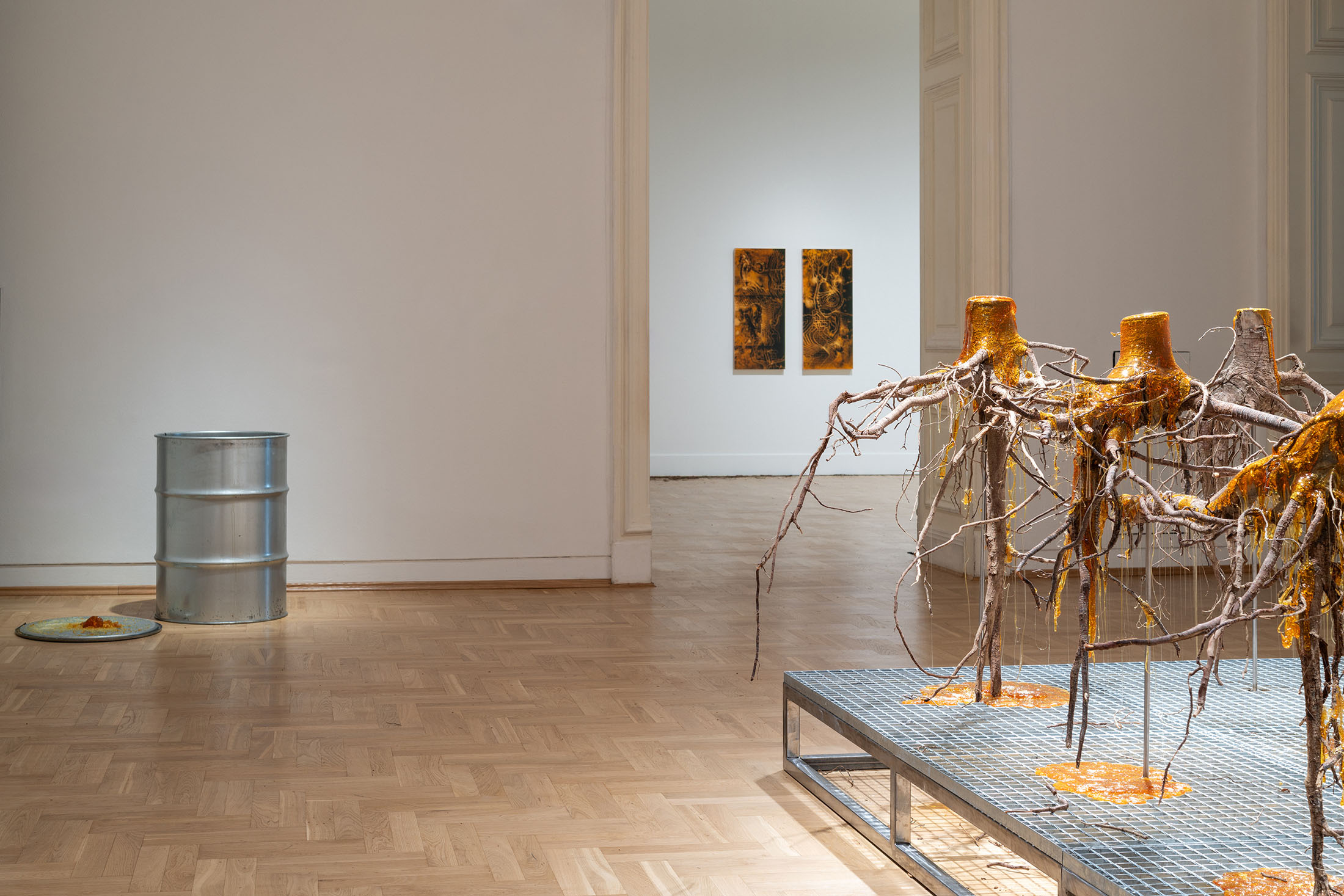
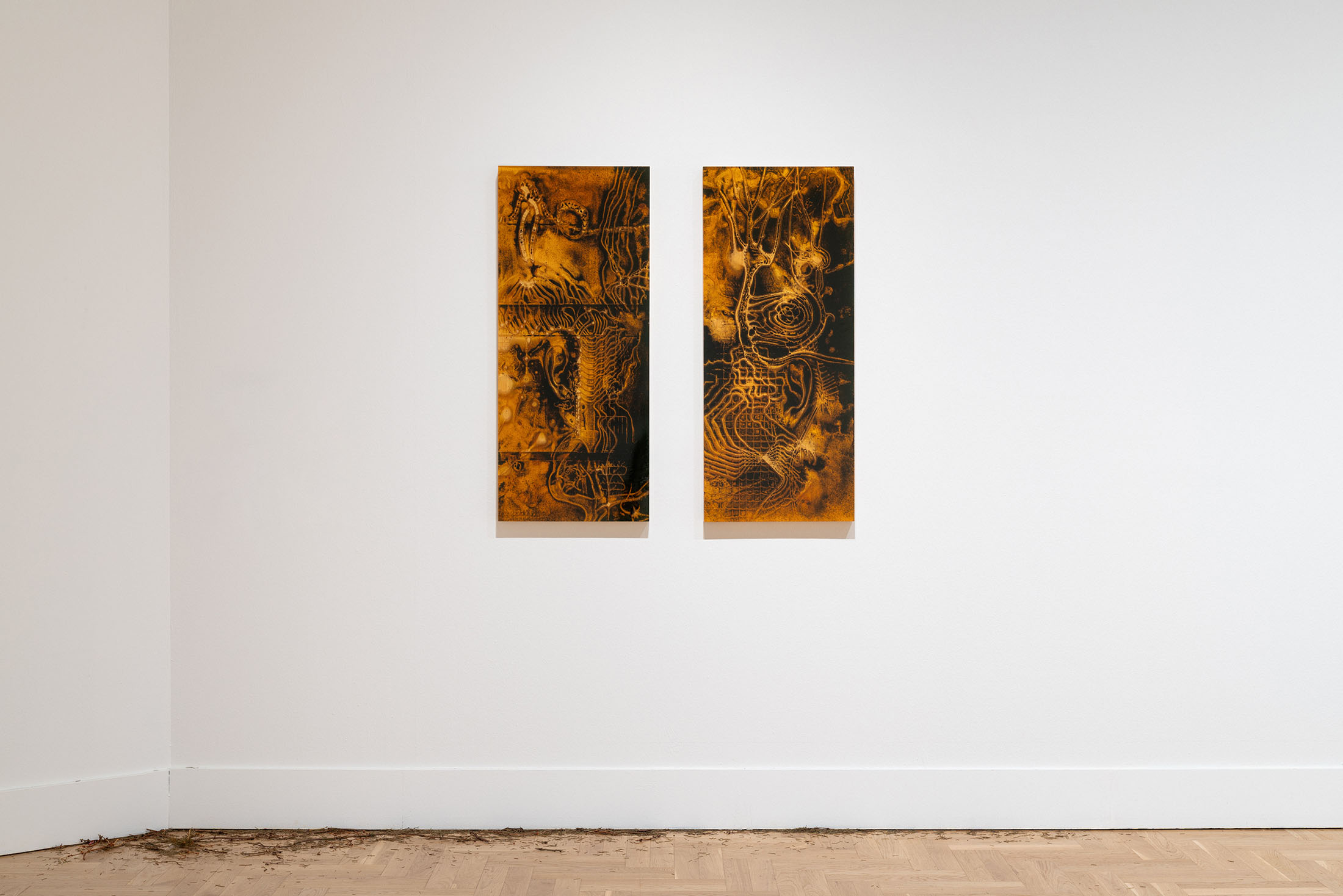
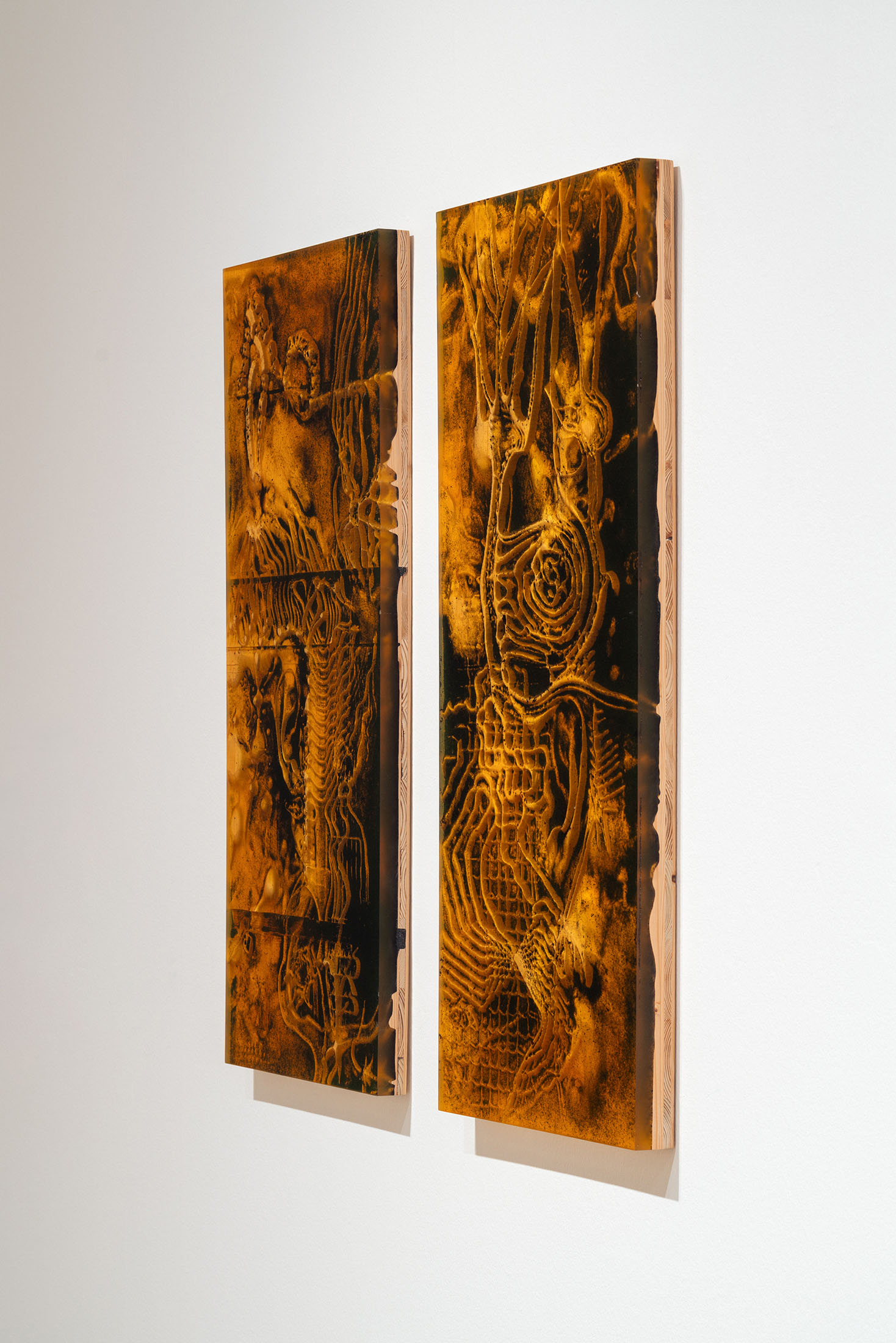


Żywica* Solar Plexus
Zachęta — National Gallery of Art•Jul 17, 2026 — Sep 27, 2026
Press Release
*Żywica [ʐɨˈvit͡sa] is the Slavic word for the resin exuded by coniferous trees—a substance that heals wounds and seals damage. Its name, preserved in Polish (żywica) and Belarusian (жывіца), derives from the Proto-Slavic root živ- (“to live”), which reflects the long-standing association of resin with vitality and regeneration.
Żywica* Solar Plexus is Jura Shust’s first solo exhibition in Poland.
The Belarusian artist, who is based in Berlin, frequently returns to his home region on the Polish-Belarusian-Lithuanian border in his work. This area is home to ancient forms of folk knowledge and contains one of Europe’s most remarkable natural landscapes, including primeval forests, the meandering River Viliya and transitional woodlands bordering the taiga.
Drawing on ethnobotanical research, Shust explores the remnants of animism in Eastern European cultures — ancient beliefs, rituals and practices that describe the relationship between humans and the more-than-human world, as preserved…
Exhibition Space
Artist
Artwork Checklist
Curator
More Exhibitions at Zachęta — National Gallery of Art
Guestbook

Editing is restricted
You cannot submit an edit because the institution hosting this exhibition has been claimed by .
Editing this section requires claiming the profile of the institution hosting this exhibition.
Claims are one of the many safeguards in place on UntitledDb that preserve the integrity of the information on our platform.
Editing is restricted
Editing this section requires claiming the profile of the institution hosting this exhibition.
Claims are one of the many safeguards in place on UntitledDb that preserve the integrity of the information on our platform.
Editing is restricted
A reputation of 20,000 or higher is needed to edit posts created by other users.
Familiarize yourself with our platform by creating new posts and watching your favorites. You'll reach a reputation of 20,000 in no time.
This is one of the many safeguards in place on UntitledDb that preserve the integrity of the information on our platform.
Account access options
Log in and connect with the art world
By continuing, you agree to our Terms of Use and Privacy Policy.
or
Account access options
Sign up and connect with the art world
By continuing, you agree to our Terms of Use and Privacy Policy.
or
Account access options
Expand your reach with UntitledDb Pro
By continuing, you agree to our Terms of Use and Privacy Policy.
or
Account access options
Grow your institution's reach and impact with UntitledDb Enterprise
By continuing, you agree to our Terms of Use and Privacy Policy.
or
Sign up for UntitledDb Pro to unlock this feature