Za Pultem (Behind the Counter)
Telegraph Gallery•Nov 20, 2025 — Feb 19, 2026


Curator
More Exhibitions at Telegraph Gallery


Guestbook
Press Release
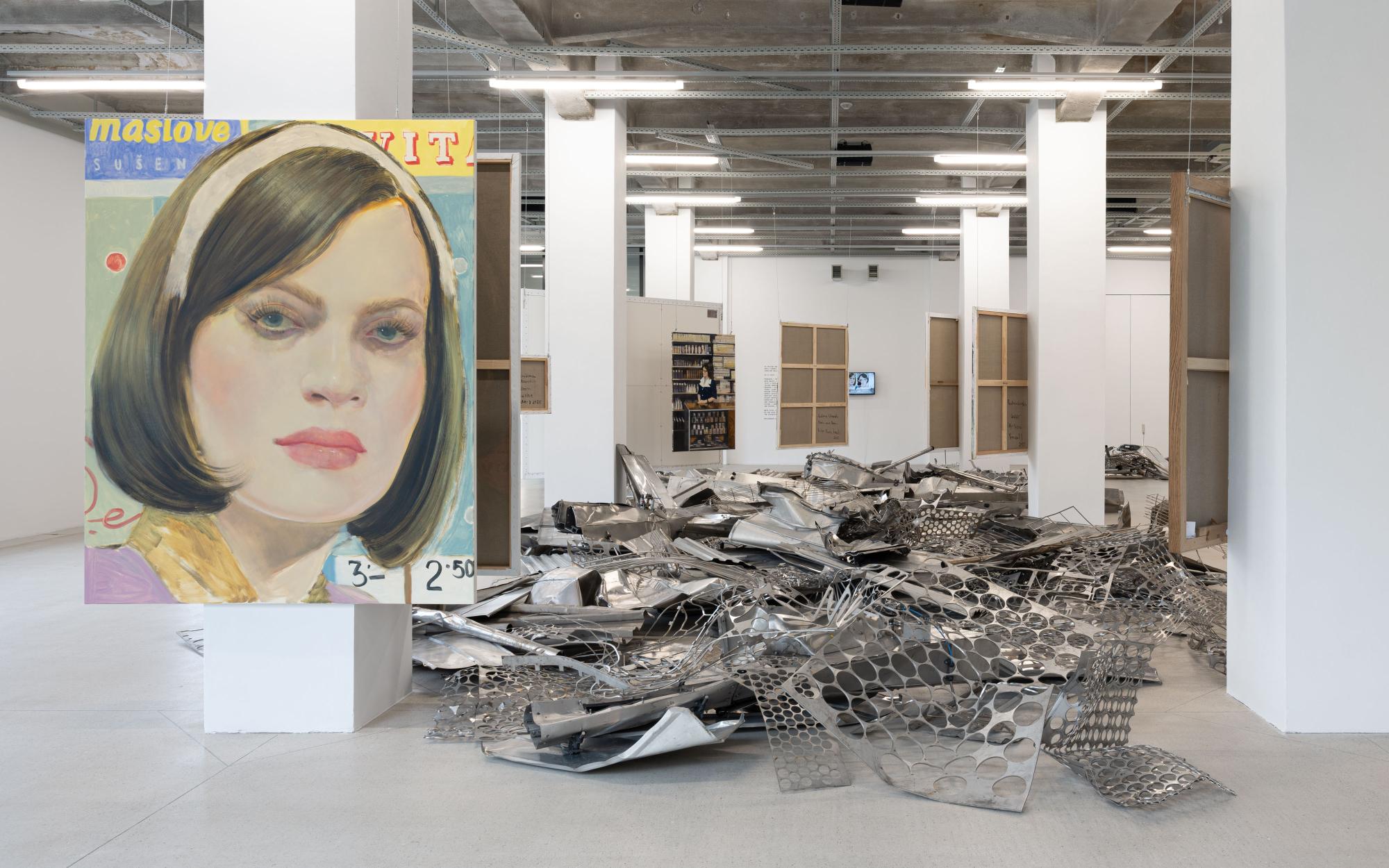
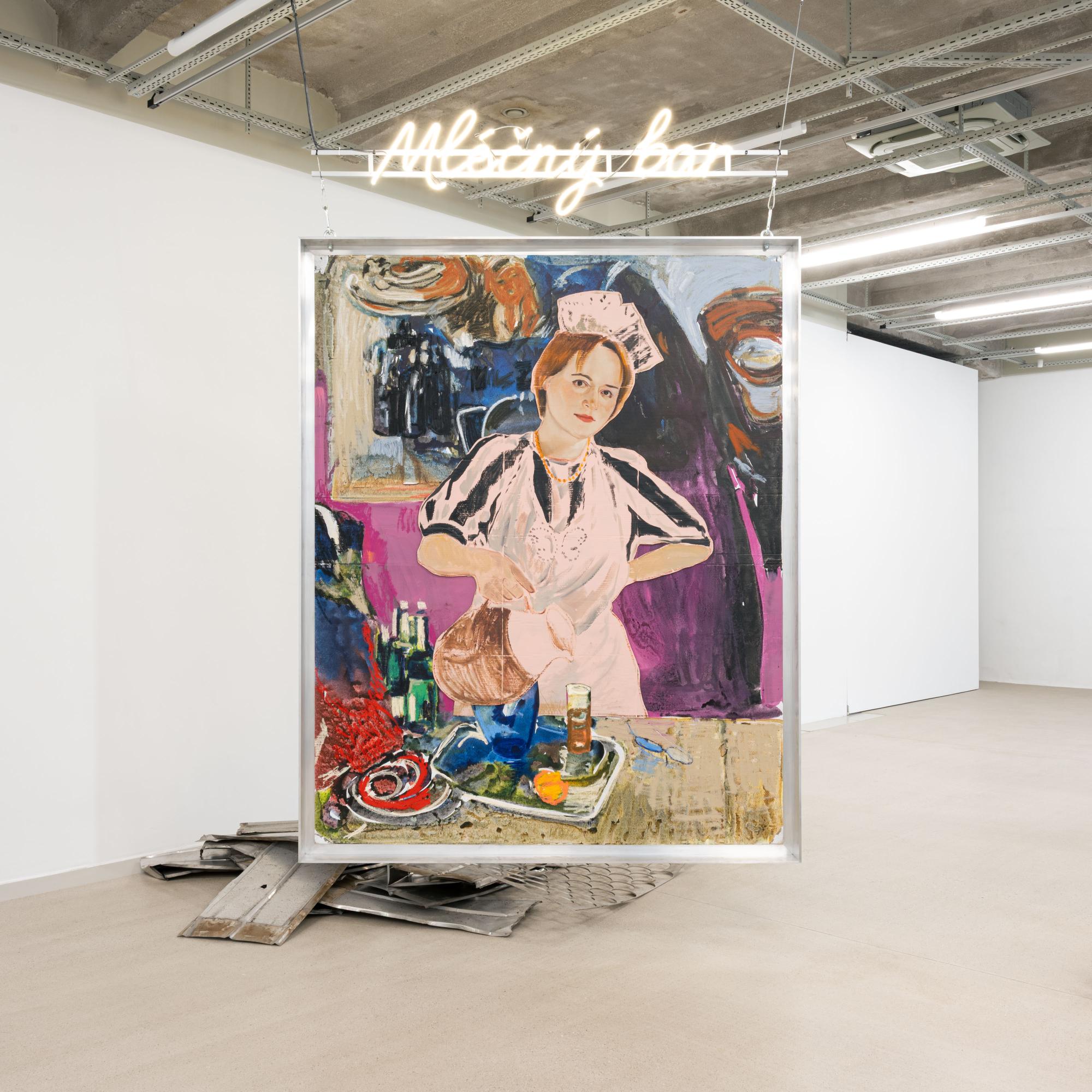
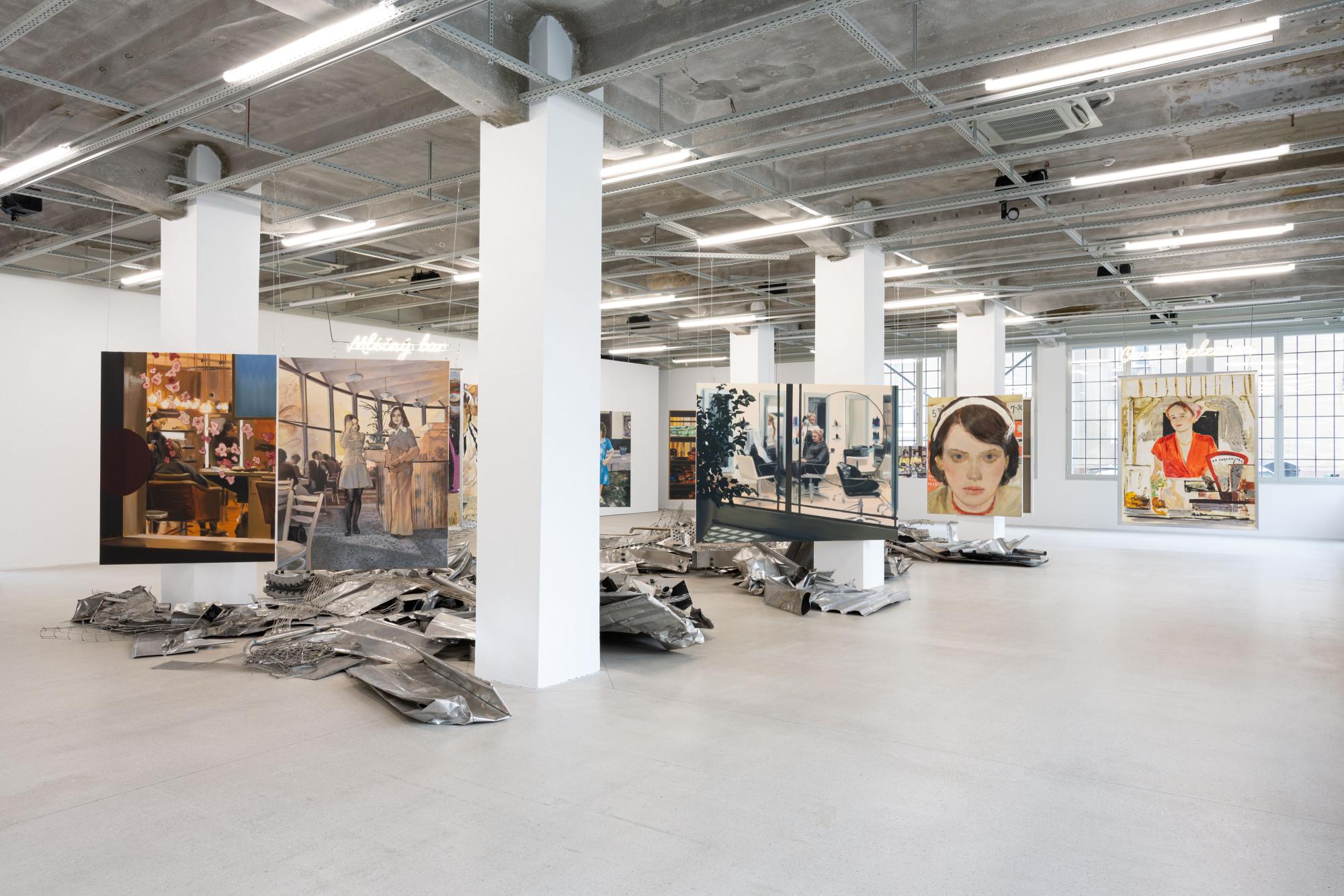
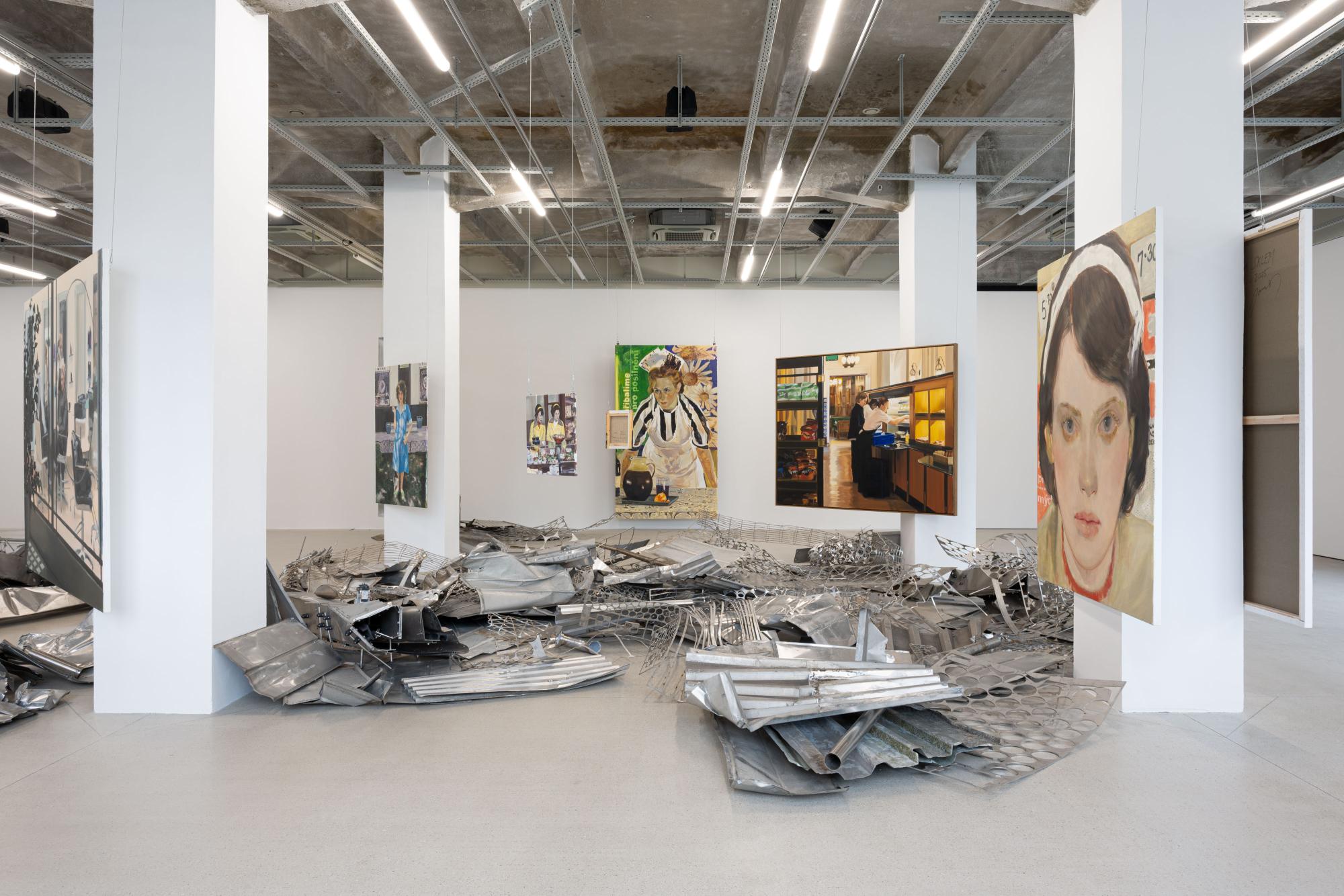
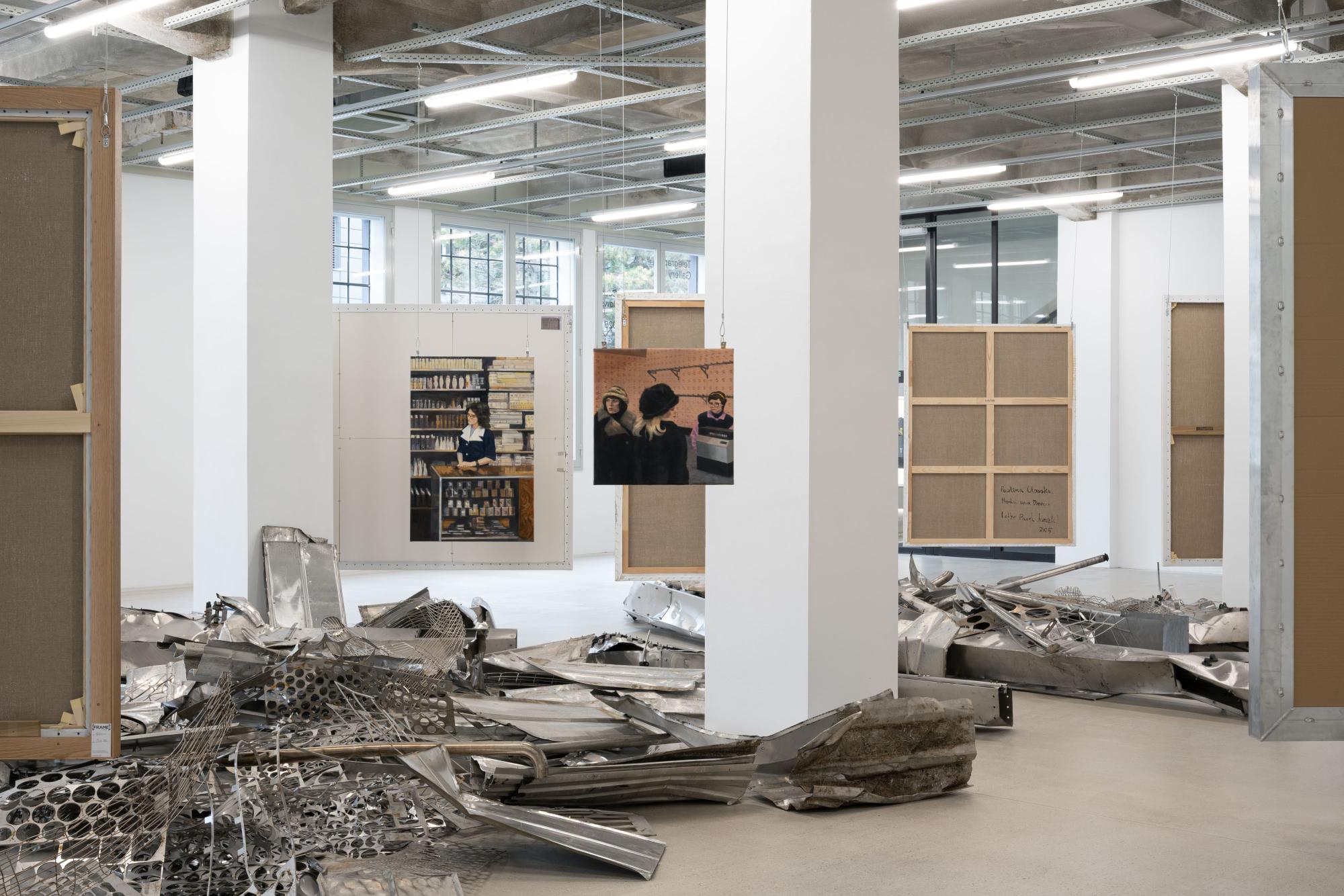
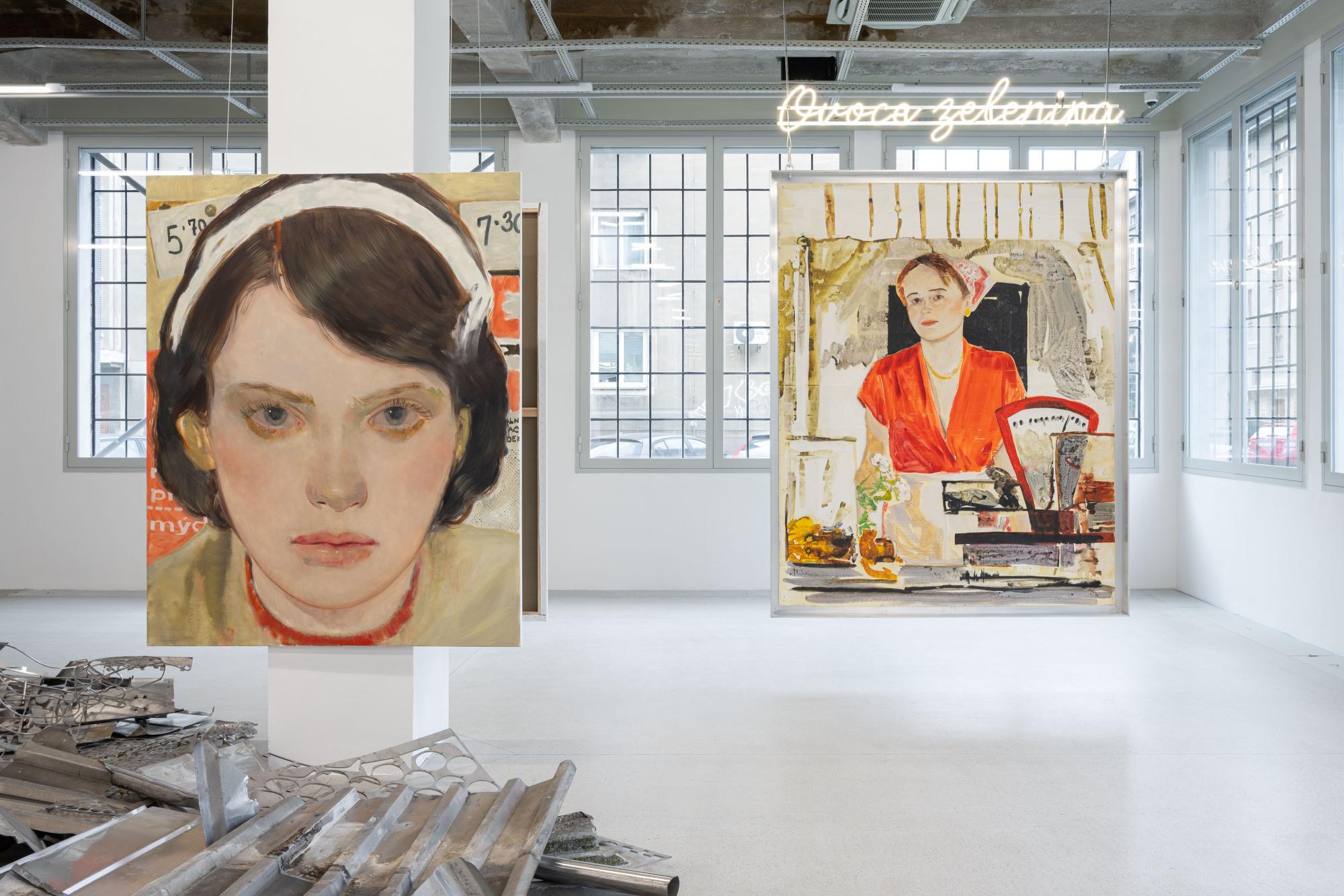
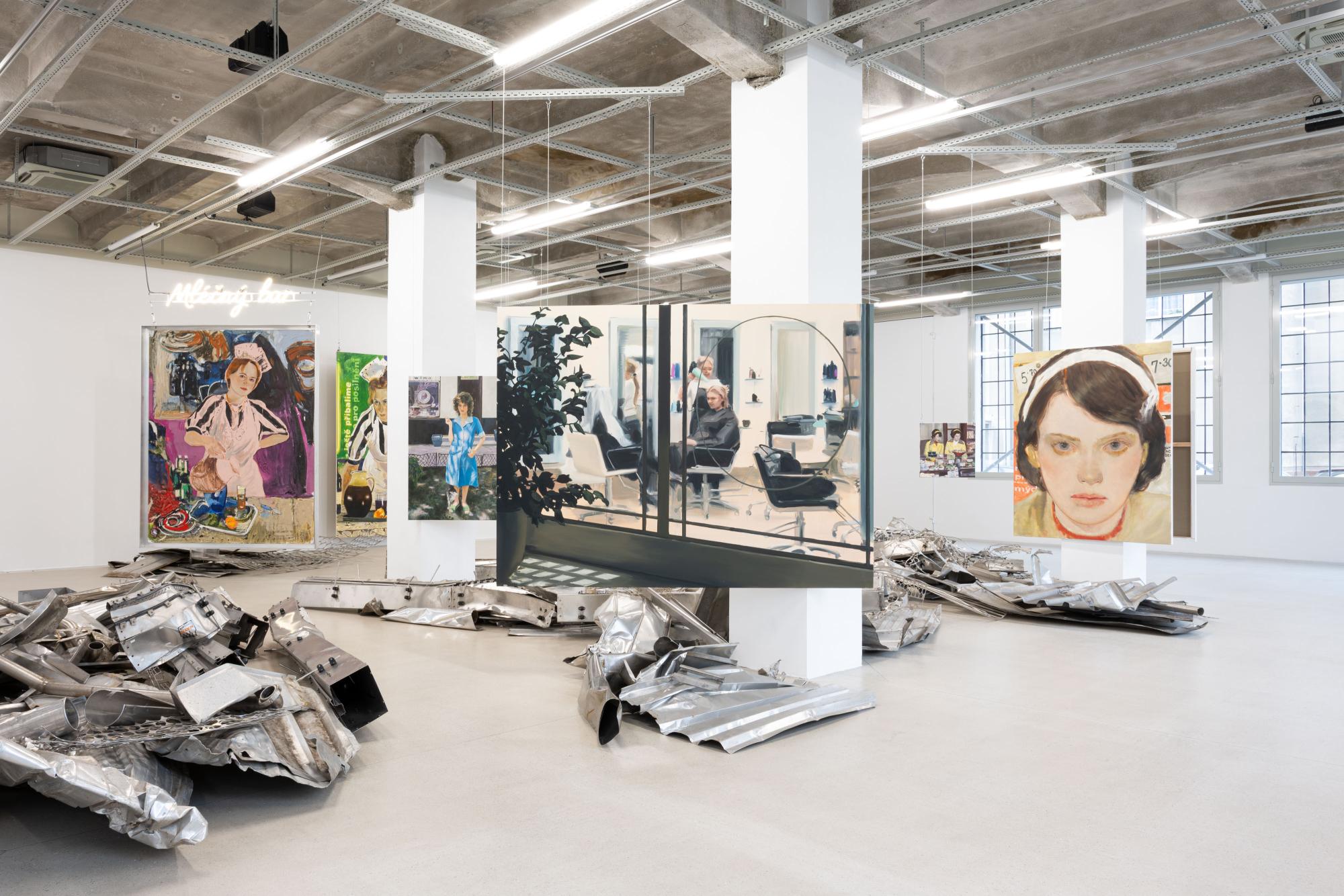
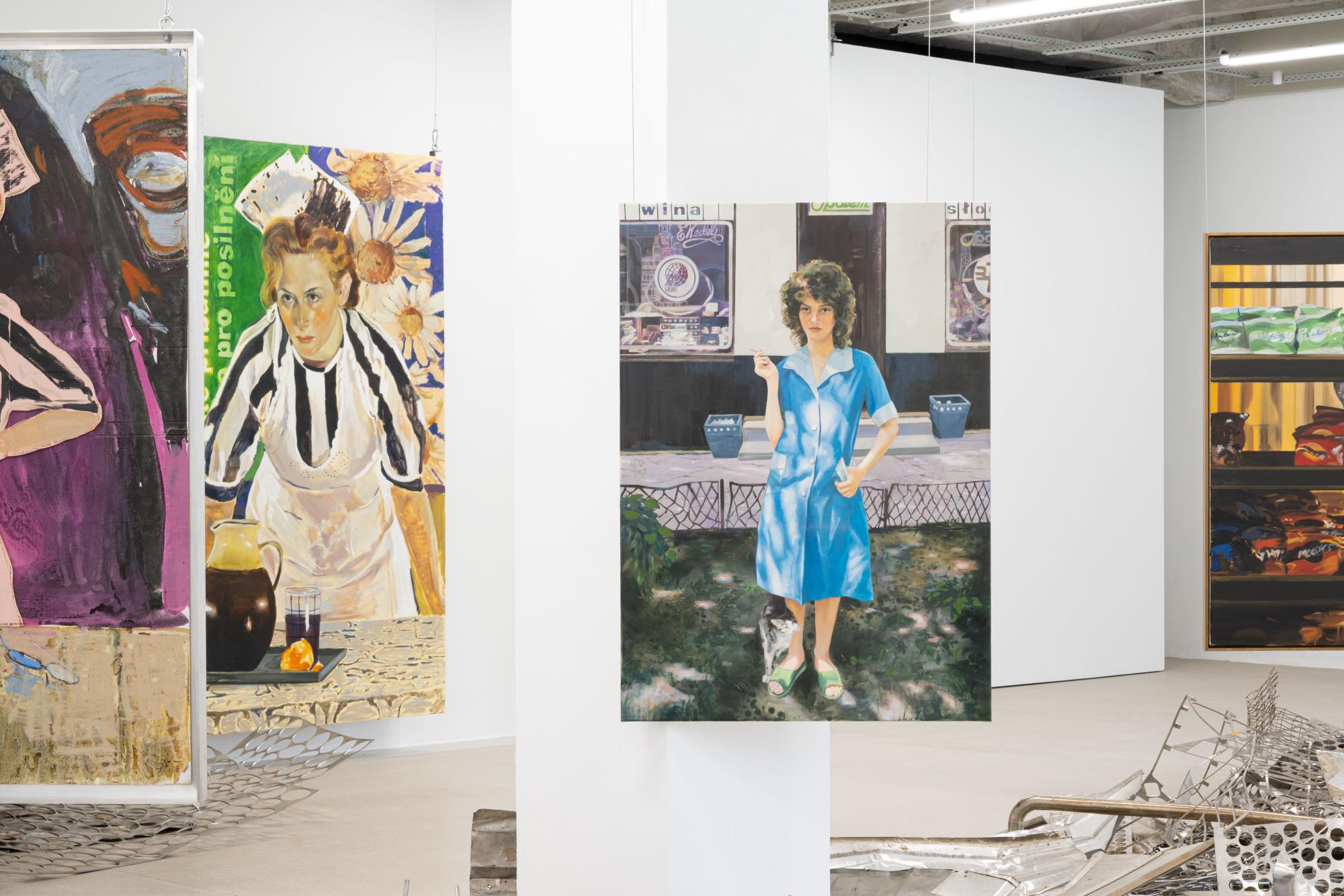
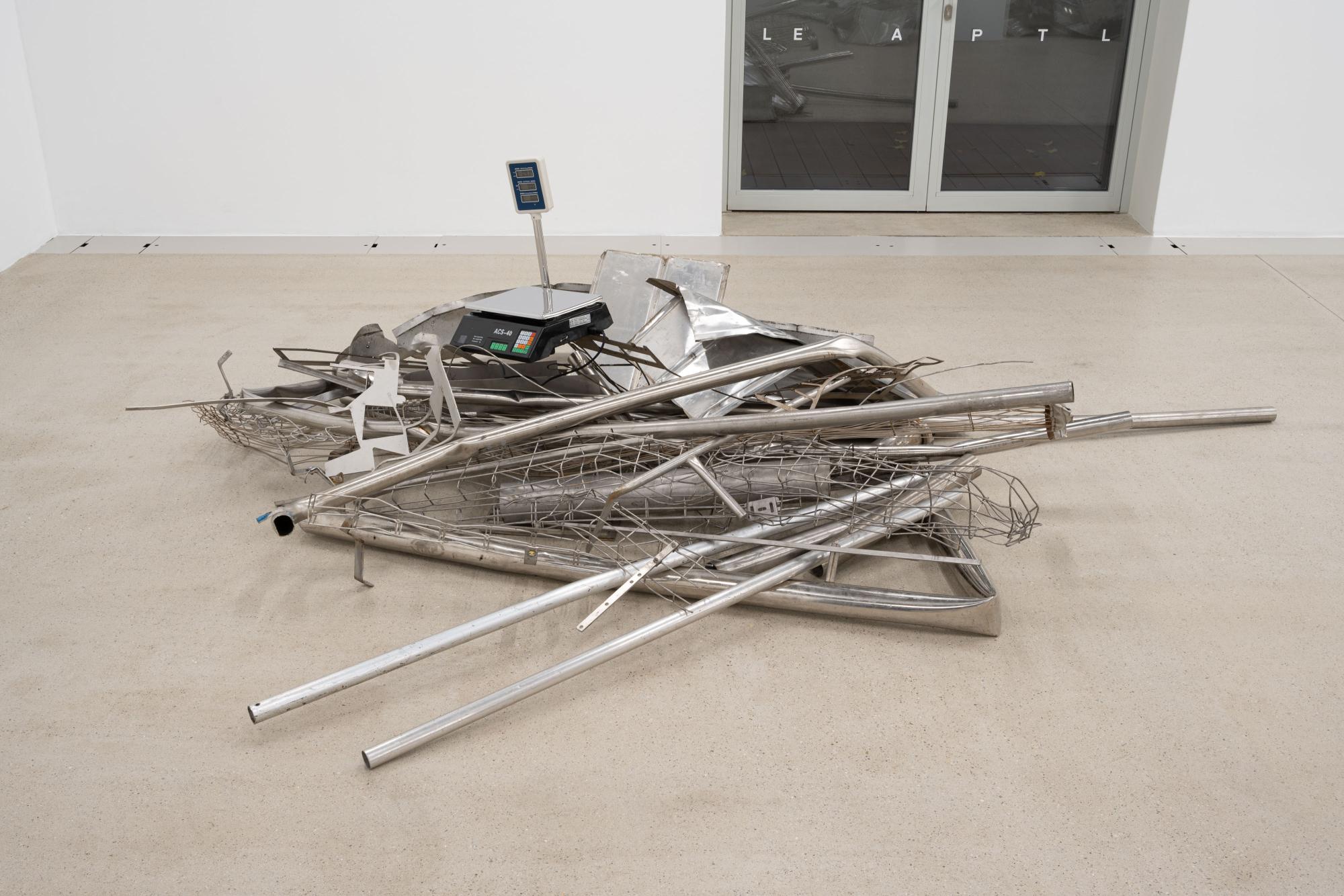
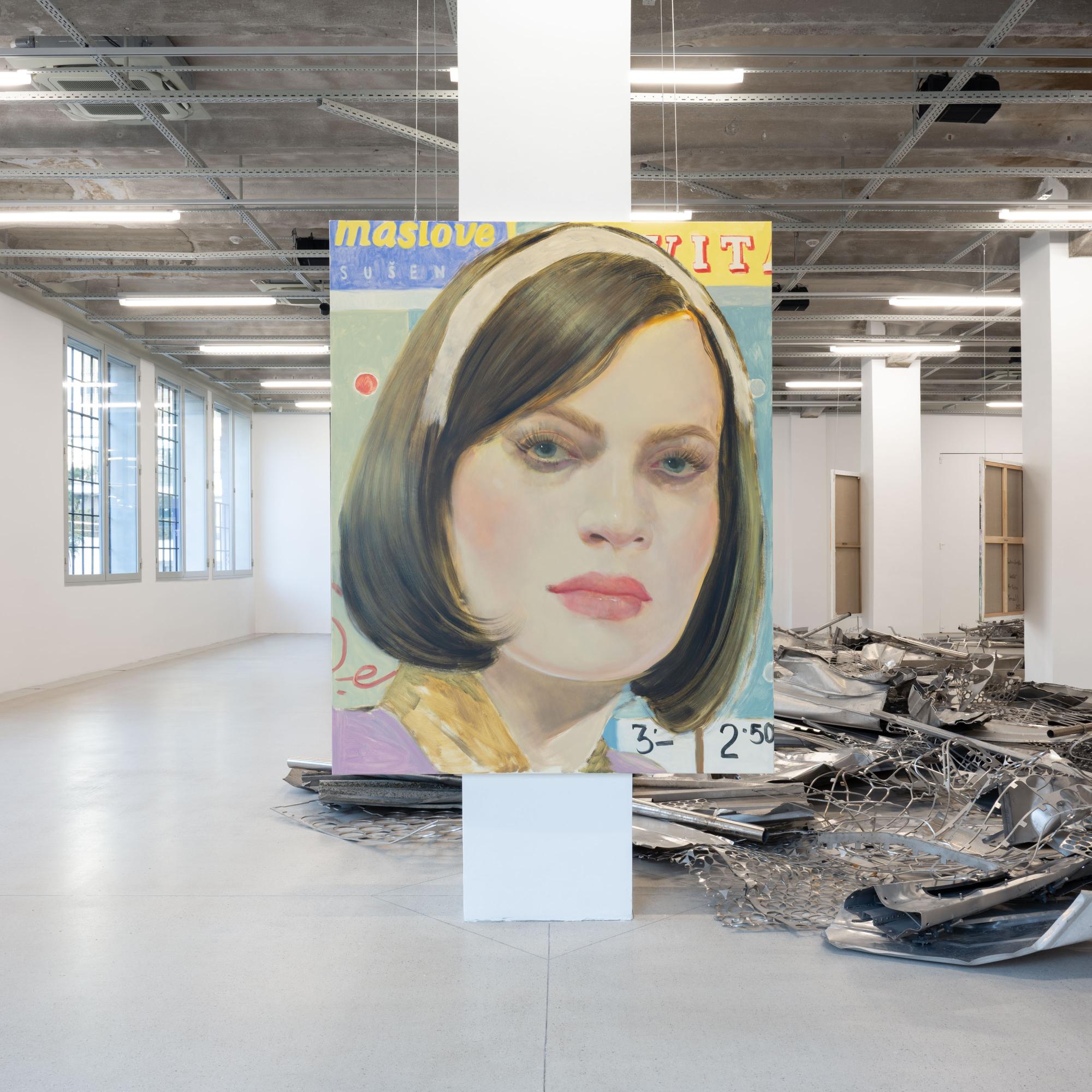
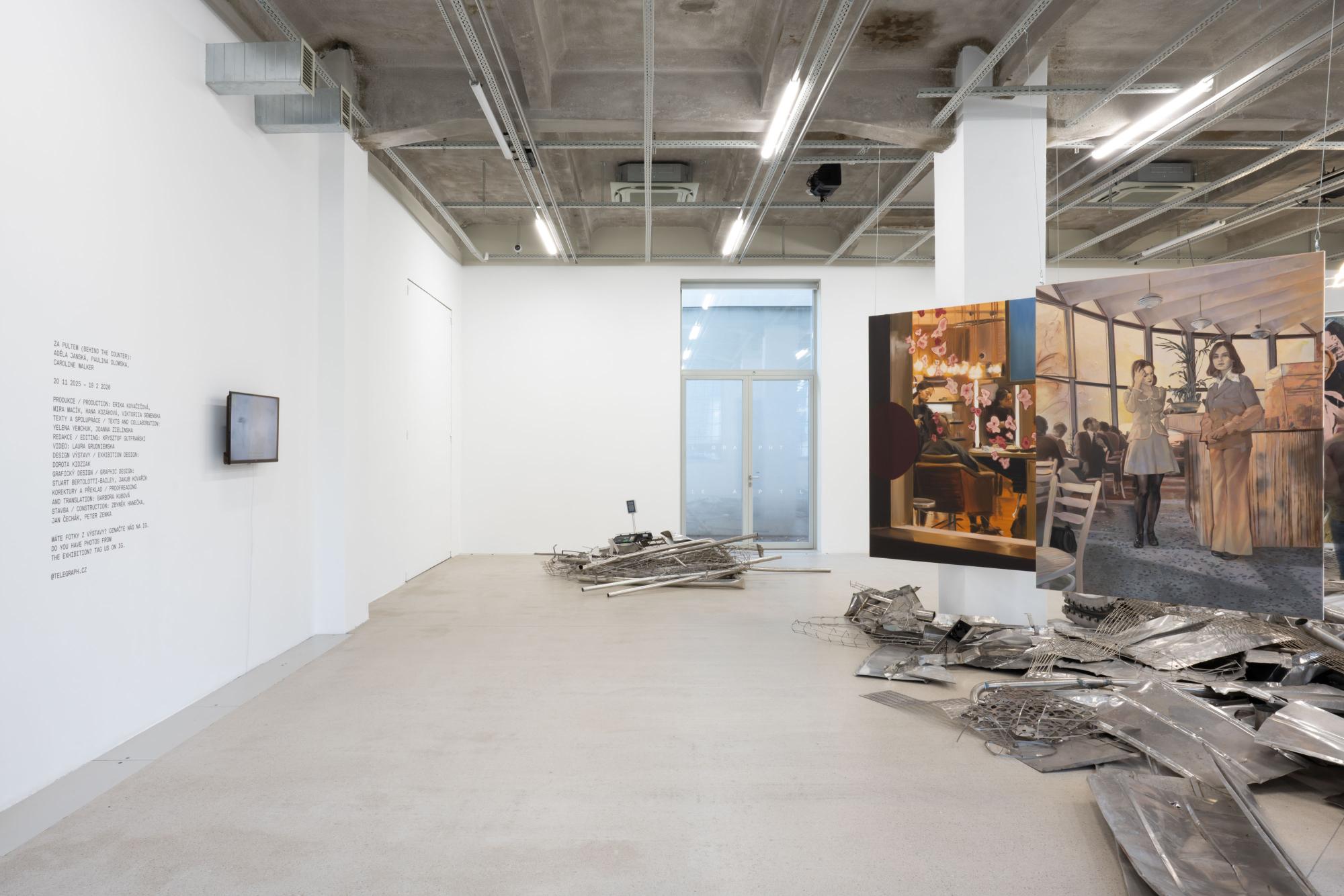
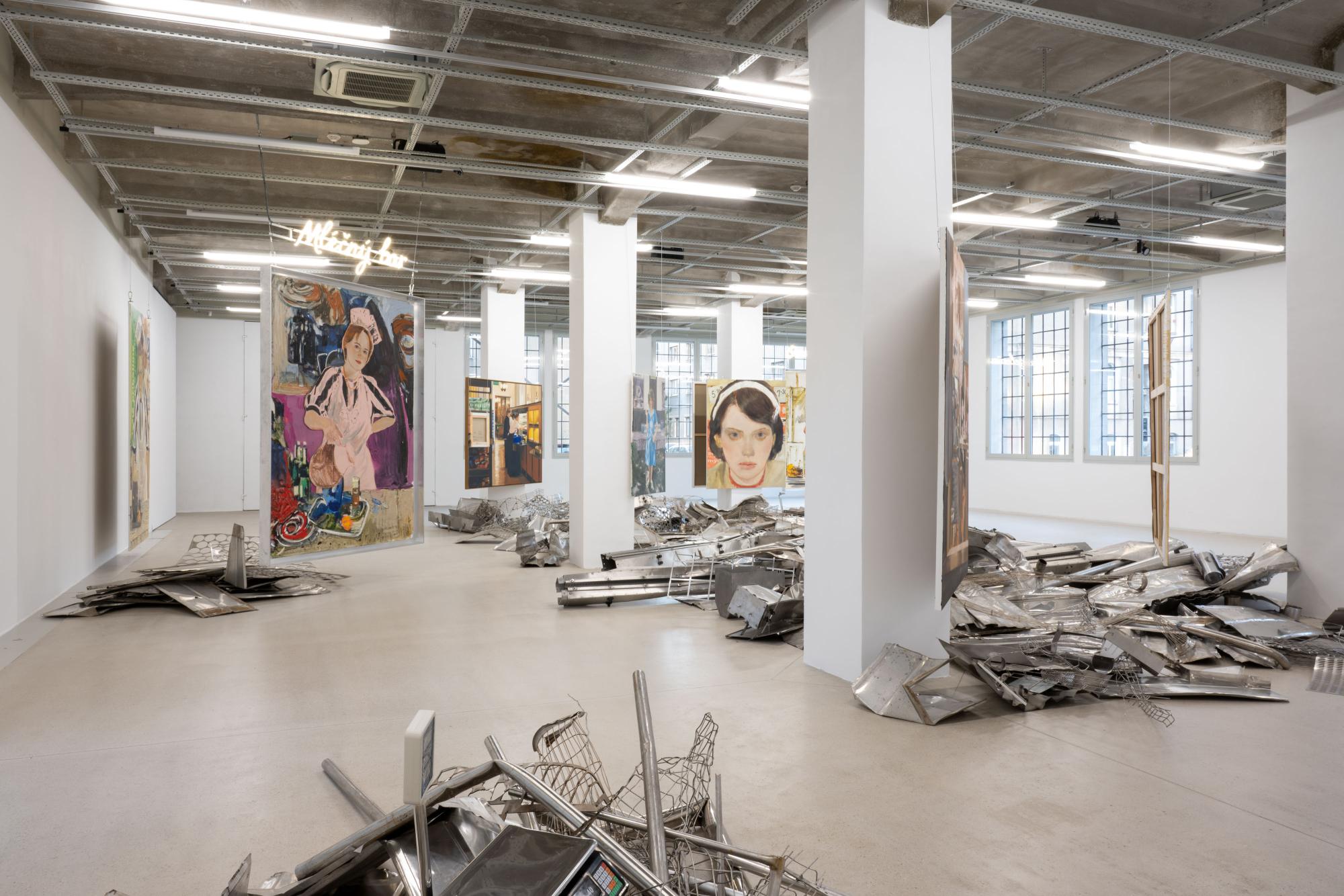
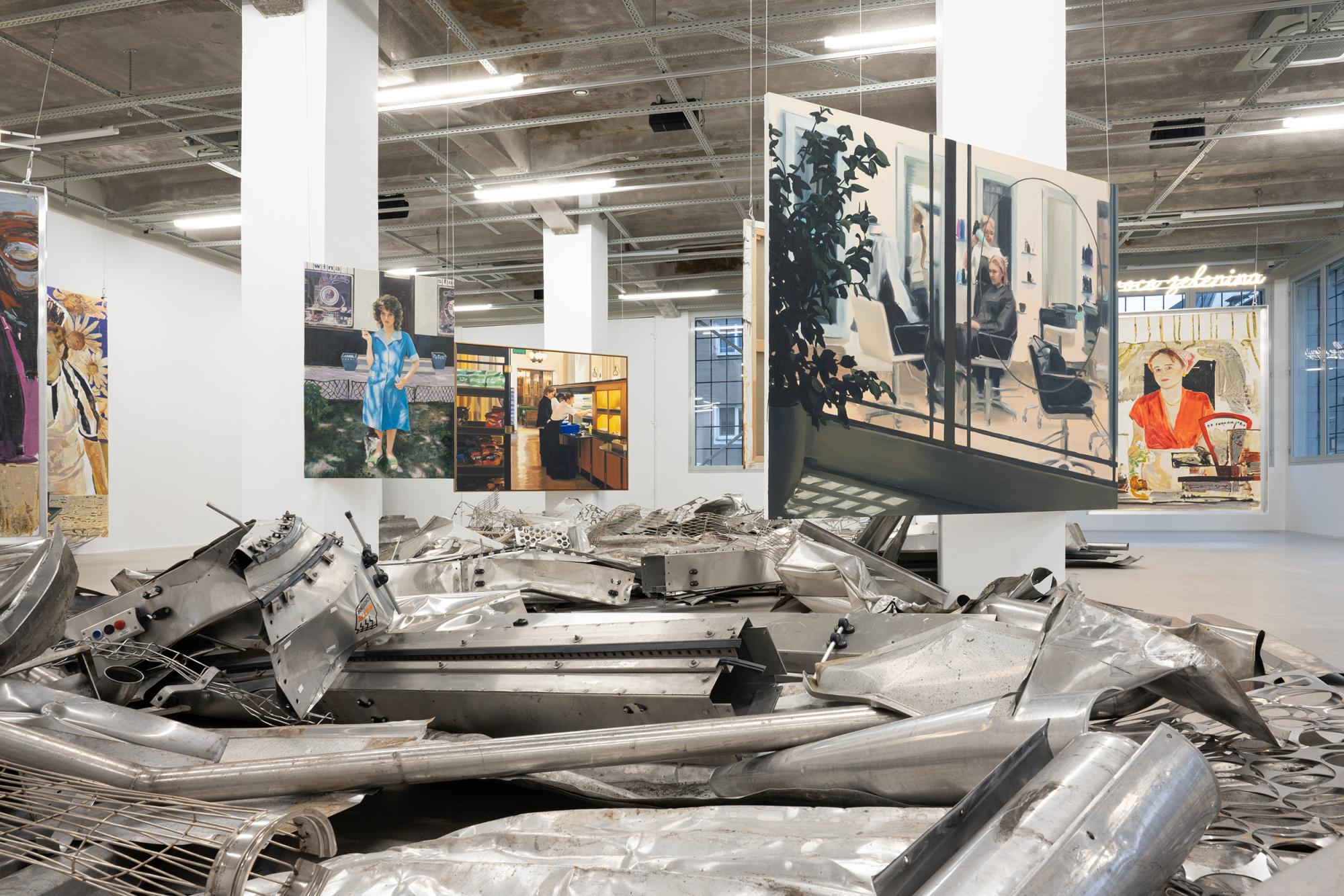
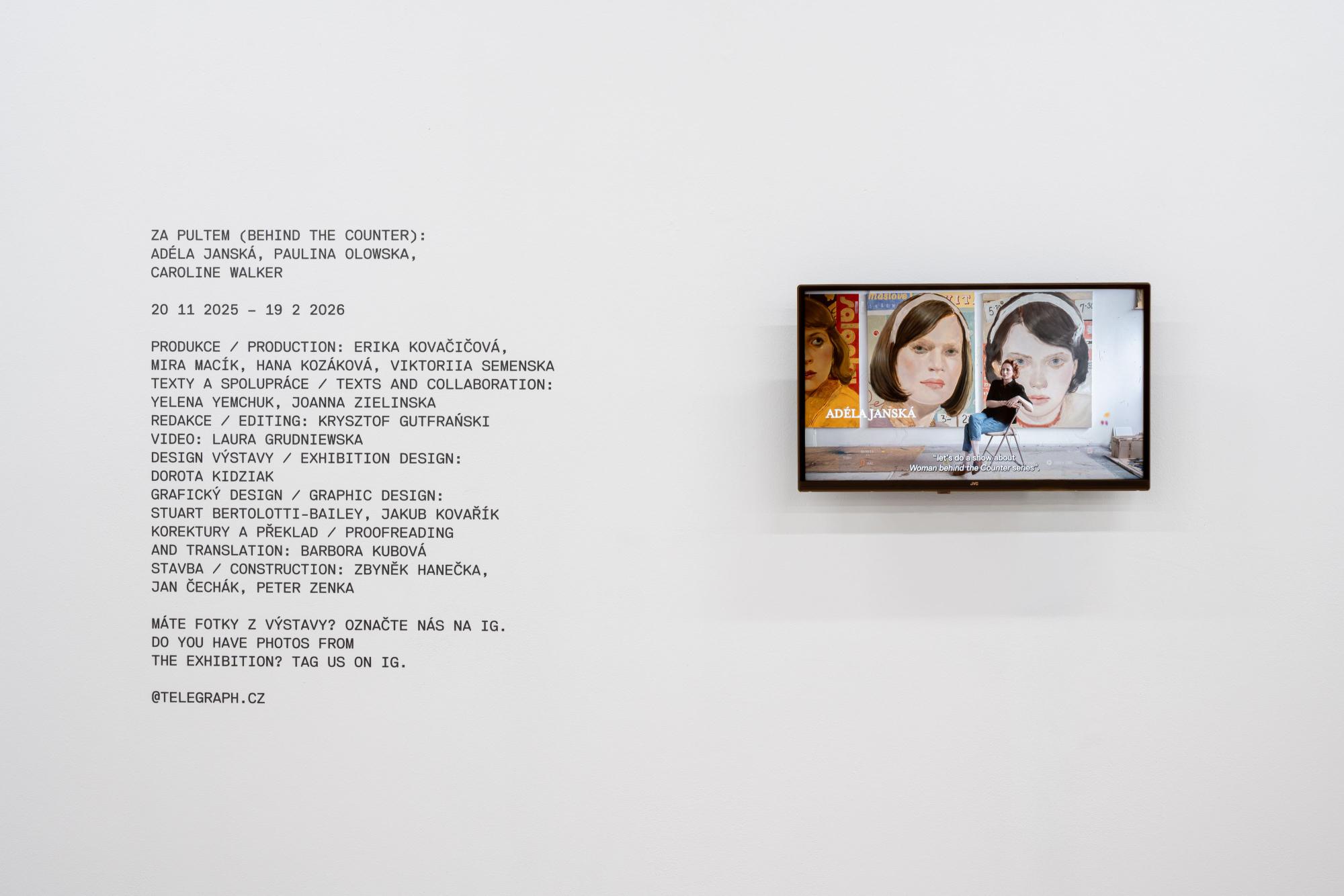
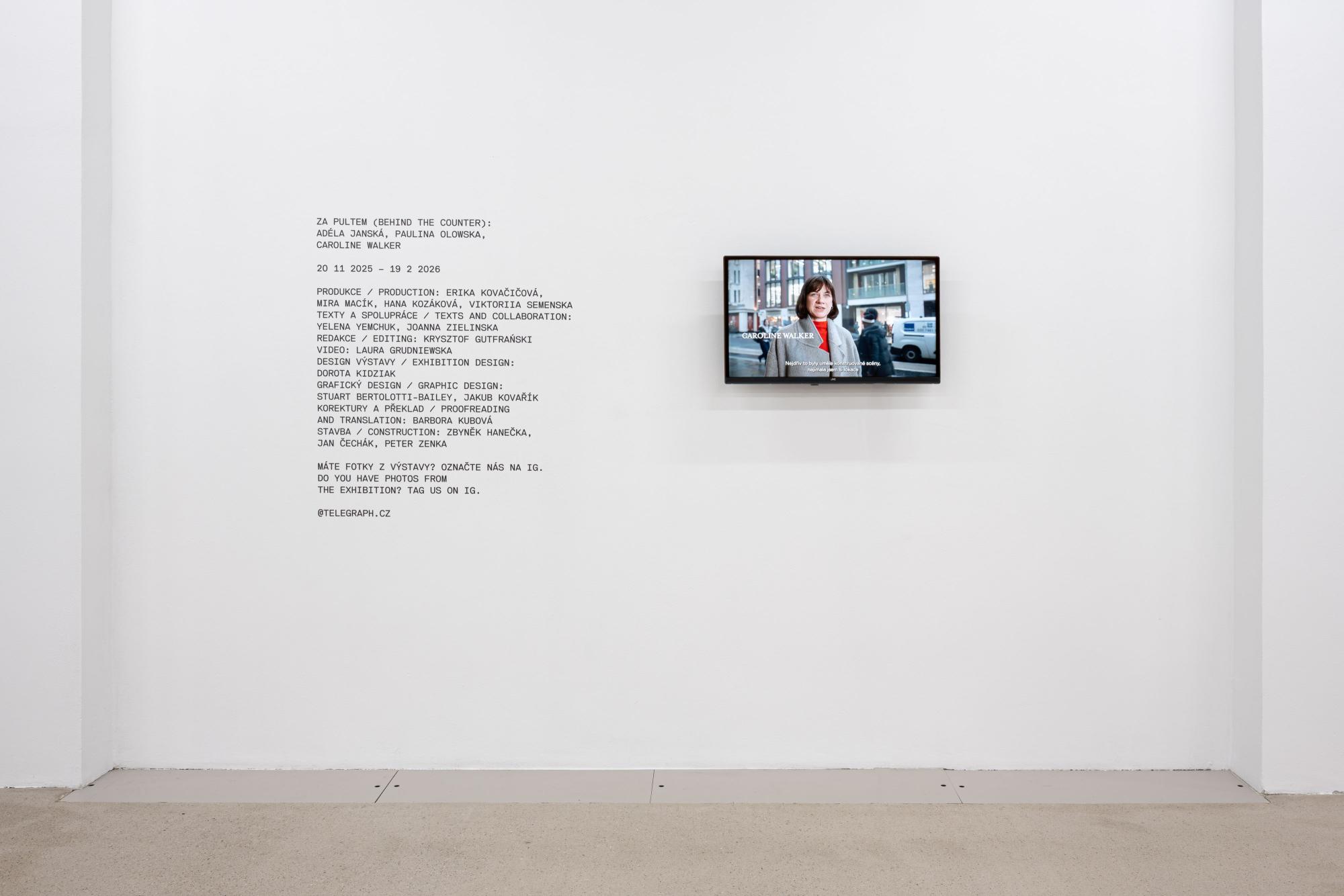
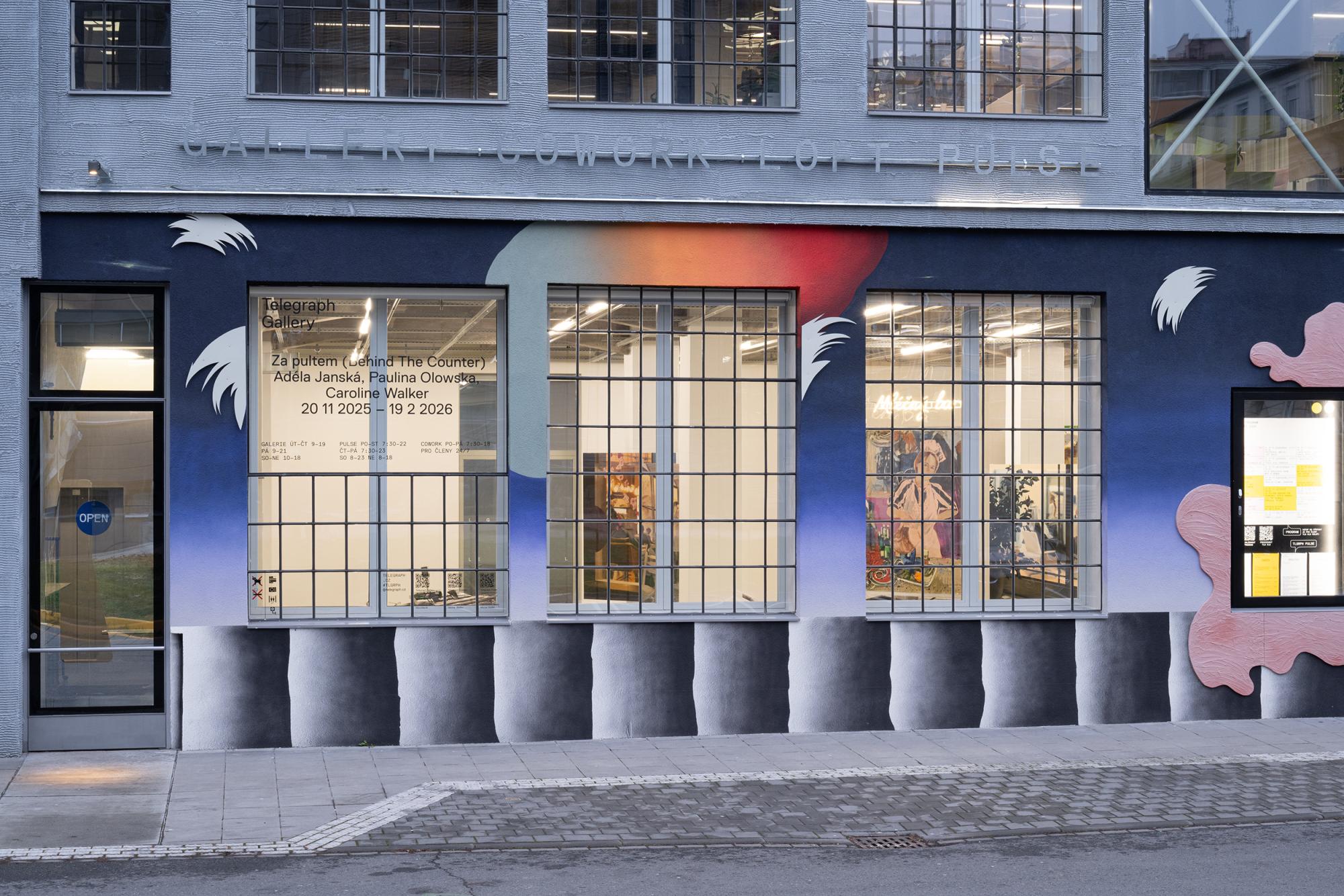
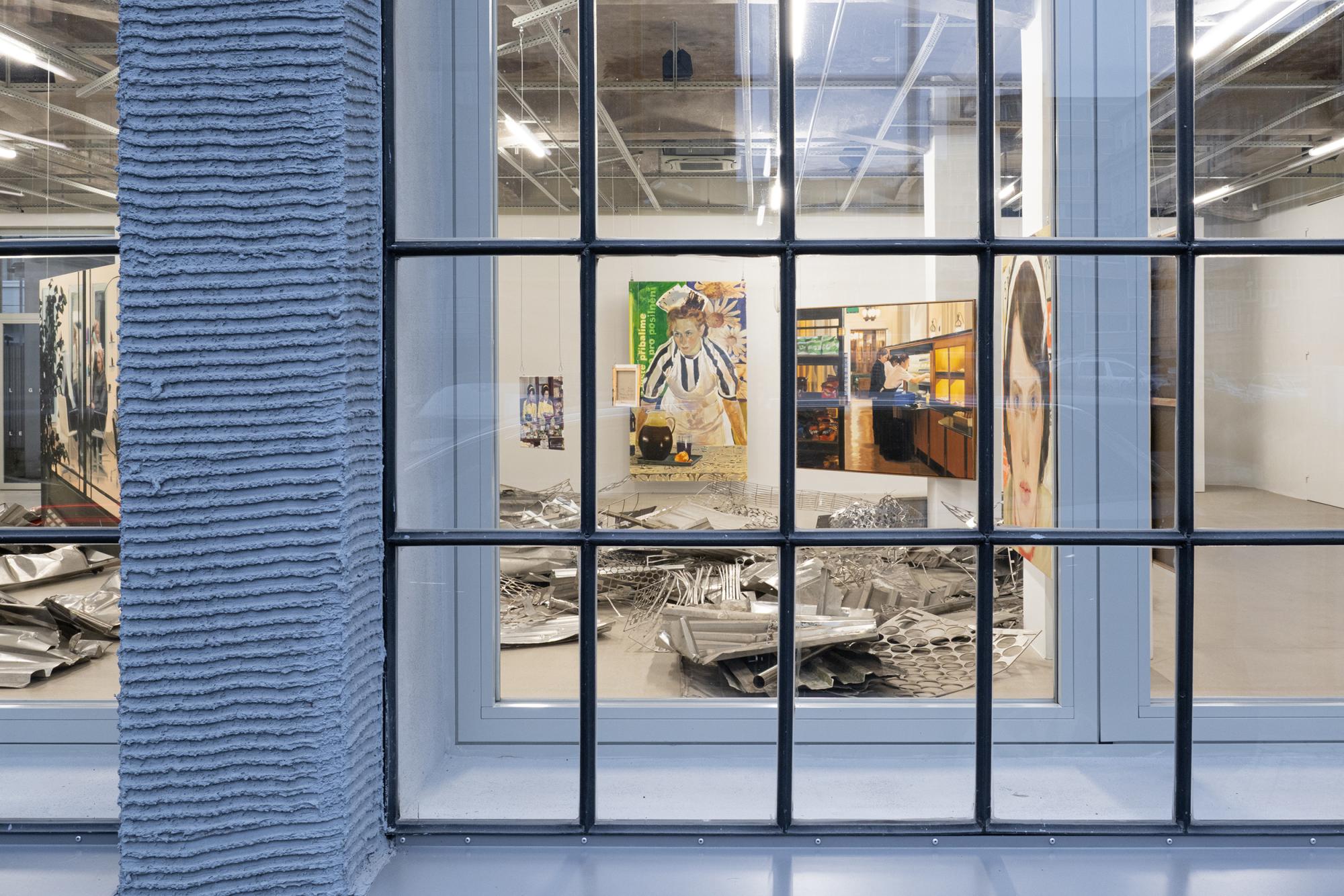
The exhibition Za Pultem (Behind the Counter) explores diverse interpretations of femininity, tracing both the real and symbolic presence of women in the public sphere. It adopts a historical lens, reflecting on archetypal female figures of Socialist Modernism and the period of “Normalization” in Czechoslovakia—such as allegories of labour—and asks whether this visual canon allowed room for female desire. Scholars of the era often described the female worker as the Other. How, then, might we understand this socialist imaginary today?
Presenting a fresh perspective, the exhibition highlights how contemporary women artists across generations—Paulina Olowska, Caroline Walker, and Adéla Janská—use painting to decode and reconstruct the cultural memory of Modernism. Through this lens, the artists reflect on “recycled” iconographies of the 1950s–1990s and reconsider themes of women’s labour, intimacy, and visibility within public and private spheres.
Drawing inspiration from the iconic 1970s…
Exhibition Space

Metadata
Claims


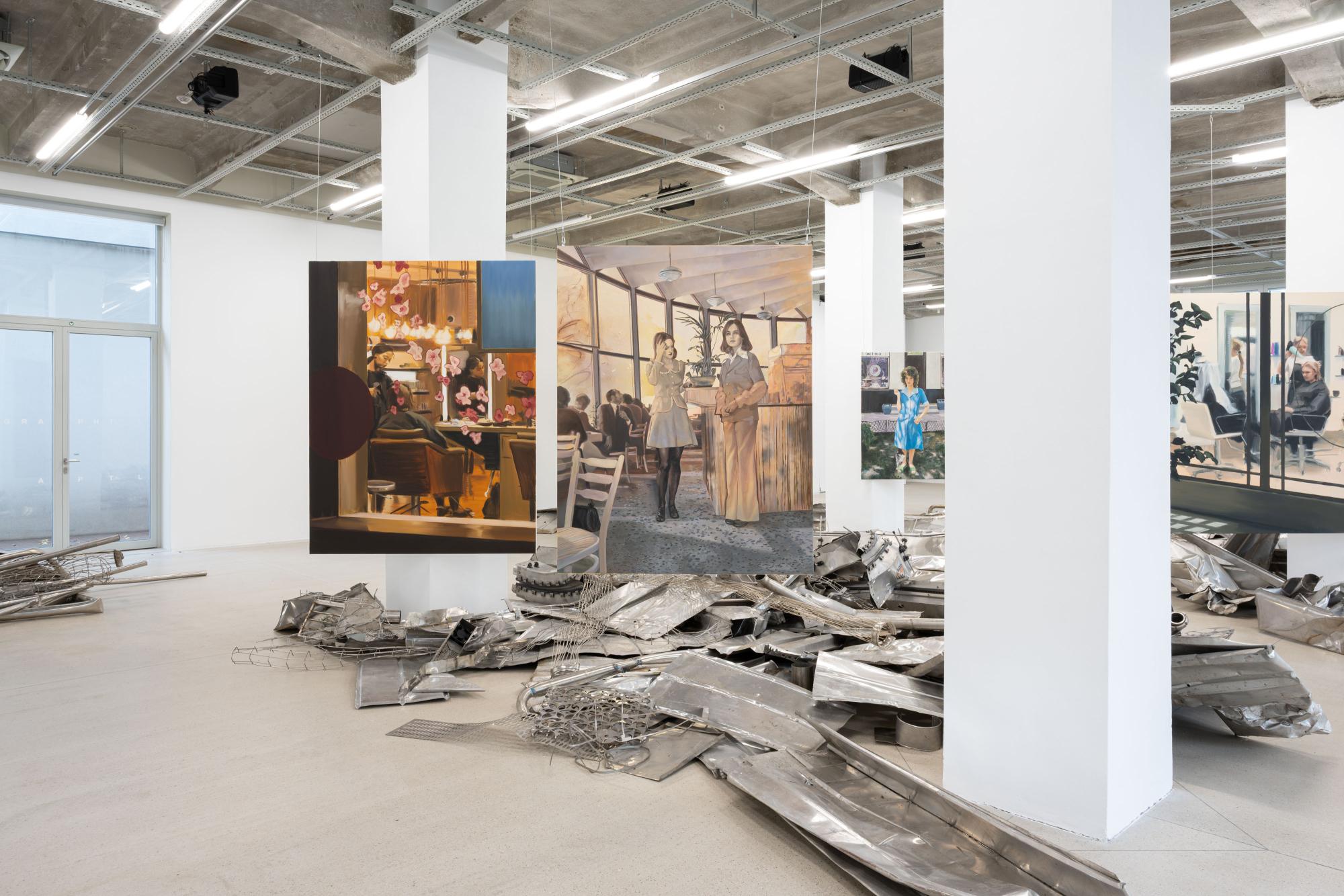
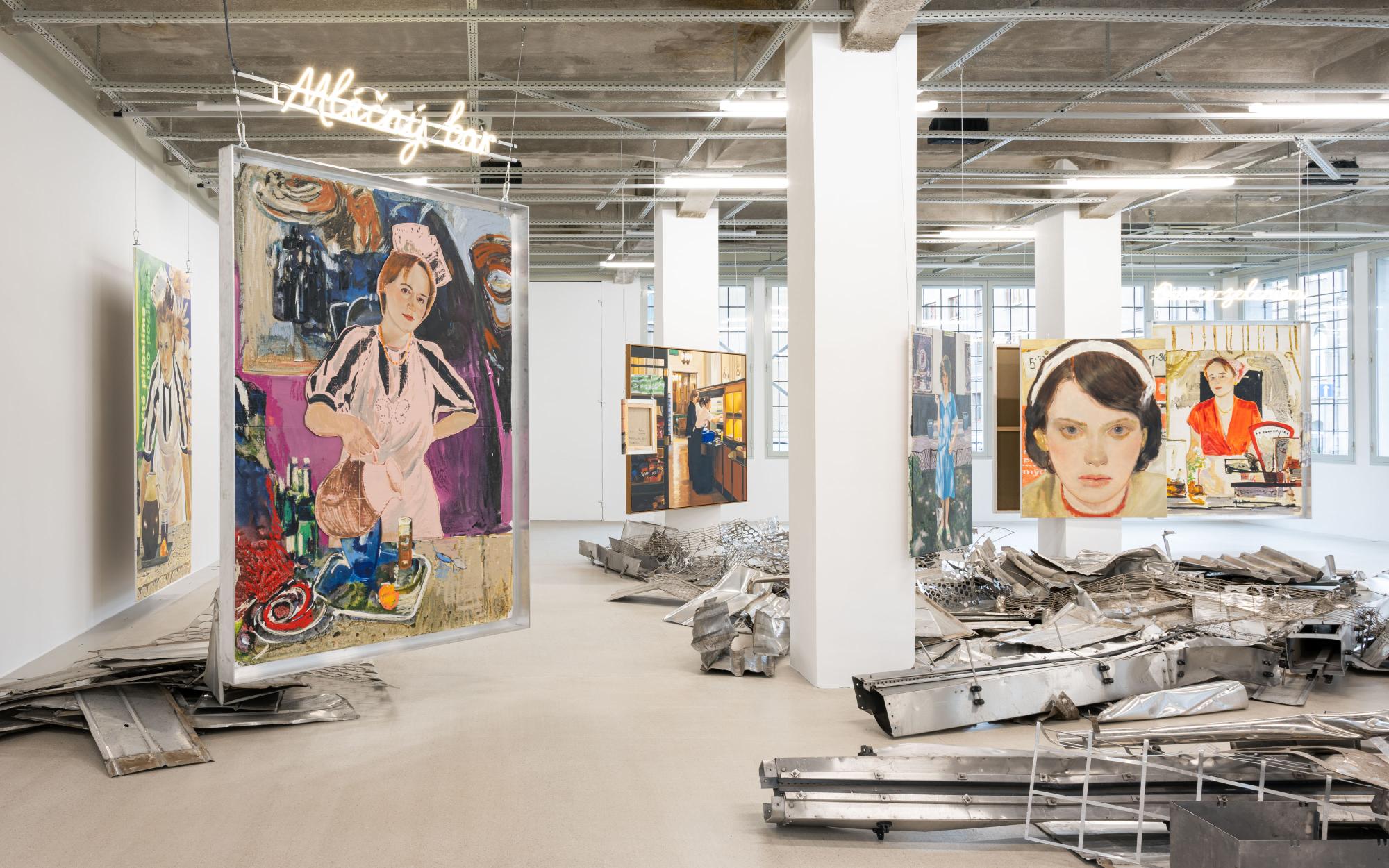
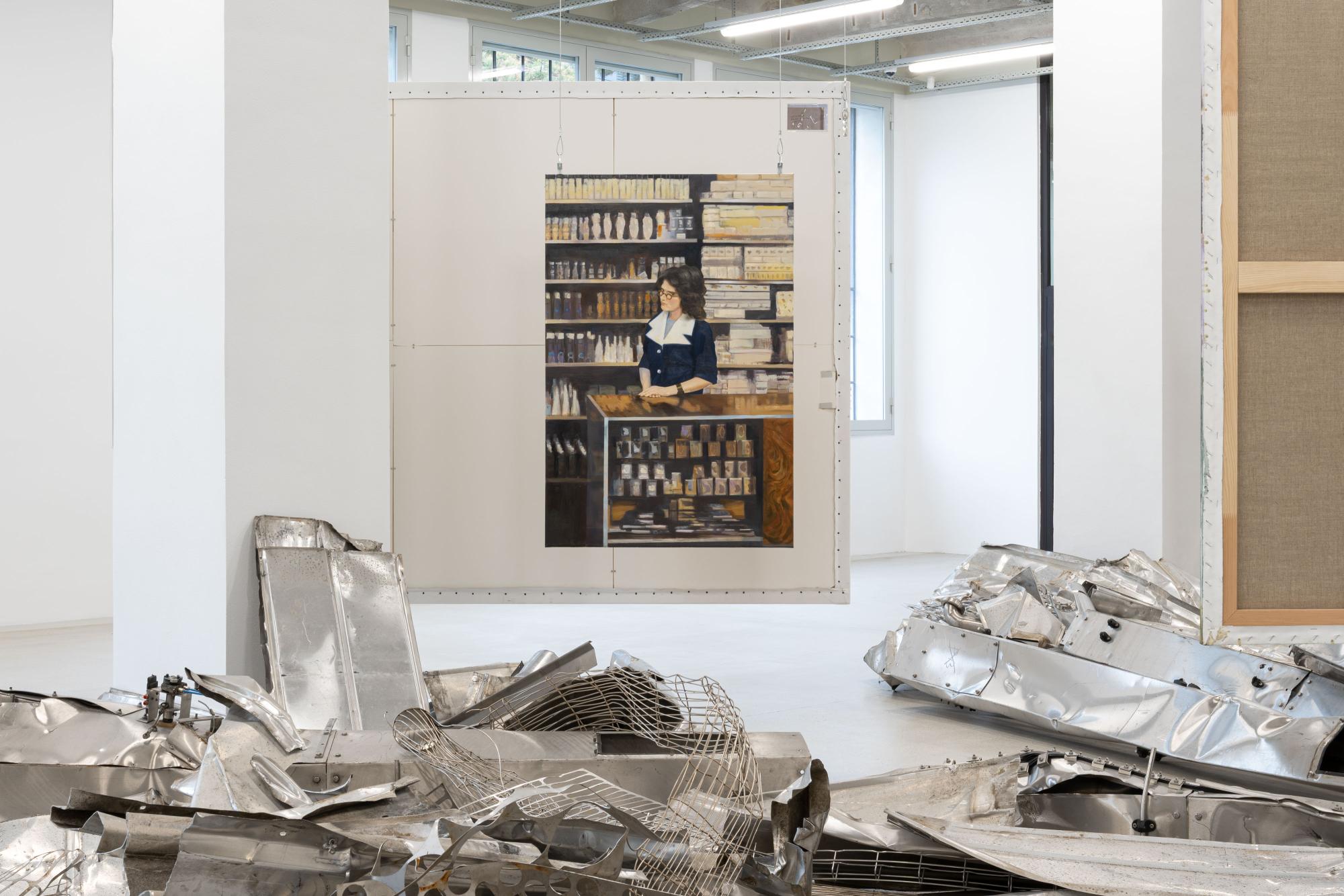


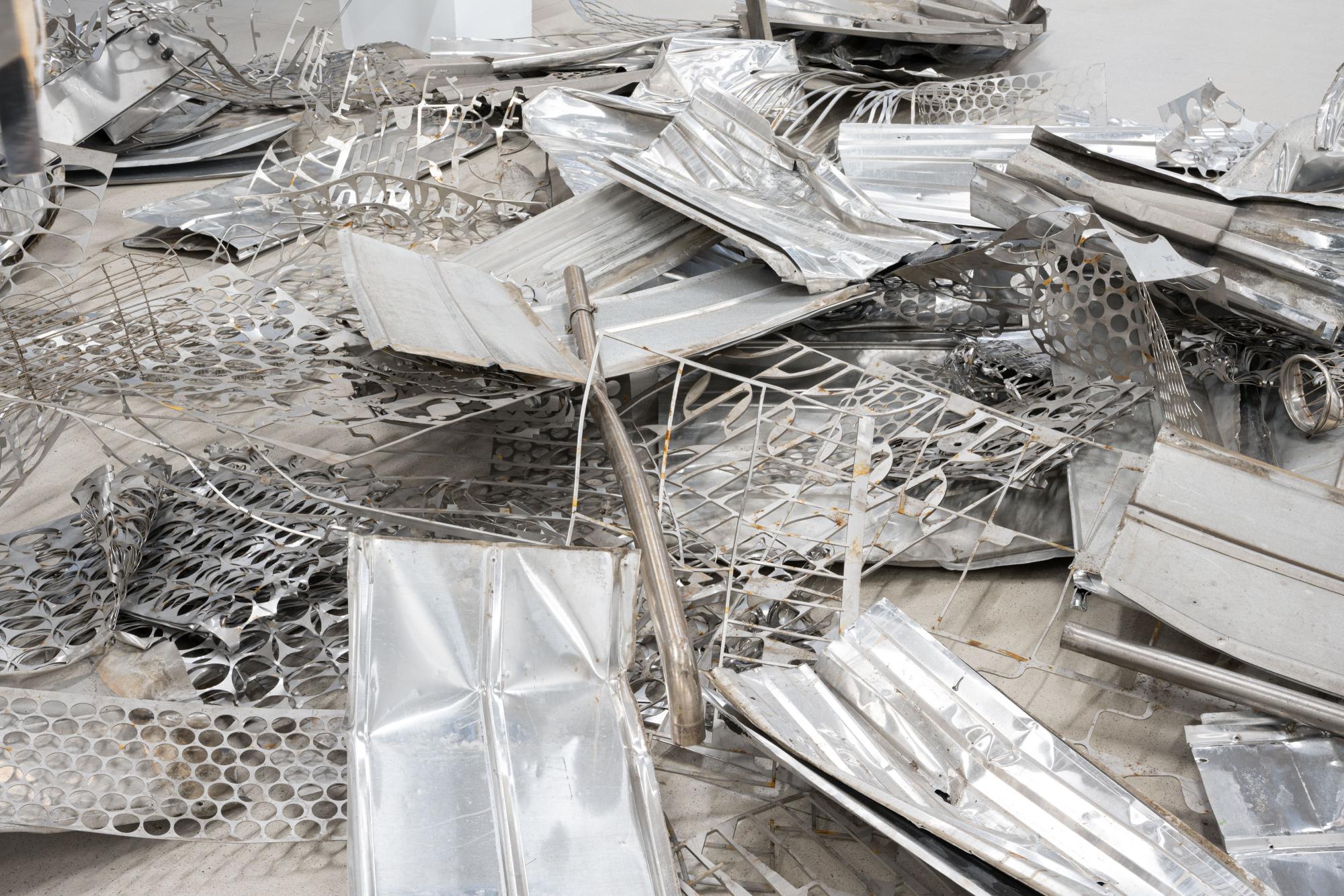






Za Pultem (Behind the Counter)
Telegraph Gallery•Nov 20, 2025 — Feb 19, 2026
Press Release
The exhibition Za Pultem (Behind the Counter) explores diverse interpretations of femininity, tracing both the real and symbolic presence of women in the public sphere. It adopts a historical lens, reflecting on archetypal female figures of Socialist Modernism and the period of “Normalization” in Czechoslovakia—such as allegories of labour—and asks whether this visual canon allowed room for female desire. Scholars of the era often described the female worker as the Other. How, then, might we understand this socialist imaginary today?
Presenting a fresh perspective, the exhibition highlights how contemporary women artists across generations—Paulina Olowska, Caroline Walker, and Adéla Janská—use painting to decode and reconstruct the cultural memory of Modernism. Through this lens, the artists reflect on “recycled” iconographies of the 1950s–1990s and reconsider themes of women’s labour, intimacy, and visibility within public and private spheres.
Drawing inspiration from the iconic 1970s…
Exhibition Space
Curator
More Exhibitions at Telegraph Gallery
Guestbook
Metadata
Claims

Editing is restricted
You cannot submit an edit because the institution hosting this exhibition has been claimed by .
Editing this section requires claiming the profile of the institution hosting this exhibition.
Claims are one of the many safeguards in place on UntitledDb that preserve the integrity of the information on our platform.
Editing is restricted
Editing this section requires claiming the profile of the institution hosting this exhibition.
Claims are one of the many safeguards in place on UntitledDb that preserve the integrity of the information on our platform.
Editing is restricted
A reputation of 20,000 or higher is needed to edit posts created by other users.
Familiarize yourself with our platform by creating new posts and watching your favorites. You'll reach a reputation of 20,000 in no time.
This is one of the many safeguards in place on UntitledDb that preserve the integrity of the information on our platform.
Account access options
Log in and connect with the art world
By continuing, you agree to our Terms of Use and Privacy Policy.
or
Account access options
Sign up and connect with the art world
By continuing, you agree to our Terms of Use and Privacy Policy.
or
Account access options
Expand your reach with UntitledDb Pro
By continuing, you agree to our Terms of Use and Privacy Policy.
or
Account access options
Grow your institution's reach and impact with UntitledDb Enterprise
By continuing, you agree to our Terms of Use and Privacy Policy.
or
Sign up for UntitledDb Pro to unlock this feature