Reelleti Scheck
St.-Marien-Kirche Frankfurt (Oder)•Aug 14, 2021 — Sep 25, 2021


Artist

UntitledDb Feed

Guestbook
Press Release
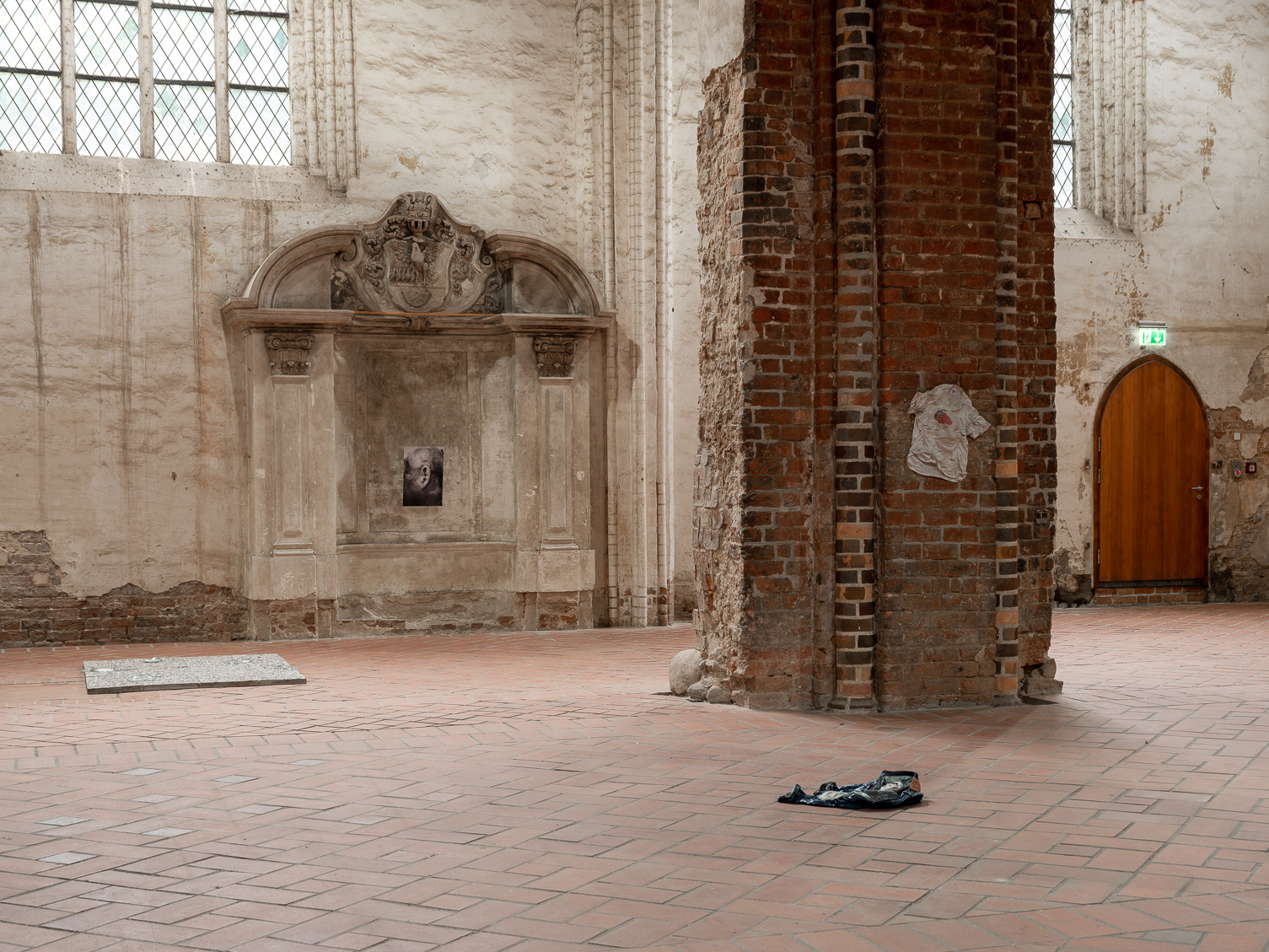
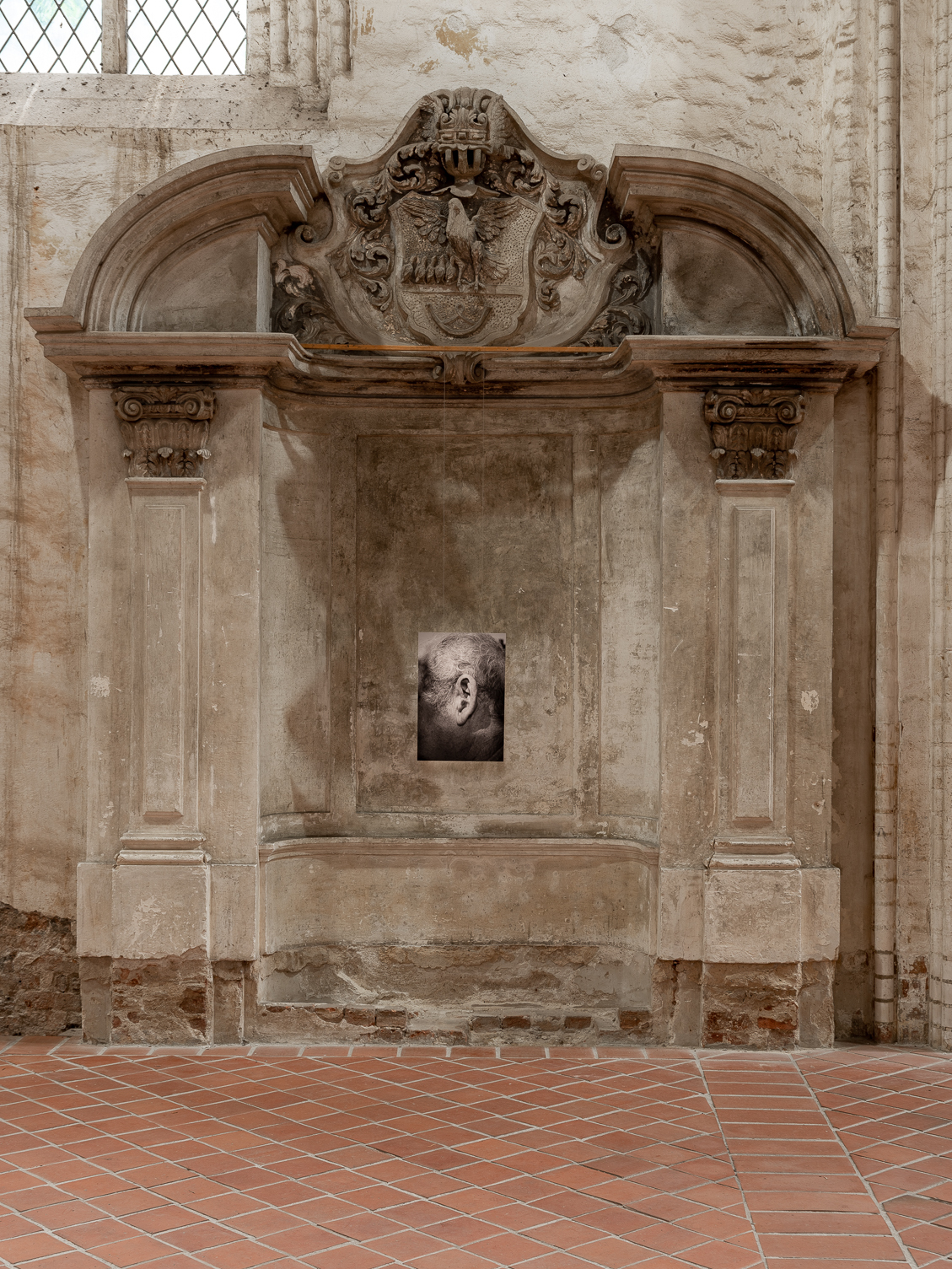
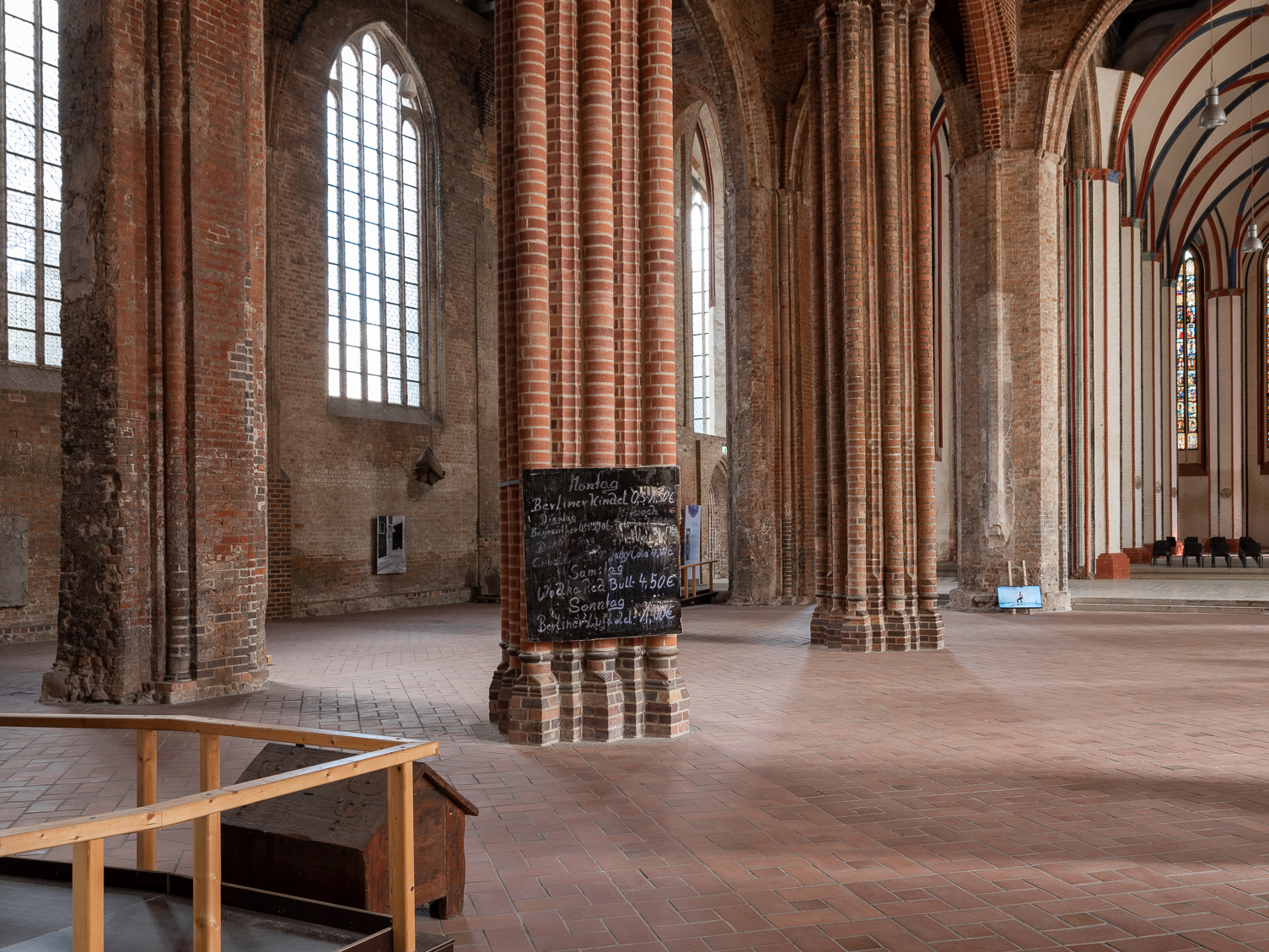
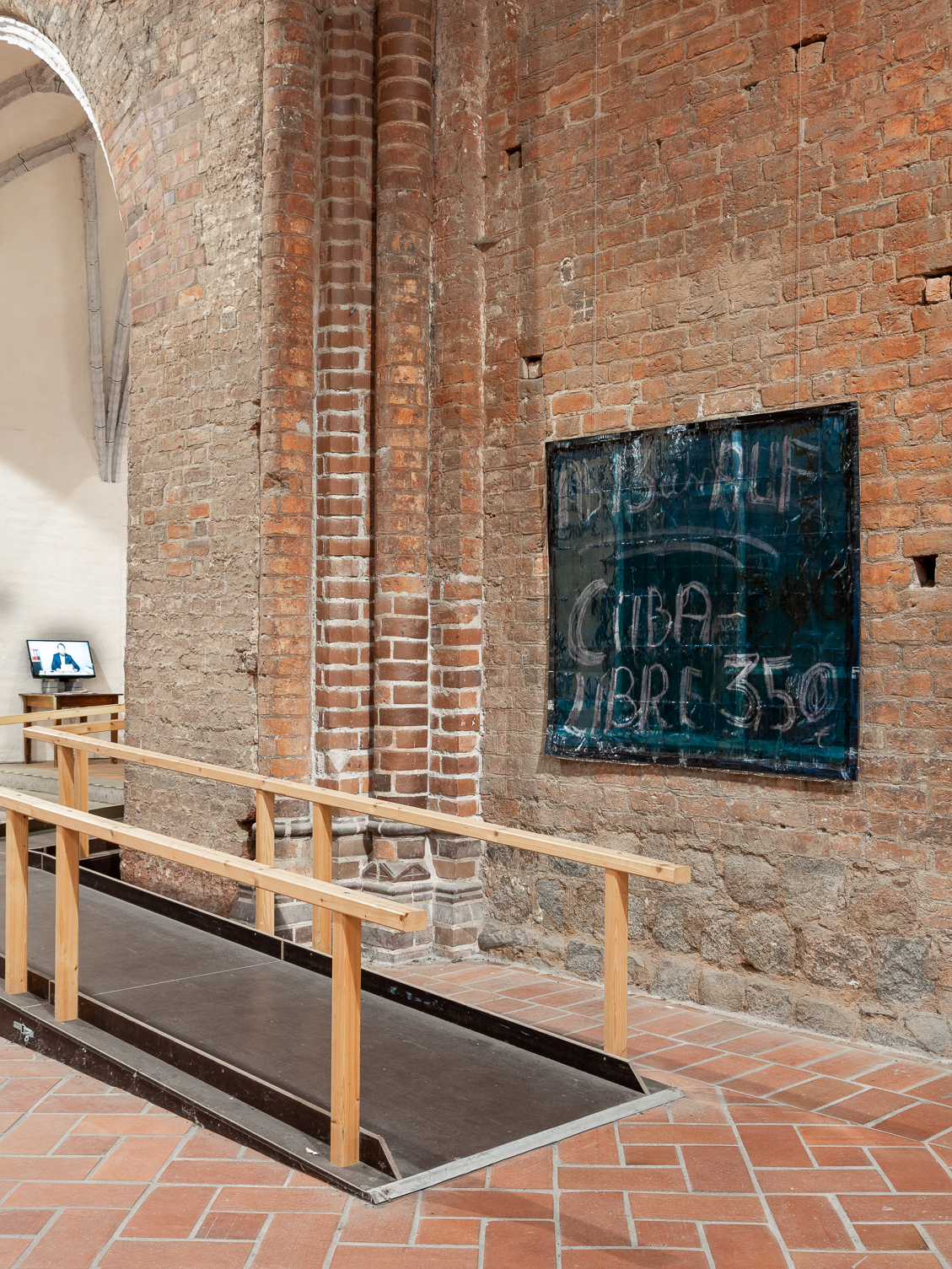
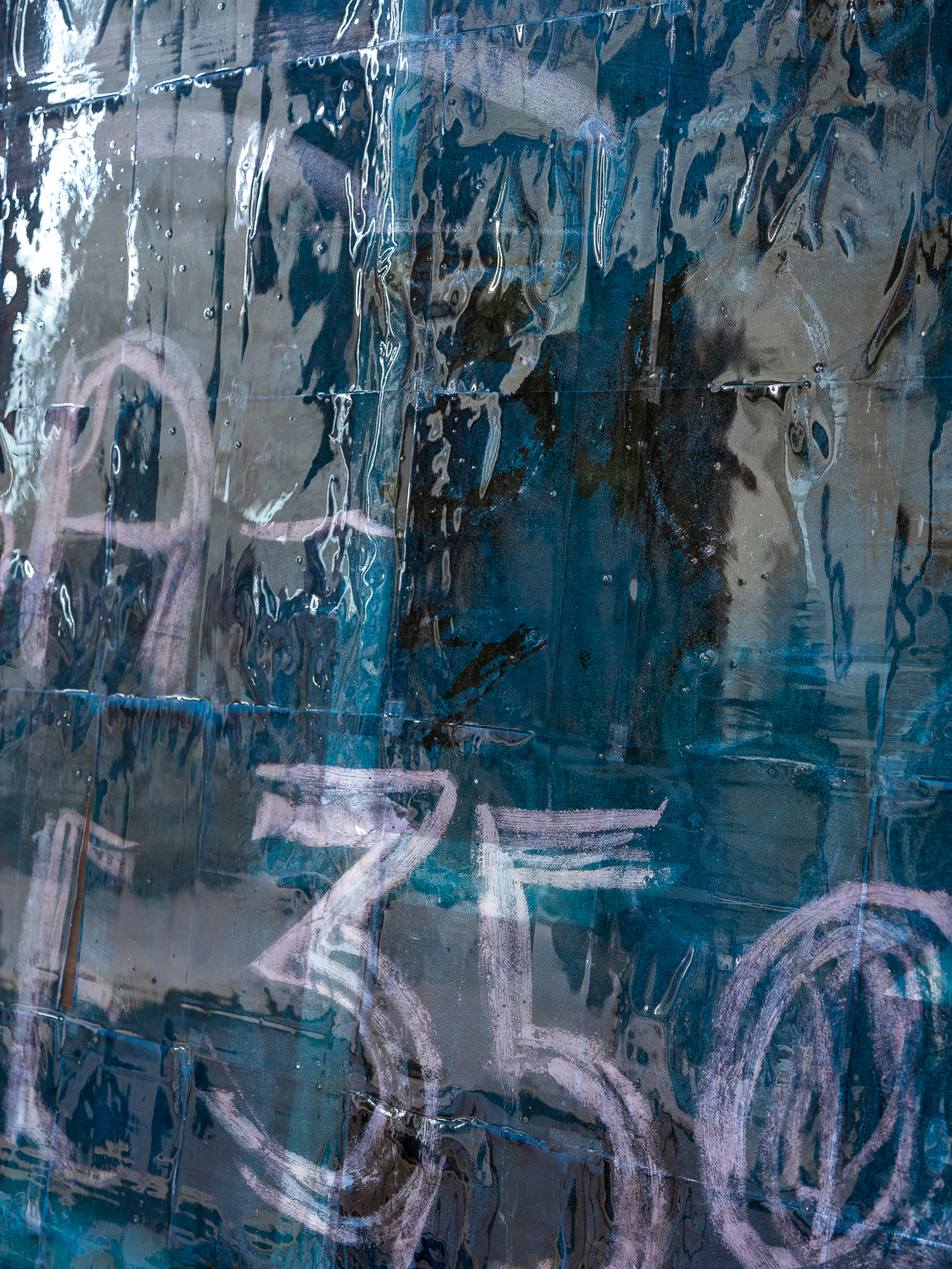
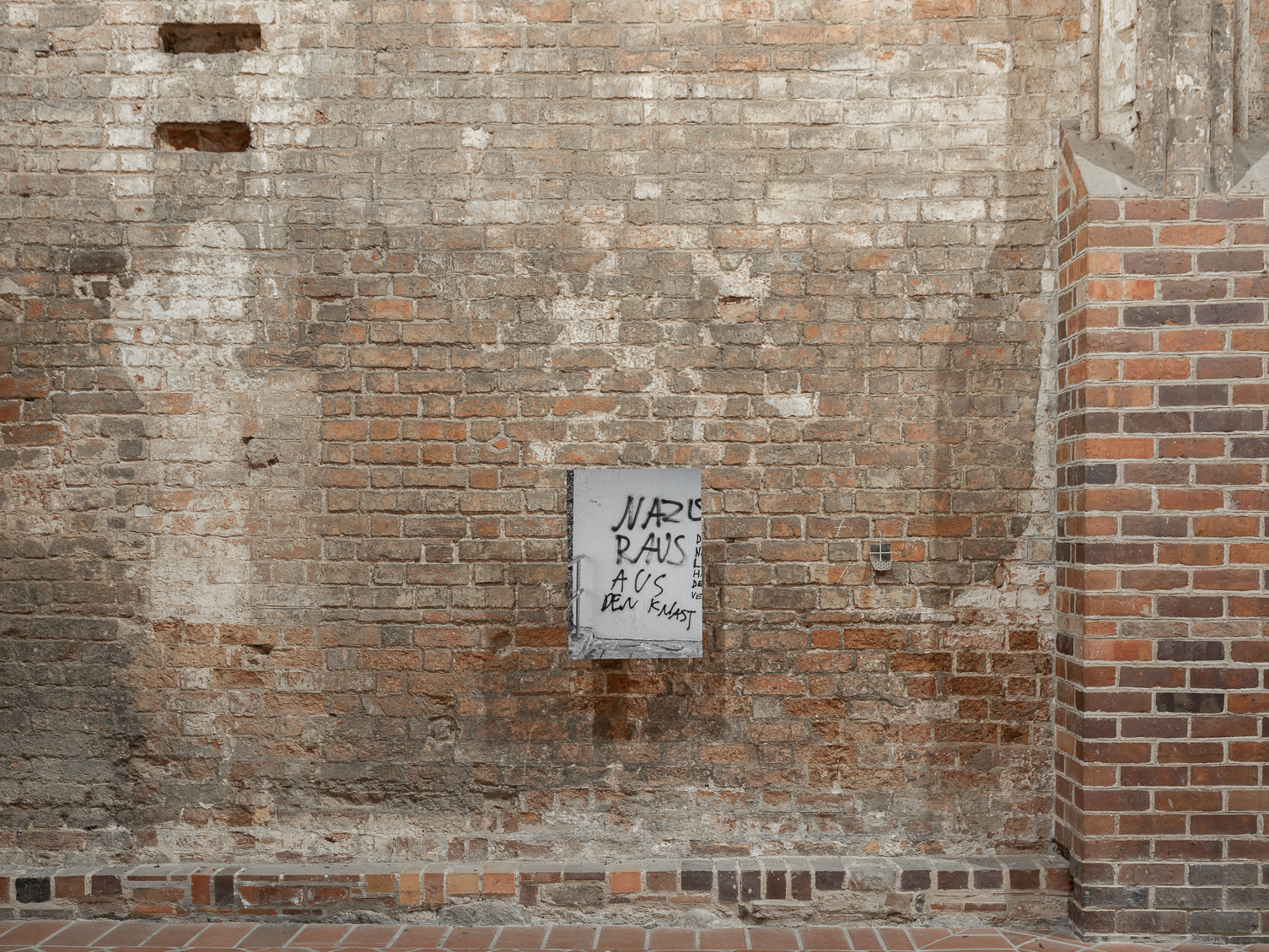
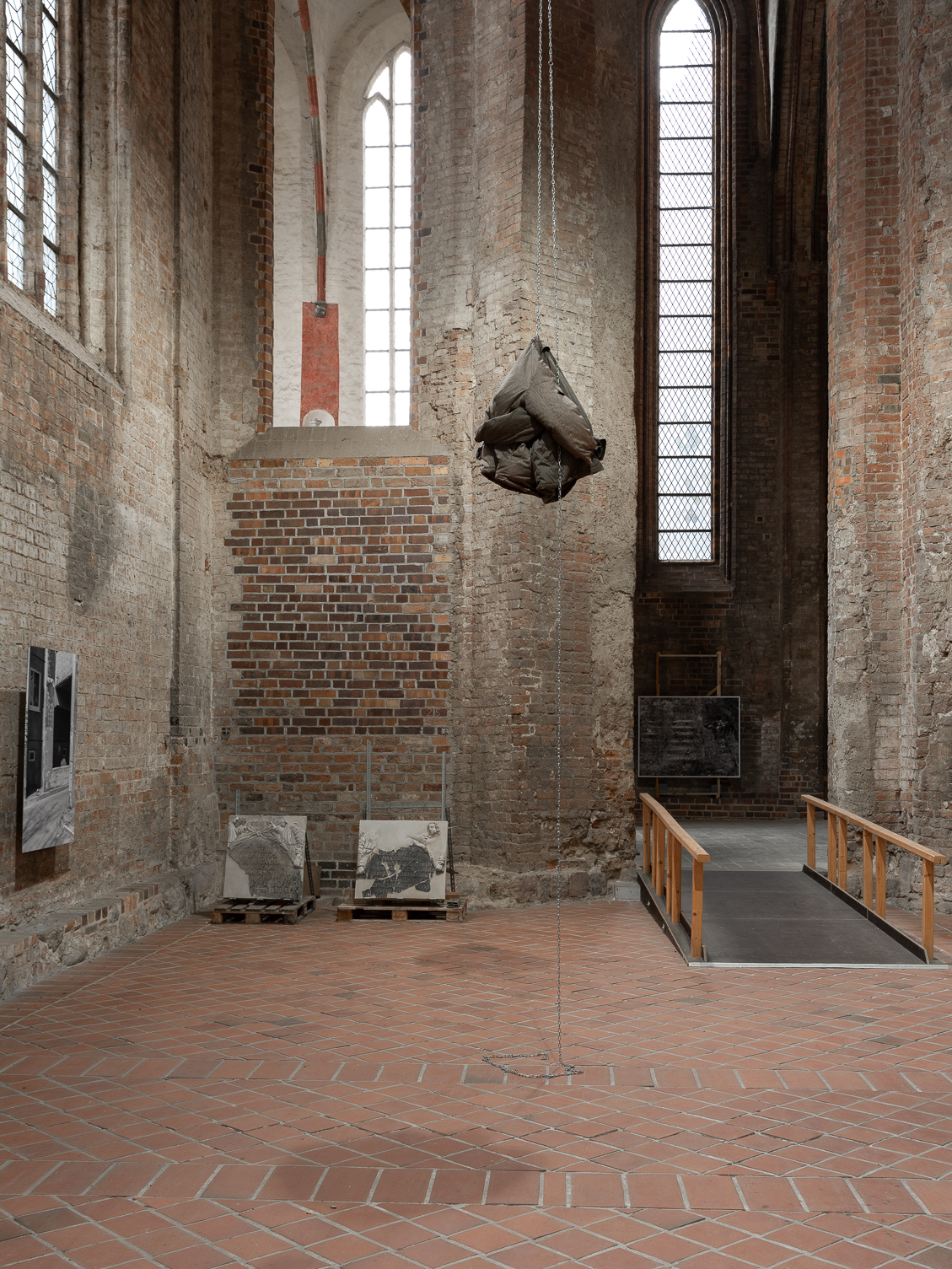
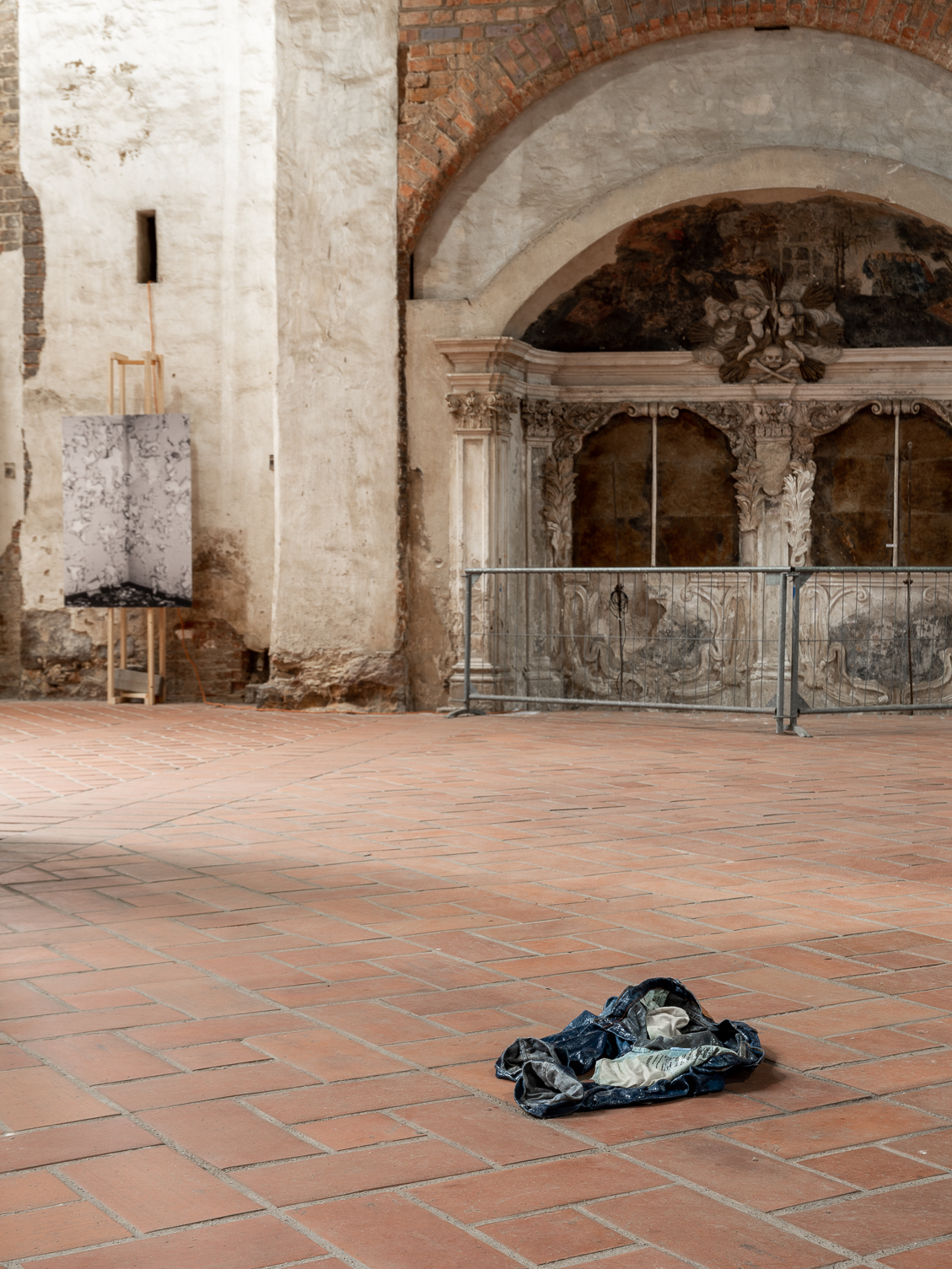
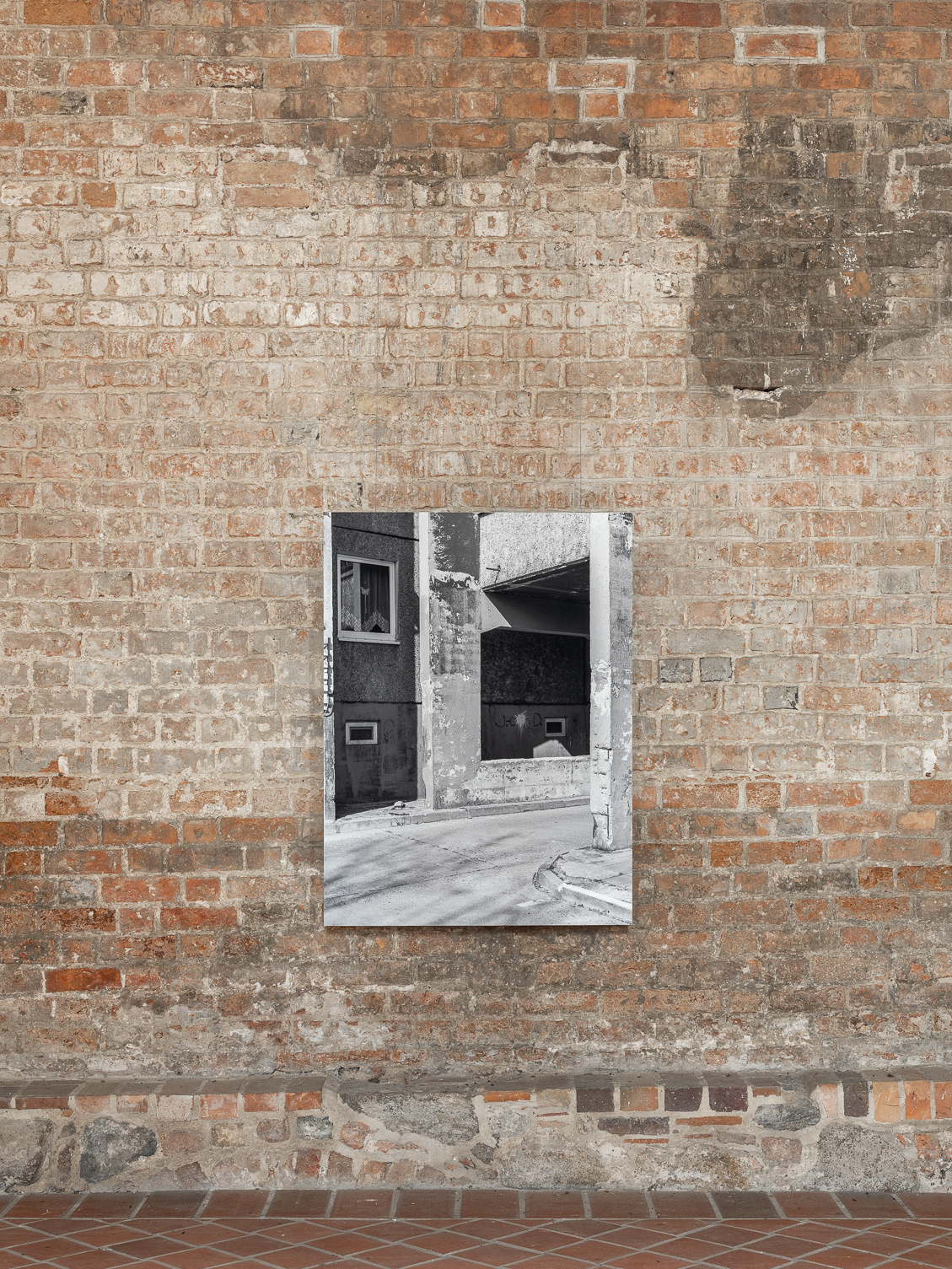
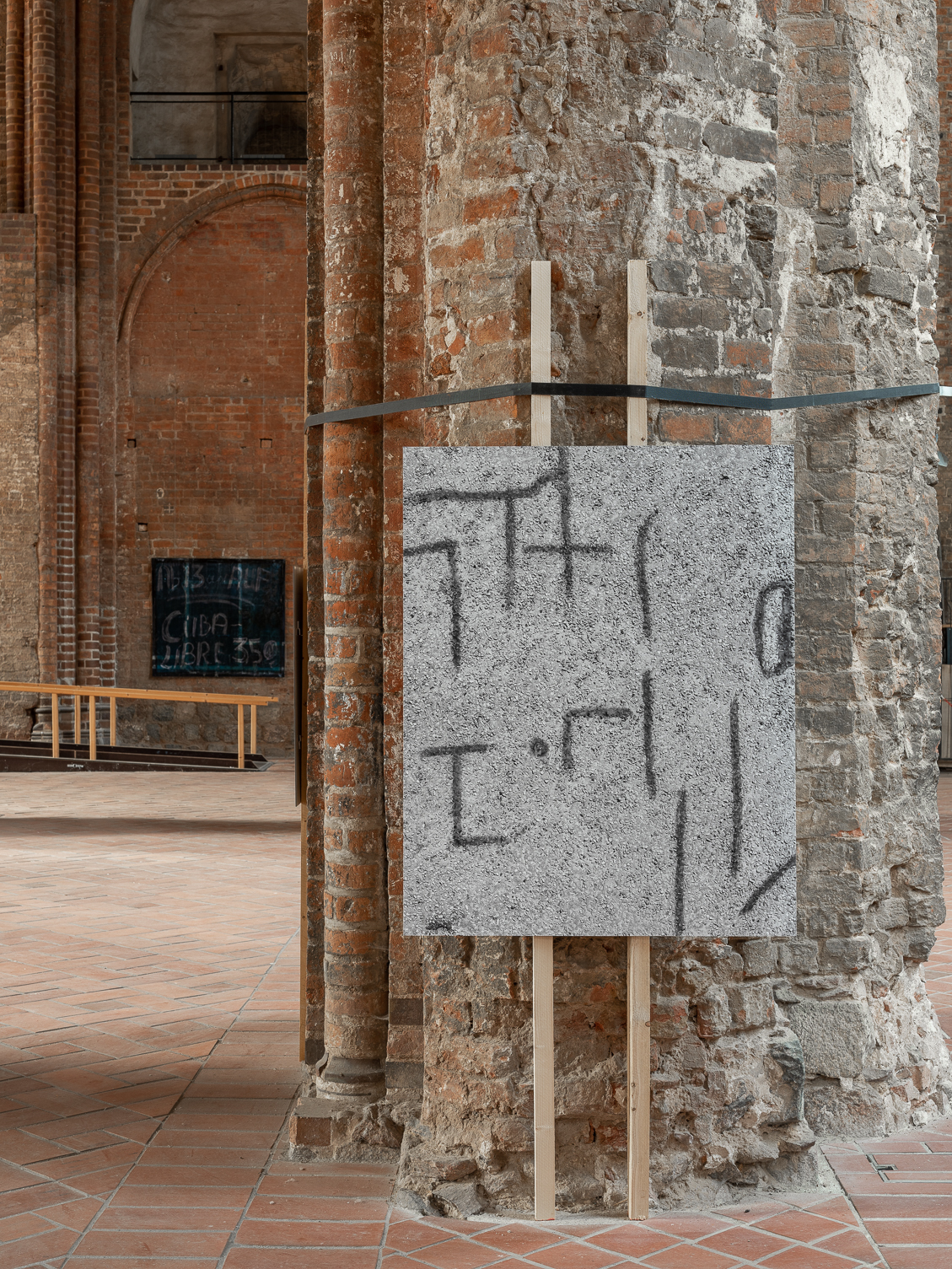
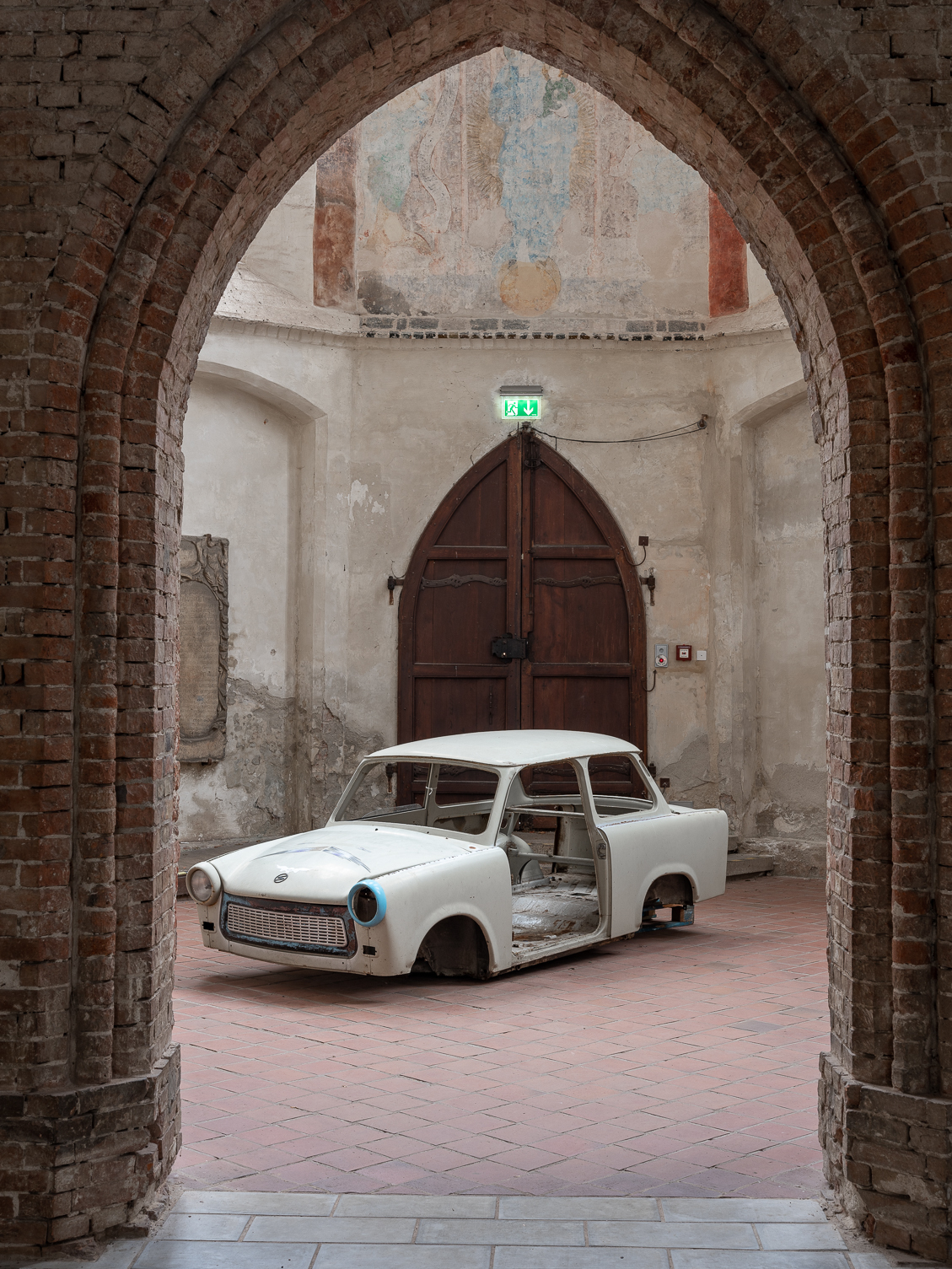
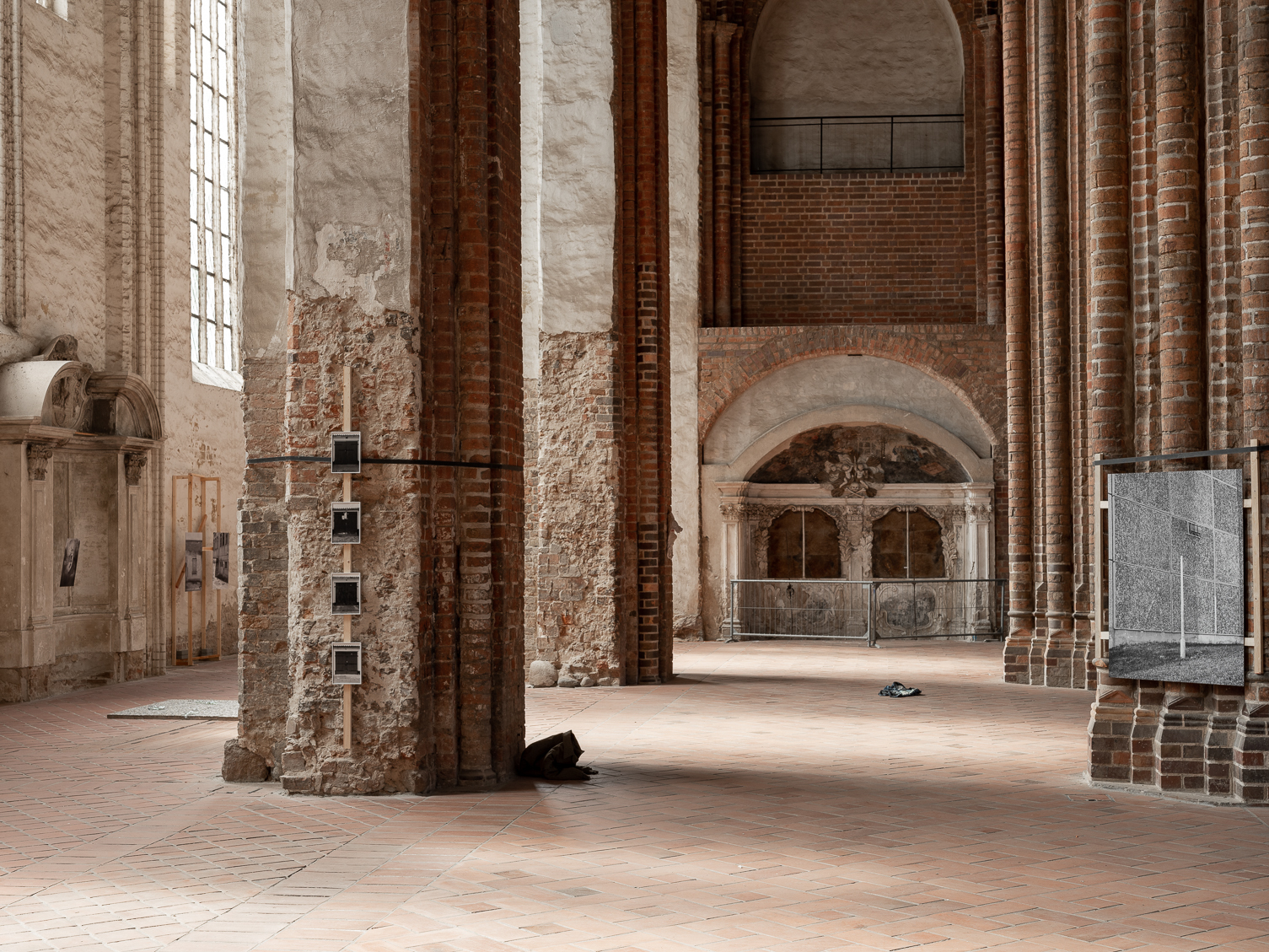
For the first time, the artist Eric Meier presents recent works in his hometown of Frankfurt (Oder). Eric Meier’s subject is the East German city. In black-and-white photography, he depicts urban spaces and architectural fragments into which signs of post-socialist transformation and the loss of a constructed social utopia have been inscribed.
The photographs thus become indicators of an urban condition in flux, shaped equally by individual mythologies and collective recodings or reconfigurations.
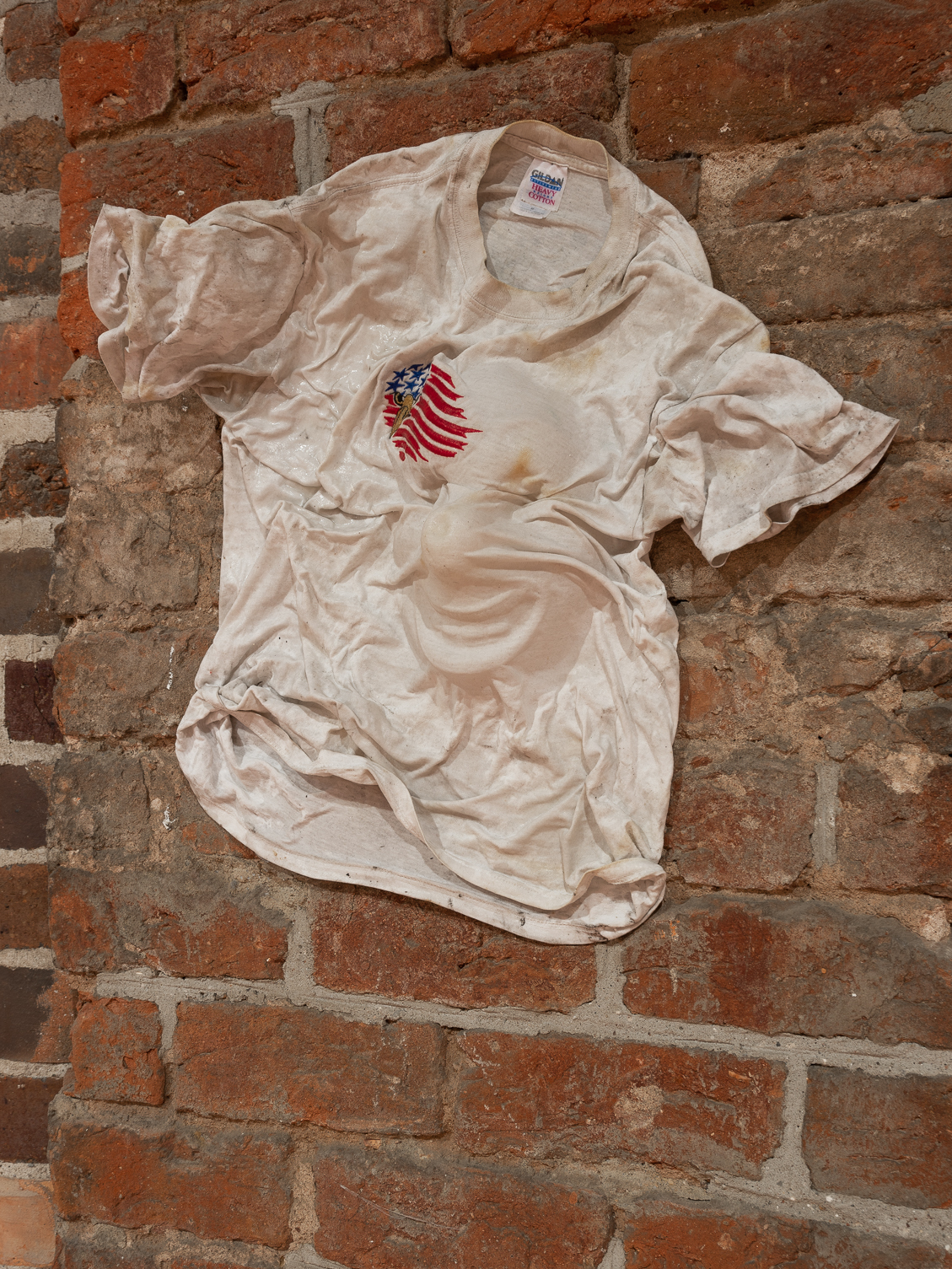
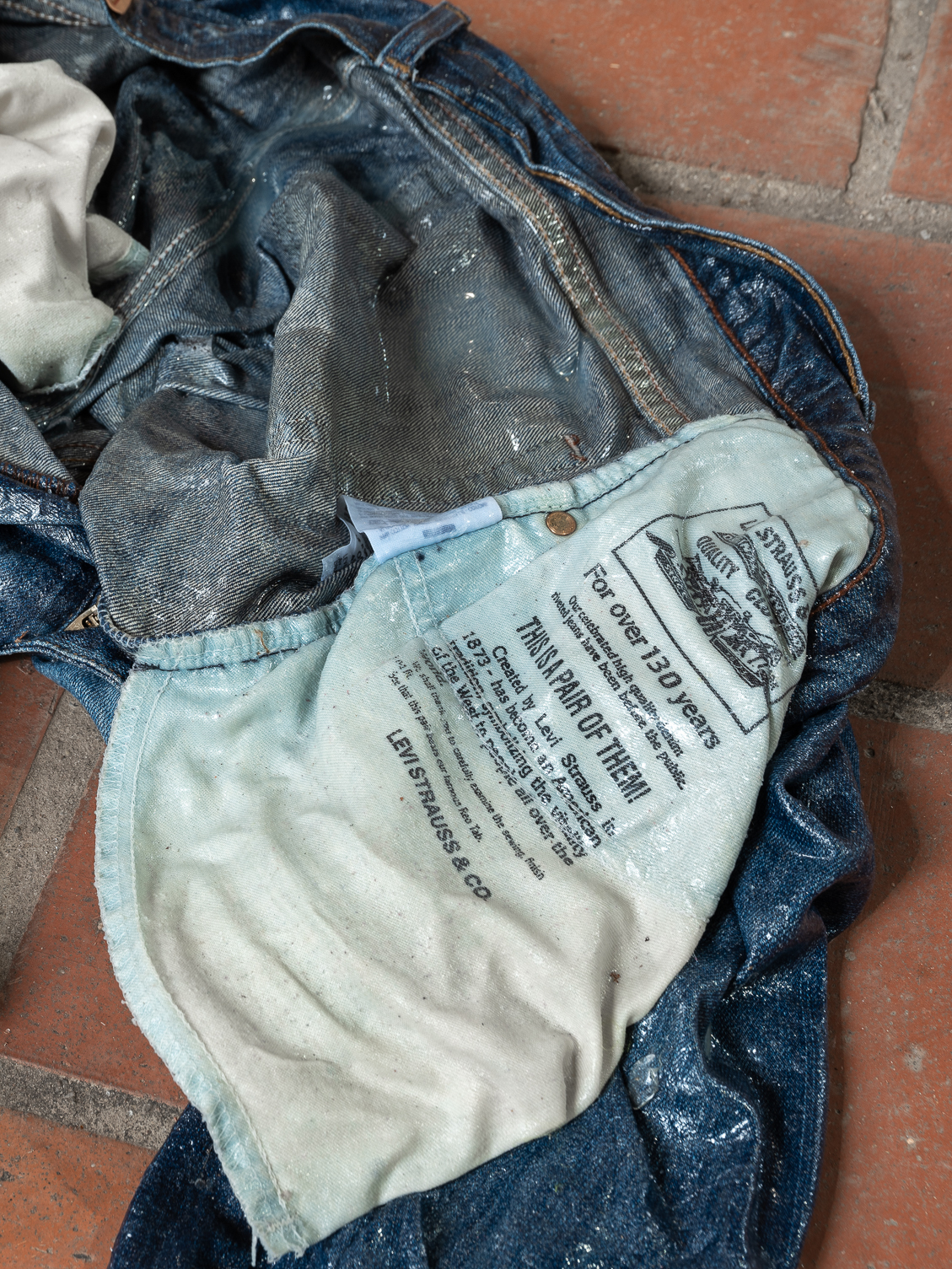
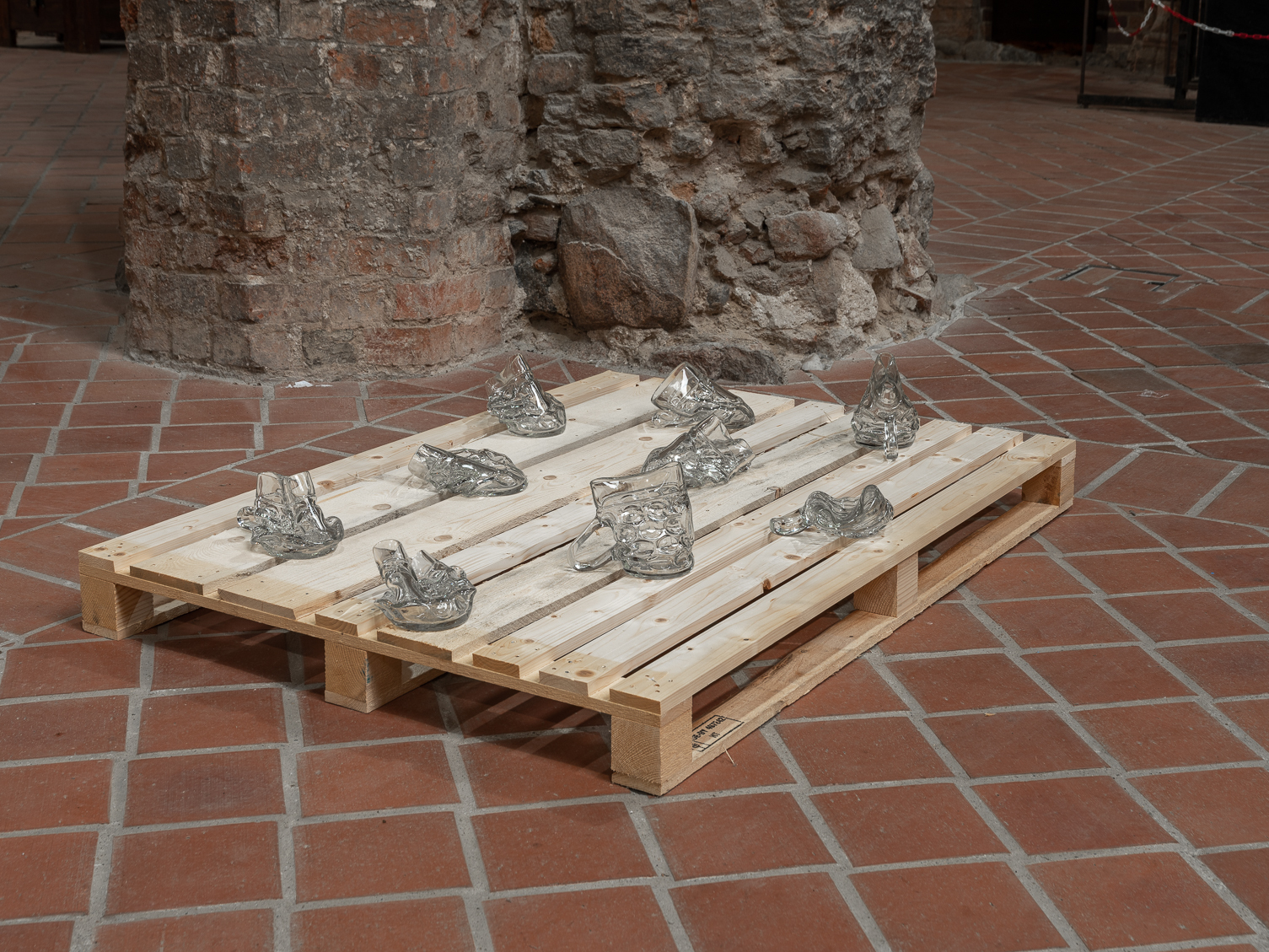
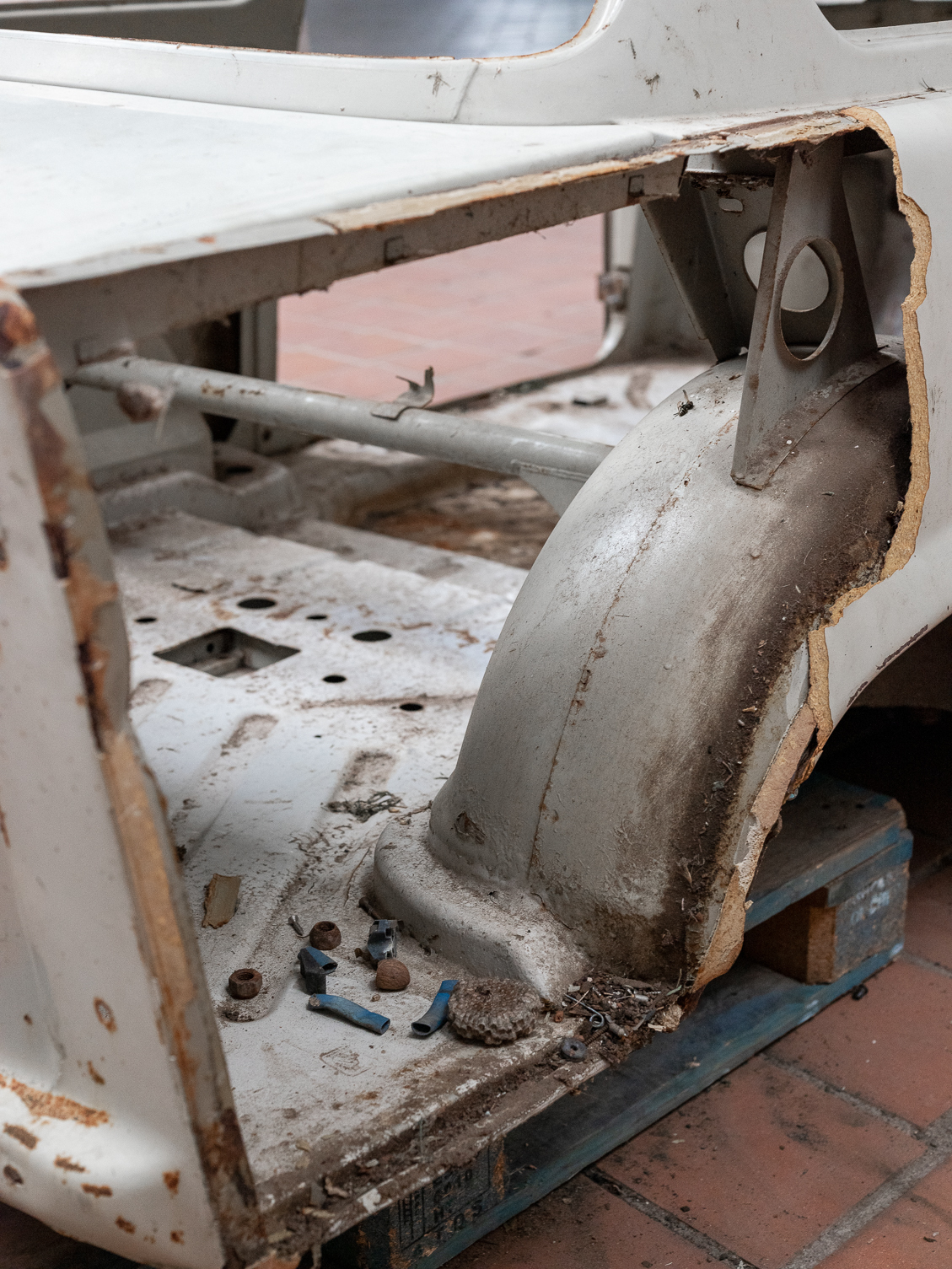
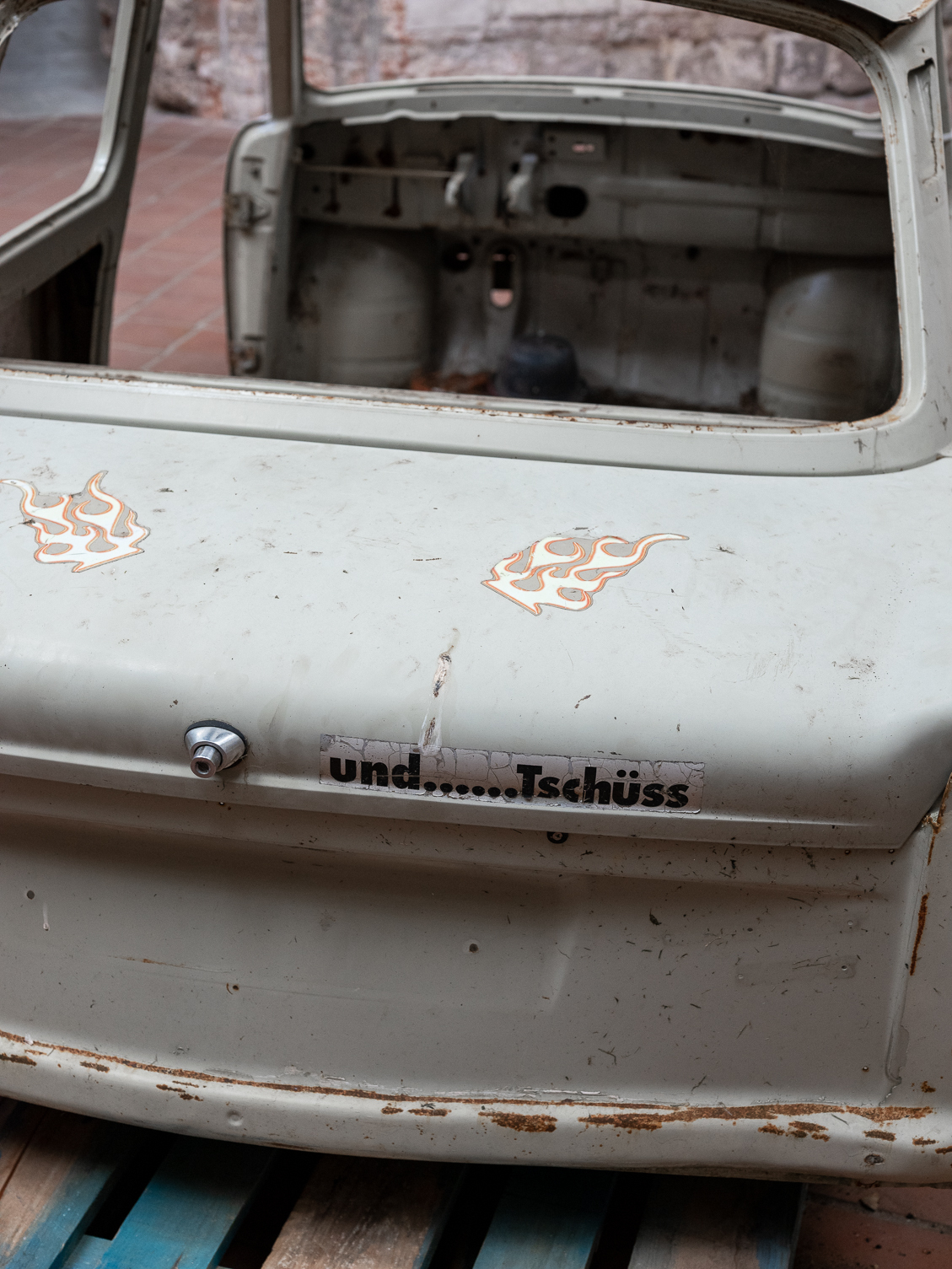
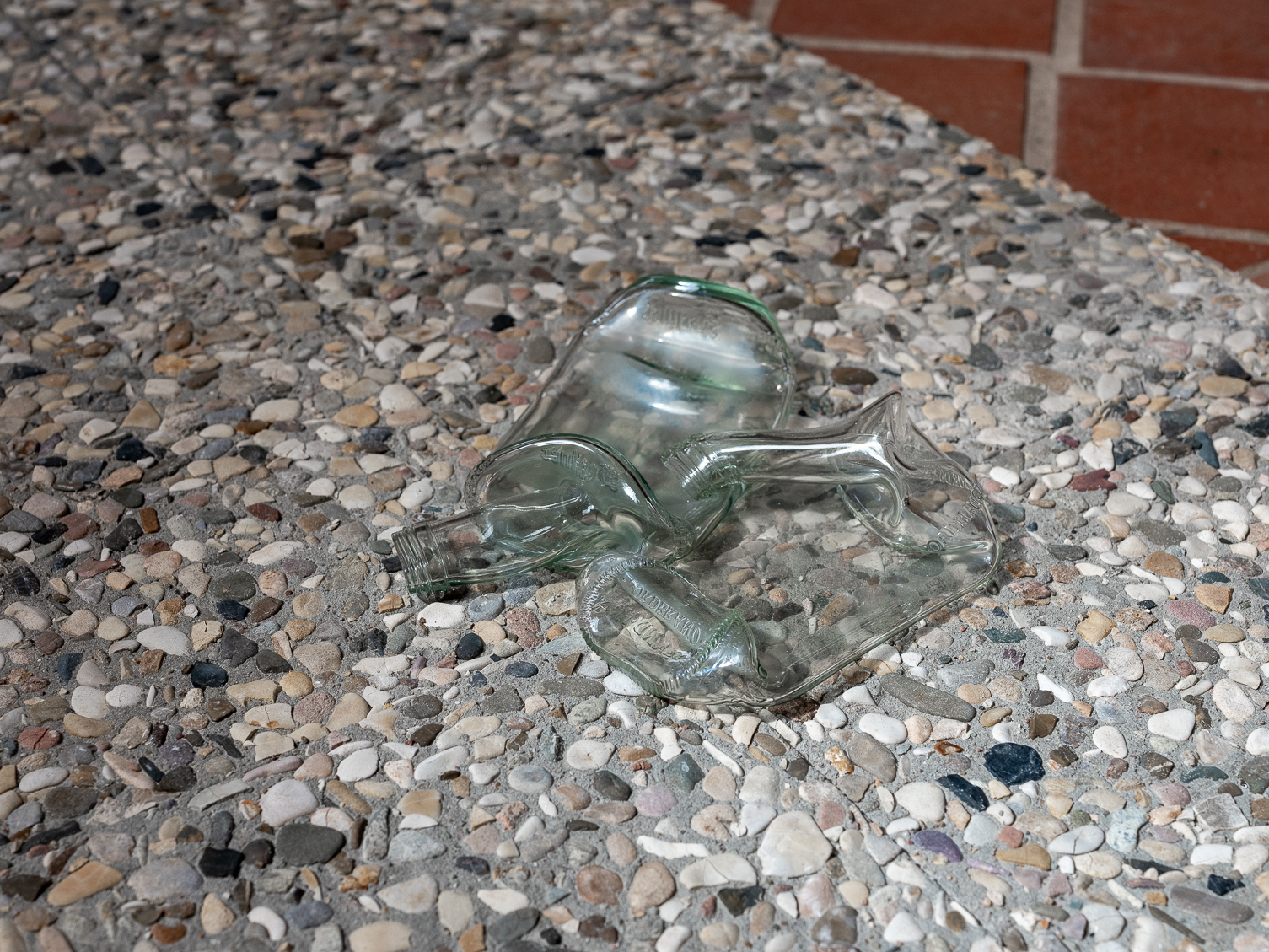
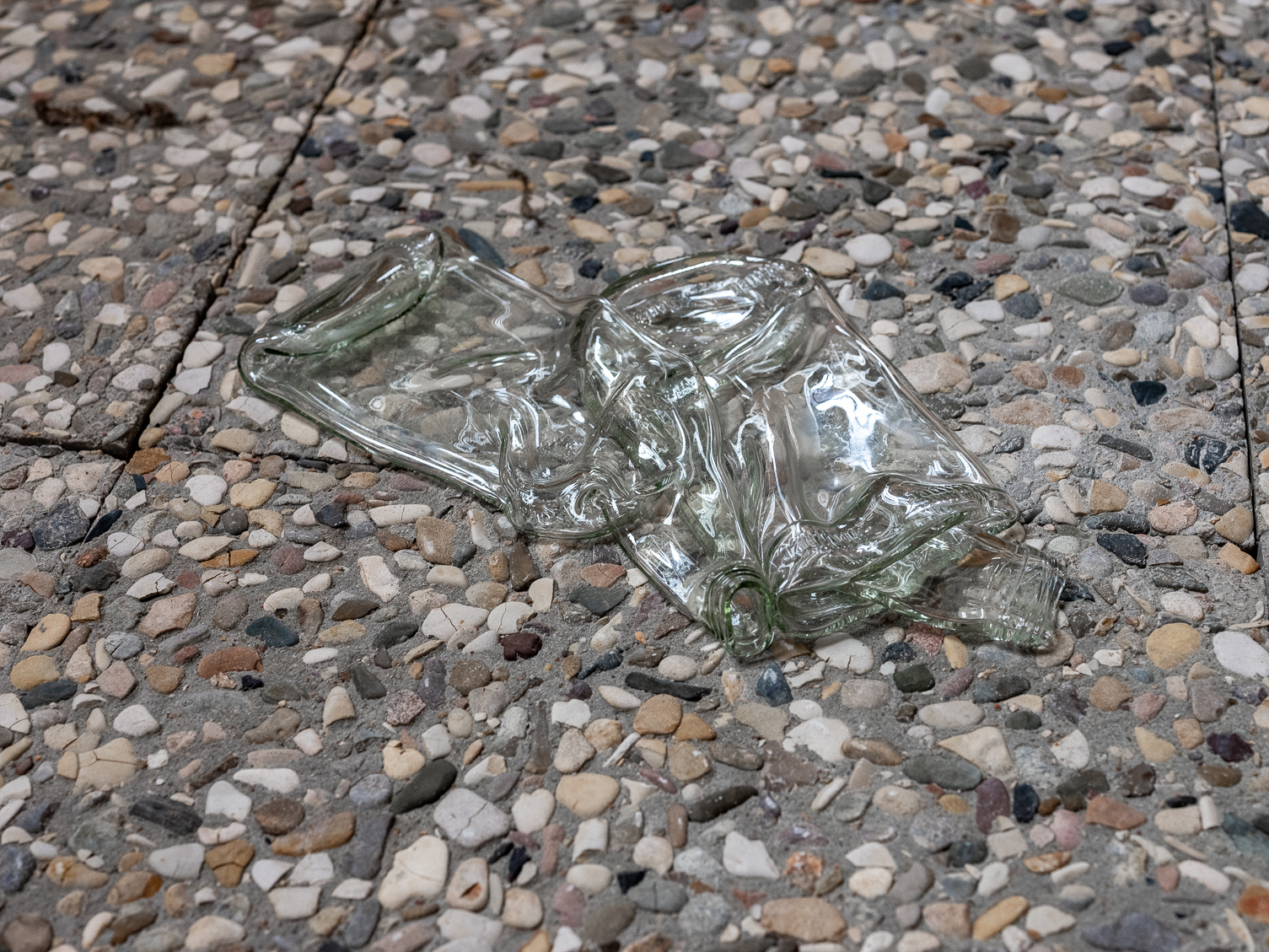
Although Frankfurt (Oder) is often the point of departure for his photographic investigations, Meier is not concerned with documenting a specific city. Rather, he employs a quasi archival-sociological approach, observing and describing post-socialist urban spaces through photography. The human figure is mostly absent, yet made visible through its civilizational traces, imprints, or gestures. In this way, Meier articulates, on a visual-aesthetic level, a sense of emptiness or a semantic gap…
Exhibition Space


Reelleti Scheck
St.-Marien-Kirche Frankfurt (Oder)•Aug 14, 2021 — Sep 25, 2021
Press Release
For the first time, the artist Eric Meier presents recent works in his hometown of Frankfurt (Oder). Eric Meier’s subject is the East German city. In black-and-white photography, he depicts urban spaces and architectural fragments into which signs of post-socialist transformation and the loss of a constructed social utopia have been inscribed.
The photographs thus become indicators of an urban condition in flux, shaped equally by individual mythologies and collective recodings or reconfigurations.
Although Frankfurt (Oder) is often the point of departure for his photographic investigations, Meier is not concerned with documenting a specific city. Rather, he employs a quasi archival-sociological approach, observing and describing post-socialist urban spaces through photography. The human figure is mostly absent, yet made visible through its civilizational traces, imprints, or gestures. In this way, Meier articulates, on a visual-aesthetic level, a sense of emptiness or a semantic gap…
Exhibition Space
Artist
UntitledDb Feed
Guestbook

Editing is restricted
You cannot submit an edit because the institution hosting this exhibition has been claimed by .
Editing this section requires claiming the profile of the institution hosting this exhibition.
Claims are one of the many safeguards in place on UntitledDb that preserve the integrity of the information on our platform.
Editing is restricted
Editing this section requires claiming the profile of the institution hosting this exhibition.
Claims are one of the many safeguards in place on UntitledDb that preserve the integrity of the information on our platform.
Editing is restricted
A reputation of 20,000 or higher is needed to edit posts created by other users.
Familiarize yourself with our platform by creating new posts and watching your favorites. You'll reach a reputation of 20,000 in no time.
This is one of the many safeguards in place on UntitledDb that preserve the integrity of the information on our platform.
Account access options
Log in and connect with the art world
By continuing, you agree to our Terms of Use and Privacy Policy.
or
Account access options
Sign up and connect with the art world
By continuing, you agree to our Terms of Use and Privacy Policy.
or
Account access options
Expand your reach with UntitledDb Pro
By continuing, you agree to our Terms of Use and Privacy Policy.
or
Account access options
Grow your institution's reach and impact with UntitledDb Enterprise
By continuing, you agree to our Terms of Use and Privacy Policy.
or
Sign up for UntitledDb Pro to unlock this feature