Three Wicked Games
Salzburger Kunstverein•May 23, 2026 — Jul 12, 2026


Artist
Curator
More Exhibitions at Salzburger Kunstverein


Guestbook
Press Release
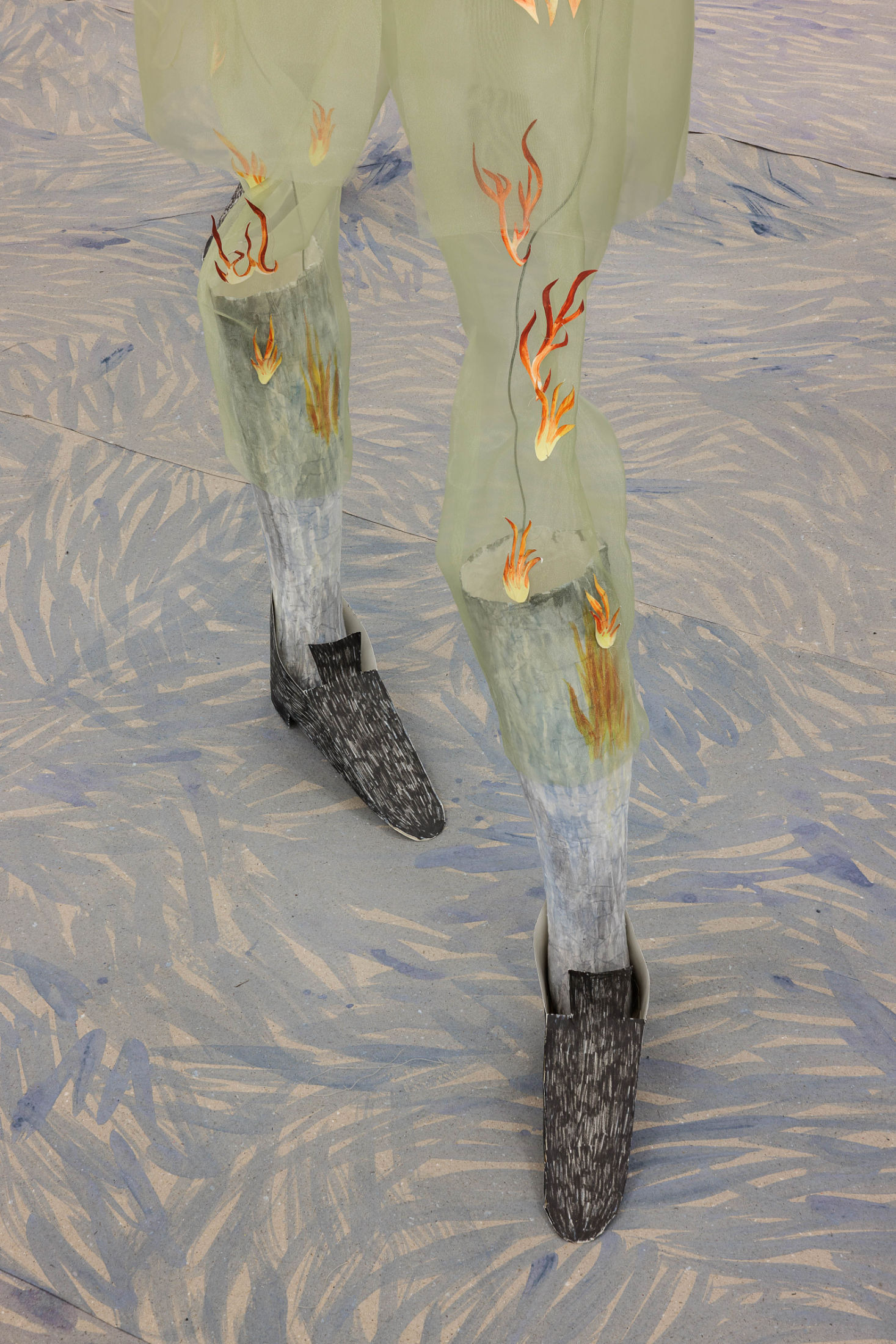
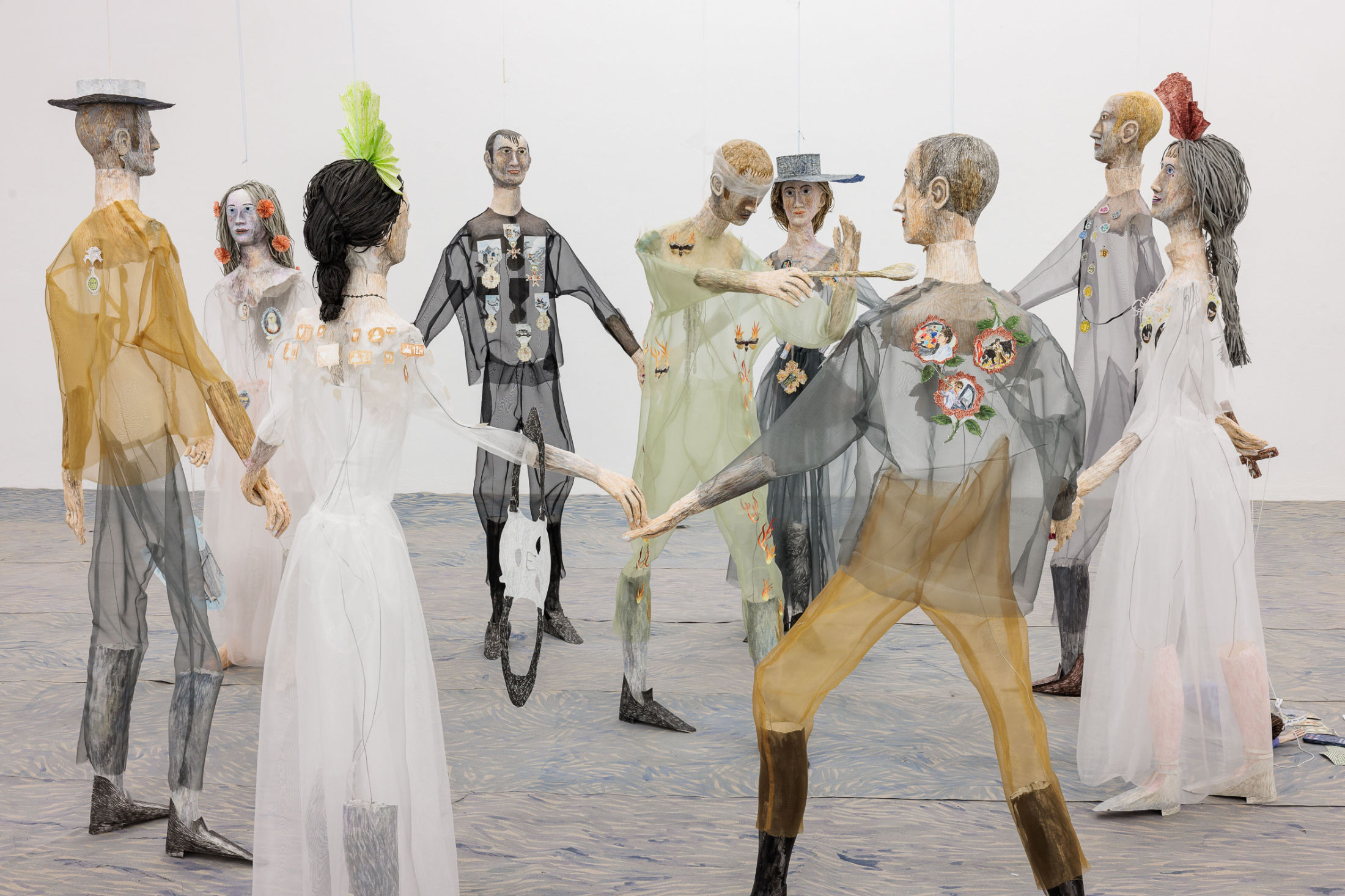
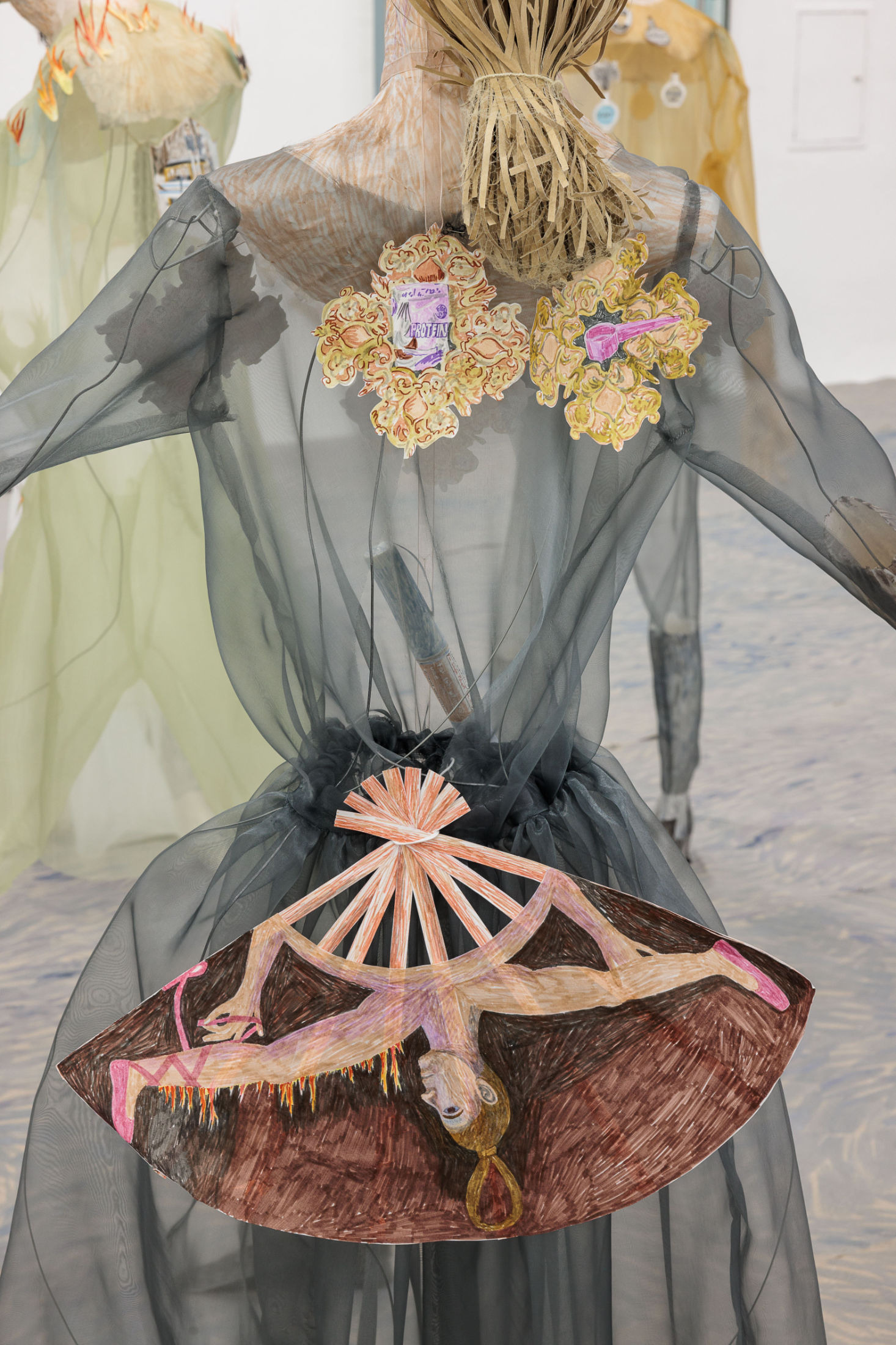
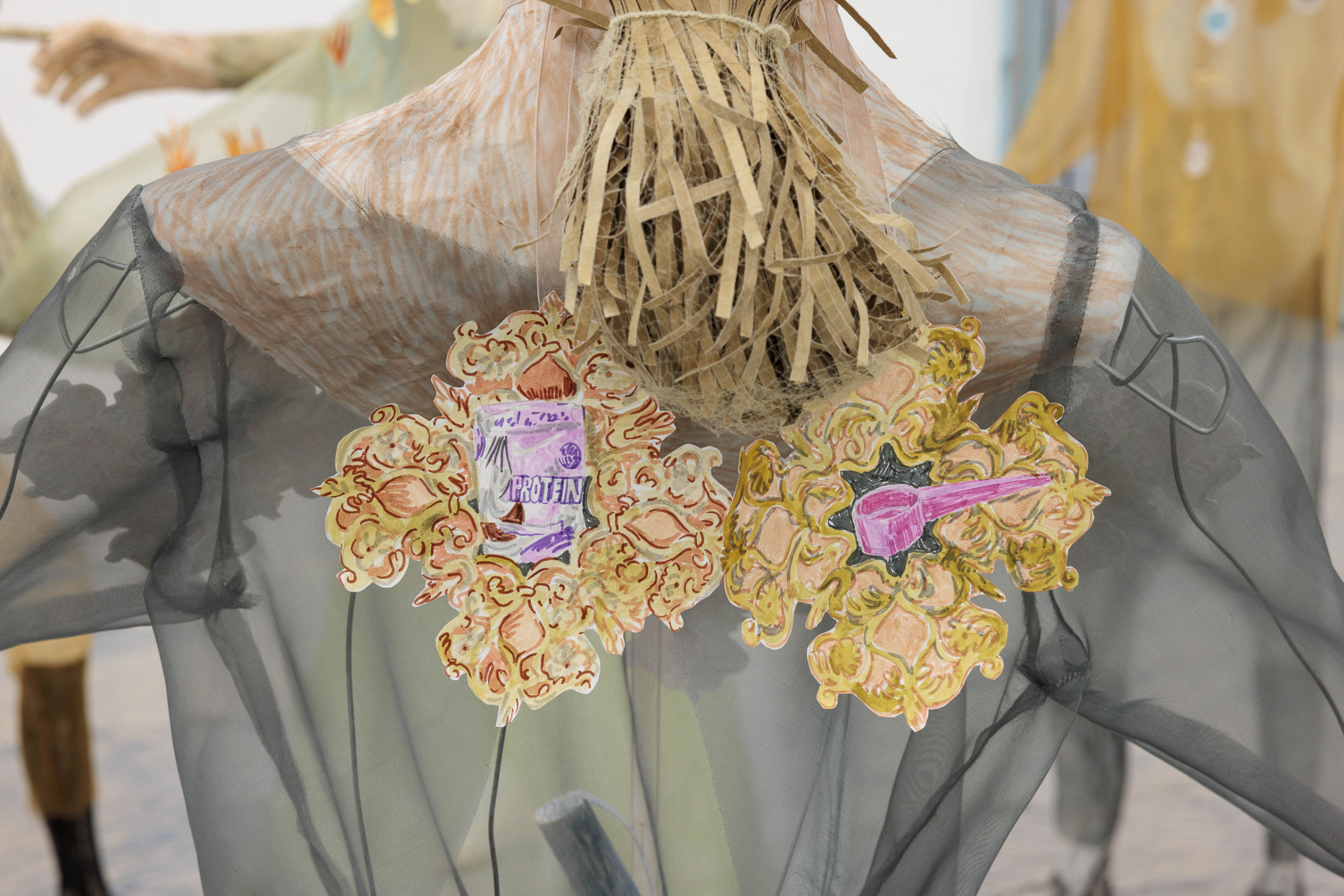
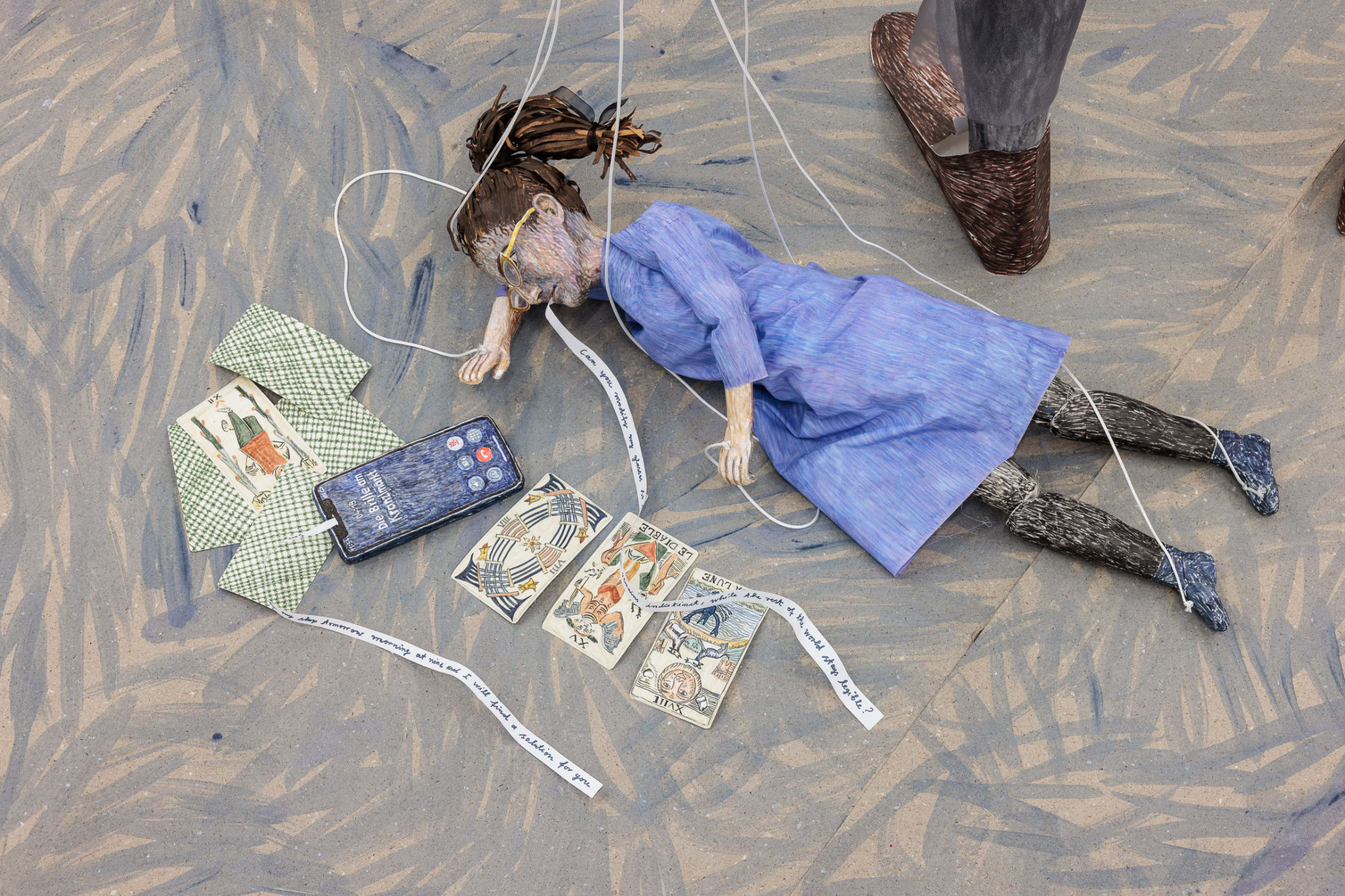
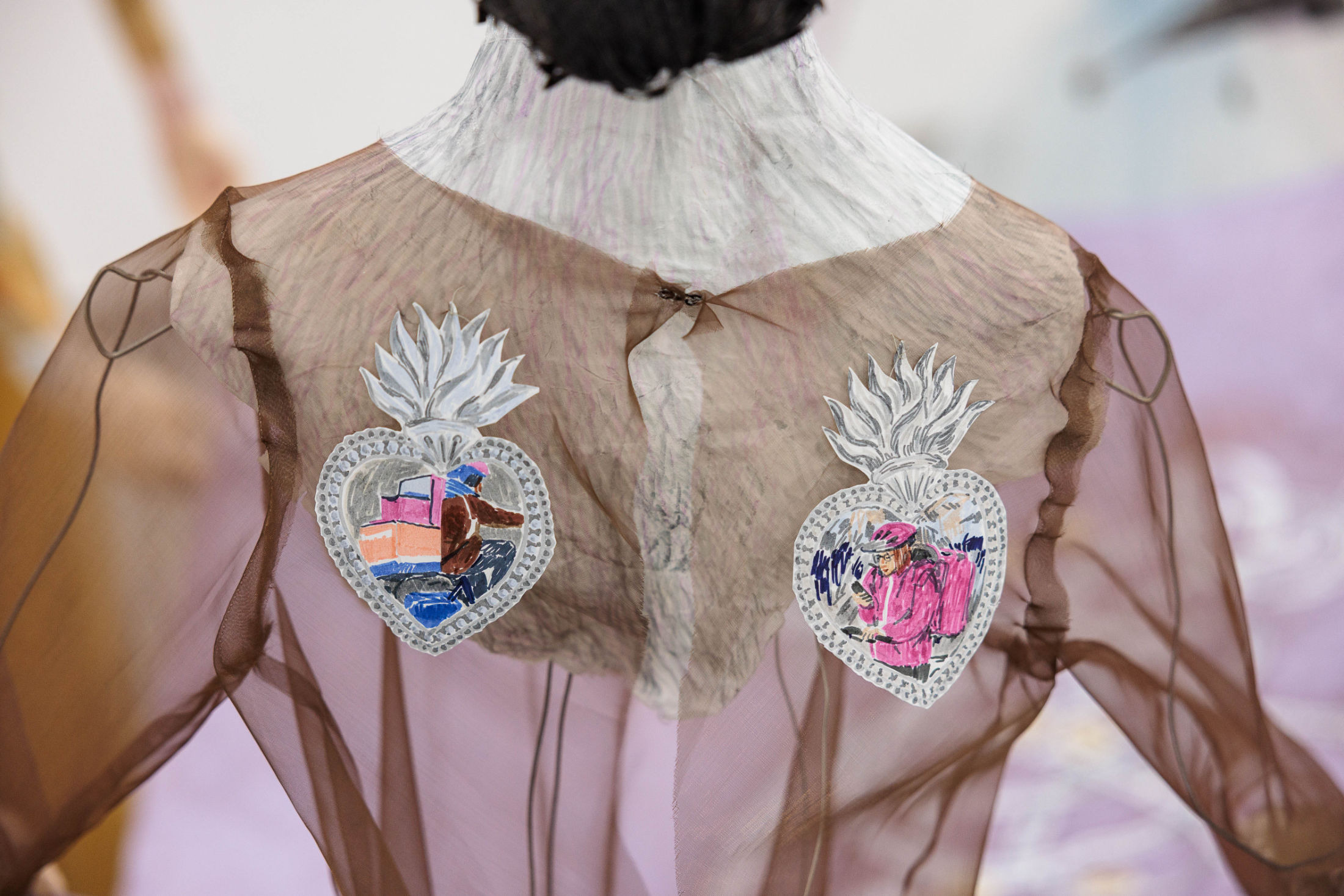
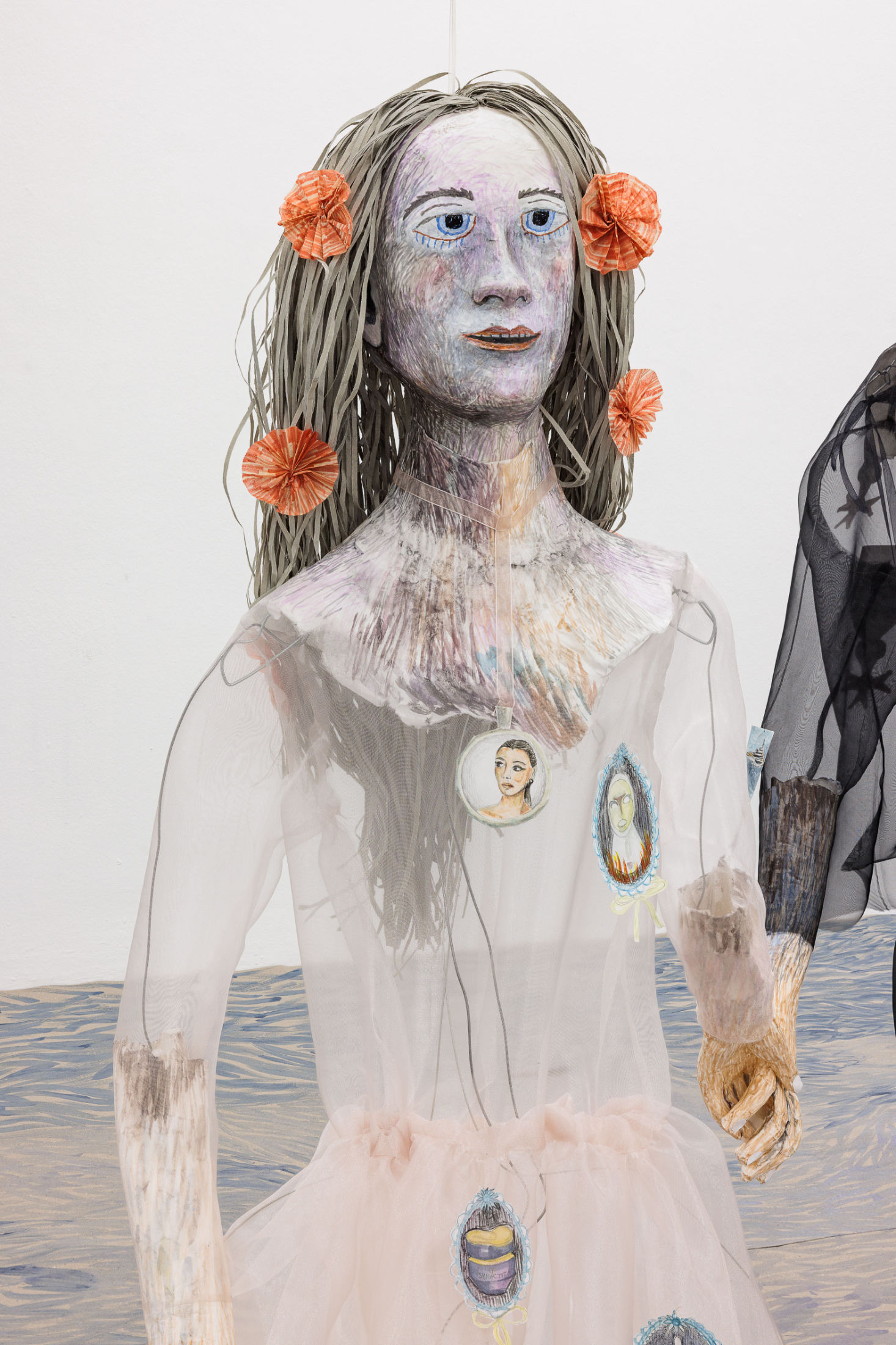
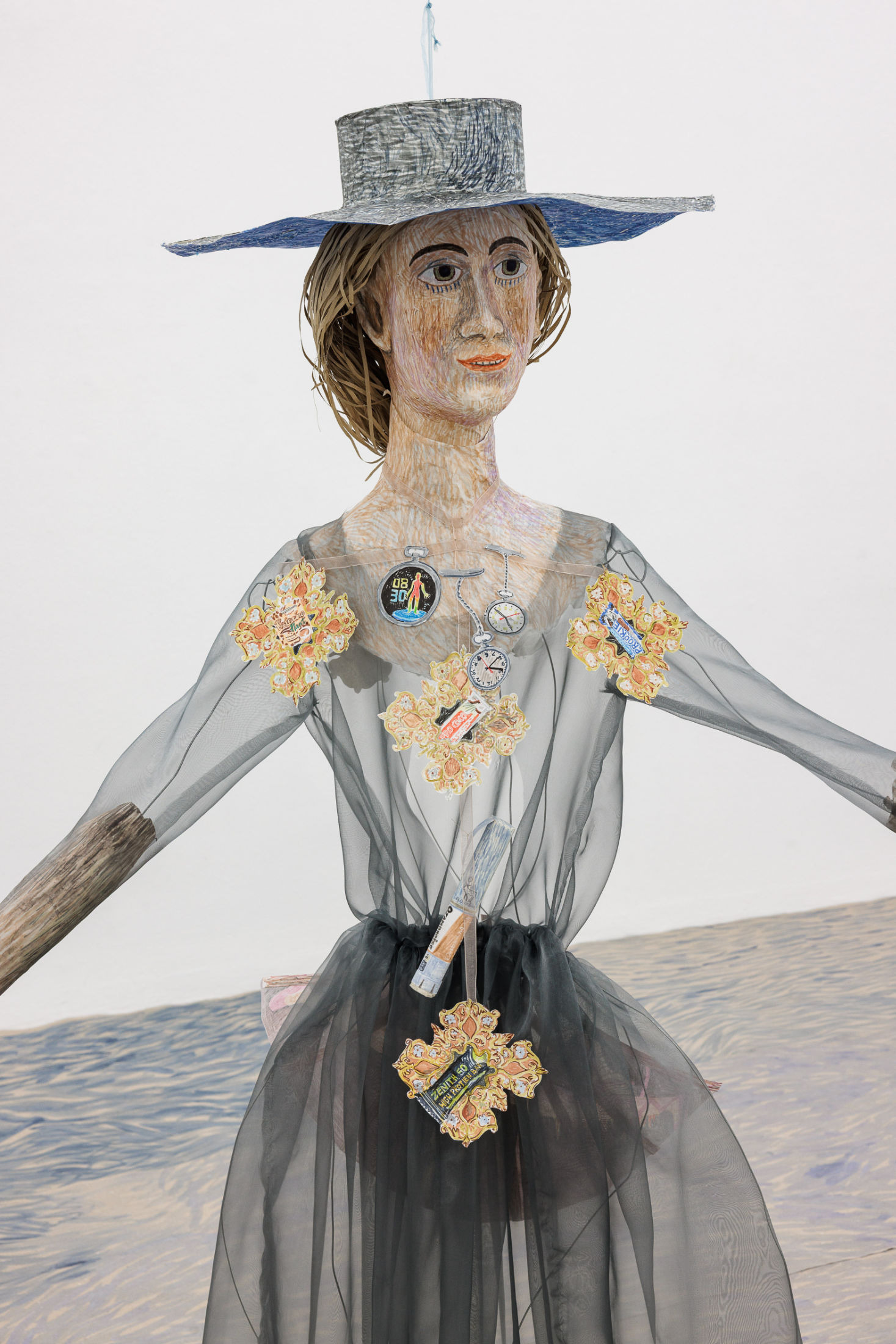
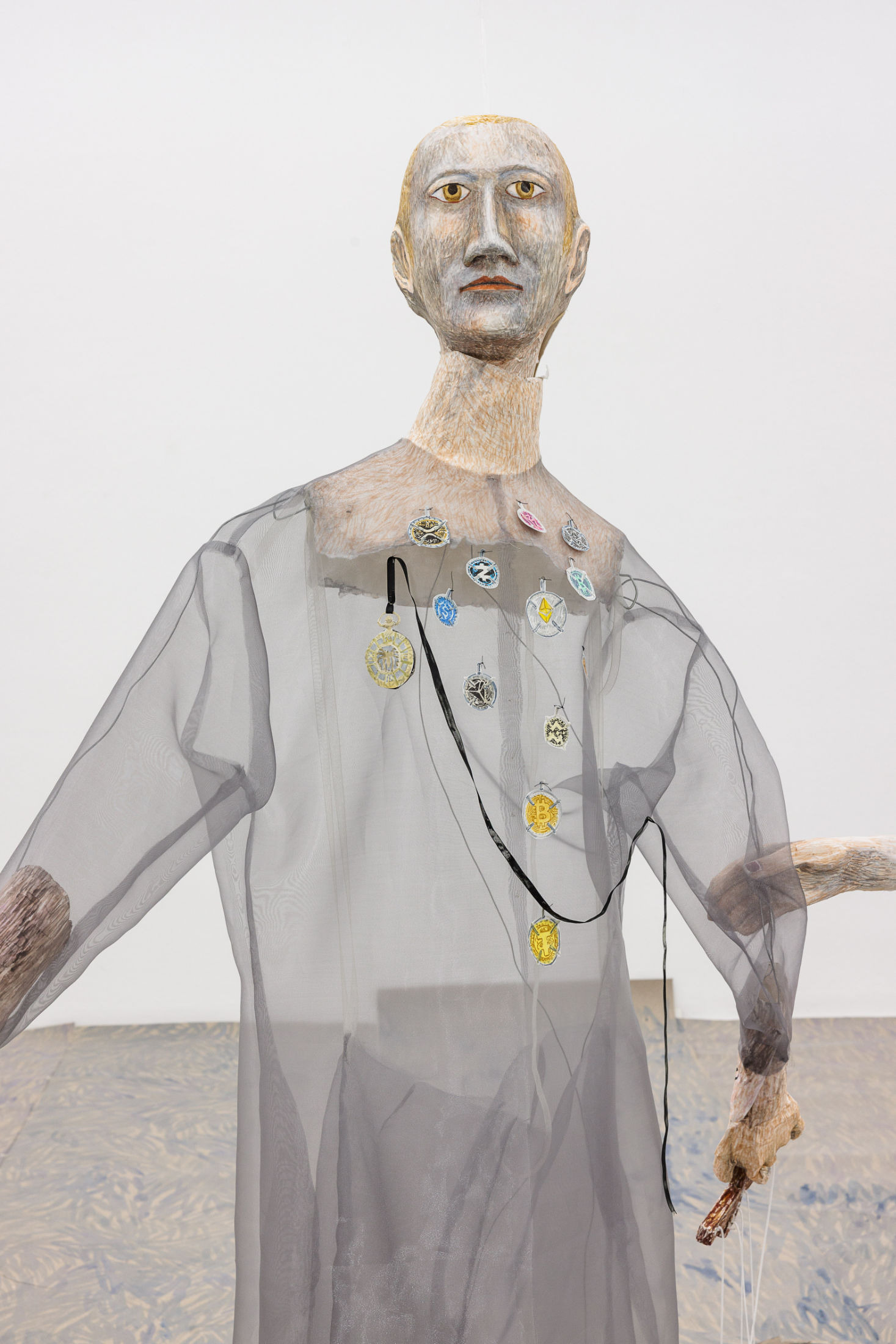
A society can be described by what it desires. By what it rubs into its skin, swallows, injects, uploads, gambles with, monetizes, disciplines, tracks on its wrist. By the little rituals by which it tries to remain alive.
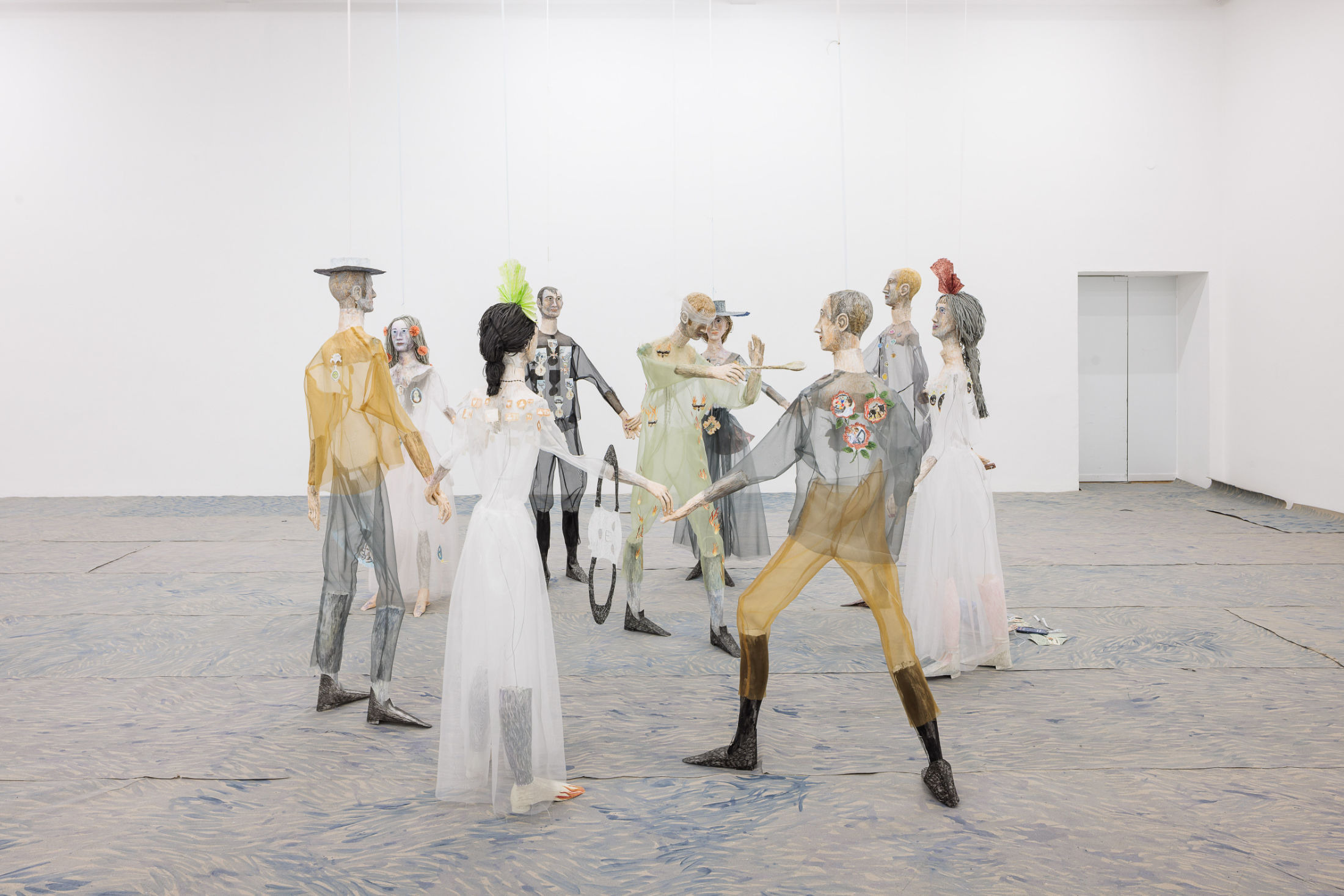
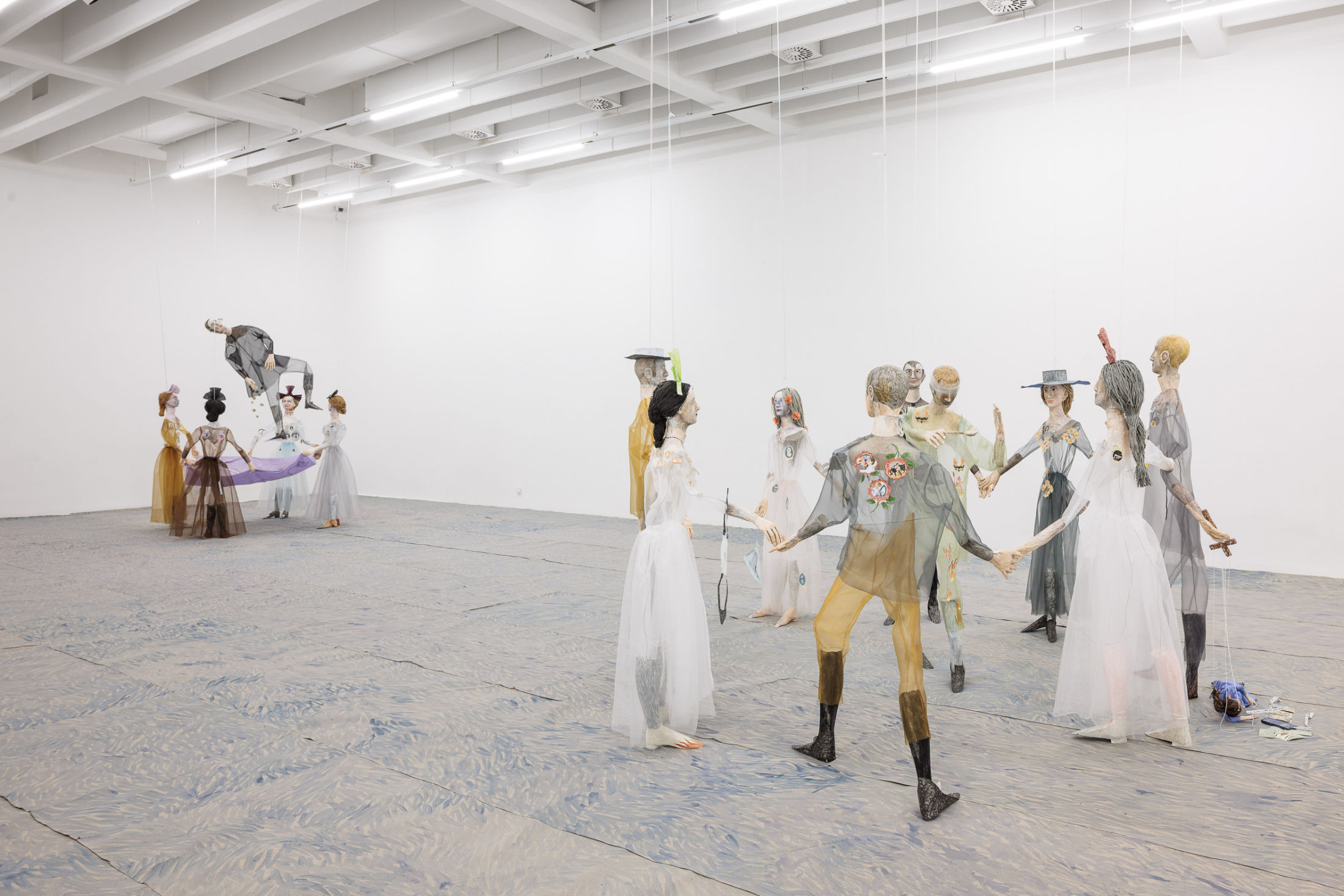
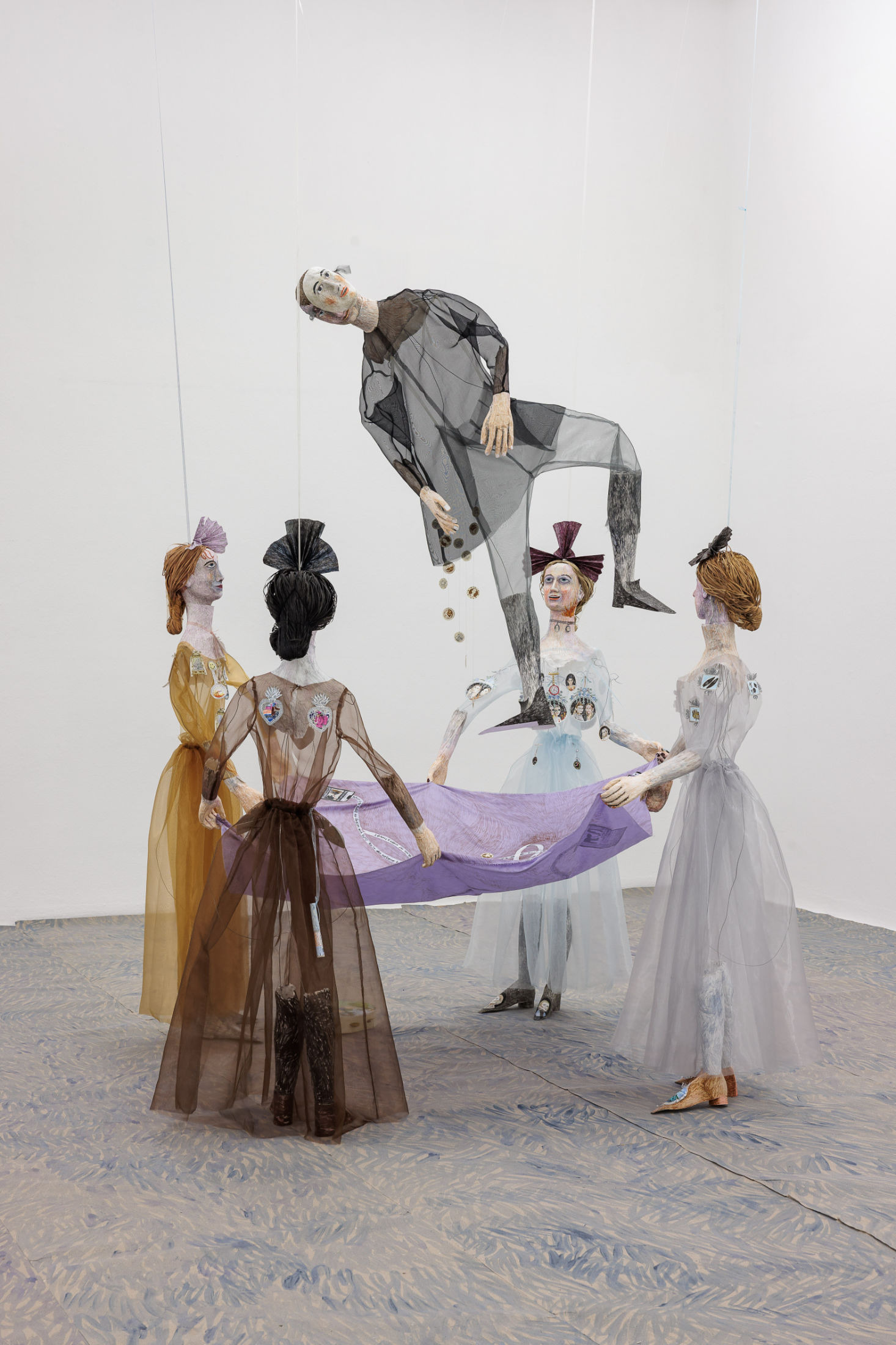
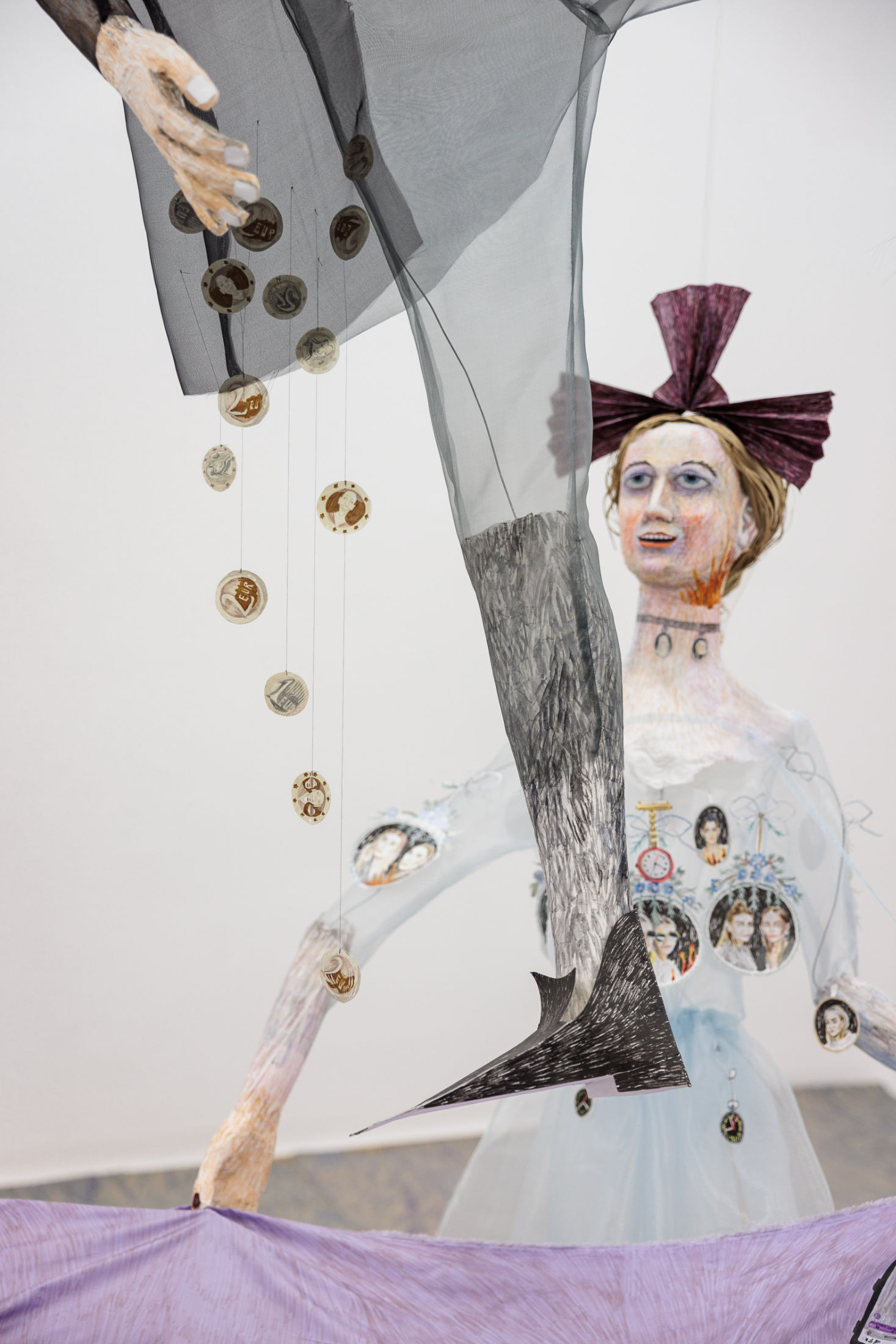
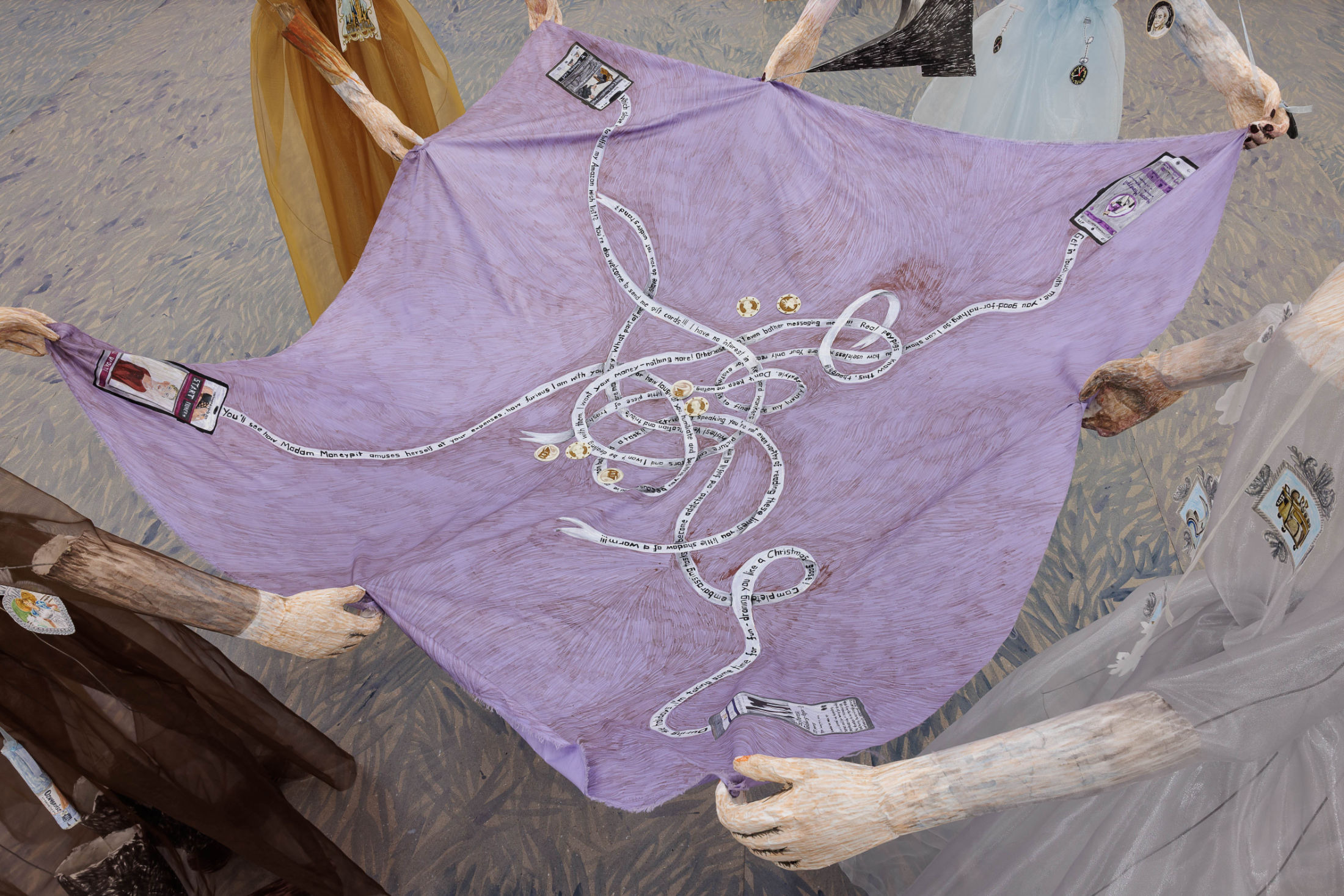
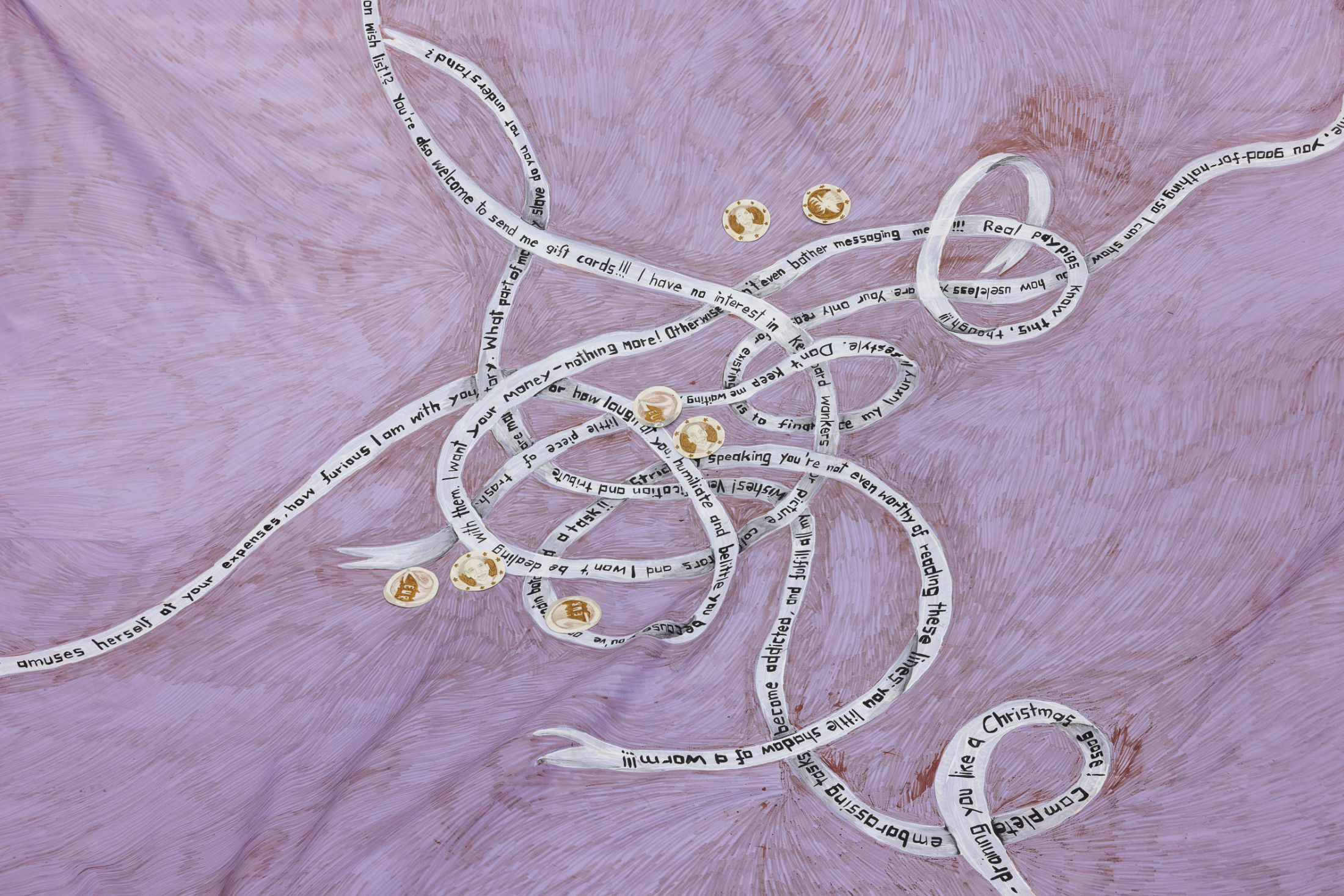
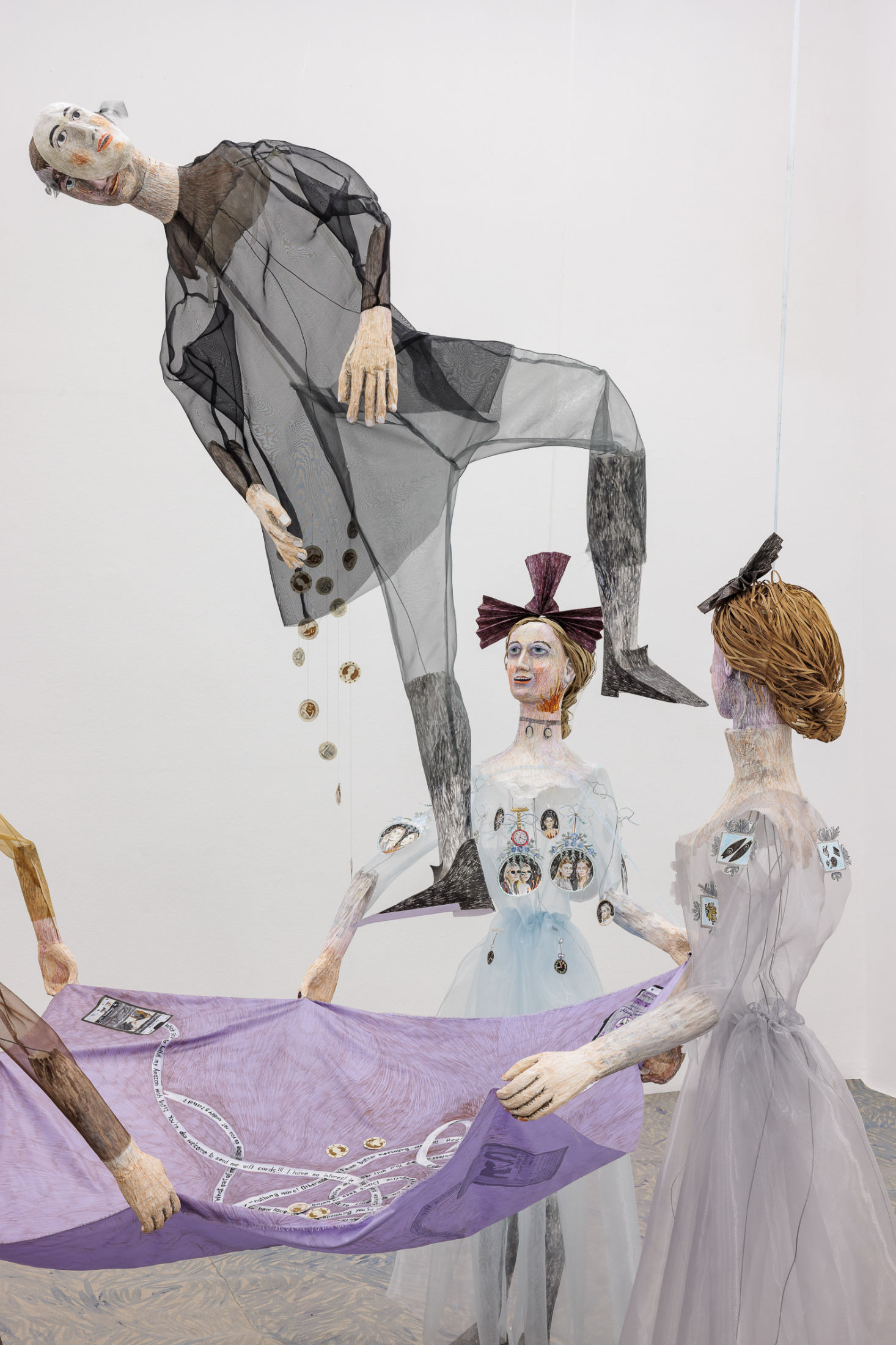
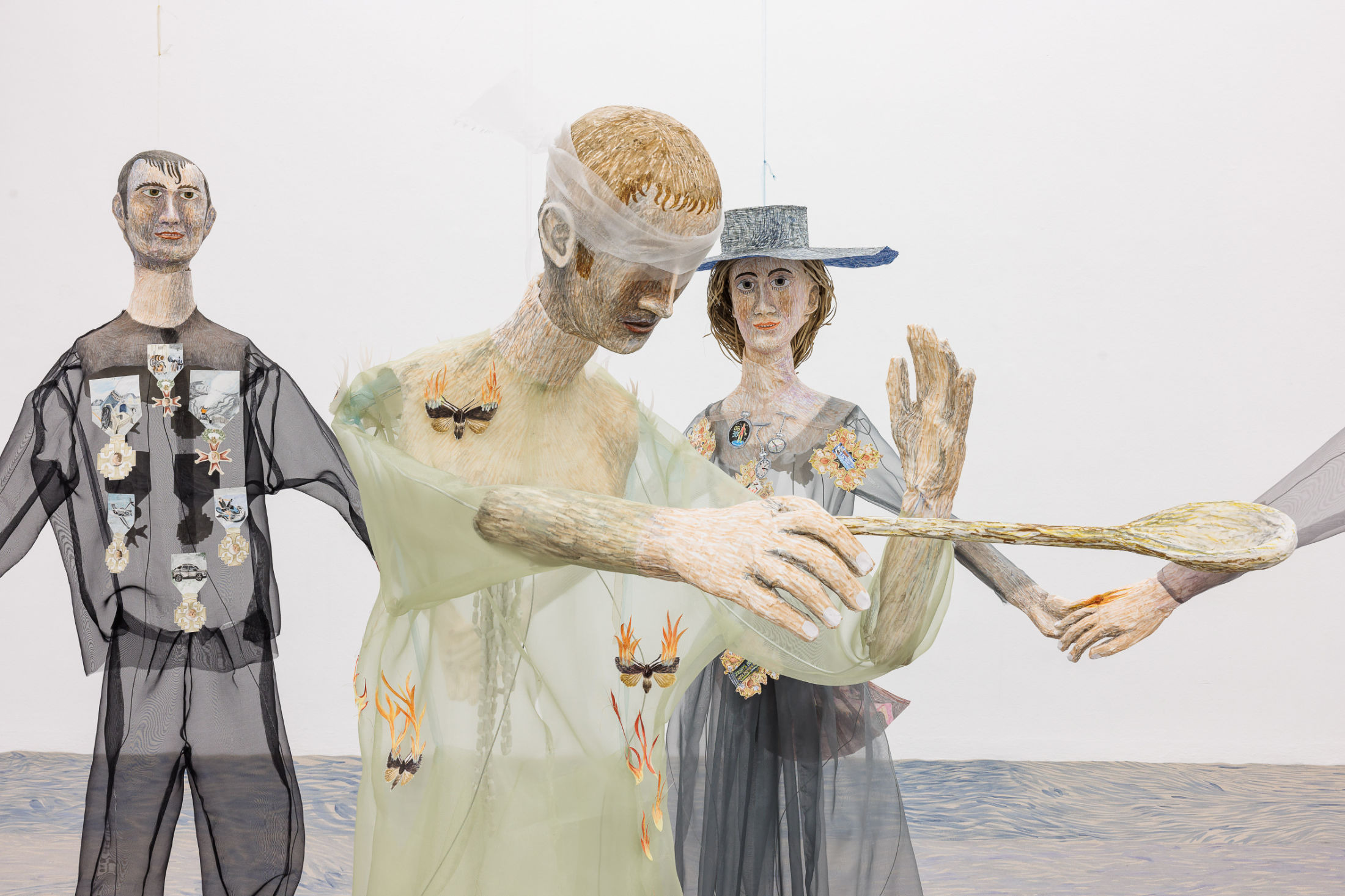
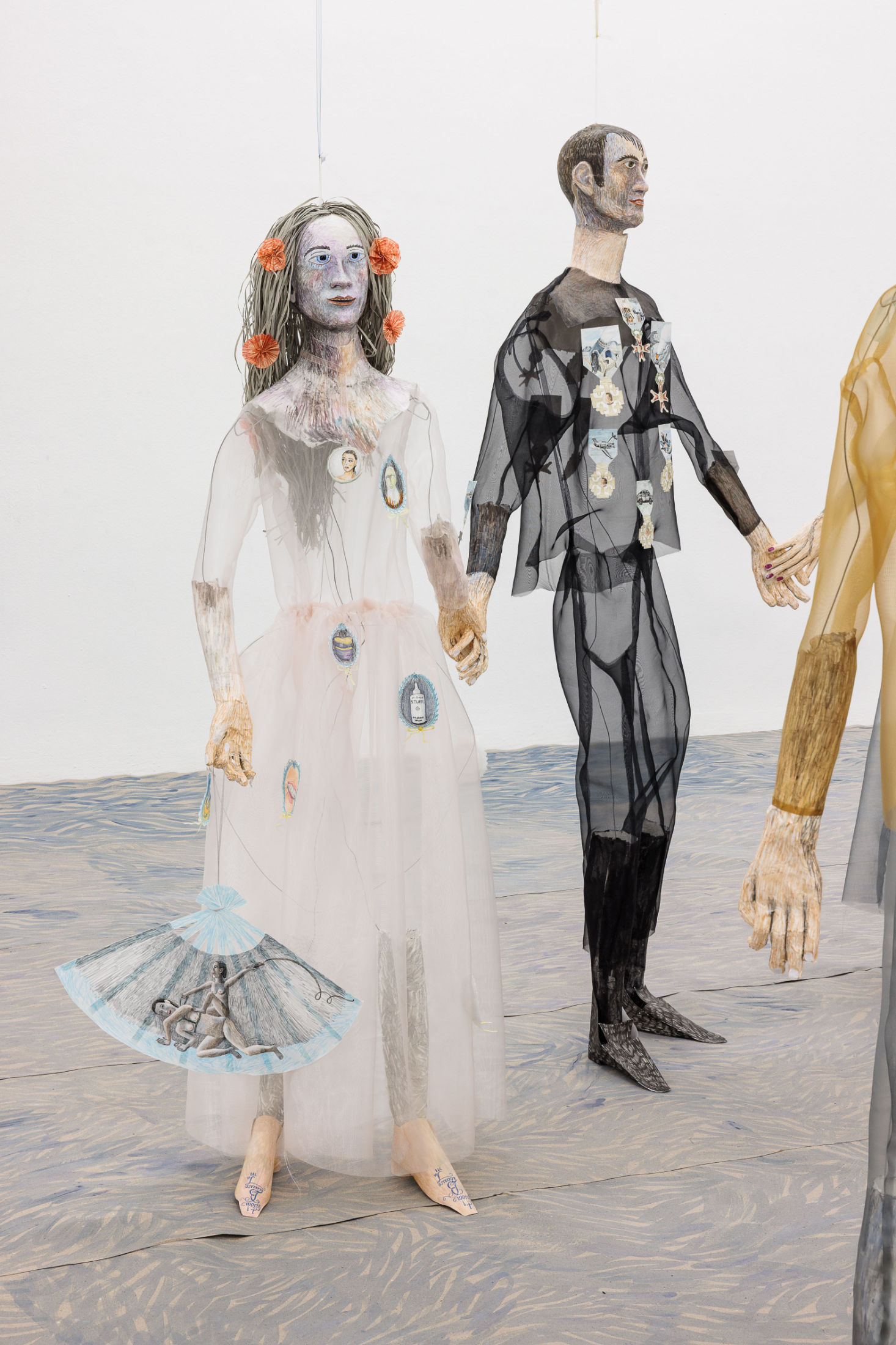
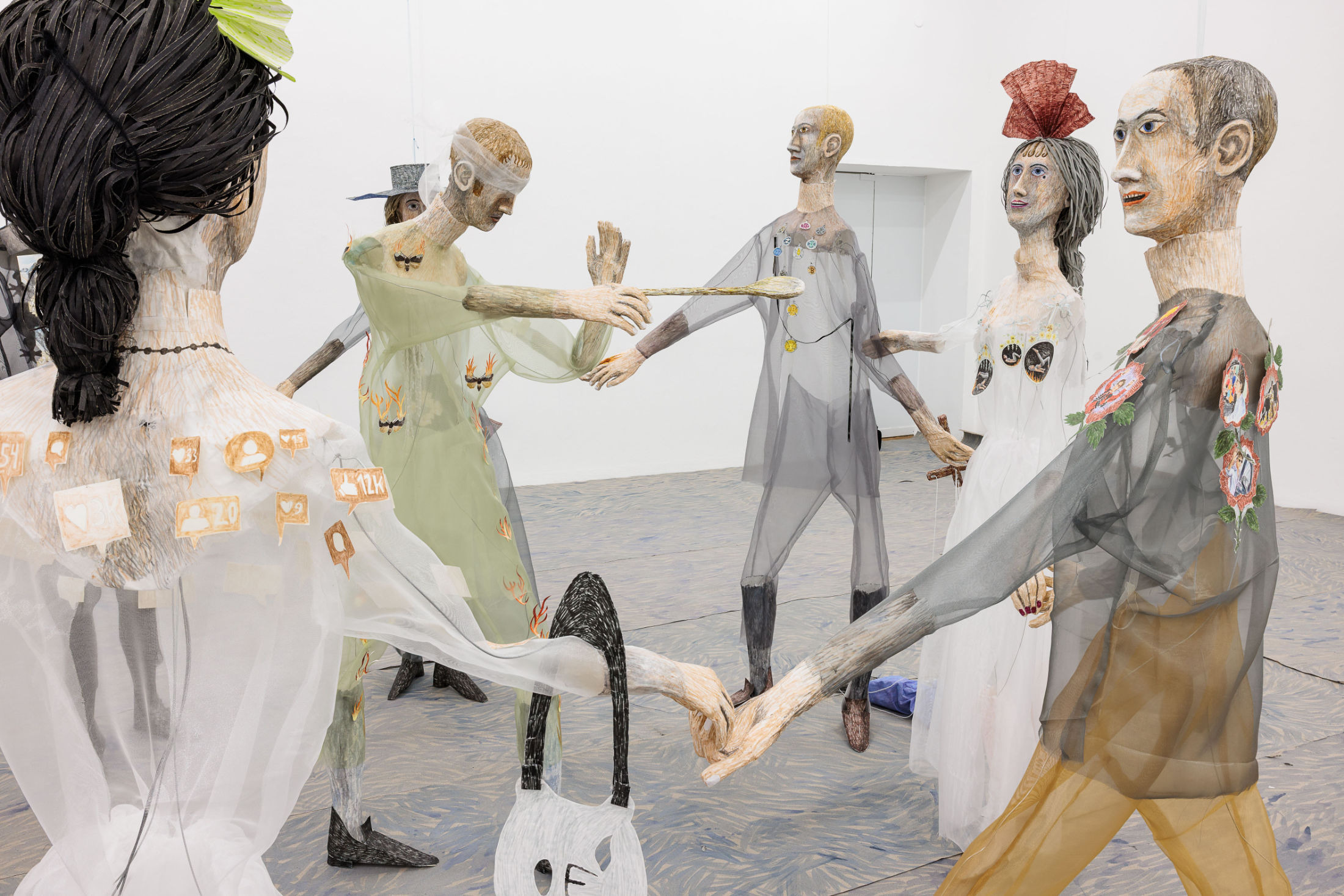
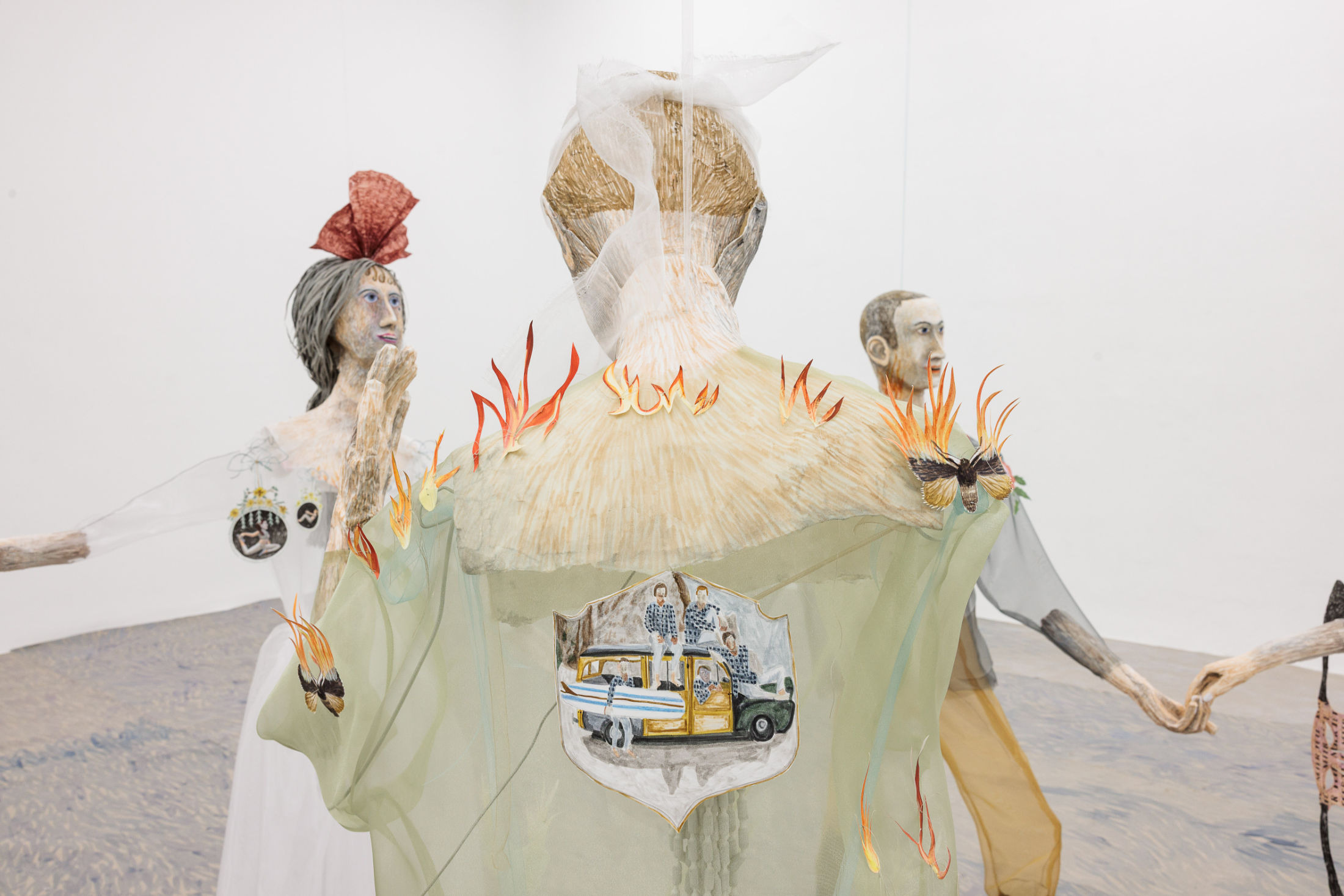
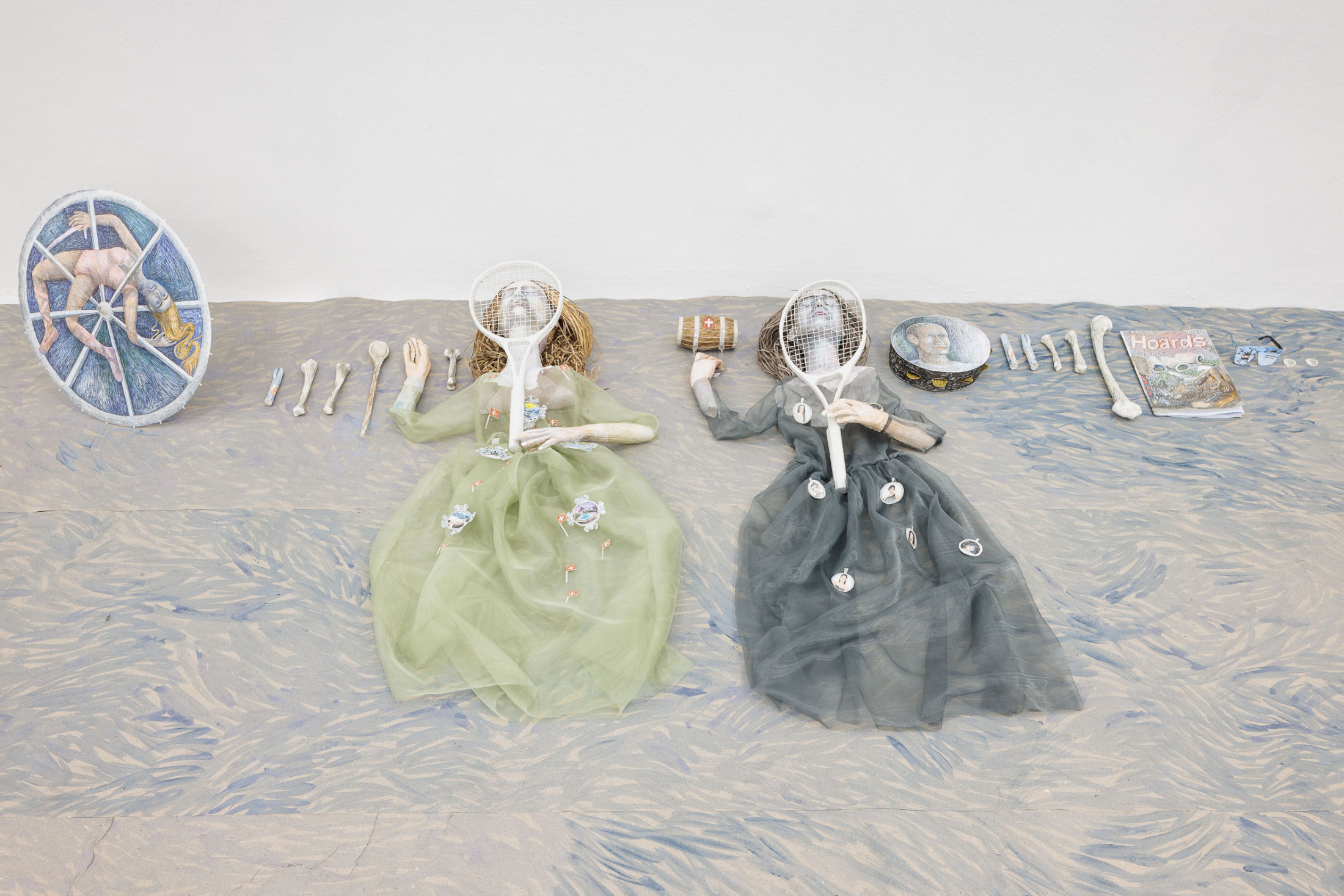
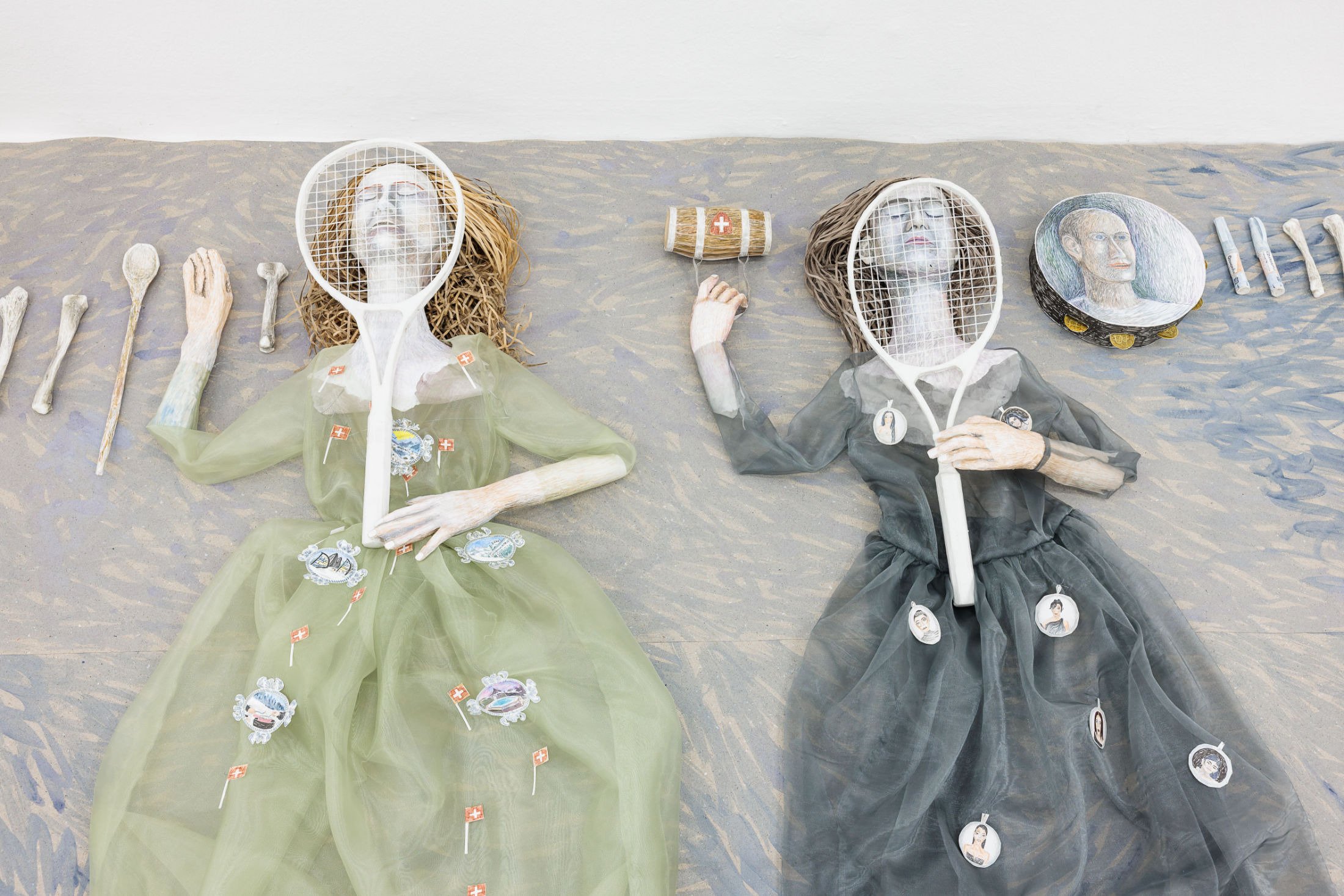
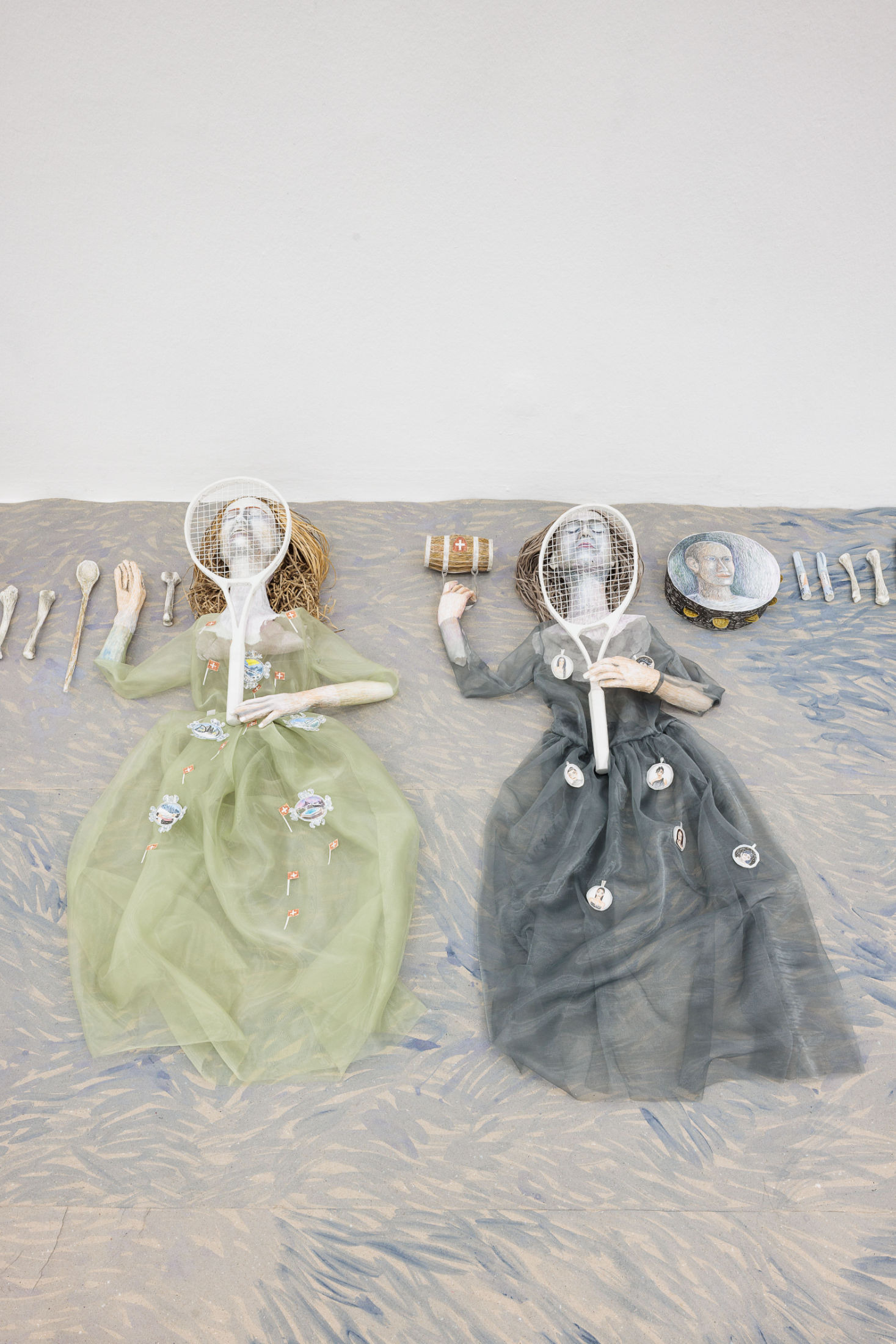
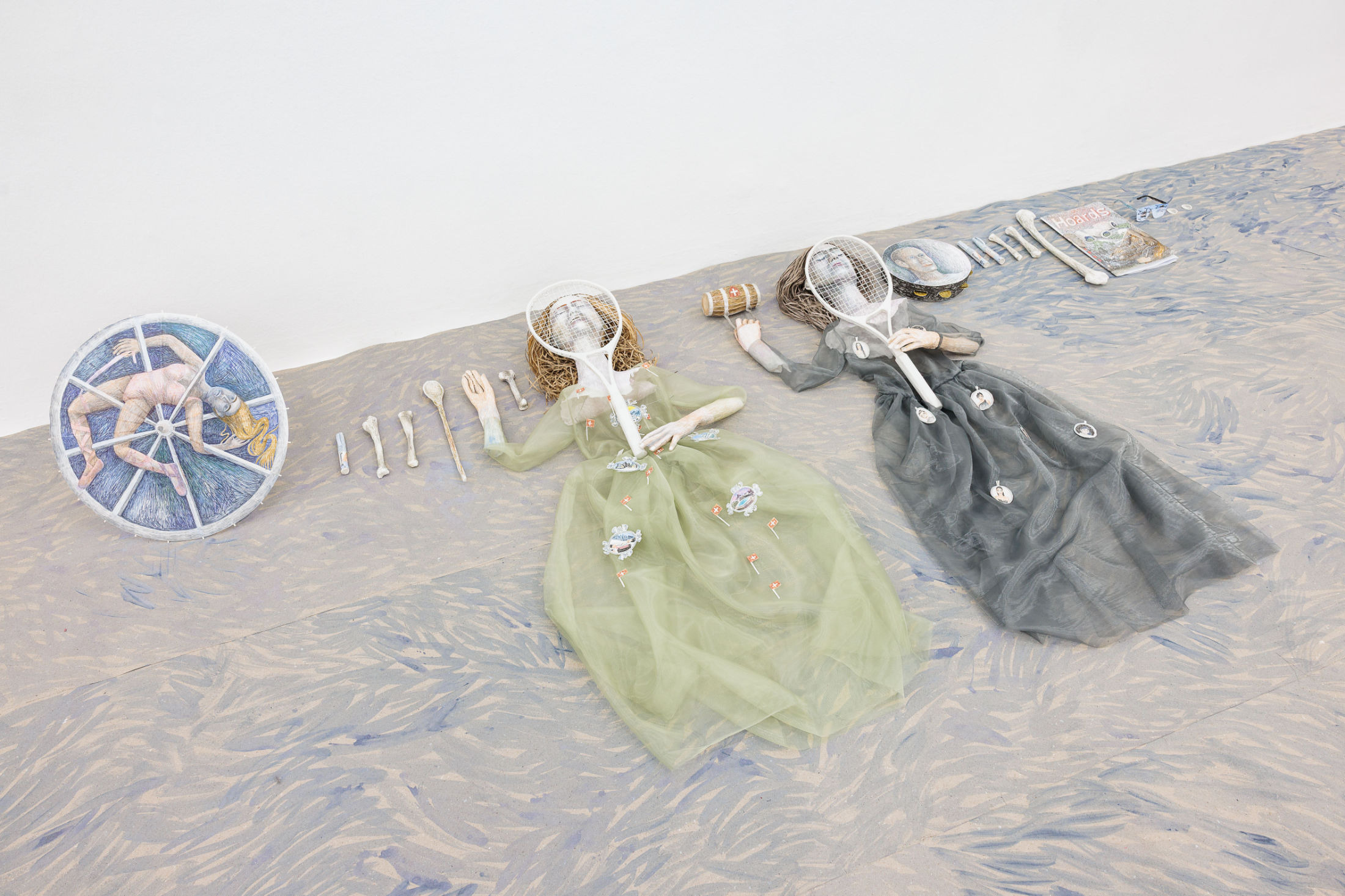
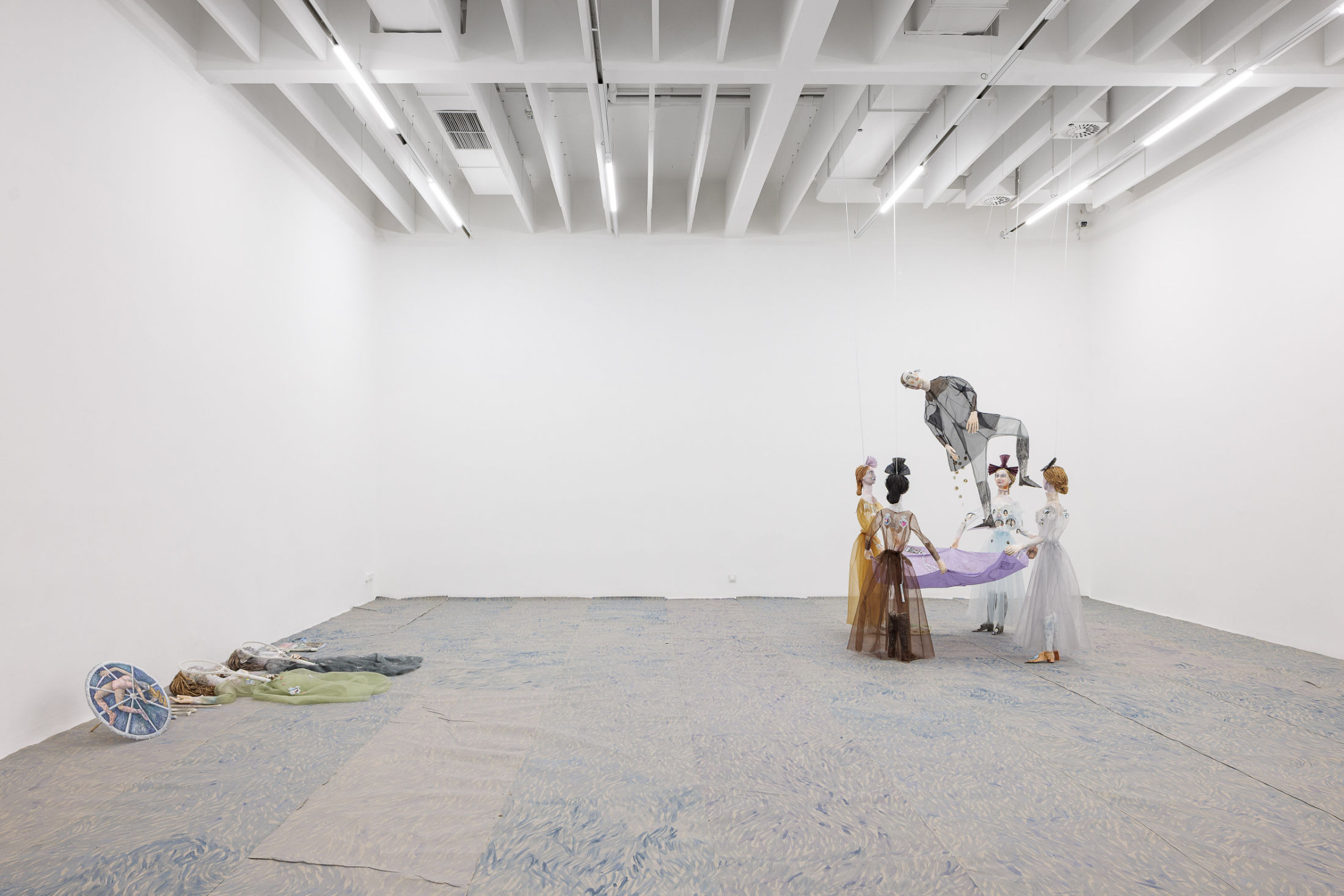
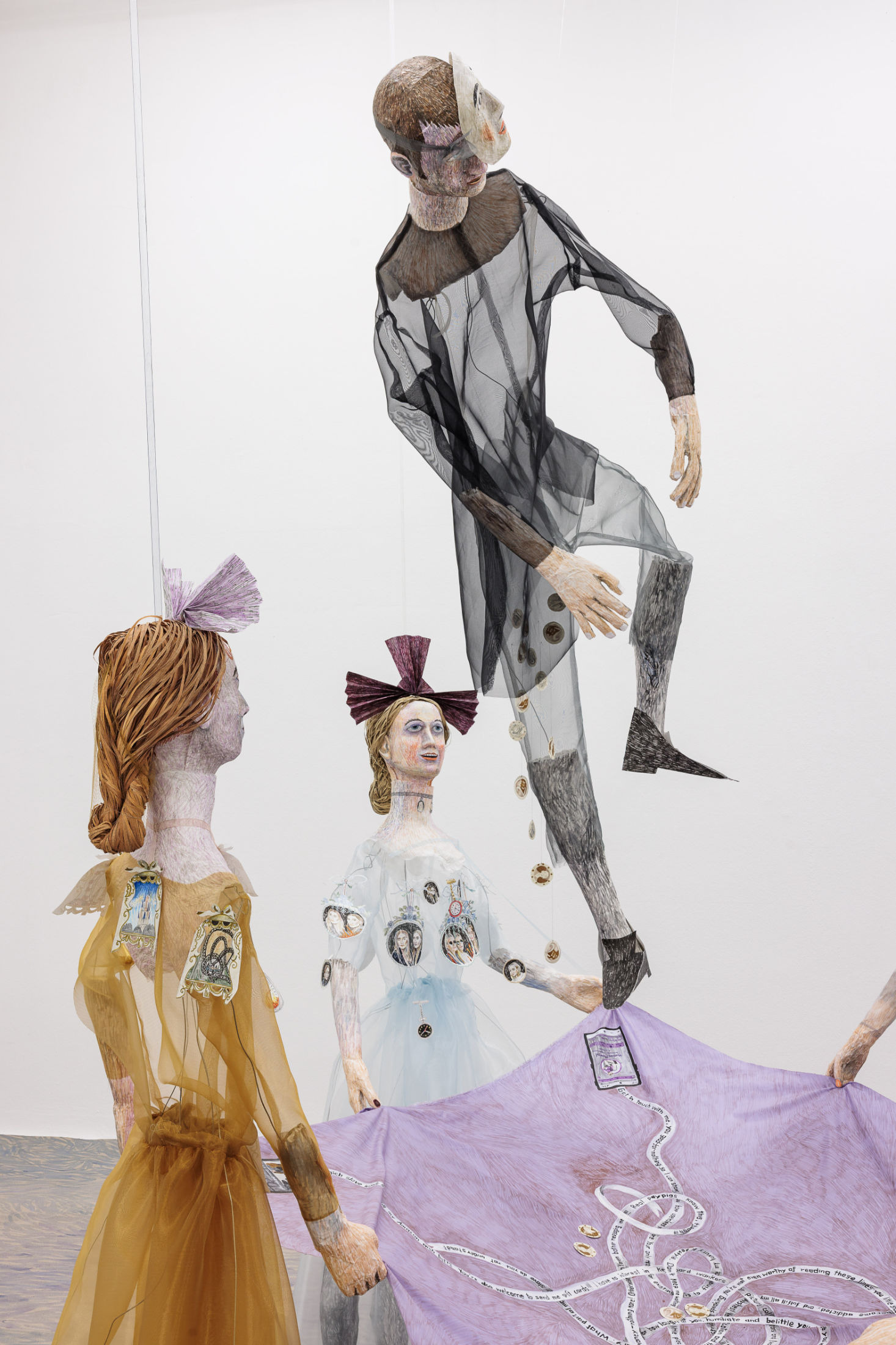
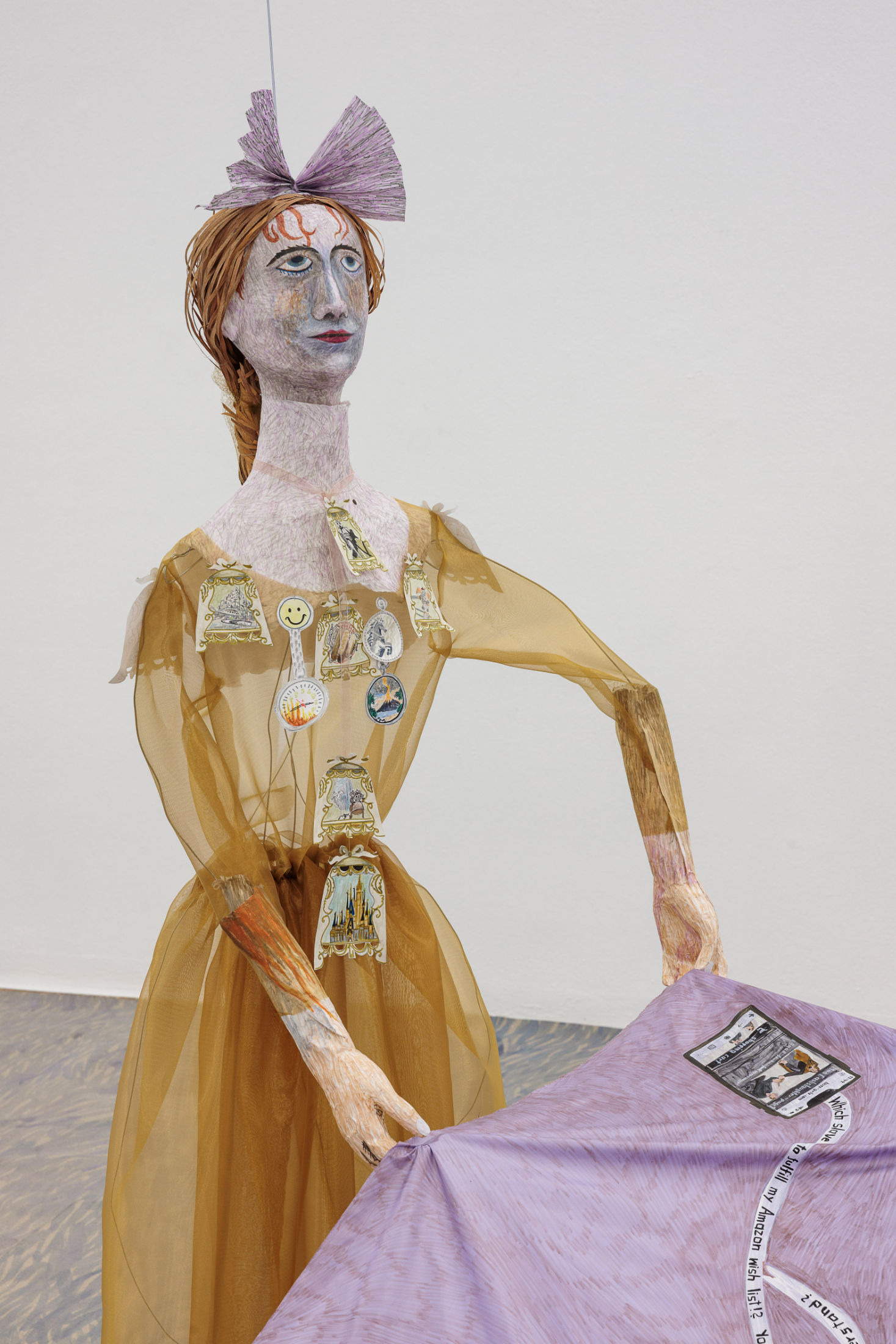
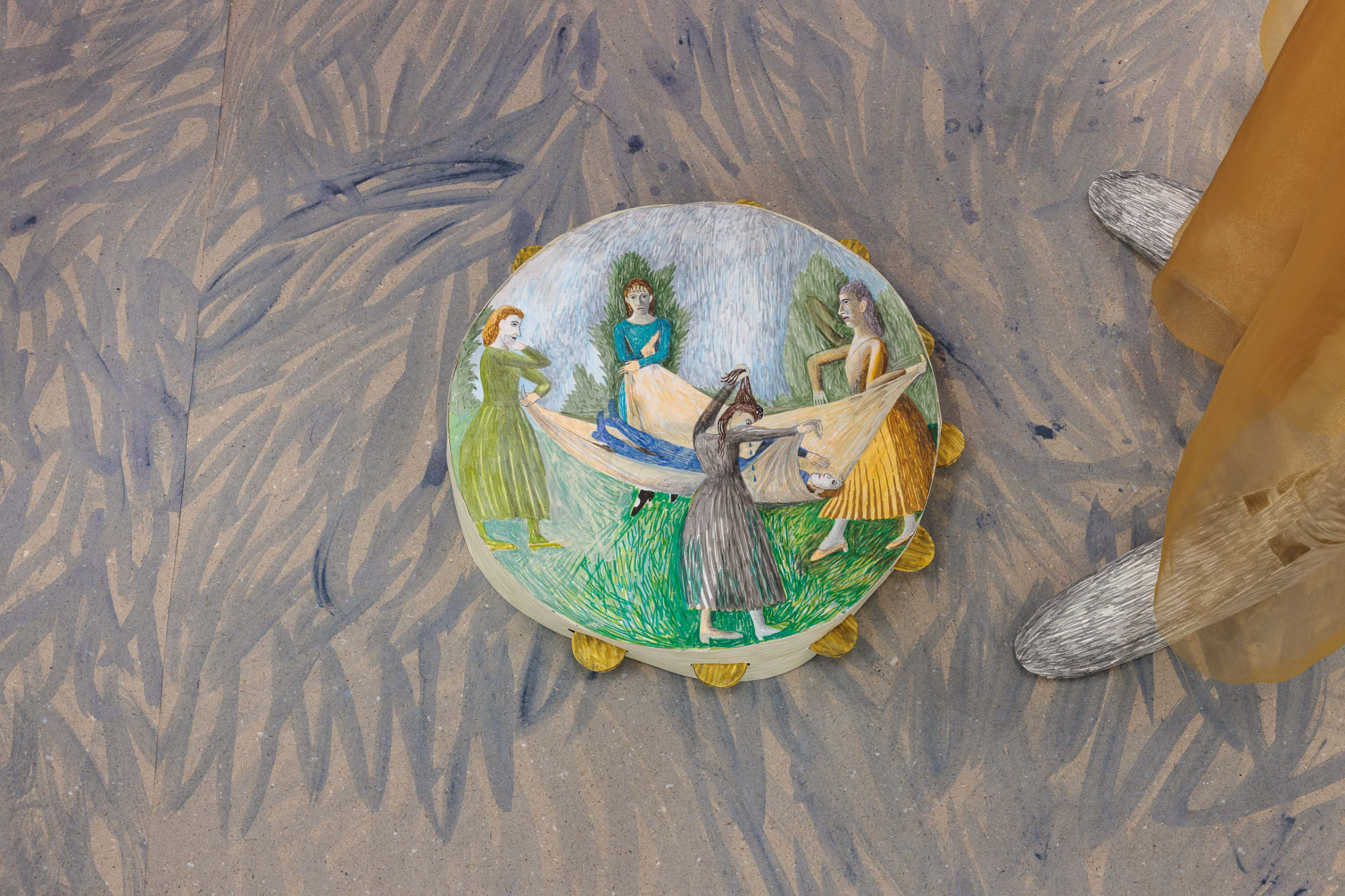
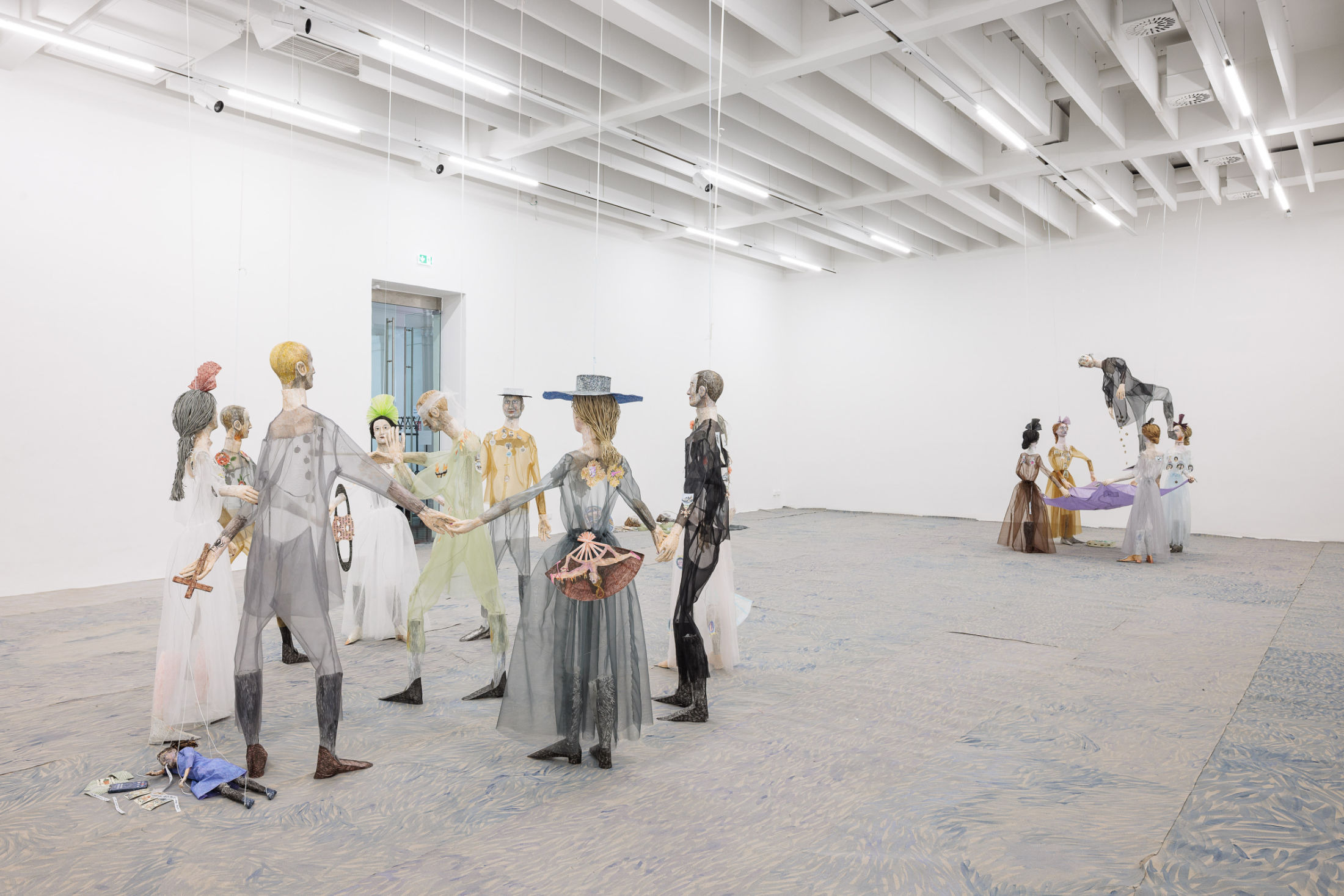
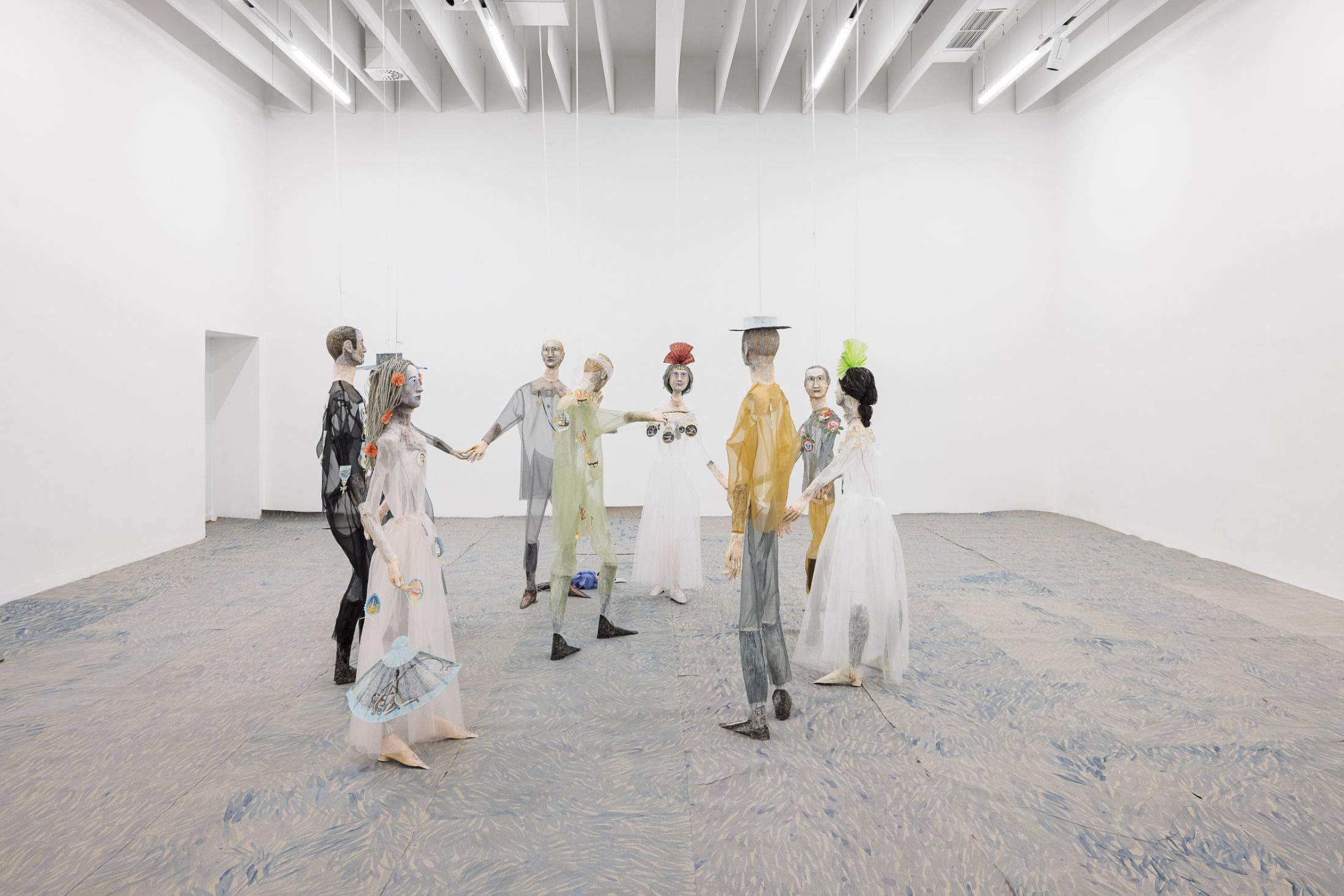
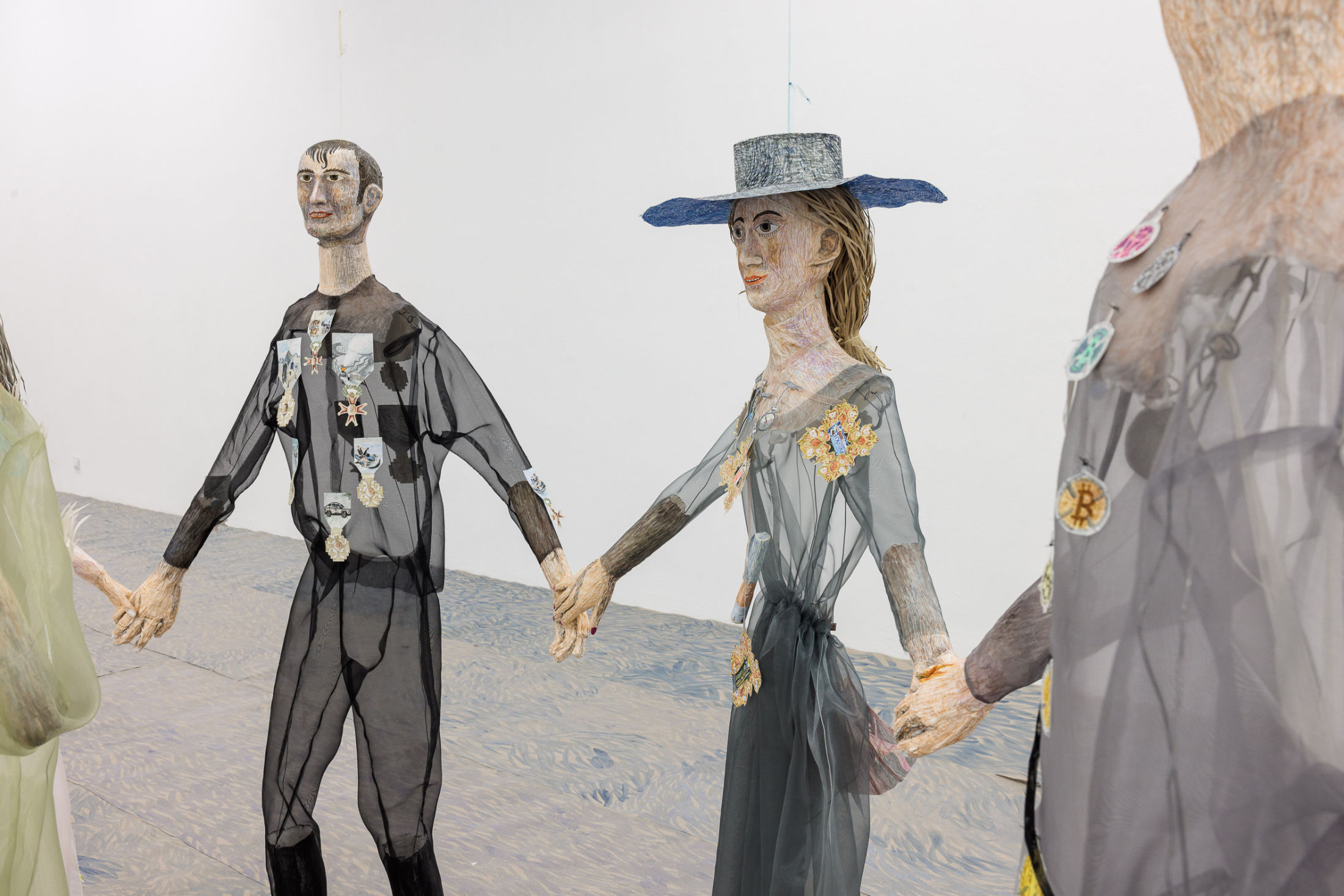
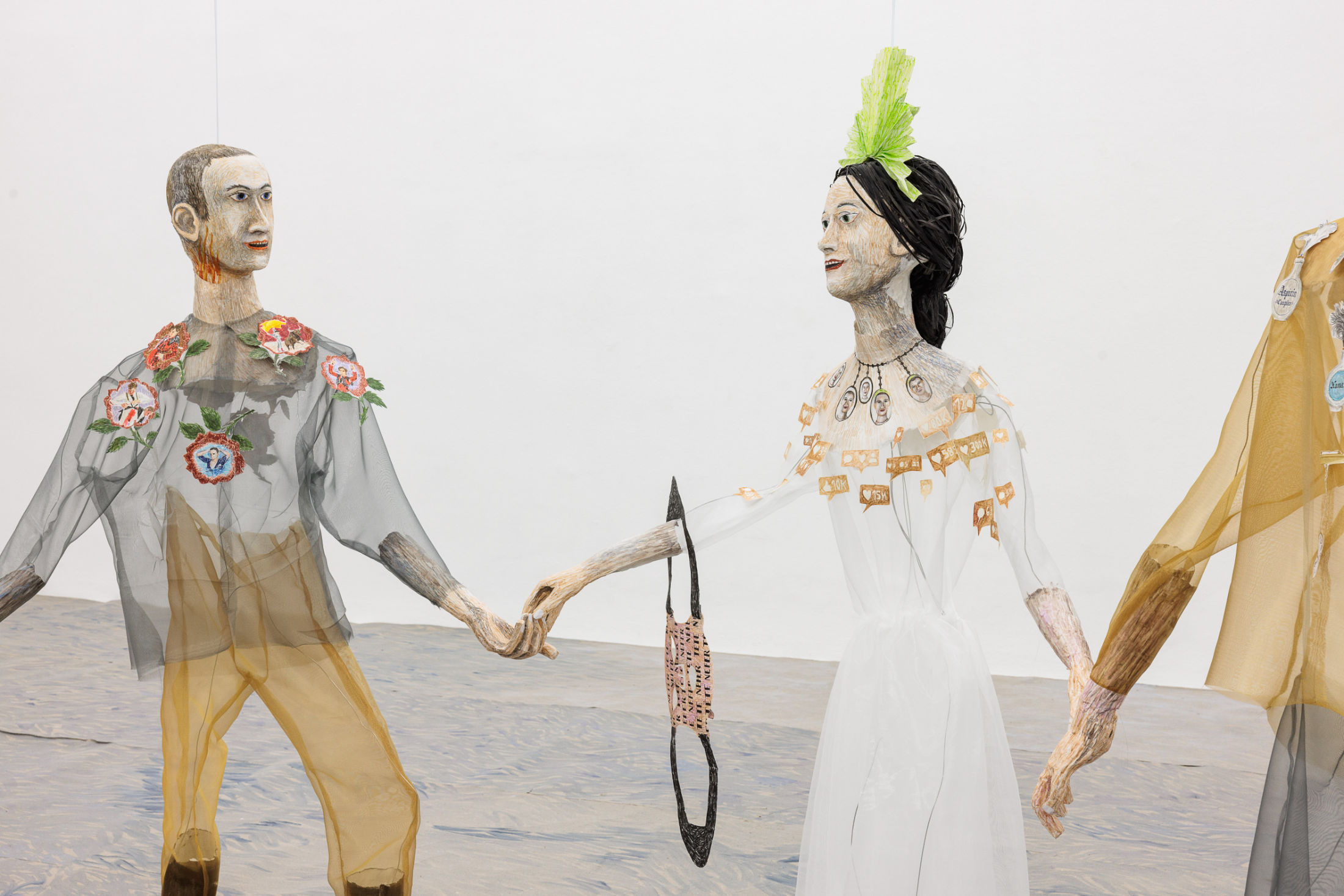
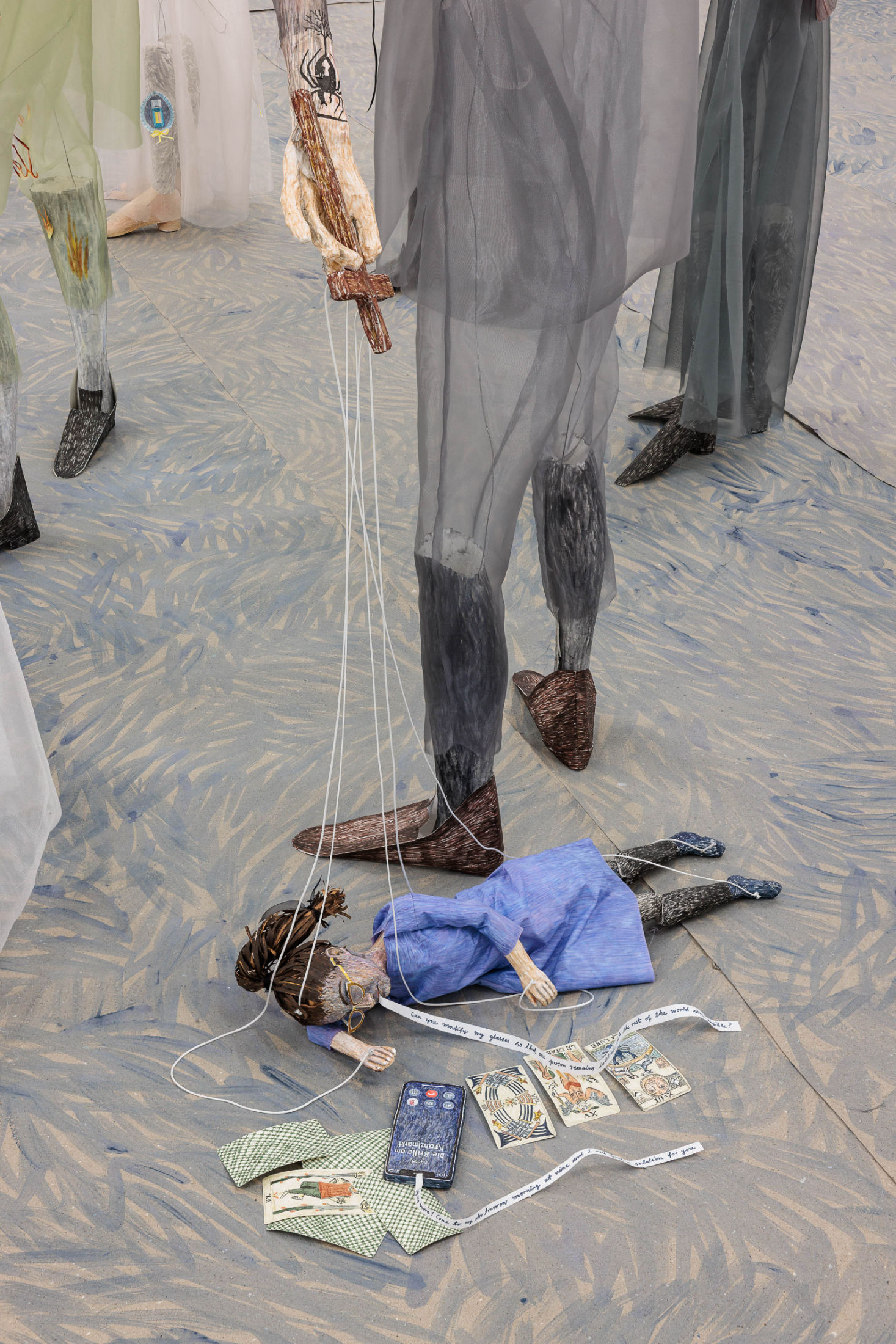
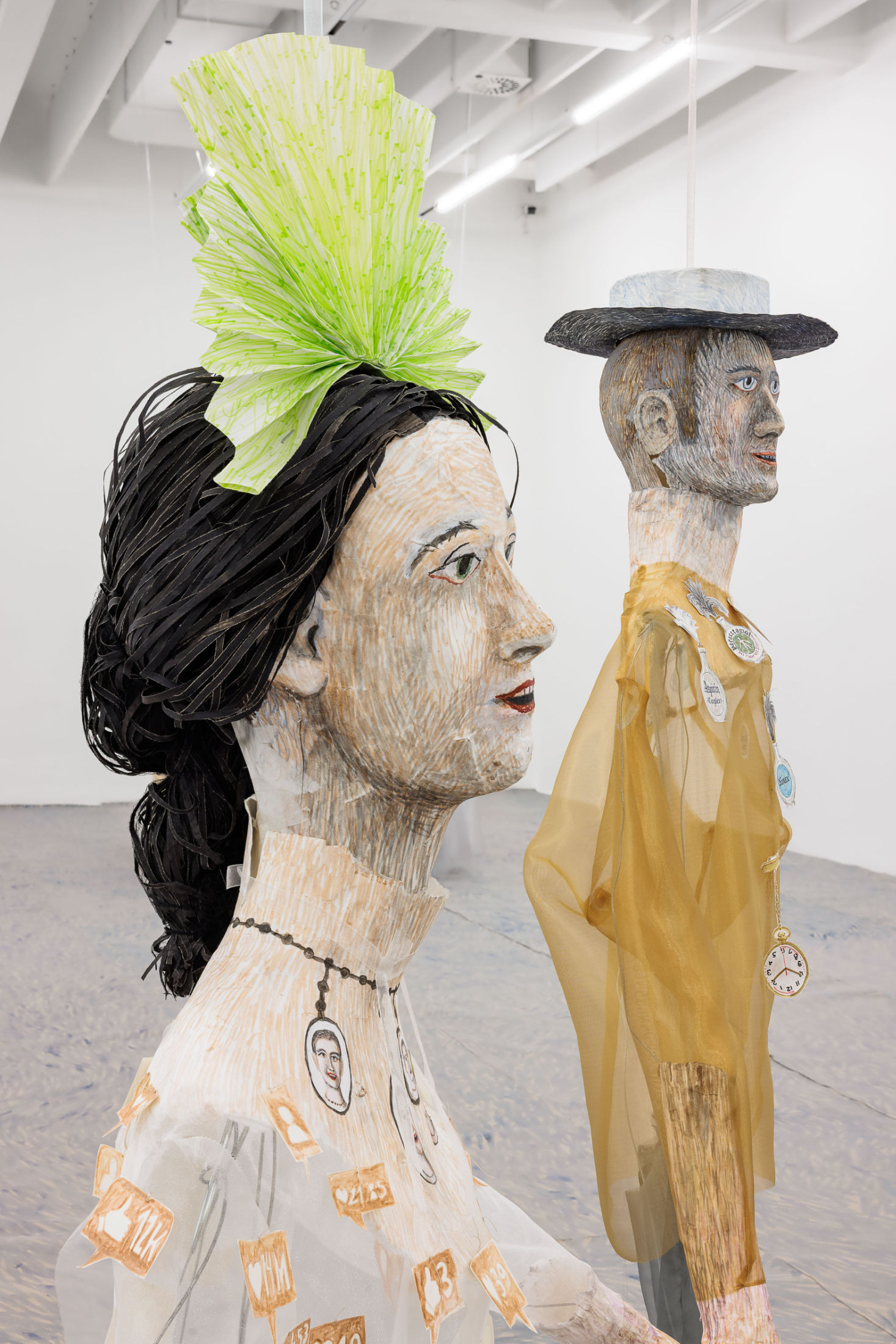
Agnes Scherer’s exhibition Three Wicked Games departs from an inventory of contemporary obsessions and lets it drift backwards, or sideways, into two so-called tapestry cartoons by Francisco Goya: Blind Man’s Bluff (1789) and The Straw Manikin (1791). Both depict folk games. In the first, a blindfolded figure stands at the center of a circle, trying to strike one of the surrounding players with a spoon. Traditionally, the game could be read as an allegory of love’s blindness: desire that moves without sight. In the second, a straw man is tossed into the air by women, a carnivalesque inversion of gendered power. They belong to a period before the most explicit darkness of his later work, yet they are already troubled.
Scherer recognizes in these games a structure that…
Exhibition Space

Metadata
Claims




Three Wicked Games
Salzburger Kunstverein•May 23, 2026 — Jul 12, 2026
Press Release
A society can be described by what it desires. By what it rubs into its skin, swallows, injects, uploads, gambles with, monetizes, disciplines, tracks on its wrist. By the little rituals by which it tries to remain alive.
Agnes Scherer’s exhibition Three Wicked Games departs from an inventory of contemporary obsessions and lets it drift backwards, or sideways, into two so-called tapestry cartoons by Francisco Goya: Blind Man’s Bluff (1789) and The Straw Manikin (1791). Both depict folk games. In the first, a blindfolded figure stands at the center of a circle, trying to strike one of the surrounding players with a spoon. Traditionally, the game could be read as an allegory of love’s blindness: desire that moves without sight. In the second, a straw man is tossed into the air by women, a carnivalesque inversion of gendered power. They belong to a period before the most explicit darkness of his later work, yet they are already troubled.
Scherer recognizes in these games a structure that…
Exhibition Space
Artist
Curator
More Exhibitions at Salzburger Kunstverein
Guestbook
Metadata
Claims

Editing is restricted
You cannot submit an edit because the institution hosting this exhibition has been claimed by .
Editing this section requires claiming the profile of the institution hosting this exhibition.
Claims are one of the many safeguards in place on UntitledDb that preserve the integrity of the information on our platform.
Editing is restricted
Editing this section requires claiming the profile of the institution hosting this exhibition.
Claims are one of the many safeguards in place on UntitledDb that preserve the integrity of the information on our platform.
Editing is restricted
A reputation of 20,000 or higher is needed to edit posts created by other users.
Familiarize yourself with our platform by creating new posts and watching your favorites. You'll reach a reputation of 20,000 in no time.
This is one of the many safeguards in place on UntitledDb that preserve the integrity of the information on our platform.
Account access options
Log in and connect with the art world
By continuing, you agree to our Terms of Use and Privacy Policy.
or
Account access options
Sign up and connect with the art world
By continuing, you agree to our Terms of Use and Privacy Policy.
or
Account access options
Expand your reach with UntitledDb Pro
By continuing, you agree to our Terms of Use and Privacy Policy.
or
Account access options
Grow your institution's reach and impact with UntitledDb Enterprise
By continuing, you agree to our Terms of Use and Privacy Policy.
or
Sign up for UntitledDb Pro to unlock this feature