


Artists

UntitledDb Feed

More Exhibitions at Pangée


Guestbook
Press Release
“The eye is the first circle; the horizon which it forms is the second.”
Ralph Waldo Emerson
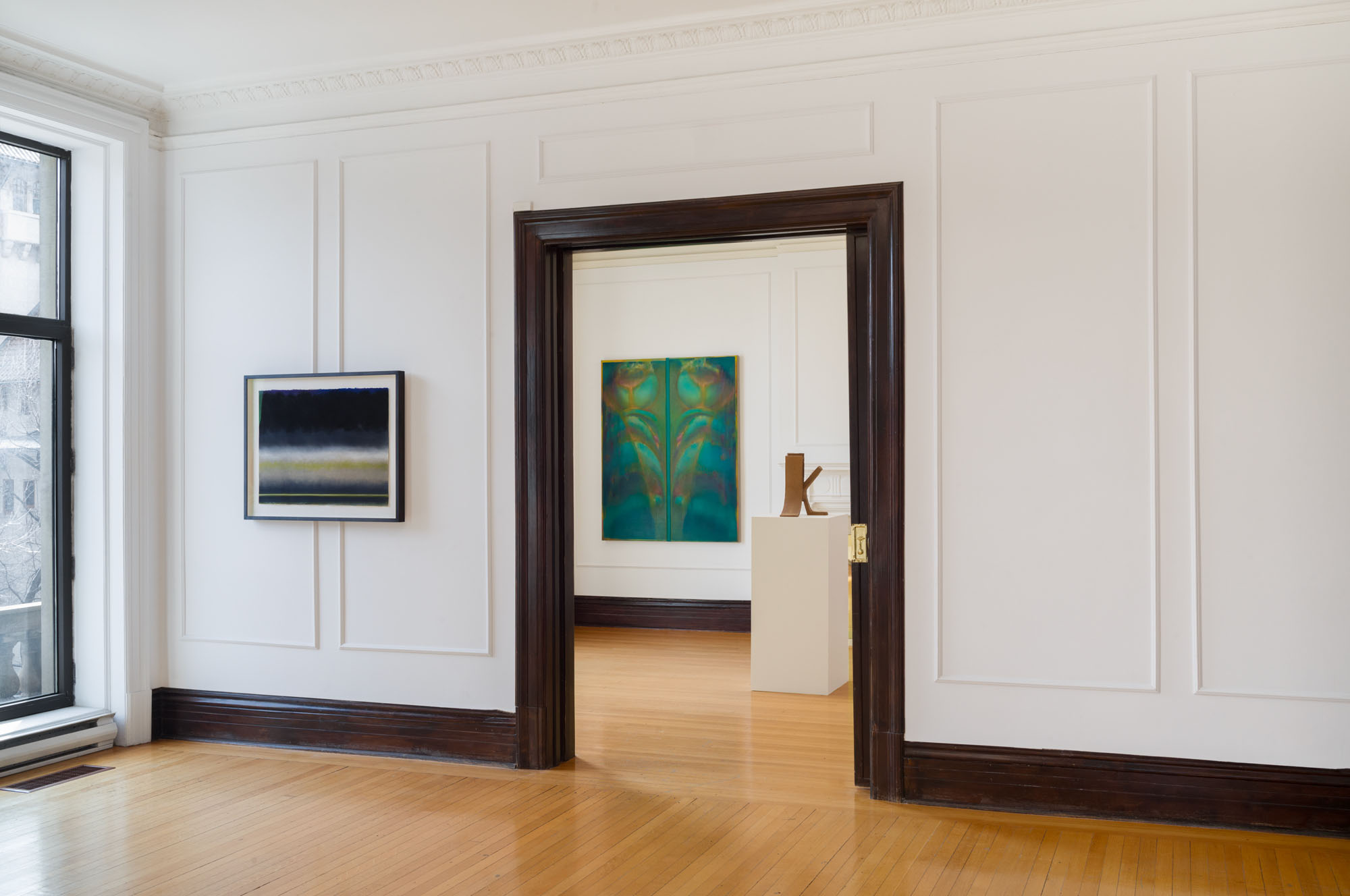
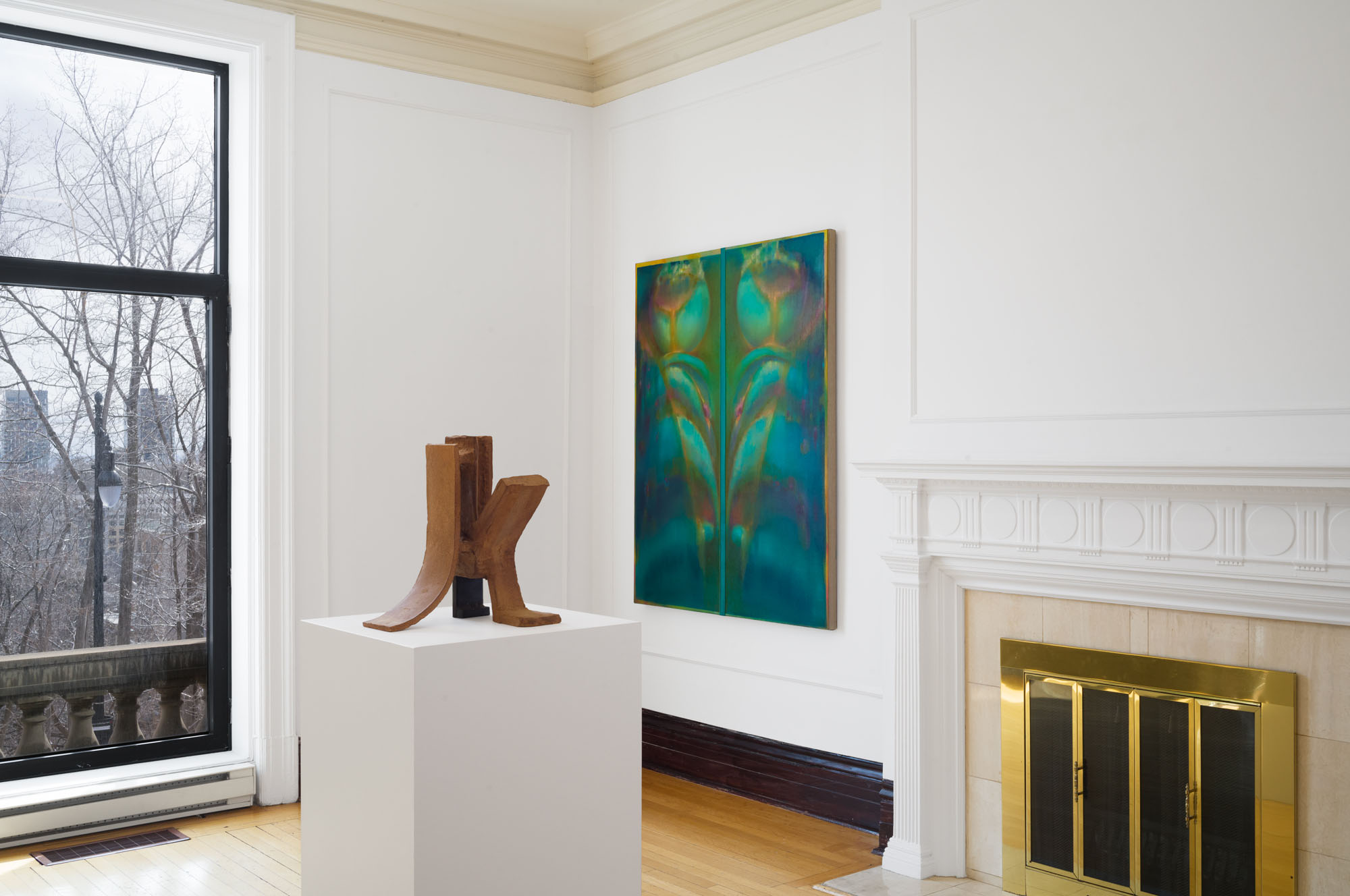
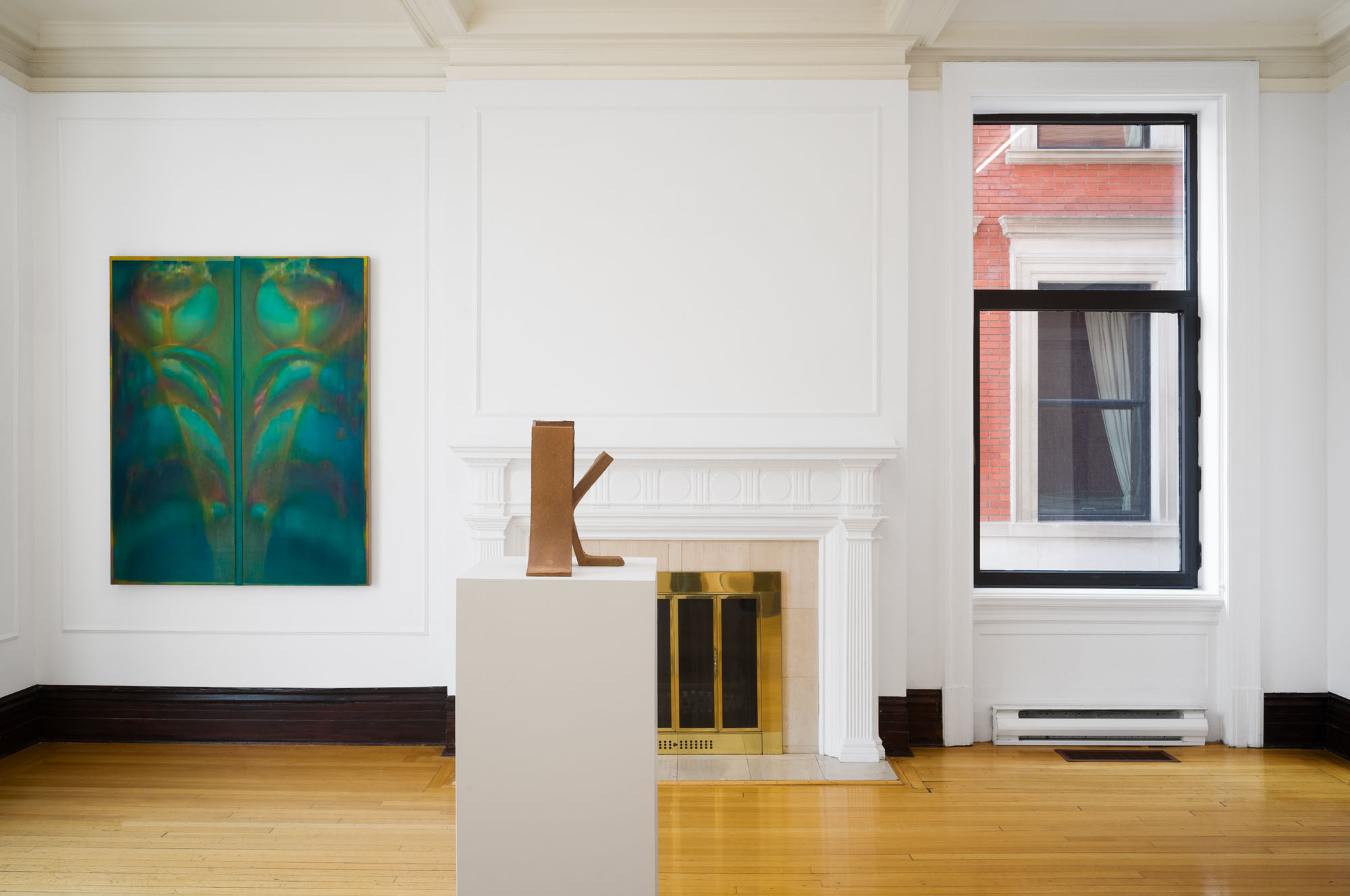
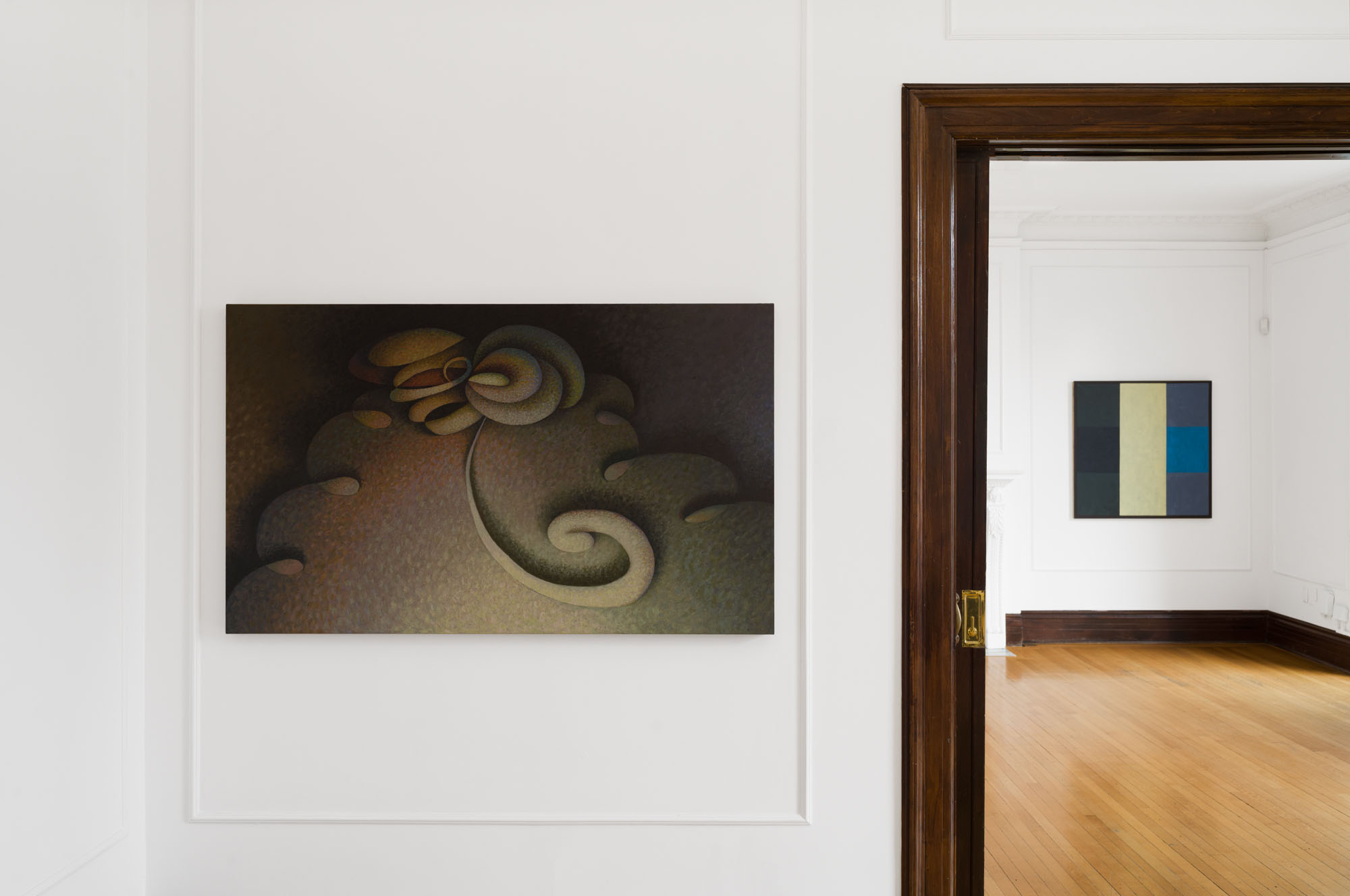
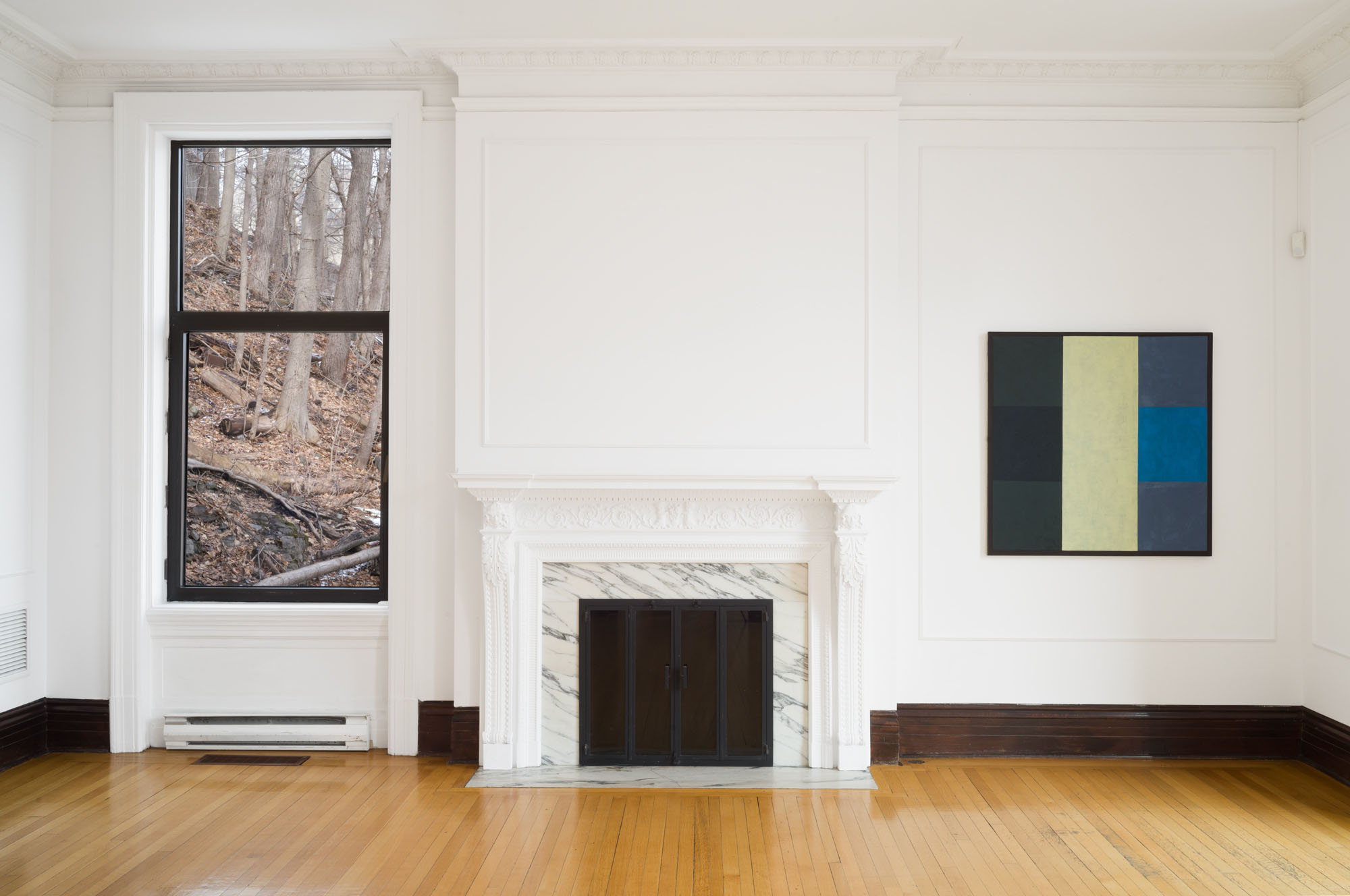
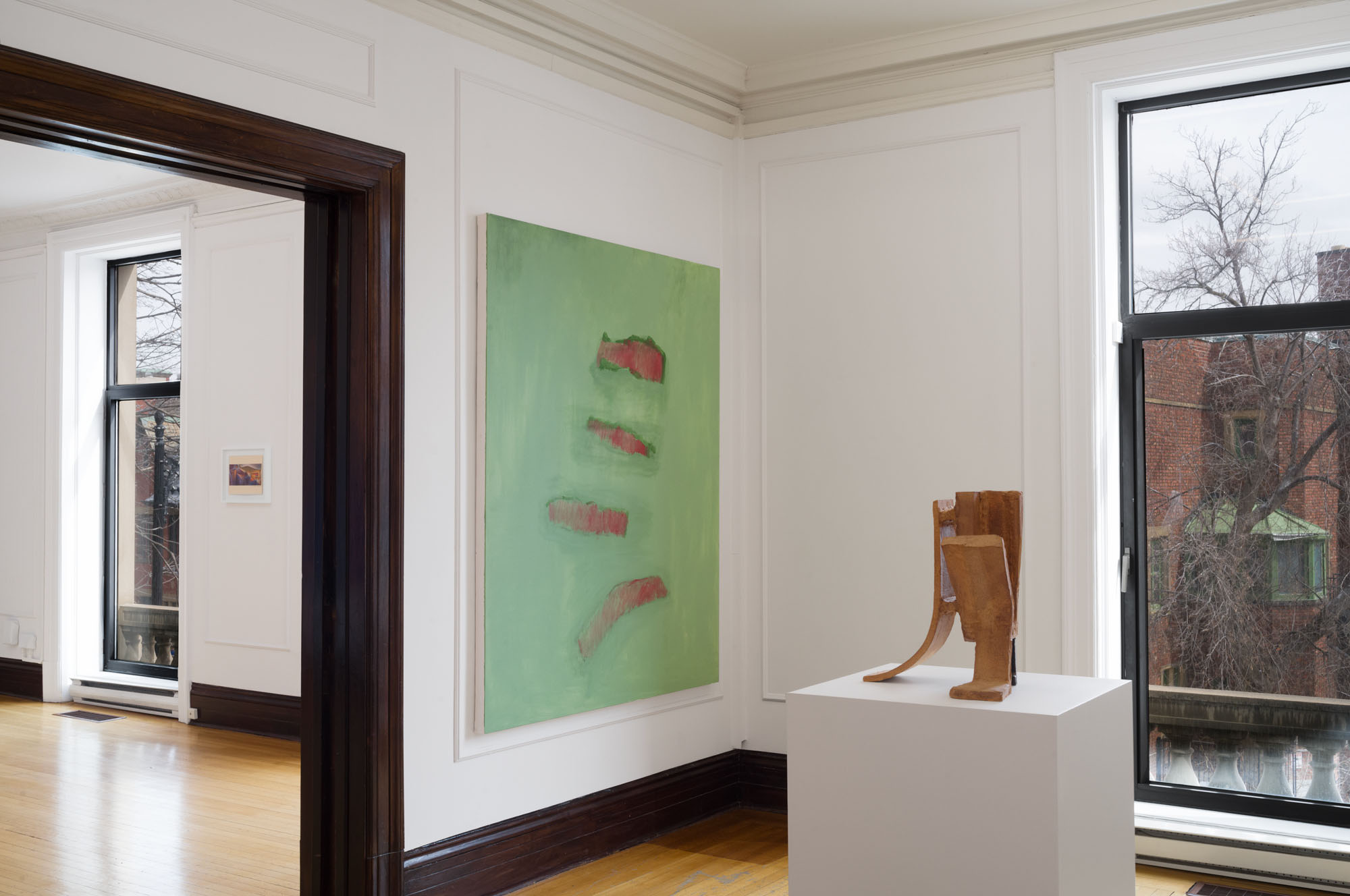
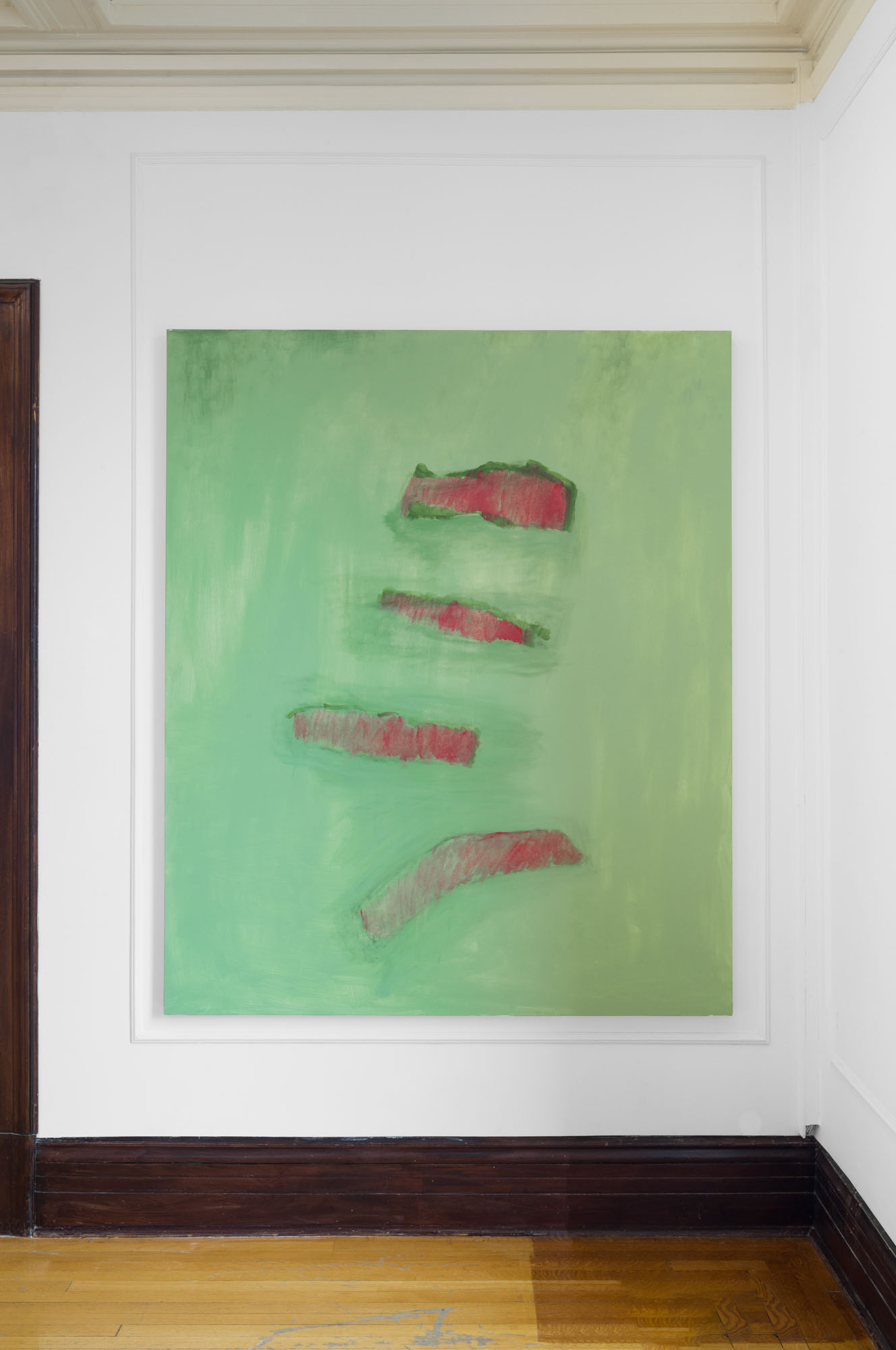
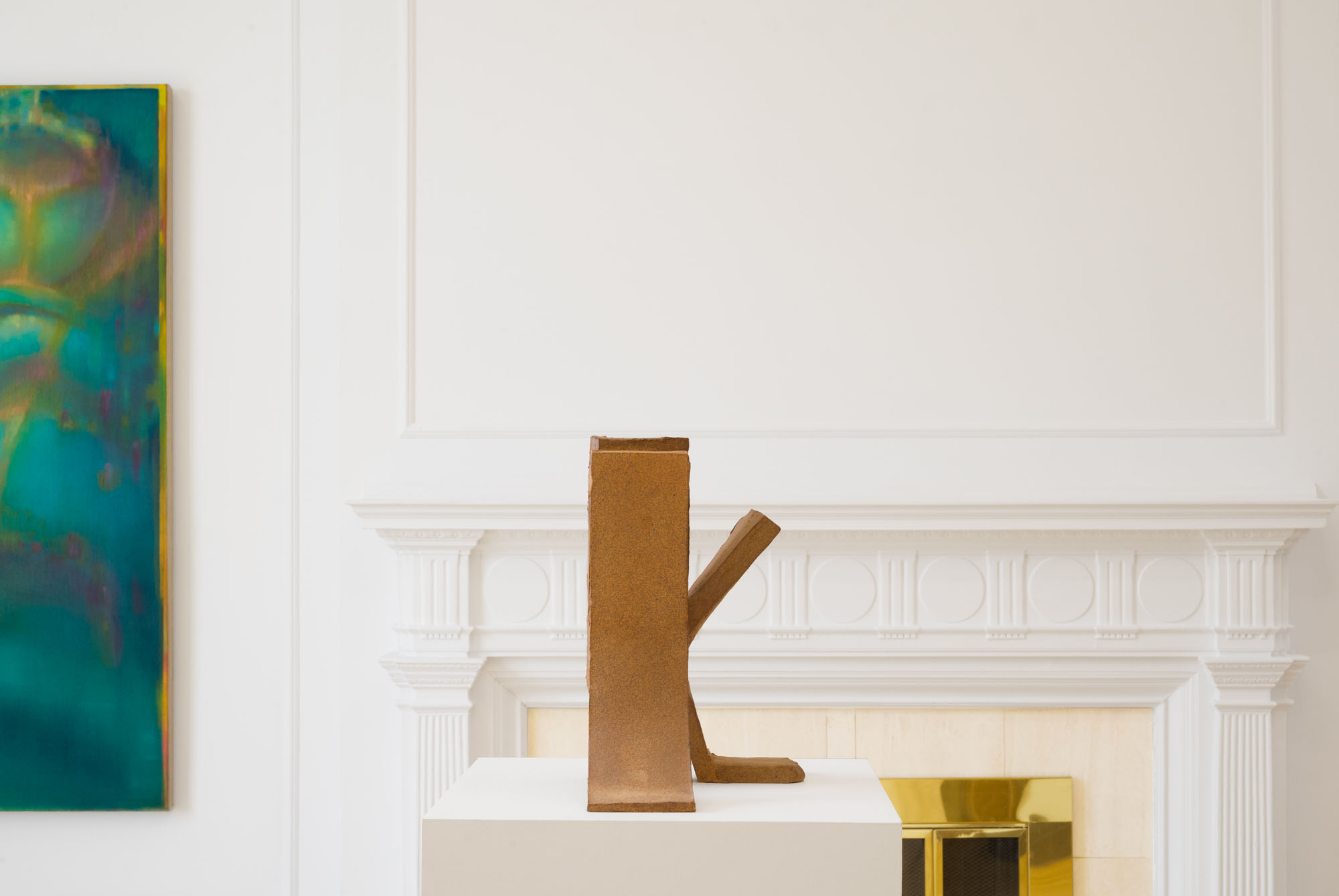
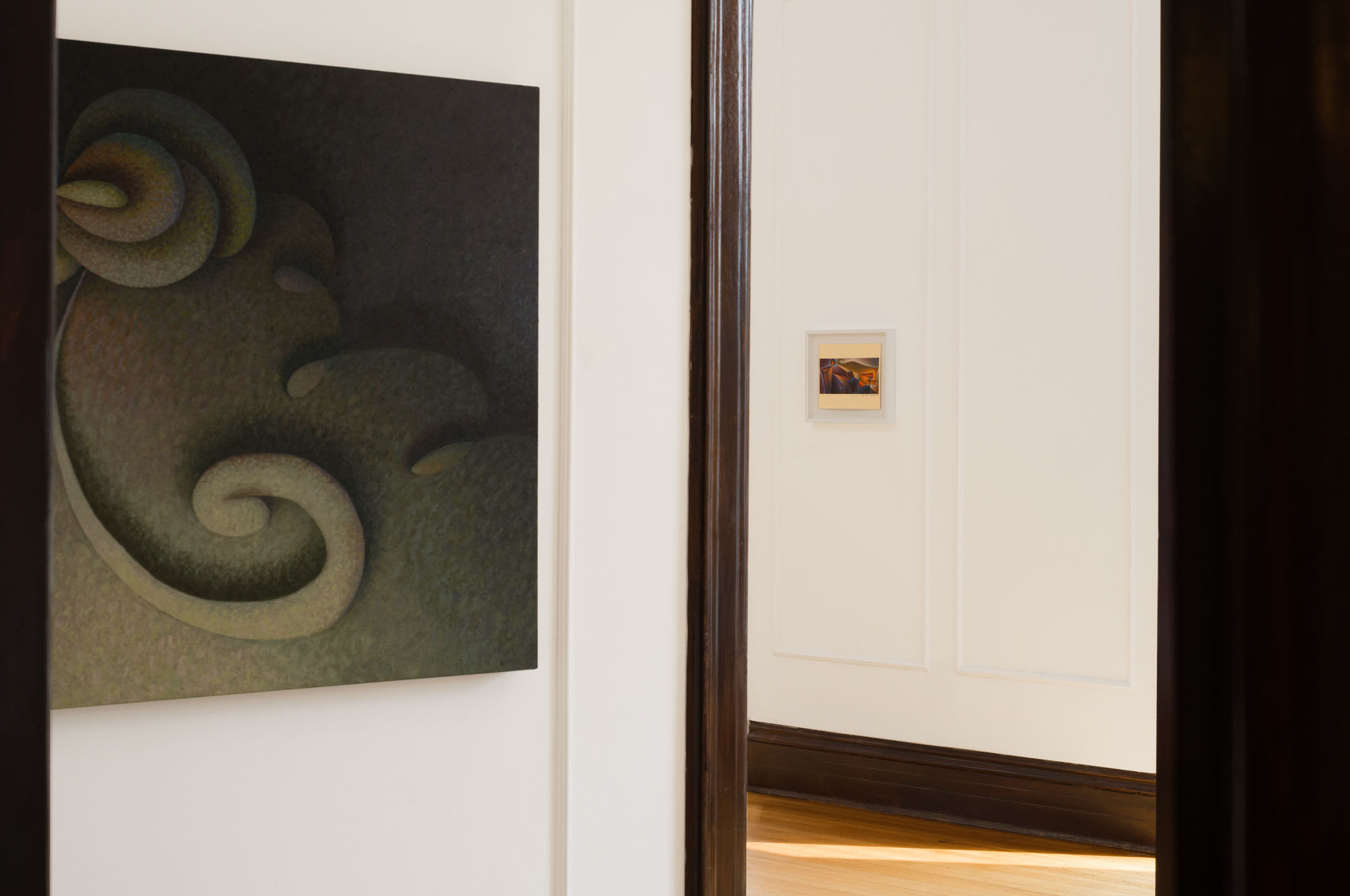
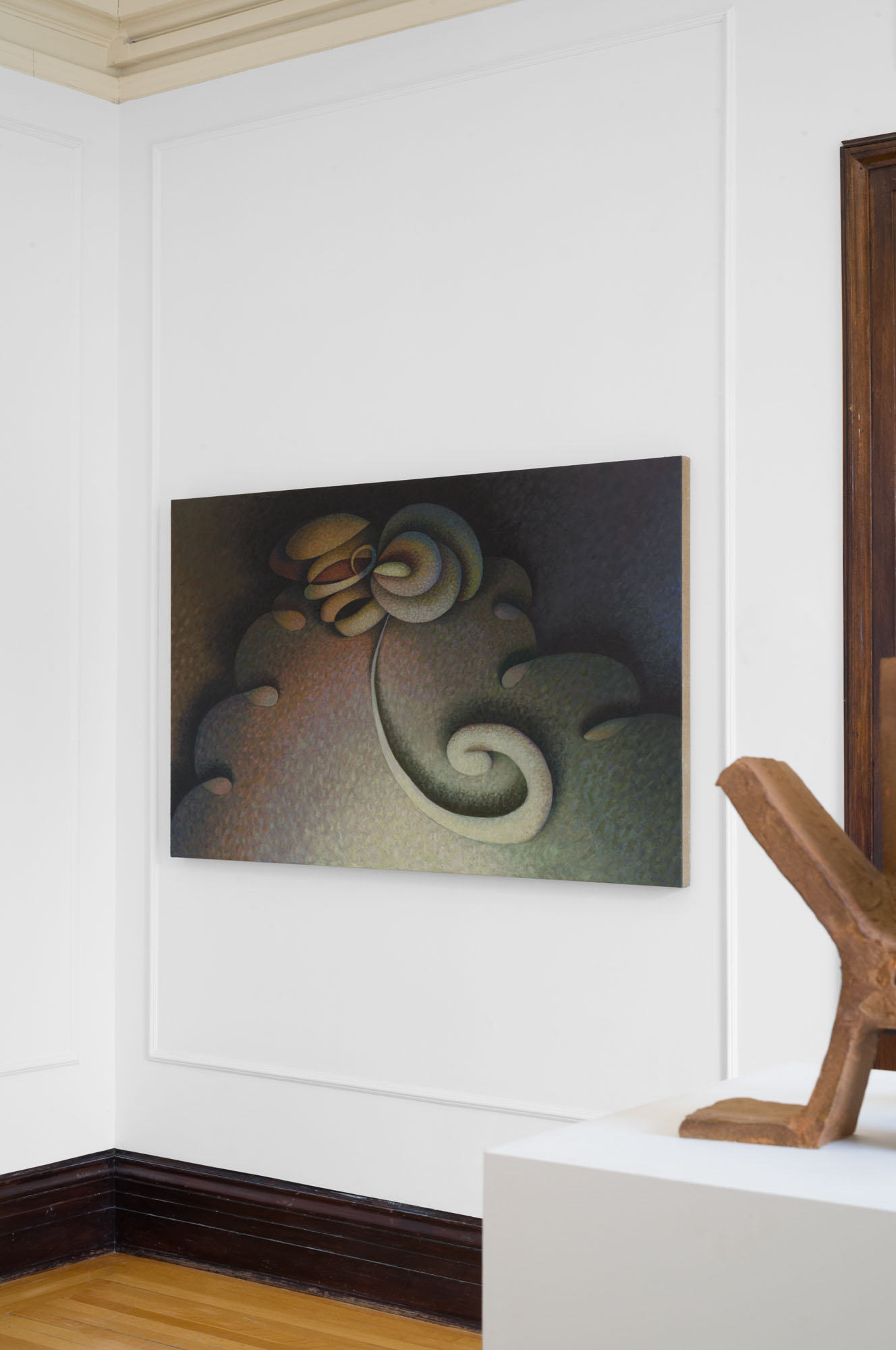
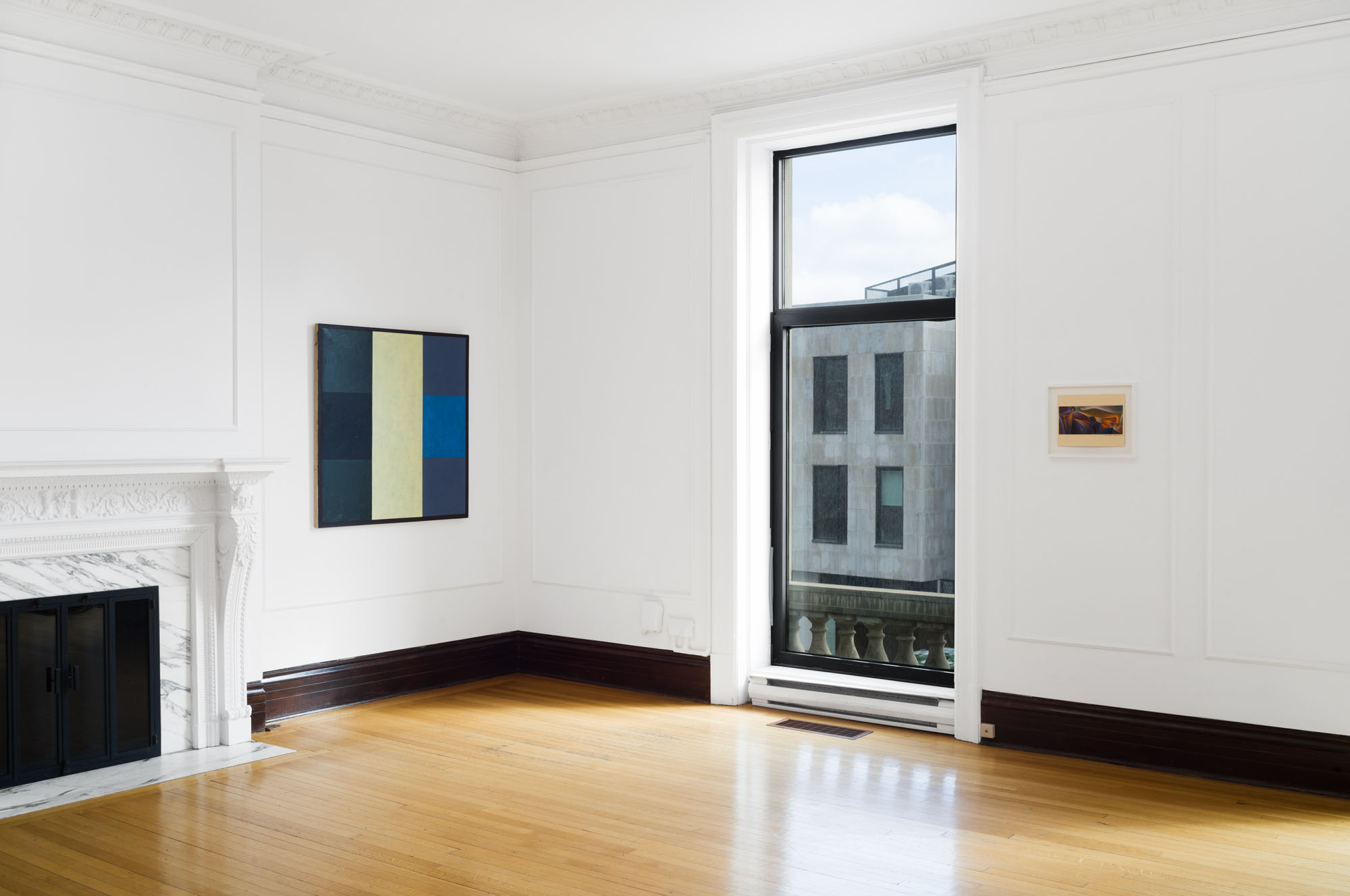
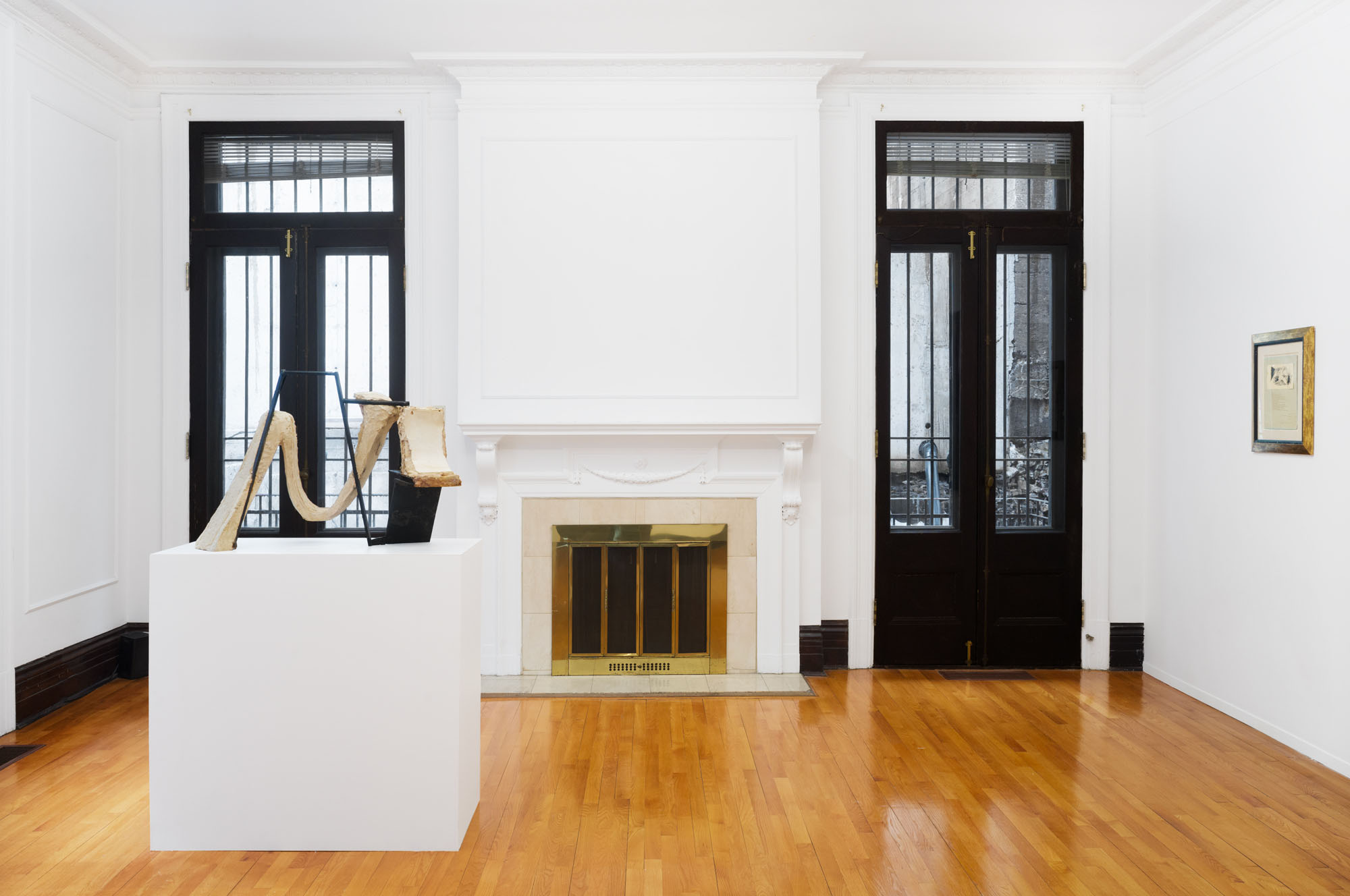
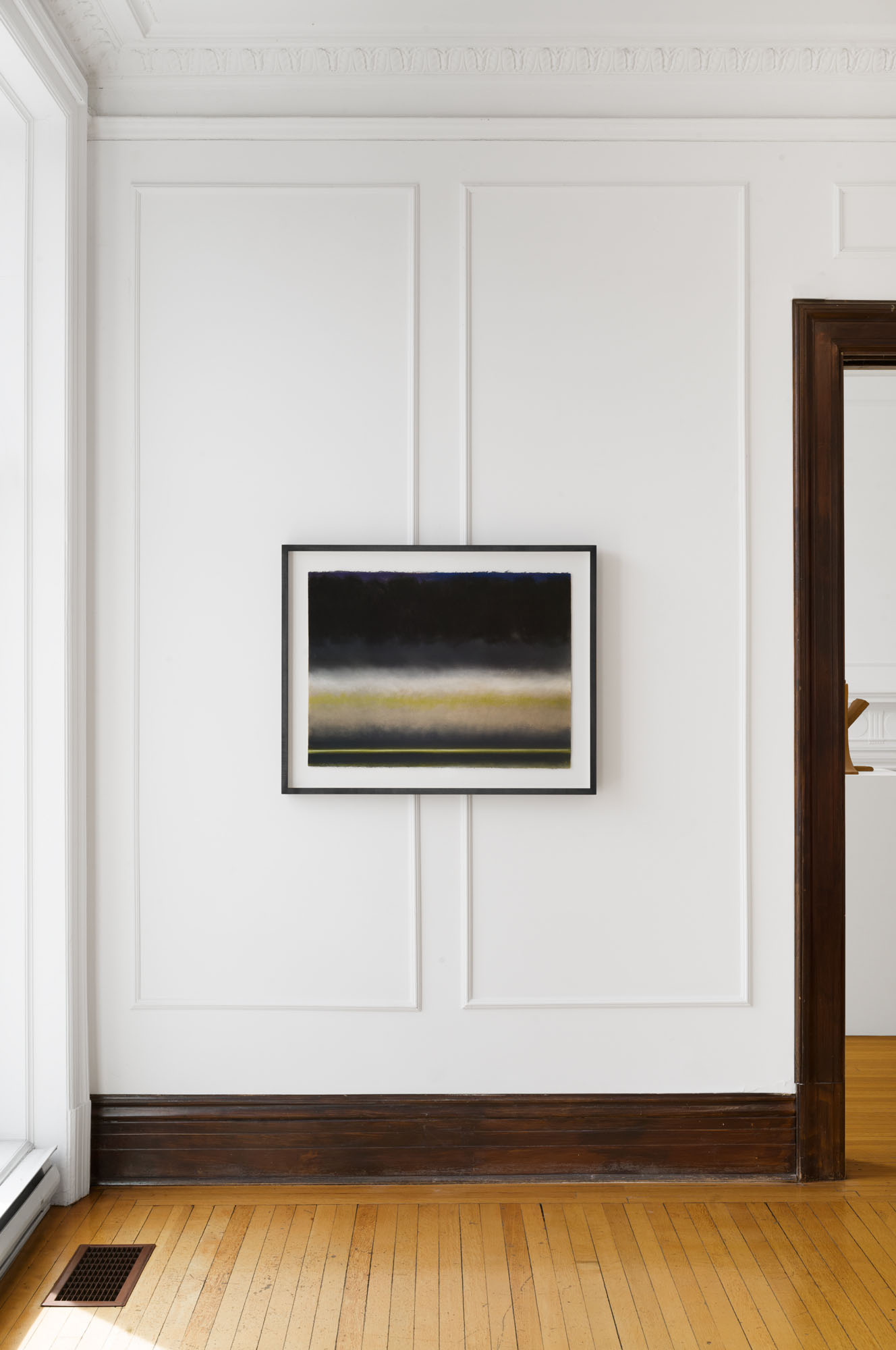
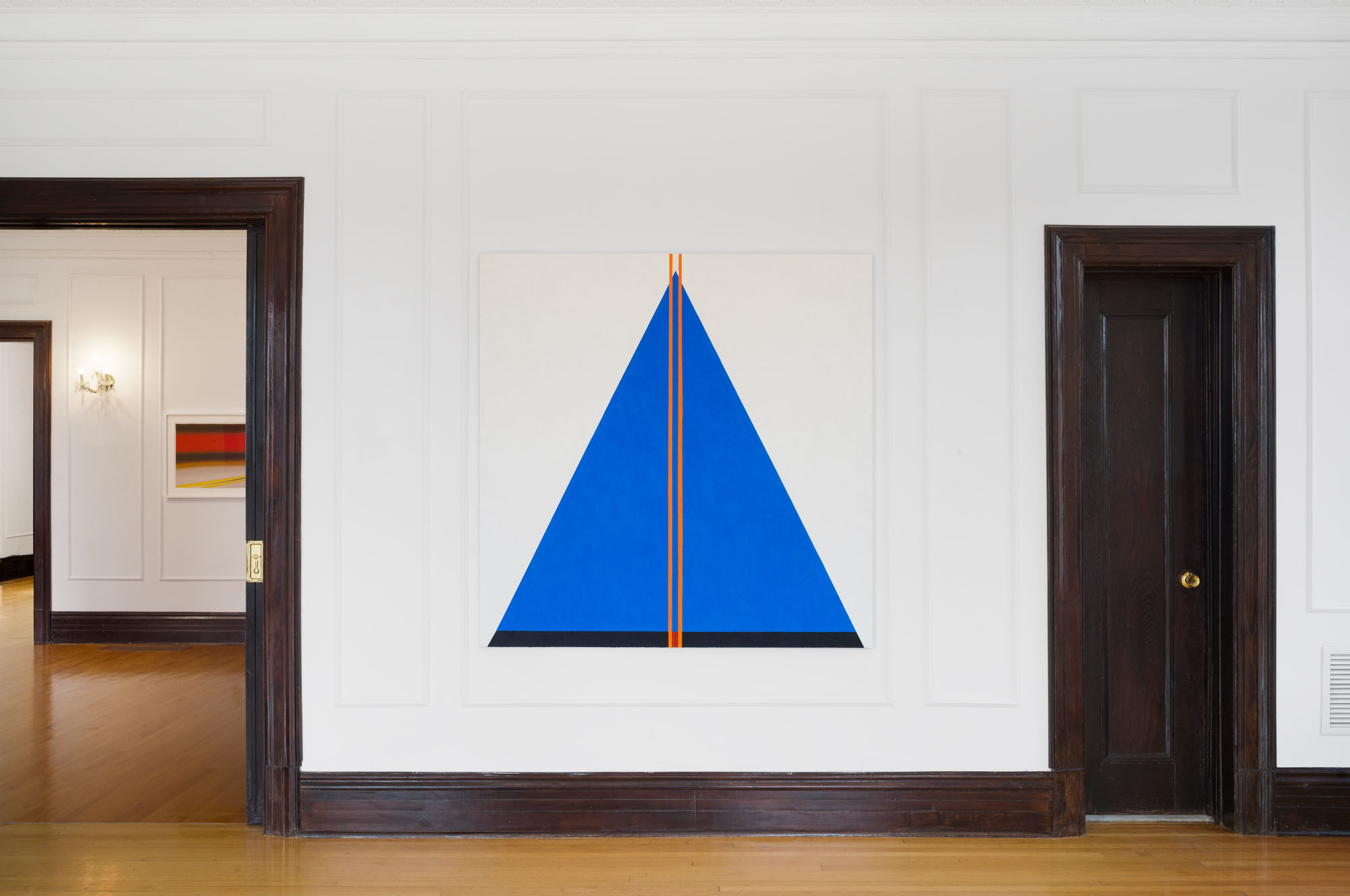
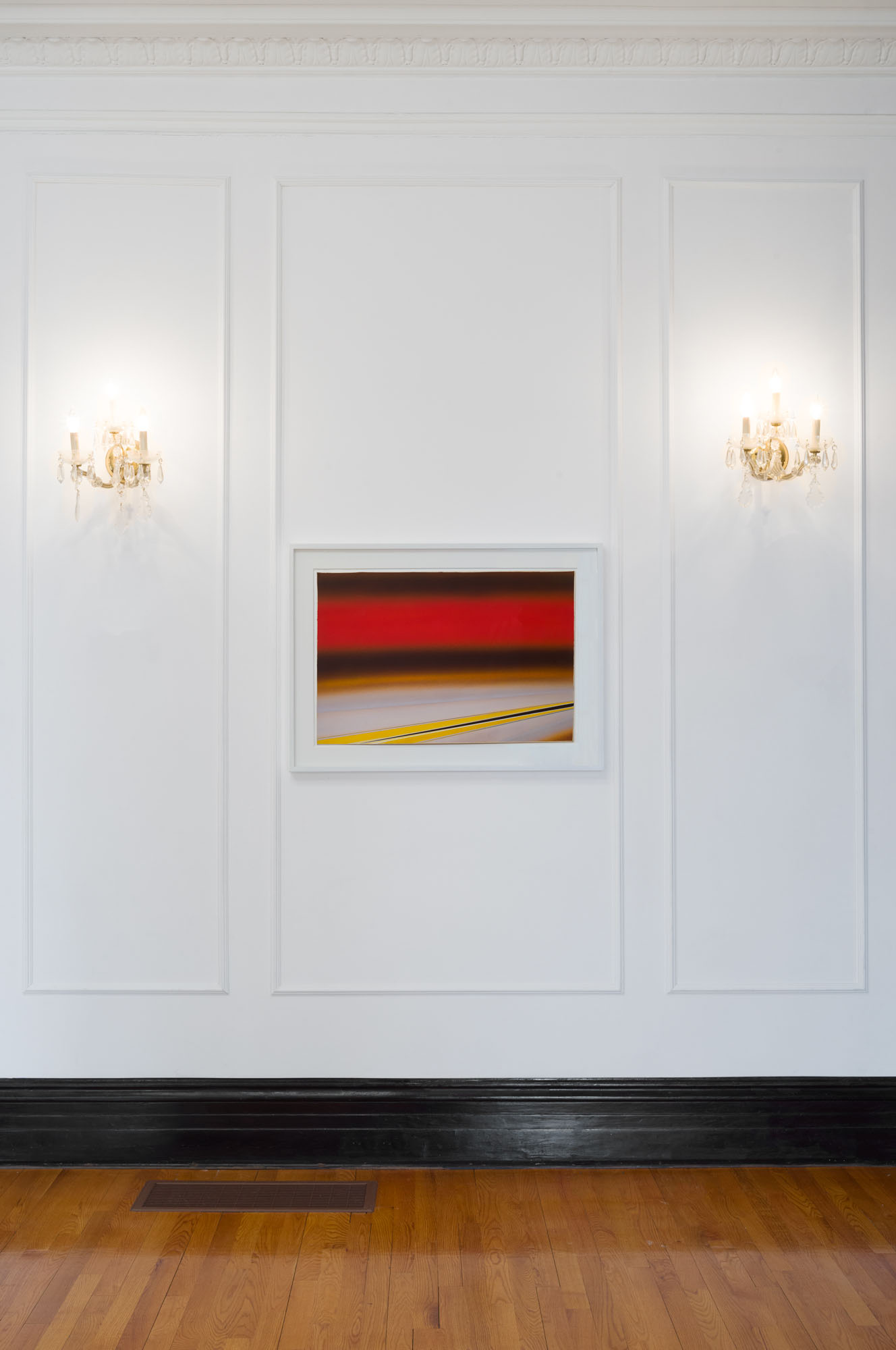
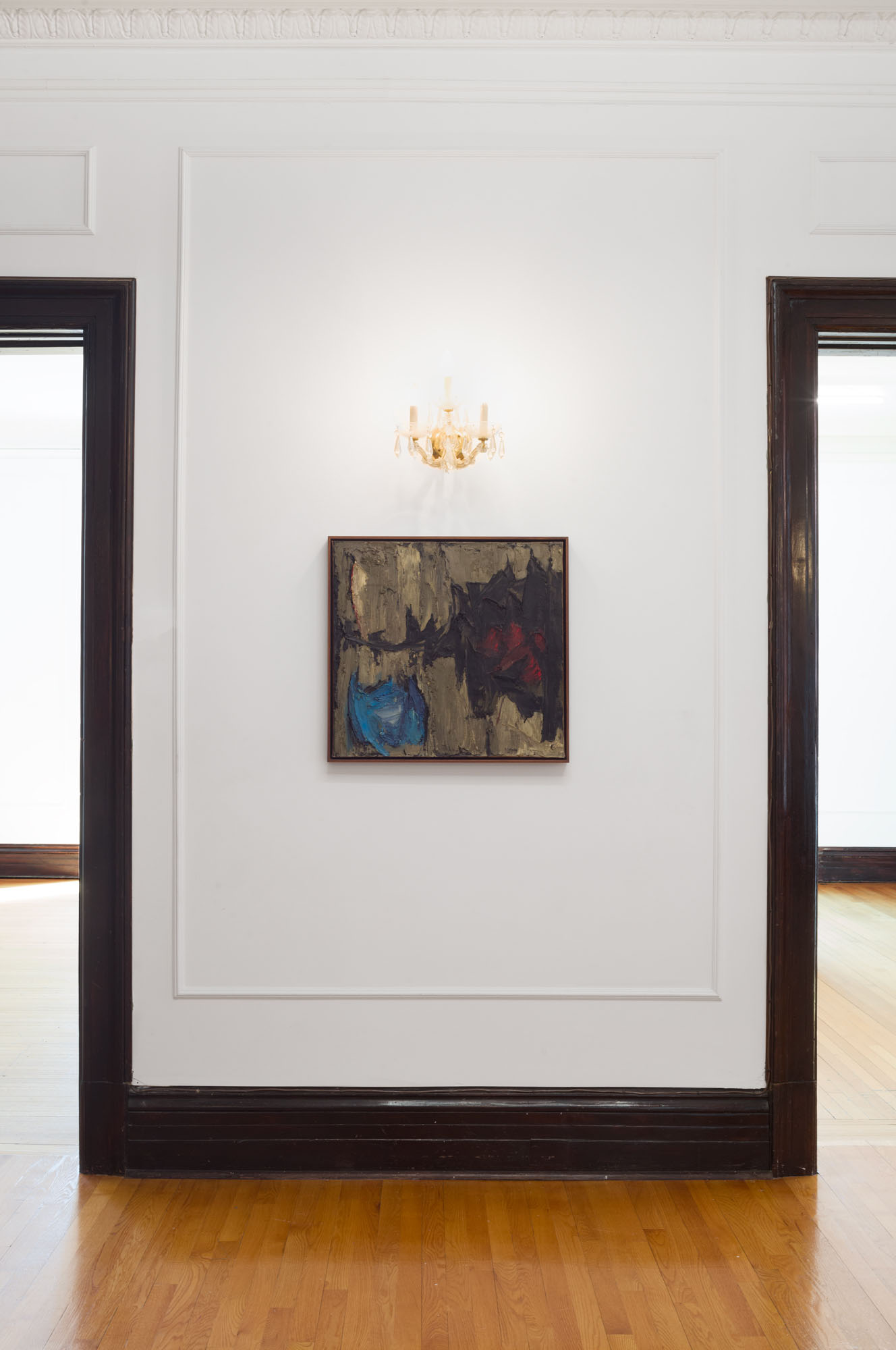
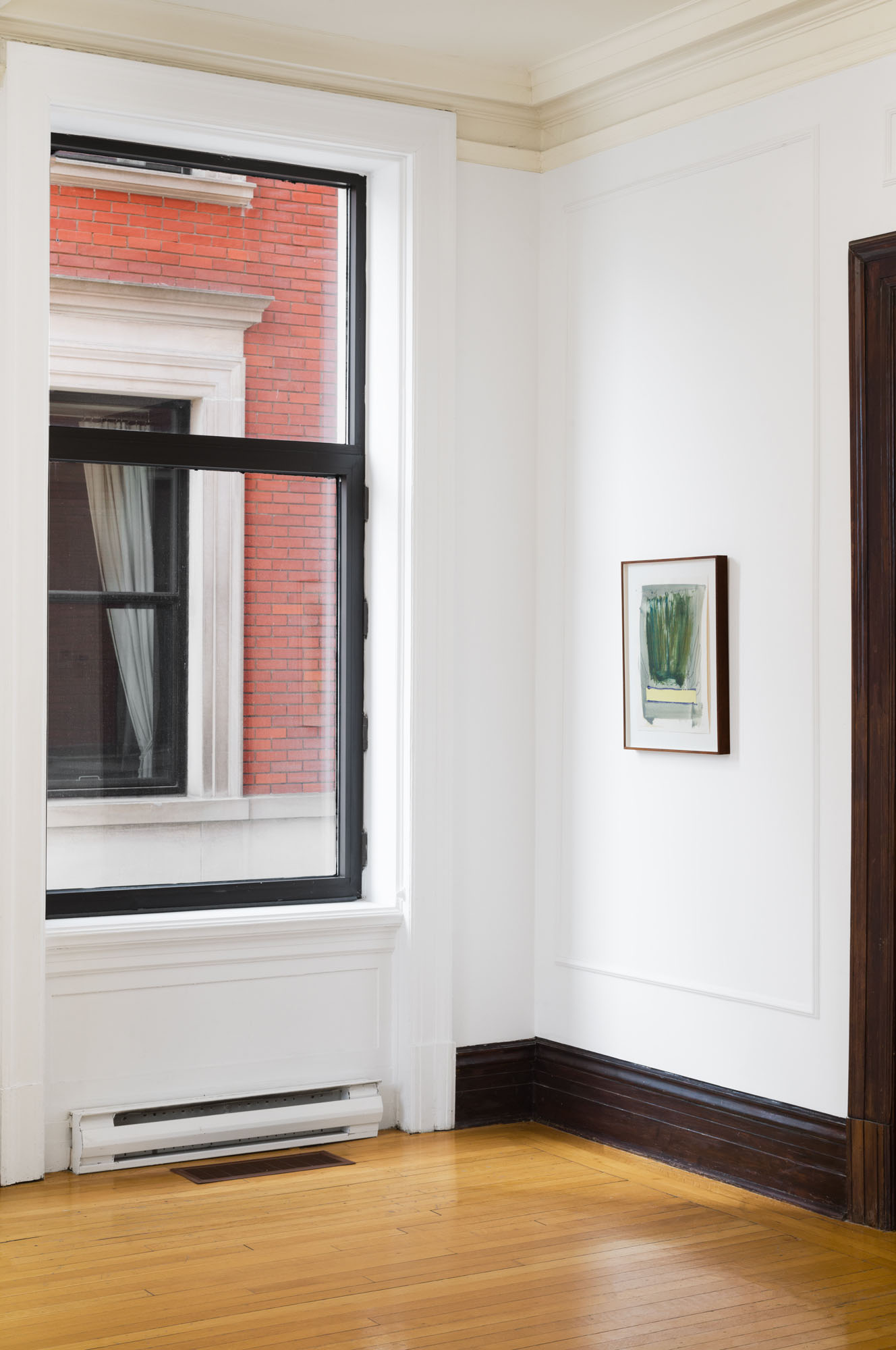
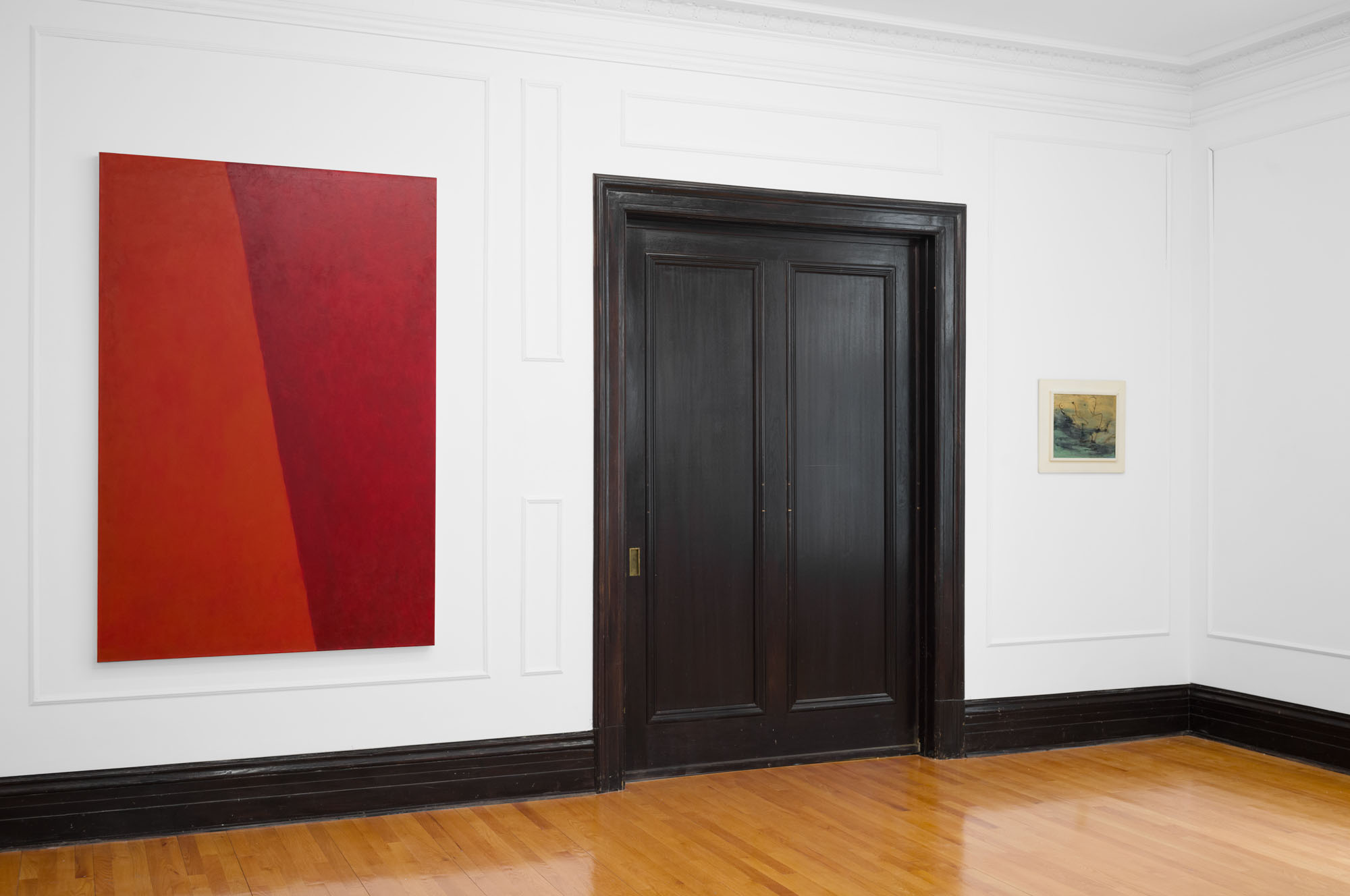
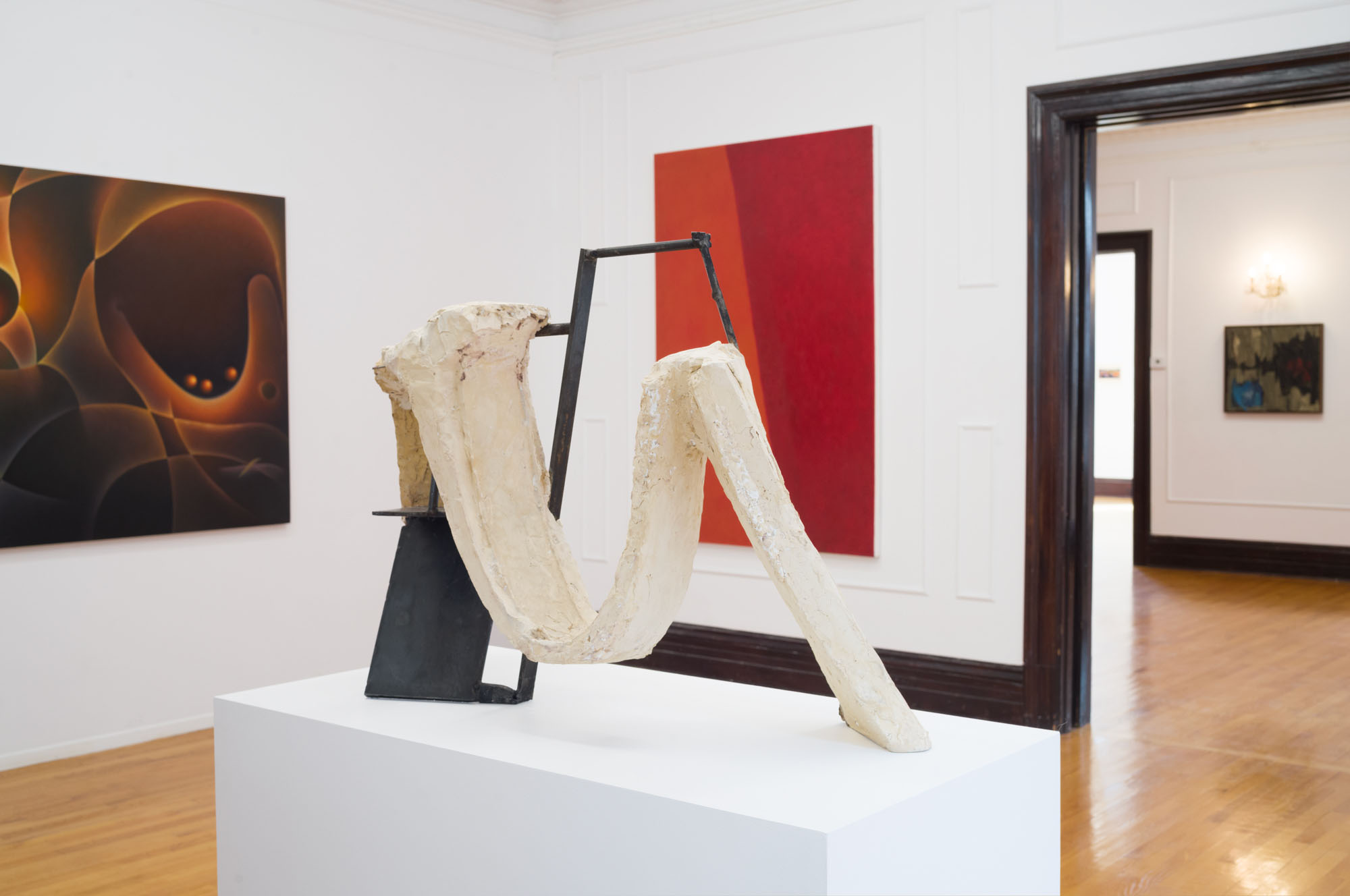
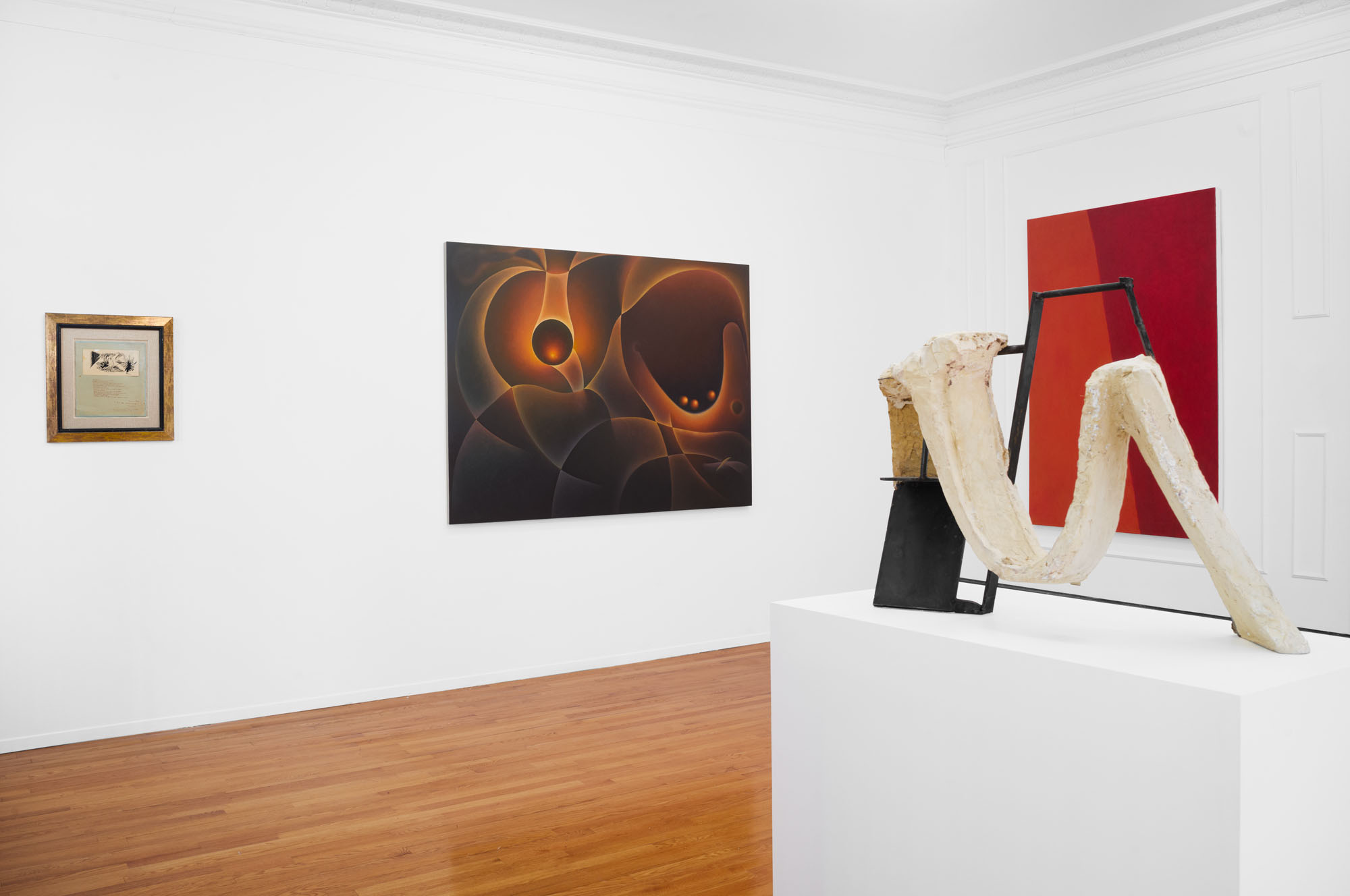
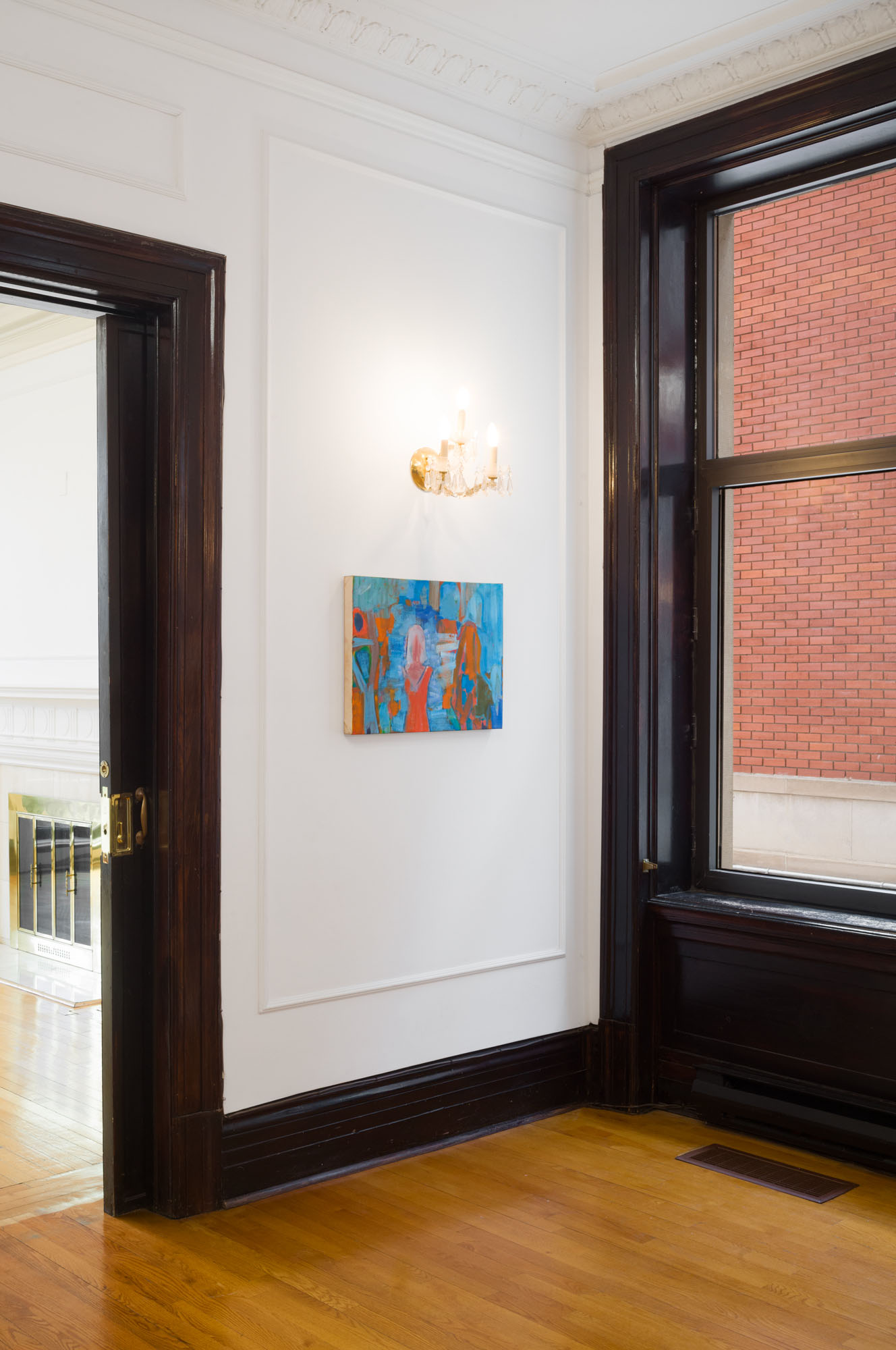
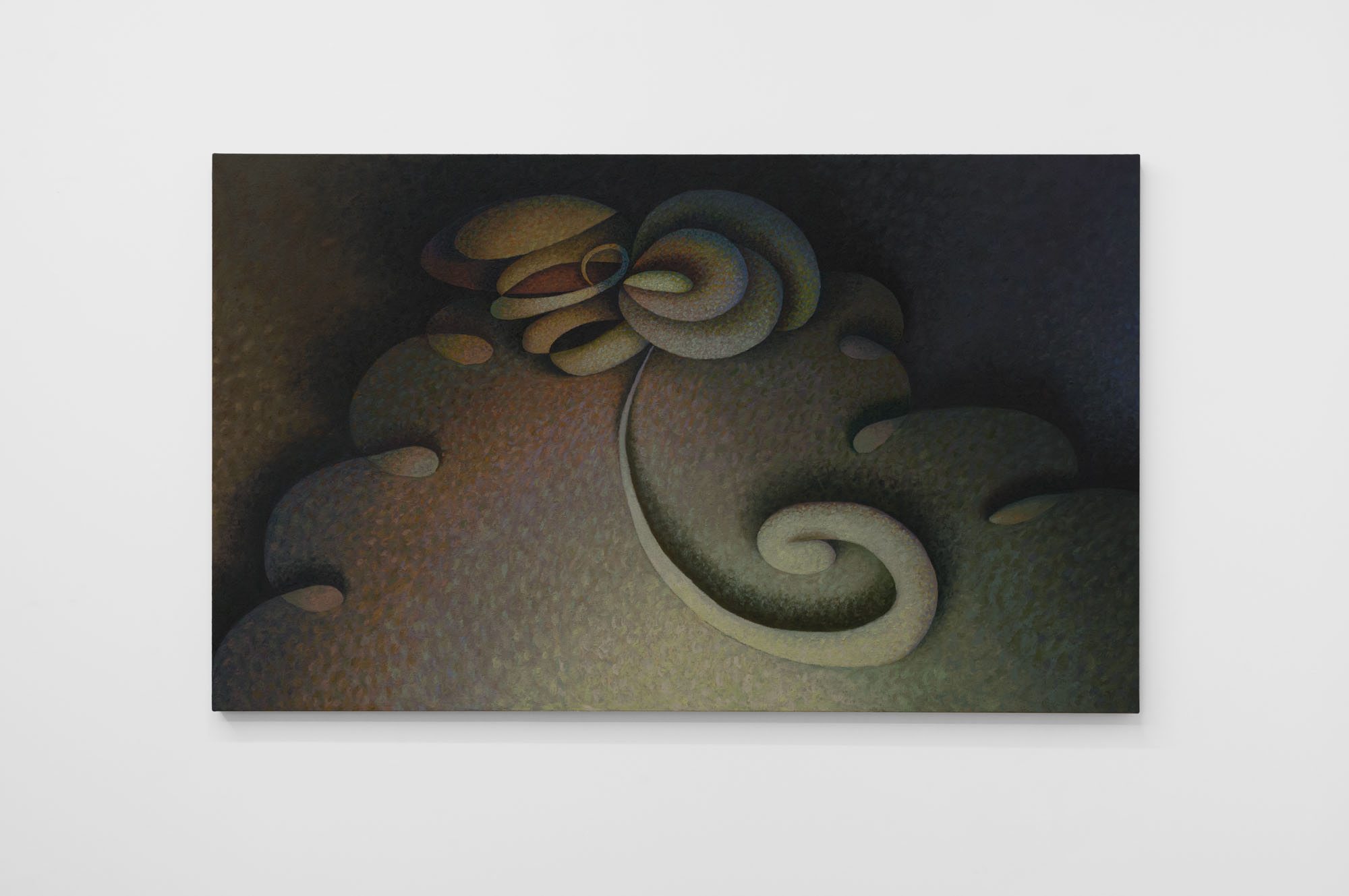
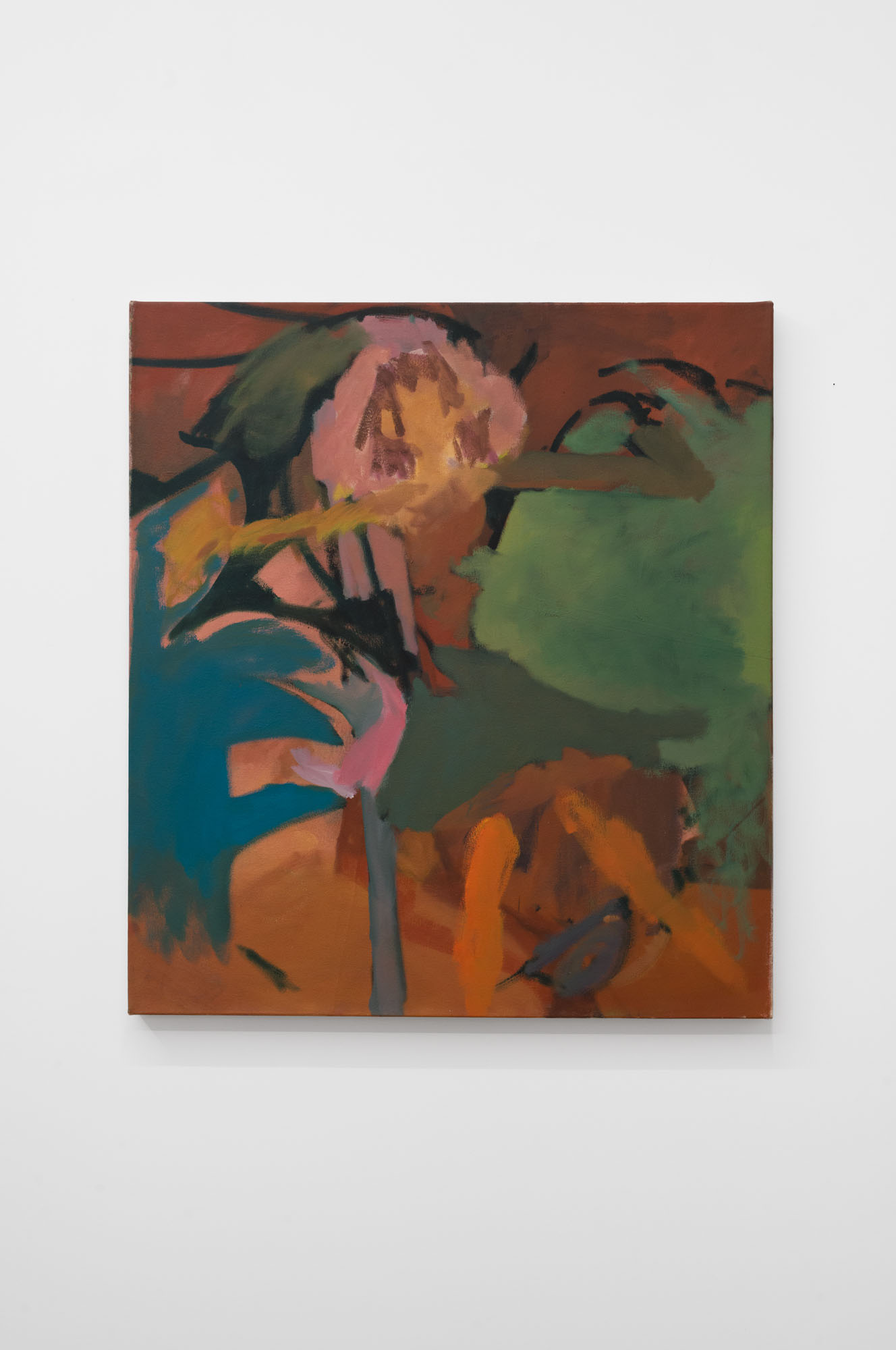
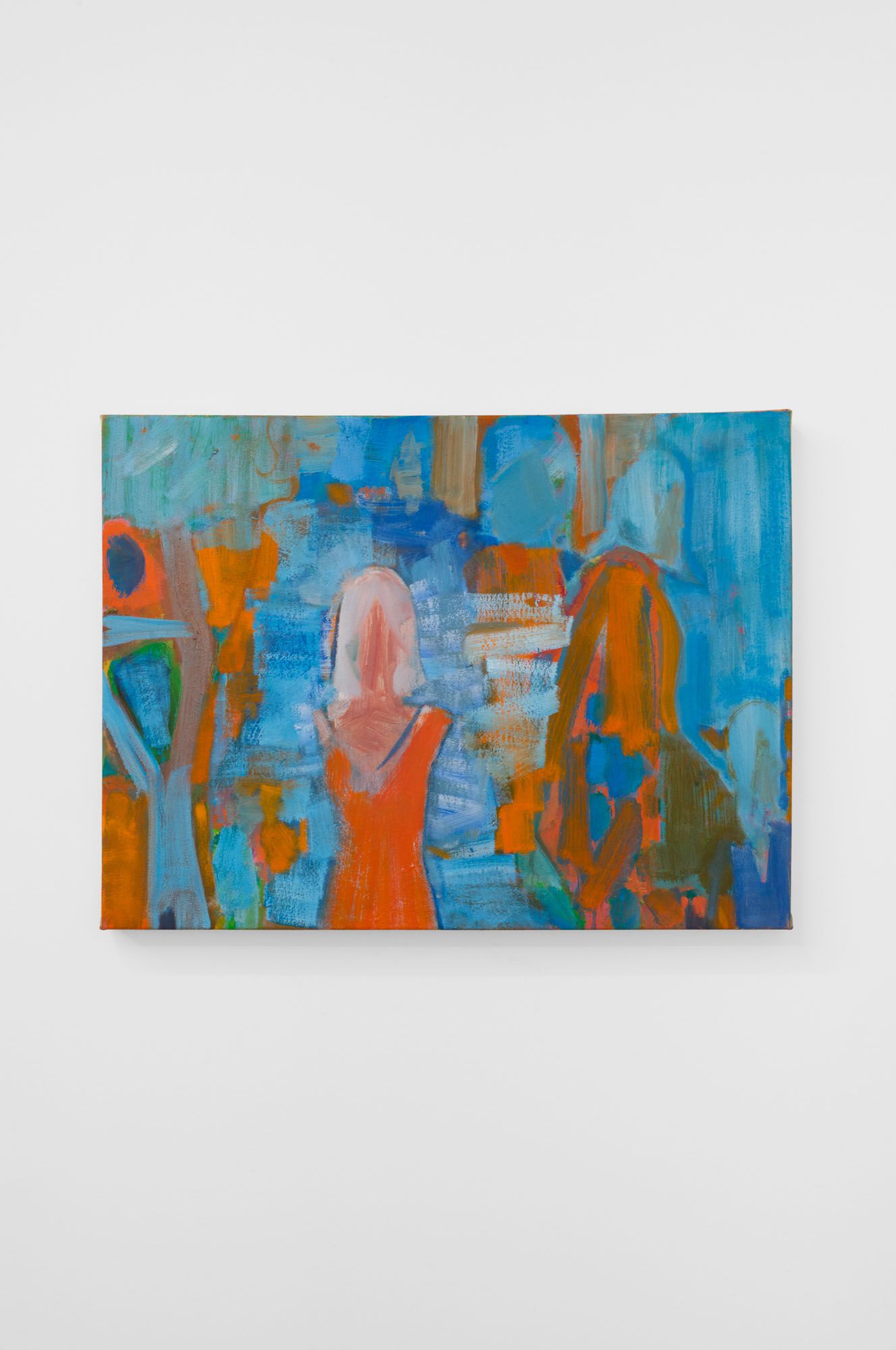
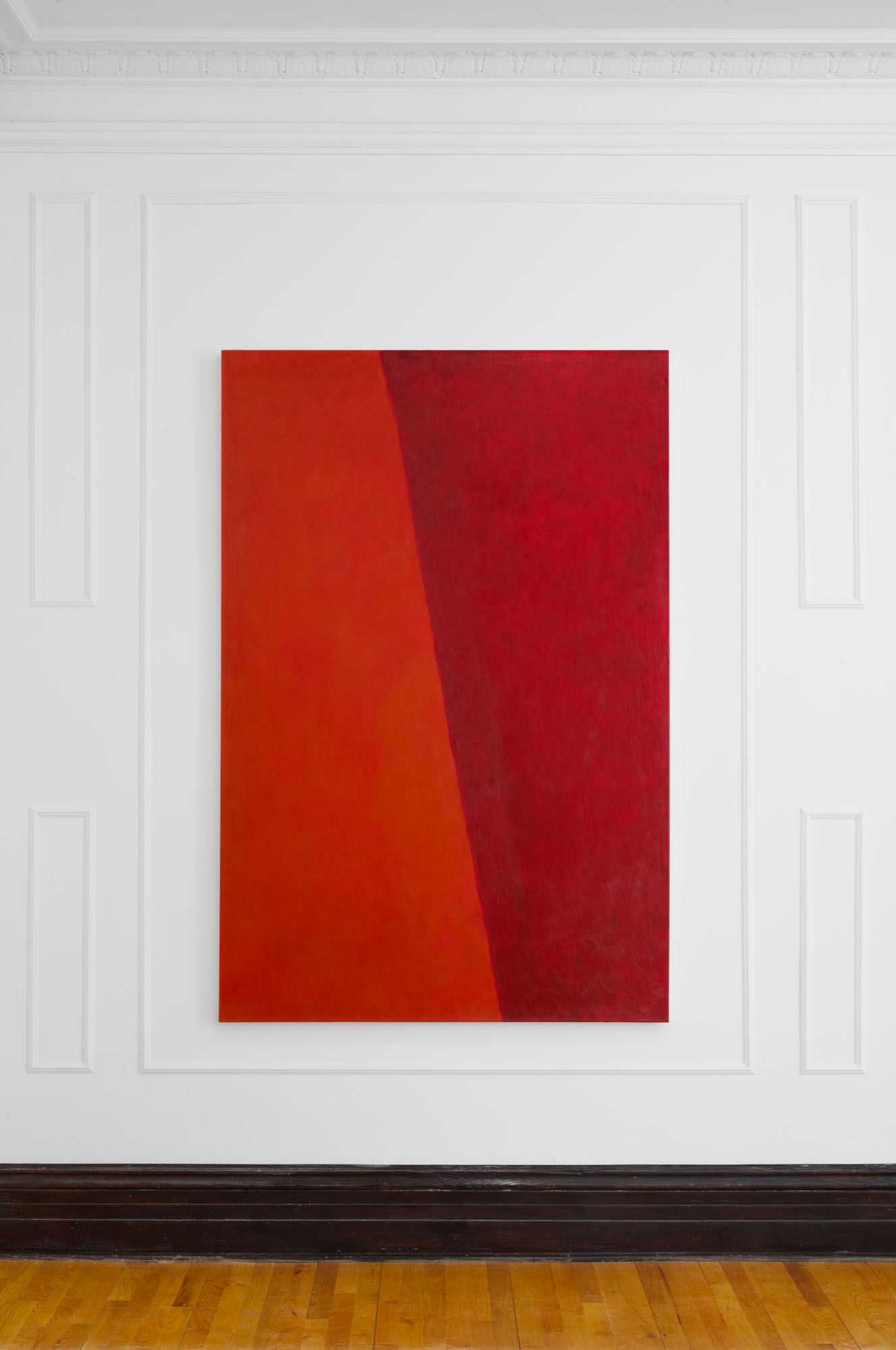
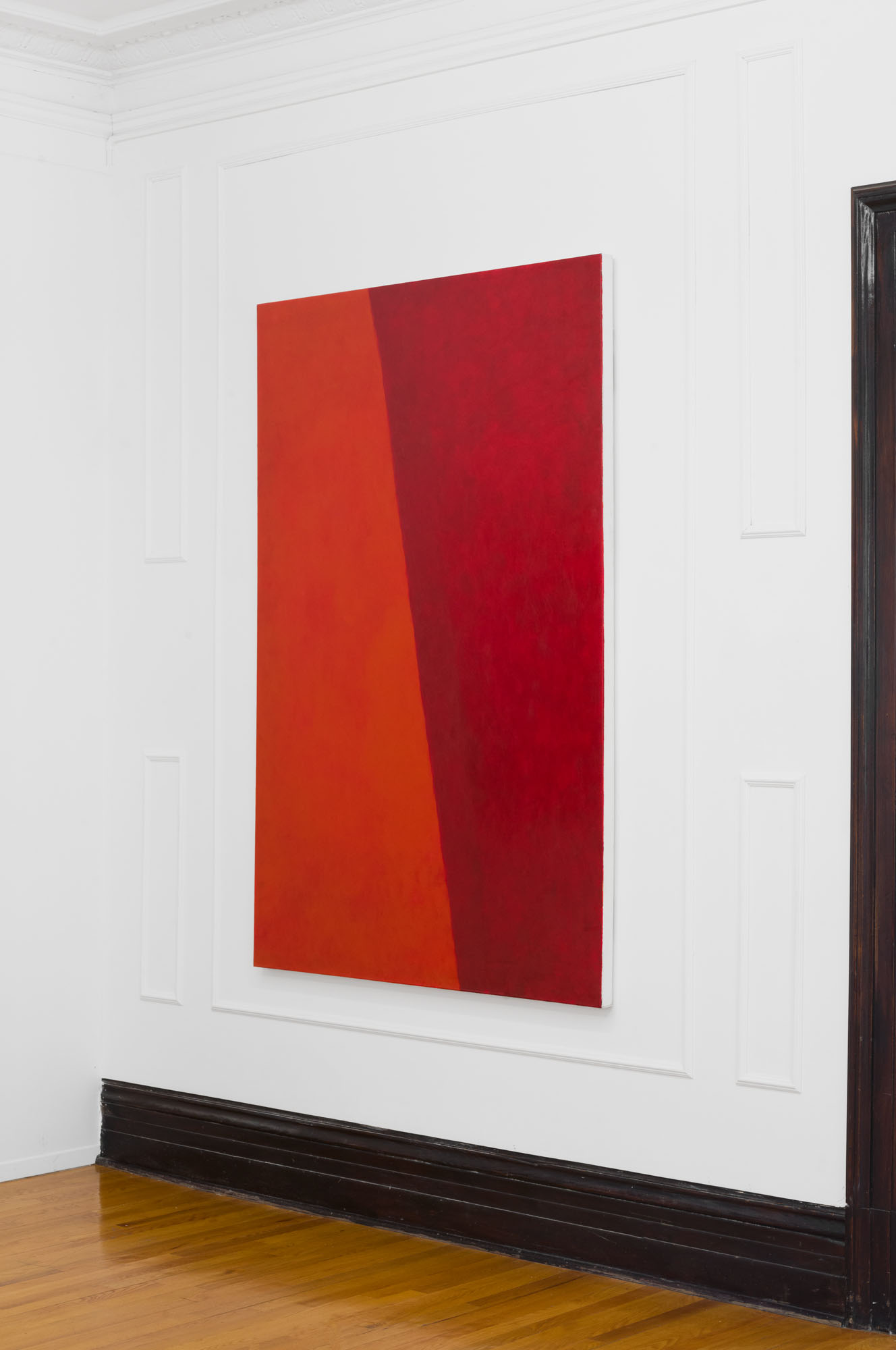
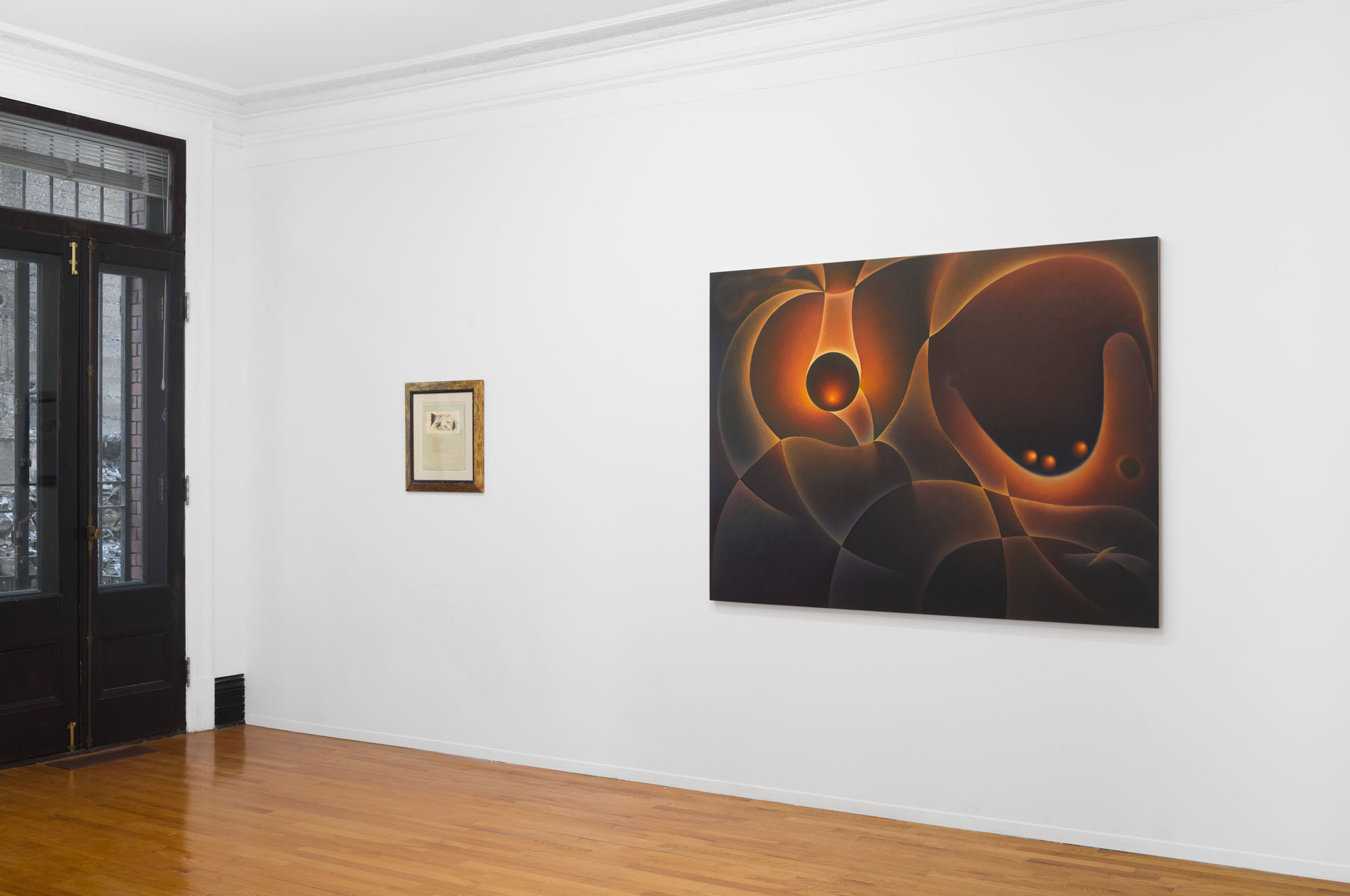
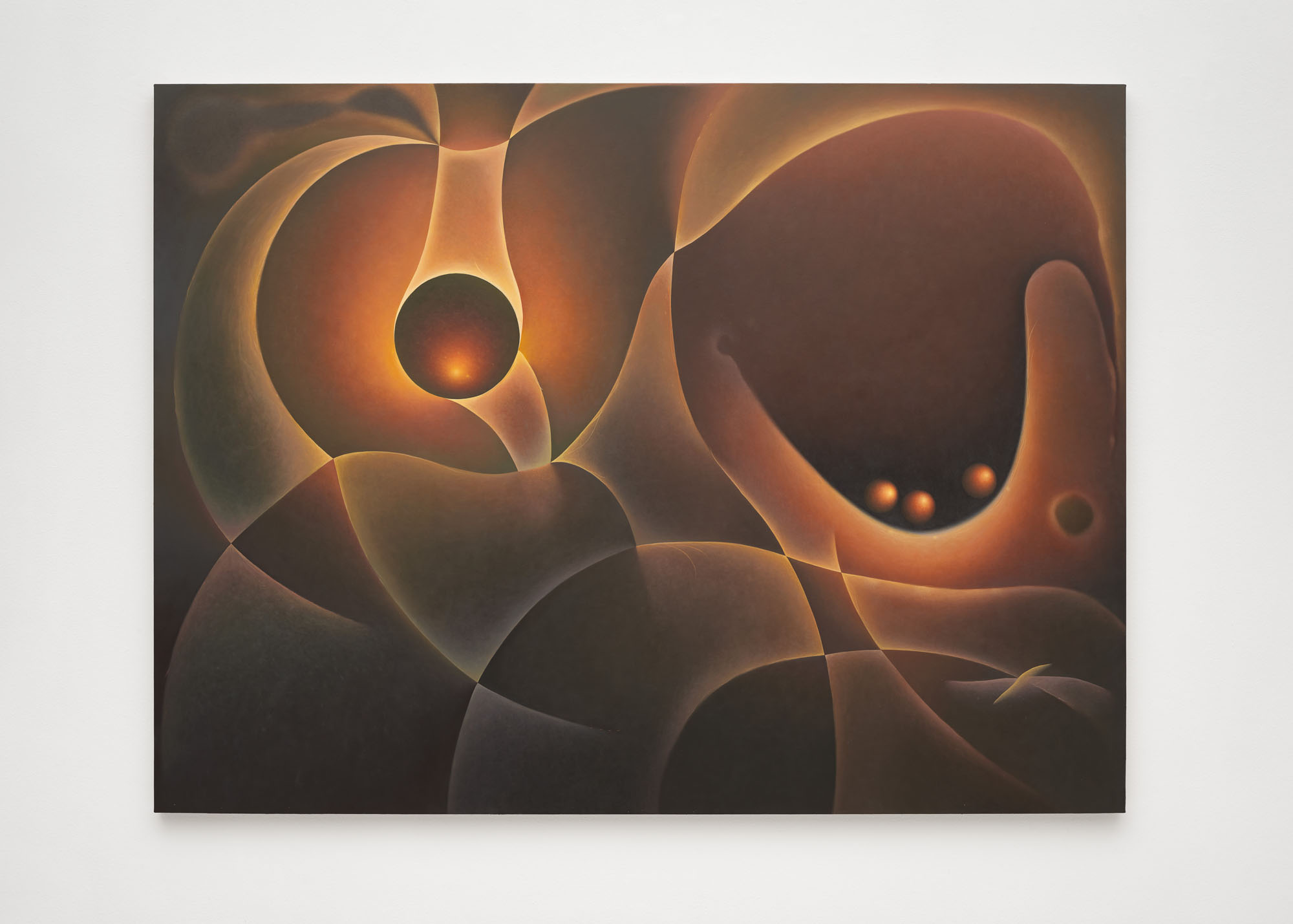
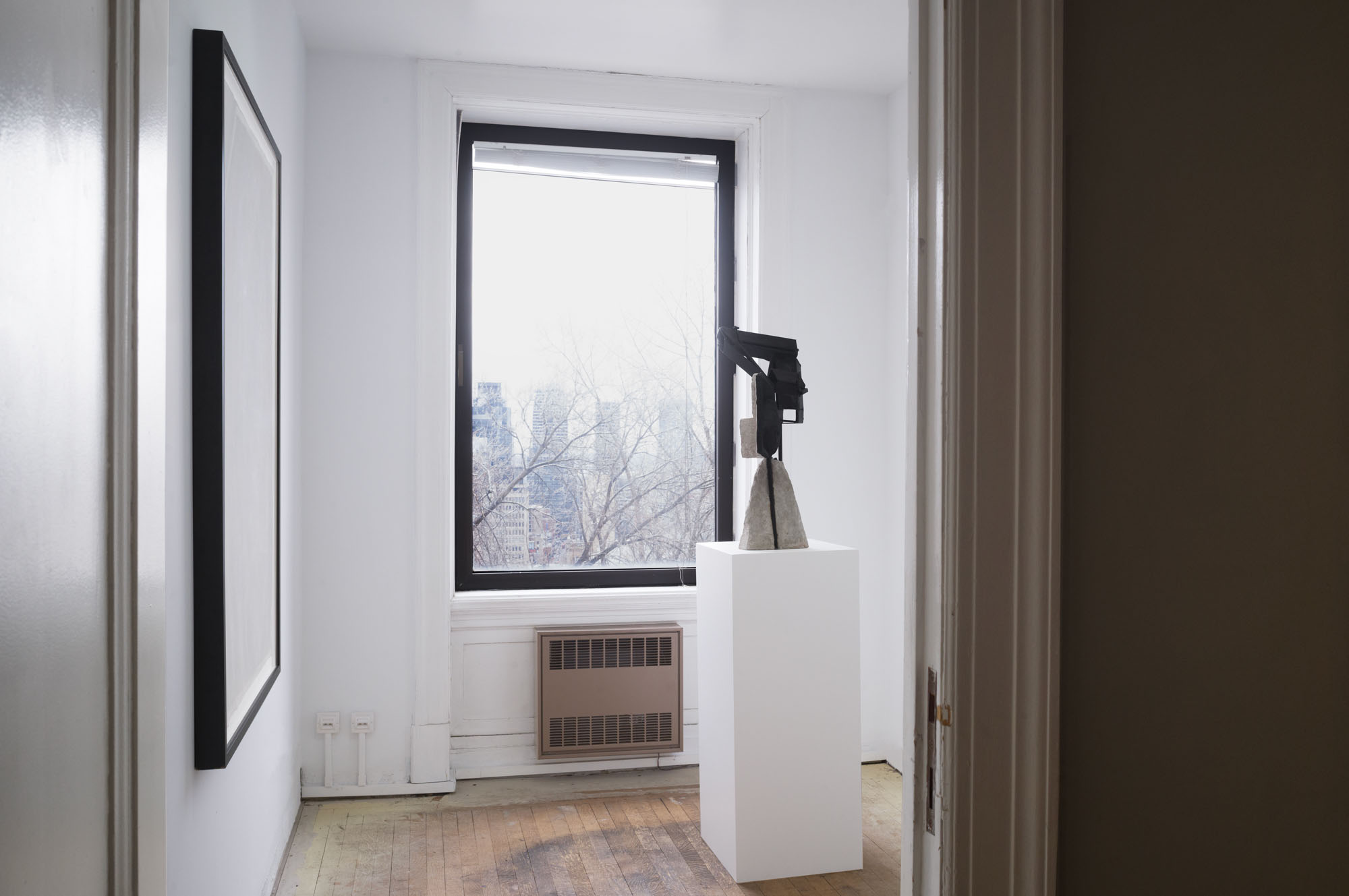
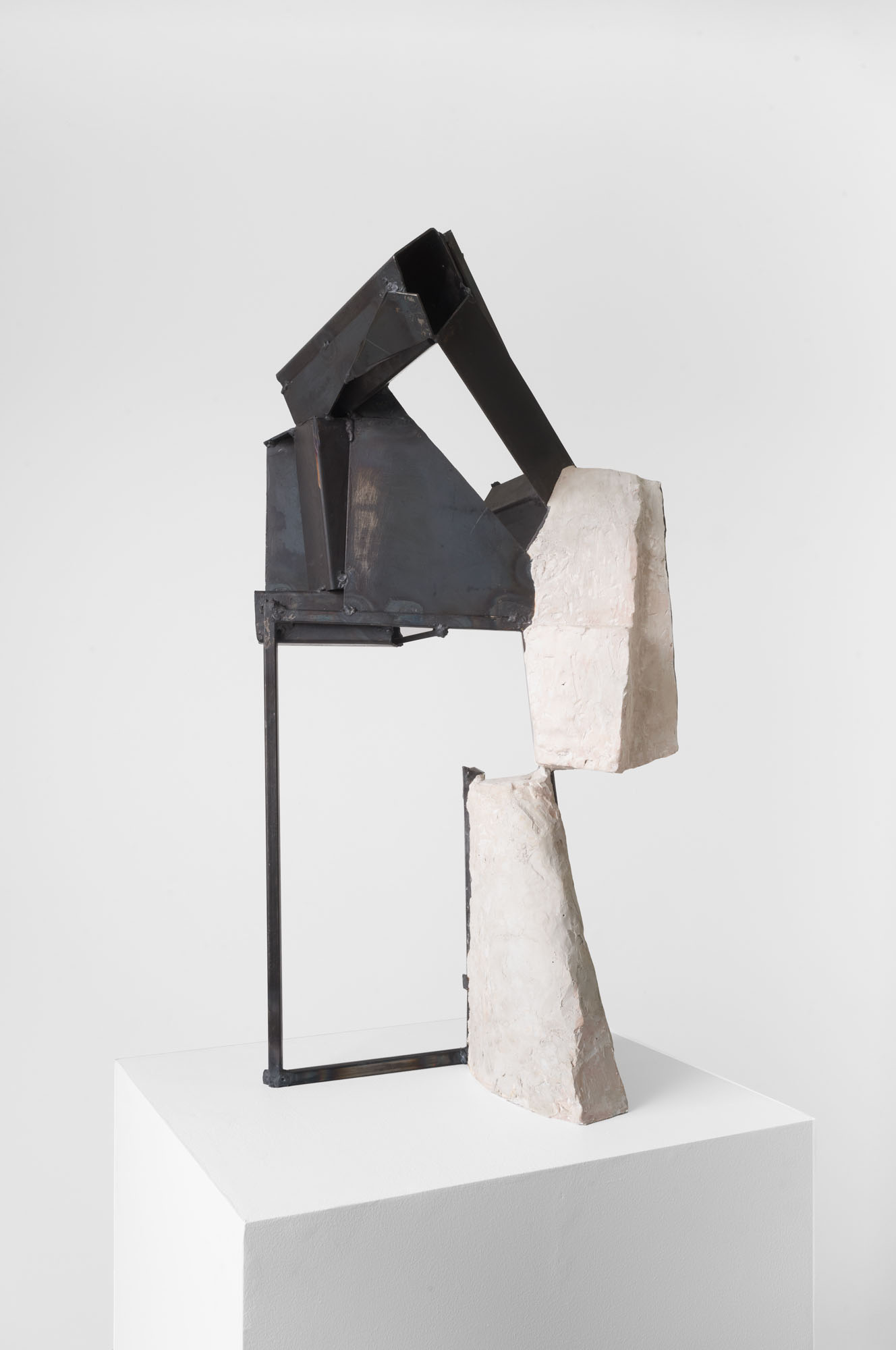
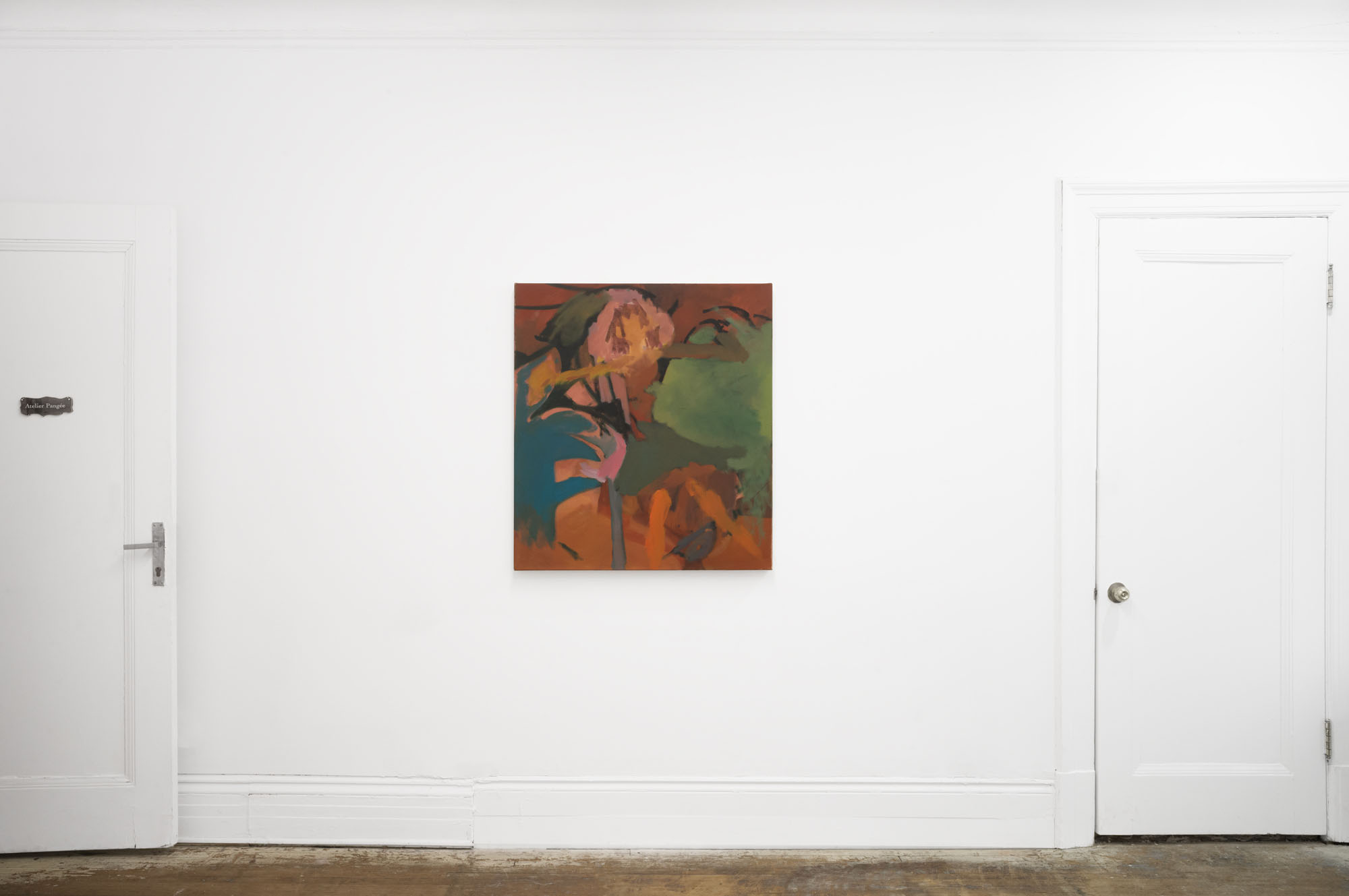
The Eye is the First Circle, Lee Krasner’s epic 1960 painting and an eponymous documentary on women abstract impressionists from the mid 20th century, borrows from an essay called Circles, written in 1841 by Ralph Waldo Emerson. In that text, Emerson rethinks philosophical assumptions about space and perception, arguing for the capacity of personal vision to expand the world, literally and metaphorically, by situating perception as a driving force in an endless, fluid universe in constant becoming. Krasner demonstrated that, as with many women working in abstraction and gestural painting, her methods and conceptual approach embraced this sense of vision as a new way to remake the world around her.
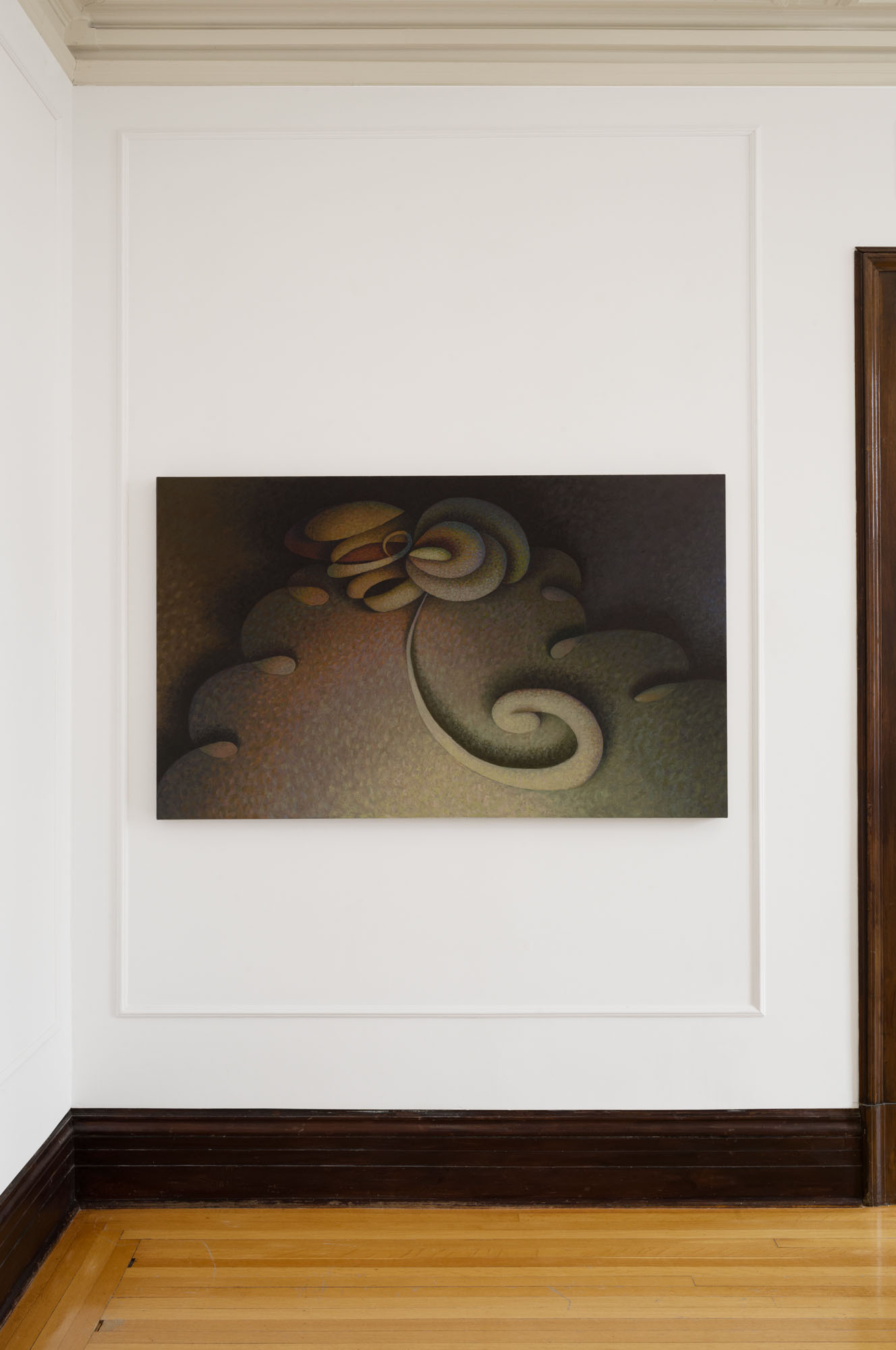
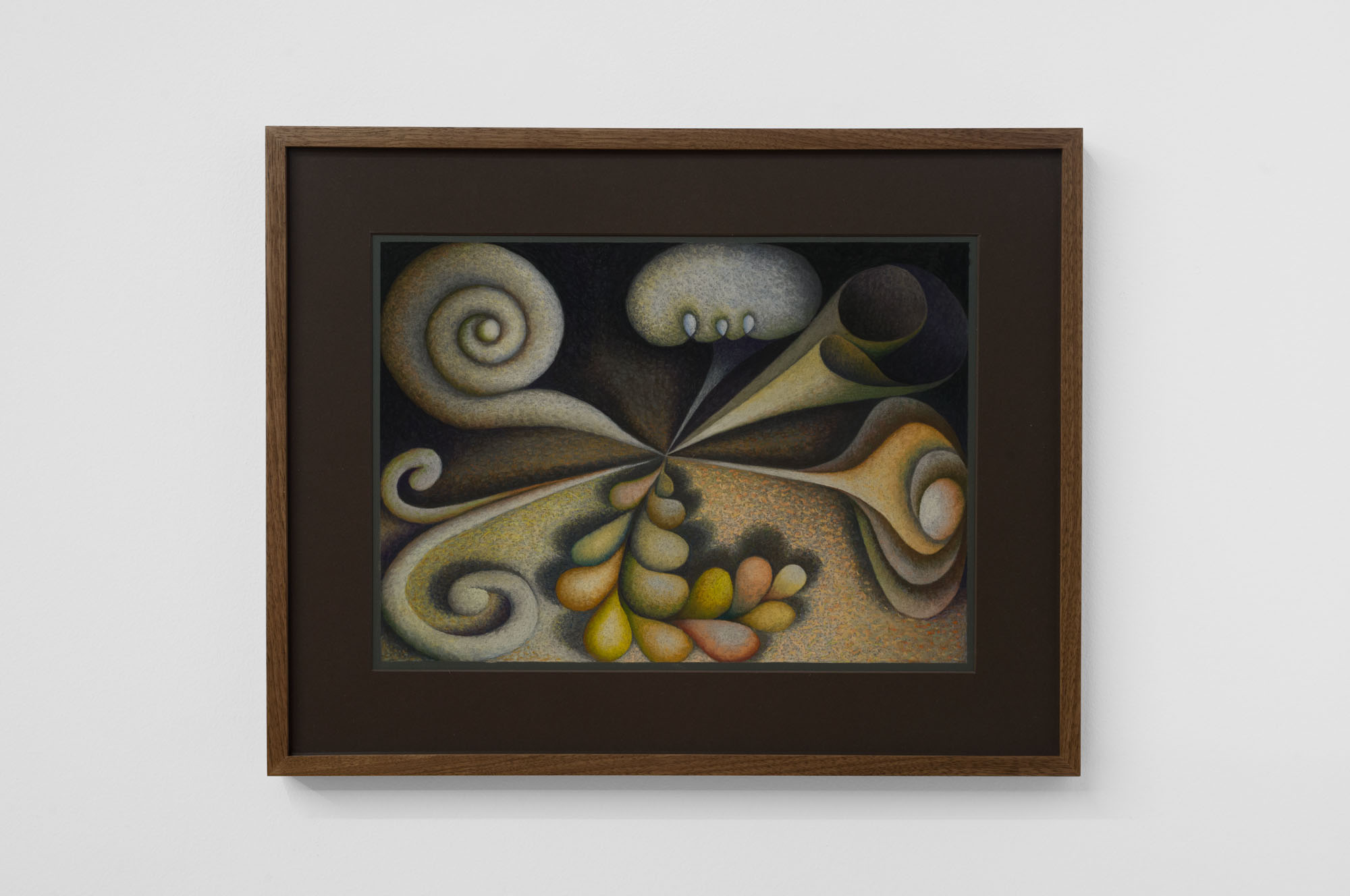
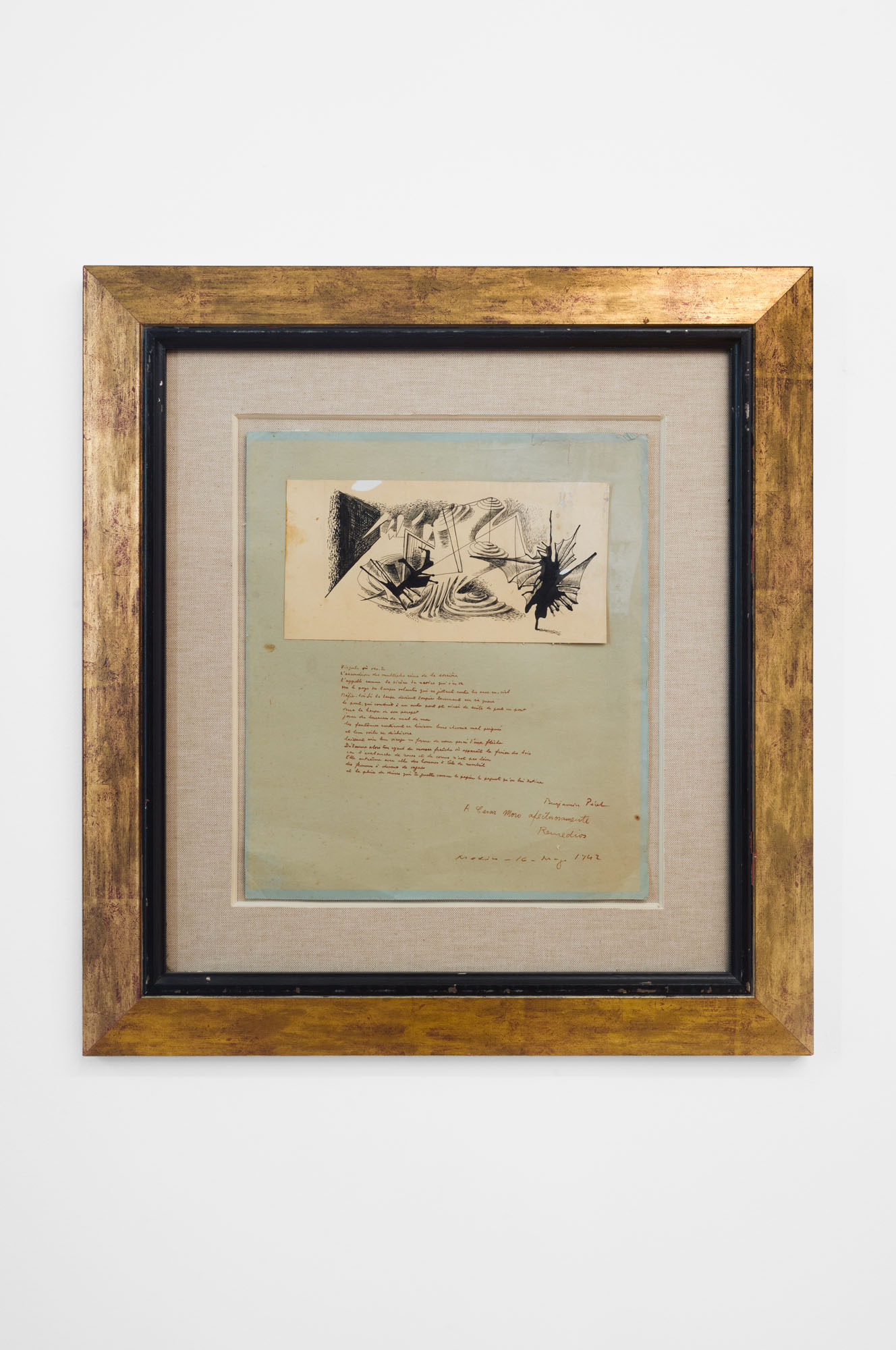
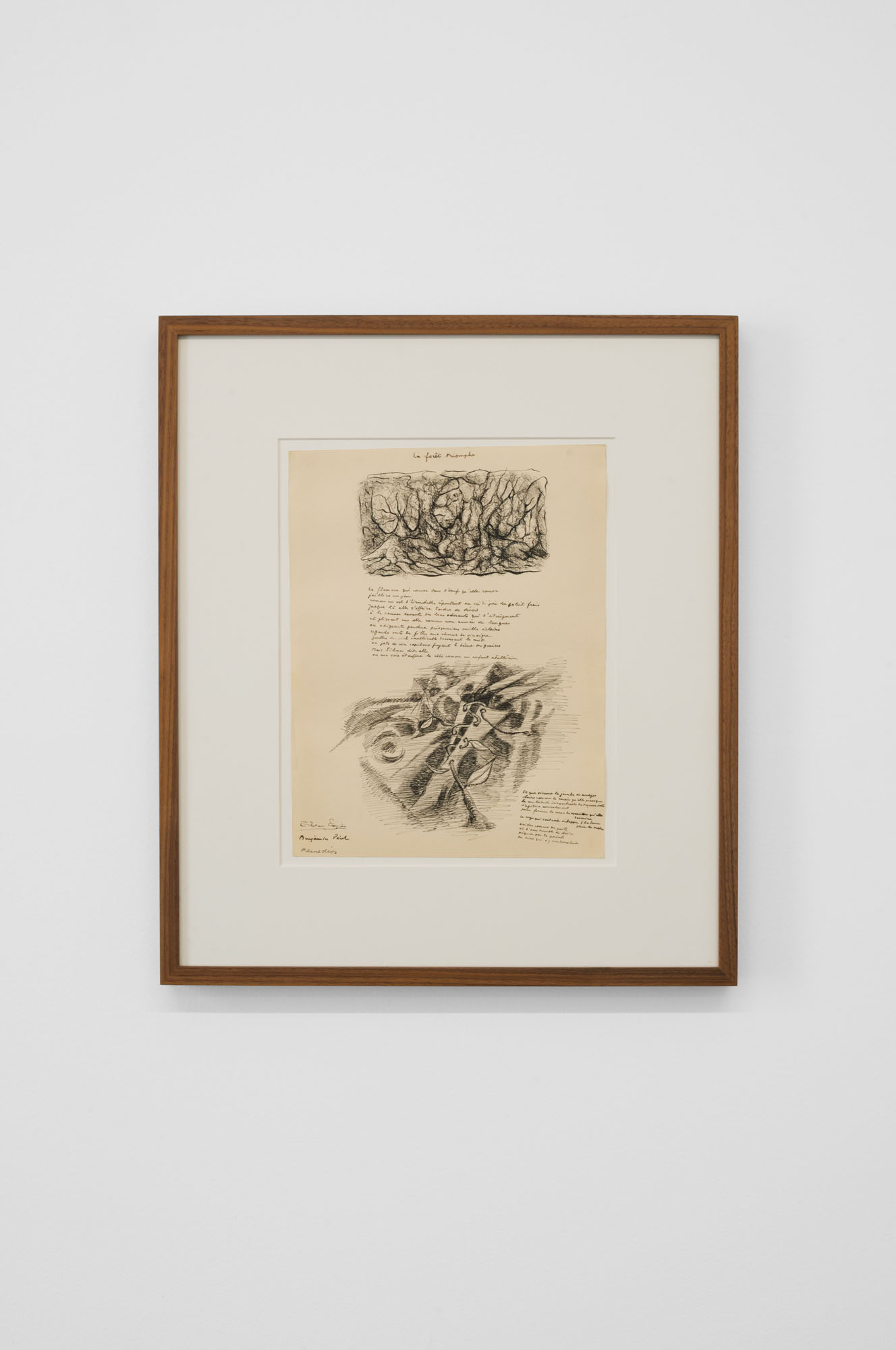
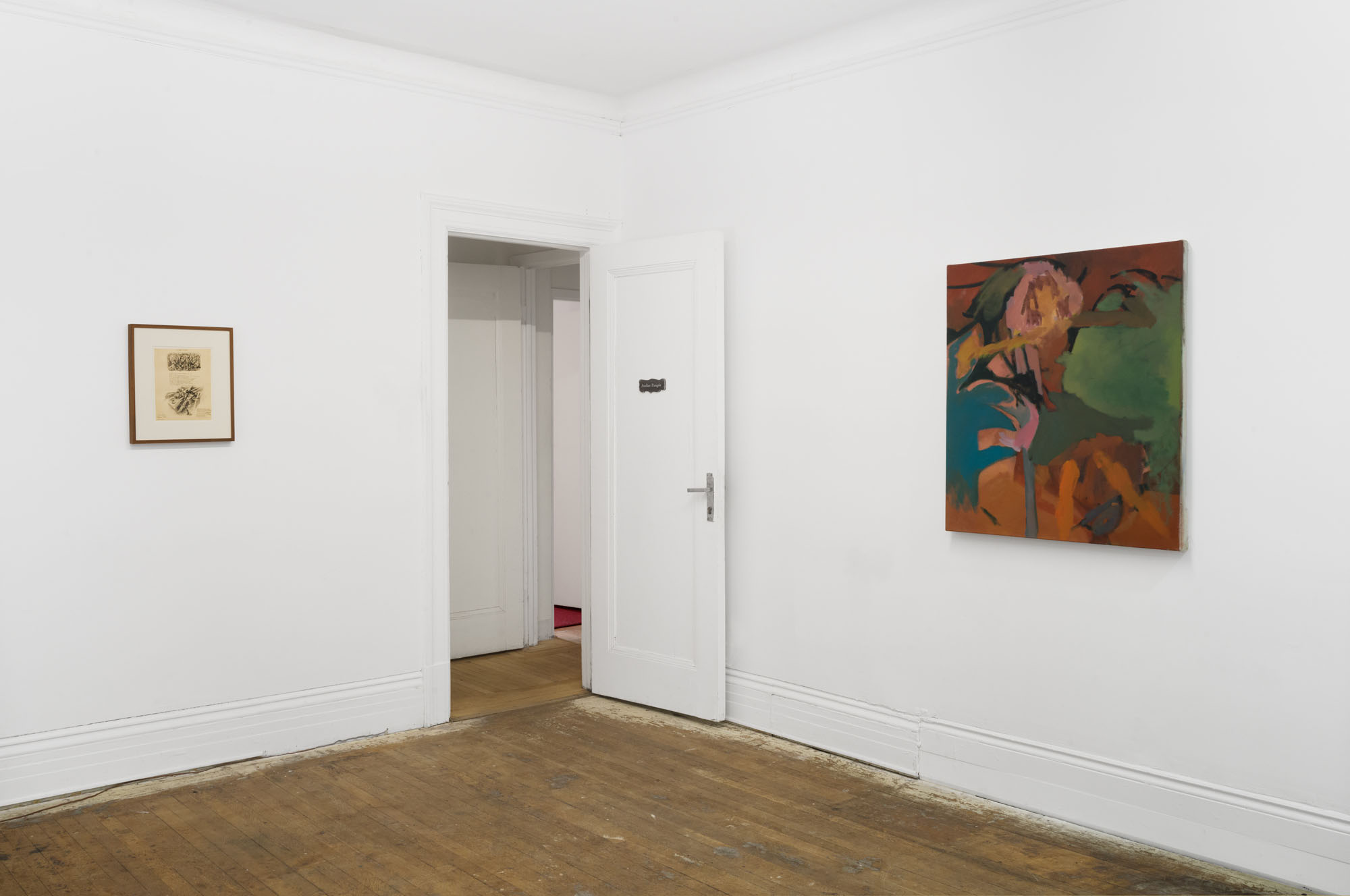
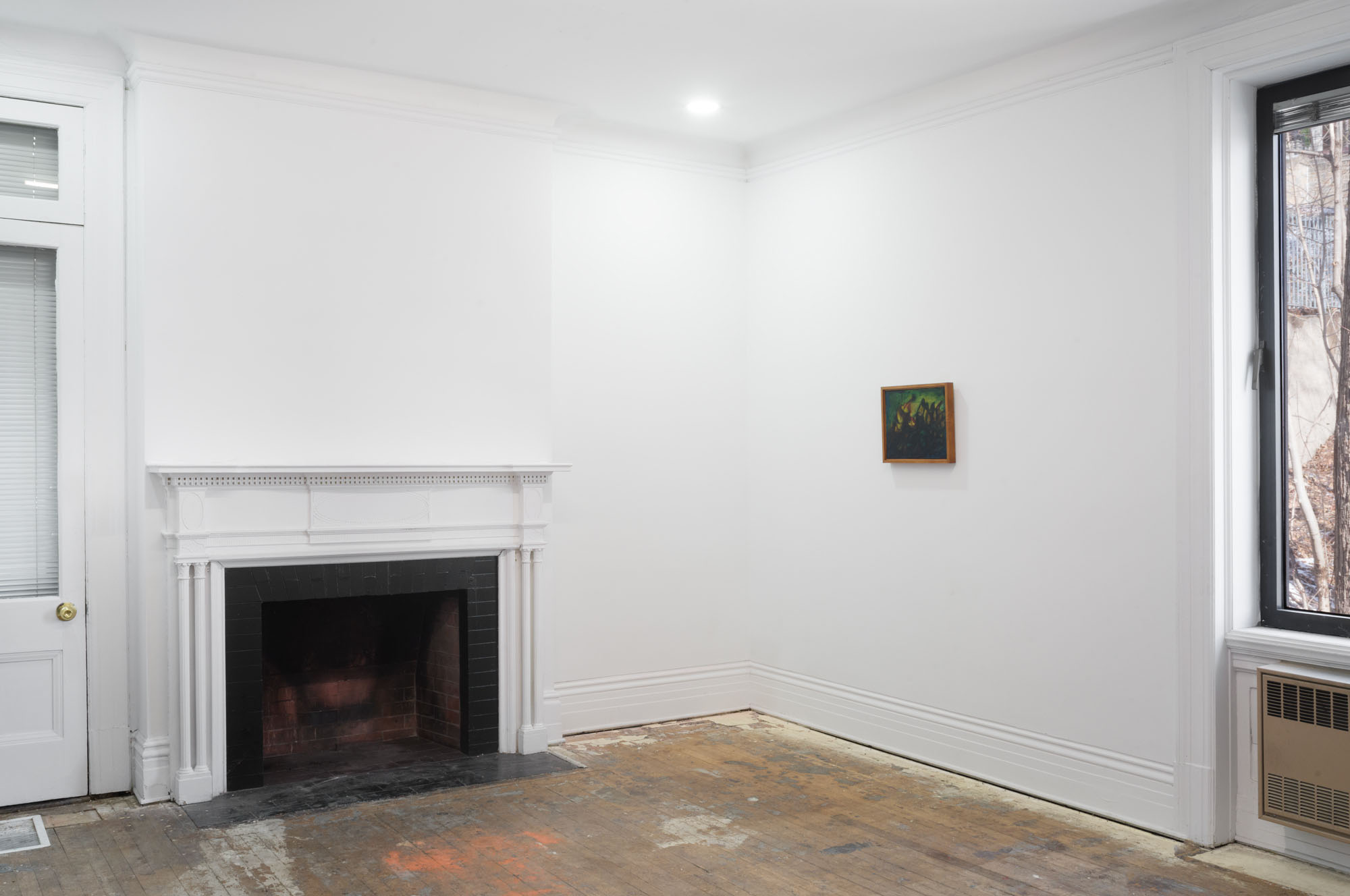
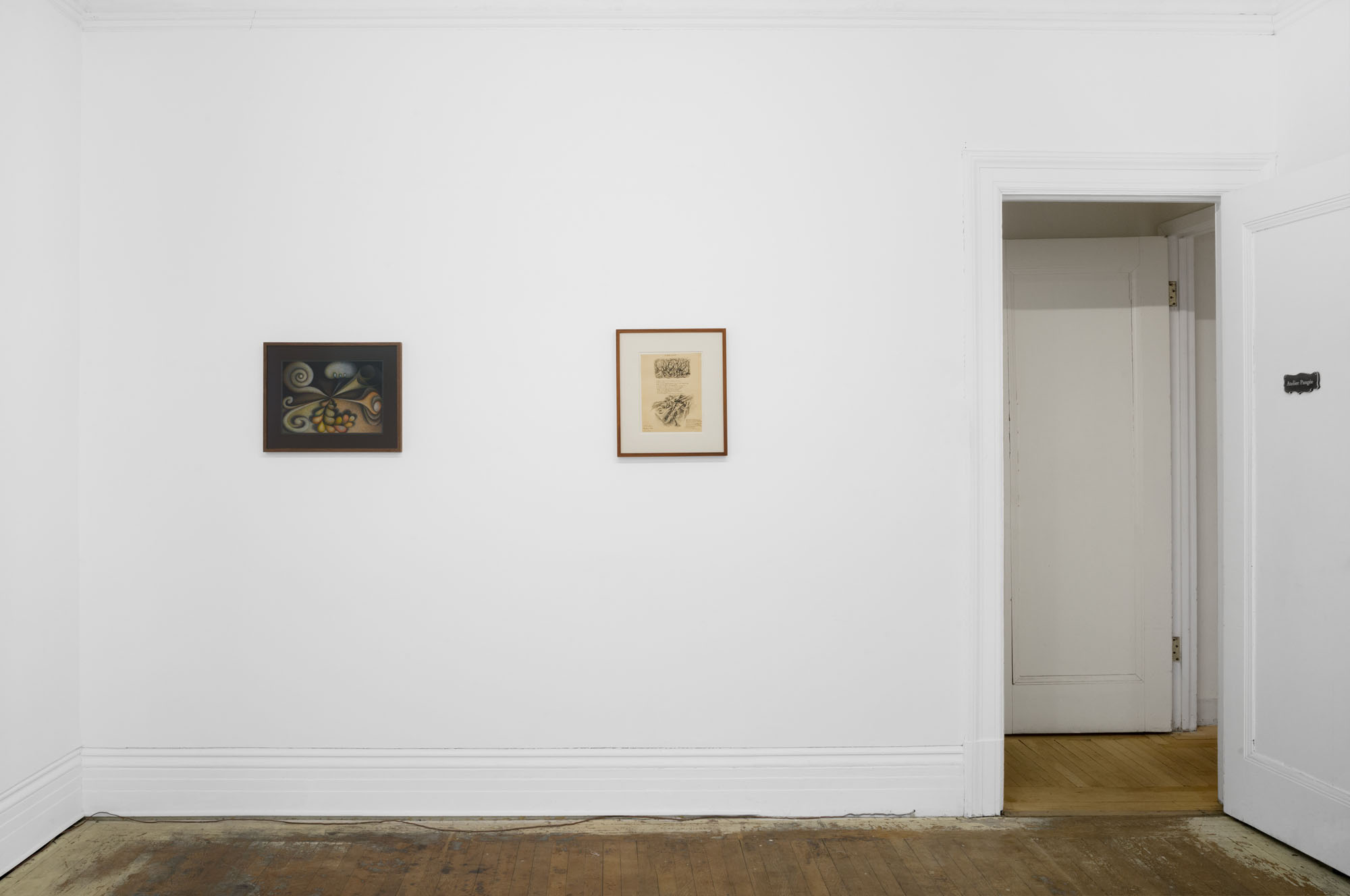
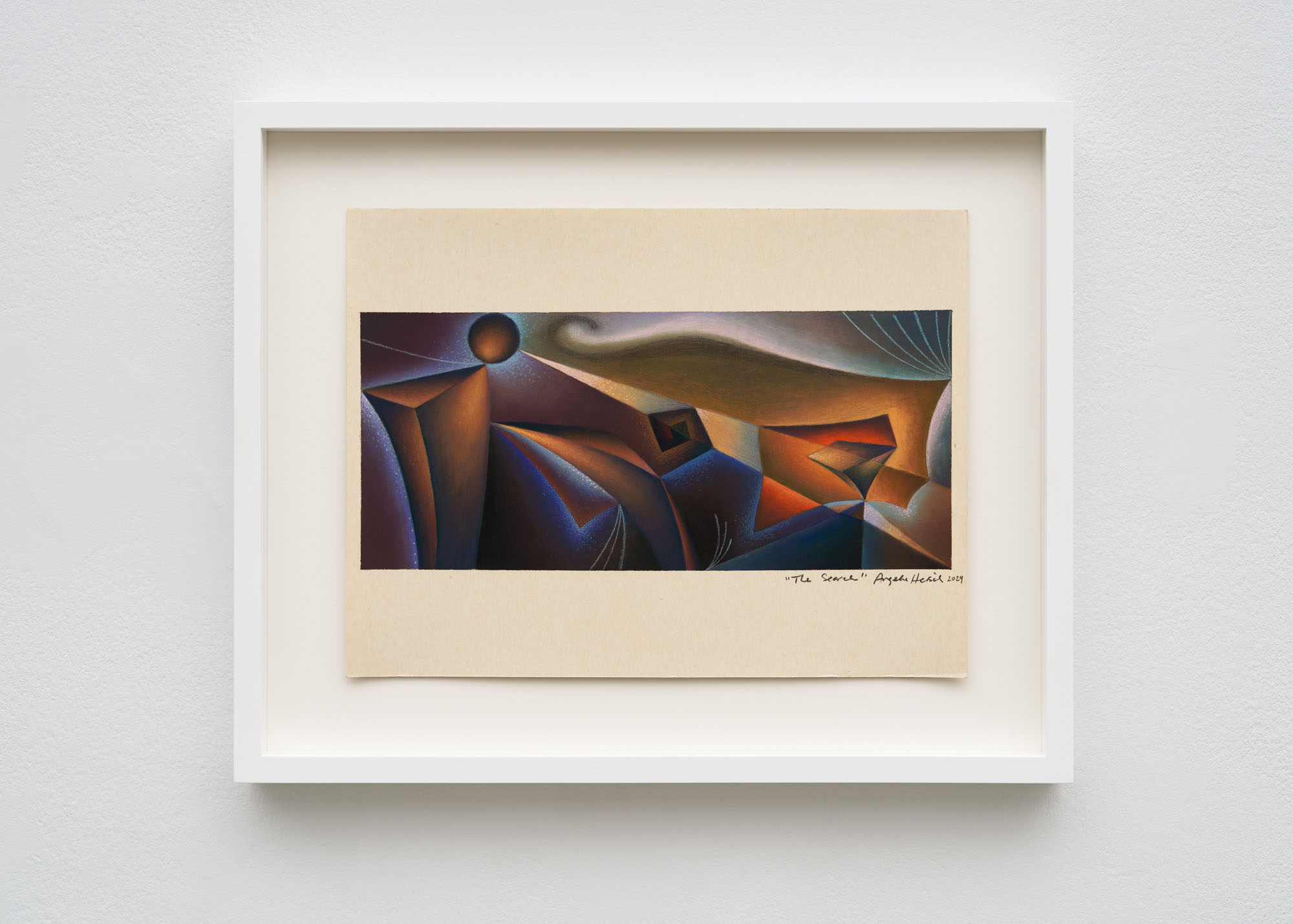
In the exhibition Circles, organized by Pangée, works from the 1930s and 40s by Remedios Varo sketch out some of the real and imaginary spaces that held the social imagination of the era. Varo’s…
Exhibition Space

Tags
Metadata
Claims



Press Release
“The eye is the first circle; the horizon which it forms is the second.”
Ralph Waldo Emerson
The Eye is the First Circle, Lee Krasner’s epic 1960 painting and an eponymous documentary on women abstract impressionists from the mid 20th century, borrows from an essay called Circles, written in 1841 by Ralph Waldo Emerson. In that text, Emerson rethinks philosophical assumptions about space and perception, arguing for the capacity of personal vision to expand the world, literally and metaphorically, by situating perception as a driving force in an endless, fluid universe in constant becoming. Krasner demonstrated that, as with many women working in abstraction and gestural painting, her methods and conceptual approach embraced this sense of vision as a new way to remake the world around her.
In the exhibition Circles, organized by Pangée, works from the 1930s and 40s by Remedios Varo sketch out some of the real and imaginary spaces that held the social imagination of the era. Varo’s…
Exhibition Space
Tags
Artists
UntitledDb Feed
More Exhibitions at Pangée
Guestbook
Metadata
Claims

Editing is restricted
You cannot submit an edit because the institution hosting this exhibition has been claimed by .
Editing this section requires claiming the profile of the institution hosting this exhibition.
Claims are one of the many safeguards in place on UntitledDb that preserve the integrity of the information on our platform.
Editing is restricted
Editing this section requires claiming the profile of the institution hosting this exhibition.
Claims are one of the many safeguards in place on UntitledDb that preserve the integrity of the information on our platform.
Editing is restricted
A reputation of 20,000 or higher is needed to edit posts created by other users.
Familiarize yourself with our platform by creating new posts and watching your favorites. You'll reach a reputation of 20,000 in no time.
This is one of the many safeguards in place on UntitledDb that preserve the integrity of the information on our platform.
Account access options
Log in and connect with the art world
By continuing, you agree to our Terms of Use and Privacy Policy.
or
Account access options
Sign up and connect with the art world
By continuing, you agree to our Terms of Use and Privacy Policy.
or
Account access options
Expand your reach with UntitledDb Pro
By continuing, you agree to our Terms of Use and Privacy Policy.
or
Account access options
Grow your institution's reach and impact with UntitledDb Enterprise
By continuing, you agree to our Terms of Use and Privacy Policy.
or
Sign up for UntitledDb Pro to unlock this feature