


Artist
More Exhibitions at Melas Martinos

Guestbook
Press Release
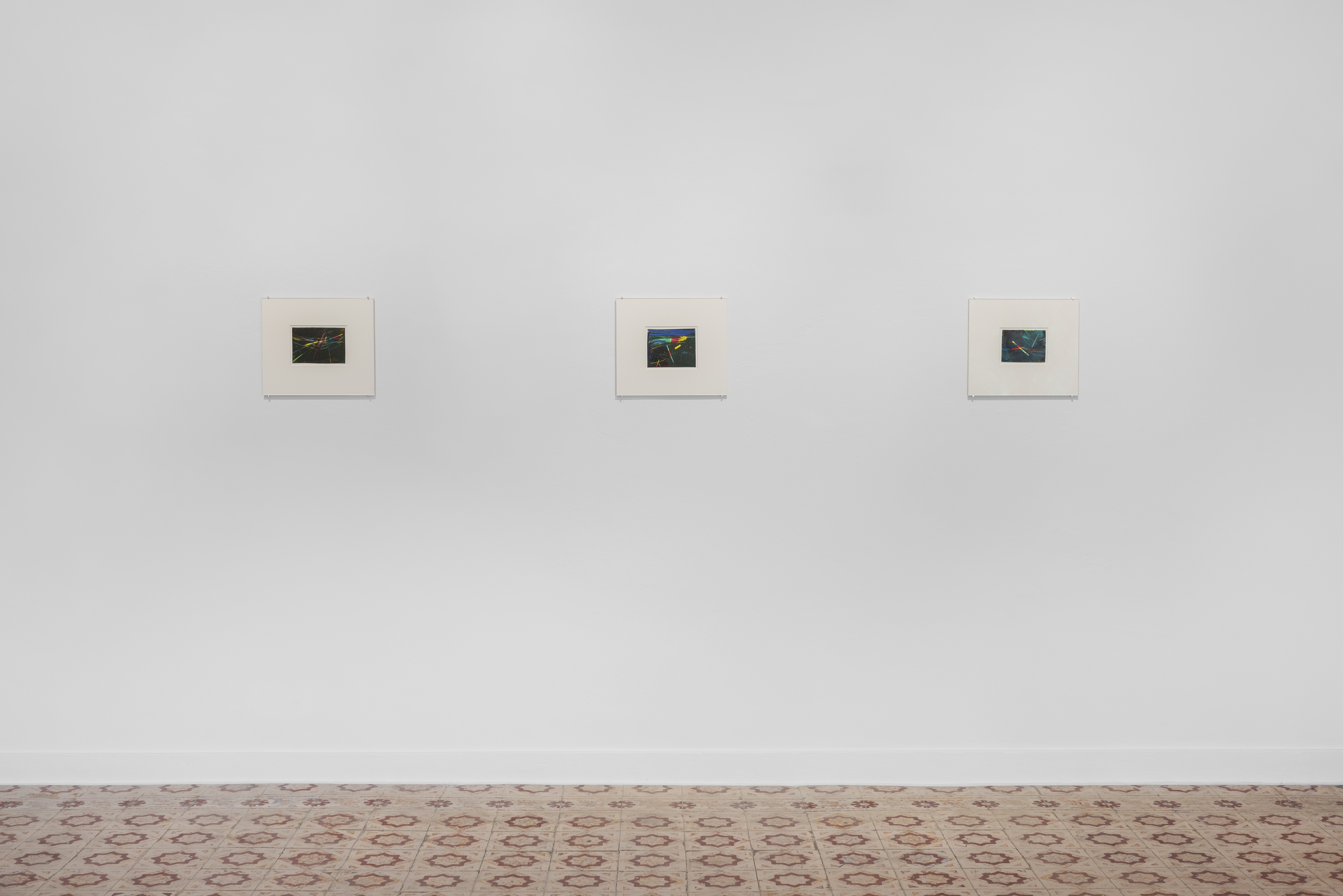
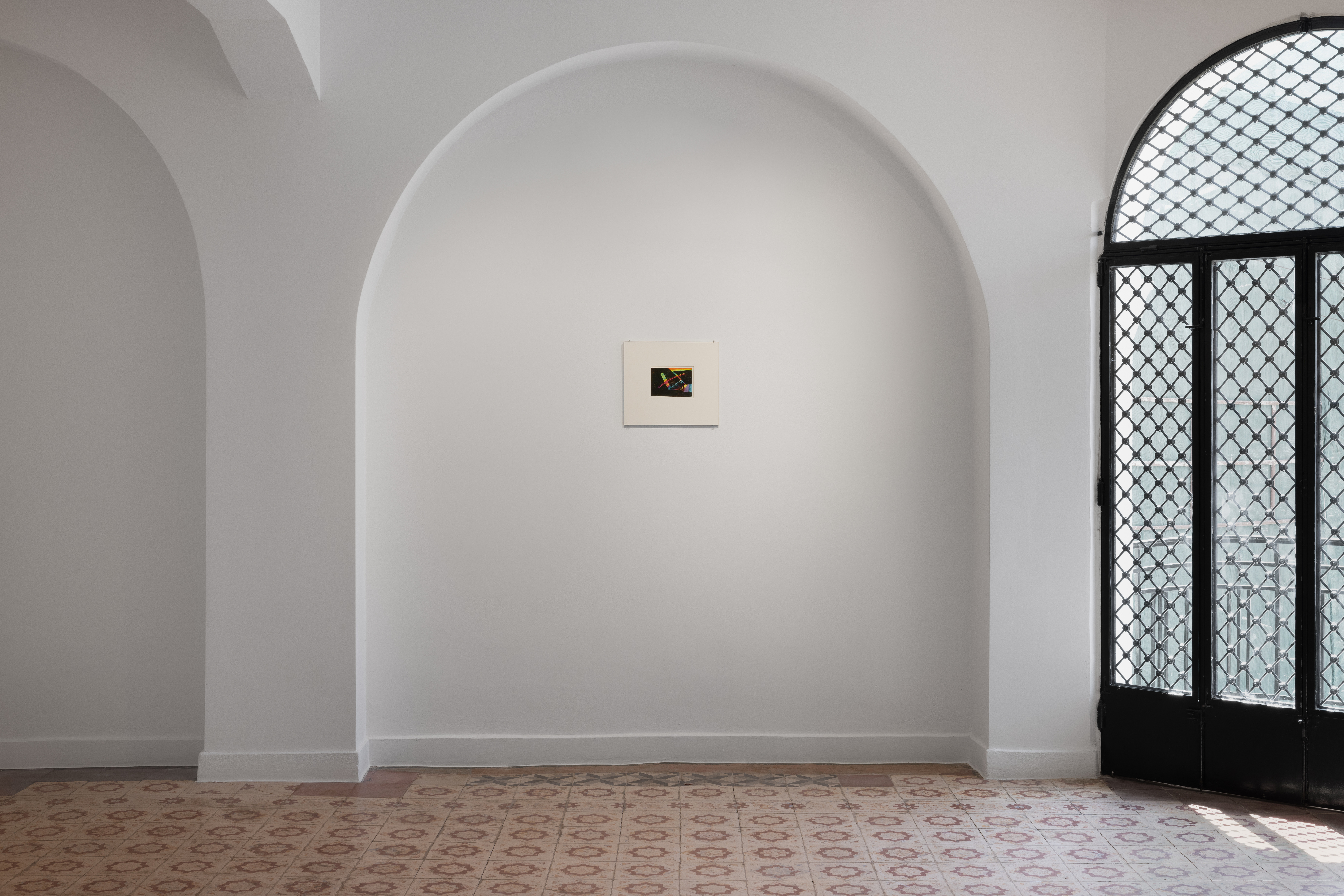
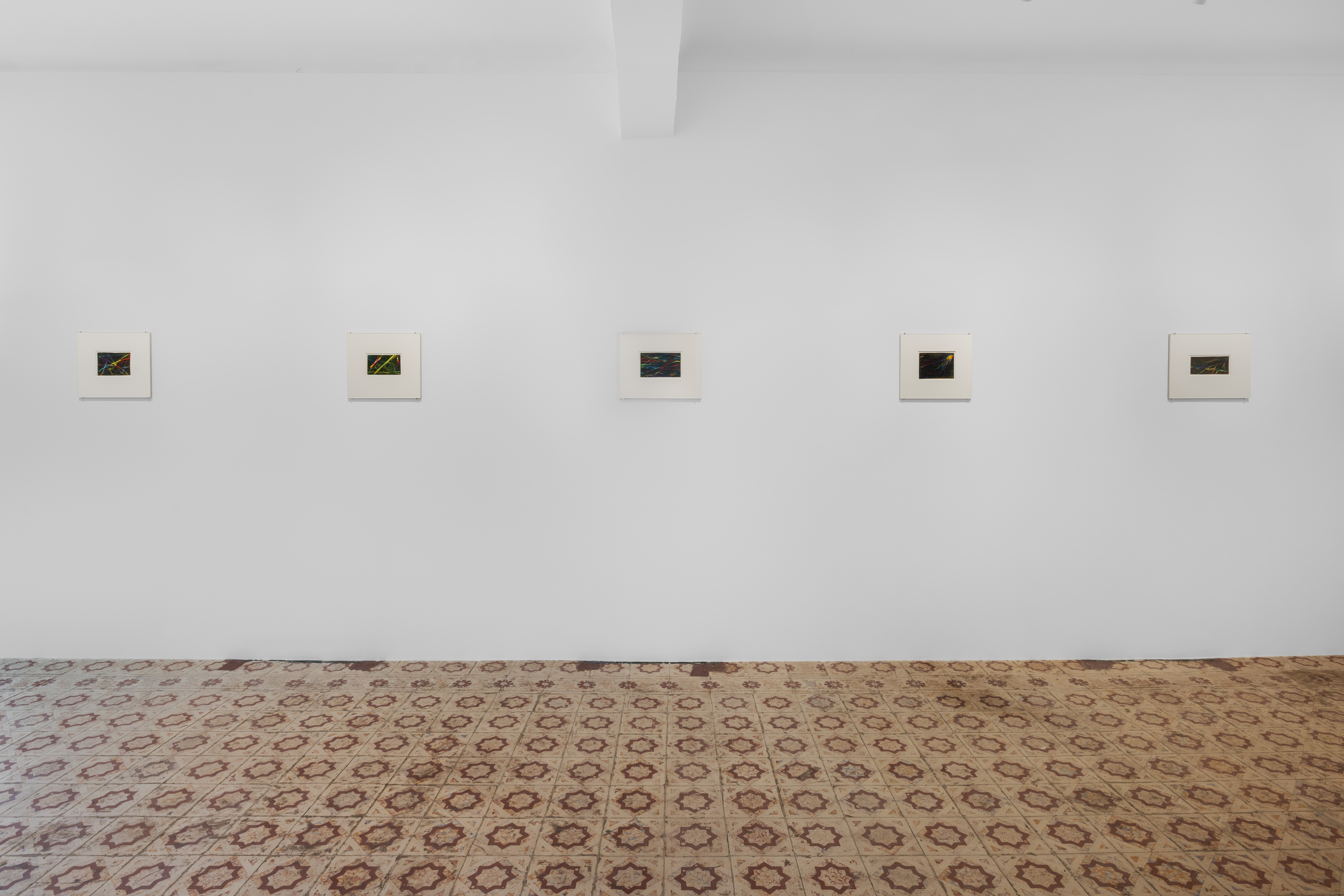
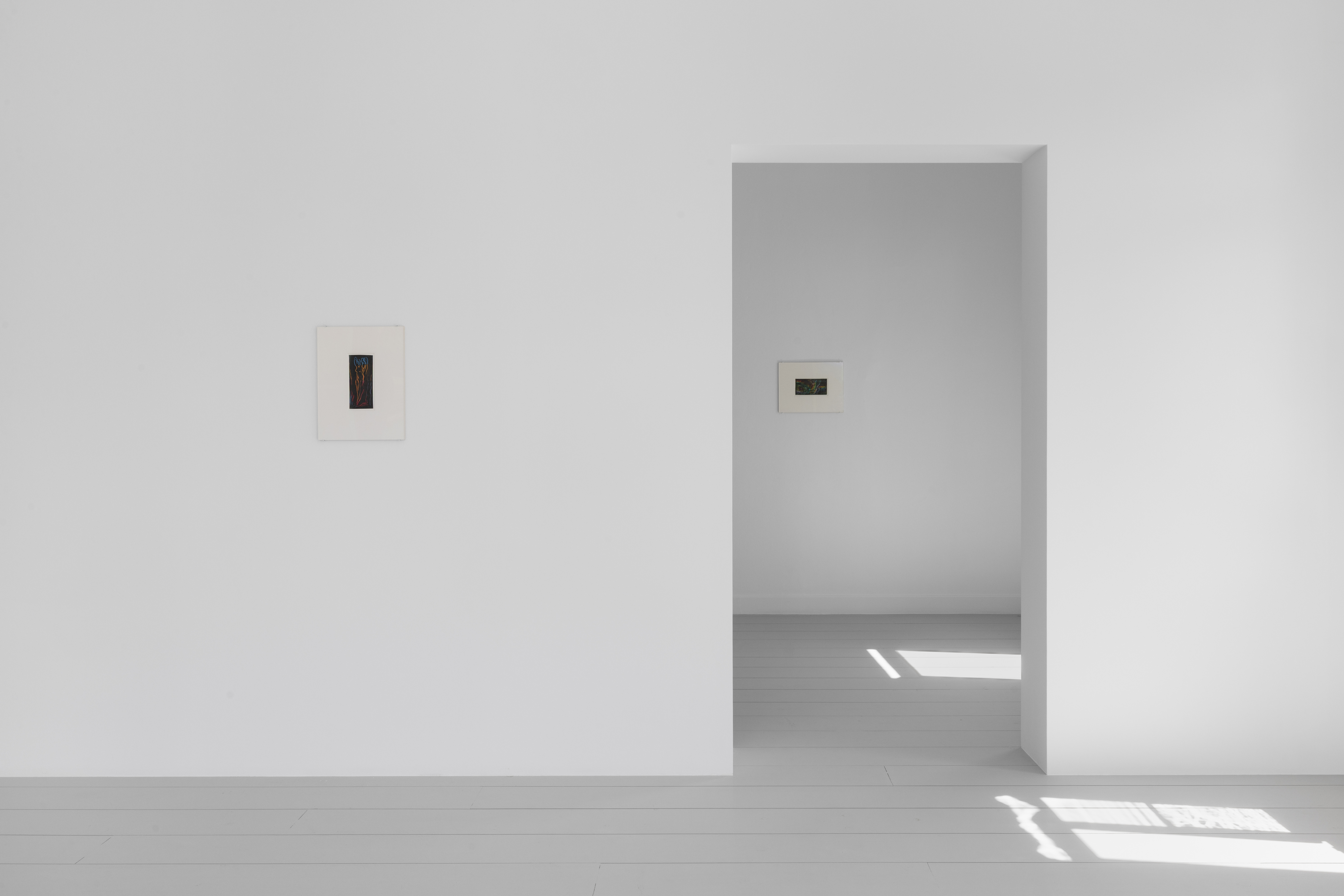
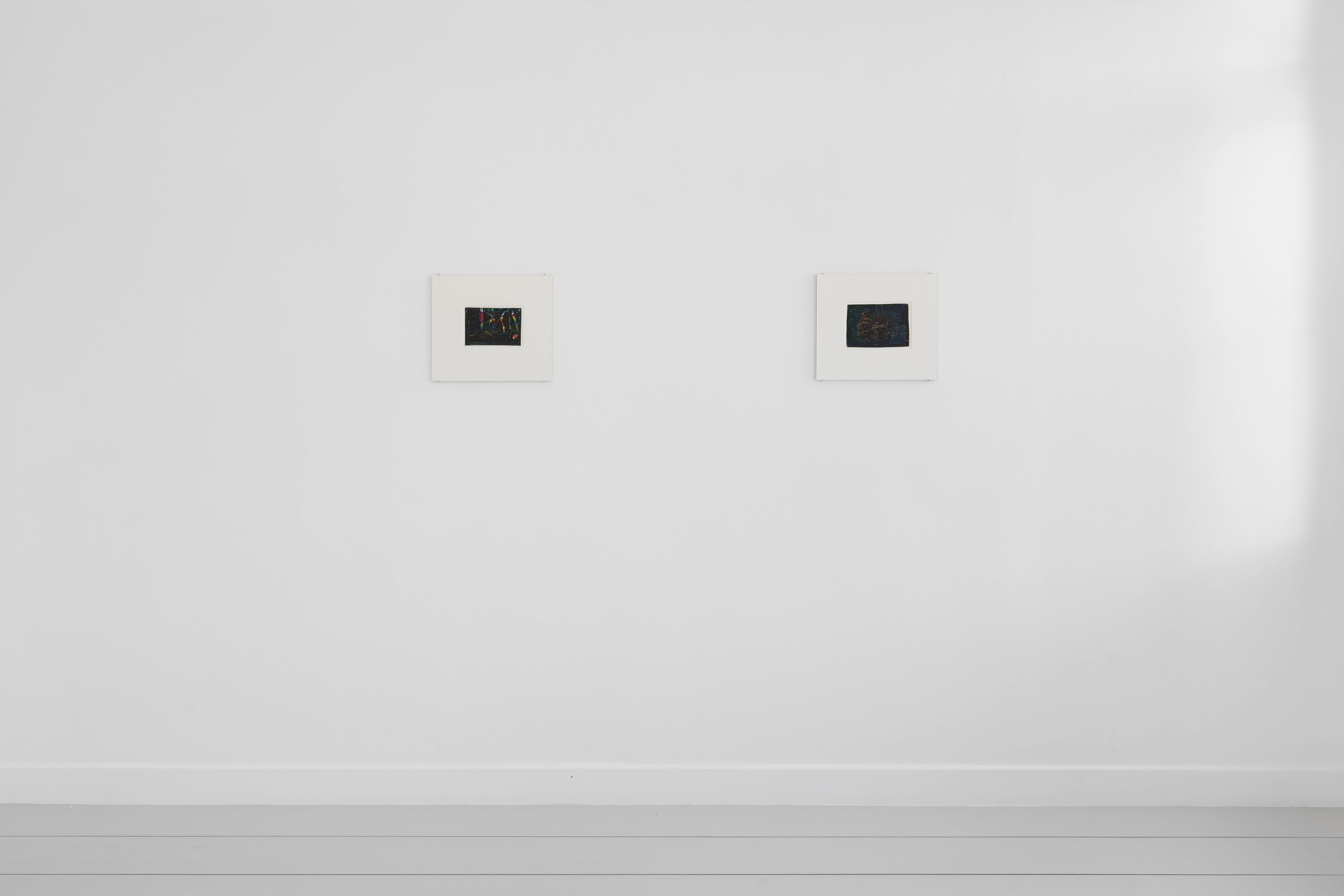
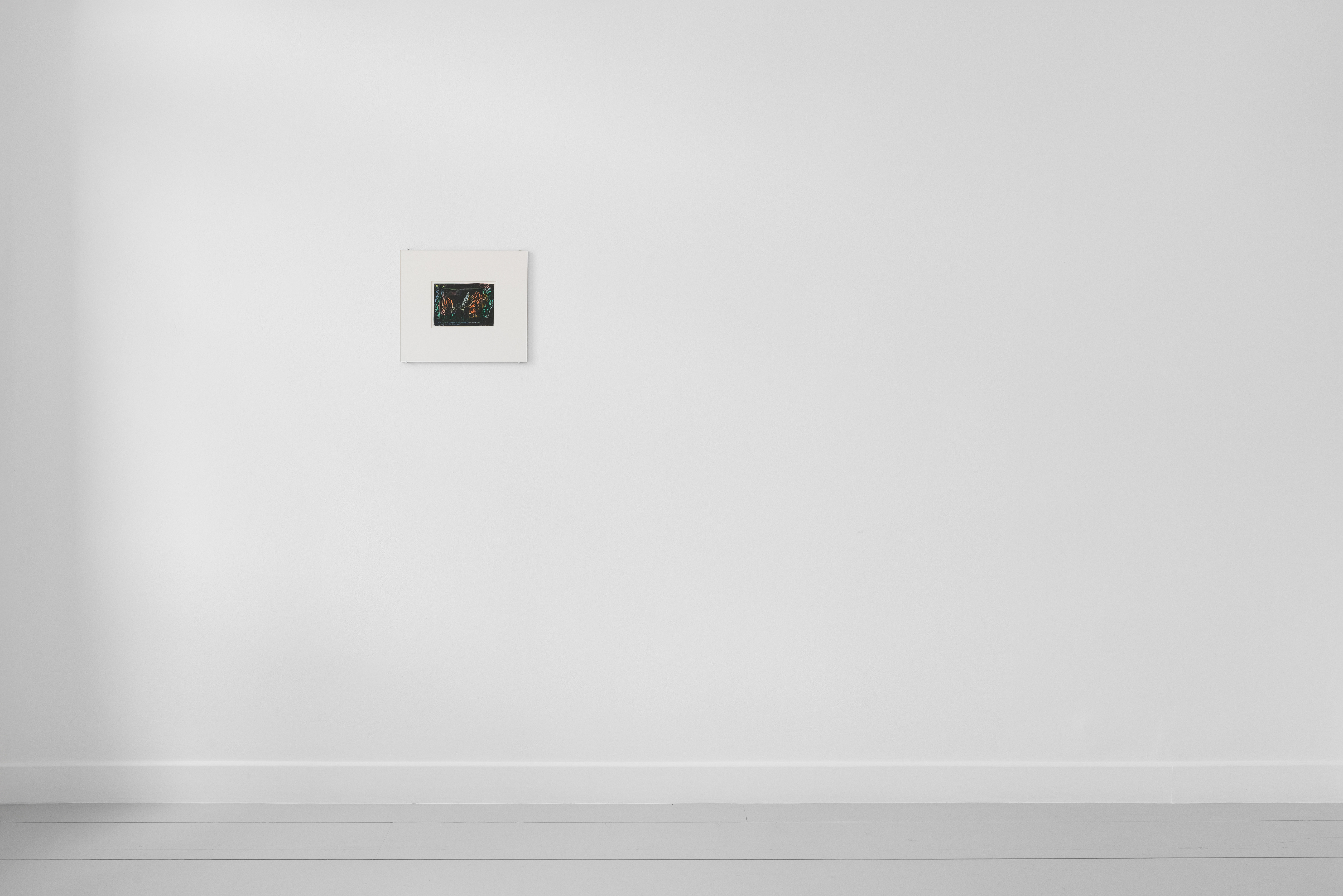
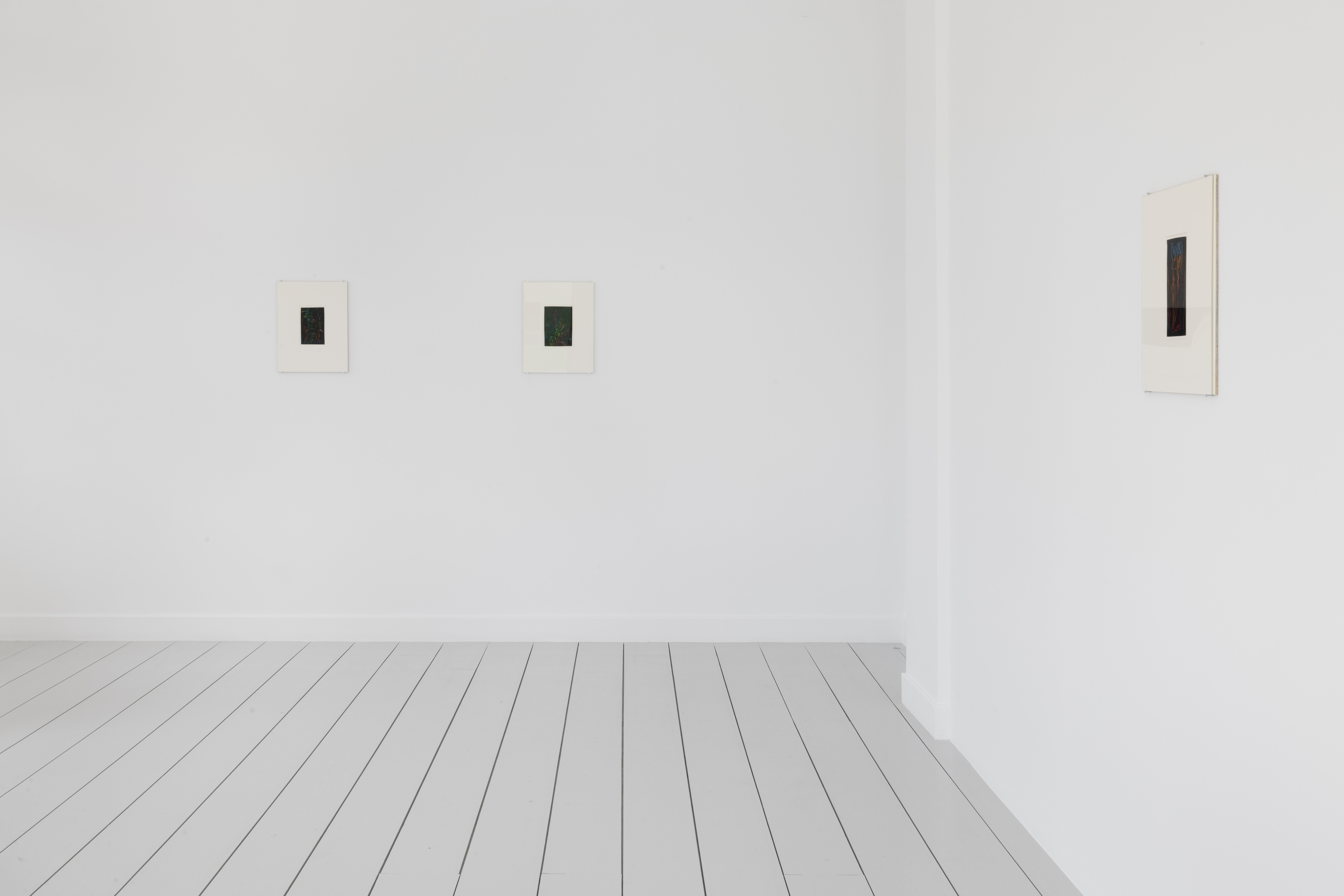
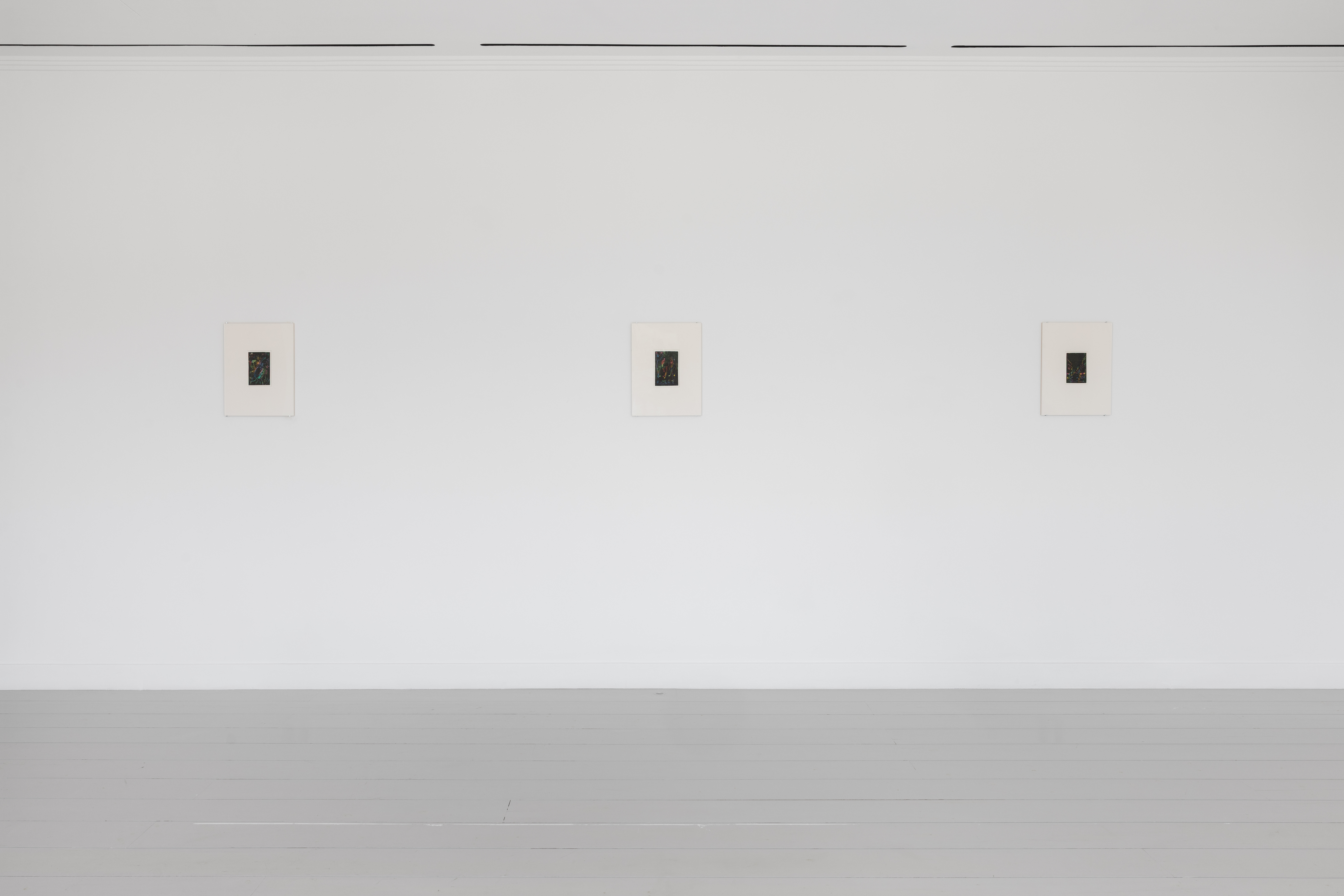
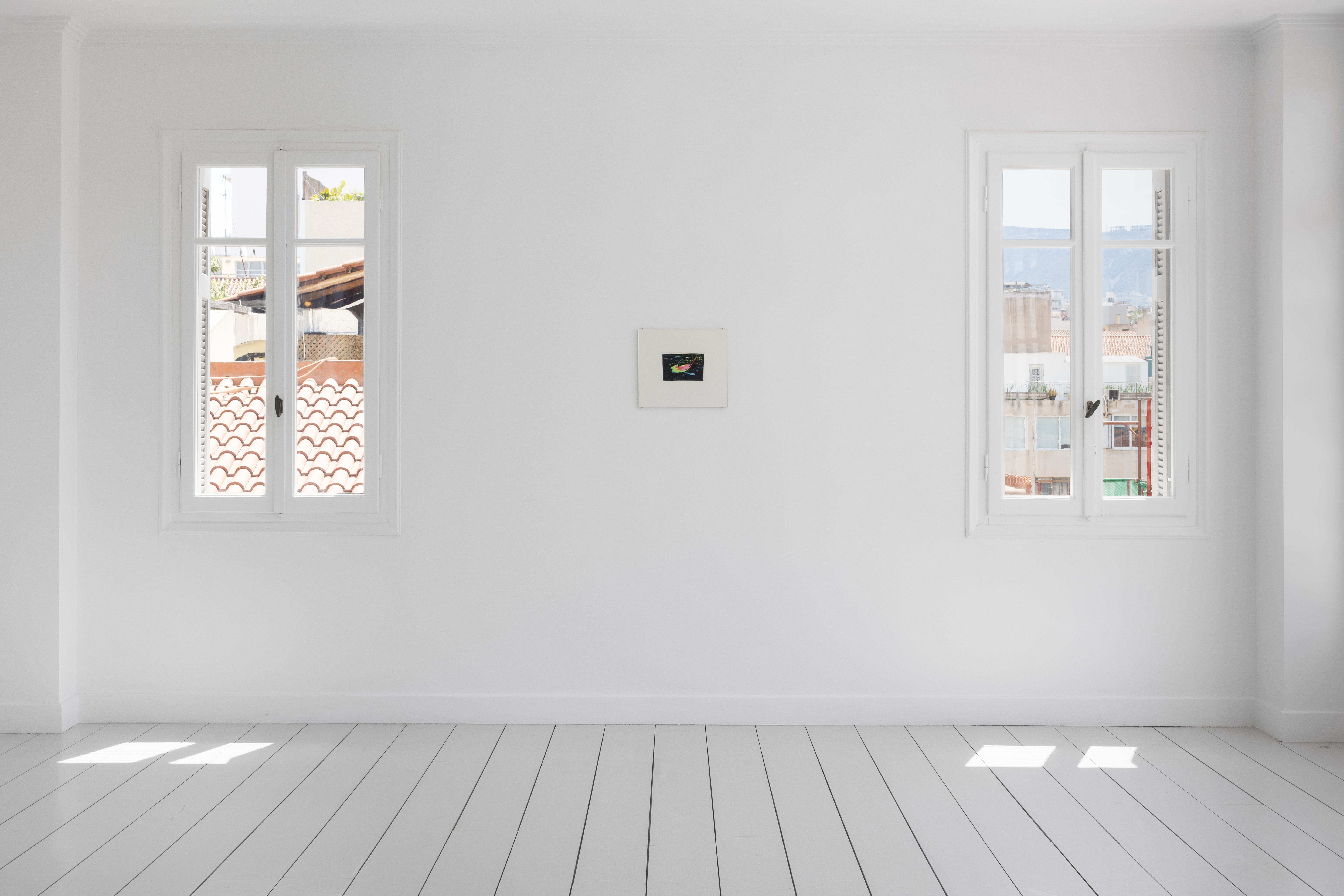
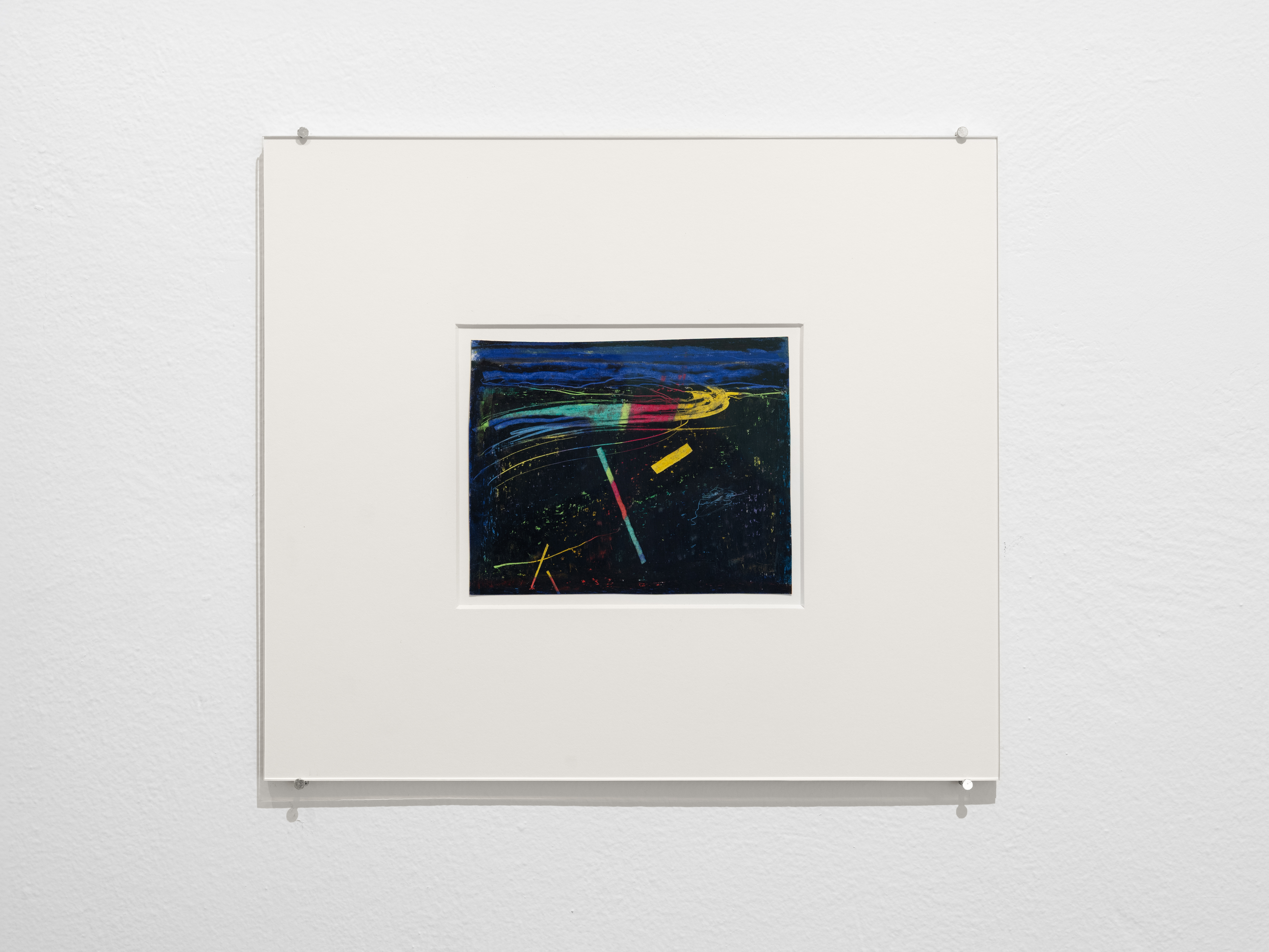
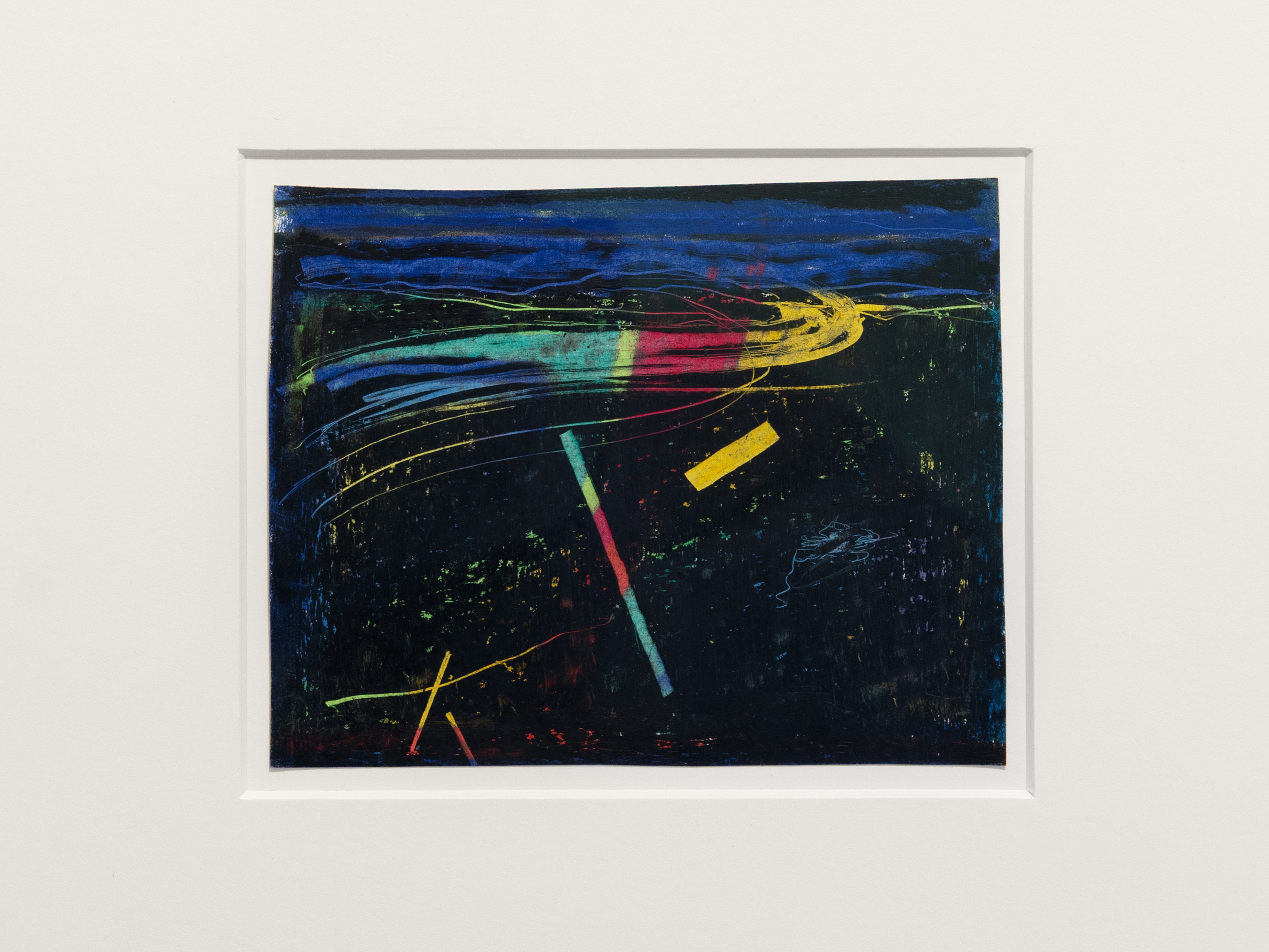
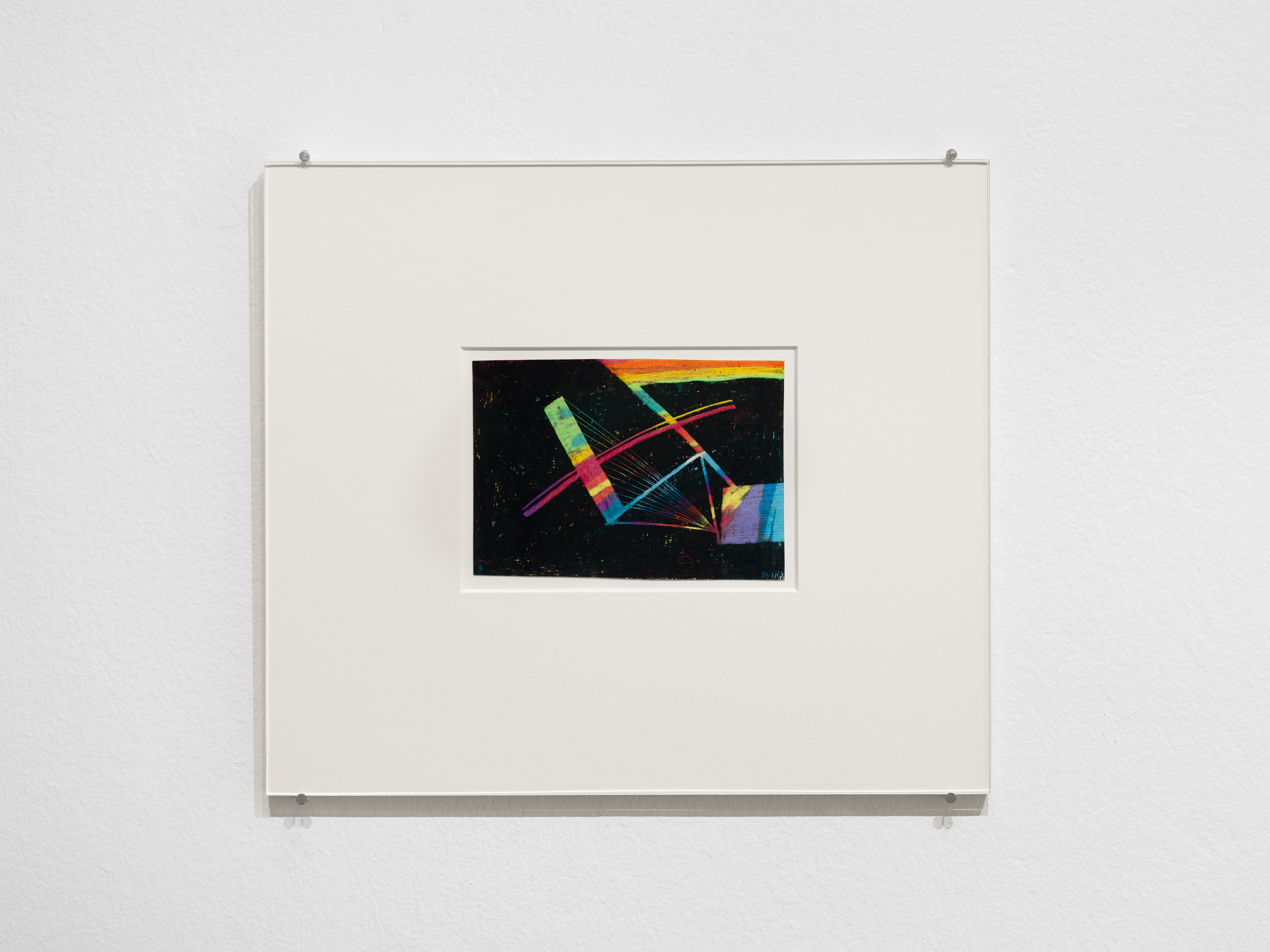
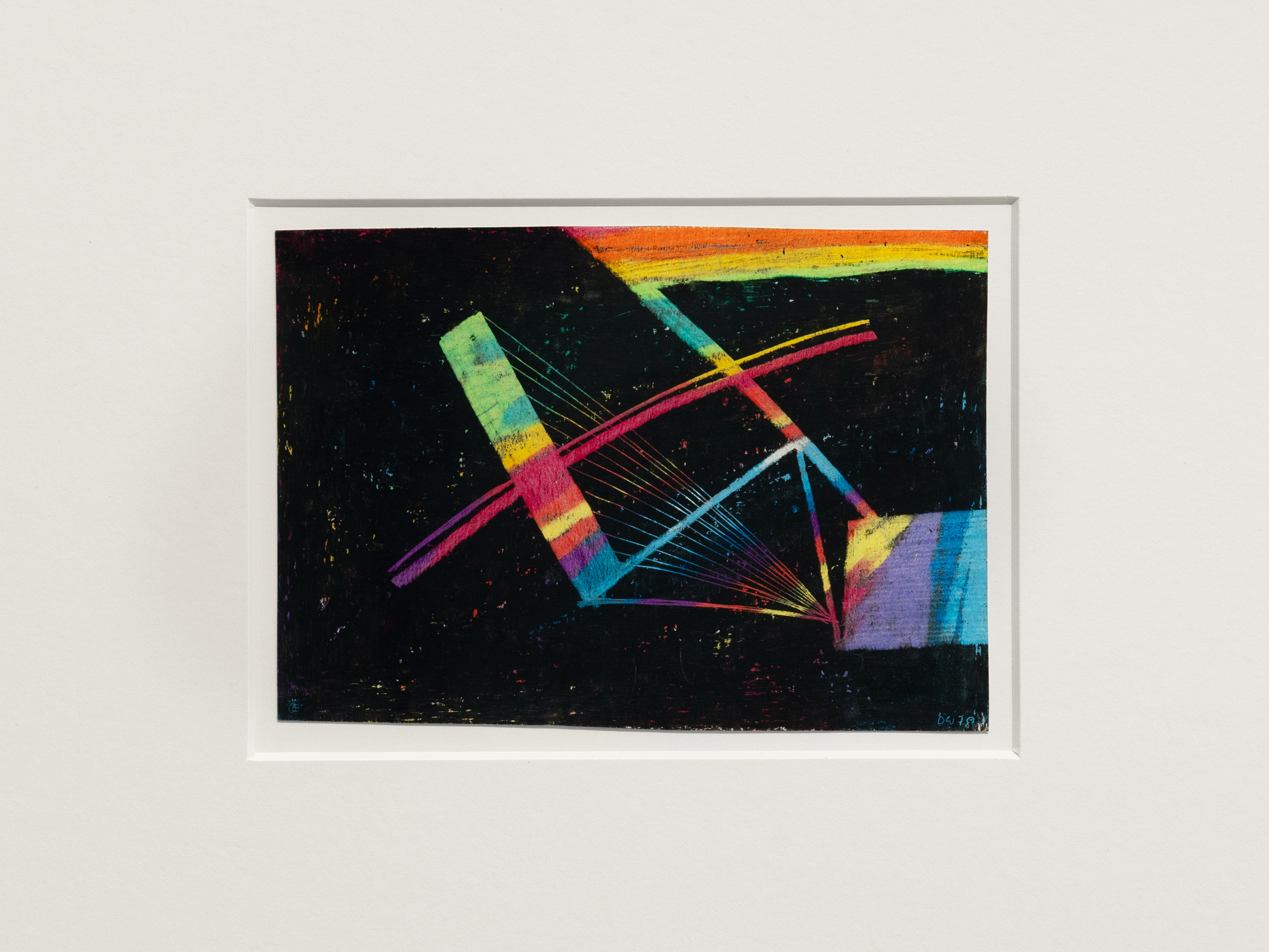
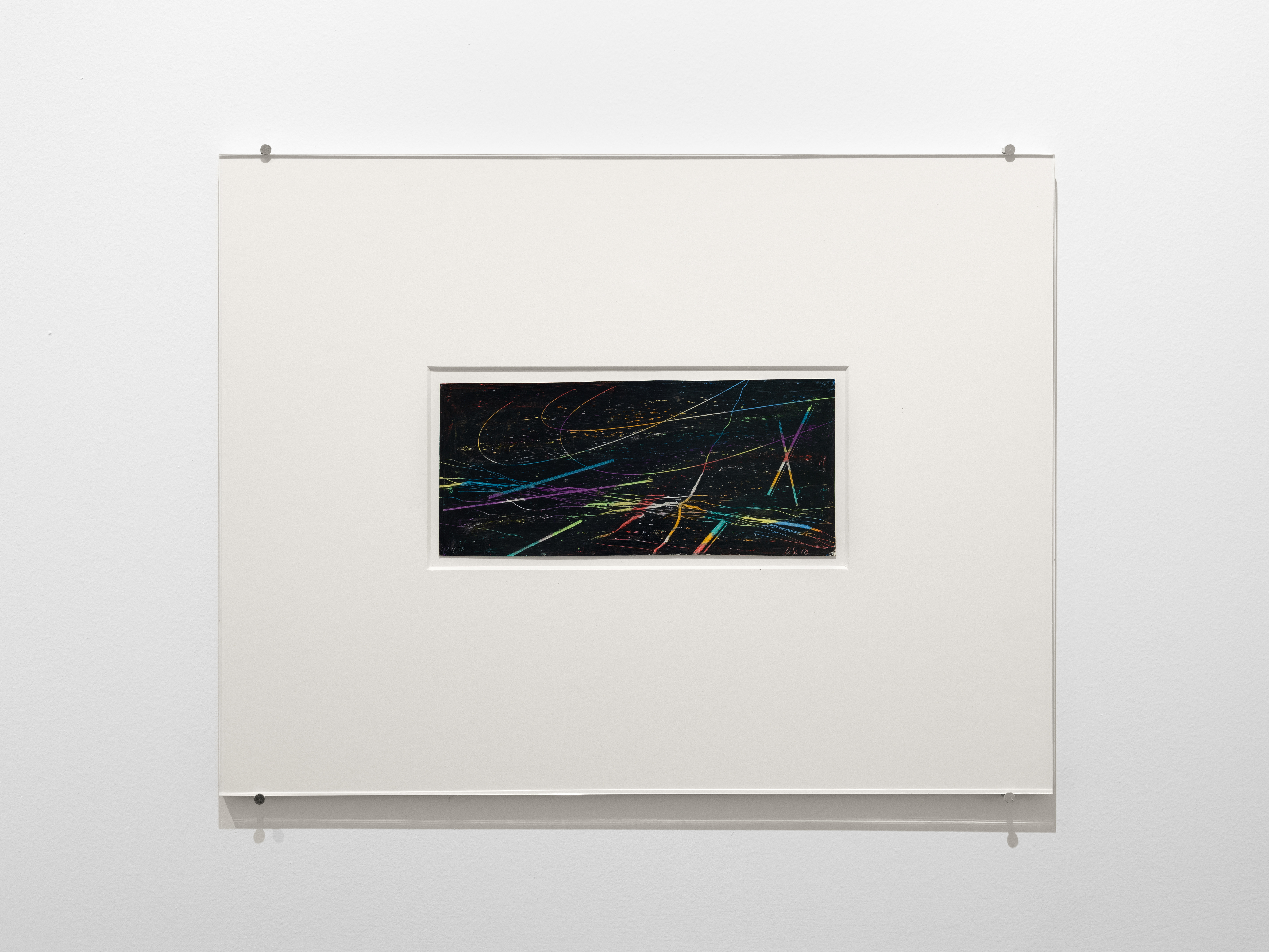
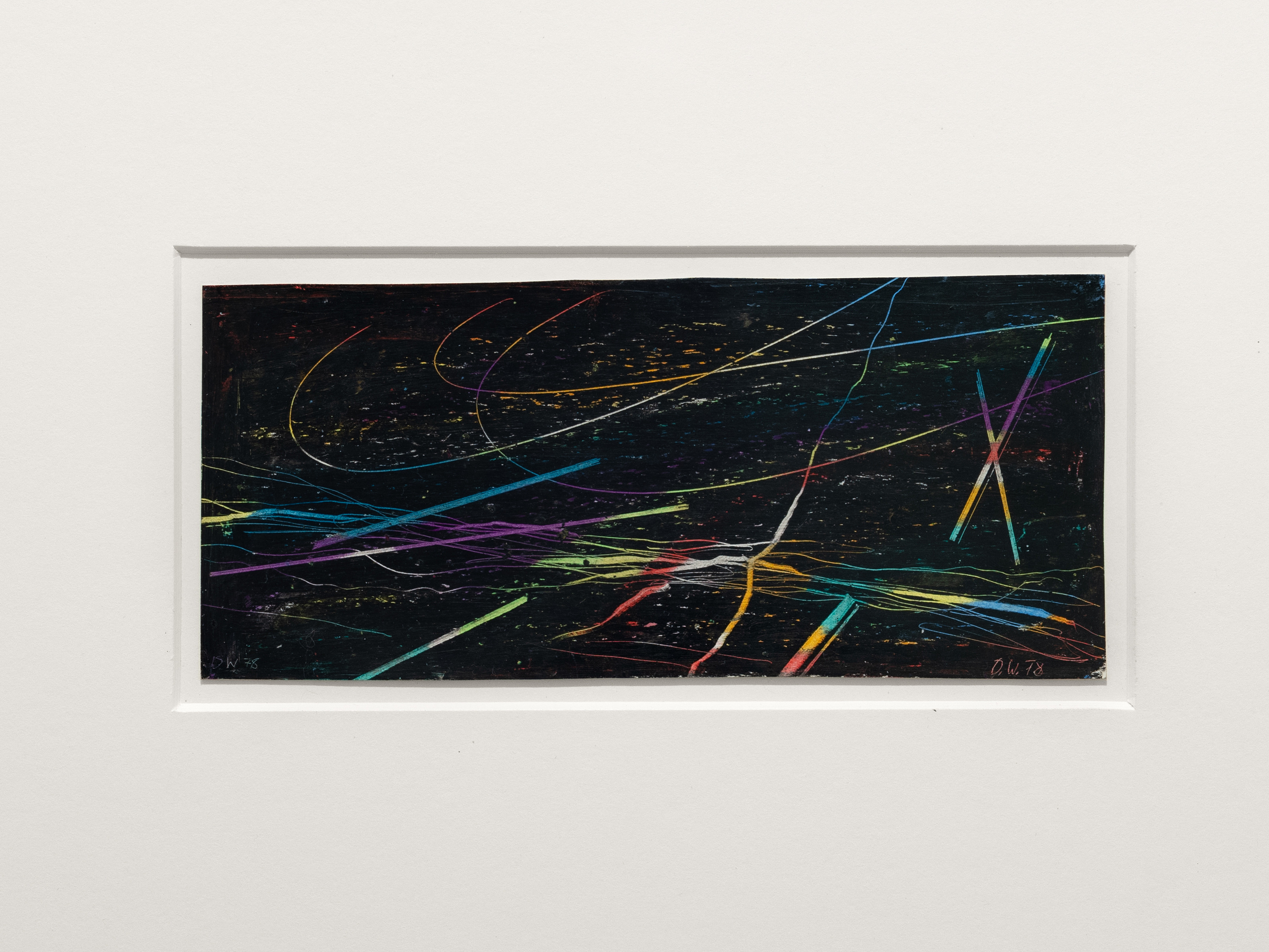
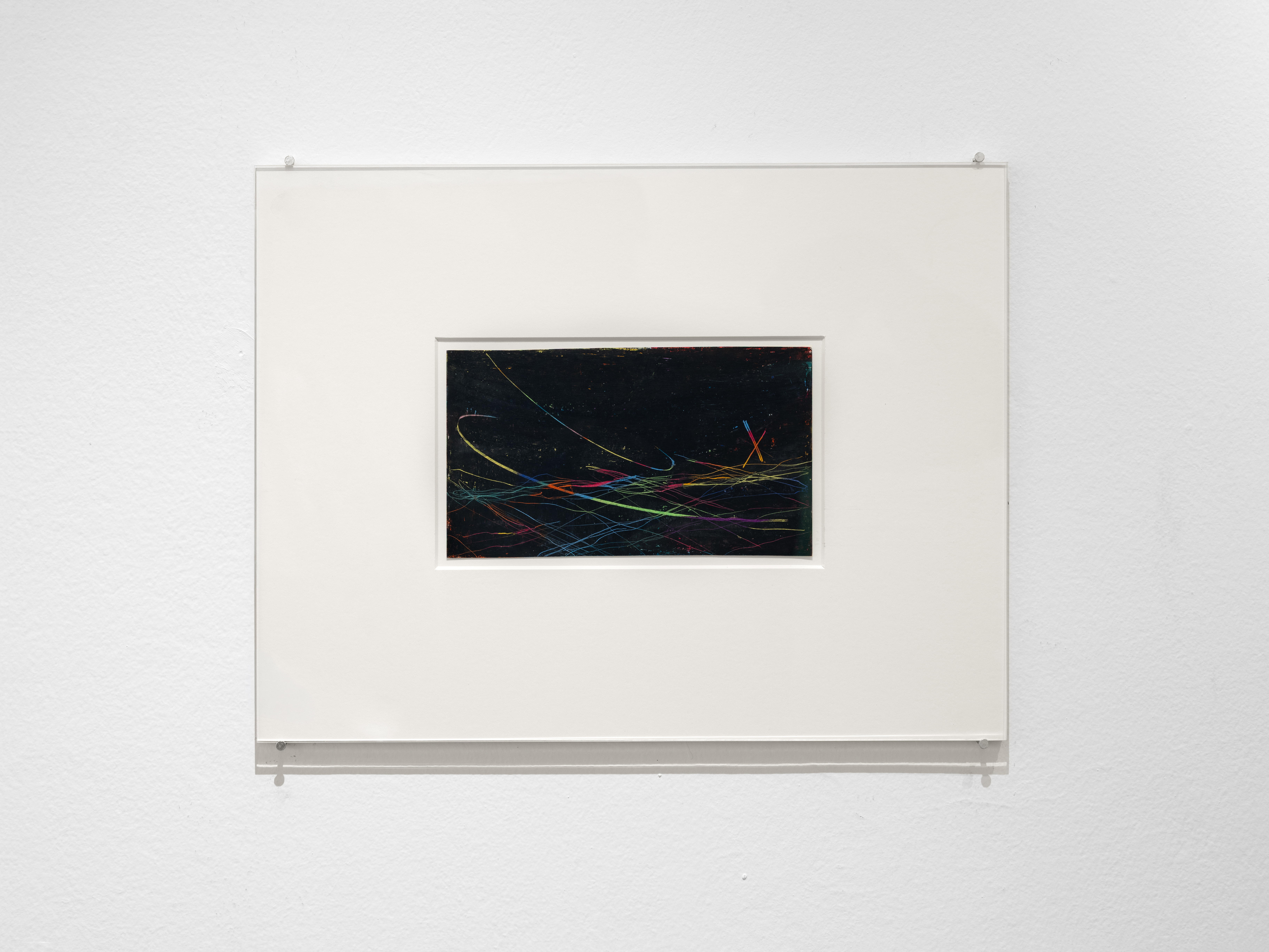
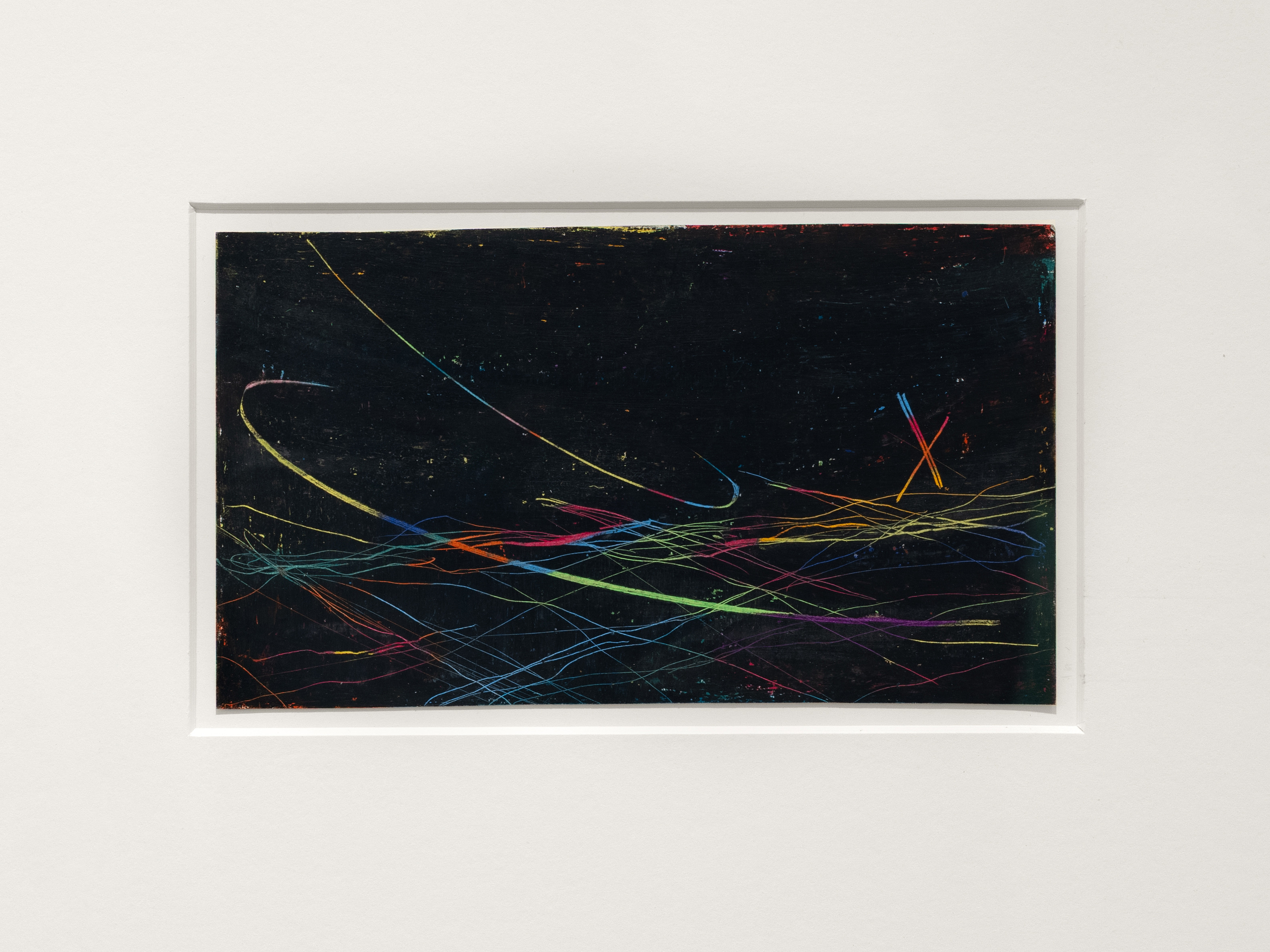
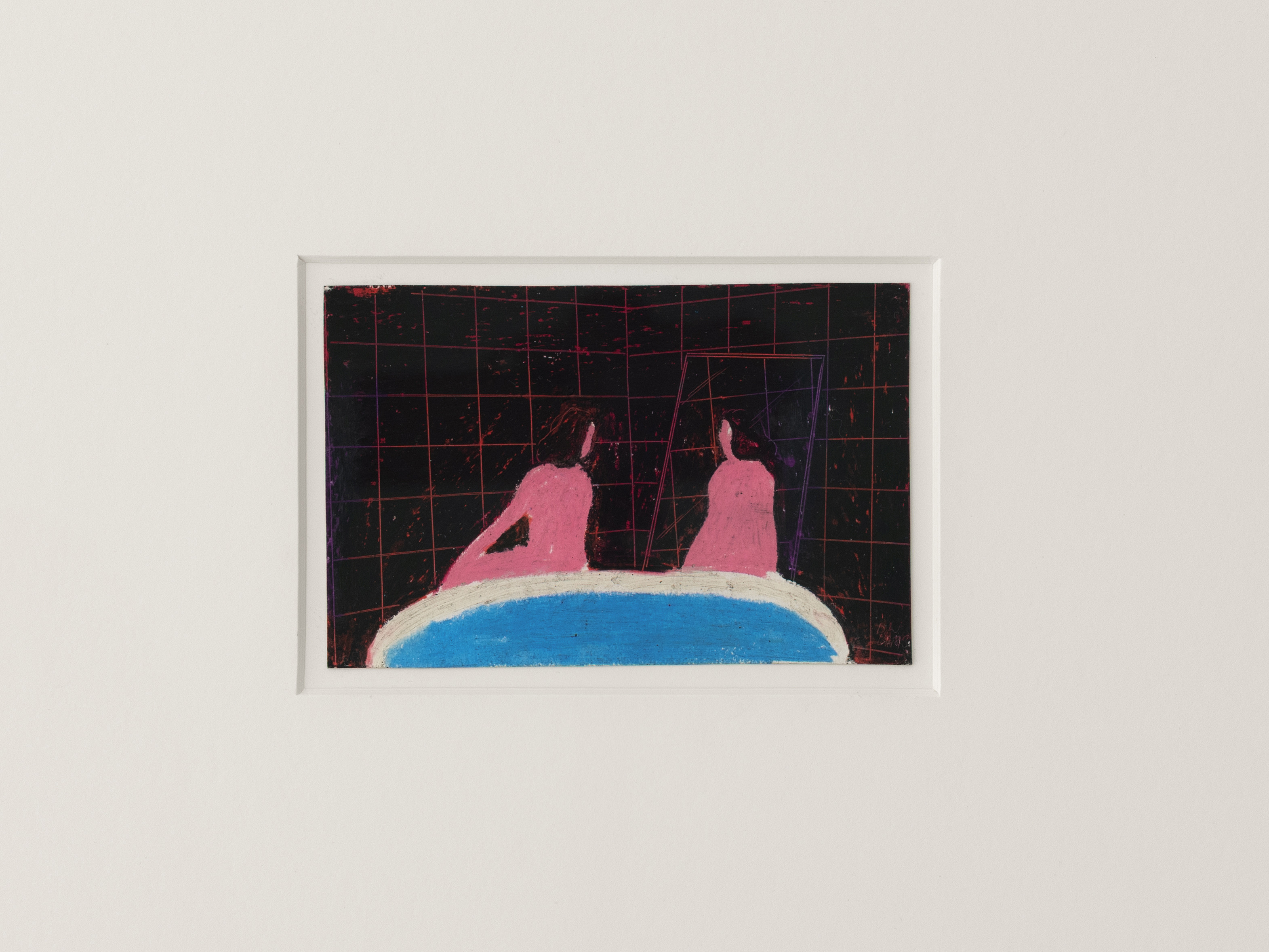
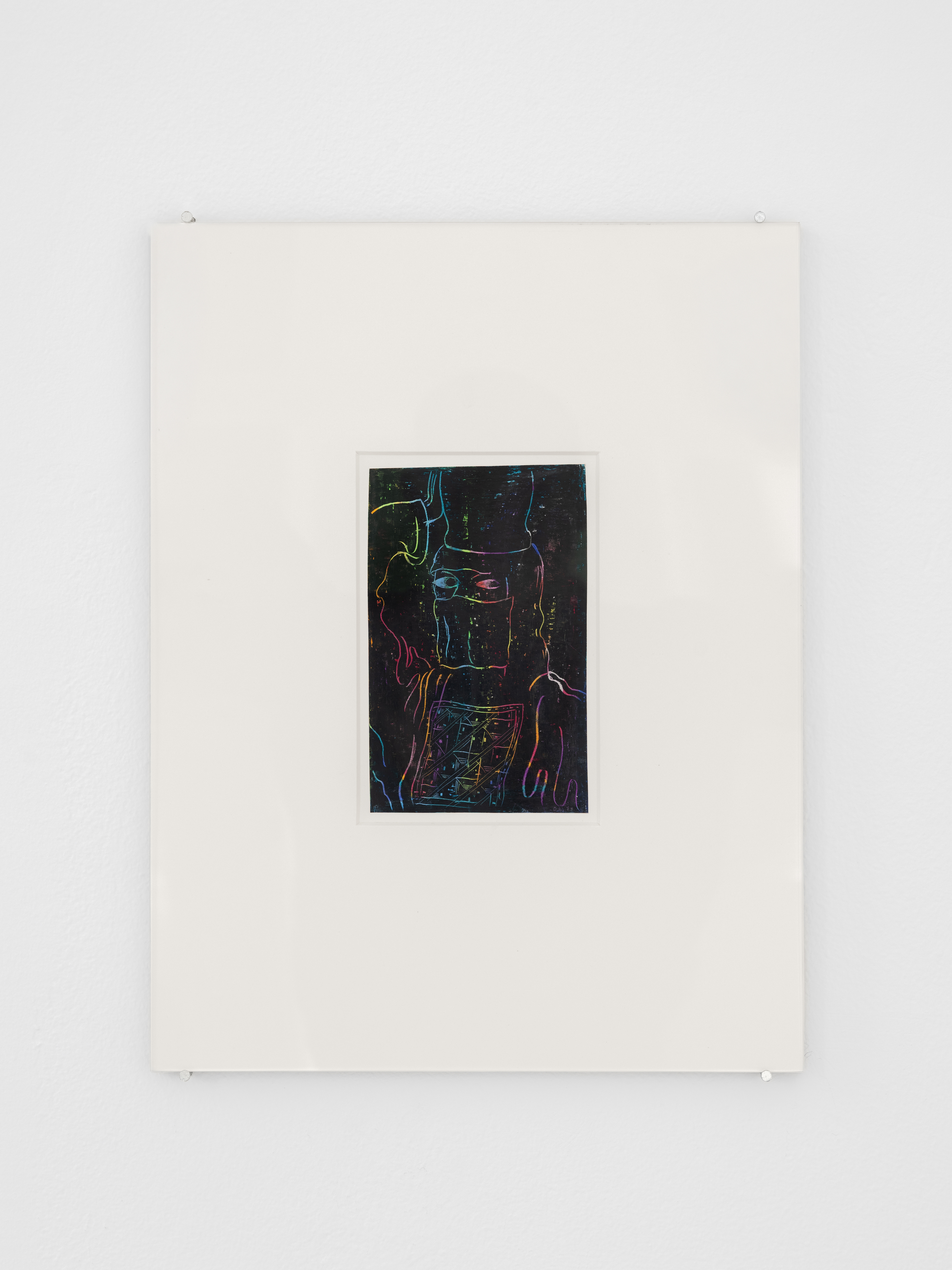
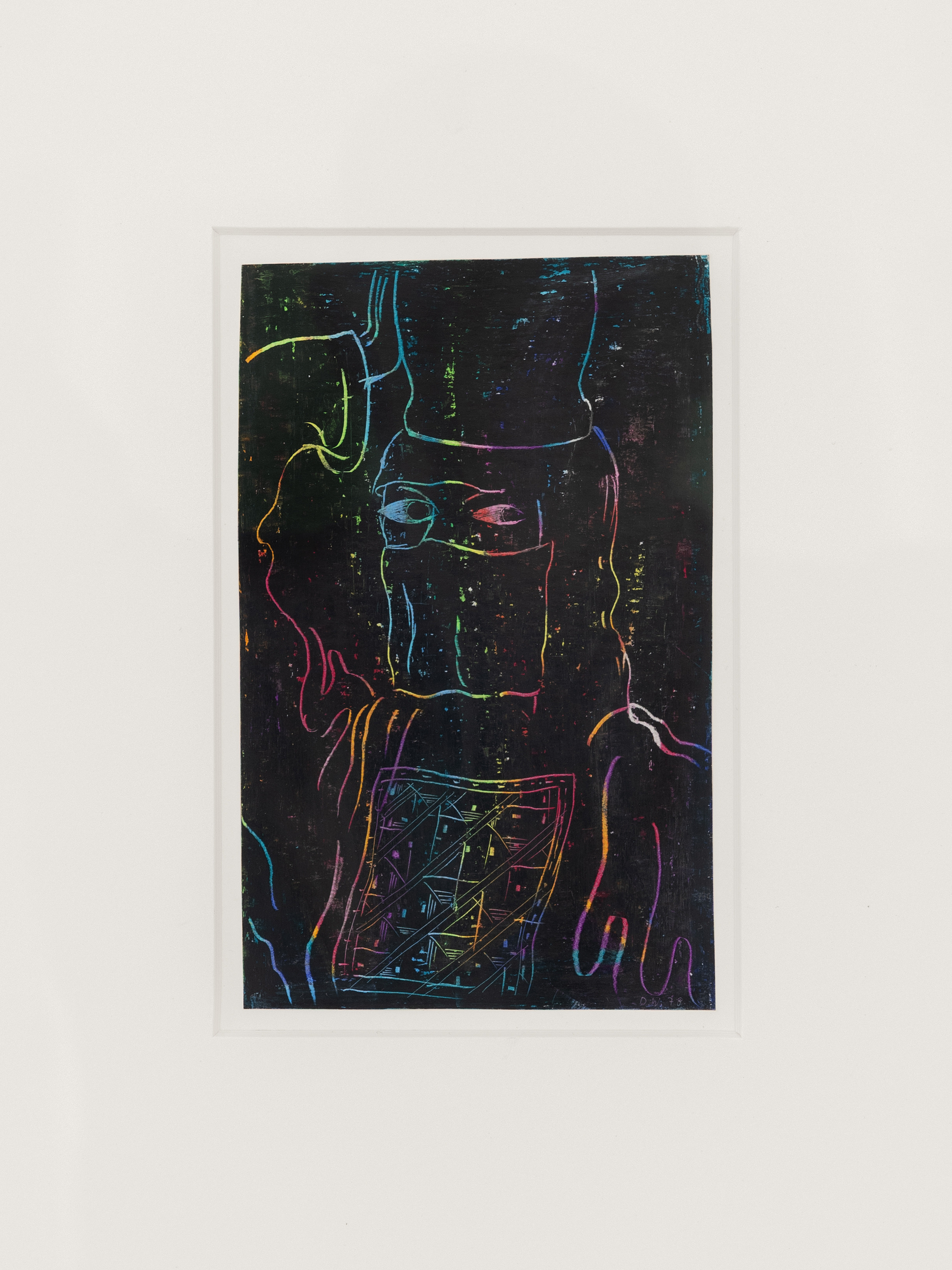
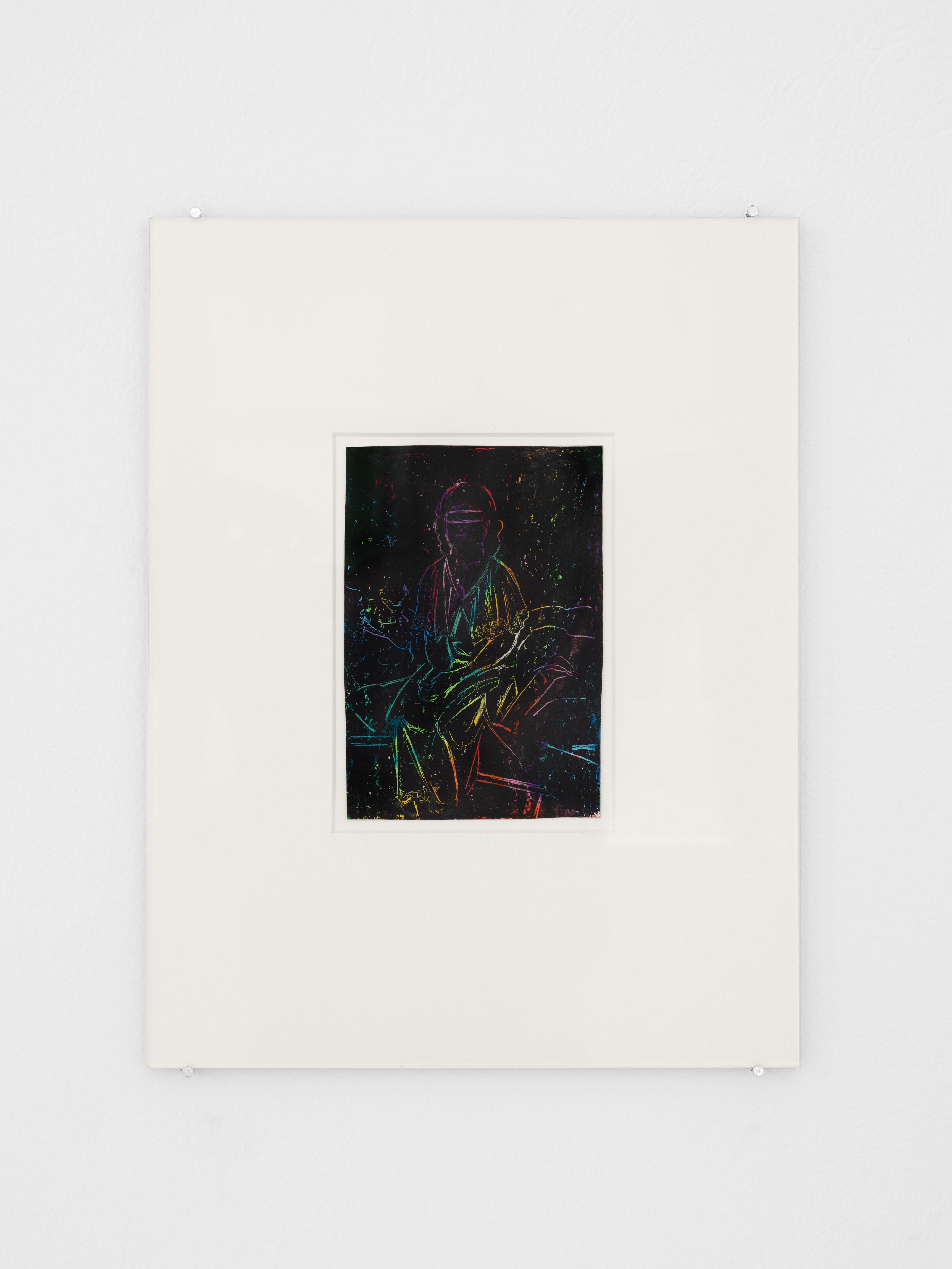
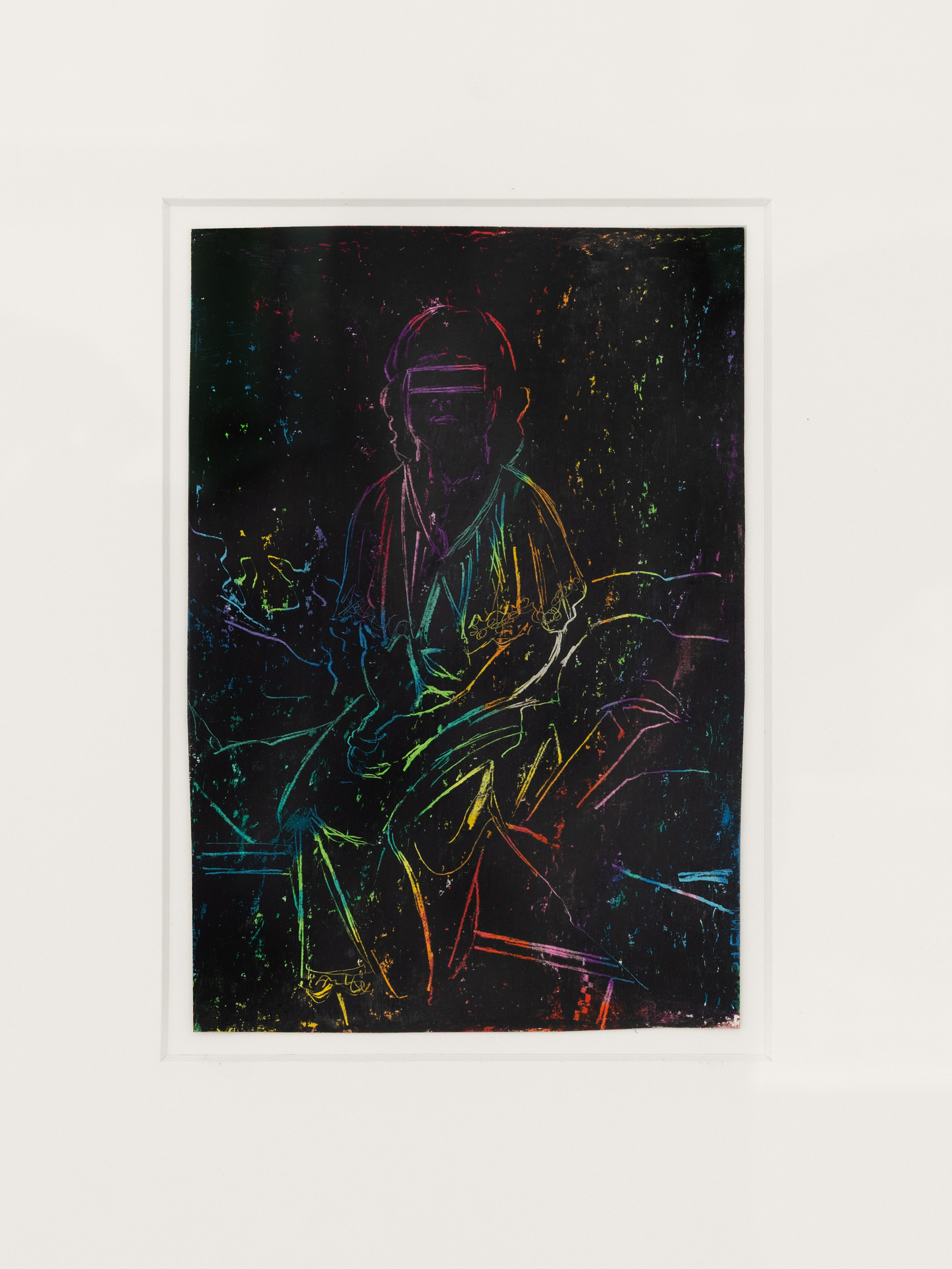
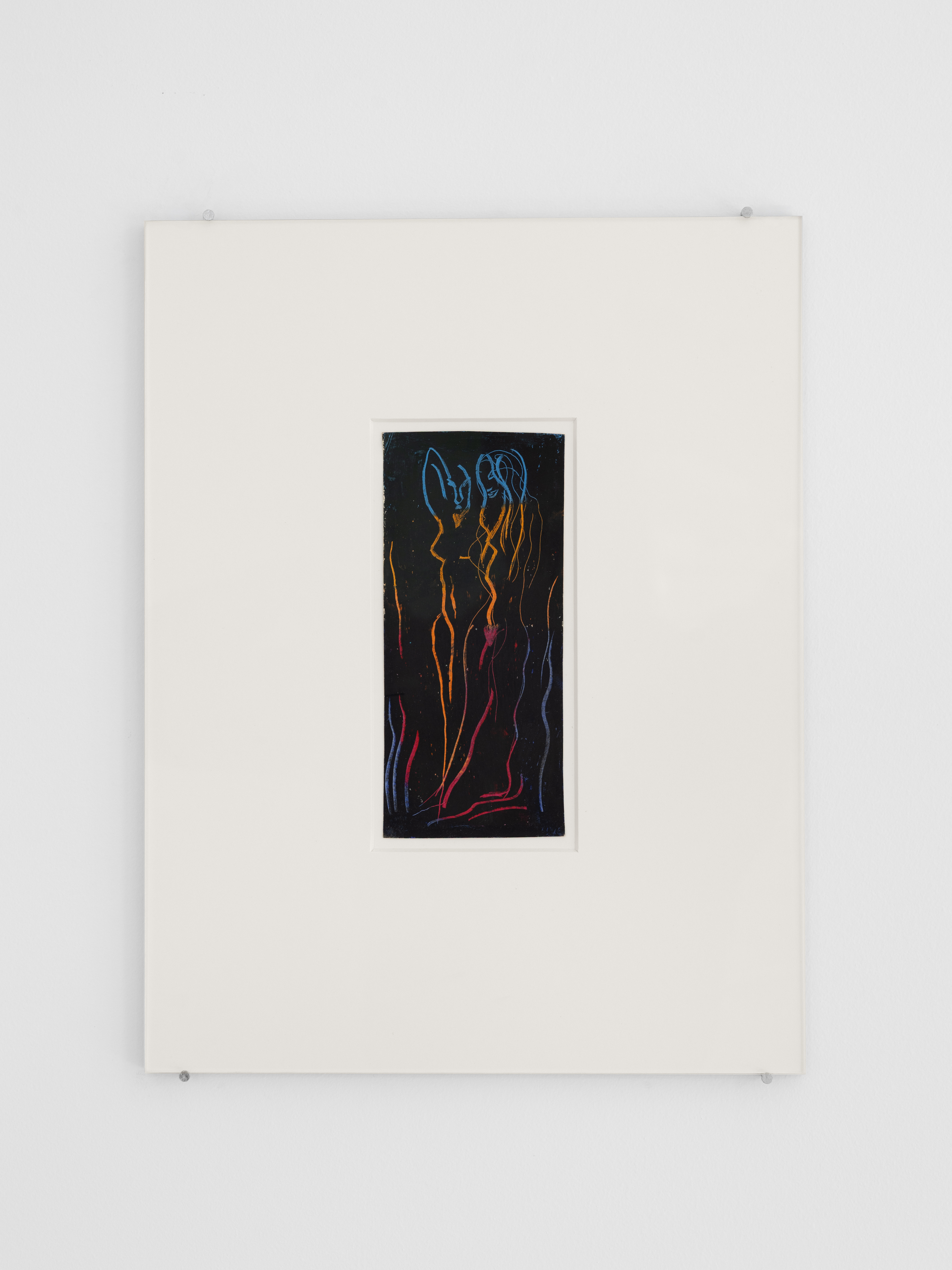
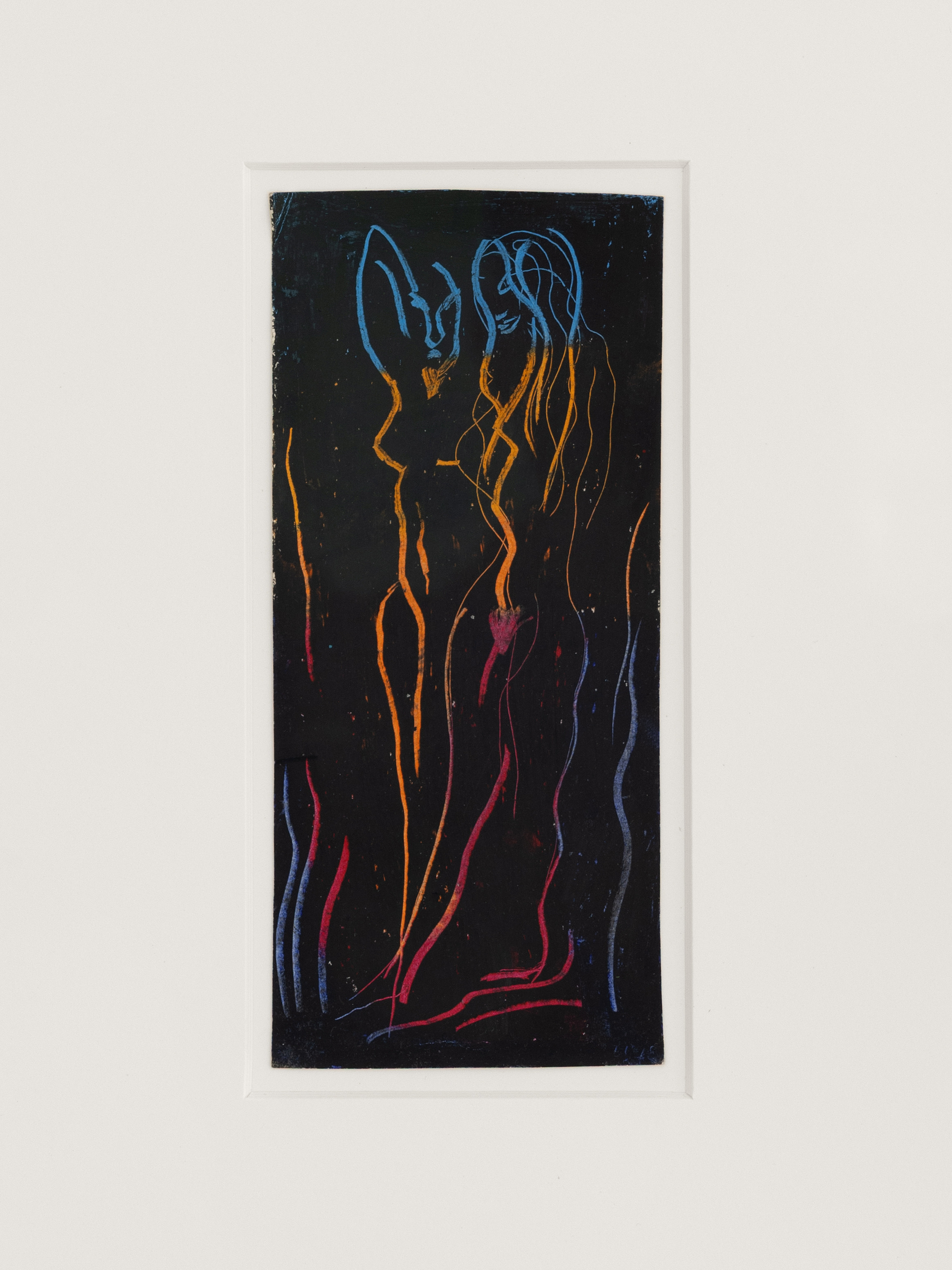
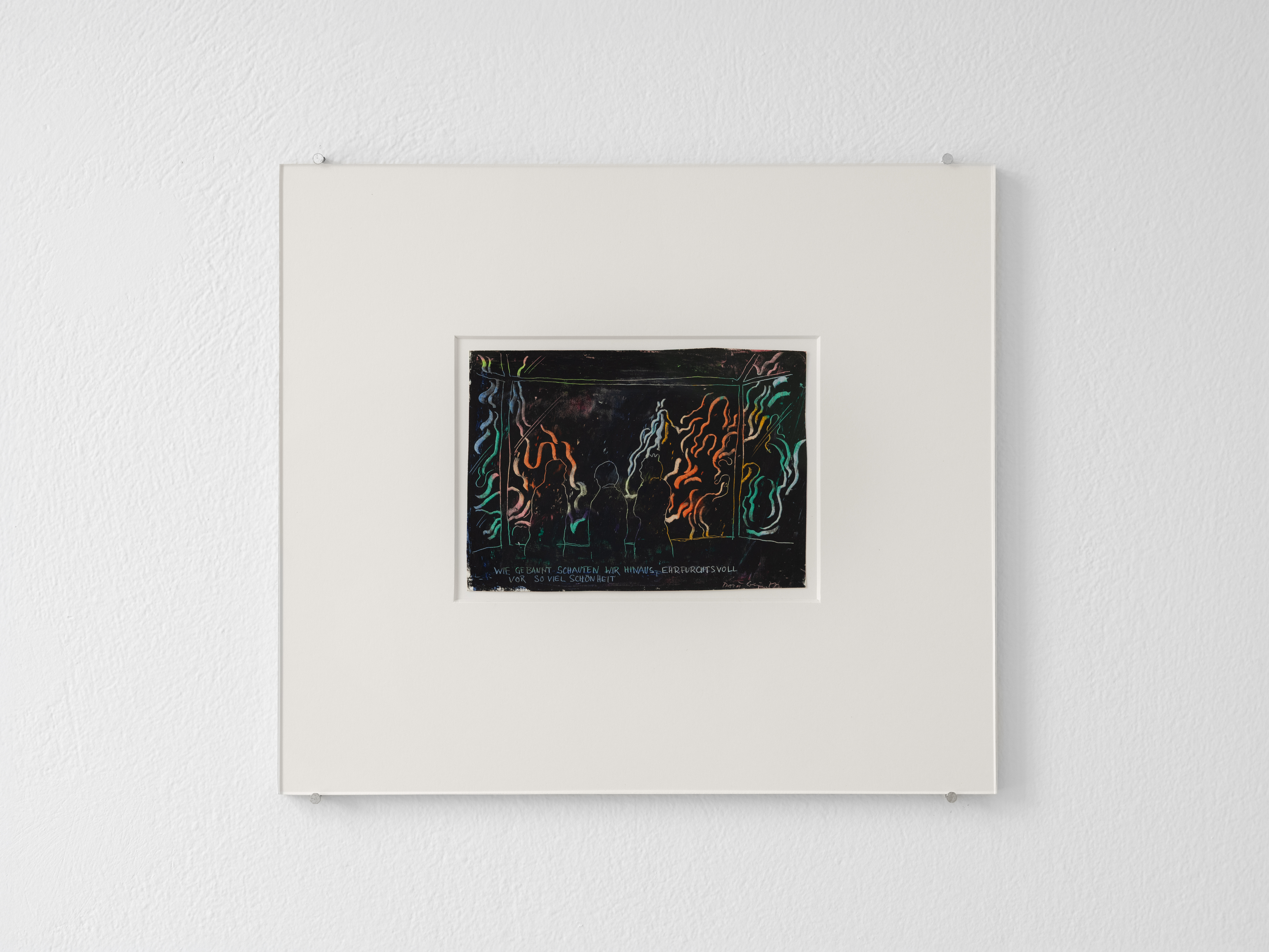
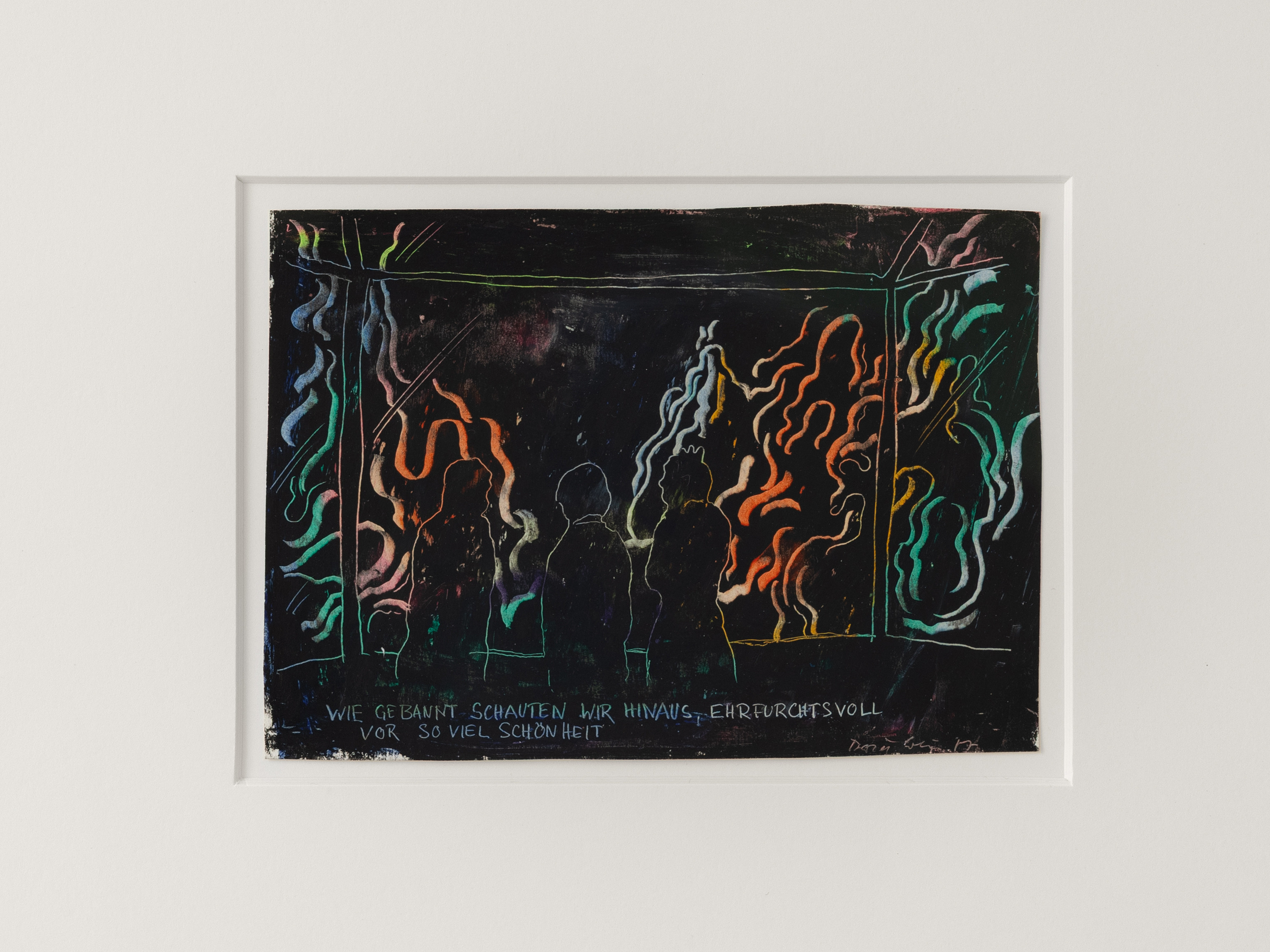
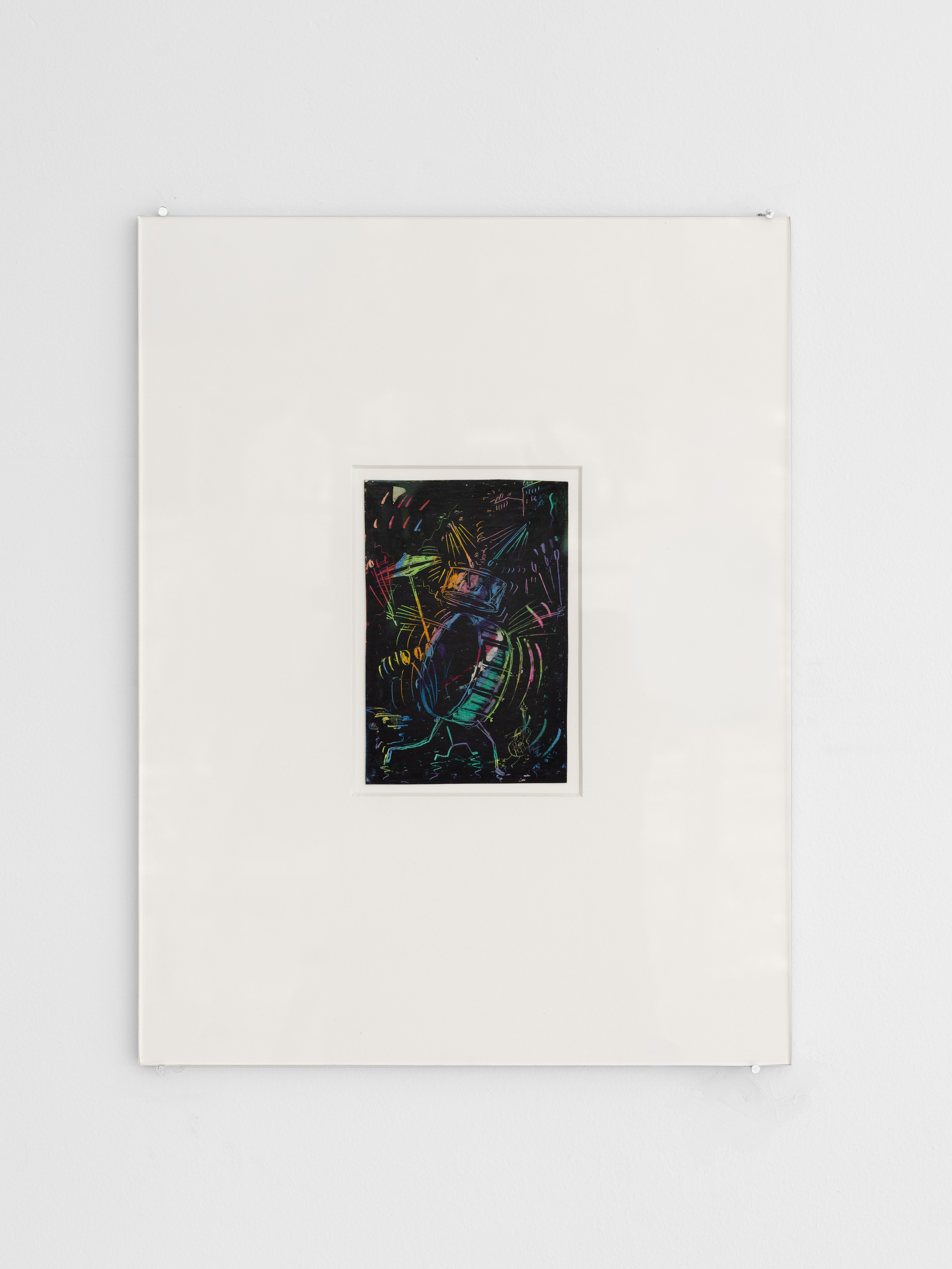
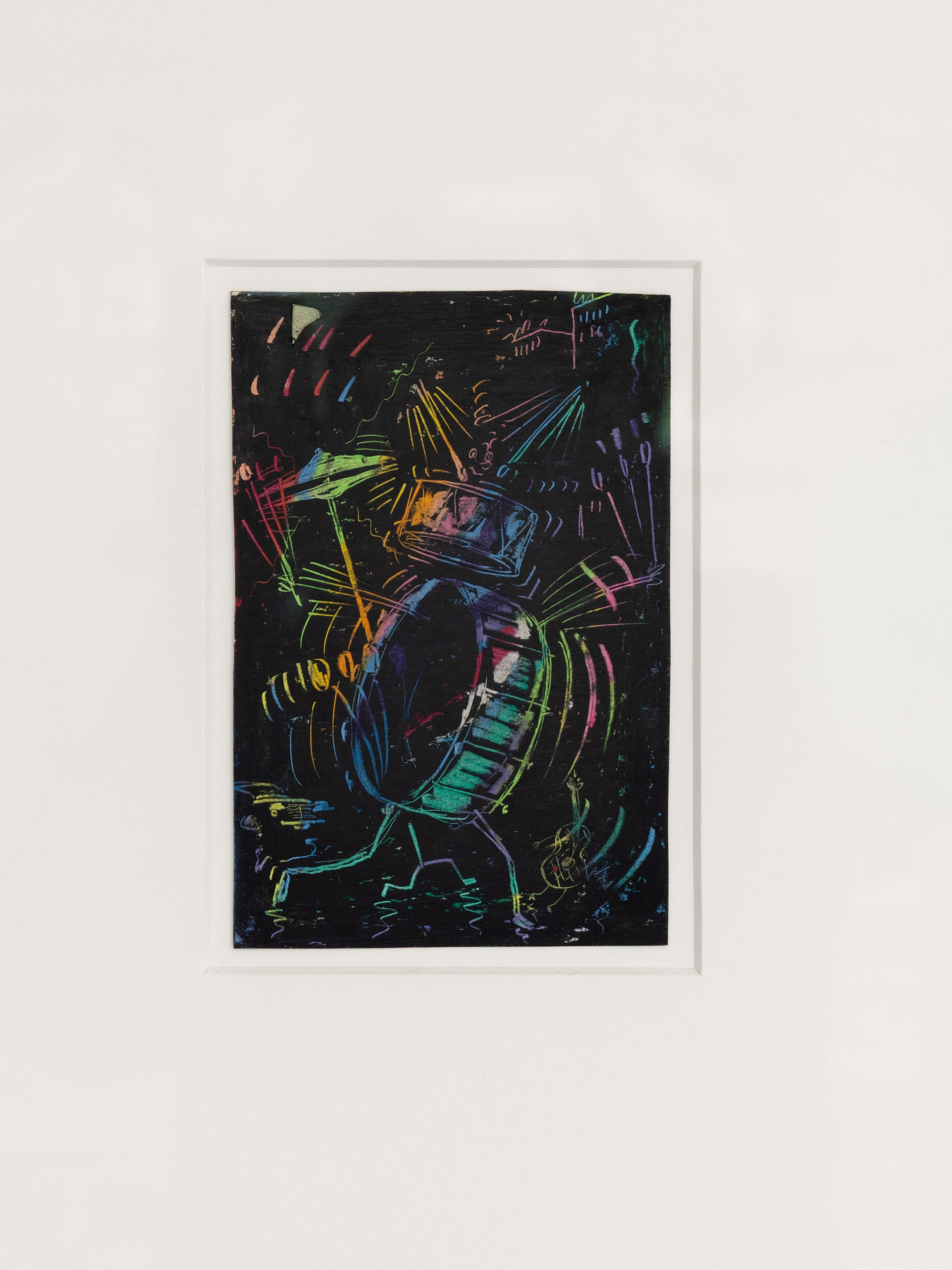
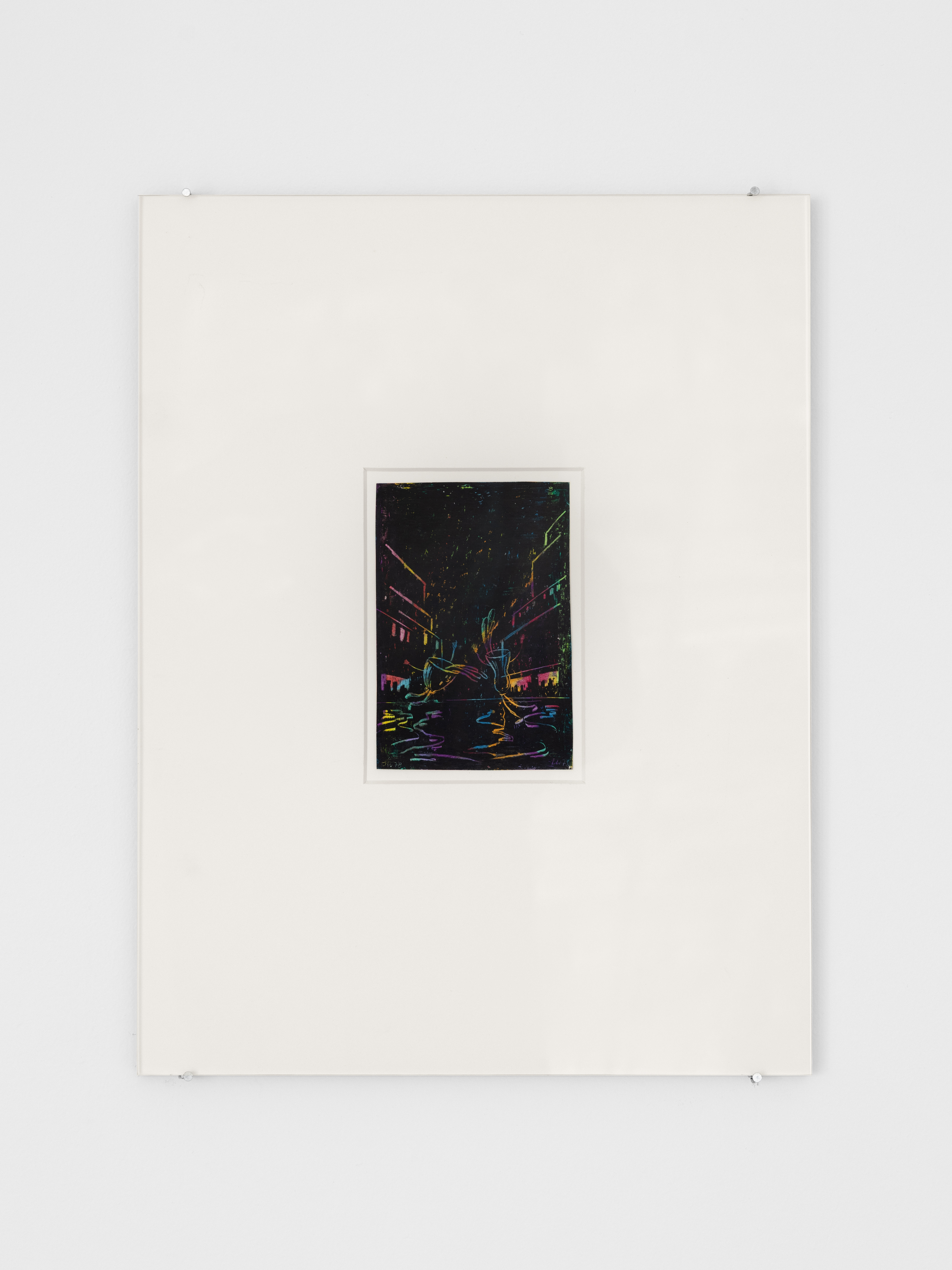
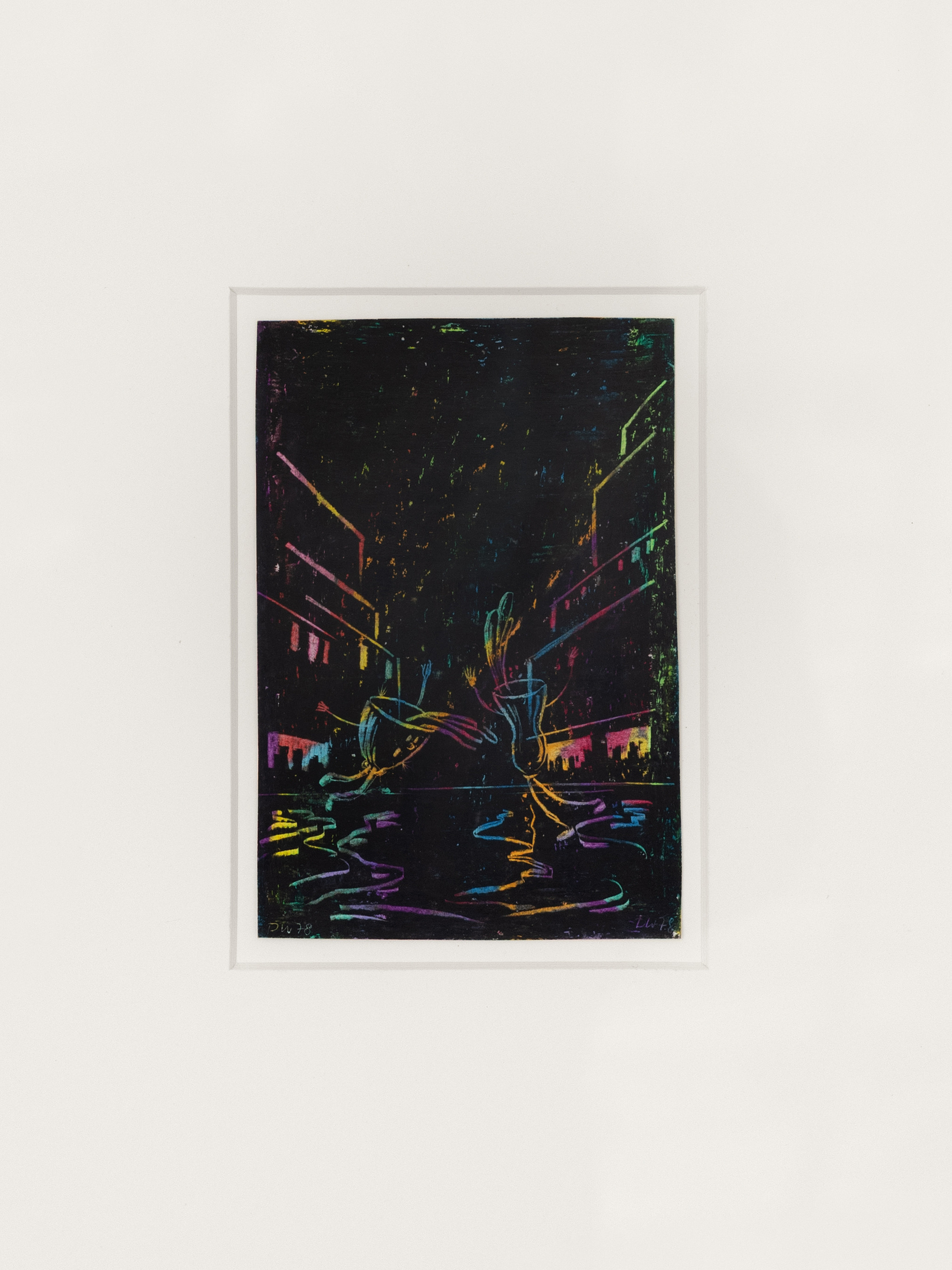
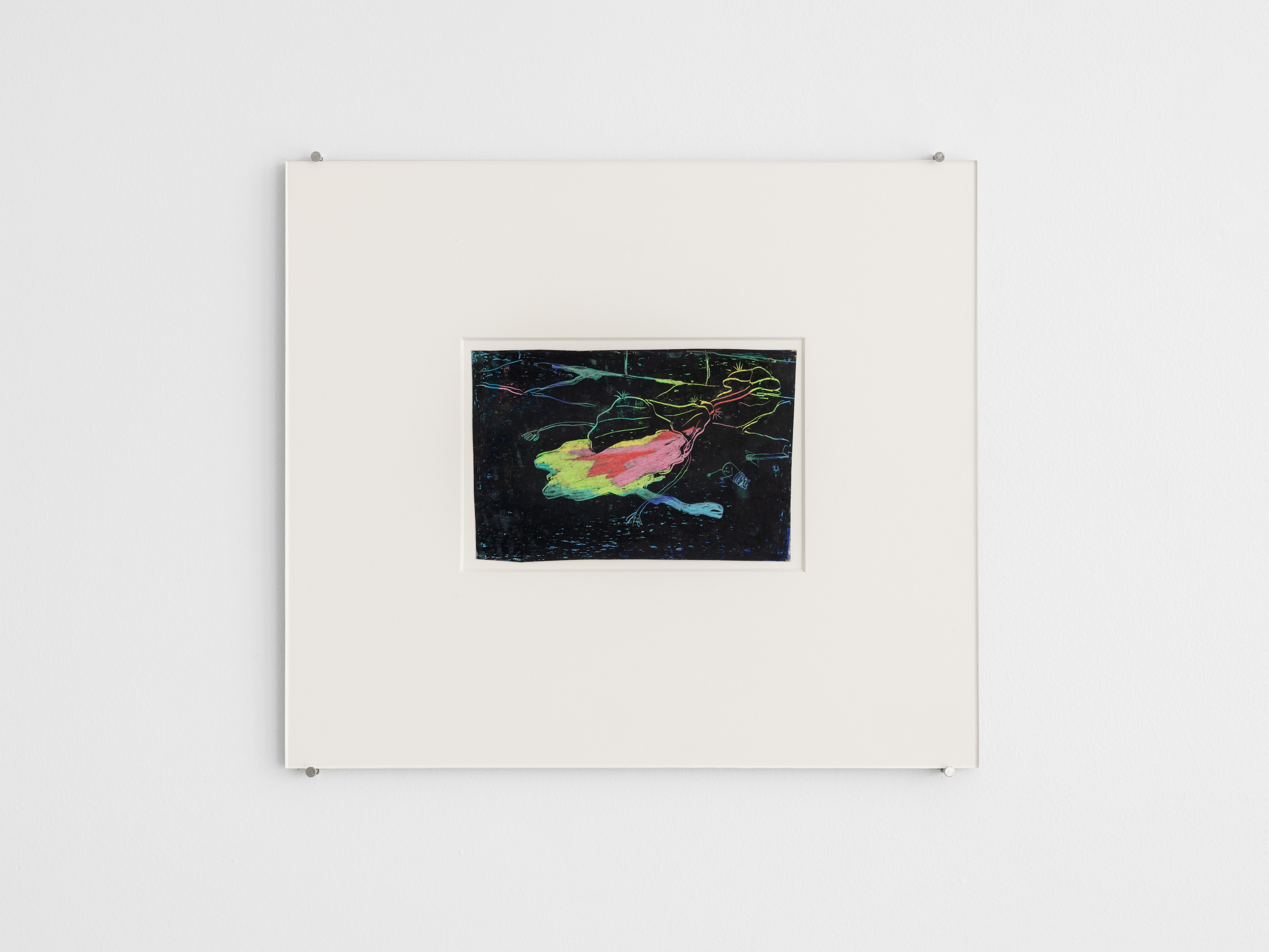
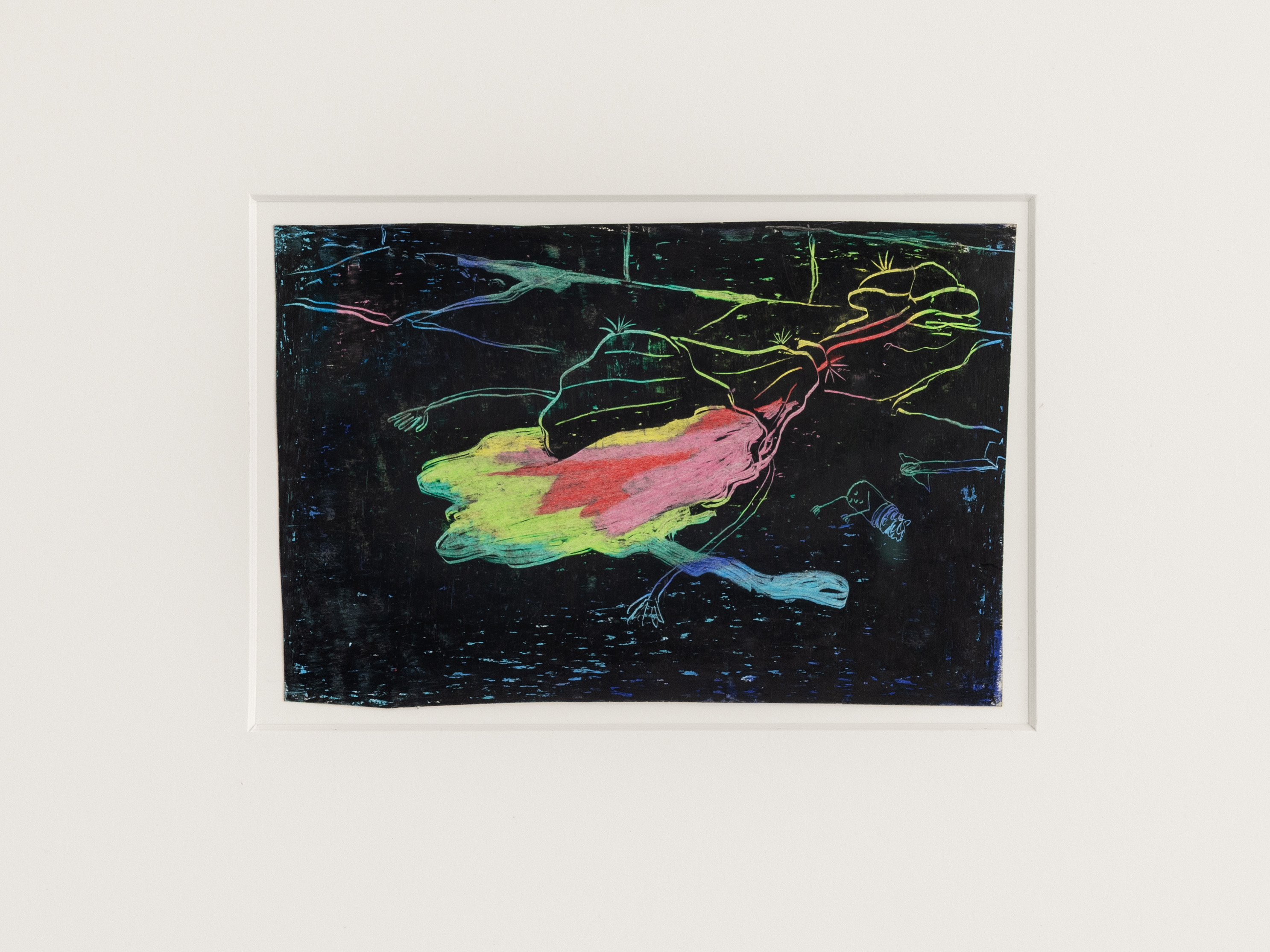
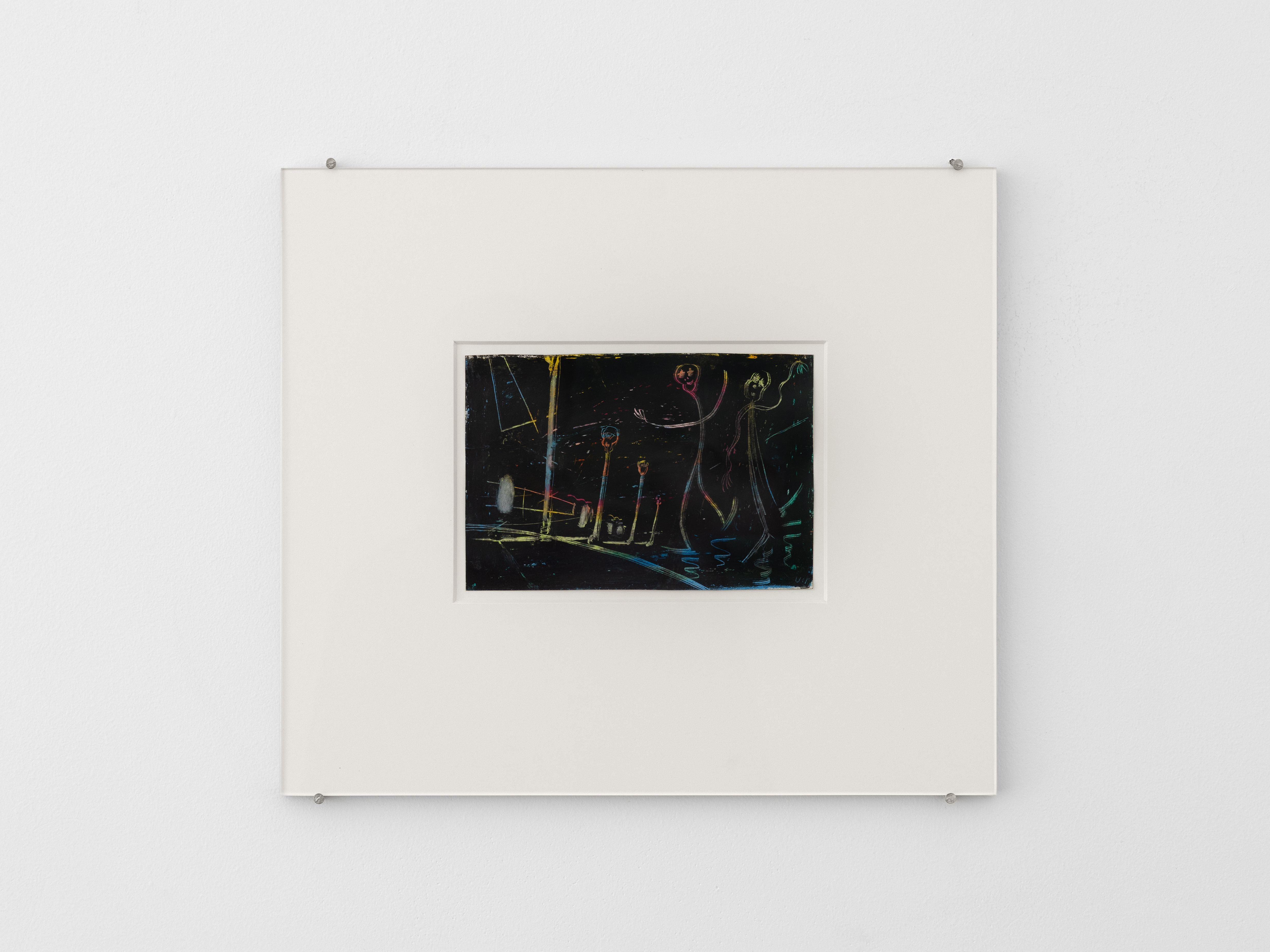
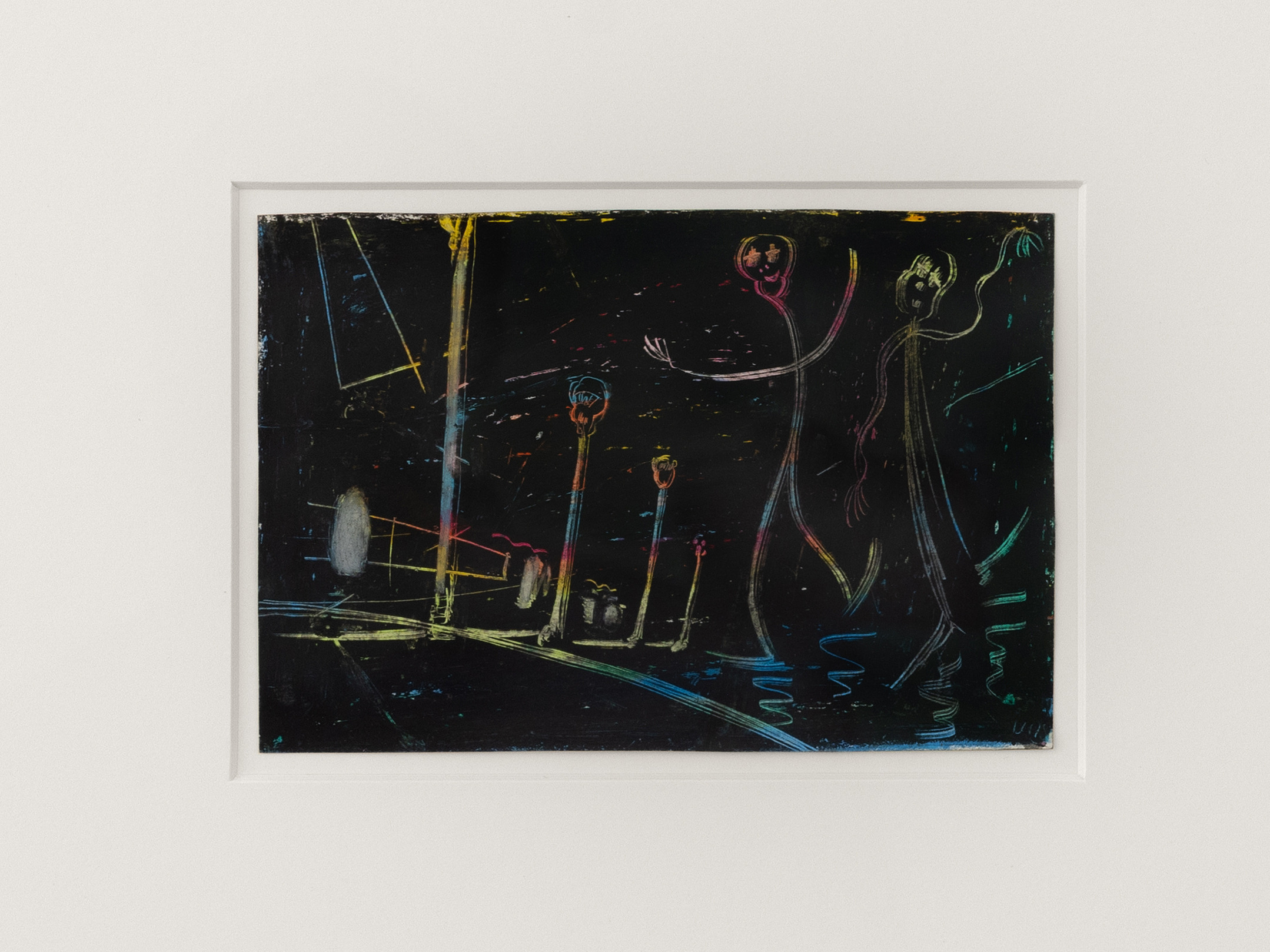
In one of his Neocolor works, David Weiss (1946-2012) carves out a small universe of a drawing out of a surface of black —sticky— matter; lines, scratches, orbits, tiny freckles of distant stars, arrows pointing towards an implied centre and then away, dispersed as if after a collision. Outwards and outwards, traces of routes of the world turning, of dynamic shifts pointing towards the end of an era and a language, the better devil of the world as it was up until then known, ending. On the corner of the paper, a script decodes “the mystery of the lines”: it is the map of the Migration Period, where lines indicate both stasis and movement; invasions by Goths, Huns, and Vandals, masses of people stepping down ancient roads, a period which marked the end of the Roman Empire. A map of impermanent geography, tumultuous, spanning across centuries, captured gleefully as if by a child’s simple yet brilliant mind.
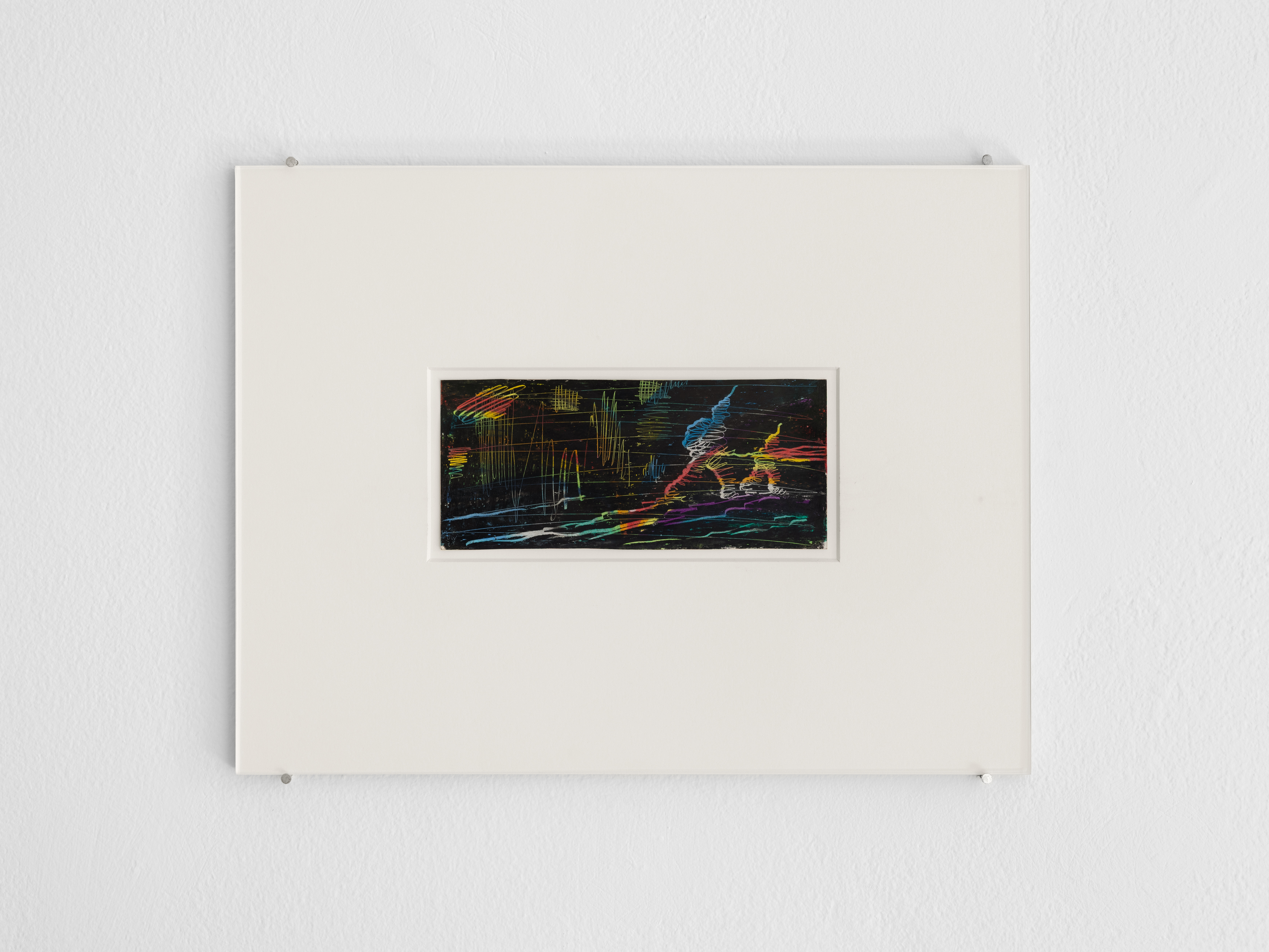
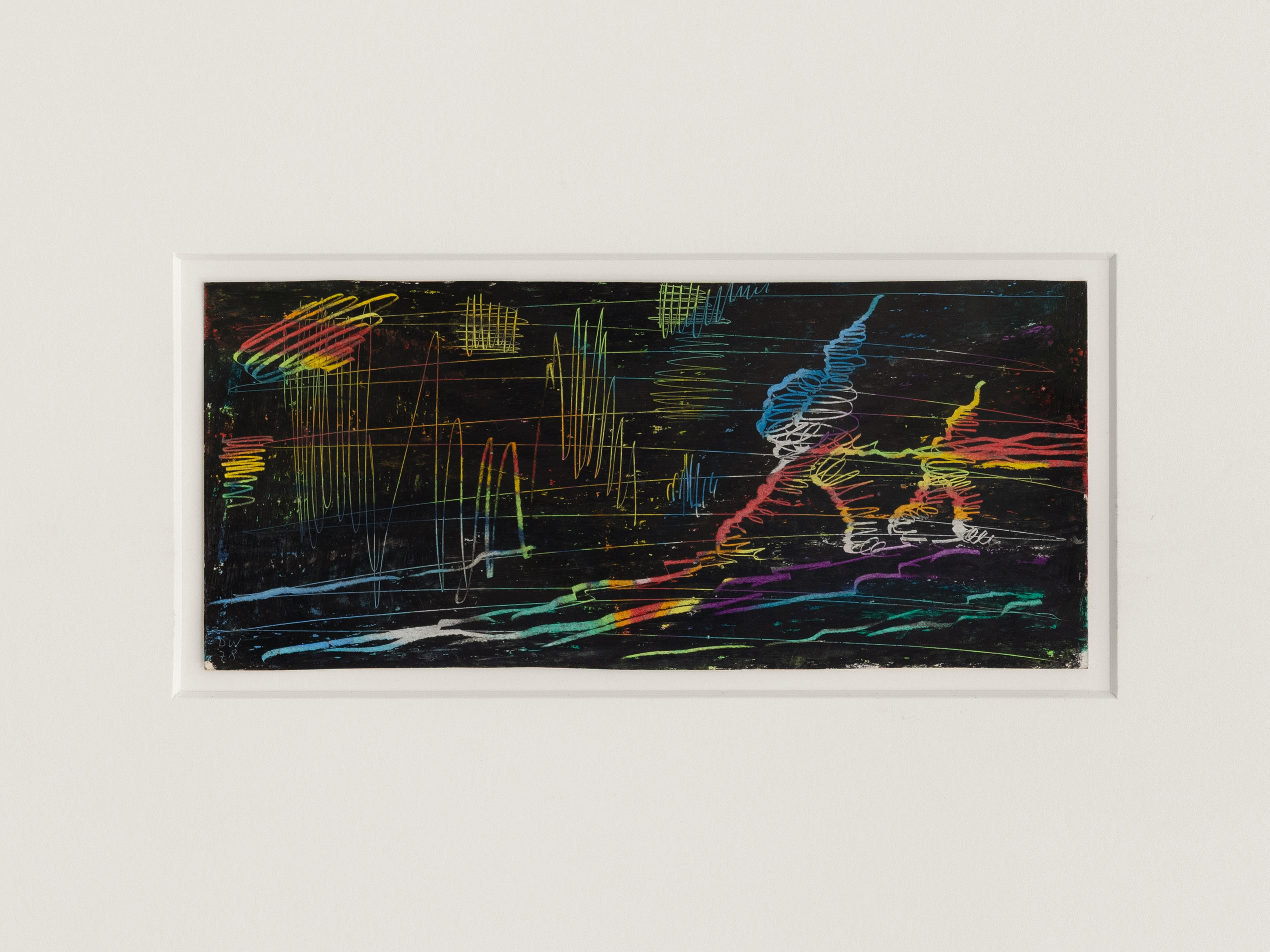
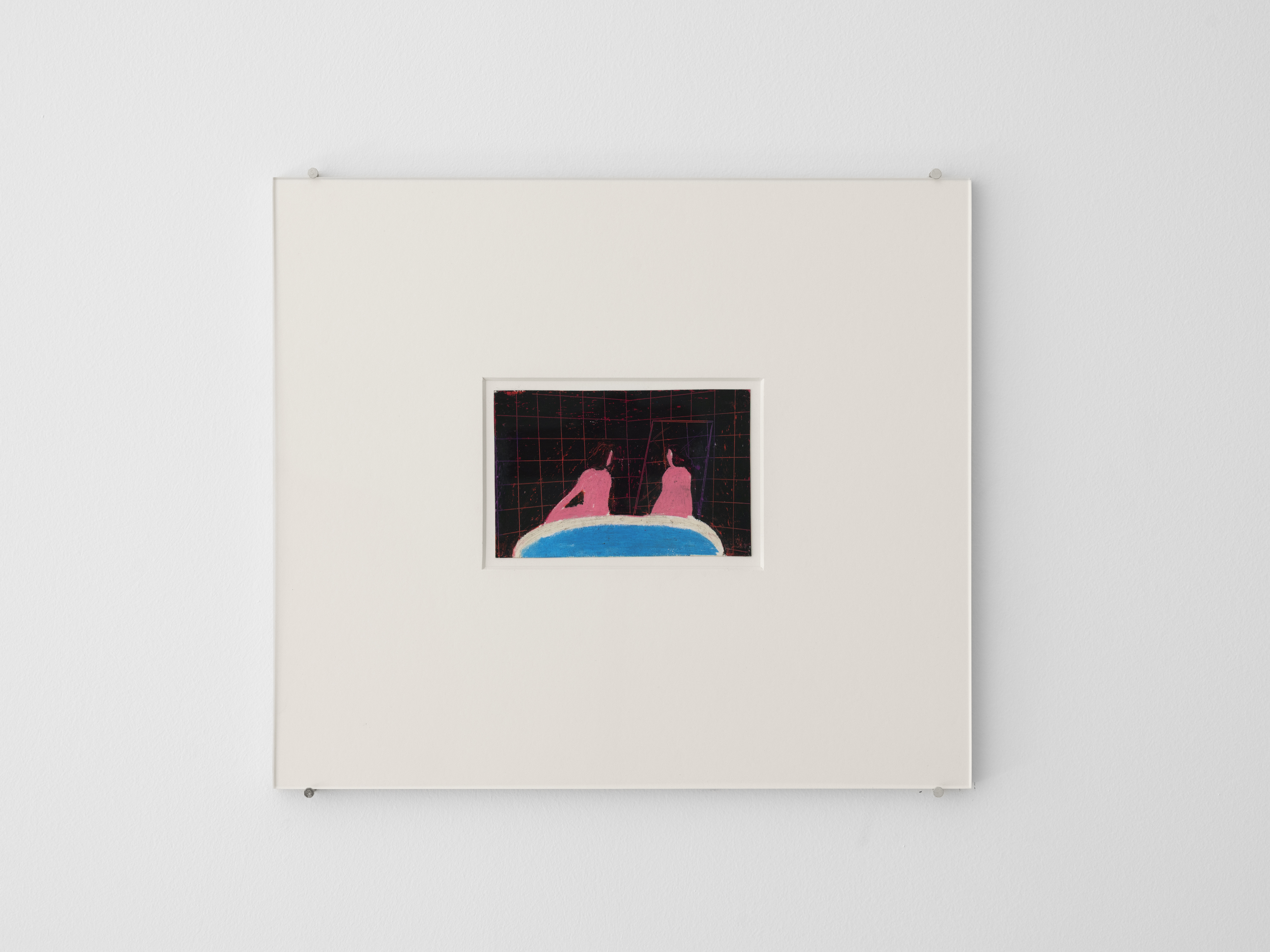
These drawings —made between 1977 and 1979— are named after the Caran D’Ache wax…
Exhibition Space

Tags



Press Release
In one of his Neocolor works, David Weiss (1946-2012) carves out a small universe of a drawing out of a surface of black —sticky— matter; lines, scratches, orbits, tiny freckles of distant stars, arrows pointing towards an implied centre and then away, dispersed as if after a collision. Outwards and outwards, traces of routes of the world turning, of dynamic shifts pointing towards the end of an era and a language, the better devil of the world as it was up until then known, ending. On the corner of the paper, a script decodes “the mystery of the lines”: it is the map of the Migration Period, where lines indicate both stasis and movement; invasions by Goths, Huns, and Vandals, masses of people stepping down ancient roads, a period which marked the end of the Roman Empire. A map of impermanent geography, tumultuous, spanning across centuries, captured gleefully as if by a child’s simple yet brilliant mind.
These drawings —made between 1977 and 1979— are named after the Caran D’Ache wax…
Exhibition Space
Tags
Artist
More Exhibitions at Melas Martinos
Guestbook

Editing is restricted
You cannot submit an edit because the institution hosting this exhibition has been claimed by .
Editing this section requires claiming the profile of the institution hosting this exhibition.
Claims are one of the many safeguards in place on UntitledDb that preserve the integrity of the information on our platform.
Editing is restricted
Editing this section requires claiming the profile of the institution hosting this exhibition.
Claims are one of the many safeguards in place on UntitledDb that preserve the integrity of the information on our platform.
Editing is restricted
A reputation of 20,000 or higher is needed to edit posts created by other users.
Familiarize yourself with our platform by creating new posts and watching your favorites. You'll reach a reputation of 20,000 in no time.
This is one of the many safeguards in place on UntitledDb that preserve the integrity of the information on our platform.
Account access options
Log in and connect with the art world
By continuing, you agree to our Terms of Use and Privacy Policy.
or
Account access options
Sign up and connect with the art world
By continuing, you agree to our Terms of Use and Privacy Policy.
or
Account access options
Expand your reach with UntitledDb Pro
By continuing, you agree to our Terms of Use and Privacy Policy.
or
Account access options
Grow your institution's reach and impact with UntitledDb Enterprise
By continuing, you agree to our Terms of Use and Privacy Policy.
or
Sign up for UntitledDb Pro to unlock this feature