P.OST
Kunstverein am Rosa-Luxemburg-Platz•Dec 10, 2025 — Jan 31, 2026


Artist
Guestbook
Press Release
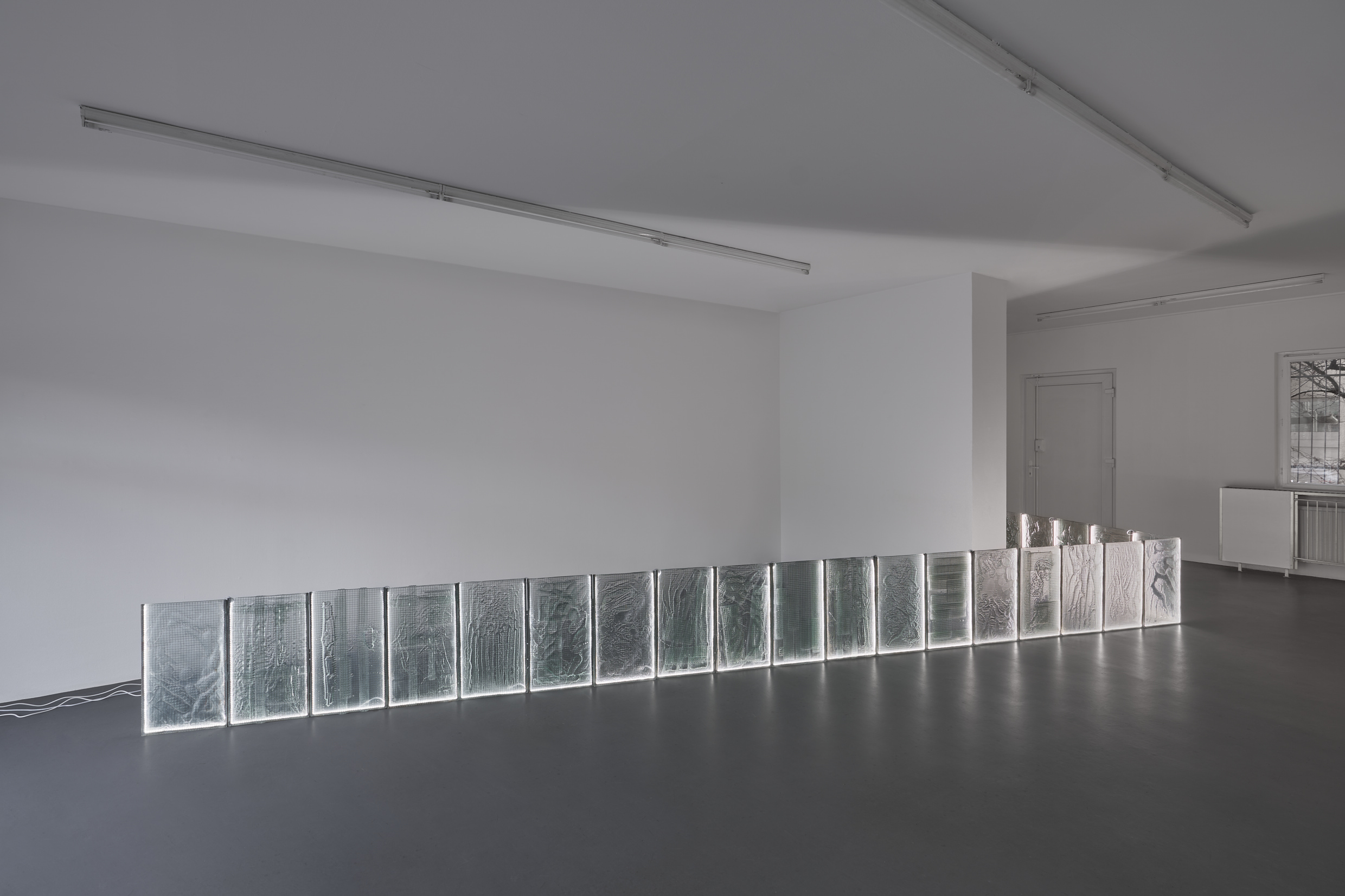
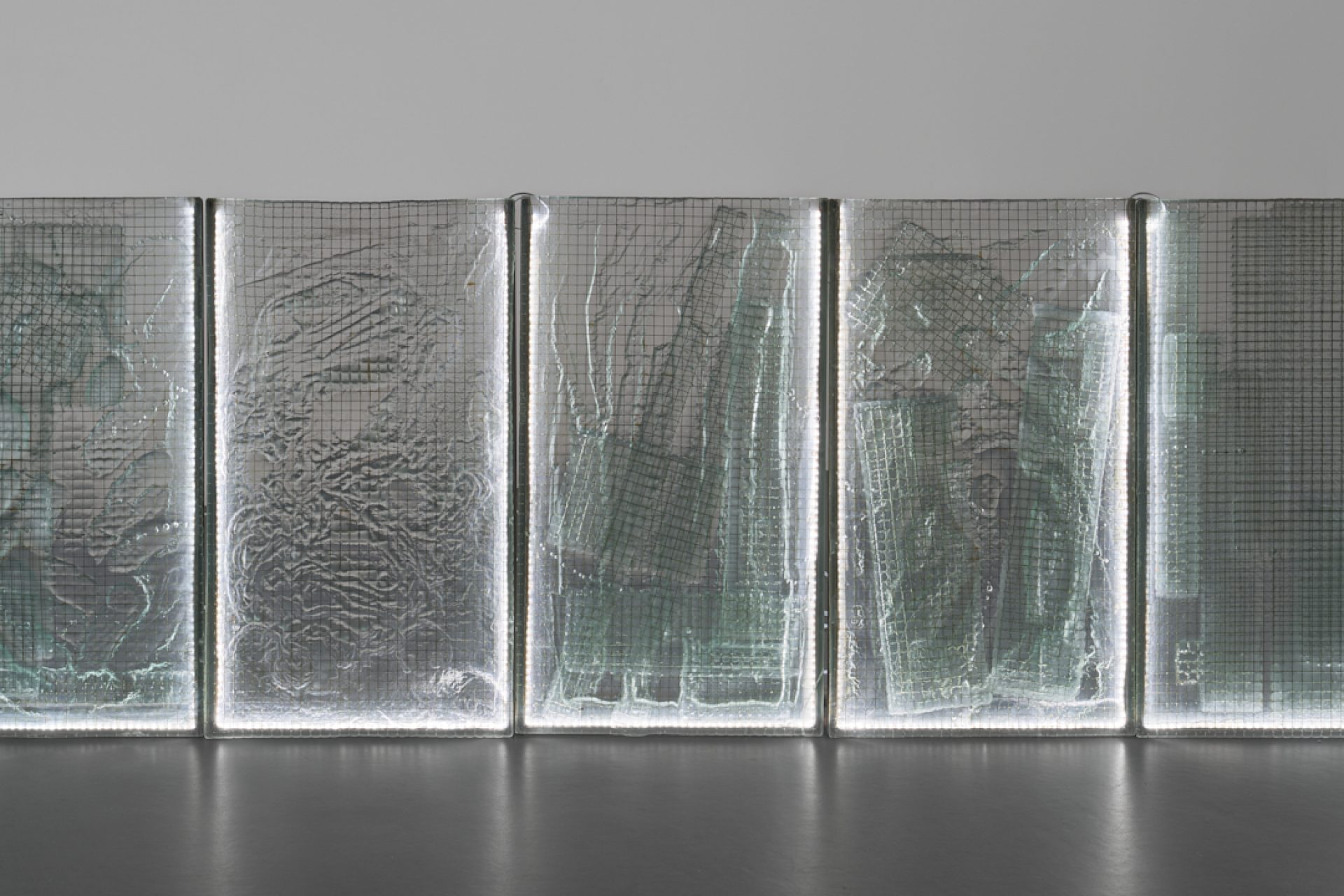
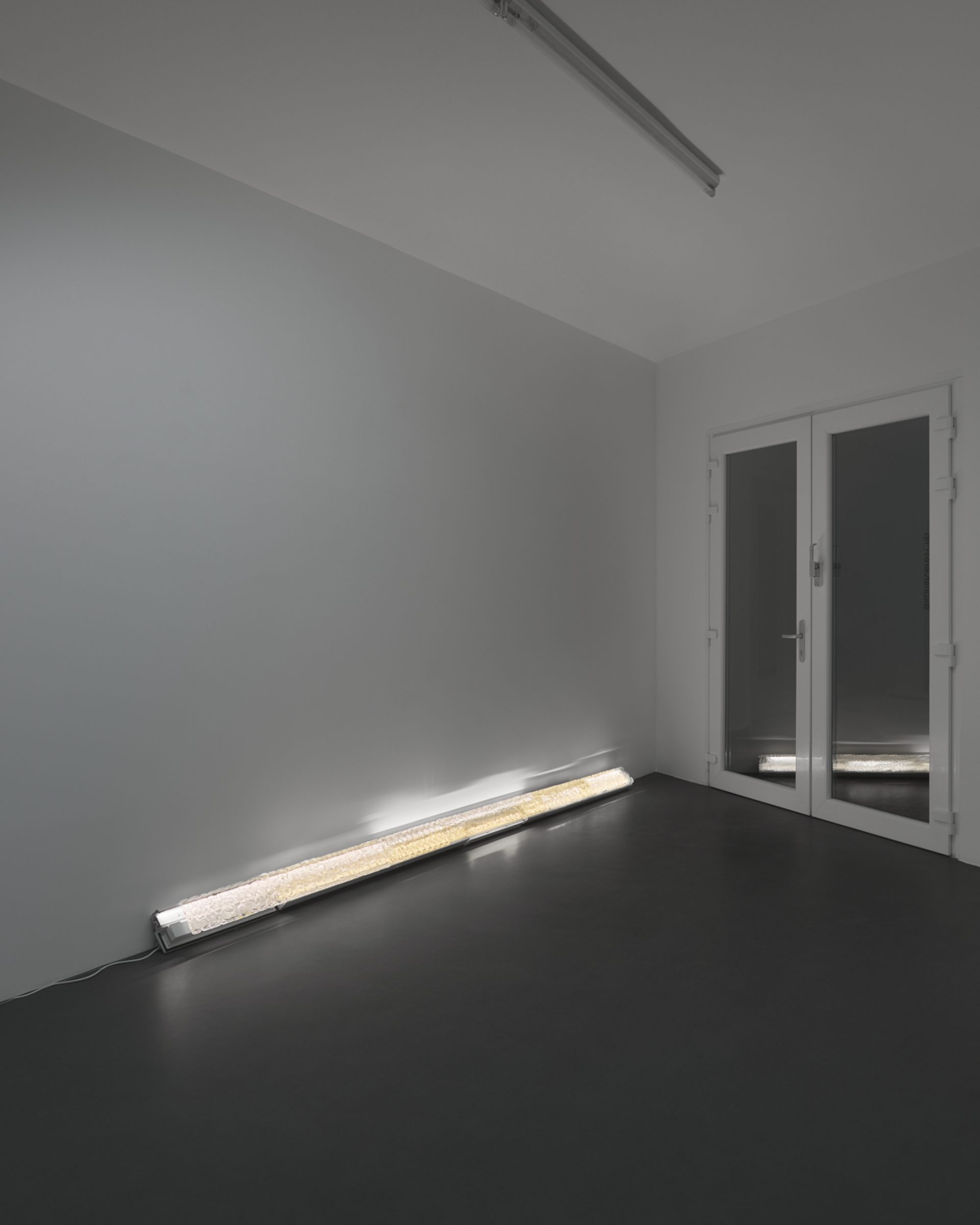
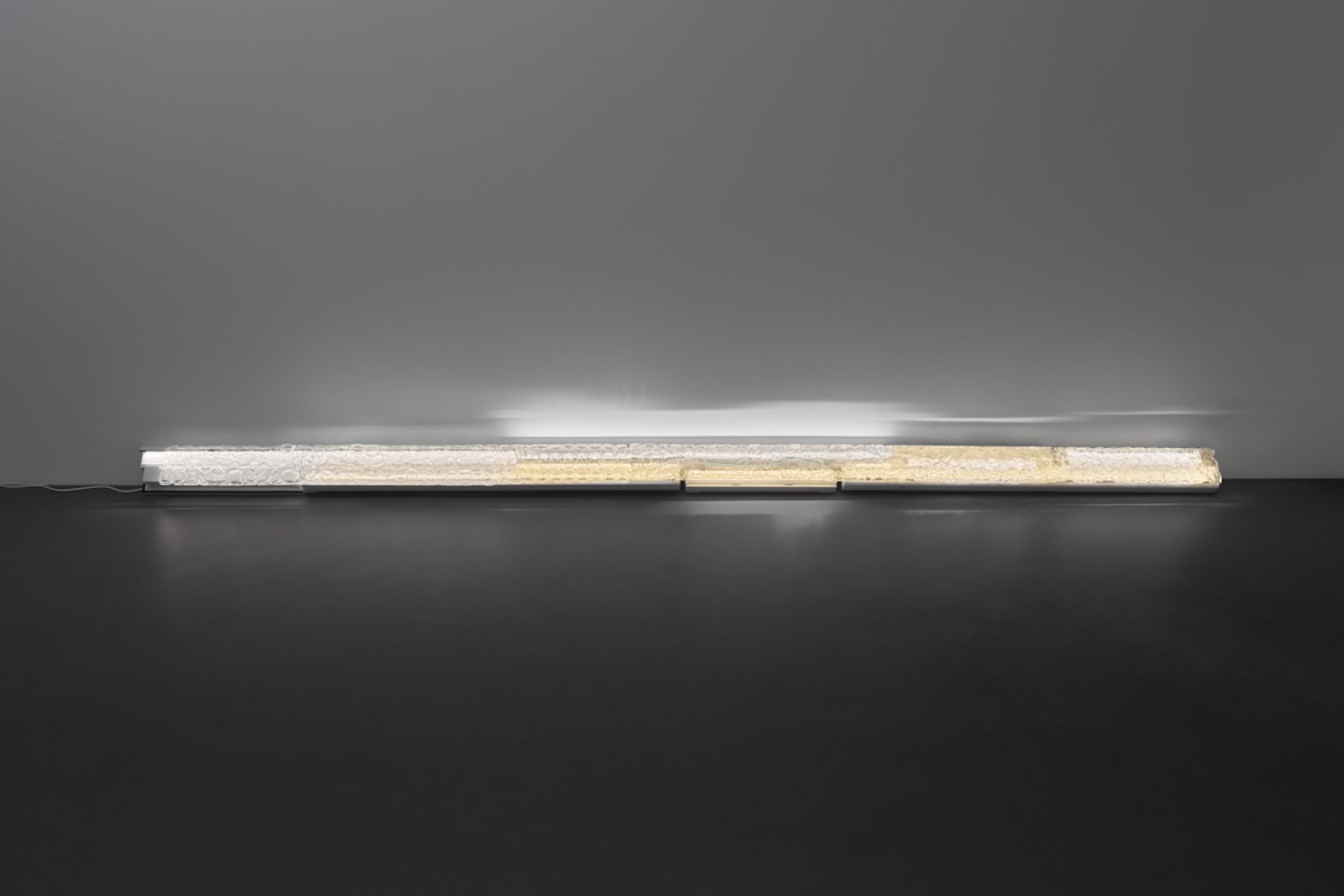
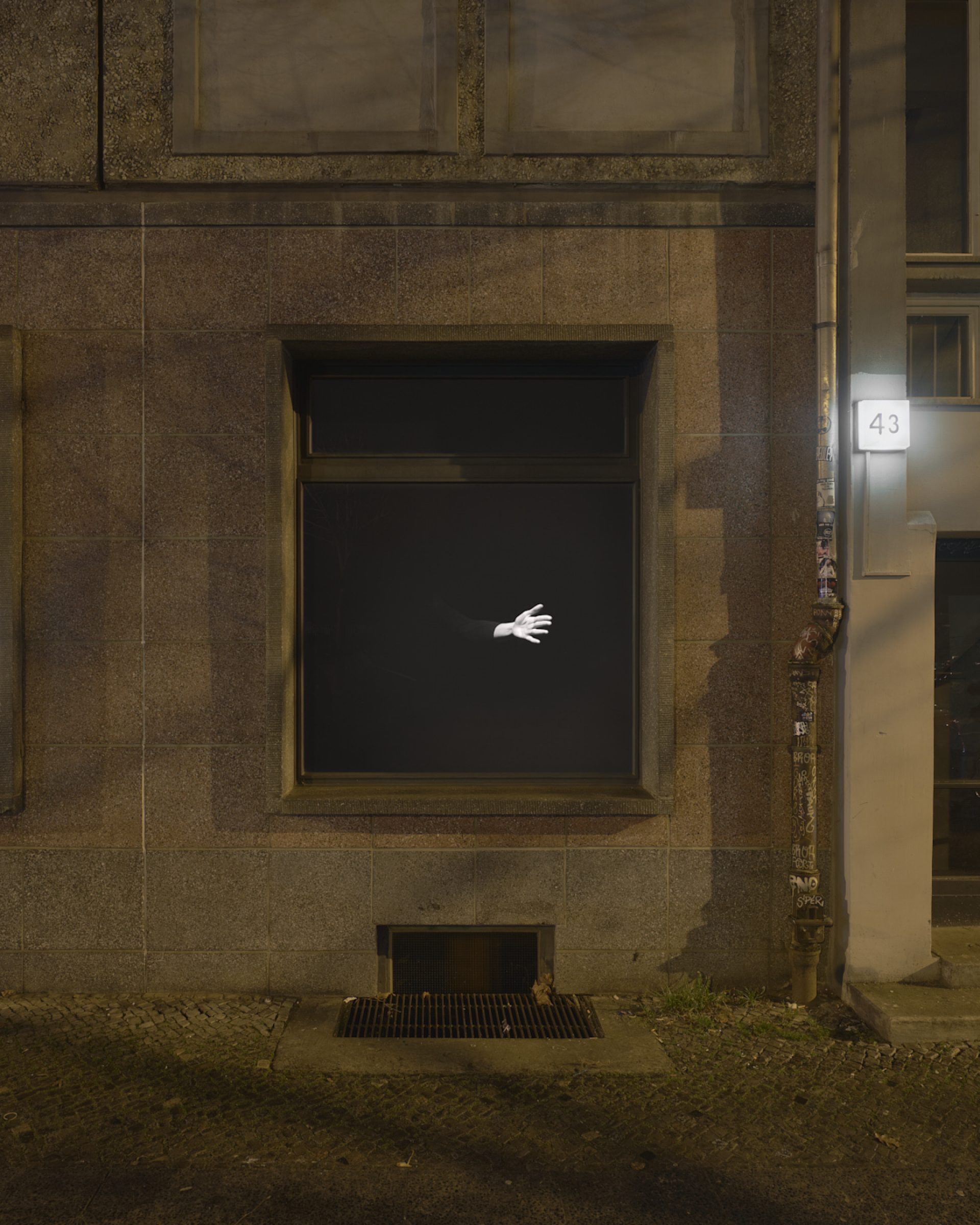
The Kunstverein am Rosa-Luxemburg-Platz is pleased to present P.OST, the first institutional solo exhibition in Germany by Polish artist Mateusz Choróbski. Developed specifically for the Kunstverein, the exhibition brings together sound, video, light, and sculptural installations that reflect on memory, transformation, and the layered identity of Rosa-Luxemburg-Platz.
Choróbski’s work explores the tension between nostalgia and memory, questioning the tendency to idealize the past and examining how nostalgia can be understood – as sentimentality, heritage, or misunderstanding. The title P.OST refers both to the vanished OST sign on the Volksbühne and to the question of what comes “after the East.” Drawing inspiration from the architectural and cultural history of Rosa-Luxemburg-Platz, particularly Hans Poelzig’s designs for the Babylon cinema, he transforms the gallery into a stage built from traces, shadows, and fragments of the surrounding urban fabric.
His broader practice spans…
Exhibition Space

Metadata
Watchers 1

Claims

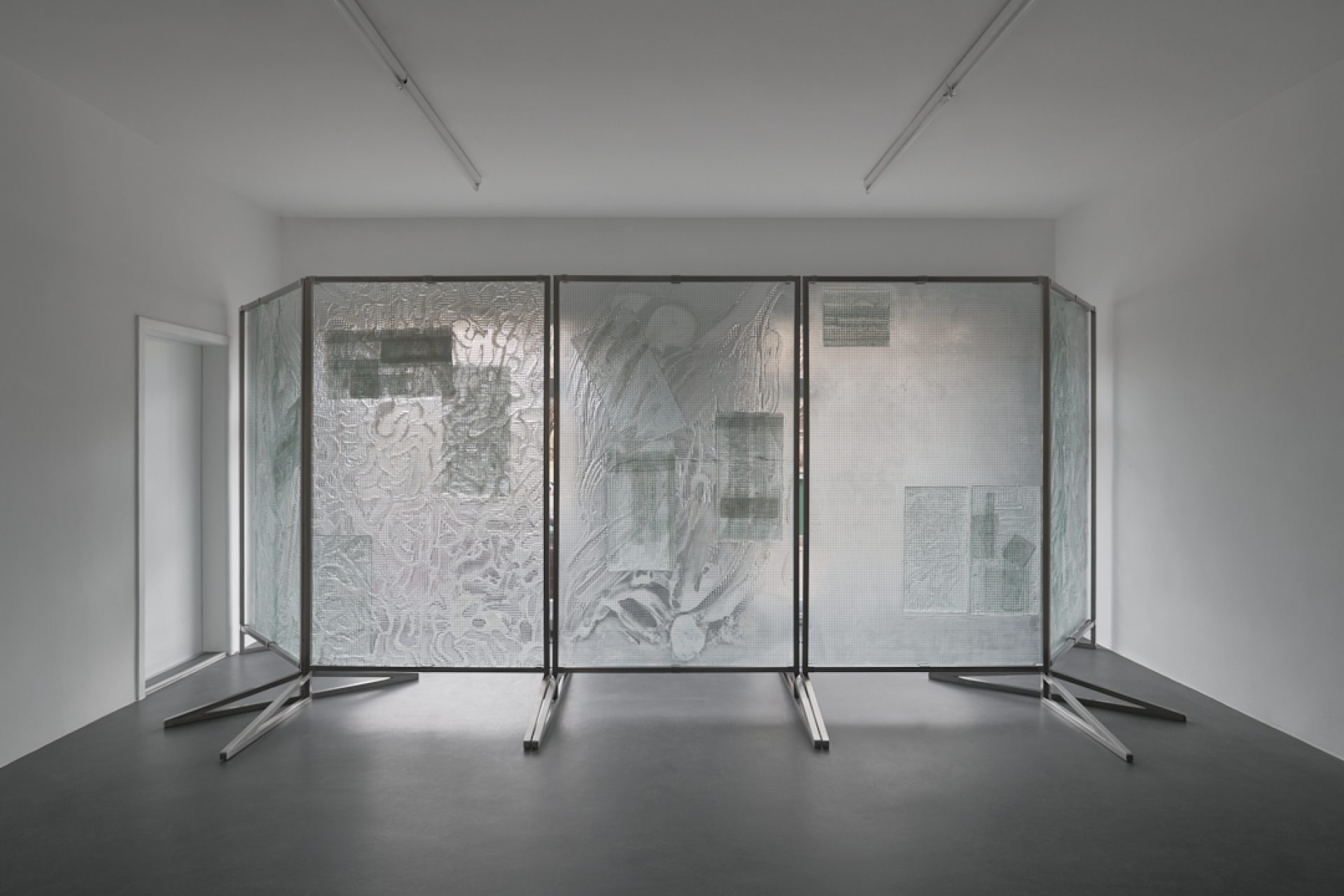
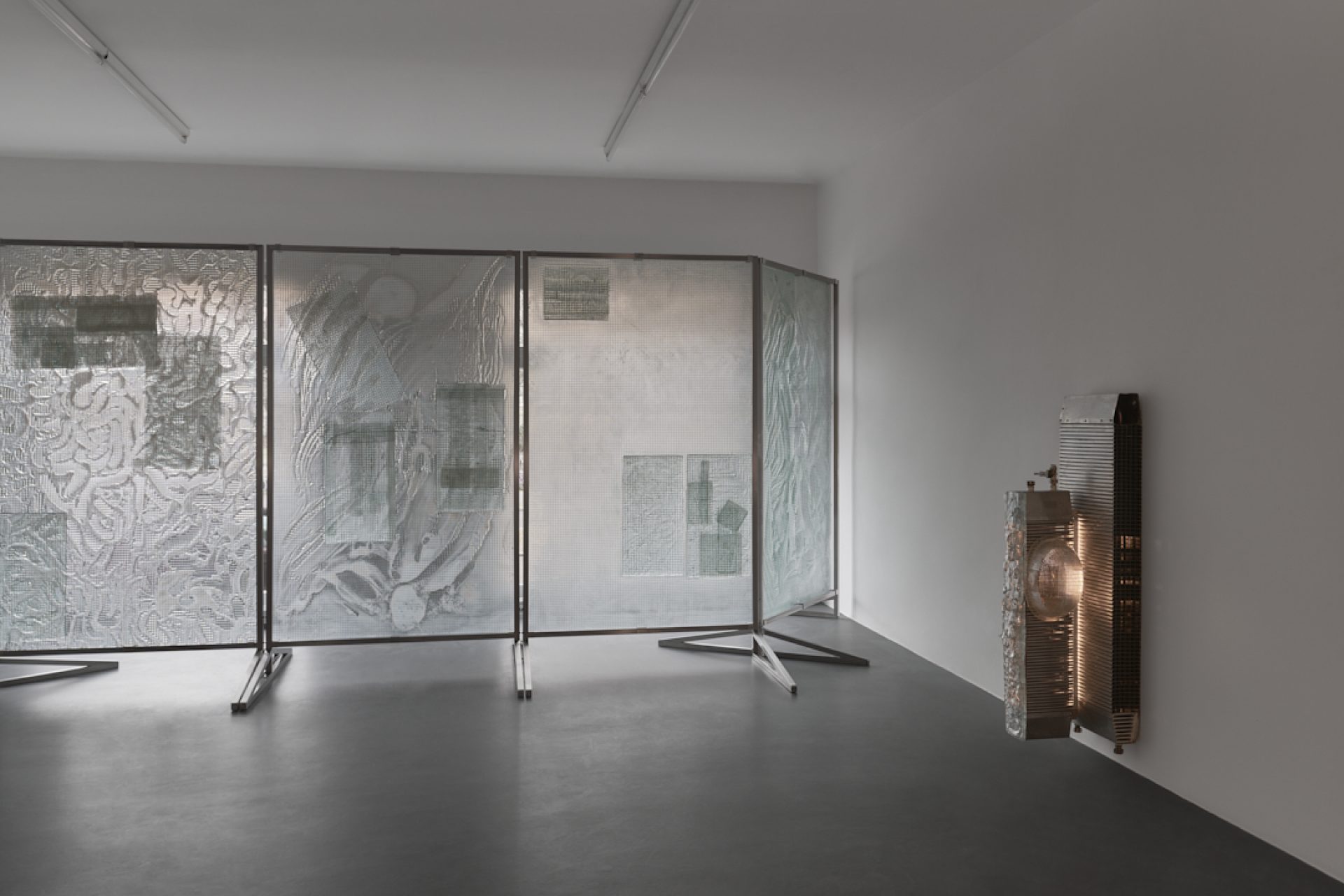
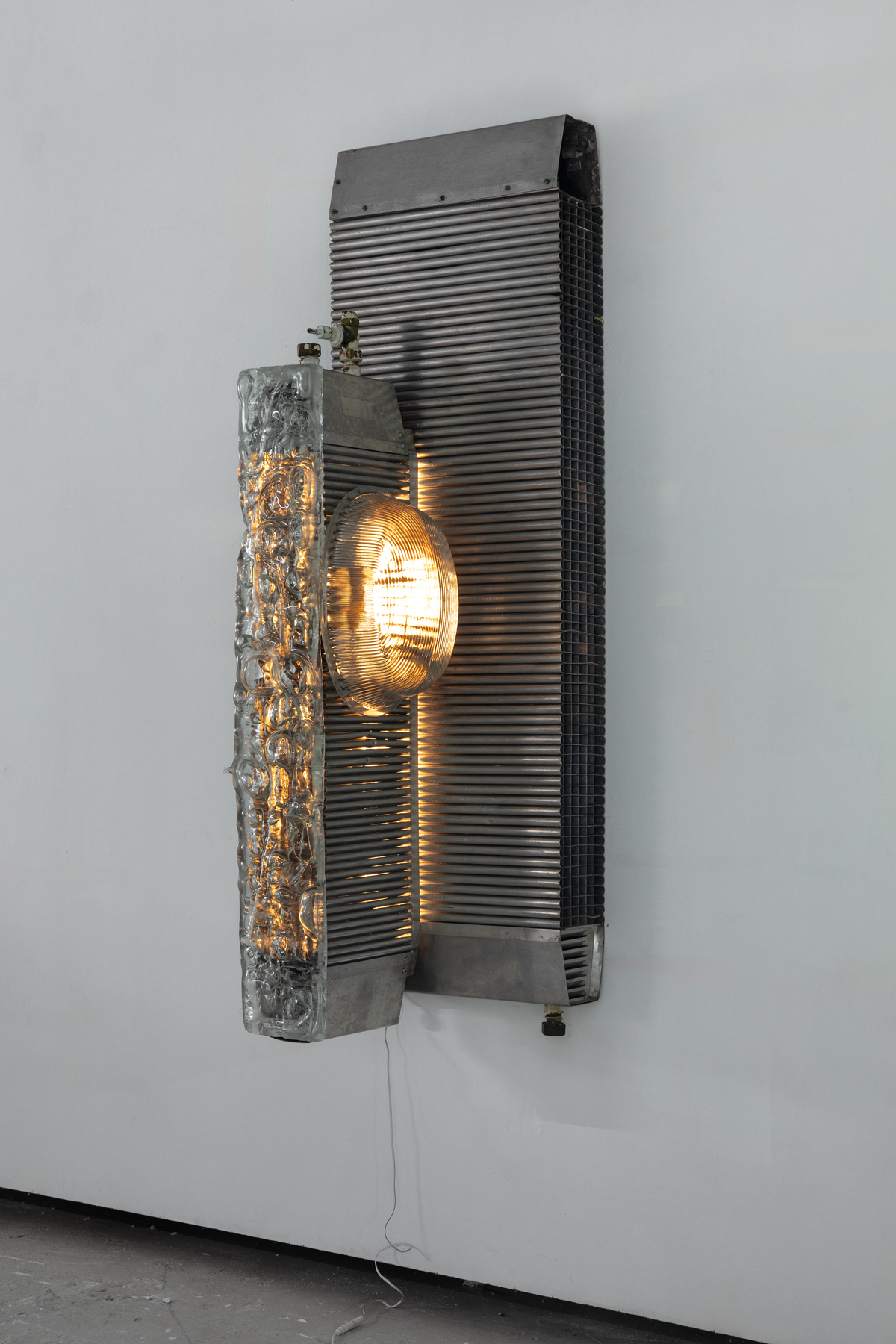
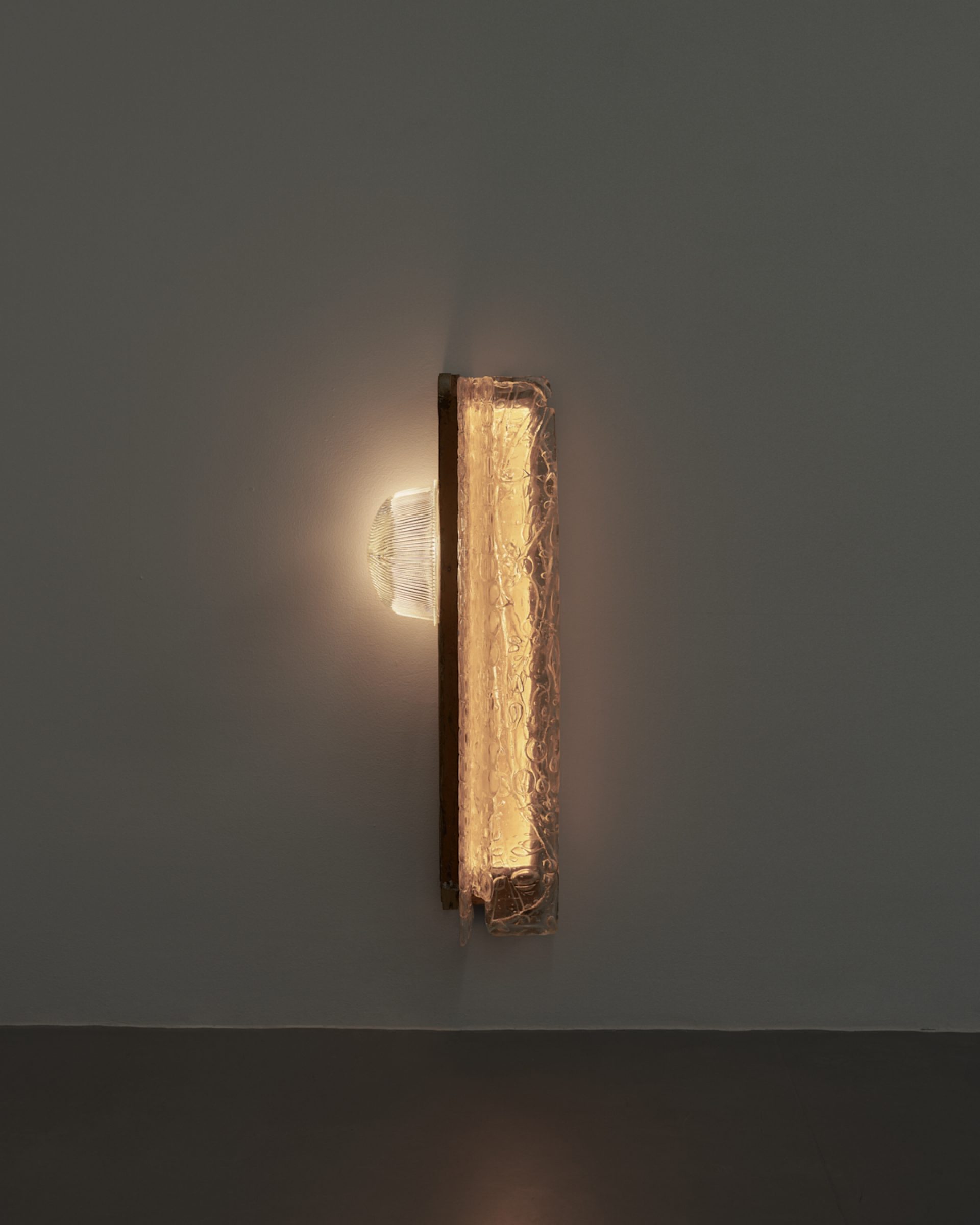



P.OST
Kunstverein am Rosa-Luxemburg-Platz•Dec 10, 2025 — Jan 31, 2026
Press Release
The Kunstverein am Rosa-Luxemburg-Platz is pleased to present P.OST, the first institutional solo exhibition in Germany by Polish artist Mateusz Choróbski. Developed specifically for the Kunstverein, the exhibition brings together sound, video, light, and sculptural installations that reflect on memory, transformation, and the layered identity of Rosa-Luxemburg-Platz.
Choróbski’s work explores the tension between nostalgia and memory, questioning the tendency to idealize the past and examining how nostalgia can be understood – as sentimentality, heritage, or misunderstanding. The title P.OST refers both to the vanished OST sign on the Volksbühne and to the question of what comes “after the East.” Drawing inspiration from the architectural and cultural history of Rosa-Luxemburg-Platz, particularly Hans Poelzig’s designs for the Babylon cinema, he transforms the gallery into a stage built from traces, shadows, and fragments of the surrounding urban fabric.
His broader practice spans…
Exhibition Space
Artist
Guestbook
Metadata
Watchers 1
Claims

Editing is restricted
You cannot submit an edit because the institution hosting this exhibition has been claimed by .
Editing this section requires claiming the profile of the institution hosting this exhibition.
Claims are one of the many safeguards in place on UntitledDb that preserve the integrity of the information on our platform.
Editing is restricted
Editing this section requires claiming the profile of the institution hosting this exhibition.
Claims are one of the many safeguards in place on UntitledDb that preserve the integrity of the information on our platform.
Editing is restricted
A reputation of 20,000 or higher is needed to edit posts created by other users.
Familiarize yourself with our platform by creating new posts and watching your favorites. You'll reach a reputation of 20,000 in no time.
This is one of the many safeguards in place on UntitledDb that preserve the integrity of the information on our platform.
Account access options
Log in and connect with the art world
By continuing, you agree to our Terms of Use and Privacy Policy.
or
Account access options
Sign up and connect with the art world
By continuing, you agree to our Terms of Use and Privacy Policy.
or
Account access options
Expand your reach with UntitledDb Pro
By continuing, you agree to our Terms of Use and Privacy Policy.
or
Account access options
Grow your institution's reach and impact with UntitledDb Enterprise
By continuing, you agree to our Terms of Use and Privacy Policy.
or
Sign up for UntitledDb Pro to unlock this feature